10 Quick Tips About Basement Wall Repair

basement wall repairIf you find a crack in your basement wall it needs to be repaired. Here are 10 quick tips about basement wall repair to help you know what you may be dealing with and how to handle it.

1.) No foundation crack is OK to ignore. 

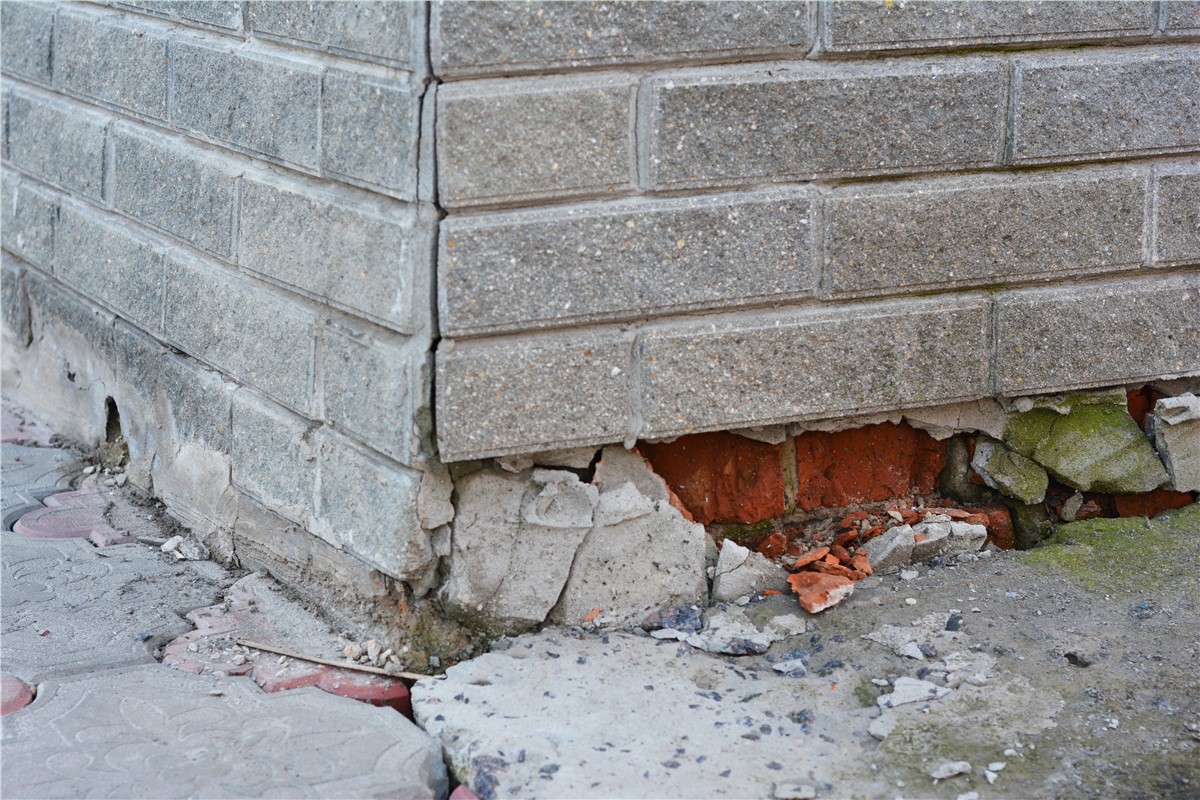
Foundation cracks let in water, soil gases, insects, rodents, and (it is worth repeating) water. Water even in the form of moisture, vapor, humidity or an active leak can cause serious damage in the way of mold, mildew, and rot. Even a hairline crack can let in water that can cause these problems.

2.) Some cracks are structural some are not. 

Not every foundation crack means that your house is ready to collapse. Some cracks are not structural, meaning they weren’t caused by a moving foundation. Nonstructural cracks can be caused by hydrostatic pressure, tree roots or another outside force pushing on the foundation.

3.) If you see a vertical crack

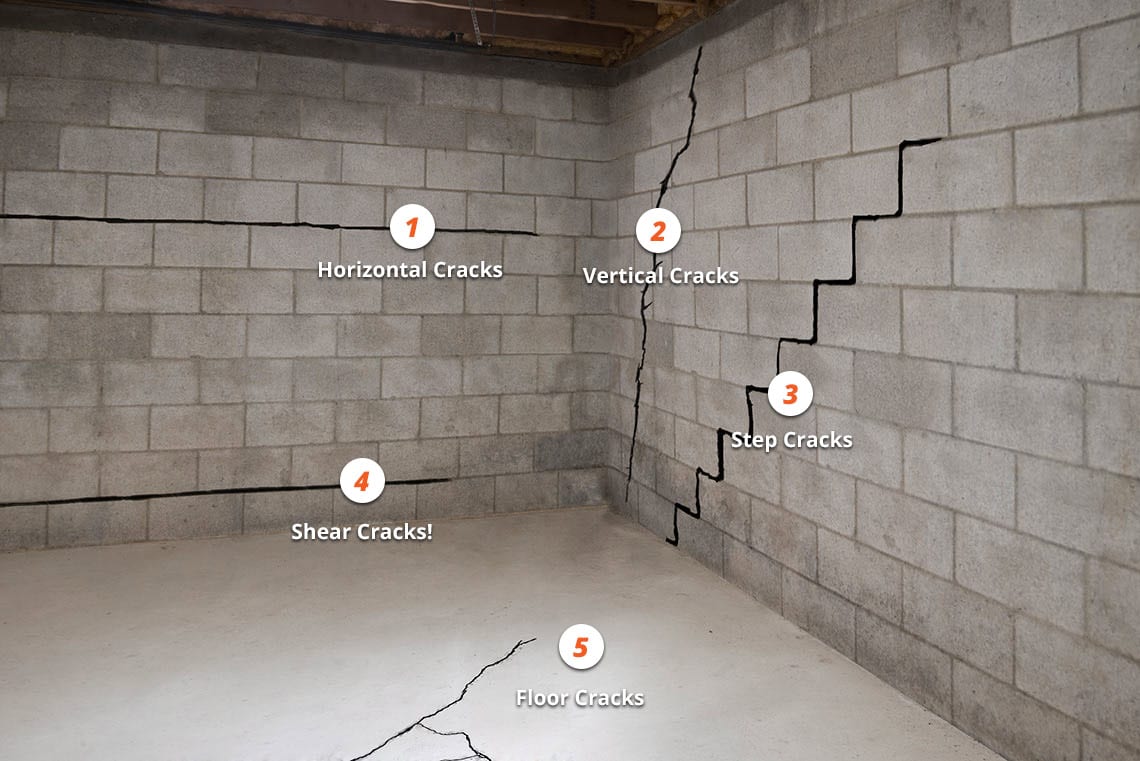
Vertical foundation cracks are often the least threat to the building. They are usually caused by the natural expansion and contraction of concrete. Through the years’ freeze-thaw cycles, the concrete expands and contracts causing the concrete to crack. When these vertical cracks are straight or slightly wandering and generally even in thickness, the risk is fairly low as far as affecting the structural integrity of the house.

4.) If you see a horizontal crack

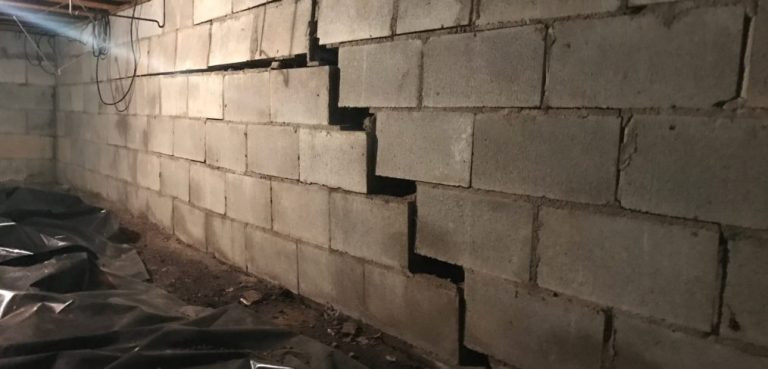
Generally, horizontal cracks are structural cracks usually caused from pressure building up on the opposite side of the wall from either an improper backfill or hydrostatic pressure.

5.) Surface treatments (like caulking) don’t work on basement walls.

Caulking or other surface treatments that you can find in the hardware store don’t work on basement walls. Professional grade crack injection materials are designed to withstand the pressure either of a moving foundation or outside pressure that is heavy enough to crack concrete.

6.) Some cracks need polyurethanes

The cracks that are nonstructural and just leaking will need a polyurethane crack injection material. Most polyurethanes are flexible and move with the crack if it happens to move with a freeze-thaw cycle of the concrete.

7.) Some cracks need epoxy

If a crack is moving, expanding and contracting with the concrete or widening you will most likely need an epoxy. Epoxy hardens to a rigid material that actually chemically bonds to the concrete so the cracks stops moving.

8.) If the crack is moving you may need a crack stabilizer like carbon fiber staples 

Sometimes a crack needs more of a stabilizer than just merely epoxy and a contractor will recommend pairing it with carbon fiber staples or ties. Carbon fiber is a proven method to strengthen a foundation wall. Carbon fiber is an incredibly strong, lightweight manmade material that found its place in the foundation repair industry about 20 years ago. Some carbon fiber systems actually are used for more than crack repair and are used to stabilize a bowing block wall.

9.) Sometimes foundation cracks mean serious damage

If you multiple foundation cracks on adjacent walls or if the problems are moving upstairs—such as sticking doors and windows, cracks in the walls and sheetrock upstairs, or damage to the chimney it may be a sign of foundation settlement. If your house is indeed on loose or unstable soil, then you may need to look into underpinning or piers that will set your house on solid footings again.

10.) Call a professional 

Do not, we repeat, DO NOT DO foundation repair work yourself. The average homeowner does not have the know-how to pull it off safely. Unless you have experience as a structural engineer, you could cause damage to yourself and your house if you try to do foundation wall repair work yourself. Call a professional basement waterproofer or structural repair contractor to assess your situation. Most contractors offer free inspections and estimates. It is important to understand the seriousness of your situation and see the best options to fix it.
5 Reasons You Should Invest in Foundation Wall Repair

foundation wall repairPeople understand the metaphors about the necessity of a sure foundation; however, when the literal foundation of a house may be compromised they question if it is worth fixing. There is a reason the metaphors make sense. Your foundation is literally the most important part of the house. Without a strong foundation, the whole structural integrity of the house could be compromised. While investing in foundation repair may not be a fun remodel, it is definitely necessary. Here are five reasons why you should invest in foundation wall repair.
1.) It is dangerous to ignore it

Foundation problems can lead to foundation failure. Yes, while some cracks and foundation issues are slow moving, if you never solve the issues they will get worse. As the problem gets worse, it will cost more money to fix. If the damage is extensive enough it may need to be completely rebuilt. Ignoring foundation damage will become increasingly more dangerous and could completely collapse resulting in major repairs to your entire home.

2.) It impacts the resale value of your home

You may have a great house but if you have foundation problems, it is going to be hard to sell. If you ever want to sell your house, you will have to either take a major loss on the house or fix the foundation. Most of the time the buyer will force the seller to repair the foundation before a deal is finalized. While the laws vary state to state, most places have strict laws about sales disclosures and the condition of the foundation is definitely an item on the disclosure form. If you don’t disclose a problem it can turn into a costly lawsuit or at least blow the sale.

3.) The problems will not go away on their own

Foundation problems will not fix themselves and it isn’t safe for a homeowner to do it themselves. They don’t have the right tools or the right experience to have a foundation repair job. Homeowners need to call a professional. A professional’s repairs will be certified. A home inspector will know the difference between a professional job and a DIY foundation repair and it will impact the value of your home.

4.) The issues don’t stop with the foundation

If you have need foundation repair then you probably have cracks in the foundation. If you have foundation cracks, you most likely have water issues, too. If you have water issues, you most likely have mold and mildew issues. If you have mold then you probably have indoor air quality issues. Foundation cracks could also be letting in radon and other dangerous soil gases. Basically, you need to understand that foundation cracks are actually causing your families health and breathing problems or even worse, lung cancer if you have a radon problem that you don’t know about.

5.) Fixing the foundation will fix your house

If you are in need of foundation repairs, you have probably been living with windows and doors that stick, unsightly cracks in your walls upstairs, or gaps around doors and windows letting in serious drafts or even rodents and insects. Your chimney could be leaning, tilting or even cracked. The bricks on your house could be cracked or with cracks in the mortar joints. These are just symptoms of foundation and settlement issues. You need to fix the foundation to permanently fix these issues. If you try to fix these issues before you fix the real cause you will end up refixing the same problems over and over again.

Overall, the health of your foundation impacts your whole house and the health of the home environment. The foundation should be treated and maintained as the important part of the home that it is. Don’t ignore foundation repairs. Don’t wait for it to turn into an emergency. Invest in the foundation repairs your home needs sooner than later.

Basement Cracks and Finished Basements

basement cracksBasement wall cracks are the most common source of seepage problems.  If you have a foundation that is constructed of poured concrete, there’s a very high likelihood there is a crack somewhere in your foundation.  If your basement is finished, it can become a challenge to find them.

Before you start ripping down your drywall or paneling, take a walk outside.
Walk around the exterior of your home.  It’s best if there is still daylight.  Otherwise, grab a powerful flashlight.  And make sure to bring your eyeglasses with you.

The first thing you want to do is locate the top of your foundation wall.
Ideally, it should extend above your grading at least a few inches.  If not, grab a shovel and pull back the soil enough so you can expose the top of the foundation.

Once the foundation is exposed and identified, clean off the surface of the wall.
A wire brush will usually do the trick.  Now, slowly scan the exposed portion of the foundation and look for hairline cracks.  When I say hairline, some cracks are just 1/16 of an inch wide.  Now you know why I said grab your glasses!  Here’s a photo to give you a better idea:

Spend some extra time on the sections of the wall that correspond with basement seepage.
Say, for instance you noticed the carpeting was wet about ten feet to the left of your chimney inside your basement.  When you go back outside, measure ten feet to the right of the chimney.

Don’t expect to find cracks all over the place.
The average house has between two and eight foundation cracks.  Don’t be fooled by form lines in the foundation.  They are superficial and don’t leak because they don’t go all the way through the wall.  Form lines are left in the concrete when the wood forms are pulled.  They are found at fixed intervals.

Don’t Patch Your Cracks

foundation crack patchThere are a lot of companies that do foundation wall cracks and repair them from the inside or outside with a patch method. If the basement is unfinished (no drywall or paneling) and the crack is exposed on the interior, companies typically recommend epoxy/urethane injection process. This is a two step process which involves sealing the crack on its inside face with an epoxy paste and injecting a urethane resin which fills the entire crack to the outside soil.

If the crack is obstructed by paneling or drywall, then companies address the problem from the exterior utilizing wall-clay process or using the epoxy/urethane injection process. This involves coring a small hole in the earth at the crack location and filling the hole with a granular clay to form an impermeable water barrier or injecting the urethane and using the epoxy paste.

Both foundation crack repair processes are minimally invasive and minimally effective. Most foundation wall cracks do not pose any structural concerns, but solving them correctly the first time will prevent any future needs or worries about the cracks. Certain crack pattern formations and those wider than 1/8”, however, can be a sign of a structural problem that should be further evaluated by companies who offer foundation crack repair and structural repairs.


Tips For Choosing A Foundation Repair Contractor

foundation repair contractor

We know choosing a foundation repair contractor can be a bit difficult as well as nerve wrecking.

Here are ten questions to ask the company. These will help you make your decision a little easier:

1.)  Years in the Business?
2.)  What Is Their Warranty?
3.)  What Type of System Do They Use?
4.)  Are They Insured?
5.)  Part of any Affiliations/Associations?
6.)  Price Compared to Benefits?
7.)  Sales Rep Certifications/Awards?
8.)  Sales Rep Knowledge?
9.)  Sales Rep Badmouthing Competition?
10.)  Companies Reputation?

The answers to these ten questions will give you all the answers you need to make your decision if the company is right for you. For more      information about foundation repair contractors, visit our homepage stablwallcarbonfiber.com or give us a call at 866-782-5955.

Time to Start Paying Attention To Your Aging Foundation?

Carbon Fiber Wall Repair

According to a recent American Housing Survey administered by the United States Census Bureau, the average age of a home in the US is approximately 38 years old.  Considering the life of the average concrete footing/foundation is considered a single lifetime by the National Association of Home Builders (NAHB––source), 38 years is a significant portion of the life of a foundation!

It’s clear our homes are getting older, and the increased extremity of droughts and rains in recent years certainly hasn’t made things any easier on our foundations. Droughts can cause excess soil shifting, while excess moisture can put dangerous amounts of pressure on your foundation walls, causing them to bow inward. Homeowners are increasingly turning toward carbon fiber wall repair, steel beams, and wall anchors.

The good news is, there are often early warning signs that can point to a larger potential structural issues. The bad news is, many of us simply ignore them! Here are some things to be aware of:

  • New or Worsening Leaks From Walls or Floor
  • Vertical Hairline Cracks
  • Horizontal Cracking
  • Cracking of the Block Mortar Joints
  • Doors and Windows Out of Jamb
  • New Cracks in Drywall Throughout Home
  • Shifting/Separating Floor Slab

Avoid unwanted surprises, and develop a system of checking your foundation walls a few times a year. You may just save thousands of dollars and tons of stress and hassle!

Learn More About Carbon Fiber Wall Repair»

Potential Causes of a Failing Foundation

Foundation wall repair  becomes more and more of an issue the older your foundation becomes, and with so many aging foundations in many areas throughout the U.S., it’s no surprise many homeowners are turning to more and more solutions for their failing foundations.

But what causes a foundation’s structure to fail over time? Water is actually an important piece in the puzzle when it comes to structural foundation damage. Below we will go over some scenarios in which the structural integrity of your home may be affected over time.

1. Addition of water to the surrounding soil. Soil expansion can be attributed many foundation problems, including cracking along the mortar joints, horizontal cracking, and walls bowing inward. These are considered potential serious structural risks, and should be addressed immediately.

2. Subtraction of water form the surrounding soil. In some cases, a home’s foundation can be damaged by over-settling due to water leaving the soil around the home. This over-settling can large cracks in the concrete floor slab, as well as large diagonal cracks near the corners of your foundation.

3. Poor construction. Sometimes, a home is built upon soil that was poorly compacted, setting the home up for continued foundation troubles for decades to come.   Poor wall construction methods and materials can also contribute to ongoing structural damage.

The earlier you can identify and resolve a structural foundation issue, the better. For the most part, the problem will only become worse, forcing you to pay for more expensive repair solutions or worse–a total wall rebuild. If you have any questions about your foundation wall repair options, feel free to contact us!