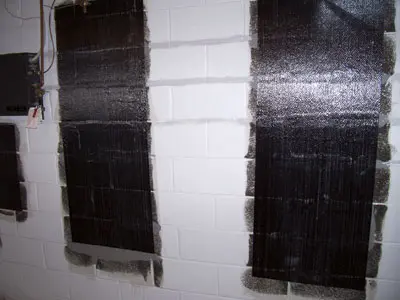
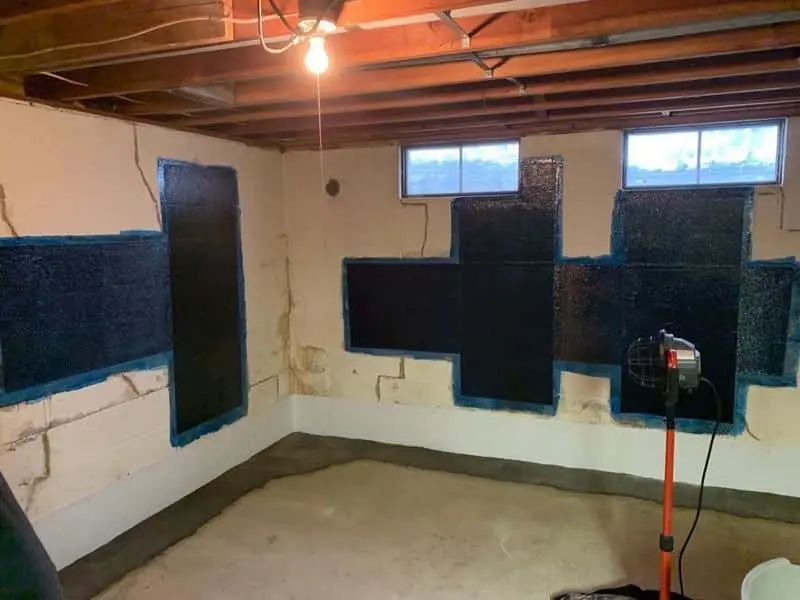
Carbon fiber has revolutionized various industries with its high strength-to-weight ratio, durability, and flexibility. Commonly used in aerospace, automotive, sports equipment, and even medical devices, carbon fiber has become a material of choice for applications requiring high performance. However, like all materials, carbon fiber can sustain damage and requires specialized repair techniques to restore its integrity and functionality. This article provides a comprehensive introduction to carbon fiber repair, covering the types of damage, assessment methods, and basic and advanced repair techniques.
Understanding Carbon Fiber Damage
Carbon fiber can sustain damage from various sources. Common causes include impact during use, wear and tear over time, and manufacturing defects. Understanding the nature of this damage is crucial for effective repair. Damage can manifest as surface scratches, delamination, cracks, or even more severe structural compromises. Each type requires a specific approach to restore the material’s original strength and appearance.
Initial Assessment of Damage
Before any repair can begin, a thorough assessment of the damage is necessary. Visual inspection is the first step, where signs of wear, cracks, and delamination can be identified. Non-destructive testing methods such as ultrasound and thermography are also used to detect internal flaws that are not visible to the naked eye. These methods provide a comprehensive understanding of the extent of the damage and inform the appropriate repair strategy.
Preparing for Repair
Preparation is key to a successful carbon fiber repair. This involves gathering necessary tools and materials, including cutting tools, measuring tools, application tools, and safety equipment. Personal protective equipment (PPE) such as gloves, masks, and goggles are essential to protect the technician from hazardous materials and dust. Ensuring a clean and controlled environment is also crucial to avoid contamination during the repair process.
Basic Repair Techniques
Basic repair techniques involve surface preparation, patching small surface damages, and addressing delamination and cracks. Surface preparation includes cleaning the damaged area and sanding it to create a smooth surface for the repair. For small surface damages, patching with a piece of carbon fiber fabric and resin is often sufficient. Delamination and cracks may require more extensive repairs, such as filling the damaged area with resin and applying multiple layers of carbon fiber fabric.
Advanced Repair Techniques
Advanced repair techniques involve more complex procedures such as vacuum bagging and autoclave curing. Vacuum bagging ensures that the repair area is free of air bubbles and that the resin is evenly distributed. This technique involves placing the repair under a vacuum-sealed bag and applying pressure to remove any air pockets. Autoclave curing, on the other hand, uses high pressure and temperature to cure the repair, resulting in a stronger and more durable bond. These techniques are typically used for critical applications where structural integrity is paramount.
Quality Control and Testing
After the repair is completed, quality control and testing are essential to ensure that the repair meets strength and safety standards. Post-repair testing methods include visual inspection for any remaining flaws and structural testing to verify the strength of the repair. Non-destructive testing methods such as ultrasound can also be used to check for internal defects. Ensuring that the repair has been carried out correctly is crucial for the longevity and performance of the carbon fiber component.
Carbon fiber repair is a specialized field that requires a thorough understanding of the material, the nature of the damage, and the appropriate repair techniques. From initial assessment to advanced repair methods, each step is crucial in restoring the integrity and functionality of carbon fiber components. As technology advances, new methods and materials are being developed, making carbon fiber repair more efficient and effective. Whether you’re a seasoned professional or new to the field, mastering these techniques will help you achieve excellence in carbon fiber repair.
Contact the Professionals at StablWall Today (866) 782-5955
Contact StablWall Today!
Follow Us
Listen Below To Our Interview With the Carey Brothers From The Louisville Remodeling Deck Expo Show
Manage Consent
To provide the best experiences, we use technologies like cookies to store and/or access device information. Consenting to these technologies will allow us to process data such as browsing behavior or unique IDs on this site. Not consenting or withdrawing consent, may adversely affect certain features and functions.
Functional Always active
The technical storage or access is strictly necessary for the legitimate purpose of enabling the use of a specific service explicitly requested by the subscriber or user, or for the sole purpose of carrying out the transmission of a communication over an electronic communications network.
Preferences
The technical storage or access is necessary for the legitimate purpose of storing preferences that are not requested by the subscriber or user.
Statistics
The technical storage or access that is used exclusively for statistical purposes.The technical storage or access that is used exclusively for anonymous statistical purposes. Without a subpoena, voluntary compliance on the part of your Internet Service Provider, or additional records from a third party, information stored or retrieved for this purpose alone cannot usually be used to identify you.
Marketing
The technical storage or access is required to create user profiles to send advertising, or to track the user on a website or across several websites for similar marketing purposes.