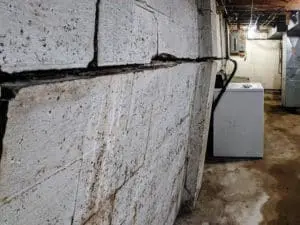
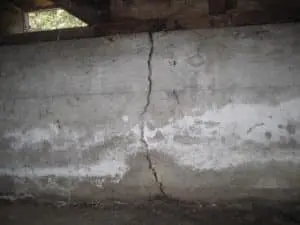
horizontal crack in basement wall showing bowing caused by soil and hydrostatic pressure

What Causes Horizontal Cracks in Basement Walls? Soil Pressure, Water, and Time

Horizontal cracks in basement walls don’t appear overnight, and they don’t happen without a reason.

For most homeowners, these cracks seem to come out of nowhere. One day the wall looks fine, and the next there’s a long, horizontal line stretching across the foundation. The reality is that the forces behind horizontal cracks have usually been building for years.

Understanding what causes these cracks helps homeowners move from confusion to clarity, and from worry to informed action.

The Role of Soil: The Pressure You Can’t See

The soil surrounding a home plays a much bigger role in foundation health than most people realize.

When soil is dry, it exerts relatively little pressure on foundation walls. But when it becomes saturated with water, especially clay-heavy soil, it expands and pushes inward.

This lateral pressure builds gradually and continuously, pressing against basement walls that were never designed to flex.

Over time, the wall responds the only way it can, by cracking horizontally.

Hydrostatic Pressure: Water Working Against the Foundation

Hydrostatic pressure is one of the most common contributors to horizontal cracking.

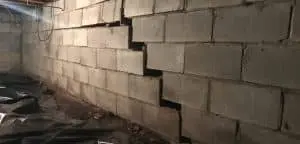
Bowing Cinder Block | Chicago, IL | StablWallIt occurs when groundwater accumulates around the foundation and has nowhere to go. As water builds up, it creates outward pressure that pushes directly against basement walls.

Poor drainage conditions increase this risk, including:

  • Clogged or missing gutters


  • Downspouts discharging near the foundation


  • Improper grading around the home


  • High water tables

The longer water remains trapped near the foundation, the greater the pressure becomes.

Why Basement Walls Crack Horizontally Instead of Vertically

Vertical cracks usually result from settling or shrinkage. Horizontal cracks, on the other hand, are tied to sideways force.

Basement walls resist downward loads well, but lateral loads are a different story. When pressure builds evenly along the outside of a wall, the stress often concentrates in the middle section, where resistance is weakest.

That’s why horizontal cracks often appear:

  • Midway up the wall


  • Along mortar joints in block foundations


  • Across long stretches of wall

These cracks indicate bending, not settling.

Time: The Silent Contributor

Foundation problems are rarely sudden events.

Most horizontal cracks develop slowly as:

  • Soil repeatedly absorbs and releases moisture


  • Seasonal weather cycles stress the wall


  • Pressure accumulates year after year

By the time a crack becomes visible, the wall has often been under stress for a long time.

This is why early signs like small cracks, slight bowing, or moisture intrusion shouldn’t be ignored.

Poor Drainage Makes Everything Worse

Drainage issues don’t cause horizontal cracks on their own, but they dramatically increase the risk.

When water is allowed to collect around the foundation:

  • Soil stays saturated longer


  • Hydrostatic pressure increases


  • Freeze-thaw cycles become more damaging

Improving drainage can reduce future stress, but once a wall has cracked horizontally, reinforcement is often still necessary.

Foundation Wall Materials and Their Response to Pressure

Different foundation types react differently to lateral pressure.

Poured Concrete Walls

These walls are strong but can still crack when pressure exceeds their design limits.

Block or Masonry Walls

Block walls are especially vulnerable because mortar joints provide natural fault lines where cracks can form.

Regardless of material, lateral pressure affects all foundation walls over time.

Why Horizontal Cracks Rarely Fix Themselves

Unlike hairline shrinkage cracks, horizontal cracks are tied to ongoing pressure.

Without intervention:

  • Pressure continues to build


  • Cracks widen or lengthen


  • Walls may bow inward


  • Structural integrity can be compromised

This is why horizontal cracks are treated as a structural concern rather than a cosmetic one.

What Homeowners Often Ask About Causes

Did I do something wrong?

In most cases, no. Soil conditions, weather patterns, and natural forces are the primary contributors.

Can landscaping cause horizontal cracks?

Improper grading or excessive water retention near the foundation can increase pressure over time.

Will fixing drainage stop the crack from getting worse?

Drainage improvements help reduce future pressure, but structural reinforcement is often needed once cracking occurs.

Why Identifying the Cause Matters

Treating a horizontal crack without understanding its cause is like repainting a wall with a leak behind it.

Knowing whether the pressure comes from soil, water, or long-term stress allows professionals to recommend solutions that actually last.

When to Involve a Foundation Specialist

If a horizontal crack is present, especially with wall movement or moisture, professional evaluation is strongly recommended.

Specialists like Stablwall focus on identifying the source of lateral pressure and recommending reinforcement methods designed to stop movement before it progresses.

The Homeowner Takeaway

Horizontal cracks don’t happen by accident.

They’re the result of soil pressure, water, and time working together against foundation walls. Understanding these forces helps homeowners move past fear and toward practical solutions.

The earlier the cause is identified, the easier it is to protect the structure and prevent further damage.

Crawlspace with visible cracks in the concrete walls and signs of moisture, emphasizing the need for professional waterproofing services and repair of butyl tape.

Horizontal Foundation Cracks: Why They’re Serious and What to Do Next

Not all foundation cracks are created equal.

While many homeowners notice vertical or diagonal cracks and monitor them over time, horizontal foundation cracks are in a different category altogether. These cracks are less common, but when they appear, they often signal that the foundation wall is under significant stress.

Understanding what horizontal cracks mean, why they form, and what steps to take next can prevent long-term structural damage and costly repairs.

What Is a Horizontal Foundation Crack?

A horizontal foundation crack runs side to side across a basement or crawlspace wall. Unlike vertical cracks, which often result from settling or concrete shrinkage, horizontal cracks are usually caused by pressure pushing inward on the wall.

That pressure most often comes from the soil surrounding the foundation.

Why Horizontal Cracks Are Considered More Serious

Bowing Foundation | Charlotte, NCFoundation walls are designed to support the weight of the home above them. They are not designed to resist continuous lateral pressure from the outside.

When soil becomes saturated with water, it expands. As that pressure builds, it pushes inward on foundation walls. Over time, the wall may begin to flex, and horizontal cracking becomes visible.

This type of cracking often indicates:

  • Active lateral soil pressure


  • Early stages of wall movement


  • Loss of structural resistance in the wall

Left unaddressed, this pressure can worsen.

Common Causes of Horizontal Foundation Cracks

Horizontal cracks don’t appear randomly. They’re usually the result of environmental forces acting over time.

Expansive or Saturated Soil

Clay-heavy soils absorb water and expand, increasing pressure against foundation walls.

Poor Drainage

Improper grading, clogged gutters, or inadequate drainage systems allow water to collect near the foundation.

Freeze-Thaw Cycles

In colder climates, freezing soil expands and contracts repeatedly, stressing foundation walls.

Long-Term Hydrostatic Pressure

Consistent groundwater pressure builds force against basement walls, especially during wet seasons.

Early Warning Signs That Often Appear Alongside Horizontal Cracks

Horizontal cracks rarely exist in isolation. Homeowners may also notice:

  • Bowing or inward-curving basement walls


  • Cracks widening over time


  • Water seepage through the crack


  • Musty odors or damp basement conditions


  • Efflorescence (white chalky residue) on walls

These signs suggest that pressure is ongoing, not historical.

Why Sealing a Horizontal Crack Isn’t Enough

Sealing a horizontal crack may temporarily stop water intrusion, but it does nothing to relieve the pressure causing the crack.

If the wall continues to experience lateral force:

  • The crack may reopen


  • New cracks may form nearby


  • The wall may bow further inward

This is why horizontal cracks are typically addressed with structural reinforcement, not just cosmetic repair.

How Horizontal Foundation Cracks Are Professionally Evaluated

A proper evaluation looks beyond the crack itself.

Professionals assess:

  • Degree of wall movement


  • Length and location of the crack


  • Soil and drainage conditions


  • Signs of active pressure


  • Overall wall stability

The goal is to determine whether the wall needs stabilization, reinforcement, or additional corrective measures.

Common Repair Approaches for Horizontal Cracks

The right repair depends on severity, movement, and wall condition.

Wall Reinforcement Systems

Used to stabilize walls and prevent further inward movement. These systems counteract lateral pressure.

Carbon Fiber Reinforcement

Often used in early to moderate cases where the wall is beginning to move but hasn’t bowed severely.

Steel Bracing or Anchoring Systems

Used when wall movement is more advanced and stronger mechanical resistance is required.

The focus is always on stopping movement before addressing cosmetic repairs.

What Homeowners Commonly Ask About Horizontal Cracks

Are horizontal cracks always structural?

In most cases, yes. Horizontal cracking is usually tied to lateral pressure and structural stress.

Can a wall collapse from a horizontal crack?

Collapse is rare, but untreated pressure and movement can lead to severe structural damage over time.

Should I wait and monitor a horizontal crack?

Waiting is risky. Horizontal cracks typically indicate active pressure that does not resolve on its own.

What Homeowners Say After Taking Action

stablwall-carbon-fiber-technology-stablwall-2Homeowners who address horizontal cracks early often describe:

  • Relief knowing the wall is stabilized


  • Reduced moisture issues


  • Confidence during heavy rain


  • Peace of mind knowing the problem won’t worsen

The most common feedback is wishing they had acted sooner.

When to Contact a Foundation Specialist

If you notice a horizontal crack, especially one paired with wall movement or moisture, professional evaluation is strongly recommended.

Experts like Stablwall specialize in diagnosing lateral pressure issues and recommending reinforcement solutions designed to stabilize foundation walls long-term.

The Homeowner Takeaway

Horizontal foundation cracks are not a cosmetic issue.

They are a signal that the foundation wall is under stress and needs attention. Acting early allows homeowners to stabilize the wall, prevent further damage, and protect the structure of their home.

Understanding the cause leads to the right solution, and the right solution restores confidence.

carbon-fiber-foundation-repair-stablwall-1

Foundation Repair vs Foundation Stabilization: What’s the Difference and Why It Matters

Homeowners dealing with foundation issues often hear two terms used interchangeably: foundation repair and foundation stabilization.

They sound similar, but they are not the same thing, and misunderstanding the difference can lead to incomplete fixes, repeated repairs, and unnecessary stress.

This guide explains what each term really means, how they work together, and why choosing the right approach matters for your home’s long-term safety.

Why the Confusion Exists

stablwall-carbon-fiber-technology-stablwall-2From a homeowner’s perspective, foundation problems often look the same:

  • Cracks in walls
  • Moisture in the basement
  • Uneven floors
  • Doors that stick

Because the symptoms overlap, it’s easy to assume one solution fixes everything. In reality, foundation repair and stabilization address different parts of the problem.

Understanding that distinction puts homeowners back in control.

What Foundation Repair Actually Means

Foundation repair focuses on fixing visible or functional damage.

This includes:

  • Sealing cracks


  • Repairing mortar joints


  • Addressing water intrusion


  • Restoring damaged wall surfaces

Repair solutions are often the right choice when:

  • The foundation is structurally stable


  • Damage is cosmetic or functional


  • There’s no ongoing movement

Foundation repair improves the condition of the structure as it exists today.

What Foundation Stabilization Really Means

Foundation stabilization focuses on stopping movement.

It addresses the forces that cause damage in the first place, such as:

  • Soil pressure pushing against walls


  • Uneven settlement beneath the home


  • Long-term structural stress

Stabilization doesn’t fix cracks directly. Instead, it ensures the structure stops shifting so repairs remain effective.

Think of stabilization as protecting the foundation’s future.

Repair Without Stabilization: When It Makes Sense

Foundation repair alone may be appropriate when:

  • Cracks are hairline or vertical


  • No wall bowing is present


  • Cracks are stable over time


  • No structural movement is detected

In these cases, sealing or patching can be sufficient and cost-effective.

The key is confidence that the structure is not under active stress.

Repair Without Stabilization: When It Falls Short

Problems arise when repairs are made while movement continues.

Homeowners may notice:

  • Cracks reopening


  • New cracks forming nearby


  • Water intrusion returning


  • Walls slowly bowing over time

In these cases, repair treats the symptom while the cause remains active.

This is when stabilization becomes necessary.

Stabilization Without Repair: Is That Ever Done?

Yes, and it often surprises homeowners.

In some situations, stabilization is performed first to:

  • Stop wall movement


  • Prevent further damage


  • Secure the structure

Cosmetic or crack repairs may be delayed or handled separately once stability is restored.

This approach prioritizes safety and long-term performance.

How Repair and Stabilization Work Together

In many homes, the most effective solution involves both.

A common sequence looks like this:

  1. Stabilize the foundation to stop movement


  2. Repair existing cracks or damage


  3. Monitor the structure over time

This combination ensures repairs don’t fail and the foundation remains secure.

Why Estimates Can Look So Different

Homeowners often receive multiple estimates with vastly different recommendations.

One company may suggest crack sealing. Another may recommend stabilization. This doesn’t always mean one is wrong.

Differences usually come from:

  • How thoroughly the structure was evaluated


  • Whether movement was detected


  • How much risk the company is willing to accept

A proper evaluation explains why a solution is recommended, not just what it costs.

Common Homeowner Questions

If my crack isn’t leaking, do I still need stabilization?

Possibly. Lack of water doesn’t mean lack of movement. Structural stress can exist without moisture.

Is stabilization overkill?

Not when movement is present. Stabilization prevents future damage rather than reacting to it later.

Can stabilization increase home value?

Proper stabilization often protects or improves resale value by removing structural uncertainty.

stablwall-systems-stablwall-2What Homeowners Say After Understanding the Difference

Homeowners frequently say things like:

  • “Now the recommendations make sense.”


  • “I understand why one repair failed and another worked.”


  • “I finally feel confident about the solution.”

Clarity removes doubt, which is often the biggest obstacle to action.

Why Diagnosis Matters More Than the Solution

The best solution is useless if the diagnosis is wrong.

That’s why companies like Stablwall emphasize identifying whether damage is cosmetic, functional, or structural before recommending repair, stabilization, or a combination of both.

The goal isn’t to sell more work. It’s to match the solution to the problem.

The Homeowner Takeaway

Foundation repair fixes what you see.
Foundation stabilization protects what you don’t.

Knowing the difference helps homeowners:

  • Avoid unnecessary repairs


  • Prevent recurring damage


  • Make confident decisions


  • Protect their home long-term

A stable foundation makes every repair stronger, more durable, and more valuable.

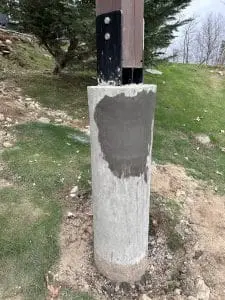
Foundation support column in basement with surrounding construction materials, illustrating foundation stabilization methods for homeowners.

Signs Your Home Needs Foundation Stabilization, Not Just Crack Repair

Signs Your Home Needs Foundation Stabilization, Not Just Crack Repair

Many homeowners start their foundation journey thinking they just need to “fix a crack.”

That’s understandable. Cracks are visible, unsettling, and easy to focus on. But in many homes, cracks aren’t the real issue. They’re the symptom of something deeper happening beneath or behind the foundation walls.

Knowing when a home needs foundation stabilization instead of simple crack repair can save homeowners time, money, and a great deal of stress.

Why Cracks Are Often Just the Messenger

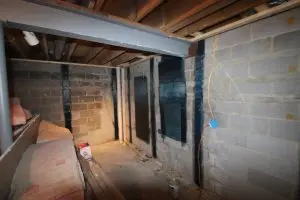
Basement hallway showing a significant horizontal crack in the foundation wall, indicating potential need for stabilization rather than simple crack repair.Concrete cracks when stress exceeds what it can handle. That stress usually comes from:

  • Soil pushing against foundation walls
  • Uneven settlement beneath the home
  • Water pressure building over time

Sealing a crack may stop a leak or improve appearance, but it doesn’t remove the force that caused the crack to form. When that force remains active, new cracks often appear.

Stabilization addresses the source of the stress, not just the visible damage.

Sign #1: Horizontal Cracks in Basement Walls

Horizontal cracks are one of the strongest indicators that stabilization may be needed.

These cracks usually form when:

  • Saturated soil expands and presses inward
  • Hydrostatic pressure builds against the wall
  • The wall begins to flex under lateral load

Horizontal cracking suggests the wall is under active pressure. In these cases, sealing alone is rarely sufficient.

Sign #2: Bowing or Leaning Foundation Walls

A foundation wall should be straight and plumb. When it starts to bow inward or lean, it’s telling you the wall is losing the battle against pressure.

Even small amounts of wall movement matter. A wall doesn’t need to be visibly dramatic to be structurally stressed.

Stabilization systems are designed to stop that movement before it progresses.

Sign #3: Cracks That Keep Coming Back

If cracks have been repaired before and reappear in the same area or nearby, that’s a major red flag.

Recurring cracks often mean:

  • Pressure is still being applied
  • The wall continues to move
  • The previous repair addressed appearance, not structure

Repeated repairs without stabilization usually indicate the underlying issue hasn’t been resolved.

Sign #4: Stair-Step Cracks That Are Growing

Stair-step cracks in block or brick foundations can be cosmetic when small and stable. However, when they:

  • Grow longer
  • Widen over time
  • Appear alongside wall movement

They may signal uneven settlement or structural stress that requires stabilization.

Sign #5: Doors, Windows, or Floors That Suddenly Shift

Structural movement doesn’t stay isolated in the basement forever.

Homeowners may notice:

  • Doors sticking or swinging open
  • Windows becoming difficult to open
  • Floors feeling uneven or sloped

These changes suggest the foundation is no longer evenly supporting the structure.

Sign #6: Water Pressure and Moisture Problems

Water is one of the most powerful forces acting on foundations.

Poor drainage or saturated soil increases pressure against foundation walls. Over time, that pressure can lead to:

  • Cracking
  • Wall movement
  • Increased moisture intrusion

Stabilization often works hand-in-hand with moisture management to protect the foundation long-term.

Why Crack Repair Alone Sometimes Falls Short

Crack repair is appropriate when:

  • The foundation is stable
  • The crack is cosmetic or functional
  • No ongoing movement is present

But when cracks are linked to pressure or movement, sealing alone may provide only temporary relief.

Stabilization ensures that repairs stay effective.

How Professionals Determine the Need for Stabilization

Foundation stabilization columns installed to support structural integrity, showcasing moisture management techniques in foundation repair.A proper evaluation looks beyond the crack itself.

Professionals assess:

  • Wall alignment and movement
  • Crack patterns and orientation
  • Soil conditions
  • Drainage and moisture levels
  • Signs of active pressure

This approach prevents unnecessary stabilization while ensuring serious issues aren’t ignored.

Homeowner Questions About Stabilization vs Repair

Can I wait if the cracks aren’t getting worse?

Monitoring may be reasonable in some cases, but cracks tied to pressure or movement should be evaluated early.

Does stabilization mean major construction?

Many modern stabilization systems are installed internally and require minimal disruption.

Will stabilization fix existing cracks?

Stabilization stops further movement. Existing cracks are typically repaired separately after stability is restored.

What Homeowners Often Say After Stabilizing Their Foundation

Homeowners who choose stabilization often mention:

  • Relief knowing movement has stopped
  • Confidence during heavy rain or seasonal changes
  • Fewer recurring repairs
  • Greater peace of mind

The biggest realization is usually that the problem was more manageable than they feared once it was properly explained.

When to Call a Foundation Specialist

If cracks are accompanied by movement, pressure, or recurring damage, it’s time to look beyond surface repairs.

Experts like Stablwall focus on determining whether stabilization is necessary and recommending solutions designed to protect the structure long-term, not just patch symptoms.

The Bottom Line for Homeowners

Cracks may be what you see, but stability is what your home needs.

Understanding when crack repair is enough, and when stabilization is required, allows homeowners to act proactively instead of reactively.

Stabilizing a foundation isn’t about overcorrecting. It’s about stopping damage before it spreads.

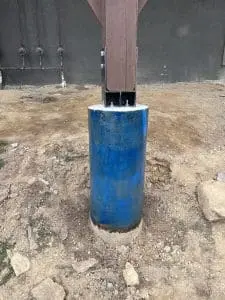
Foundation stabilization system components installed on soil, showcasing cylindrical piers designed to support structural integrity.

Foundation Stabilization Explained: How Homes Are Permanently Reinforced

Many homeowners think foundation repair means “fixing a crack.”

In reality, cracks are often just the evidence of a deeper issue. The real concern is whether the foundation is still stable, or whether it’s slowly moving under forces most people never see.

Foundation stabilization focuses on stopping that movement, permanently.

This article explains what foundation stabilization really is, how it works, and why it’s often the most important step in protecting a home long-term.

What Does “Foundation Stabilization” Actually Mean?

Foundation stabilization system with piers supporting a raised structure on sloped terrain, emphasizing structural integrity and prevention of movement.Foundation stabilization is the process of preventing further movement of the foundation structure.

Unlike cosmetic repairs that address visible damage, stabilization solutions are designed to:

  • Counteract soil pressure


  • Reinforce weakened foundation walls


  • Prevent additional cracking


  • Protect the structural integrity of the home

The goal isn’t to make the foundation look perfect. It’s to make sure it stays where it belongs.

Why Foundations Become Unstable Over Time

A foundation doesn’t fail suddenly. It reacts gradually to its environment.

Common forces that cause instability include:

  • Expansive or shifting soil


  • Poor drainage and water accumulation


  • Hydrostatic pressure building against walls


  • Freeze-thaw cycles


  • Long-term settlement beneath the home

Over time, these forces can push foundation walls inward, cause sections to sink, or place uneven stress on the structure.

Stabilization vs Repair: A Critical Distinction

Repair addresses damage that has already occurred.
Stabilization addresses the forces causing the damage.

A crack can be repaired without stabilizing the wall, but if pressure continues, new cracks may form. Stabilization solutions aim to stop the cycle before it continues.

This distinction is why many professional evaluations focus first on movement, not appearance.

Common Signs a Home May Need Foundation Stabilization

Homeowners often notice subtle clues before major damage occurs.

Signs may include:

  • Horizontal cracks in basement walls


  • Bowing or leaning foundation walls


  • Stair-step cracking in block foundations


  • Repeated crack repairs that fail


  • Doors and windows sticking or shifting


  • Uneven or sloping floors

These symptoms suggest that the foundation is under stress, not just aging.

How Foundation Stabilization Works

Stabilization methods vary depending on the type of movement and the forces involved.

Some solutions reinforce walls directly. Others transfer structural loads to more stable soil. The right method depends on what is moving and why.

Professional stabilization focuses on restoring balance to the structure rather than forcing it into place.

Internal Wall Stabilization Systems

Internal stabilization methods are often preferred because they:

  • Avoid exterior excavation


  • Preserve landscaping


  • Reduce disruption

These systems reinforce foundation walls from the inside, counteracting lateral pressure and preventing further movement.

They are commonly used when walls show early to moderate movement.

External Stabilization and Load Transfer

In cases involving settlement or sinking, stabilization may involve transferring the home’s weight to deeper, stable soil layers.

These solutions focus on:

  • Supporting the structure from below


  • Preventing further sinking


  • Redistributing loads evenly

This approach is used when foundation movement originates beneath the home rather than from lateral pressure.

Is Foundation Stabilization Permanent?

When properly designed and installed, stabilization systems are intended to provide long-term protection.

The effectiveness depends on:

  • Accurate diagnosis


  • Correct system selection


  • Professional installation

Stabilization doesn’t reverse time, but it stops damage from continuing.

How Long Does Foundation Stabilization Take?

Most stabilization installations are completed in:

  • One to three days


  • With minimal disruption to daily life

Interior-based systems are especially efficient and often allow homeowners to remain in the home during work.

Cost Considerations: What Homeowners Should Know

Foundation stabilization represents an investment in the home’s future.

Costs vary based on:

  • Severity of movement


  • Size of the foundation


  • Stabilization method used


  • Soil conditions

While stabilization may cost more upfront than surface repairs, it often prevents much larger expenses later.

Foundation stabilization installation featuring a wrapped support column, surrounding excavation, and construction materials, illustrating professional foundation repair methods by StablWall.What Homeowners Say After Stabilization

Homeowners frequently report:

  • Peace of mind during heavy rain


  • No further crack growth


  • Improved structural confidence


  • Less moisture and air infiltration

The most common reaction is relief, knowing the problem was addressed at its source.

Why Professional Evaluation Matters

Stabilization isn’t about selling a system. It’s about understanding the structure.

Companies like Stablwall focus on identifying movement patterns and recommending stabilization only when it’s truly necessary, ensuring solutions match the problem rather than the symptom.

The Homeowner Takeaway

Foundation stabilization is about protecting what matters most, the structure supporting your home.

Cracks may draw attention, but stability is the real priority. When a foundation is stabilized correctly, repairs last longer, stress stops accumulating, and homeowners regain confidence in their property.

Stability isn’t cosmetic. It’s structural.

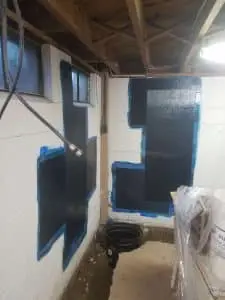
Foundation wall with stabilization coating applied, showcasing structural reinforcement in a basement setting, emphasizing foundation repair and stabilization methods.

Foundation Crack Repair Methods Explained: Costs, Pros, and Long-Term Results

Once a homeowner realizes a foundation crack may need repair, the next question is almost always the same:

“What are my options, and how much is this going to cost me?”

Unfortunately, foundation repair is an industry where vague answers and oversimplified fixes can create confusion, mistrust, and hesitation. This guide breaks down the most common foundation crack repair methods, what they’re designed to do, and how homeowners can think about cost without focusing on the wrong numbers.

Why There’s No Single “Best” Foundation Crack Repair

Foundation cracks don’t all form for the same reason, so repairing them with the same solution doesn’t make sense.

Cracked foundation wall showing significant separation between concrete blocks, illustrating potential structural issues and the need for foundation repair methods.Some cracks are the result of:

  • Normal concrete shrinkage
  • Minor settlement that has already stopped
  • Water pressure forcing moisture through the wall

Others are caused by:

  • Ongoing lateral soil pressure
  • Structural wall movement
  • Long-term foundation instability

The right repair method depends on whether the crack is a symptom or the problem itself.

Crack Sealing and Injection Repairs

What this method does

Crack injection involves filling the crack with epoxy or polyurethane material to seal it and prevent water intrusion.

When it’s typically used

  • Narrow, vertical cracks
  • Non-structural cracks
  • Leaks caused by water penetration rather than movement

Pros

  • Relatively quick process
  • Less invasive
  • Effective for stopping water leaks

Limitations

  • Does not stop wall movement
  • Not designed for structural reinforcement
  • Cracks can reappear if pressure continues

Crack injection works well when the foundation itself is stable and the goal is sealing, not reinforcement.

Carbon Fiber Crack Repair Systems

What this method does

Carbon fiber reinforcement systems are designed to stabilize foundation walls and prevent further movement. The carbon fiber material is bonded to the wall to add tensile strength where concrete is weakest.

When it’s typically used

Pros

  • Extremely strong relative to thickness
  • Non-invasive installation
  • Does not reduce basement space
  • Designed for long-term stabilization

Limitations

  • Not intended to straighten severely bowed walls
  • Must be professionally installed for proper performance

Carbon fiber is often chosen by homeowners who want a permanent stabilization solution without major disruption.

Steel Beam and Wall Bracing Systems

What this method does

Steel beams or braces are installed vertically against the foundation wall to counteract inward pressure and provide reinforcement.

When it’s typically used

  • Walls showing noticeable bowing
  • Advanced horizontal cracking
  • Situations requiring strong mechanical support

Pros

  • High structural strength
  • Effective for significant wall movement
  • Proven long-term solution

Limitations

  • Reduces usable basement space
  • More visually intrusive
  • May require floor or footing modifications

Steel systems are effective, but some homeowners prefer less intrusive options when possible.

Wall Anchors and Tieback Systems

What this method does

Wall anchors use rods or cables extending into stable soil outside the home to pull foundation walls back toward their original position.

When it’s typically used

  • Significant inward wall movement
  • Severe horizontal cracking
  • Cases where exterior access is available

Pros

  • Can correct wall alignment over time
  • Addresses external soil pressure directly
  • Strong structural support

Limitations

  • Requires excavation
  • Installation is more disruptive
  • Depends on exterior soil conditions

This method is often chosen when corrective movement, not just stabilization, is required.

Foundation Stabilization Beyond Crack Repair

In some cases, cracks are not the core issue. They’re a symptom of foundation settlement or load imbalance.

When this happens, crack repair alone won’t solve the problem. Stabilization solutions may be recommended to:

  • Transfer weight to stable soil layers
  • Prevent future settlement
  • Protect the structure as a whole

This approach focuses on root causes, not surface damage.

Understanding Foundation Crack Repair Costs

Foundation walls reinforced with black steel beams for structural support, illustrating foundation stabilization methods to address settlement issues.Homeowners often focus on price, but cost without context can be misleading.

Repair costs vary based on:

  • Type of crack
  • Severity and location
  • Repair method selected
  • Accessibility
  • Whether stabilization is required

Lower-cost solutions typically address symptoms. Higher-cost solutions often address structural forces and long-term stability.

The most expensive repair is the one that has to be done twice.

Why “Cheapest” Isn’t Always the Smartest Choice

A low-cost fix may stop a leak today but fail to stop movement tomorrow.

Homeowners who choose repair methods that match the underlying cause often report:

  • Fewer repeat issues
  • Lower long-term expenses
  • Greater peace of mind
  • Improved resale confidence

Choosing the right repair is less about minimizing upfront cost and more about avoiding future regret.

Questions Homeowners Commonly Ask

How long do foundation crack repairs last?

When the correct method is used, many repairs are designed to last for the life of the home.

Can foundation cracks be fixed from the inside?

Yes. Many modern stabilization and reinforcement systems are installed internally, avoiding excavation.

Is foundation crack repair disruptive?

Most professional repairs are completed in one day or less with minimal disruption.

Will repairs affect my home’s value?

Properly repaired foundations often protect or improve resale value by removing uncertainty for buyers.

What Homeowners Say After Choosing the Right Repair

Homeowners frequently describe a sense of relief after repair, especially when the solution addresses the cause rather than the appearance.

Common reflections include:

  • “I finally stopped worrying every time it rained.”
  • “The repair made sense once it was explained.”
  • “I wish I had understood the options sooner.”

Clarity builds confidence, even when repairs are necessary.

Choosing a Repair Partner You Can Trust

Foundation crack repair isn’t just about materials or equipment. It’s about diagnosis.

Companies like Stablwall focus on identifying why cracks form and recommending solutions designed to stabilize homes long-term, not just cover visible damage.

The Bottom Line for Homeowners

Foundation crack repair isn’t about finding a quick fix. It’s about matching the right solution to the right problem.

Understanding your options, their purpose, and their long-term impact allows you to make informed decisions without fear or pressure.

A well-chosen repair doesn’t just fix a crack. It restores confidence in your home.

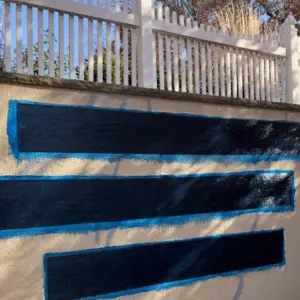
Foundation wall with black sealing material applied in a cross pattern, highlighting areas of repair around visible cracks and moisture stains, emphasizing foundation crack repair techniques.

Foundation Crack Repair: What Every Homeowner Should Know Before the Problem Gets Worse

Finding a crack in your foundation can stop you in your tracks.

For many homeowners, it raises an immediate flood of questions:
Is this dangerous?
Is my house sinking?
How much is this going to cost?
Did I wait too long?

The truth is, foundation cracks are common, but not all cracks mean the same thing. Some are cosmetic. Others are early warning signs of structural stress. And a few demand immediate attention to prevent serious damage.

This guide breaks down what foundation cracks really mean, how they’re repaired, and how homeowners can make smart, calm decisions before a small issue turns into a major one.

Why Foundation Cracks Happen in the First Place

Foundations are strong, but they are not immune to physics, water, and time.

Foundation wall with reinforced crack repair, showcasing black epoxy application and structural support, relevant to foundation stability and repair methods.Most foundation cracks develop because of one or more of the following forces:

  • Soil movement beneath the home 
  • Hydrostatic pressure from groundwater pushing against basement walls 
  • Soil expansion and contraction due to moisture changes 
  • Poor drainage around the foundation 
  • Natural concrete shrinkage as it cures 
  • Long-term structural stress from the weight of the home

Concrete is excellent at handling compression (weight pushing down), but it’s far less forgiving when pressure comes from the side or below. Over time, that stress has to release somewhere, and cracks are often the result.

Common Types of Foundation Cracks Homeowners See

Not all cracks tell the same story. The direction, width, and location matter more than most people realize.

Vertical Cracks

Vertical cracks are often caused by normal concrete shrinkage or minor settling. Many are cosmetic, but wider or growing vertical cracks can allow water intrusion and should be evaluated.

Horizontal Cracks

Horizontal cracks are more serious. They typically indicate lateral pressure from soil or water pushing against the foundation wall. These cracks are often linked to structural risk and usually require professional repair.

Stair-Step Cracks

Common in block or brick foundations, stair-step cracks often follow mortar joints and can signal uneven settling or soil movement.

Diagonal Cracks

Diagonal cracks can point to differential settlement, where one part of the foundation is moving differently than another.

Understanding the type of crack is the first step in choosing the correct repair method.

Are Foundation Cracks Always a Structural Problem?

No, and this is where many homeowners panic unnecessarily.

Some cracks are cosmetic, meaning they don’t affect the structural integrity of the home. Others are functional, allowing water, air, or pests inside. And a smaller group are structural, meaning they compromise the strength of the foundation itself.

What separates one from another usually comes down to:

  • Crack width 
  • Crack direction 
  • Whether it’s growing 
  • Associated wall movement or bowing 
  • Signs of water intrusion 

A professional inspection helps clarify which category a crack falls into.

Signs a Foundation Crack Shouldn’t Be Ignored

While some cracks are harmless, others deserve prompt attention. Homeowners should consider professional evaluation if they notice:

  • Cracks wider than 1/8 inch 
  • Horizontal cracking 
  • Bowing or leaning basement walls 
  • Water seepage through cracks 
  • Cracks that appear to be growing 
  • Doors or windows suddenly sticking 
  • Uneven floors above the foundation 

These signs suggest the crack may be tied to ongoing structural stress rather than surface-level issues.

Foundation Crack Repair: What Are the Real Options?

There is no single “one-size-fits-all” foundation crack repair. The right solution depends on why the crack formed, not just where it’s visible.

Epoxy or Polyurethane Injection

Often used for narrow, non-structural cracks. These materials seal the crack to prevent water intrusion and restore some integrity, but they do not correct underlying movement.

Carbon Fiber Reinforcement

Carbon fiber straps or systems are used to stabilize foundation walls and prevent further movement. This method is commonly used for cracks linked to lateral pressure and is minimally invasive.

Wall Anchors or Bracing Systems

For more severe cases involving wall movement or bowing, anchoring systems may be required to counteract soil pressure and restore wall alignment.

Full Stabilization Solutions

In cases where cracks are symptoms of deeper foundation movement, stabilization systems may be recommended to address the root cause rather than just the visible damage.

A qualified foundation specialist evaluates the structure, soil conditions, and crack behavior before recommending a repair method.

Why “Just Sealing the Crack” Isn’t Always Enough

Many homeowners attempt DIY fixes or quick patch jobs, especially when water is involved. While sealing may temporarily stop leaks, it rarely addresses why the crack formed.

If pressure continues to build behind a foundation wall, the crack may reopen, widen, or reappear nearby. Long-term solutions focus on stopping movement, not just covering symptoms.

This is why professional assessments emphasize stabilization and reinforcement when needed.

How Much Does Foundation Crack Repair Cost?

Basement interior showing foundation walls with black stabilization patches applied, highlighting repair efforts for structural integrity.Cost is one of the biggest concerns homeowners have, and understandably so.

Foundation crack repair costs vary based on:

  • Type of crack
  • Severity of damage
  • Repair method used
  • Accessibility of the affected area
  • Whether structural stabilization is required 

Minor crack sealing may cost less, while structural reinforcement or stabilization systems represent a larger investment. The key is that early repairs are almost always less expensive than delayed ones.

What Homeowners Often Say After Repair

Homeowners who address foundation cracks early frequently share similar experiences:

  • Relief knowing the home is structurally sound 
  • Peace of mind during heavy rain or seasonal changes 
  • Improved basement usability 
  • Reduced moisture and musty odors 
  • Confidence when selling or refinancing the home 

The most common regret is not acting sooner.

Frequently Asked Questions About Foundation Crack Repair

Can foundation cracks get worse over time?

Yes. Cracks caused by ongoing soil movement or water pressure often grow if left unaddressed.

Is foundation crack repair permanent?

When the correct repair method addresses the underlying cause, results are designed to be long-lasting.

Can I sell my home with foundation cracks?

Yes, but unresolved foundation issues may affect value, negotiations, or buyer confidence.

How long does foundation crack repair take?

Many repairs are completed in a day or less, depending on the method and scope.

When to Call a Professional

If you’re unsure whether a crack is cosmetic or structural, that uncertainty alone is reason enough to seek professional guidance.

Companies like Stablwall focus on diagnosing the cause of foundation cracks and recommending solutions that stabilize homes for the long term, not just the surface.

The Bottom Line for Homeowners

Foundation cracks are common, but ignoring them can be costly.

The goal of foundation crack repair isn’t just to make a crack disappear. It’s to ensure your home remains safe, stable, and protected against future movement.

Understanding the difference between cosmetic cracks and structural warning signs empowers homeowners to act confidently instead of react emotionally.

Early awareness, proper evaluation, and the right repair method can prevent small cracks from becoming big problems.

Exterior wall of a building with foundation repair work visible, featuring painted sections and construction materials, illustrating the process of addressing structural issues.

Are Foundation Cracks Serious? How to Tell What’s Cosmetic and What’s Structural

Seeing a crack in your foundation doesn’t automatically mean your home is in danger, but it does mean your home is trying to tell you something.

The challenge for most homeowners is knowing what that message actually is.

Some cracks are harmless and purely cosmetic. Others are early warning signs of structural stress. A smaller number indicate active foundation movement that should be addressed sooner rather than later.

This guide is designed to help homeowners understand the difference, without fear tactics or technical overload.

Why Not All Foundation Cracks Mean the Same Thing

Concrete wall showing foundation repair work with scaffolding and equipment, illustrating structural maintenance related to foundation cracks.Concrete cracks for many reasons. Some happen once and never change again. Others form because pressure is still being applied to the foundation wall.

The seriousness of a crack depends less on its existence and more on:

  • Why it formed


  • Whether it’s still moving


  • What forces are acting on the foundation

A hairline crack caused by concrete curing behaves very differently from a crack caused by soil pushing against a basement wall.

Cosmetic Foundation Cracks: What They Are and Why They Happen

Cosmetic cracks are common, especially in newer homes.

They typically result from:

  • Normal concrete shrinkage


  • Minor settlement after construction


  • Temperature changes during curing

Common characteristics of cosmetic cracks

  • Thin, hairline appearance


  • Usually vertical


  • No wall movement or bowing


  • No water intrusion


  • No change over time

These cracks often remain stable for years and don’t affect the structural integrity of the home.

That said, even cosmetic cracks can allow moisture or air to pass through, so sealing may still be recommended for comfort and protection.

Structural Foundation Cracks: When to Pay Attention

Structural cracks are tied to ongoing stress or movement. They don’t form randomly, and they rarely stop progressing on their own.

Signs a crack may be structural

  • Horizontal orientation


  • Width greater than 1/8 inch


  • Cracks that grow over time


  • Bowing or inward movement of walls


  • Water entering through the crack


  • Multiple cracks forming in the same area

These cracks are often associated with lateral soil pressure, hydrostatic pressure from groundwater, or uneven settlement beneath the foundation.

Horizontal Cracks: Why They’re Treated Differently

Horizontal cracks deserve special attention because they almost always indicate pressure pushing against the foundation wall.

As soil becomes saturated with water, it expands and presses inward. Over time, this pressure can overwhelm the wall’s ability to resist movement.

Horizontal cracking is often accompanied by:

  • Bowing basement walls


  • Leaning or inward movement


  • Cracking that spans long sections of the wall

These conditions typically require structural reinforcement, not just sealing.

Stair-Step Cracks: A Gray Area

Stair-step cracks, common in block or brick foundations, fall somewhere between cosmetic and structural depending on severity.

They follow mortar joints and may be caused by:

  • Minor settlement


  • Differential soil movement


  • Changes in load distribution

Small, stable stair-step cracks may remain cosmetic. Larger or expanding ones can indicate foundation movement that should be evaluated.

How Professionals Determine If a Crack Is Serious

Interior view of a basement with reinforced concrete walls, featuring carbon fiber strips applied in a cross pattern for structural support, demonstrating StablWall's carbon fiber reinforcement solutions for civil applications.Foundation specialists don’t rely on a single visual clue. They look at the structure as a system.

A professional evaluation typically considers:

  • Crack size, length, and pattern


  • Wall alignment and plumbness


  • Signs of active movement


  • Soil conditions around the foundation


  • Drainage and moisture levels


  • Interior and exterior indicators

This holistic approach prevents unnecessary repairs while ensuring serious issues aren’t overlooked.

Why Crack Size Alone Can Be Misleading

Homeowners often focus on crack width, but size alone doesn’t tell the full story.

A thin horizontal crack can be more serious than a wider vertical one. Similarly, a crack that isn’t leaking today may still indicate structural stress.

The direction and behavior of the crack matter more than how dramatic it looks.

Can Cosmetic Cracks Turn Structural Over Time?

Yes, in some cases.

A cosmetic crack can become a structural concern if:

  • Soil conditions change


  • Drainage problems develop


  • Hydrostatic pressure increases


  • Additional load is introduced

This is why periodic monitoring is important, especially in areas with expansive soils or heavy rainfall.

What Homeowners Commonly Ask About Foundation Cracks

How do I know if my crack is getting worse?

Marking the ends of a crack and monitoring changes over time can help, but professional measurement provides more reliable insight.

Are foundation cracks covered by insurance?

Coverage varies by policy. Many insurance plans exclude foundation movement but may cover water damage related to cracks.

Should I fix cosmetic cracks?

While not structurally urgent, sealing cosmetic cracks can help prevent moisture intrusion and maintain the home’s condition.

Is it okay to wait and see?

Waiting is reasonable for clearly cosmetic cracks, but cracks showing movement, moisture, or horizontal orientation should be evaluated sooner.

Why Early Evaluation Matters

The biggest difference between a minor repair and a major project is often timing.

Addressing cracks early can:

  • Prevent wall movement


  • Reduce repair costs


  • Protect finished basements


  • Preserve property value


  • Provide peace of mind

Delaying evaluation allows pressure and movement to continue unchecked.

What Homeowners Say After Getting Answers

Homeowners who seek professional assessments often express relief, regardless of the outcome.

Common feedback includes:

  • “I finally understood what was happening.”


  • “It wasn’t as bad as I feared, but I’m glad I checked.”


  • “Catching it early saved us money.”

Knowledge removes fear, even when repairs are needed.

When to Bring in a Foundation Specialist

If a crack raises questions you can’t confidently answer, that uncertainty is reason enough to seek professional input.

Specialists like Stablwall focus on identifying whether cracks are cosmetic, functional, or structural, and recommending solutions based on long-term stability rather than short-term fixes.

The Homeowner Takeaway

Foundation cracks are signals, not verdicts.

Some tell you everything is normal. Others indicate stress that deserves attention. Knowing the difference empowers homeowners to act calmly, strategically, and confidently.

The goal isn’t panic or perfection. It’s understanding what your home needs, when it needs it, and why.

Close-up of a foundation wall crack, highlighting structural damage and the need for professional assessment and stabilization solutions.

Selling a Home With Foundation Cracks: What Buyers Ask, What Inspectors Flag, and How to Prepare

Foundation cracks don’t automatically stop a home sale — but how they’re handled matters enormously. Buyers, inspectors, and lenders all evaluate foundation issues differently, and preparation can make the difference between a smooth transaction and a stalled deal.

This guide explains what buyers worry about, how inspectors assess foundation cracks, and how professional stabilization can reduce objections.

Straight Answers (Q&A)

Q: Can you sell a house with foundation cracks?
Yes — but disclosure and documentation are critical.

Q: Do foundation cracks scare buyers?
Unexplained or untreated cracks do. Professionally addressed issues inspire confidence.

Q: Will repairs increase resale value?
They often reduce buyer objections and inspection negotiations.

What Buyers Worry About Most

Vertical foundation crack on a masonry wall, indicating potential structural issues, with a blue sky and clouds in the background, relevant to discussions on foundation repair and stabilization.Buyers typically fear:

  • Ongoing structural movement 
  • Water intrusion 
  • Hidden damage 
  • Expensive future repairs 

Clear documentation reduces uncertainty.

What Home Inspectors Look For

Inspectors evaluate:

  • Crack orientation and size 
  • Evidence of movement 
  • Bowing or leaning walls 
  • Water intrusion 
  • Previous repairs and documentation 

Horizontal cracks and bowing raise the most concern.

Why “Doing Nothing” Often Costs More

Ignoring foundation issues can result in:

  • Price reductions 
  • Repair credits 
  • Lost buyers 
  • Lender concerns 

Proactive stabilization often strengthens negotiating position.

How Stabilization Helps During a Sale

Professional stabilization:

  • Demonstrates responsible ownership 
  • Addresses structural concerns 
  • Provides documentation 
  • Reduces buyer fear of the unknown 

Buyers prefer known solutions over unresolved risks.

Preparing to Sell a Home With Foundation Cracks

  1. Side view of a building showing foundation stabilization work with visible patches and repairs, emphasizing the importance of addressing structural issues for home selling.Have cracks evaluated professionally 
  2. Address structural issues early 
  3. Retain repair documentation 
  4. Be transparent during disclosure 
  5. Highlight stabilized conditions 

People Also Ask

Will foundation cracks fail an inspection?
Not automatically — unresolved structural issues are the concern.

Should I fix foundation cracks before listing?
Often yes, especially if cracks indicate movement.

Can buyers ask for foundation repairs?
Yes. Addressing issues early reduces leverage.

FAQ: Selling With Foundation Issues

Do repaired foundations scare buyers?
Properly repaired foundations often reassure buyers.

Will lenders approve homes with stabilization?
Yes, especially with professional documentation.

Should I disclose past repairs?
Yes — transparency builds trust.

Review-Style Trust Signals

  • “We sold without delays after repairs.” 
  • “Buyers appreciated the documentation.” 
  • “It removed uncertainty during negotiations.” 

Final Thought

Foundation cracks don’t have to derail a sale. When structural issues are addressed professionally and transparently, homeowners often find that confidence replaces concern — for both buyers and lenders.

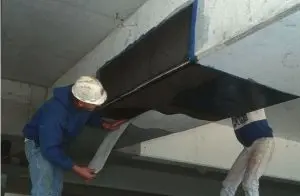
Carbon fiber reinforcement panels applied to walls, showcasing structural repair methods with ICC-approved technology for commercial buildings and infrastructure.

ICC-Approved Carbon Fiber Reinforcement for Commercial Buildings and Civil Infrastructure

Across the U.S., owners and agencies are trying to extend the life of buildings, parking garages, bridges, and critical infrastructure. Even when replacement is the long-term plan, repairs often need to happen now.

ASCE’s 2025 Report Card gave U.S. infrastructure an overall grade of C and highlighted a projected $3.7 trillion investment gap between planned spending and what’s needed to reach good condition. At the same time, reporting based on FHWA data shows tens of thousands of bridges remain in “poor” condition nationally.

This is the environment where structural strengthening systems, including carbon fiber FRP (fiber-reinforced polymer), become especially relevant: they can reinforce without shutting down an entire facility for long demolition timelines.

What StablWall is, in plain terms

StablWall describes its system as carbon fiber sheets bonded with engineered adhesives, forming a composite that becomes one with the structure through a chemical reaction. They state the finished product becomes ten times stronger than steel.

They also emphasize versatility: the system can be applied in different patterns depending on the structural need (horizontal, vertical, stair-step, corner wrap).

Code and spec credibility: ICC-ES ESR-4424

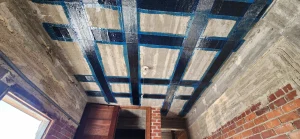
Ceiling with carbon fiber reinforcement system applied in a grid pattern, showcasing structural strengthening for masonry substrates, relevant to StablWall's ICC-approved solutions.For commercial and civil work, “Does it meet code?” is not a bonus question, it’s the question.

StablWall’s Commercial page explicitly states the system is ICC Approved (ESR-4424) and DOT Approved in multiple states.

Their ICC-ES evaluation report (ESR-4424 Renewed 2025) describes the system as an externally bonded carbon fiber FRP composite and notes compliance evaluation with the 2021 and 2018 IBC and IRC. It also describes the product as externally bonded carbon fiber-reinforced polymer composites applied to unreinforced masonry substrates.

From a marketing standpoint, this is huge: it allows your blog to speak to engineers, facility managers, and specifiers with real documentation behind the claims.

Commercial applications: where StablWall positions the system

StablWall lists multiple commercial use cases, including:

  • exterior reinforcement of commercial buildings

  • high-rise buildings

  • bridge columns and rehabilitation

  • parking garages

  • outdoor retaining walls

  • pilaster repair

  • airports

That list is a ready-made SEO section because each bullet can become its own supporting paragraph, and each can become its own future blog post targeting long-tail keywords like “parking garage concrete reinforcement” or “pilaster stabilization carbon fiber.”

Civil infrastructure applications: bridge columns, beams, and porous surfaces

On the Civil Infrastructure page, StablWall highlights that the system can be installed on anything porous, and specifically calls out civil applications like:

  • bridge columns

  • box beams

  • any concrete or porous surface

They also state they have “over 40 years” in the structural repair business and that their carbon fiber “out performs other carbon fiber materials” while being “thinner than a dime.”

Separately, their Civil page frames the contractor value proposition: it’s intended for structural problems in parking garages, bridge columns, girders, piers, box beams, and other porous structures, and they emphasize installation is fast and permanent. 

Why carbon fiber FRP makes sense in public and high-traffic environments

Commercial and civil repairs have constraints residential jobs don’t:

  • Interior view of a basement with reinforced concrete walls, featuring carbon fiber strips applied in a cross pattern for structural support, demonstrating StablWall's carbon fiber reinforcement solutions for civil applications.limited shutdown windows

  • safety and load considerations

  • owner expectations for longevity

  • public visibility and compliance

Carbon fiber reinforcement is often selected because it can add strength without adding bulky components that steal usable space or create long-term maintenance headaches.

In their ICC-ES report, the StablWall system is described as a method to externally strengthen existing unreinforced masonry walls for out-of-plane flexural strength. That kind of strengthening approach aligns with real-world needs: reinforcement without full replacement.

A quick reality check on bridges and infrastructure

StablWall’s Civil Infrastructure page references ASCE’s 2013 report card and mentions “more than 66,000 bridges” as structurally deficient, using it to explain why agencies need repair alternatives. 

To keep your blog current, pair that with recent reporting showing over 40,000 bridges still rated “poor” nationally (based on FHWA-related reporting). The key message remains consistent: the need is ongoing, and strengthening solutions matter.

Implementation talking points you can use in SEO content

Here are conversion-friendly points pulled from StablWall’s own positioning (great for H2/H3 sections and snippet optimization):

  • ICC Approved (ESR-4424) for spec confidence

  • DOT Approved in multiple states for transportation-related stakeholders 

  • Thin as a dime for minimal profile impact

  • Fast install, quick curing, “finish the job and get onto the next one” for contractors 

FAQs

What does “ICC Approved (ESR-4424)” mean for a project?

It indicates the system has an ICC-ES evaluation report describing uses, conditions, and code references (IBC/IRC). Project approval still depends on jurisdiction and design requirements.

Where can carbon fiber reinforcement be used?

StablWall markets use across commercial buildings, parking garages, retaining walls, bridge columns, airports, and other porous structures. 

Why do agencies repair instead of replace?

ASCE has highlighted persistent investment gaps, and reporting shows many bridges remain in poor condition, so rehabilitation and strengthening are frequently used to extend service life. 

Conclusion and CTA

For commercial and civil stakeholders, carbon fiber strengthening is not about “patching,” it’s about extending service life, improving safety, and reinforcing structures without unnecessary disruption. StablWall positions its system as ICC Approved (ESR-4424) and suited for a wide range of commercial and infrastructure applications, including bridge columns and parking garages.

If you want to spec the system, request information, or discuss project fit, StablWall directs users to call or use the online contact form.