

Imagine you’re a homeowner dealing with persistent foundation issues. You’ve considered various repair options, but have you considered carbon fiber? It’s stronger than steel, lighter, and resistant to corrosion. Its installation is quick, reducing labor costs and potentially saving you from future repair expenses. Intriguing. Yet, you might wonder how such a lightweight material can guarantee your home’s long-term structural integrity. Let’s explore this further.
Key Takeaways
- Carbon fiber, with its superior strength-to-weight ratio, is ideal for reinforcing foundations and preventing further damage.
- Despite its initial cost, carbon fiber is cost-effective due to its durability, minimal maintenance requirements, and quick installation process.
- The material is non-corrosive, resistant to extreme weather, and maintains its integrity under immense pressure, making it ideal for harsh environments.
- Used in foundation repair, carbon fiber addresses wall cracks, effectively reinforcing concrete in new constructions and improving earthquake resilience.
- The non-intrusive installation methods of carbon fiber eliminate the need for extensive excavation, making it a practical solution for various foundation challenges.
Understanding Carbon Fiber Material
The construction world can seem complex, but let’s briefly break it down. You’ve probably heard of carbon fiber, but do you know what it is and why it’s used in construction? Well, let’s explore!
Carbon fiber is a material made up of thin strands of carbon atoms. These atoms are bonded in a crystal-like structure, giving the material strength. Picture a super-strong fabric. That’s fundamentally what carbon fiber is.
It’s light yet powerful and stiff due to its atomic structure.
But what makes carbon fiber so unique in the construction world? Carbon fiber isn’t just robust; it’s also very corrosion-resistant, making it an excellent material for construction projects exposed to harsh weather conditions or corrosive environments.
It’s lightweight, making it easier to handle and install than other materials.
Why Carbon Fiber for Foundation Repair?
Imagine discovering a crack in your home’s foundation. You’d probably feel a surge of panic. Don’t worry; carbon fiber is here to save the day. But why carbon fiber? Let’s explore.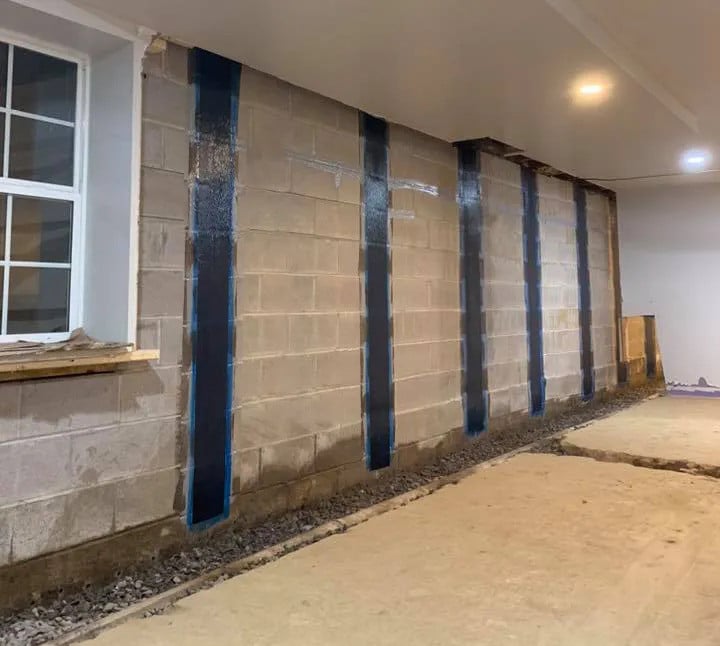
Carbon fiber is a strong, lightweight material gaining popularity in foundation repair. Its high tensile strength makes it ideal for reinforcing and stabilizing your home’s foundation.
It’s five times stronger than steel, yet it’s incredibly lightweight. This means it’s easy to handle and install, and it doesn’t add significant weight to your structure.
Unlike steel, carbon fiber doesn’t rust or corrode, making it a durable option for long-term foundation support. It’s also a versatile material. Whether your foundation is made of concrete, stone, or brick, carbon fiber can be used effectively.
Another reason to choose carbon fiber is its minimal disruption to your home. Traditional foundation repair methods can be invasive and messy.
With carbon fiber, you don’t have to worry about large machinery or extensive excavation damaging your landscape.
Carbon fiber is a reliable, durable, and versatile solution for your foundation problems. So, when your foundation cracks, think carbon fiber.
The Cost-Effectiveness of Carbon Fiber
Despite its superior strength and durability, you might be wondering about the cost of carbon fiber for foundation repair. Well, let’s shed some light on that.
At first glance, the upfront cost for carbon fiber might seem steep compared to other materials, but don’t let that initial sticker shock sway you.
It’s key to take into account the long-term benefits.
- Minimal Maintenance: Once you’ve installed carbon fiber, it’s virtually maintenance-free. There’s no need for follow-up repairs or replacements, so you’ll save a bundle in the long run.
- Quick Installation: The installation process is fast and efficient compared to other methods, saving you money on labor costs.
- Prevention: By using carbon fiber, you’re investing in prevention. It halts further damage to your foundation, avoiding costlier fixes.
Durability and Strength of Carbon Fiber
When handling the immense pressure of a building’s weight, nothing compares to the strength of carbon fiber. This material is a powerhouse, boasting a higher strength-to-weight ratio than steel. You can trust it to support your structure, even under the most demanding conditions.
What sets carbon fiber apart is its durability. It’s resistant to corrosion, giving it a leg up over traditional materials that wear down over time. In harsh weather or extreme temperatures, carbon fiber won’t falter.
To give you an idea of the impressive properties of carbon fiber, here’s a table comparing it to steel and concrete:
| Property | Carbon Fiber | Steel | Concrete |
|---|---|---|---|
| Strength-to-Weight Ratio | High | Moderate | Low |
| Durability | High | Moderate | Low |
| Resistance to Corrosion | High | Low | Moderate |
Real-Life Applications of Carbon Fiber in Foundations
Often, you’ll find carbon fiber playing an essential role in the construction and repair of building foundations. This material’s strength, lightness, and durability make it an excellent choice for various applications.
Let’s look at three real-life examples:
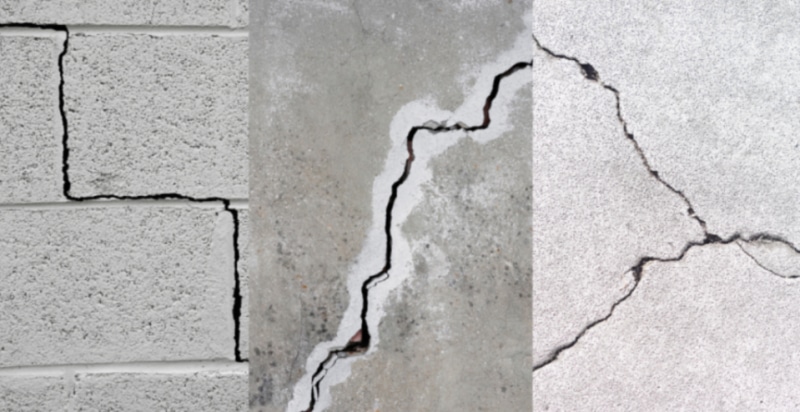
- Foundation Wall Repair: Carbon fiber offers a robust solution when foundations develop cracks. You can use it to create a structural bridge that effectively halts further damage. It’s a cost-effective, non-intrusive method, eliminating the need for excavation.
- Concrete Reinforcement: In new construction, carbon fiber can reinforce concrete. It’s wrapped around columns and beams, providing added strength and stability. It’s a modern alternative to steel reinforcement that’s corrosion-resistant.
- Seismic Retrofitting: In areas prone to earthquakes, carbon fiber is used to retrofit buildings. It increases the structure’s resilience to seismic activity, reducing the risk of collapse.
Frequently Asked Questions
What is the installation process for carbon fiber foundation repair?
You’ll first clean the foundation wall. Then, apply epoxy to it. Afterward, press carbon fiber strips into the epoxy to ensure complete coverage. Finally, you’ll let it cure for the strongest, most durable hold.
Does the Weather Affect Carbon Fibers Performance in Foundation Repairs?
Like a ship braving a storm, carbon fiber stands firm against the weather’s onslaught. Whether it’s scorching heat or freezing cold, carbon fiber’s performance in foundation repairs isn’t affected by the weather.
How Long Does a Carbon Fiber Repair Typically Last?
You’re wondering about the lifespan of carbon fiber repairs. Typically, they’re incredibly durable and can last over 50 years. However, it’s crucial to regularly inspect them to guarantee they’re holding up as expected.
Are There Any Potential Health Risks Associated With Using Carbon Fiber in Construction?
You’re concerned about health risks with carbon fiber in construction. Generally, it’s safe. But, when cutting or sanding, it can release particles. You’ll want to use proper safety gear to avoid inhaling these particles.
Can Carbon Fiber Be Used for Foundation Repairs in All Types of Buildings?
Indeed, you’re not asking if carbon fiber is a one-size-fits-all solution. Well, it’s not. It’s highly effective for many, but not all, buildings. It depends on the building’s structure and the severity of the damage.
You’ve seen how carbon fiber is revolutionizing foundation repairs. It’s five times stronger than steel yet noticeably lighter, making it a cost-effective solution. Imagine this material cuts labor costs and prevents future maintenance. And with its superior durability, you’ll enjoy peace of mind knowing your foundation has long-lasting structural integrity. So, if you’re dealing with foundation issues, don’t overlook carbon fiber. It’s a game-changer, and it could save you a bundle in the long run.
Contact the Professionals at StablWall Today! (866) 782-5955