stablwall-stablwall-3

Innovative Structural Repair: How StablWall Uses Carbon Fiber for Foundation Strengthening

The foundation of a home is the most critical component of its structural integrity. When issues such as cracks or bowing walls arise, they compromise the stability and safety of the entire building. While traditional repair methods like steel beams or excavation have long been the go-to solutions, these methods often come with high costs, invasiveness, and extended project timelines. StablWall, leveraging the power of carbon fiber, has emerged as a groundbreaking, non-invasive solution for foundation repair.

What Makes Carbon Fiber Exceptional?

Carbon fiber is a composite material recognized for its exceptional strength and durability. It has become a staple in industries like aerospace, automotive, and construction because of its unparalleled tensile strength and resistance to environmental degradation.

  • stablwall-stablwall-1Tensile Strength: Carbon fiber can bear immense loads without breaking or deforming.
  • Lightweight: Despite being stronger than steel, carbon fiber is much lighter, making it easier to handle and apply.
  • Corrosion Resistance: Unlike metal reinforcements, carbon fiber does not rust, ensuring long-term durability.
  • Adaptability: Carbon fiber can be applied to a variety of surfaces, including concrete and masonry, without compromising its effectiveness.

The StablWall Approach to Foundation Repair

StablWall builds on the strengths of carbon fiber to create a system designed specifically for foundation reinforcement. Its application process is straightforward yet highly effective, offering homeowners peace of mind with minimal disruption.

Installation Steps:

  1. Inspection and Planning: Specialists evaluate the foundation to determine the areas requiring reinforcement.
  2. Wall Preparation: The surface is cleaned thoroughly to remove debris, dirt, and loose materials.
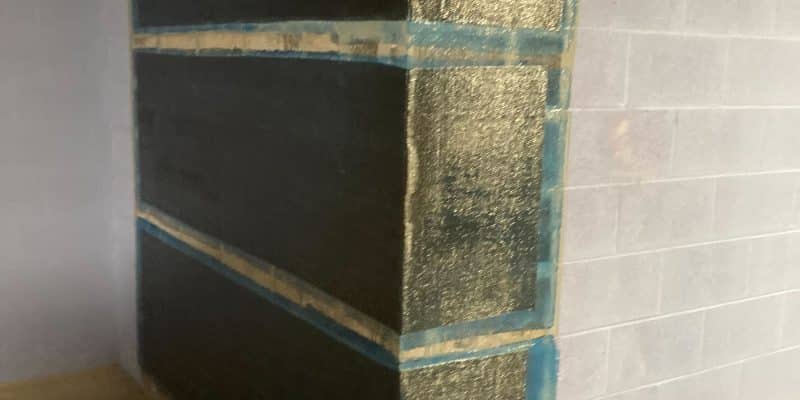
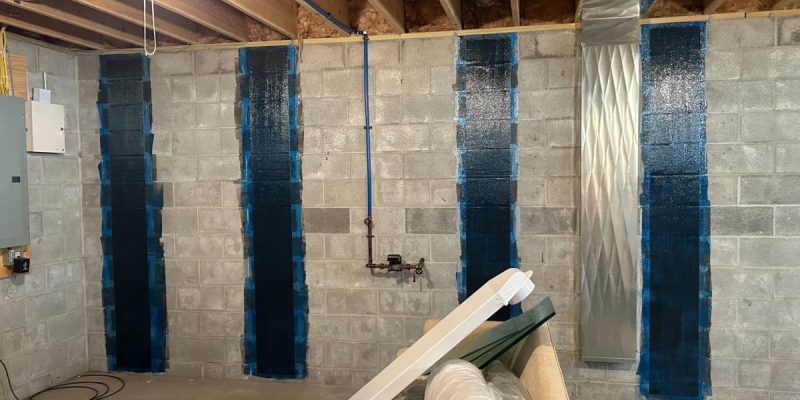
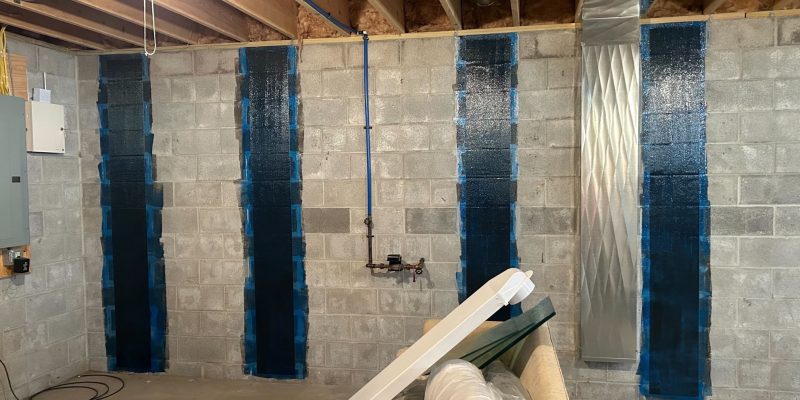
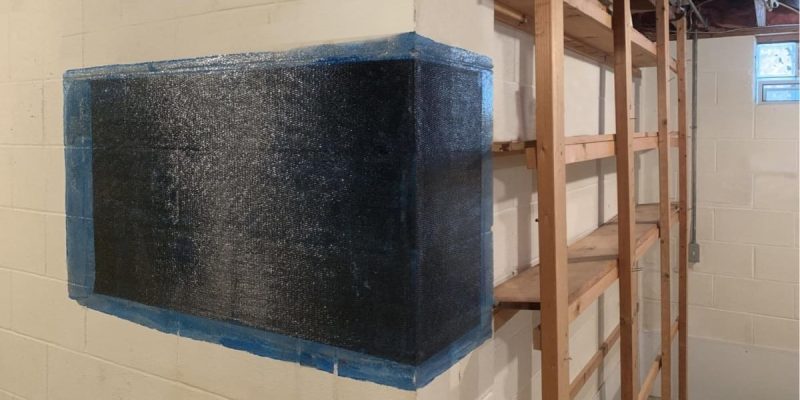
  3. Carbon Fiber Application: StablWall’s proprietary carbon fiber sheets are adhered to the foundation wall using a high-strength epoxy resin.
  4. Curing: The epoxy cures to create a permanent bond between the carbon fiber sheet and the wall, forming a robust reinforcement.

Advantages of StablWall for Foundation Repairs
  • stablwall-stablwall-2Non-Invasive Installation: StablWall eliminates the need for heavy machinery, excavation, or significant alterations to the home’s structure.
  • Durability: Carbon fiber’s resistance to moisture and temperature fluctuations ensures it remains effective for decades.
  • Aesthetic Preservation: Once installed, the system is nearly invisible, maintaining the interior appearance of the basement.
  • Cost-Effective: The quicker installation process reduces labor costs, making it an affordable alternative to traditional methods.

Common Foundation Problems Addressed by StablWall

  1. Bowing Walls: StablWall counteracts lateral soil pressure that pushes walls inward, stabilizing the structure.
  2. Cracks in Foundation Walls: Reinforcing the wall with carbon fiber prevents cracks from spreading and restores structural integrity.
  3. Preventive Reinforcement: For homes in areas prone to soil movement or flooding, StablWall serves as a preventive measure to avoid future damage.

Why Homeowners and Contractors Choose StablWall

StablWall stands out for its ability to provide long-lasting solutions without disrupting daily life. Contractors prefer it because of its quick application and proven effectiveness, while homeowners appreciate the peace of mind it offers.

By combining carbon fiber’s strength with StablWall’s innovative application system, this solution ensures that foundations are protected for decades, often outperforming traditional repair methods.

Contact the Professionals at StablWall Today! (866) 782-5955
stablwall-stablwall-3

StablWall and Carbon Fiber: The Future of Foundation Repair

When a home’s foundation shows signs of distress, timely and effective repair is essential to prevent further damage. While effective, traditional foundation repair techniques often involve invasive methods such as excavation or installation of steel beams. These solutions can be expensive, time-consuming, and disruptive. Enter StablWall, a cutting-edge system that uses carbon fiber to revolutionize how foundation problems are addressed.

What is StablWall?

StablWall is a patented system that utilizes carbon fiber to reinforce and stabilize foundation walls. Unlike older methods that rely on heavy, bulky materials, StablWall uses lightweight carbon fiber sheets to provide unmatched strength and durability.

stablwall-stablwall-1

How StablWall Works:

  • Reinforces Weak Walls: Carbon fiber sheets are bonded to the foundation wall using high-strength epoxy, creating abarrier that resists external pressures.
  • Prevents Further Damage: The system stops the progression of cracks and prevents bowing walls from worsening.
  • Restores Structural Integrity: Once installed, the wall regains its strength, ensuring the safety and stability of the home.

Carbon Fiber: A Material Like No Other

Carbon fiber’s unique properties make it the perfect choice for foundation repair. It is five times stronger than steel, yet it is incredibly lightweight and flexible. These characteristics allow it to stabilize walls without adding significant weight or requiring large-scale modifications.

Key Benefits of Carbon Fiber:

  1. Superior Strength: Carbon fiber can handle extreme tension, making it ideal for counteracting soil pressure on foundation walls.
  2. Resistance to Corrosion: Unlike steel, carbon fiber does not rust or degrade over time, even in moist environments.
  3. Lightweight and Easy to Apply: Its low weight simplifies the installation process, reducing labor and project costs.
  4. Longevity: Carbon fiber reinforcements can last for decades without losing effectiveness.

Applications of StablWall in Foundation Repair

stablwall-stablwall-2

StablWall is designed to address a variety of common foundation problems:

  1. Bowing Walls: When soil pressure causes walls to bend inward, StablWall reinforces them and prevents further movement.
  2. Horizontal and Vertical Cracks: The system stops cracks from spreading, restoring the wall’s strength.
  3. Waterproofing Support: StablWall can be used alongside waterproofing systems to ensure a dry and stable basement.

The Installation Process

One of the most appealing aspects of StablWall is its simplicity and efficiency. The system can often be installed in just one day, minimizing disruption for homeowners.

Step-by-Step Installation:

  1. Initial Assessment: A foundation expert evaluates the damage and determines where the carbon fiber sheets should be applied.
  2. Surface Preparation: The wall is cleaned to remove debris and ensure a strong bond between the carbon fiber and the surface.
  3. Application: Carbon fiber sheets are adhered to the wall using a durable epoxy resin.
  4. Curing: As the epoxy cures, it creates a permanent bond that strengthens the wall.

Why Choose StablWall?

Homeowners and contractors alike are turning to StablWall for its reliability and efficiency. Unlike traditional methods, which can involve weeks of work and significant property disruption, StablWall provides a quick and lasting solution. Its minimal impact on the home’s appearance and environment makes it a preferred choice for modern foundation repair.

StablWall represents the future of foundation repair, combining the unparalleled strength of carbon fiber with an easy-to-install system that addresses structural issues effectively. Whether it’s reinforcing bowing walls, preventing crack propagation, or supporting a comprehensive waterproofing plan, StablWall offers homeowners a durable, affordable, and non-invasive solution. By investing in this innovative technology, homeowners can ensure the stability and safety of their property for years to come.

Contact the Professionals at StablWall Today! (866) 782-5955
stablwall-systems-stablwall-3

The Installation Process and Maintenance of StablWall Systems

When it comes to foundation repair, homeowners and contractors alike seek solutions that are not only effective but also minimally invasive and durable. StablWall, a carbon fiber-based system, has gained popularity for its ability to provide long-lasting reinforcement for foundation walls without the need for extensive construction work. In this article, we will take a closer look at the installation process of StablWall systems and discuss how to maintain them to ensure optimal performance over time.

The Importance of Proper Installation

The effectiveness of the StablWall system hinges on proper installation. While the material itself—carbon fiber—offers exceptional strength, its application must be precise to ensure it provides the intended reinforcement. Here’s a detailed breakdown of the installation process: Step 1: Initial Assessment and Planning Before any work begins, a thorough assessment of the foundation is necessary:
  • Inspection: A qualified foundation repair contractor will inspect the basement or crawlspace to identify the extent of the damage. This includes evaluating the severity of wall bowing, cracks, and any other structural issues.
  • Planning: Based on the assessment, the contractor will determine the best placement for the StablWall system. The number of carbon fiber sheets or straps needed, as well as their orientation (vertical or horizontal), will be decided during this phase.
Step 2: Surface Preparation Preparing the wall surface is critical to ensuring that the carbon fiber bonds effectively:
  • Cleaning: The surface of the foundation wall must be thoroughly cleaned to remove dirt, paint, and any other debris. This ensures that the epoxy adhesive can bond directly to the concrete.stablwall-systems-stablwall-1
  • Surface Smoothing: If necessary, the wall may need to be sanded or ground down to create a smooth surface. This step is particularly important if the wall has been previously coated with paint or other sealants.
Step 3: Application of Epoxy Adhesive The epoxy adhesive is key to the StablWall system’s effectiveness:
  • Mixing the Epoxy: The epoxy is mixed according to the manufacturer’s instructions. It is important that the mixing is done precisely to achieve the correct consistency and bonding strength.
  • Applying the Epoxy: The epoxy is applied to both the prepared wall surface and the carbon fiber sheets. It is critical that the epoxy is applied evenly to ensure a strong and uniform bond.
Step 4: Placement of Carbon Fiber Sheets Once the epoxy is applied, the carbon fiber sheets can be placed on the wall:
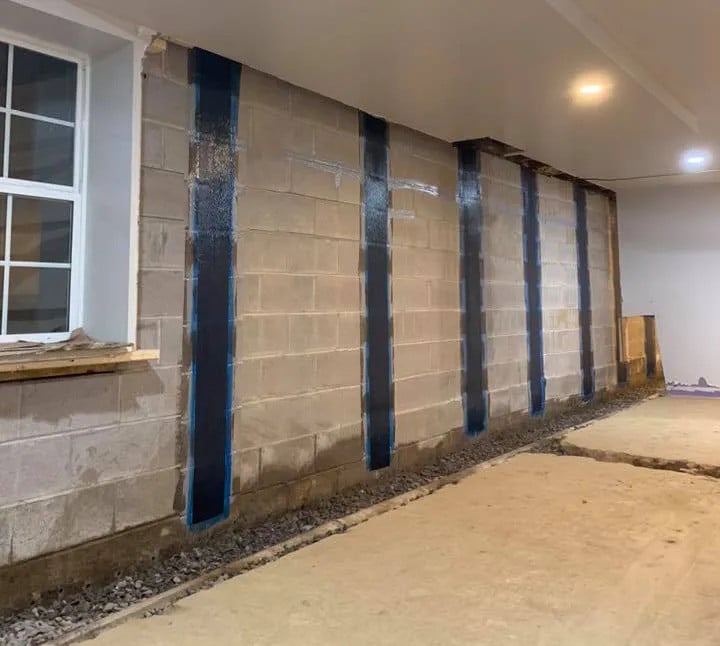
  • Positioning: The carbon fiber sheets are carefully positioned on the wall according to the plan developed during the initial assessment. For bowing walls, the sheets are typically applied vertically. For crack reinforcement, they may be placed horizontally or diagonally.
  • Smoothing and Pressing: After placement, the sheets are pressed firmly against the wall to ensure full contact with the epoxy. Any air bubbles or wrinkles are smoothed out to prevent weak spots.
Step 5: Curing Process The epoxy needs time to cure and fully bond the carbon fiber to the wall:
  • Curing Time: The curing process typically takes a few hours, depending on the specific epoxy used and the environmental conditions. During this time, the area should be kept free of dust and debris.
  • Final Inspection: Once the epoxy has cured, the contractor will perform a final inspection to ensure that the carbon fiber sheets are securely bonded and that the installation meets all quality standards.
Step 6: Finishing After the StablWall system is installed, the final touches are applied:
  • Painting or Covering: If desired, the carbon fiber sheets can be painted over to match the rest of the basement or covered with a finishing material. This step is optional but often recommended for aesthetic reasons.

Maintenance of StablWall Systems

One of the major advantages of the StablWall system is that it requires minimal maintenance. However, a few key practices can help ensure its longevity:
  1. Regular Inspections
  • Periodic Checks: Although StablWall is designed to be a permanent solution, it’s wise to conduct periodic inspections of the basement walls to check for any signs of new cracks or movement. These inspections can be done annually or after major weather events, such as heavy rains or earthquakes.
  • Professional Inspections: While homeowners can perform basic visual inspections, it’s recommended to have a professional contractor conduct a more thorough inspection every few years. They can assess the condition of the carbon fiber sheets and the foundation itself.stablwall-systems-stablwall-2
  1. Managing Moisture Levels
  • Dehumidification: Maintaining a dry basement is essential for the long-term performance of StablWall. Consider using a dehumidifier to keep moisture levels low, especially in humid climates.
  • Proper Drainage: Ensure that gutters, downspouts, and drainage systems are functioning properly to prevent water from accumulating around the foundation. Poor drainage can increase hydrostatic pressure, which can stress the foundation even with the StablWall system in place.
  1. Addressing New Issues Promptly
  • New Cracks or Movement: If new cracks or signs of wall movement are detected, they should be addressed promptly. While the StablWall system is designed to stabilize the existing structure, new issues may require additional reinforcement or adjustments.
  • Waterproofing: If water infiltration is noted, additional waterproofing measures may be necessary. This could include interior drainage systems, sump pumps, or exterior waterproofing solutions.
  1. Avoiding Structural Modifications
  • Caution with Drilling and Anchoring: Homeowners should avoid drilling into or anchoring heavy objects on walls that have been reinforced with StablWall. While carbon fiber is incredibly strong, it’s important not to compromise the integrity of the system by creating unnecessary holes or stress points.
The StablWall system offers a highly effective and minimally invasive solution for reinforcing foundation walls. Its installation process, while straightforward, requires precision and expertise to ensure optimal performance. Once installed, StablWall requires little maintenance, making it an attractive option for homeowners looking for a long-term solution to foundation issues. By following best practices for installation and maintenance, homeowners can ensure that their StablWall system provides reliable reinforcement for years to come, protecting their investment and maintaining the structural integrity of their home.

Contact the Professionals at StablWall Today! (866) 782-5955