
Foundation repair is an essential aspect of home maintenance, ensuring the structural integrity and longevity of your property. The foundation supports the entire structure, and any damage can lead to serious issues, including structural instability, decreased property value, and costly repairs. This comprehensive guide will cover the causes of foundation problems, various repair methods, and preventive measures to maintain a solid foundation.
Understanding Foundation Problems
Causes of Foundation Problems
- Soil Movement
- Expansive soils that swell with moisture and shrink during droughts can cause foundation movement.
- Poor Drainage
- Improper drainage around the foundation can lead to water pooling and soil erosion, weakening the foundation.
- Tree Roots
- Tree roots growing too close to the foundation can cause soil displacement and damage.
- Plumbing Leaks
- Leaking pipes can saturate the soil, leading to foundation settlement or upheaval.
- Construction Issues
- Poor construction practices, such as inadequate soil compaction, can lead to foundation problems.
Signs of Foundation Problems
- Cracks in Walls and Floors
- Horizontal, vertical, or stair-step cracks in walls and floors indicate foundation movement.
- Doors and Windows Misalignment
- Difficulty opening or closing doors and windows suggests foundation shifting.
- Uneven Floors
- Sloping or sagging floors can be a sign of foundation settlement.
- Gaps Around Windows and Doors
- Gaps indicate movement and separation between the foundation and the structure.
- Basement Water Leakage
- Water seepage in the basement indicates potential foundation cracks or poor drainage.
Foundation Repair Methods
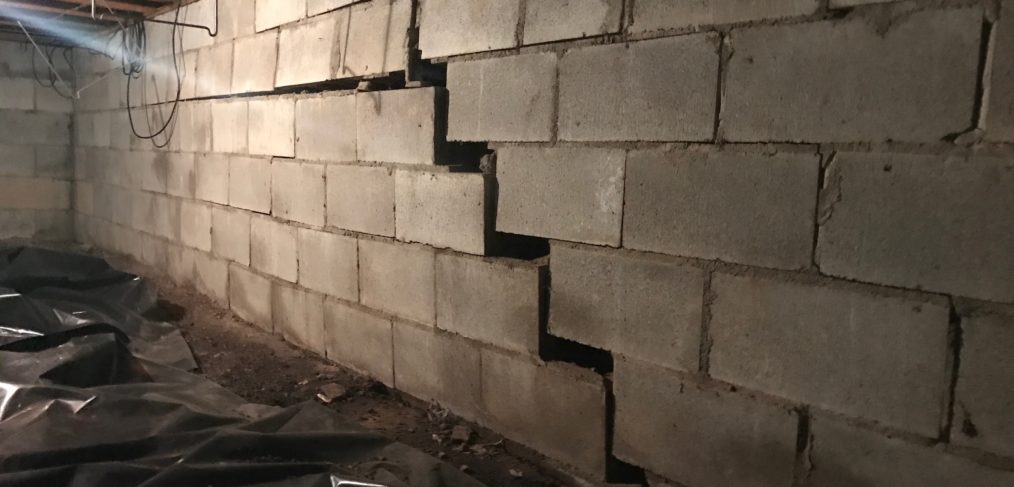
1. Piering
- Helical Piers
- Helical piers are screwed into the ground to provide support and stability. They are suitable for light to moderate loads and can be installed in various soil conditions.
- Push Piers
- Push piers are driven into the ground beneath the foundation until they reach stable soil or bedrock. They are ideal for heavy structures and significant settlement issues.
2. Slabjacking
- Mudjacking
- A mixture of cement, sand, and water is pumped under the foundation to lift and stabilize it. Mudjacking is cost-effective and works well for minor settlement issues.
- Polyurethane Foam Injection
- High-density polyurethane foam is injected under the foundation, expanding to fill voids and lift the foundation. It is quicker and less invasive than mudjacking.
3. Wall Anchors
- Plate Anchors
- Steel plates are installed inside the foundation walls and anchored to soil or bedrock outside. Tension rods are used to stabilize and straighten bowing walls.
- Channel Anchors
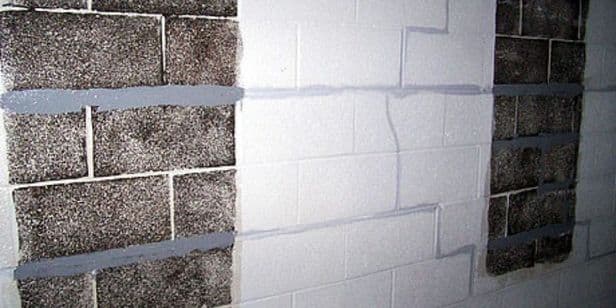
- Steel channels are installed vertically on the foundation walls, providing reinforcement and preventing further movement.
4. Epoxy and Polyurethane Injections
- Crack Repair
- Epoxy and polyurethane injections fill and seal cracks in the foundation, preventing water infiltration and further damage.
Preventive Measures for Foundation Maintenance
- Maintain Proper Drainage
- Ensure gutters and downspouts direct water away from the foundation. Install French drains or surface drains if necessary.
- Control Moisture Levels
- Use soaker hoses to maintain consistent soil moisture around the foundation during dry periods.
- Regular Inspections
- Conduct regular inspections of your foundation for signs of damage. Early detection can prevent more significant issues.
- Tree and Shrub Management
- Plant trees and shrubs away from the foundation to prevent root intrusion and soil displacement.
- Foundation Watering System
- Install an automated foundation watering system to maintain consistent soil moisture levels.
Choosing the Right Foundation Repair Contractor
1. Research and Referrals
- Online Reviews
- Read reviews and testimonials from previous clients to gauge the contractor’s reputation.
- Referrals
- Ask for referrals from friends, family, or neighbors who have had foundation repair work done.
2. Credentials and Experience
- Licensing and Insurance
- Ensure the contractor is licensed and insured to protect against liabilities.
- Experience
- Choose a contractor with extensive experience in foundation repair.
3. Inspection and Estimate
- Detailed Inspection
- A reputable contractor will conduct a thorough inspection and provide a detailed assessment of the foundation issues.
- Written Estimate
- Obtain a written estimate outlining the scope of work, materials, and costs.
4. Warranty and Follow-up
- Warranty
- Ensure the contractor offers a warranty on their work, covering materials and labor.
- Follow-up
- Choose a contractor who provides follow-up inspections and maintenance advice.
- Choose a contractor who provides follow-up inspections and maintenance advice.

Foundation repair is crucial for maintaining the structural integrity and value of your home. Understanding the causes of foundation problems, recognizing the signs, and choosing the right repair method can prevent costly damage and ensure a stable foundation. Regular maintenance and early detection are key to preserving the longevity of your home. Whether you opt for DIY inspections or hire a professional contractor, taking proactive steps will safeguard your investment and provide peace of mind.
Contact the Professionals at StablWall Today (866) 782-5955