Many homeowners think foundation repair means “fixing a crack.”
In reality, cracks are often just the evidence of a deeper issue. The real concern is whether the foundation is still stable, or whether it’s slowly moving under forces most people never see.
Foundation stabilization focuses on stopping that movement, permanently.
This article explains what foundation stabilization really is, how it works, and why it’s often the most important step in protecting a home long-term.
What Does “Foundation Stabilization” Actually Mean?
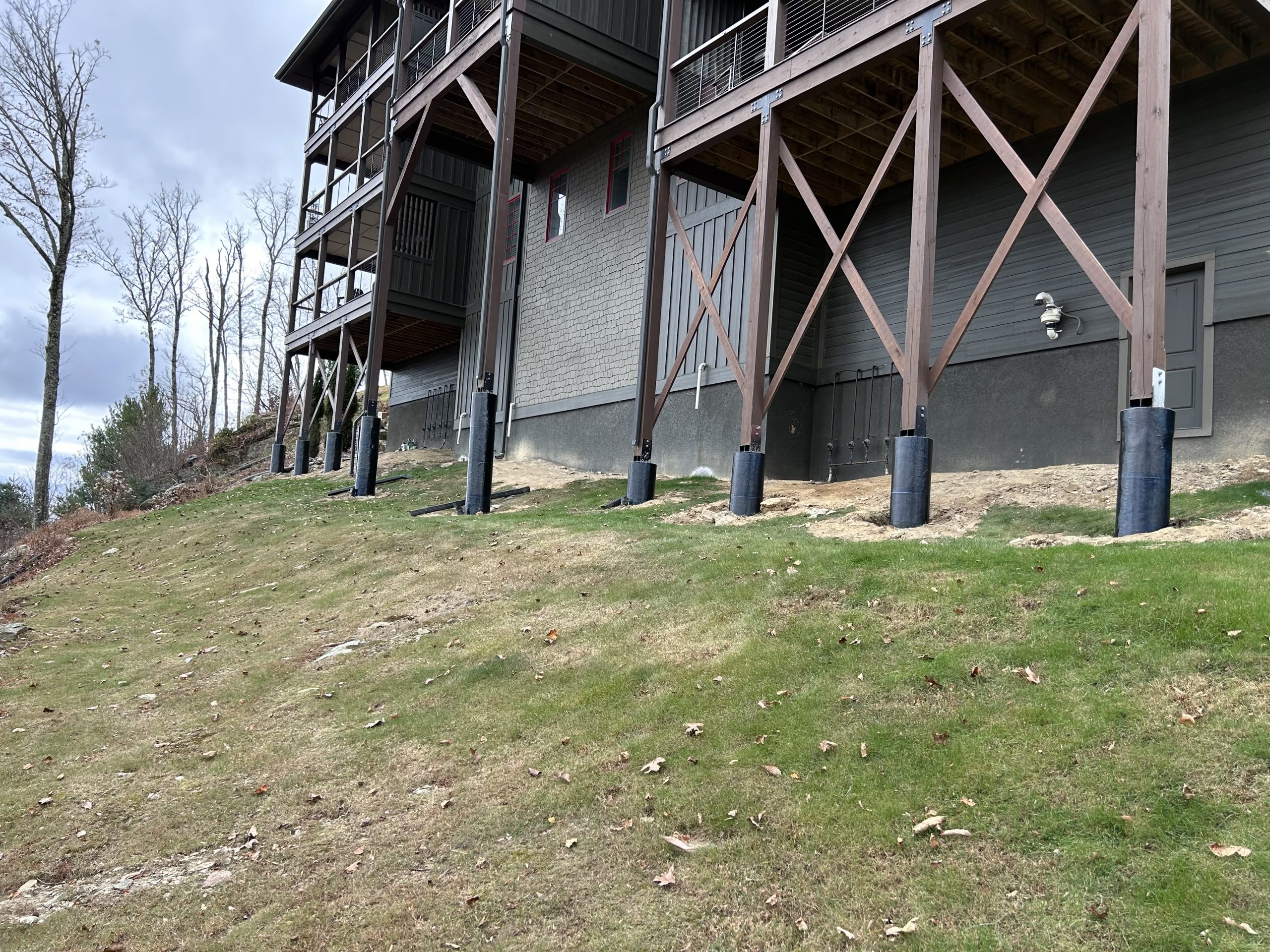 Foundation stabilization is the process of preventing further movement of the foundation structure.
Unlike cosmetic repairs that address visible damage, stabilization solutions are designed to:
- Counteract soil pressure
- Reinforce weakened foundation walls
- Prevent additional cracking
- Protect the structural integrity of the home
The goal isn’t to make the foundation look perfect. It’s to make sure it stays where it belongs.
Why Foundations Become Unstable Over Time
A foundation doesn’t fail suddenly. It reacts gradually to its environment.
Common forces that cause instability include:
- Expansive or shifting soil
- Poor drainage and water accumulation
- Hydrostatic pressure building against walls
- Freeze-thaw cycles
- Long-term settlement beneath the home
Over time, these forces can push foundation walls inward, cause sections to sink, or place uneven stress on the structure.
Stabilization vs Repair: A Critical Distinction
Repair addresses damage that has already occurred.
Stabilization addresses the forces causing the damage.
A crack can be repaired without stabilizing the wall, but if pressure continues, new cracks may form. Stabilization solutions aim to stop the cycle before it continues.
This distinction is why many professional evaluations focus first on movement, not appearance.
Common Signs a Home May Need Foundation Stabilization
Homeowners often notice subtle clues before major damage occurs.
Signs may include:
- Horizontal cracks in basement walls
- Bowing or leaning foundation walls
- Stair-step cracking in block foundations
- Repeated crack repairs that fail
- Doors and windows sticking or shifting
- Uneven or sloping floors
These symptoms suggest that the foundation is under stress, not just aging.
How Foundation Stabilization Works
Stabilization methods vary depending on the type of movement and the forces involved.
Some solutions reinforce walls directly. Others transfer structural loads to more stable soil. The right method depends on what is moving and why.
Professional stabilization focuses on restoring balance to the structure rather than forcing it into place.
Internal Wall Stabilization Systems
Internal stabilization methods are often preferred because they:
- Avoid exterior excavation
- Preserve landscaping
- Reduce disruption
These systems reinforce foundation walls from the inside, counteracting lateral pressure and preventing further movement.
They are commonly used when walls show early to moderate movement.
External Stabilization and Load Transfer
In cases involving settlement or sinking, stabilization may involve transferring the home’s weight to deeper, stable soil layers.
These solutions focus on:
- Supporting the structure from below
- Preventing further sinking
- Redistributing loads evenly
This approach is used when foundation movement originates beneath the home rather than from lateral pressure.
Is Foundation Stabilization Permanent?
When properly designed and installed, stabilization systems are intended to provide long-term protection.
The effectiveness depends on:
- Accurate diagnosis
- Correct system selection
- Professional installation
Stabilization doesn’t reverse time, but it stops damage from continuing.
How Long Does Foundation Stabilization Take?
Most stabilization installations are completed in:
- One to three days
- With minimal disruption to daily life
Interior-based systems are especially efficient and often allow homeowners to remain in the home during work.
Cost Considerations: What Homeowners Should Know
Foundation stabilization represents an investment in the home’s future.
Costs vary based on:
- Severity of movement
- Size of the foundation
- Stabilization method used
- Soil conditions
While stabilization may cost more upfront than surface repairs, it often prevents much larger expenses later.
 What Homeowners Say After Stabilization
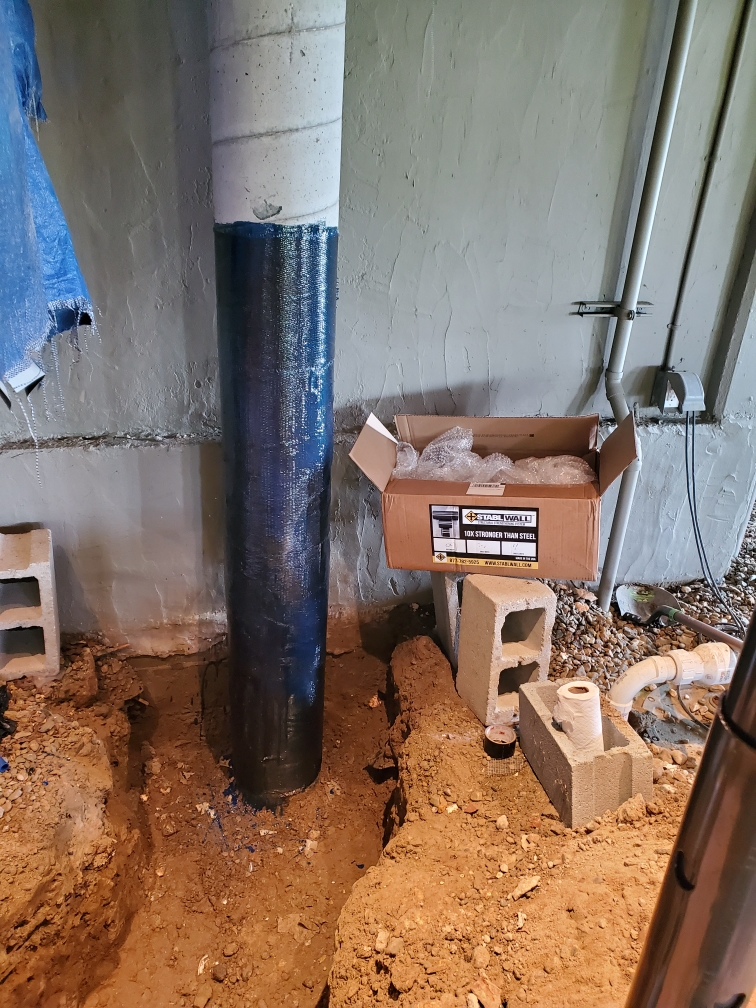
Homeowners frequently report:
- Peace of mind during heavy rain
- No further crack growth
- Improved structural confidence
- Less moisture and air infiltration
The most common reaction is relief, knowing the problem was addressed at its source.
Why Professional Evaluation Matters
Stabilization isn’t about selling a system. It’s about understanding the structure.
Companies like Stablwall focus on identifying movement patterns and recommending stabilization only when it’s truly necessary, ensuring solutions match the problem rather than the symptom.
The Homeowner Takeaway
Foundation stabilization is about protecting what matters most, the structure supporting your home.
Cracks may draw attention, but stability is the real priority. When a foundation is stabilized correctly, repairs last longer, stress stops accumulating, and homeowners regain confidence in their property.
Stability isn’t cosmetic. It’s structural.