When homeowners hear about carbon fiber foundation repair, one question almost always comes up:
“Is this actually permanent, or is it just a temporary fix?”
It’s a fair question. Foundation repairs are not something anyone wants to repeat, and homeowners want confidence that the solution they choose will protect their home for the long term.
Carbon fiber foundation repair is not a cosmetic patch. When used correctly and installed properly, it is designed to stop foundation wall movement and remain effective for the life of the structure. Understanding why requires looking at what carbon fiber does, what it doesn’t do, and when it’s the right solution.
What “Permanent” Really Means in Foundation Repair
In foundation work, permanent doesn’t mean the foundation will never change again. Homes exist in soil, and soil responds to water, weather, and time.
A permanent foundation repair means:
- The structural problem is addressed, not just the symptom
- The repair is designed to resist the forces causing the damage
- The solution does not degrade under normal conditions
- The issue does not continue to worsen after repair
Carbon fiber systems are designed with these principles in mind.
Why Carbon Fiber Is So Effective for Foundation Walls
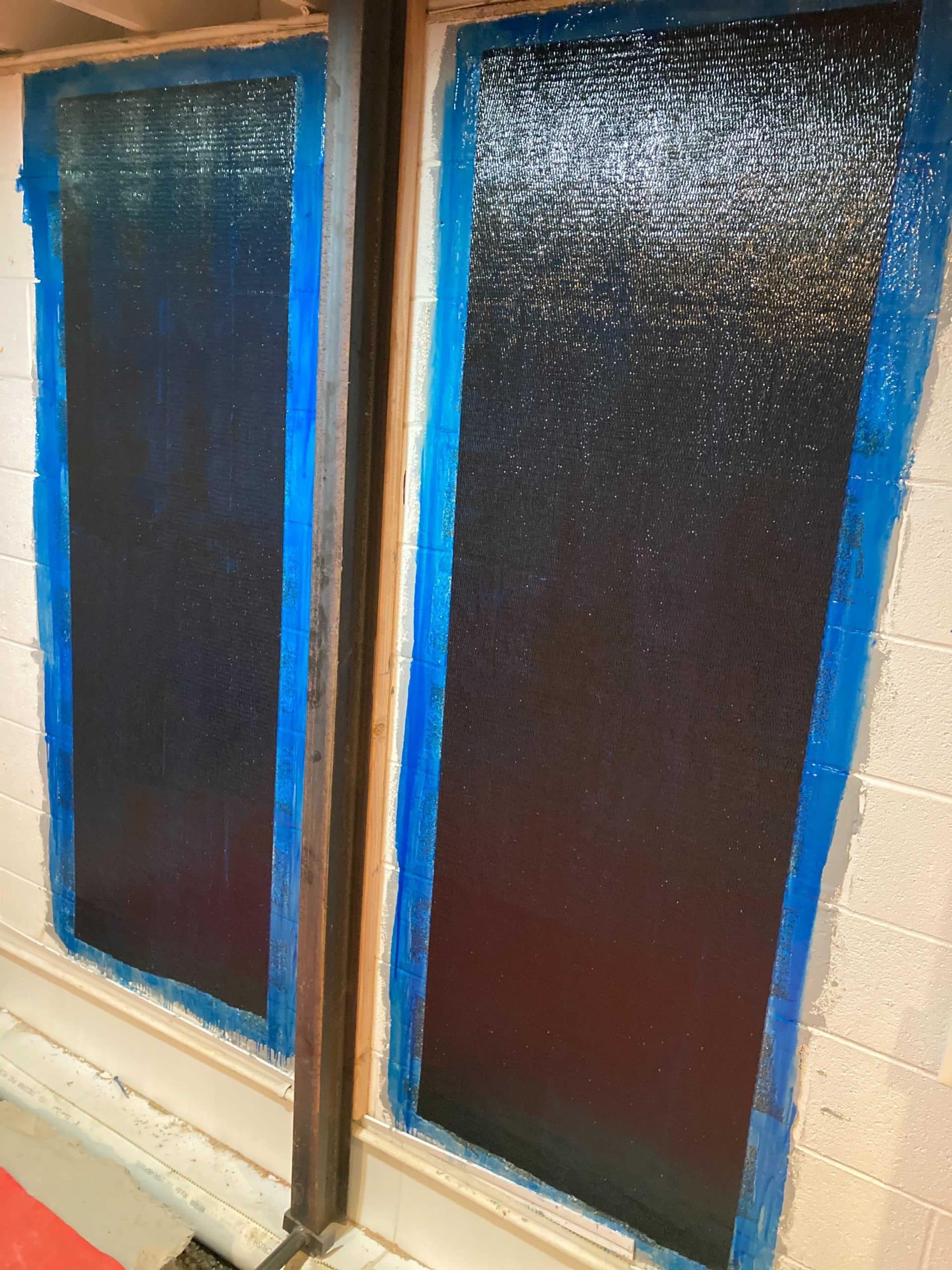 Carbon fiber is extremely strong in tension, much stronger than steel by weight. This makes it ideal for resisting the sideways forces that cause foundation walls to crack and bow.
When carbon fiber is bonded to a foundation wall:
- It reinforces the wall at its weakest points
- It prevents further inward movement
- It distributes stress across a wider area
- It works with the wall rather than bracing against it
Unlike materials that rely on mechanical fasteners alone, carbon fiber becomes part of the wall system once cured.
Does Carbon Fiber Degrade Over Time?
One of the reasons carbon fiber is used in aerospace, automotive, and structural engineering is its durability.
Carbon fiber:
- Does not rust
- Does not rot
- Does not stretch
- Is not affected by moisture
- Does not weaken with age under normal conditions
When installed correctly, carbon fiber does not require maintenance and does not lose strength over time.
What Carbon Fiber Repair Does Not Do
Carbon fiber is a stabilization solution, not a corrective one.
It does not:
- Straighten severely bowed walls
- Reverse major displacement
- Eliminate soil pressure
- Fix drainage issues by itself
Its role is to stop movement. Existing cracks may still be visible and can be sealed separately if cosmetic improvement is desired.
When Carbon Fiber Repair Is Considered Permanent
Carbon fiber foundation repair is considered a permanent solution when:
- Wall movement is early to moderate
- The wall has not significantly bowed
- Lateral pressure is the primary issue
- Installation is done correctly
- Drainage and moisture are reasonably managed
In these conditions, carbon fiber effectively halts progression and protects the structure long-term.
Situations Where Carbon Fiber May Not Be Enough
In some homes, wall movement has progressed too far for carbon fiber alone.
Additional or alternative solutions may be required when:
- Walls are severely bowed or leaning
- Structural displacement is advanced
- Soil conditions require external anchoring
- The foundation needs corrective realignment
In these cases, carbon fiber may still be part of the solution, but not the only one.
What Homeowners Ask Most About Carbon Fiber Longevity
Will carbon fiber ever fail?
When installed correctly, failure is extremely rare. Carbon fiber does not fatigue or corrode.
Will the crack come back?
If the crack was caused by lateral pressure and that pressure is resisted, new movement should not occur. Cosmetic cracks may still be sealed separately.
Is carbon fiber accepted during home sales?
Yes. Professionally installed stabilization systems often increase buyer confidence by addressing structural concerns.
What Homeowners Say Years After Carbon Fiber Repair
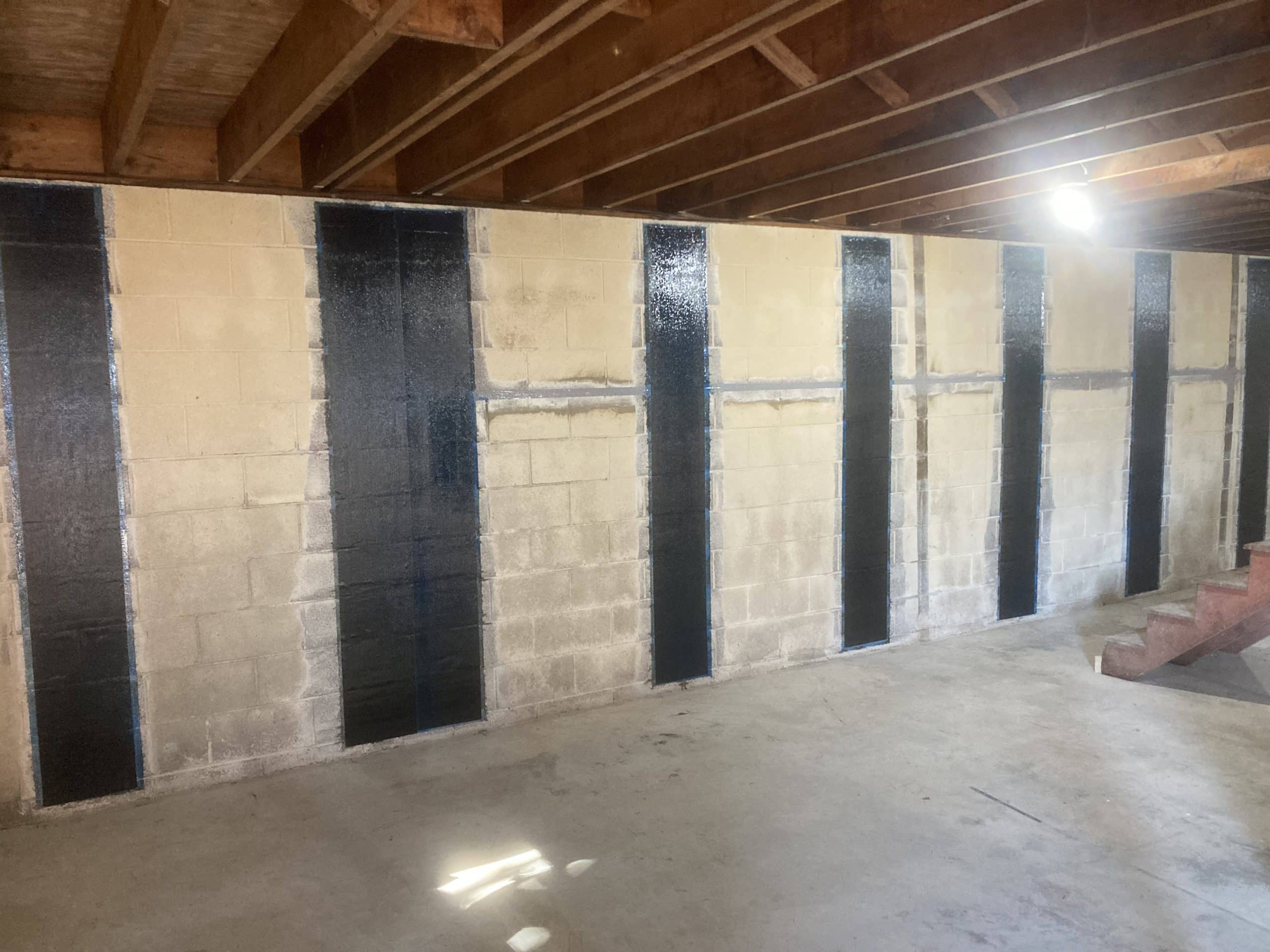 Homeowners who choose carbon fiber often report:
- No further wall movement
- No new horizontal cracking
- Confidence during heavy rain seasons
- Satisfaction with the unobtrusive appearance
The most common long-term feedback is that the issue stopped progressing and stopped causing stress.
Why Installation and Diagnosis Matter More Than the Material
Carbon fiber itself is not the deciding factor. The diagnosis is.
If carbon fiber is recommended for the wrong situation, it may not deliver the expected results. When it’s matched correctly to the condition of the wall, it performs exactly as intended.
That’s why professionals like Stablwall focus on evaluating wall movement, crack patterns, pressure sources, and long-term risk before recommending carbon fiber or any other stabilization method.