Top 5 Reasons to Choose StablWall for Foundation Stability

When it comes to maintaining the ‘health’ of your home, foundation stability is paramount. Have you considered StablWall? It’s a superior choice due to its unrivaled structural strength and user-friendly installation process that doesn’t require heavy machinery. Beyond that, it offers long-term cost advantages, and its robust durability minimizes the need for future repairs. As an added bonus, StablWall aligns with your sustainability goals, thanks to its eco-friendly manufacturing. Want to know more about these benefits and how to leverage them for your home’s foundation needs? Let’s explore the details.

Key Takeaways

  • StablWall offers unmatched structural strength with carbon fiber technology, surpassing steel in strength-to-weight ratio.
  • The installation process is simple, DIY-friendly, and does not require heavy machinery or special skills.
  • It is a cost-effective solution, preventing future structural issues and increasing property value without recurring charges.
  • StablWall boasts exceptional durability and lifespan, resistant to degradation, rust, and temperature fluctuations.
  • The environmentally friendly manufacturing process of StablWall reduces greenhouse gas emissions and waste generation.

Unmatched Structural Strength

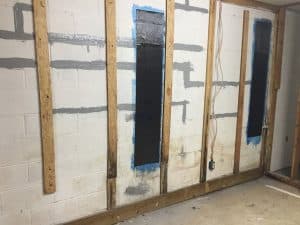
stablwall-stablwall-1When it comes to the structural strength of your home, nothing beats the power of StablWall. This revolutionary technology is designed to provide unparalleled protection against the most common foundation issues.

It’s a carbon fiber system that works by enhancing the structural integrity of your home. It’s not just about preventing cracks and leaks; it’s about ensuring that your home stands strong against the test of time.

The secret to StablWall’s strength lies in its use of carbon-fiber technology. Carbon fibers are known for their exceptional tensile strength. They’re stronger than steel, yet incredibly lightweight, making them perfect for fortifying your home’s foundation.

When applied to your walls, StablWall forms a powerful bond that effectively resists any lateral pressure exerted by soil movement.

What’s more, StablWall doesn’t just stop at providing structural strength. It also addresses the source of the problem, preventing future damage.

So, you’re not just getting a temporary fix; you’re investing in a long-term solution. With StablWall, you can rest easy knowing your home is built on a foundation that’s designed to weather any storm.

Trust in the strength of StablWall – it’s a surefire way to secure your home’s structural integrity.

Ease of Installation Process

You might think that installing a system as powerful as StablWall would be a complex task, but you’d be wrong. The process of installing StablWall is surprisingly straightforward and easy. In fact, it’s one of the key reasons why homeowners and contractors alike prefer this brand over others.

StablWall’s installation process doesn’t require any heavy machinery or tools. You won’t be needing any special skills either. The product comes in thin sheets that you can easily maneuver and apply to your foundation walls.

It’s a DIY-friendly solution that you can undertake in a weekend, saving you from the usual hassles of conventional foundation repair methods.

But don’t let the simplicity fool you. Despite being easy to install, StablWall provides an extremely sturdy and robust reinforcement to your foundation. Its design guarantees that once it’s up, it stays up, providing your home with the stability it needs.

In addition, StablWall comes with a detailed installation guide, making the process even smoother. You won’t be left guessing or fumbling around.

Long-Term Cost Effectiveness

Moving beyond the ease of installation, another compelling reason to choose StablWall is its long-term cost effectiveness. You may be questioning how a premium product can be cost effective. Well, it’s simple. In the long run, StablWall’s advanced features and benefits can considerably lower your overall expenses.

Firstly, the StablWall system is designed to prevent future structural issues, saving you expensive repair costs down the line. You won’t have to worry about recurring maintenance charges or surprise repair bills, because StablWall’s got it covered.

This brings us to the three key factors that contribute to StablWall’s cost effectiveness:

  • Preventive Measures: StablWall isn’t just a solution, but a preventive measure. It stops problems before they start, which can save you a ton of money in potential repairs.
  • One-time Installation: With StablWall, you pay once for the installation and that’s it. There are no recurring charges or hidden fees.
  • Increases Property Value: A stable and secure foundation is a valuable asset. By installing StablWall, you’re increasing the value of your property, which is a wise long-term investment.

Exceptional Durability and Lifespan

Imagine a product that stands the test of time, offering unmatched durability and an impressive lifespan. That’s what you get with StablWall. Its superior strength and longevity outclass traditional methods, providing a robust solution for your foundation stability needs.

Built from carbon fiber, StablWall doesn’t degrade, rust, or deteriorate. It’s immune to the damaging effects of moisture and temperature fluctuations, factors that often cause conventional materials to weaken over time. This means you’ll face fewer maintenance issues and the need for replacement is considerably reduced.

But what does this exceptional durability and lifespan mean for you? Well, it’s simple. This strength translates to peace of mind. You can rest easy knowing that your foundation is secured with a product designed to last.

StablWall’s durability also gives it a remarkable lifespan. Unlike other solutions that may require frequent replacements or repairs, StablWall is a one-time investment. You’re not just buying a product; you’re making a long-term investment in the stability and safety of your property.

Choosing StablWall is choosing a solution that’s built to last. Its exceptional durability and lifespan make it the smart choice for foundation stability.

Environmentally Friendly Solution

In addition to its superior durability, StablWall also shines in its commitment to the environment. Its manufacturing process is designed to minimize environmental impact, making it an excellent choice for those of you who value sustainability.

StablWall’s eco-friendly attributes can be summarized under three main points:

  • Low Energy Consumption: The manufacturing process of StablWall uses less energy compared to other similar products. This helps reduce greenhouse gas emissions contributing to global warming.
  • Minimal Waste Production: StablWall’s production process is optimized to generate minimal waste. Any waste that’s produced is responsibly disposed of, ensuring that it doesn’t harm the environment.
  • Long Product LifeStablWall’s exceptional durability means it lasts longer than its counterparts. This results in less frequent replacements, thereby reducing the demand for new materials and minimizing waste.

stablwall-stablwall-2

Choosing StablWall isn’t just a decision for your property’s stability, but also a step towards preserving our planet.

With StablWall, you’re not only investing in a reliable foundation solution, but also contributing to a sustainable future. As an environmentally conscious consumer, you’ll appreciate StablWall’s commitment to eco-friendliness.

Frequently Asked Questions

What Warranty Options Are Available With the Purchase of Stablwall?

You’re wondering about warranty options with StablWall. Well, they offer a lifetime warranty with every purchase. It’s transferable, meaning if you sell your property, the warranty stays with the house, not you. Isn’t that convenient?

Can Stablwall Be Installed on Non-Residential Structures?

Much like a chameleon adapts to its surroundings, you can install StablWall on non-residential structures. It’s versatile, offering foundation stability for a variety of building types, not just your home.

How Does Stablwall Perform in Extreme Weather Conditions?

You’re wondering about StablWall’s performance in extreme weather? It’s remarkable! StablWall withstands harsh conditions, providing consistent foundation stability. Its durability doesn’t falter whether it’s intense heat, severe cold, or heavy rainfall. You can rely on it, regardless of the weather.

Are There Any Financing Options or Payment Plans Available for Stablwall?

StablWall makes it easier on your pocket by offering flexible financing options and accommodating payment plans. You don’t have to break the bank to guarantee your foundation’s stability. It’s a win-win situation!

Does Stablwall Require Any Special Maintenance or Care Post-Installation?

No, StablWall doesn’t require any special maintenance or care post-installation. It’s designed to be a long-lasting solution, so once it’s installed, you don’t have to worry about additional upkeep or potential issues.

So, why not choose StablWall for your foundation stability needs? It’s stronger than steel, easy to install, and incredibly durable. Plus, it’s a cost-effective solution that’ll save you money in the long run. Did you know that its carbon fiber technology is 10 times stronger than steel? That’s impressive strength! Not to mention, it’s an eco-friendly option. Make the smart choice and invest in StablWall for your home. You won’t regret it.

Contact the Professionals at StablWall Today! (866) 782-5955

Carbon Fiber and Foundation Walls: The Perfect Pair for Long-Term Stability

Consider the Burj Khalifa, the world’s tallest skyscraper. Its strength and resilience are significant to carbon fiber reinforcement in its foundation walls. Now, imagine this same level of durability in your construction projects. Carbon fiber, renowned for its high tensile strength and resistance to environmental degradation, pairs perfectly with foundation walls for long-term stability. But the benefits don’t stop there. This cost-effective solution reduces your maintenance needs and supports sustainable building practices. Intrigued? Let’s explore this further together.

Key Takeaways

  • Carbon fiber offers high tensile strength and flexibility, making it ideal for reinforcing foundation walls.
  • Its resistance to chemicals, heat, UV rays, and environmental degradation ensures long-term durability and minimal maintenance.
  • Carbon fiber can be bonded with existing foundation walls, enhancing structural integrity and reducing the need for extensive repairs.
  • Although initial costs may be higher, the longevity and robustness of carbon fiber translate into long-term savings and increased property value.
  • Innovations in carbon fiber technology support sustainable construction goals, promising energy-efficient and environmentally friendly foundations.

Understanding Carbon Fiber Material

If you’ve ever wondered about the material used in high-performance cars or advanced aerospace technology, it’s time to learn about carbon fiber. This material, known for its unique blend of properties, is becoming increasingly popular in various industries, and for good reason.

Carbon fiber is a thin material about 0.005 to 0.010 mm in diameter, composed primarily of carbon atoms. These atoms are bonded in microscopic crystals, forming a long, durable chain. The result? A material that’s incredibly strong for its size. When compared to steel, carbon fiber is much stronger and lighter.

But it’s not just about strength. Carbon fiber also excels in flexibility, making it perfect for applications requiring robustness and bendability. It’s also resistant to many chemicals, heat, and even UV rays, expanding its use to outdoor settings.

Now, imagine incorporating this material into your home’s foundation walls. Strength, flexibility, and resistance all translate into long-term stability.

It’s no wonder more and more builders are turning to carbon fiber. So, next time you see a sports car zoom by, remember that that same technology could reinforce your home.

Traditional Foundation Wall Materials

Before we explore the advent of carbon fiber, it’s crucial to understand the traditional materials used in foundation walls.

You’re likely familiar with concrete for its proven durability, but did you know that stone and brick foundations also have a long history of use?

Over time, wood has also risen in popularity as a foundation material.

Concrete: Proven Durability

Concrete, a stalwart in the construction industry, offers proven durability for traditional foundation wall materials. You can trust this material to withstand time and resist adverse conditions. It’s common for a concrete foundation to outlast the building it supports!

There’s a reason why concrete is such a popular choice. Its strength lies in its composition. You’ve got a mixture of cement, aggregate, and water that forms a rock-like mass when it hardens. This isn’t a material that’s going to buckle under pressure. It’s got the muscle to bear substantial loads, making it ideal for your foundation walls.

Moreover, concrete is resistant to fire, water, rot, and insects. These properties further enhance durability, ensuring your foundation walls stay in shape for years.

Of course, it’s essential to apply a good quality waterproofing material to your concrete walls to prevent moisture from seeping in.

Stone and Brick Foundations

Venturing beyond concrete, you’ll find traditional methods like stone and brick foundations still holding strong in construction. While not as common today, these materials have been used for centuries and offer long-lasting stability that you can count on.

Stone foundations are known for their strength and durability. They’re not easily damaged, even under harsh conditions. Similarly, brick foundations provide a sturdy base. They resist moisture penetration, ensuring the structure’s longevity.

However, brick and stone foundations have their challenges. They’re more labor-intensive and time-consuming to construct compared to modern materials. Although they resist most environmental factors, extreme temperature fluctuations can lead to cracks over time.

Here’s a quick comparison of stone and brick foundations:

Material Durability Resistance to Moisture Reaction to Temperature Fluctuations
Stone High Moderate Can Crack
Brick High High Can Crack

The Rise of Wood

Moving on from brick and stone, let’s focus on another traditional foundation wall material: wood. You might consider wood a bit old-fashioned but don’t underestimate its value. Over centuries, it’s proven its worth as a durable, flexible material for foundation walls.

Yet, it does have its challenges. Wood can be susceptible to rot, termites, and other pests. Furthermore, it can warp or crack over time due to moisture and temperature changes. You must keep an eye on it and ensure it’s properly treated and protected.

However, the rise of engineered wood products has dramatically improved the performance of wood foundations. These products, made from layers of wood and adhesives, resist the issues that often plague traditional lumber.

They’re stronger, more stable, and have a longer lifespan.

The Superiority of Carbon Fiber

carbon-fiber-stablwall-1

Nothing beats carbon fiber for its superior strength and resilience when reinforcing your foundation walls. This isn’t just hype; there’s a solid scientific basis. Carbon fiber’s tensile strength and ability to resist breaking under tension are among the highest of any industrial material. That means it can hold up under immense pressure, just like the kind your foundation walls face.

But what does that mean for you? Simply put, it means peace of mind. It means knowing your home or building is built to last, with materials designed to withstand the test of time. It’s about investing in longevity, strength, and reliability.

It’s not just about strength, though. Carbon fiber is also incredibly lightweight. This makes it easier to handle, reducing overall construction time.

It’s also corrosion-resistant, so it won’t deteriorate over time like other materials might.

Carbon Fiber Application in Foundations

You’ve learned about the superiority of carbon fiber, but what about its application in foundations?

It’s time to explore how understanding carbon fiber can benefit your foundation projects.

Let’s start with how this revolutionary material can make all the difference.

Understanding Carbon Fiber

Carbon fiber is a game-changer in the construction world, significantly when strengthening foundation walls. Imagine a robust and lightweight material that can reinforce structures without adding significant weight or bulk. That’s carbon fiber for you. Made of thin strands of carbon atoms, it’s robust and durable.

But how does it work in foundations? Carbon fiber doesn’t just sit on the surface. Instead, it’s bonded with the wall, creating a solid, unified structure. This bonding process doesn’t just make the wall stronger; it prevents further damage and degradation.

Understanding carbon fiber’s properties and its application is essential. Here’s a snapshot of what you need to know:

Property Explanation
High Tensile Strength Carbon fiber can withstand a lot of force without breaking.
Lightweight Despite its strength, carbon fiber is light, making it ideal for construction.
Corrosion-Resistant Carbon fiber doesn’t rust or corrode, ensuring long-term durability.
Temperature Tolerant It performs well under a wide range of temperatures.

Benefits for Foundations

So, why should you consider carbon fiber for your foundation walls? Here’s why – it brings robustness, longevity, and cost-effectiveness.

  1. Robustness: Carbon fiber is five times stronger than steel and twice as stiff, making it a superior choice for foundation reinforcement. It doesn’t just strengthen your walls; it enhances their resistance to lateral pressure, keeping them standing tall despite adverse conditions.
  2. Longevity: Unlike traditional materials, carbon fiber doesn’t corrode or degrade over time. It’s resistant to moisture and chemicals, ensuring your foundation walls last longer without needing constant maintenance or replacement.
  3. Cost-effectiveness: Carbon fiber may seem pricey initially, but it’s a one-time investment. It cuts down on future repair and replacement costs, making it a cost-effective choice in the long run.

Don’t you want a strong, durable, and cost-effective foundation? That’s what you’ll get with carbon fiber.

It’s not just about building a house; it’s about creating a home that’ll stand the test of time. With carbon fiber, you’re not just investing in a material but in peace of mind for the years to come.

Case Studies: Carbon Fiber Successes

Often, carbon fiber proves remarkably successful in reinforcing foundation walls. You might wonder, ‘What does this success look like?’

Let’s explore a few case studies highlighting carbon fiber’s effectiveness.

Imagine a 50-year-old residential building in Columbus, Ohio. The homeowner noticed cracks in the foundation walls, raising concerns about the building’s stability. A local contractor recommended carbon fiber reinforcement, guaranteeing the homeowner of the material’s strength.

After installation, the homeowner hasn’t reported any further foundation wall issues. That’s carbon fiber at work!

In another case, a commercial building in Boston had significant bowing in its foundation walls due to soil pressure. The building owner was worried about potential collapse.

Again, carbon fiber came to the rescue. Post-reinforcement, the walls have remained firm and stable for over five years.

Across the country in San Francisco, a Victorian house was experiencing similar foundational problems. Guess what the solution was? You got it – carbon fiber.

The age-old home now stands as solid as ever.

These case studies aren’t exceptions but norms. They show how carbon fiber can bolster foundation walls and guarantee long-term stability.

Future of Home Building Materials

Countless advancements are shaping the future of home-building materials. As a stakeholder in the industry, you’re likely keen to understand what’s on the horizon. Carbon fiber, in particular, holds promise for constructing sturdy, efficient homes.

Imagine a world where the foundations of homes aren’t only strong but are also energy-efficient and eco-friendly. This isn’t far-fetched with the promising developments in materials like carbon fiber.

carbon-fiber-stablwall-2

As part of the carbon fiber revolution, here are the three main benefits to evaluate:

  1. Durability: Carbon fiber is known for its strength and longevity. It resists many environmental factors that typically degrade other materials over time.
  2. Energy Efficiency: Carbon fiber boasts impressive thermal insulation properties. This means reduced energy costs for heating and cooling.
  3. Sustainability: Carbon fiber can be manufactured with less waste and energy than traditional materials, so it’s a more environmentally friendly choice.

You’re not just building houses; you’re shaping the future of homes. By assessing the use of carbon fiber, you’re leading the way toward a more sustainable, efficient, and durable tomorrow.

Frequently Asked Questions

How Is the Durability of Carbon Fiber Affected by Extreme Weather Conditions?

Extreme weather doesn’t impact carbon fiber’s durability. It’s resistant to harsh conditions, meaning you won’t face issues with weakening or damage. Rest assured, your carbon fiber will stay strong, regardless of the weather.

What Is the Average Cost of Installing Carbon Fiber in Foundation Walls?

The average cost of installing carbon fiber in your foundation walls can vary greatly, typically between $5,000 and $15,000. It’s quite an investment, but you’re buying unbeatable stability and long-term peace of mind.

Are There Any Potential Health Risks Associated With Carbon Fiber Materials?

You’re safe – carbon fiber materials aren’t known to pose health risks. However, if fibers are released into the air during installation, they could irritate your skin, eyes, or respiratory system. Always use proper safety gear.

How Does the Use of Carbon Fiber in Foundations Impact Construction Timelines?

Using carbon fiber in foundations catapults construction timelines like a sprinter off the blocks. Installing and curing faster than traditional materials is more manageable, so you’re shaving off precious time without compromising stability.

Can carbon fiber be used to restore historical buildings?

You can use carbon fiber to restore historical buildings. It’s lightweight, strong, and doesn’t impact the original structure negatively. It’ll guarantee the building’s stability while preserving its historical integrity.

So, you’ve seen it yourself – carbon fiber and foundation walls are a match made in construction heaven. Coincidentally, they’re just what you need for long-term stability. With unbeatable strength, reduced maintenance, and cost-effectiveness, carbon fiber is not just a trend; it’s the future. It’s time you considered this power pair for your next project. After all, who doesn’t want a home that stands firm, lasts long, and respects our planet?

Contact the Professionals at StablWall Today! (866) 782-5955

carbon-fiber-wall-reinforcement-stablwall-3

StablWall: The Ultimate Solution for Long-Lasting Foundation Stability

Foundation issues are a common problem for homeowners, often resulting from soil movement, hydrostatic pressure, or natural wear over time. These structural challenges can lead to cracking, bowing, and even water intrusion, all of which compromise the stability of a home. StablWall provides a cutting-edge solution to these issues with its innovative carbon fiber technology, designed to reinforce and stabilize foundation walls effectively and affordably. Let’s explore why StablWall’s carbon fiber system has become a trusted choice for homeowners looking to secure their foundations for the long term.

Why Foundation Stability Matters

A stable foundation is the cornerstone of a safe and durable home. When a foundation becomes compromised, it can affect the structural integrity of the entire building. This instability can lead to secondary issues such as uneven floors, door and window misalignment, and cracks in walls or ceilings. For homeowners, these signs are often a red flag that their property’s foundation requires immediate attention.

Foundations face constant pressure from the surrounding soil, which can shift due to moisture levels, temperature changes, and other environmental factors. Over time, these forces can cause the foundation walls to crack or bow inward. StablWall’s carbon fiber system is specifically engineered to counteract these forces, preserving the strength of the foundation and reducing the need for extensive, costly repairs.

Introducing StablWall’s Carbon Fiber Reinforcement

StablWall is a state-of-the-art foundation repair system that uses carbon fiber sheets to reinforce and stabilize weakened walls. Carbon fiber is an ideal material for this purpose due to its remarkable strength-to-weight ratio, which is significantly higher than that of steel. Despite being lightweight and thin, carbon fiber can handle substantial loads, making it an excellent choice for strengthening foundation walls without adding bulk or weight.

When applied to a foundation wall, carbon fiber reinforcement bonds securely to the surface, forming a rigid layer that resists further movement or cracking. The material’s flexibility allows it to adapt to different wall shapes and sizes, making it suitable for various foundation types and damage levels.

How StablWall Works: A Look at the Application Process

The StablWall installation process is both straightforward and efficient, designed to provide maximum reinforcement with minimal disruption. Here’s how it works:

  1. Assessment and Inspection: The first step involves a thorough inspection of the foundation to identify areas of weakness, including cracks, bowing, or water damage. A trained technician evaluates the condition of the wall and determines the best points for carbon fiber application.
  2. Preparation of the Wall Surface: To ensure the carbon fiber adheres properly, the surface of the wall is cleaned to remove dirt, dust, or loose debris. This step is essential for achieving a strong bond between the wall and the carbon fiber.
  3. Application of Epoxy Resin: A specially formulated epoxy resin is applied to the wall, serving as an adhesive that bonds the carbon fiber to the foundation. The epoxy is highly durable and helps create a solid, lasting connection.
  4. Placement of Carbon Fiber Sheets: Carbon fiber sheets are pressed onto the wall over the epoxy, forming a tight, secure layer. This reinforcement acts as a shield against further cracking or bowing.
  5. Curing Process: Once the carbon fiber sheets are in place, the epoxy is allowed to cure, solidifying the bond and creating a rigid, durable reinforcement layer that effectively stabilizes the wall.

stablwall-stablwall-1

This process can typically be completed within a few hours, making it a convenient option for homeowners who need quick and reliable foundation reinforcement without the disruption of traditional repair methods.

The Advantages of StablWall for Foundation Repair

StablWall’s carbon fiber reinforcement system offers several benefits over more traditional methods of foundation repair, such as steel beams or wall anchors. Here are some of the key advantages:

Non-Invasive Installation

Unlike wall anchors or steel beams, which often require excavation or additional structural adjustments, StablWall’s carbon fiber system is non-invasive. The sheets are applied directly to the interior wall surface, making it a low-impact option that doesn’t require digging or property disturbance.

Cost-Effective Solution

Traditional foundation repair methods can be costly, particularly when excavation or heavy machinery is involved. StablWall provides a more affordable option by reducing the need for extensive labor and equipment. The streamlined installation process helps keep costs down, making it an accessible solution for homeowners on a budget.

High Durability and Longevity

Carbon fiber is incredibly durable and resistant to environmental factors that can degrade other materials, such as steel. It doesn’t corrode or rust, meaning it will remain effective for years without the need for additional maintenance. This long-lasting quality makes StablWall an ideal choice for homeowners seeking a one-time investment that will protect their foundation for the long term.

Aesthetic Flexibility

Once installed, StablWall’s carbon fiber sheets are low-profile and can be painted over or covered, allowing homeowners to finish or decorate their basement as they like. This aesthetic flexibility makes it a discreet solution for those who want a functional but unobtrusive repair method.

Key Issues Addressed by StablWall

StablWall’s carbon fiber system is designed to handle a variety of foundation issues, making it a versatile solution for homeowners. Here are some of the most common problems it addresses:

  1. Horizontal and Vertical Cracks: These cracks often result from soil pressure or natural settling of the foundation. Left untreated, they can expand and weaken the wall, leading to structural instability. StablWall’s carbon fiber sheets help seal these cracks and prevent further movement.
  2. Bowing Walls: When soil pressure pushes against foundation walls, it can cause them to bow inward. This is a serious structural issue that indicates the wall is struggling to support the surrounding load. StablWall’s reinforcement provides the necessary support to counteract these pressures, preventing further bowing.
  3. Water Intrusion: Cracks and weakened walls can allow water to seep into the basement, causing dampness, mold, and potential health issues. StablWall’s carbon fiber system adds a protective layer that helps seal these cracks, reducing the risk of water infiltration.

The Environmental Benefits of Choosing StablWall

In addition to its structural benefits, StablWall’s carbon fiber system is also an environmentally friendly choice. Carbon fiber has a lower environmental impact compared to many traditional construction materials, as it requires fewer resources to produce and has a long lifespan, reducing waste over time. By choosing StablWall, homeowners are not only reinforcing their foundation but also making a sustainable choice that contributes to a healthier environment.

The Impact of StablWall on Home Value

Foundation stability is a significant factor for potential home buyers, and properties with reinforced foundations are often more appealing in the real estate market. By investing in StablWall, homeowners can improve their home’s resale value, as a solid, stable foundation is a major selling point. Moreover, the non-intrusive nature of the installation allows homeowners to maintain the aesthetic appeal of their basement, further enhancing property value.

Comparing StablWall with Alternative Foundation Repair Methods

StablWall’s carbon fiber system offers several advantages over other common foundation repair methods, such as steel beams and wall anchors. Here’s a quick comparison:

Steel Beam Reinforcement

Steel beams are a traditional choice for reinforcing bowing or cracked walls, but they require space and can be visually intrusive. They’re also prone to rust and may require maintenance over time. StablWall’s carbon fiber system, by contrast, is discreet and rust-resistant, providing a lower-profile solution that doesn’t take up valuable basement space.

Wall Anchors

Wall anchors are another popular option but often involve excavation to install anchoring plates outside the foundation. This can be disruptive and expensive, especially if landscaping needs to be restored afterward. StablWall’s non-invasive approach eliminates the need for excavation, offering a more convenient solution with similar structural benefits.

Crack Injection

While crack injections can seal minor cracks, they don’t provide the reinforcement needed to stabilize structurally compromised walls. StablWall’s carbon fiber system not only seals cracks but also strengthens the entire wall, making it a comprehensive solution for homeowners facing more severe foundation issues.

Why Homeowners Trust StablWall for Foundation Repair

Homeowners dealing with foundation issues can benefit greatly from StablWall’s carbon fiber system. Here are just a few reasons why StablWall is a top choice for foundation reinforcement:

  • Reliable and Proven Technology: Carbon fiber is trusted across various industries for its strength and durability, making it a reliable choice for foundation reinforcement.
  • Quick and Convenient Installation: With minimal preparation and no excavation, StablWall can be installed quickly, allowing homeowners to get back to their routine with little disruption.
  • Aesthetic Compatibility: StablWall’s low-profile design allows homeowners to maintain the appearance of their basement, giving them the freedom to paint or finish the space as they wish.

stablwall-stablwall-2

Strength and Security with StablWall

StablWall offers homeowners a practical, efficient, and durable solution to foundation issues. With its advanced carbon fiber technology, StablWall provides long-lasting reinforcement that can prevent future damage and preserve the structural integrity of a home. For anyone facing foundation cracks, bowing walls, or water intrusion, StablWall’s non-invasive, cost-effective approach ensures that their home’s foundation remains strong, stable, and secure for years to come. Choosing StablWall is an investment in the future stability of your home and a smart decision for peace of mind.

Contact the Professionals at StablWall Today! (866) 782-5955

stablwall-stablwall-3

Exploring Foundation Repair Techniques: Ensuring Stability and Longevity

Foundation repair is essential for the long-term stability and safety of any building. A compromised foundation can lead to significant structural issues, costly repairs, and even pose safety hazards. This article delves into various foundation repair techniques, their applications, benefits, and the importance of addressing foundation problems promptly.

The Importance of Foundation Repair

Why Foundation Repair is Crucial

  1. Structural Integrity
    • The foundation supports the entire structure. Any damage can compromise the building’s stability, leading to potential collapse.
  2. Property Value
    • A damaged foundation can significantly reduce the value of a property. Prospective buyers are often wary of homes with foundation issues.
  3. Safety
  4. Preventing Further Damage

Common Foundation Problems

  1. Foundation Settlement
    • When the soil beneath the foundation compresses or erodes, the foundation can settle unevenly, leading to cracks and structural instability.
  2. Foundation Heave
    • Expansive soils that swell with moisture can push the foundation upwards, causing cracks and displacement.
  3. Bowing Walls
    • Lateral pressure from soil can cause foundation walls to bow inward, compromising their structural integrity.
  4. Cracks in Foundation
    • Cracks can occur due to various factors, including soil movement, temperature changes, and construction defects.
  5. Water Infiltration
    • Poor drainage and waterproofing can lead to water seeping into the foundation, causing erosion and weakening the structure.

foundation-repair-techniques-stablwall-1

Foundation Repair Techniques

1. Piering and Underpinning

  • Helical Piers
    • Helical piers are steel shafts with helical plates that are screwed into the ground to stabilize the foundation. They are suitable for various soil conditions and provide immediate load-bearing capacity.
  • Push Piers
    • Push piers are hydraulically driven into the ground until they reach stable soil or bedrock. They are ideal for heavy structures and significant settlement issues.
  • Underpinning
    • Underpinning involves extending the foundation’s depth or breadth to transfer the load to more stable soil. This technique is used when the existing foundation is unstable or requires strengthening.

2. Slabjacking

  • Mudjacking
    • A mixture of cement, sand, and water is pumped under the foundation to lift and stabilize it. Mudjacking is cost-effective and works well for minor settlement issues.
  • Polyurethane Foam Injection
    • High-density polyurethane foam is injected under the foundation, expanding to fill voids and lift the foundation. It is quicker and less invasive than mudjacking.

3. Wall Stabilization

  • Carbon Fiber Straps
    • Carbon fiber straps are applied to foundation walls to reinforce and stabilize them. They are lightweight, durable, and minimally invasive.
  • Steel I-Beams
  • Wall Anchors
    • Steel plates are installed inside the foundation walls and anchored to soil or bedrock outside. Tension rods are used to stabilize and straighten bowing walls.

4. Crack Repair

  • Epoxy Injections
    • Epoxy is injected into cracks to seal them and restore the foundation’s structural integrity.
  • Polyurethane Injections
    • Polyurethane fills and seals cracks, preventing water infiltration and further damage.

5. Drainage Solutions

  • French Drains
    • French drains are installed around the foundation to redirect water away from the structure, preventing soil erosion and water infiltration.
  • Surface Drains
    • Surface drains collect and divert water away from the foundation, reducing hydrostatic pressure and preventing water damage.
  • Sump Pumps

Choosing the Right Foundation Repair Method

1. Assessment and Diagnosis

  • Professional Inspection
    • Hire a professional foundation repair contractor to assess the extent of the damage and identify the underlying causes.
  • Soil Analysis
    • Conduct a soil analysis to determine the type of soil and its properties. This information is crucial for selecting the appropriate repair method.

2. Cost and Feasibility

  • Budget Considerations
    • Evaluate the cost of various repair methods and choose one that fits your budget while effectively addressing the issue.
  • Feasibility
    • Consider the feasibility of each repair method based on the extent of the damage, soil conditions, and the type of foundation.

3. Long-Term Effectiveness

  • Durability
    • Choose a repair method that provides long-term stability and prevents future problems.
  • Maintenance Requirements
    • Consider the maintenance requirements of each repair method and choose one that is manageable.

Preventive Measures for Foundation Maintenance

  1. Maintain Proper Drainage
    • Ensure gutters and downspouts direct water away from the foundation. Install French drains or surface drains if necessary.
  2. Control Moisture Levels
    • Use soaker hoses to maintain consistent soil moisture around the foundation during dry periods.
  3. Regular Inspections
    • Conduct regular inspections of your foundation for signs of damage. Early detection can prevent more significant issues.
  4. Tree and Shrub Management
    • Plant trees and shrubs away from the foundation to prevent root intrusion and soil displacement.
  5. Foundation Watering System
    • Install an automated foundation watering system to maintain consistent soil moisture levels.

foundation-repair-techniques-stablwall-2

Foundation repair is essential for maintaining the structural integrity and value of your home. Understanding the various repair techniques and their applications can help you make informed decisions when addressing foundation problems. Regular maintenance and early detection are key to preserving the longevity of your home. Whether you opt for DIY inspections or hire a professional contractor, taking proactive steps will safeguard your investment and provide peace of mind.

Contact the Professionals at StablWall Today (866) 954-2739

foundation-repair-stablwall-3

Bowing Walls Begone: Carbon Fiber Repairs for Structural Stability

Bowing Walls Begone: Carbon Fiber Repairs for Structural Stability

The structural integrity of a home is a cornerstone of safety and longevity. Among the various challenges that homeowners face, bowing walls are a cause for concern that demands swift and effective solutions. While traditional methods have been employed to address this issue, carbon fiber repairs have emerged as a cutting-edge and reliable technique. In this article, we’ll delve into the reasons why carbon fiber is becoming the preferred choice for repairing bowing walls, exploring its advantages over conventional approaches.

Understanding the Menace of Bowing Walls:

Bowing walls are a structural concern that occurs when external pressure, soil expansion, or water-related issues cause the foundation walls to curve or deform. The consequences can be severe, ranging from cosmetic damage to the structure’s compromised stability. Traditional methods such as braces, anchors, or wall rebuilding have been employed to counteract the bowing, but these solutions often come with drawbacks such as intrusive installations, extended timelines, and potential disruption to daily life.

Structural Reinforcement with Unparalleled Strength:

Carbon fiber repairs for bowing walls offer an exceptional level of structural reinforcement. Carbon fiber sheets or fabric, appliedto the affected areas and bonded with a high-strength epoxy resin, create a robust and durable solution. The inherent strength of carbon fiber, with its high tensile strength and resistance to deformation, provides unparalleled support to counteract the external forces causing the bowing. This approach not only addresses the existing issue but also fortifies the walls against future challenges, offering a long-lasting and reliable solution.

carbon-fiber-repairs-stablwall-1

Minimized Intrusiveness and Quick Installation:

One of the primary advantages of carbon fiber repairs for bowing walls is the minimal intrusiveness of the installation process. Unlike traditional methods that may require extensive excavation, rebuilding, or installation of intrusive braces, carbon fiber repairs are relatively quick and straightforward. The application of carbon fiber sheets to the affected areas is non-invasive, allowing homeowners to maintain their normal routines with minimal disruption. The speed of installation further reduces the inconvenience associated with structural repairs, enabling homeowners to address the issue promptly and efficiently.

Versatility in Application:

Carbon fiber’s versatility extends to its application on various surfaces, making it an ideal choice for bowing walls. Whether the bowing occurs in the basement, crawl space, or other areas of the home, carbon fiber repairs can be tailored to the specific needs of the structure. The flexibility of carbon fiber allows it to conform to the curvature of the walls, providing a seamless and effective reinforcement. This versatility makes carbon fiber an adaptable solution for a wide range of home types and architectural designs.

Lightweight Nature:

The lightweight nature of carbon fiber is a significant advantage in bowing wall repairs. Traditional materials like steel, while strong, can add significant weight to the structure, potentially exacerbating the bowing issue. Carbon fiber’s strength-to-weight ratio allows it to provide robust reinforcement without imposing a heavy load on the walls. This characteristic is particularly advantageous in situations where additional weight could compound existing structural challenges. The lightweight nature of carbon fiber ensures that the repaired walls remain stable without introducing unnecessary stress.

Corrosion Resistance:

Bowing walls are often associated with water-related issues, which can lead to the deterioration of traditional reinforcement materials like steel. Carbon fiber, however, is highly resistant to corrosion, making it an excellent choice for bowing wall repairs in areas prone to water exposure. The corrosion resistance of carbon fiber ensures that the reinforcement remains effective over time, providing a durable solution that withstands the challenges posed by moisture and environmental factors.

Cost-Effectiveness and Long-Term Savings:

While the initial cost of carbon fiber repairs may be higher than some traditional methods, the long-term savings make it a cost-effective choice. The durability and resistance to future bowing mean that homeowners can enjoy a stable and secure home for years to come. The reduced need for ongoing maintenance and the avoidance of potential structural issues make carbon fiber a wise investment in the long run. Homeowners can appreciate not only the immediate benefits of a reinforced structure but also the financial savings that come from a solution designed for longevity.

carbon-fiber-repairs-stablwall-2

Carbon fiber repairs for bowing walls represent a modern and innovative approach to addressing a critical structural concern in homes. The unparalleled strength, minimal intrusiveness, versatility, lightweight nature, corrosion resistance, and long-term cost-effectiveness of carbon fiber make it a superior choice for homeowners seeking reliable and efficient solutions. Embracing this advanced technology not only rectifies existing bowing wall issues but also fortifies homes against potential challenges in the future. As the demand for sustainable and effective structural repairs continues to grow, carbon fiber stands out as a beacon of reliability in the realm of bowing wall solutions.

Contact the Professionals at StablWall Today! (866) 954-2739