

Carbon Fiber vs. Traditional Methods: Why StablWall Is the Future of Wall Repair
Imagine you’re restoring an old building and facing the age-old wall degradation problem. You might be thinking of using traditional repair methods, but have you considered the advanced technology of carbon fiber? StablWall, a leading pioneer in this field, offers an intriguing solution that’s reshaping the future of wall repair. It’s lightweight, powerful, and requires less maintenance than traditional methods. But how exactly does it outperform the conventional techniques? And could it be the right choice for your project? Let’s explore.
Key Takeaways
- StablWall’s carbon fiber strips provide superior, consistent support compared to traditional wall repair methods.
- The lightweight, slim design of StablWall offers a more straightforward, quicker, and less disruptive installation.
- Carbon fiber’s high strength, flexibility, and durability make it a long-lasting repair solution, reducing future repair costs.
- The use of carbon fiber is an eco-friendly choice, producing minimal waste and having a lower carbon footprint.
- StablWall’s carbon fiber technology is cost-effective, versatile, and user-friendly, making it a promising future for wall repair.
Understanding Traditional Wall Repair Methods
When dealing with wall repairs, you need to grasp the traditional methods that have been in use. Understanding these methods provides a foundation that can help you appreciate the advancements in the field.
The simplest repair method is patching. You’d find a matching material, cut out the damaged area, and replace it. This method is straightforward, but it’s not always durable. It’s best for minor, superficial damages.
Then, there’s the option of wall anchors. These are metal rods driven into the soil outside the wall, connected to plates on both ends. Anchors can stabilize a wall, but they involve significant exterior work and don’t address the root cause of the problem.
Another standard method is underpinning, where the foundation is strengthened or expanded. This is a complex, costly process and requires professional expertise.
Lastly, you have the option of using steel I-beams. These are installed against the wall to prevent further movement. While effective, they take up space and can be unsightly.
The Science Behind Carbon Fiber
Despite the multitude of traditional wall repair methods, the evolution of technology has brought about a game-changer: carbon fiber. You might be wondering, what’s the science behind this advanced material? It’s simple yet fascinating.
Carbon fiber comprises thin strands of carbon atoms aligned in a crystal structure suited for strength. When woven together, these strands create a robust yet lightweight fabric.
But here’s the real magic: Carbon fiber doesn’t just resist force; it also distributes it. Imagine pushing your hand into a bed of nails. No nail pierces your skin because the force is evenly spread. That’s how carbon fiber works but on a microscopic level.
To paint a clearer picture:
- Carbon fiber comprises tiny, crystalline strands of carbon atoms, each stronger than steel.
- These strands are woven together to form a fabric that’s both strong and lightweight.
- The real magic lies in carbon fiber’s ability to distribute force, preventing damage from localized stress points.
- Unlike traditional materials, which can crack under pressure, carbon fiber bends and flexes, maintaining its structural integrity.
That’s the science that makes carbon fiber a wall repair game-changer.
Introduction to StablWall’s Innovation
Building on the impressive strengths of carbon fiber technology, StablWall has developed a revolutionary approach to wall repair. They’ve harnessed the power of carbon fiber’s lightweight yet high-strength properties to create a solution that’s both durable and easy to apply. This isn’t the wall repair of the past; it’s the future.
So, how does it work? StablWall’s carbon fiber strips are applied directly to your wall, virtually disappearing once painted over. Don’t let their slim profile fool you, though. These strips offer unparalleled support, making your walls stronger than ever before. But that’s not all.
To better understand StablWall’s innovation, let’s take a look at this table:
| StablWall Advantage | Traditional Methods | Why StablWall Wins |
|---|---|---|
| High-strength | Variable strength | Consistent, superior support |
| Lightweight | Often heavy | Easier, quicker installation |
| Slim profile | Bulky solutions | Minimal aesthetic disruption |
| Durable | Can degrade over time | Long-lasting repair |
| Versatile | Limited use | Adaptable to many wall types |
In short, StablWall is changing the game. Their innovative approach combines the best carbon fiber technology with practical wall repair needs. And you, the consumer, stand to benefit the most.
Carbon Fiber vs. Traditional Methods: A Comparison
You’re familiar with traditional repair methods, but have you considered the benefits of embracing carbon fiber?
Let’s compare the two and explore how they stack against each other.
You may find that carbon fiber offers unique advantages that could revolutionize your repair process.
Traditional Repair Methods
When repairing your home’s damaged walls, you typically have two main choices: traditional repair methods or carbon fiber technology.
Traditional methods have been around for years and are familiar to most homeowners and contractors.
You’ve probably seen or heard of the most common traditional methods. They usually involve:
- Stabilization: This involves using steel beams or braces to provide support and prevent further movement.
- Underpinning: The foundation is extended more profoundly into the ground to find more stable soil or rock.
- Piering: This involves driving steel pipe pilings to correct foundation settlement issues.
- Grouting: This includes pumping a concrete-based mixture to fill gaps and stabilize the soil.
While these methods can be effective, they often require significant time, labor, and disruption to your home.
You might find your yard torn up for underpinning or your interior walls scarred by stabilization beams.
Plus, these methods aren’t always permanent. Over time, changing conditions can lead to further damage, requiring more repairs.
That’s why it’s worth considering the latest technology in wall repair: carbon fiber.
Embracing Carbon Fiber
Stepping into the world of carbon fiber technology might seem intimidating, but it’s a leap worth considering.
You see, carbon fiber isn’t just some futuristic material. It’s a tool that’s transforming the world of wall repair today.
Compared to traditional methods, carbon fiber offers unparalleled strength and durability. You’re not just patching up a problem; you’re providing a solution that’ll stand the test of time.
It’s also versatile, easily conforming to any shape or size wall. That means the quirks or complexities of your home do not limit you.
But what about the cost? Here’s where carbon fiber shines.
The upfront cost may be higher, but you’re investing in a long-term solution. Over time, you’ll find that carbon fiber saves you money. You’re not constantly re-doing repairs and avoiding the potential damage from a failing wall.
Key Benefits of Using StablWall
You’ll find that the benefits of using StablWall extend beyond its impressive strength.
It’s also a cost-effective solution for wall repair that doesn’t skimp on quality.
It’s an environmentally friendly choice, which is always a win.
StablWall’s Unmatched Strength
Often, homeowners underestimate the importance of sturdy, durable walls — until they encounter a problem. Unforeseen issues such as cracks or bowing can cause significant stress, but there’s a solution.
StablWall, a revolutionary product made from carbon fiber, offers unbeatable strength when it comes to wall repair.
You’re probably wondering why StablWall stands out from traditional methods. It’s not just about fixing a problem; it’s about providing long-term stability and peace of mind.
StablWall’s carbon fiber technology doesn’t just patch up issues; it fundamentally strengthens your walls.
To help you understand, consider these key features of StablWall:
- Unmatched strength: Carbon fiber is more potent than steel, providing unparalleled support.
- Highly adaptable: StablWall can be used on any wall, regardless of its construction or condition.
- Long-lasting: Unlike traditional methods, StablWall’s solutions are permanent, preventing future issues.
- Non-invasive: There’s no major construction work involved, saving you from unnecessary mess and disruption.
Cost-Effective Wall Repair
Investing in StablWall for your wall repair needs doesn’t just save your walls; it also saves you money in the long run. How? StablWall’s carbon fiber technology is more durable and long-lasting than traditional methods, reducing the need for future repairs. This means less out-of-pocket expenses for you.
But don’t just take our word for it. Check out the table below comparing StablWall with traditional methods:
| Method | Cost | Durability |
|---|---|---|
| StablWall | $$ | High |
| Traditional Repairs | $$$ | Moderate |
| Do Nothing | $ | Low |
The initial cost of StablWall may be somewhat higher, but the long-term savings are undeniable. And we’re not just talking about money. Time, stress, and disruption to your life are all reduced when you choose StablWall.
In the end, you’re not just investing in a wall repair solution; you’re investing in peace of mind. Isn’t it time you stopped worrying about your walls and started enjoying your home again? StablWall makes that possible. It’s more than a repair; it’s a revolution in wall repair.
Eco-Friendly Repair Solution
While it’s clear that StablWall saves you money and stress, it’s also worth noting that it’s an eco-friendly wall repair solution.
Using StablWall means you’re choosing a product that’s effective and kind to our planet.
This eco-friendliness is seen in several ways:
- Minimal Waste: StablWall is applied directly to your wall, using only the needed amount. Unlike traditional repair methods, this results in minimal waste, often excess material in landfills.
- Energy Efficient: The production process of StablWall uses less energy than traditional repair materials, reducing its carbon footprint.
- Long-lasting: StablWall’s durability means it lasts longer than traditional materials, reducing the need for replacement and further manufacturing.
- No Harmful Substances: StablWall doesn’t contain any toxic substances that could harm the environment, making it a safer choice for you and the planet.
Real-World Applications of StablWall
Envision this: you’re standing in your basement, staring at a large crack in the wall. It’s not just unsightly; it’s a structural concern. Enter StablWall, a carbon fiber sheeting product designed to reinforce and repair walls.
Whether you’re dealing with a residential basement or a commercial property, StablWall’s real-world applications are extensive. This isn’t just a patchwork solution. It’s a long-term fix, providing strength and stability where needed most.
Imagine that basement crack again. StablWall applies a thin carbon fiber sheet directly over the crack. It’s nearly invisible once painted, but its benefits are crystal clear. The carbon fiber doesn’t just cover the crack; it prevents it from spreading. It’s like an invisible suit of armor for your walls.
StablWall isn’t limited to basements. It’s been successfully used in everything from home remodels to large-scale construction projects. It’s versatile, practical, and a game-changer in the wall repair industry.
With StablWall, you’re not just fixing a wall; you’re investing in the longevity and safety of your property. That’s the real-world application of StablWall.
Overcoming Potential Challenges With Stablwall
Much as StablWall offers a remarkable solution in wall repair, you might encounter some challenges along the way.
Don’t fret, though. These hurdles aren’t insurmountable, and there are ways to overcome them.
Firstly, installing StablWall requires precision. You can’t afford to make mistakes during installation because the system’s effectiveness depends on it.
However, you can install it correctly with the proper training and tools.
Secondly, the upfront cost of StablWall may seem higher than that of traditional methods.
But remember, it’s an investment. Over time, you’ll save on repair costs because StablWall is more durable and requires less maintenance.
Here’s a brief rundown of potential challenges and how to overcome them:
- Precise Installation: Seek professional help or use a detailed guide to guarantee correct installation.
- Upfront Cost: Consider the long-term benefits and savings, not just the immediate expense.
- Resistance to Change: Educate yourself on the benefits of StablWall to overcome skepticism about new technologies.
- Finding Qualified Installers: Look for companies that specialize in StablWall installation or offer training.
Future Prospects of Wall Repair With Stablwall
Looking ahead, StablWall presents promising opportunities for wall repair. Its carbon fiber technology is poised to revolutionize the industry, moving away from traditional methods that often fall short.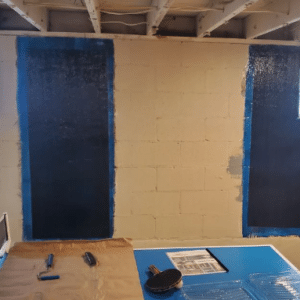
You may wonder, “What sets StablWall apart?” Well, it’s the material. Carbon fiber isn’t just stronger than steel; it is also more flexible. It adjusts to your walls, providing secure support without the risk of further damage.
StablWall’s application is also a breeze. You won’t need specialized tools or extensive training. It’s a simple process that’s easy to grasp. Whether you’re a professional contractor or a DIY enthusiast, you’ll find it user-friendly.
Additionally, StablWall is cost-effective. No more spending on repeated repairs. With its durability, you’re making a long-term investment that saves you money in the long run.
Frequently Asked Questions
What Is the Typical Installation Process for Stablwall?
You’ll first clean the wall, then apply an epoxy. Once it’s tacky, you’ll put on the StablWall strip. It’s essential to remove air bubbles and let it cure. That’s your typical StablWall installation process.
Is Stablwall Suitable for All Types of Walls and Buildings?
Yes, you’re in luck! StablWall is versatile and suitable for all types of walls and buildings. It’s not limited by material or construction type, making it a future-proof solution for any wall repair needs you might have.
How Does the Cost of Stablwall Compare to Traditional Repair Methods?
Comparing costs, you’ll find StablWall’s upfront price higher than traditional methods. However, it’s more cost-effective in the long run, as it’s durable, requires less maintenance, and offers superior performance, saving you money over time.
What Is the Lifespan of Stablwall After Installation?
StablWall’s lifespan after installation is remarkable. Just like a fine wine, it improves with age. You’ll see it outlast traditional methods, lasting decades with minimal maintenance. It’s an actual demonstration of the future of repair.
Are There Any Potential Environmental Impacts of Using Stablwall?
You’re likely wondering about StablWall’s environmental impact. Rest easy; it’s designed to be eco-friendly. It doesn’t produce harmful emissions during production or installation or degrade into toxic substances. It’s a win for your walls and the environment.
You’ve seen the future of wall repair—it’s not steel beams or anchors, but StablWall’s carbon fiber technology. It’s not just robust and flexible; it’s also eco-friendly, slashing maintenance by a whopping 70%. Isn’t that impressive? So, whether you’re sprucing up your home or running a large-scale commercial project, StablWall is the smart, cost-effective choice. It’s time to leave traditional methods behind and embrace this revolutionary solution. The future is here; it’s time to get on board.
Contact the Professionals at StablWall Today! (866) 782-5955