
Imagine you’ve just discovered a crack in your home’s foundation. Don’t panic. In today’s world of advanced materials, you’ve got options. One such option, carbon fiber reinforcement, could be a game-changer. It’s a lightweight yet robust material resistant to the environmental strains your home can face over the years. Sounds intriguing, right? While it might cost a bit more upfront, the potential for lower maintenance and a boost in property value might make it worth your consideration. But how do you guarantee it’s installed correctly to reap these benefits? Let’s explore.
Key Takeaways
- Carbon fiber offers strong, lightweight wall reinforcement with high tensile strength and resistance to environmental stresses.
- The reinforcement process involves wall preparation, adhesive application, carbon fiber strip embedding, and a final quality inspection.
- The average carbon fiber reinforcement cost ranges from $350 to $500 per strap, with long-term savings outweighing the initial investment.
- Risks include ineffectiveness due to improper installation or unsuitable conditions, mitigated by hiring experienced professionals and comprehensive budgeting.
- Selecting a reliable contractor requires evaluating their carbon fiber experience, reputation, and cost, alongside considering the impact of long-term home value.
Understanding Carbon Fiber Material
While you might associate carbon fiber with high-end sports cars or cutting-edge aircraft, this versatile material also plays a key role in wall reinforcement. You see, carbon fiber isn’t just for looks or speed; it’s a workhorse material with unique properties that make it ideal for strengthening structures, including the walls of your home.
So, what makes carbon fiber so unique? Well, it’s powerful and lightweight, so it doesn’t add unnecessary weight to your home’s walls. Plus, it’s highly resistant to corrosion, so it won’t degrade over time like some other materials might. It’s these traits that make it a go-to choice for wall reinforcement.
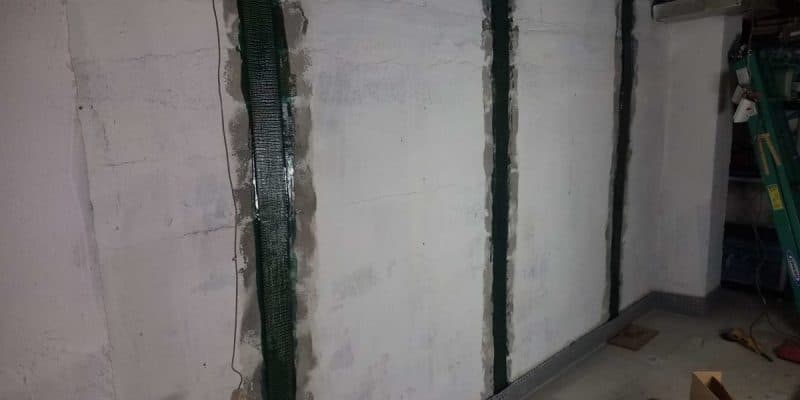
You might be wondering how carbon fiber is used in this situation. Carbon fiber straps or sheets are applied to your walls, acting like a supportive brace.
It’s a relatively straightforward process that can significantly enhance the structural integrity of your home. It’s like giving your walls a high-tech makeover; the benefits are substantial: increased strength, improved stability, and enhanced durability. No wonder carbon fiber is a favorite in the world of wall reinforcement!
The Science Behind Wall Reinforcement
Now that you understand the benefits of carbon fiber, let’s get a bit technical. Wall reinforcement is about improving the structural integrity of your walls, providing added support, and preventing future damage. Carbon fiber is a prime choice for this task due to its high-strength, lightweight nature.
The reinforcement process begins with applying a strong adhesive to the wall surface. Then, carbon fiber strips are embedded into this adhesive, creating a virtually unbreakable bond. These strips act as reinforcement, preventing walls from bowing, cracking, or failing.
Here’s a simple table to illustrate the process:
| Step | Action | Result |
|---|---|---|
| 1 | Wall preparation | Clean, even surface |
| 2 | Adhesive application | Ready for reinforcement |
| 3 | Carbon fiber strip embedding | Strengthened wall |
| 4 | Curing process | Guarantees solid bond |
| 5 | Final inspection | Quality assurance |
Benefits of Carbon Fiber Reinforcement
You’ll find carbon fiber reinforcement offers a wealth of benefits, from enhancing structural stability to being a cost-effective solution for home protection.
It’s not just an upfront solution; it’s known for its long-term durability advantages.
Let’s explore how this innovative material can transform your property’s strength and longevity.
Enhancing Structural Stability
With carbon fiber reinforcement, your walls will gain impressive structural stability. This high-strength material, stronger than steel, will fortify your home’s structure against various physical stresses. Whether it’s high winds, heavy snow, or even earthquakes, carbon fiber reinforcement can provide an essential line of defense.
It’s not just about the brute strength, though. The real magic lies in its flexibility. Unlike traditional materials, carbon fiber doesn’t just resist forces—it adapts to them. It can bend without breaking, helping your walls withstand fluctuations in temperature and moisture that can lead to cracks and other damage over time. This resilience helps maintain your home’s structural integrity, preventing costly repairs.
Moreover, the installation process is significantly less invasive. There’s no need for heavy machinery or extensive excavation. It’s often just a matter of applying the carbon fiber to your walls, curing it, and voila—you’ve got a reinforced structure ready to face the elements.
Cost-Effective Home Protection
While the upfront cost of carbon fiber reinforcement may seem steep, it’s a cost-effective solution for long-term home protection.
You’re investing in the future of your home, safeguarding it against the damaging effects of time and nature.
Here are a few compelling reasons to evaluate this home protection strategy:
- Low maintenance costs: Carbon fiber requires minimal maintenance unlike other reinforcement materials. Once installed, you don’t need to worry about recurring costs.
- Energy efficiency: Carbon fiber reinforcement improves the insulation of your home. It can reduce heating and cooling costs, saving you money over time.
- Increased home value: Homes with carbon fiber reinforcement typically have higher market values. If you plan to sell your house in the future, it’s an investment that pays off.
- Peace of mind: Knowing your home is reinforced with one of the strongest materials available can provide a sense of security you can’t put a price on.
Long-Term Durability Advantages
The resilience of carbon fiber reinforcement offers remarkable long-term durability advantages for your home. Unlike traditional materials, carbon fiber doesn’t rot or corrode. It’s impervious to pests, and it’s unaffected by moisture or changes in temperature.
These traits mean carbon fiber reinforcement can last a lifetime. You won’t have to worry about replacing it every few years, saving you time and money in the long run. It’s a one-time investment that provides enduring security.
Moreover, carbon fiber’s strength doesn’t diminish over time. It continues to provide robust support, ensuring your home’s structural integrity. It’s a material that withstands the test of time, offering peace of mind knowing your home is protected.
But there’s more. Carbon fiber is also low maintenance. Aside from occasional checks for damage, it doesn’t require regular upkeep. There’s no need to paint, seal, or treat it – another way, it saves you effort and expense.
In short, the long-term durability advantages of carbon fiber reinforcement are undeniable. It’s a bright, sturdy, and cost-effective solution for reinforcing your home, offering lasting benefits far beyond the initial outlay.
Steps to Installing Carbon Fiber Strips
Installing carbon fiber strips on your walls is a straightforward process. It’s a job you can tackle with the right tools and patience.
- Preparation: First, you’ll need to prepare the wall. This involves cleaning the surface thoroughly to remove any dust or debris that might interfere with the adhesive.
Before you start, you’ll also need to fill any cracks with epoxy resin.
- Measure and Cut: Measure the length of the wall and cut the carbon fiber strip accordingly. Be precise; you don’t want the strip to be too short or long.
- Installation: Apply the epoxy resin onto the wall where you plan to install the strip. Press the carbon fiber strip into the epoxy and smooth out any air bubbles.
- Final Touches: Apply a top coat of epoxy over the strip. This seals it in place and provides a smooth finish.
Letting the strips cure for at least 24 hours before disturbing them is essential.
Cost Analysis of Carbon Reinforcement
Investing in carbon fiber reinforcement might initially seem like a significant expenditure.
However, it’s important to remember that you’re not just paying for materials. You’re also covering labor costs, equipment, and the peace of mind from knowing your home is safe and secure.
The average cost for carbon fiber reinforcement can range from $350 to $500 per strap, depending on the size and condition of the wall and the complexity of the installation process.
However, this price can vary widely based on your specific needs and the contractor you choose.
Remember that this one-time cost can prevent future structural damage to your home.
For instance, the cost of repairing a wall damaged by water or structural load can run into the thousands.
In contrast, carbon fiber reinforcement can help you avoid expenses and potential decreases in your home’s value.
Potential Drawbacks and Solutions
While carbon fiber reinforcement provides numerous benefits, it’s essential to be aware of potential drawbacks. You should first know that carbon fiber isn’t a one-size-fits-all solution. It may not be suitable for every type of structural issue.
Another potential issue is the cost. While carbon fiber is an affordable solution in the long run, the upfront costs may be higher than traditional methods. It’s also possible for incorrect installation to occur, leading to ineffective reinforcement.
However, don’t fret! There are solutions to these drawbacks:
- Identify the problem: Ask a professional to determine if carbon fiber reinforcement is the right solution for your issue.
- Budgeting: Plan and budget for the upfront costs. Remember, this is a long-term investment in your home’s safety.
- Hiring professionals: Ascertain that your contractor is skilled in carbon fiber installation. This can help avoid incorrect applications.
- Warranties: Look for products or contractors that offer warranties. If the reinforcement fails, you’ll be covered.
Choosing a Reliable Contractor
Choosing the right contractor for your carbon fiber reinforcement project is essential to success.
Don’t rush this decision; take your time, research, and consider all your options carefully.
First, look for a contractor with a proven track record in carbon fiber reinforcement. They should have extensive experience and positive customer reviews.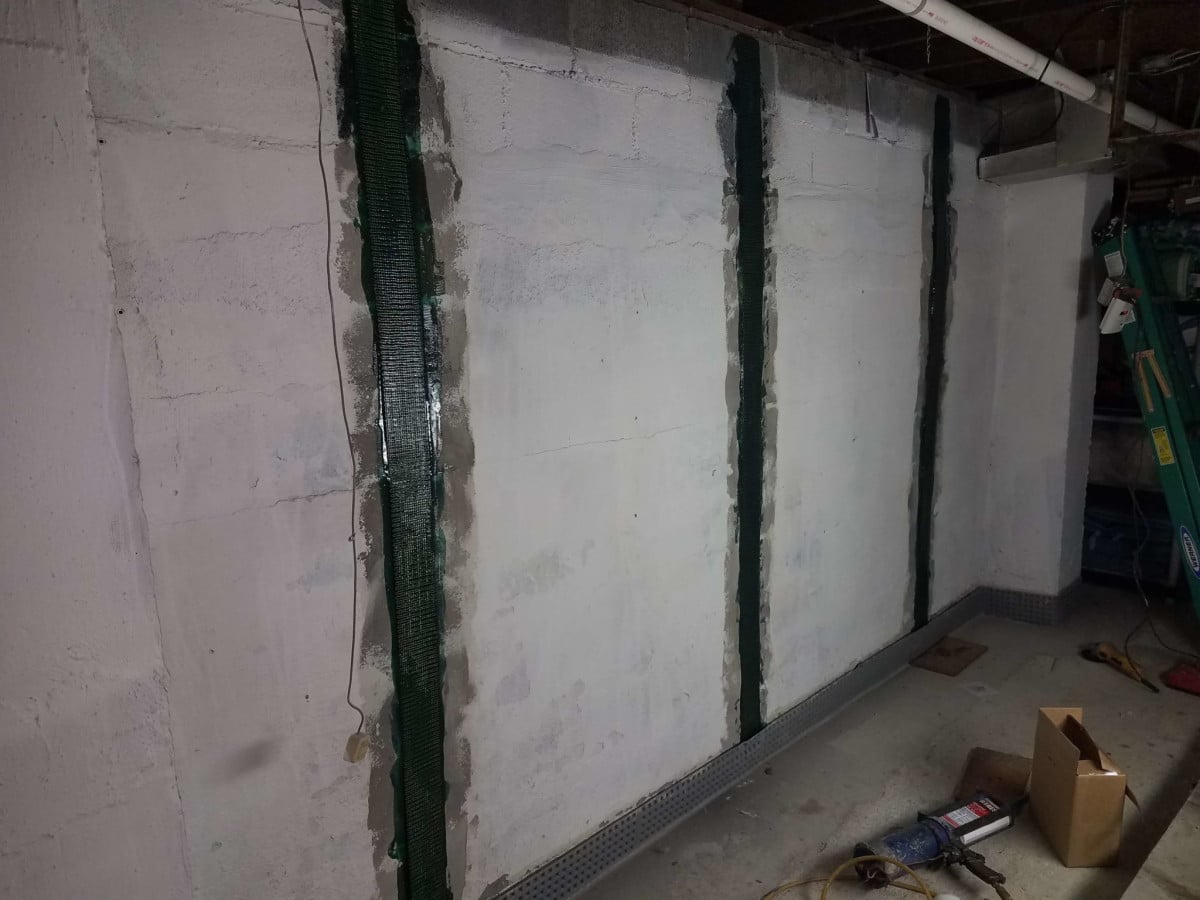
Check out their online presence, such as their website and social media profiles, for testimonials and examples of past work.
Next, always ask for references and contact them. This step is key to verifying their work’s quality and reliability.
Please don’t skip this part; it’s a vital step in the vetting process.
Finally, get written estimates from several contractors and compare them.
Don’t automatically go for the cheapest option. Instead, weigh the cost against the contractor’s experience, reputation, and the quality of their work.
Frequently Asked Questions
Is Carbon Fiber Reinforcement Suitable for All Types of Buildings?
You’re wondering if carbon fiber reinforcement works for all buildings. Not always. It’s best for structures with concrete or masonry walls. Wooden or metal structures might not benefit as much from this reinforcement technique.
How Long Does Carbon Fiber Reinforcement Last?
You’ll be glad to know carbon fiber reinforcement can last a lifetime. It’s a long-term solution, significantly reducing maintenance costs. However, it’s best to consult a professional about your building’s needs.
Is Any Special Maintenance Required for Carbon Fiber Reinforced Walls?
Have you ever thought about special maintenance for carbon fiber-reinforced walls? You’re in luck. There’s no extra upkeep needed. They’re designed to last without additional care, making them an easy, hassle-free choice for your home.
Can Carbon Fiber Reinforcement Be Done as a DIY Project?
While you could attempt carbon fiber reinforcement as a DIY project, it’s not recommended. Mistakes can lead to structural issues. You should leave this to professionals with the necessary skills and experience.
Are There Any Insurance Implications of Having Carbon Fiber Reinforced Walls?
Yes, there can be insurance implications. It’s best to check with your provider before proceeding. Reinforced walls might lower your premiums, but unprofessional installation might void certain aspects of your coverage. Always consult an expert first.
So, you’re convinced carbon fiber’s the superhero of home reinforcements, right? Its strength and durability are leagues beyond traditional materials, laughing in the face of environmental stresses. Yes, it’s pricier, but the long-term rewards are colossal. A more substantial home, less maintenance, and a potential value skyrocket? It’s a no-brainer. Just remember, choose your contractor wisely. After all, even the mightiest superhero needs the right sidekick to shine genuinely.
Contact the Professionals at StablWall Today! (866) 782-5955