
ClickCease

ICC APPROVED- ESR-4424

Call Today For Your FREE Test Kit!

Call Today For Your FREE Test Kit!
866.782.5955
ICC APPROVED- ESR-4424

Carbon Fiber vs Steel Beams for Foundation Repair: Pros, Cons, and Use Cases

When a foundation wall shows signs of movement, homeowners are often presented with two common reinforcement options: carbon fiber or steel beams.

At first glance, the choice can feel confusing. Both are designed to stabilize foundation walls. Both are used by professionals. Both come with very different appearances, costs, and long-term implications.

The right solution isn’t about which material is “better” in general. It’s about which one fits the condition of the wall, the degree of movement, and the homeowner’s priorities.

This guide breaks down carbon fiber and steel beam foundation repair in plain terms, so homeowners can make confident, informed decisions.

Why Foundation Walls Need Reinforcement in the First Place
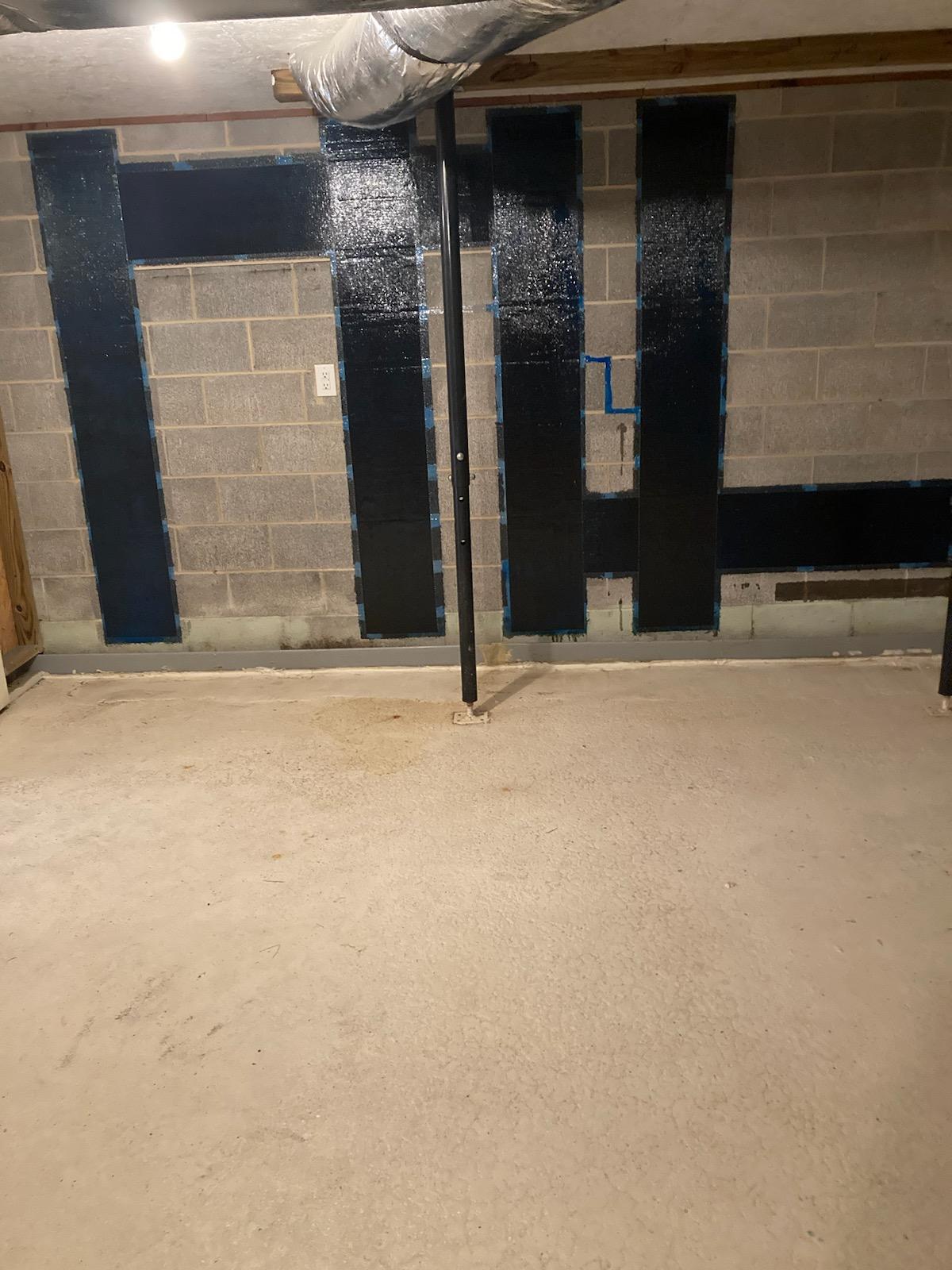
carbon-fiber-for-crack-repairs-stablwall-3Foundation walls are built to support vertical loads from the home above. What they are not designed to handle is constant sideways pressure from soil and water.

Over time, lateral pressure can cause:

  • Horizontal cracking 
  • Inward wall movement 
  • Bowing or leaning walls 
  • Structural stress that worsens with each wet season

Reinforcement systems are designed to resist that pressure and prevent further movement.

What Steel Beam Foundation Repair Is

Steel beam systems use vertical steel supports installed against the interior of a foundation wall. These beams are typically anchored at the floor and the framing above.

Once installed, the beams act as rigid supports that resist inward wall movement.

Steel has been used in foundation repair for decades and remains a reliable option for many homes.

What Carbon Fiber Foundation Repair Is

Carbon fiber foundation repair uses high-strength carbon fiber straps bonded directly to the foundation wall using structural epoxy.

Rather than acting as a rigid brace, carbon fiber reinforces the wall itself, increasing its tensile strength and preventing further bending.

Carbon fiber systems are much thinner than steel beams and are designed to blend into the wall with minimal visual impact.

Strength Comparison: Carbon Fiber vs Steel

Steel is extremely strong under compression. Carbon fiber is exceptionally strong under tension.

For foundation walls experiencing lateral pressure:

  • Steel beams resist movement by acting as rigid supports 
  • Carbon fiber resists movement by strengthening the wall itself

In early to moderate movement scenarios, carbon fiber provides more than enough resistance to stop further wall deflection.

In more severe cases, steel beams may offer the added mechanical support needed.

Space and Appearance Considerations

One of the biggest differences homeowners notice is how each system affects basement space.

Steel beams:

  • Protrude several inches into the basement 
  • Can interfere with finishing plans 
  • Are visually prominent

Carbon fiber:

  • Is low-profile 
  • Takes up virtually no usable space 
  • Can be painted or concealed

For homeowners planning to finish a basement or maximize usable space, carbon fiber is often preferred.

Installation Process and Disruption

Steel beam installation may involve:

  • Anchoring to floors or footings 
  • Modifying framing or slabs 
  • More time on site

Carbon fiber installation typically involves:

  • Surface preparation 
  • Epoxy application 
  • Strap installation 
  • Same-day completion in many cases

Both methods are effective, but carbon fiber generally causes less disruption.

When Steel Beams Are the Better Choice

Steel beams are often recommended when:

  • Walls show significant bowing 
  • Movement is advanced 
  • Structural stress exceeds early-stage conditions 
  • The homeowner prioritizes maximum mechanical reinforcement

Steel provides strong, visible support for walls under heavy stress.

When Carbon Fiber Is the Better Choice

Carbon fiber is often recommended when:

  • Horizontal cracks are present 
  • Wall movement is early or moderate 
  • The wall has not significantly bowed 
  • Basement space needs to be preserved 
  • A clean, low-impact solution is preferred

In these cases, carbon fiber can stabilize the wall effectively without altering the basement layout.

Longevity and Maintenance

Both systems are designed for long-term use.

Steel beams:

  • Are durable 
  • May require corrosion protection in damp environments

Carbon fiber:

  • Does not corrode 
  • Does not stretch or degrade 
  • Requires no ongoing maintenance

When properly installed, both solutions are intended to last for the life of the home.

Cost Considerations for Homeowners

Cfoundation-repair-stablwall-2osts vary based on:

  • Wall condition 
  • Number of reinforcements required 
  • Installation complexity 
  • Site-specific conditions

Carbon fiber systems often cost less due to faster installation and reduced labor. Steel systems may cost more due to materials, anchoring requirements, and installation time.

The right comparison is not price alone, but value over time.

What Homeowners Say After Choosing the Right System

Homeowners who feel confident in their choice often say:

  • “The explanation made the decision easy.” 
  • “I chose the option that fit my home, not a generic fix.” 
  • “I feel confident the wall won’t get worse.”

Understanding why a solution was recommended often matters as much as the solution itself.

Why Professional Evaluation Makes a Difference

Choosing between carbon fiber and steel isn’t about preference. It’s about diagnosis.

Professionals like Stablwall evaluate wall movement, crack patterns, pressure sources, and long-term risk before recommending a reinforcement system.

The goal is not to overbuild or underbuild, but to stabilize the wall correctly.

Frequently Asked Questions About Rockville Foundation Repair

Is every basement wall crack a sign of foundation failure?

No. Many small vertical hairline cracks develop naturally as concrete cures or during minor settling. However, horizontal cracks, stair-step cracks, widening gaps, or walls that begin bowing inward often indicate structural movement that should be inspected by a foundation specialist.

What is the difference between a poured concrete crack and a block wall crack?

Poured concrete walls typically develop vertical or diagonal cracks caused by settlement or concrete shrinkage. Concrete block walls are more vulnerable to lateral soil pressure, which commonly produces stair-step cracks or horizontal cracks through the mortar joints. The repair method depends on the foundation type and the direction of movement.

Are horizontal foundation cracks dangerous?

Yes. Horizontal cracks are generally considered one of the most serious warning signs because they often indicate excessive hydrostatic pressure pushing against the basement wall. Left untreated, this pressure can cause the wall to bow inward and lose structural integrity.

Can carbon fiber straps permanently repair a bowing basement wall?

Carbon fiber reinforcement systems are designed to permanently stabilize walls that have stopped moving and meet engineering requirements. They prevent additional inward movement while preserving usable basement space. In more severe cases, steel beams or wall anchor systems may be recommended.

What causes foundation cracks in Rockville homes?

Most foundation problems in Rockville result from Montgomery County’s expansive clay soils. During wet weather the soil expands and pushes against basement walls. During dry periods it shrinks, creating settlement beneath the foundation. This repeated cycle places continuous stress on the structure.

Will foundation cracks continue getting worse?

Some cosmetic shrinkage cracks remain unchanged for decades. Structural cracks caused by settlement, soil movement, or hydrostatic pressure typically worsen over time if the underlying cause is not corrected.

Can I seal a foundation crack myself?

DIY crack sealers, waterproof paints, and hydraulic cement may temporarily reduce water intrusion, but they do not eliminate the structural forces causing the crack. Professional repairs address both the movement and the water infiltration to provide a long-term solution.

Does homeowners insurance pay for foundation repair?

In most cases, standard homeowners insurance does not cover foundation damage caused by normal settlement, expansive soils, or hydrostatic pressure. Coverage is generally limited to sudden accidental events, such as a burst plumbing line or other covered peril. Homeowners should always review their individual policy.

How much does foundation repair cost in Rockville?

Foundation repair costs vary depending on the severity of the damage, the repair method, and the accessibility of the affected area. Minor crack repairs may cost significantly less than structural stabilization involving wall anchors, steel beams, or underpinning systems. A professional inspection is the best way to determine an accurate estimate.

When should I schedule a foundation inspection?

You should schedule an inspection if you notice:

  • Horizontal basement wall cracks
  • Stair-step mortar cracks
  • Bowing or leaning walls
  • Water entering through foundation cracks
  • Doors or windows sticking
  • Uneven or sloping floors
  • Cracks wider than ¼ inch
  • Existing cracks that continue growing

Early detection can often prevent more extensive structural repairs.

Can foundation cracks lead to basement water problems?

Yes. Even small cracks can allow groundwater to enter during heavy rain. Moisture infiltration can contribute to mold growth, higher humidity levels, efflorescence, and long-term damage to finished basements if the crack is not properly repaired.

Why should I choose a professional foundation evaluation instead of a DIY repair?

A professional inspection identifies the underlying cause of the crack instead of simply treating the visible symptom. This ensures the appropriate repair method is selected, helping protect your home’s structural integrity and reducing the likelihood of recurring problems.

Contact StablWall Today!

By submitting your information, you agree to terms and conditions provided by the company. By providing my phone number and email, I agree to receive text messages and marketing emails from the business.
Made-In-U.S.A - stablwall carbon fiber
stablwall-icc-black

Follow Us

Listen Below To Our Interview With the Carey Brothers From The Louisville Remodeling Deck Expo Show

Translate Language »