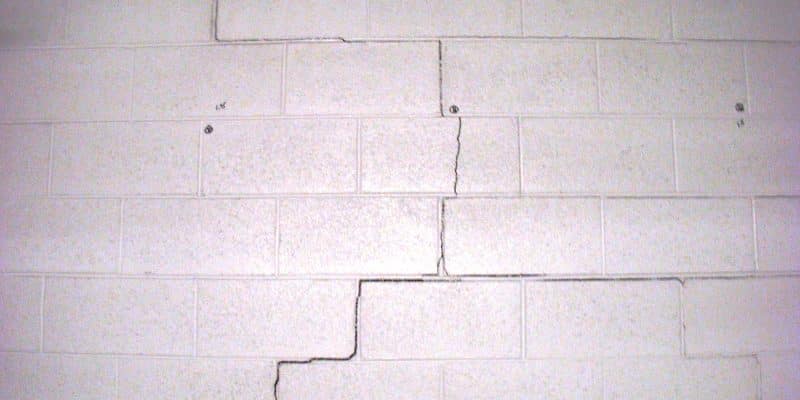
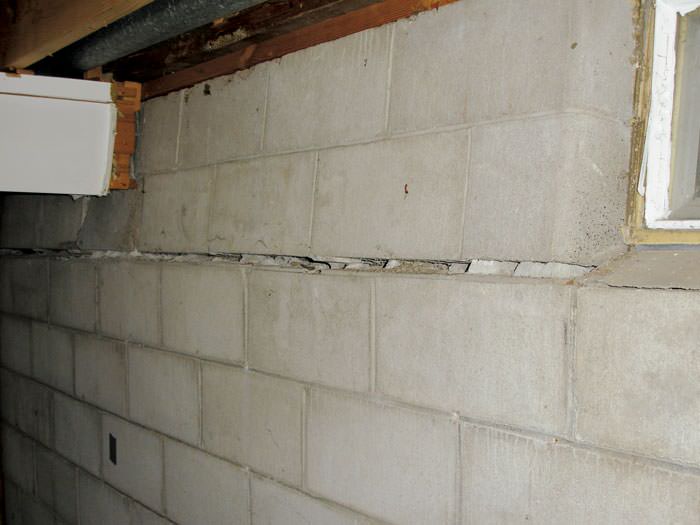
cracked basement walls

Patching Cracked Basement Walls Doesn’t Work

Cracked Basement Walls

When you’re faced with cracked basement walls, you will have various options for the repair of the walls. Not all foundation cracks leak. Some can remain dry for many years. However, even these dry foundation cracks have the potential of leaking in the future. It is therefore important to deal with them before they begin leaking.

The Homeowner’s Primary Fear

When it comes to repairing cracked basement walls, there is nothing that homeowners fear as much as the cost of repairing these walls. Many assume that having their walls professionally repaired will cost a lot of money.

Many homeowners also dread the thought of having to deal with a professional waterproofing contractor. They think of the disturbances related to repairing foundations including excavating and begin to look into alternatives.

Common and Unreliable Method of Crack Repair

There are many so-called ‘professionals’ out there who will tell you that they can patch your cracked basement walls back up and you won’t have to worry about them anymore.

Patchwork on concrete foundation walls involves the use of cement to fill in and cover the cracks. The result is quite attractive. When this patchwork is done well, you will hardly notice where the crack was before. It is a cheap, quick and easy solution to repairing a cracked basement wall.

While patchwork offers you quick and attractive results at a lower cost, it is not a good solution for repairing cracks in a basement wall.

  1. You’ll waste money

The money you spent on the patchwork will go to waste. You will have to spend more money to have the cracks repaired once again. This is because patchwork doesn’t keep the water at bay for long. Ground water is trapped behind the wall and will eventually force its way through the seal.

  1. It will cause an even worse problem

The patchwork only results in water being trapped behind the wall. This results in increased hydrostatic pressure against the wall. This results in the foundation weakening even further. You are likely to have more cracks to deal with than you had before.

  1. You will have to invest in waterproofing eventually

You may have saved money today but you will find that you may have to spend even more money on professional waterproofing services eventually in the future. You would rather deal with the waterproofing now than put off the inevitable.

  1. It can result in mold and other water problems

The patch is likely to leak after some time. This will result in mold infestations and other water problems.

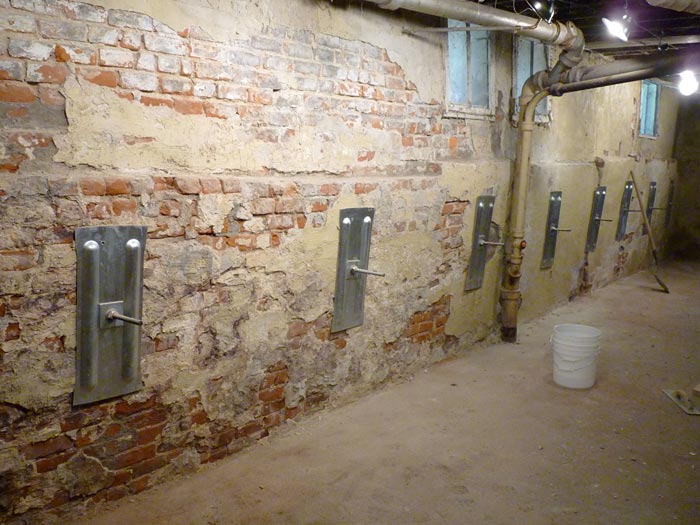
foundation wall repair

Things to Know If You’re Considering Carbon Fiber for Foundation Wall Repair

Foundation Wall Repair

If you’re considering systems for foundation wall repair, you’ve probably come across carbon fiber. Carbon fiber is a lightweight manmade material that has proven to be stronger than steel. It has found applications in various industries over the years. It is now gaining increasing popularity in the construction industry.

If your wall needs reinforcement, you will have various options available to you. However, you will find that many contractors will recommend using carbon fiber on your walls. If you’re considering using carbon fiber for foundation wall repair you need to know the following:

  1. It is best used for repairing bowing walls

Carbon fiber is a strong material. It is designed to offer resistance. It is therefore ideal for repairing bowing walls. The best thing about using carbon fiber is that it is versatile. It can be used on just about any type of foundation. You will therefore find that it provides the same benefits for block, concrete and even brick foundation walls.

  1. It is used as an alternative to using steel beams

Steel beams were once the best method for reinforcing walls that were bowing due to lateral pressure acting on them. However, steel beams take up a lot of floor space. They can also be unsightly if you’re planning to have a finished basement. Carbon fiber doesn’t take up any floor space and can be painted over. It has also been shown to be stronger than steel. It is therefore the perfect choice for repairing a space that you intend to finish.

  1. The system must be tied into the framing of the house

This is the part where many DIY repairs fail. Many untrained people do not understand that carbon fiber systems have to be tied into the structural frame of the house in order to be considered complete. This offers stability to the foundation. It is no wonder that many of DIY systems fail.

It is worth investing in professional repairs. This will ensure that every step is considered and carried out correctly. You will enjoy the benefits of carbon fiber repairs for the long term.

  1. It isn’t a magic pill

Although carbon fiber may sound like the perfect solution for foundation wall repair, it is important to note that it can’t be used to repair all walls. If the wall has bowed in more than two inches, installing carbon fiber will not help. You may need to replace your wall.

stablwall vs. wall anchors

StablWall vs. Wall Anchors

StablWall vs. Wall Anchors

Do you have a bowed foundation wall? You may be trying to decide what method of foundation repair to apply to it. You may be wondering which is better: StablWall vs Wall Anchors.

If you’ve done your research, you’ll know that the bowing of the foundation wall is caused by strong lateral forces acting on the outside of the wall. In many instances, these forces are the result of high hydrostatic pressure in the soil surrounding the foundation. The pressure against the wall causes the wall to shift inward.

Bracing or Reinforcing

In order to repair the foundation wall, you will not only have to find a way to relieve the pressure but also to counteract it. You can either brace the wall or reinforce it.

Wall anchors are used to brace the wall. They can be installed either inside or outside the foundation wall. There are different types of anchors. One popular type includes a wall plate that is bolted onto the bowing wall. The plate is held in place by a rod that is connected to another plate that is installed in the ground some distance away from the wall.

Reinforcing foundation walls is becoming more popular. Reinforcing walls may include using carbon fiber strips or sheets that are installed on the wall. These provide the wall with more strength to resist the pressure from the outside. StablWall is a carbon fiber system that can be bonded directly onto the wall. This makes the wall much stronger than it was before.

StablWall vs Wall Anchors

With a clear understanding of what each system does, it is much easier to make a decision. The following are some differences you may also like to consider when making your choice.

  1. Maintenance

StablWall does not require maintenance once it is installed. In order to be effective, wall anchors have to be adjusted every now and then (most commonly every month) by turning the screws.

  1. Ease of installation

StablWall is easy to install. It is non-invasive and does not require excavation. Wall anchors have to be installed into the ground. This calls for excavation. The use of specialized equipment means that the installation of wall anchors is more expensive, labor intensive and time consuming.

  1. Integration

Wall anchors are conspicuous. StablWall can be easily camouflaged by painting it over. The carbon fiber sheets do not occupy any floor space. Repairing your walls with StablWall will not reduce your home’s aesthetic value.

Contact us today for more information!

Bowed Basement Walls | Col, OH | StablWall

Techniques for Bowing Foundation Wall Repair

Bowing Foundation Wall Repair

When you see cracks forming on your foundation wall, the first thing you should do is to call the experts. Foundation cracks are often a sign of the need for foundation repair. This isn’t a unique problem. Foundations, like any other part of the home, need maintenance.

Why You Need a Pro

You may be wondering why you should spend money and time calling a professional for only a few cracks on the wall. You’re not alone. Many homeowners will either ignore or seek do-it-yourself solutions to the cracks in an attempt to avoid what they think would be an unnecessary expense.

The problem with this is that foundation cracks often indicate a problem with the foundation, which if not properly repaired is likely to become a structural problem for the entire home. There’s also the problem of water seepage. Even cracks that aren’t allowing water through at the moment are likely to start leaking over time. You’ll end up with a wet basement that will result in further problems including damage of property as well as the growth of mold.

Repairing a Bowing Foundation Wall

Foundation cracks are often the first thing you’ll notice when your foundation is in danger. They are one of the first signs of a bowing foundation wall. In this situation, even the strongest sealants will not protect your wall from further damage.

The bowing occurs as a result of high pressure from the soils surrounding the foundation wall. It is important to not only relieve this pressure but also to provide more support for the wall. The following are two popular ways of providing support for foundation walls.

  1. Re-bracing walls

This is one of the most popular methods of repairing bowing walls. Re-bracing the walls involves reinforcing the walls. The reinforcement may be in the form of carbon fiber strips or steel beams. This provides long term support to the wall ensuring that it will not shift under pressure from the outside.

  1. Anchors

Foundation anchors are installed in a bowing foundation wall to counteract the pressure that is exerted against the foundation wall. The anchors can be installed either on the inside or the outside of the foundation wall. They are installed under the foundation wall. Modern anchors can be installed in the earth without the need for excavation.

If you have bowing foundation walls, have a chat with a professional contractor about the different options available to you.

carbon fiber sheets

Reasons to Choose Carbon Fiber Sheets over Strips

Carbon Fiber Sheets

When faced with the repair of a foundation wall, you will have various options available to you. If your foundation wall requires extra support, you will need a system that can provide strength to the wall for the long term.

Advancements in technology have resulted in great advances in the construction industry. One of the greatest being the introduction of carbon fiber for repair and construction of foundations.

If you’re considering carbon fiber for the repair of your foundation, you will have the choice of using strips or sheets. The following are some reasons to choose carbon fiber sheets over strips:

  • They cover a larger surface area

This is an obvious one. Carbon fiber sheets cover a larger surface area compared to strips. They are therefore beneficial when dealing with extensive damage in a foundation wall. They also provide more support to the wall than strips will provide. They are a great long term solution for a bowing wall.

  • They are simple to install

This depends on the level of skill of the contractor you choose as well as the size of the wall. In general, however, installing sheets is much easier and faster than installing strips. Sheets cover a larger surface area meaning you will only need to install a single sheet where you would have had to install several strips. The work will be done in a matter of hours.

  • Provide a great appearance

When the installation is complete, you can easily hide the sheets under a coat of paint or any other finish you desire. The sheet’s continuous surface provides the perfect canvas for any finish. It is the perfect solution for a finished basement.

Last Word

Carbon fiber sheets are the perfect solution for the repair of bowed basement walls. However, some precautions must be taken in order to ensure great results. These include:

  1. Hiring a professional contractor

Hire a contractor who is trained and experienced in the installation of carbon fiber. This will ensure that they are able to install the sheets correctly.

  1. Choose a proven system

There are several systems in the market. Purchase a system that is tried and proven. Read reviews and talk to your foundation contractor about the choices available to you.

  1. Use the right epoxies

Manufacturers of different carbon fiber systems provide epoxies to be used alongside the sheets. Ensure that you use the epoxies as required by the manufacturer for the best results.

Contact us today for more information!

carbon fiber foundation repair

How Carbon Fiber Foundation Repair Works

Carbon Fiber Foundation Repair

Carbon fiber foundation repair is all the buzz amongst foundation repair experts. It is a new and efficient method of foundation repair and the preferred method of repair for many foundation repair contractors. However, it is important to remember that it is not a miracle solution. It is suitable for repairing some foundation problems, but not all problems.

What is carbon fiber?

You may be wondering what carbon fiber is in the first place. Simply put, it is a fiber made of carbon. These fibers are very strong. They are woven or arranged parallel to each other depending on the application of the end material. The resulting material is stronger and lighter than other materials such as steel.

What is carbon fiber foundation repair?

Repairing a foundation with carbon fiber involves the installation of a carbon fiber strip or sheet on the foundation wall. The carbon fiber plays the same role as steel frames would in this situation. They provide extra strength to the foundation wall and prevent it from bulging further. Carbon fiber strips or sheets are therefore suitable for repairing bowing walls.

What makes carbon fiber best for foundation repair?

There are many reasons foundation repair contractors prefer carbon fiber sheets or straps over other foundation repair systems.

  1. Easy and Quick Installation

Installing carbon fiber is quick and easy for trained and experienced contractors. The process is non-invasive and can be completed within a day depending on the extent of damage to the foundation walls.

  1. Incredibly Strong

Carbon fiber is incredibly strong. It is more than 10 times stronger than steel and yet much lighter. This makes it a great choice for a permanent solution to a bowing wall.

  1. No Maintenance Required

Steel beams have to be adjusted every now and then in order to bring the wall back to its original position. However, carbon fiber doesn’t require maintenance. Once it is installed, you can forget about having to repair that section of the wall ever again.

  1. Affordable

Carbon fiber is an affordable solution for foundation repairs. Depending on contractor fees, carbon fiber foundation repair can cost about half of what it costs to have steel beams installed.

  1. Low Visibility

Carbon fiber is the perfect solution for those who intend to finish their basements. They are applied to the wall and therefore do not take up any floor space. You can then apply any finish over them to achieve the look of your choice.

Contact us today to learn more information!

Wall Cracks | Atlanta, GA | StablWall

When Straightening Cracking Walls is Necessary

Cracking Walls

Foundation walls whether constructed from brick, masonry block or poured concrete are built to withstand a lot of pressure. However, just like with anything else man-made, they have a limit to the abuse they can take.

Foundation walls are designed to withstand vertical pressure from the buildings placed above them. They can withstand a horizontal pressure to a certain degree. Soil pressure works horizontally against the external surface of the foundation wall. When the soil pressure exceeds the limits of resistance of the foundation wall, the wall can be severely damaged.

Pressure from the surrounding soil causes horizontal movement of the foundation walls. The movement is manifested as cracking walls. The cracks can lead to water seepage as well as above grade damage if not attended to.

Repairing Cracking Walls

Often times, cracking is a sign of a much deeper problem. Although many DIY kits are now available in the market to help repair cracks, foundation experts advise against using these kits. This is because the kits do not address the underlying cause of the cracks.

The method used to repair a cracked foundation will depend on the amount of movement the wall has experienced. Repair for minimal movement often involves the use of a restraint system such as steel braces or carbon fiber strips. Significant movement calls for the straightening of the wall.

When wall straightening is called for

Foundation experts will examine your walls to determine whether straightening is required. The signs they look for will depend on the type of foundation wall you have.

  1. Concrete block and brick foundations

These walls may require straightening much sooner than poured concrete walls. This is because they are built from pieces that are joined together. This presents several points of weakness. Cracks on these walls appear stair-like. Foundation experts will opt to straighten these walls if they move more than 1 inch laterally or 2 and a half inches inward.

  1. Poured concrete foundations

These foundations are much stronger than most. However, they can still be damaged by lateral pressure from the soil. Foundation experts often opt to straighten these walls when they have moved inward more than 30% of the thickness of the wall e.g. a 10-inch thick wall would be considered for straightening if it had moved 3 inches inward.

If you notice cracking on your foundation wall, get in touch with a professional foundation repair contractor. This will ensure that you’re provided with a lasting solution.

bowed brick wall

Can My Bowed Brick Wall Be Saved?

Bowed Brick Wall

When home owners notice that they have a bowed brick wall, they’ll want to know if they can save their foundation or not. Replacing a foundation can be extremely expensive. The good news for homeowners is that most foundation walls can be saved.

Why your foundation wall is bowing

Foundation walls often bow as a result of high pressure exerted on them by the surrounding soil. This often occurs when the soil surrounding the foundation walls is saturated with water. This may occur when:

  1. Gutters and downspouts are damaged or blocked, allowing water to overflow and collect near the foundation of the house.
  2. The land surrounding the home slopes towards the home’s foundation, allowing water to flow towards the foundation of the home when it rains or when the water sprinklers are turned on.
  3. Snow is allowed to collect near the foundation of the home. When the snow melts the soil below, it becomes saturated with water.

What to Do

One of the first signs that home owners notice when their foundation walls are bowing is cracks. In a bowed brick wall, the cracks take on a stair-like pattern. This is because the cracks follow the weakest parts of the wall, which is between the bricks.

If you notice cracks in your foundation, get in touch with a professional foundation repair contractor. Those cracks will not go away if you wait and the bowing will only get worse. If the problem is arrested in its early stages of development, the foundation repair contractor can provide you with a simple solution.

In many cases, a bowed brick wall can be stabilized. This may involve the use of a restraint system such as carbon fiber strips or steel beams depending on your requirements and the recommendations of your contractor.

The choice of stabilization system to be used on your wall will depend on what you want to achieve as well as the conditions that you’re working with. For example, if you intend to use your basement as a living space in future, carbon fiber strips would be your best option. They can be painted over and don’t take a lot of room.

Your contractor may suggest the straightening of your wall. This is often preserved for when the bowing is great. The process involves excavating the soil around the foundation and straightening the wall. The soil is then backfilled.

Bowing Cinder Block | Philidelphia, PA | StablWall

Invest in Professional Bowing Foundation Wall Systems

Bowing Foundation Wall

Have you spotted cracks on your foundation walls? Do your walls seem to be bulging inward? You may be dealing with a bowing foundation wall. While you may be tempted to ignore these signs, they are only bound to get worse. You’re not only endangering your family but also reducing the value of your home. According to the National Realtors Association (NRA), bowing foundation walls result in a 50% loss in home value at the least.

If it’s any consolation, this type of foundation problem is not uncommon. The Concrete Foundations Association’s (CFA) data shows that 59% of foundation repairs have to do with bowing walls. One of the major causes is unstable soils. Other causes include hydrostatic pressure and poor construction.

Professional Systems

The good news is that there are various contemporary solutions that professionals can provide you with. A professional inspection of your foundation must be carried out first. This ensures that the underlying cause of the bowing is determined. The contractor is therefore able to apply the right solution.

Some common contemporary solutions for a bowing foundation wall include:

  • Installation of carbon fiber sheets or strips

This is one of the most effective and easiest ways to repair bowing foundation walls. The carbon fiber offers 10 times the strength and resistance of steel beams. Installing these steel beams is easy and noninvasive. Work can be completed in a matter of hours.

  • Helical anchors

Helical anchors are used where damage is the result of instability. The anchors provide stability to foundation. These anchors are installed beneath the foundation where they offer the same stability as if the foundation was set on bedrock.

The installation process is minimally invasive. The anchors are sunk into the ground without causing a lot of disturbance to the surface of the soil. They are easy to conceal and offer a long term solution to bowing and instability.

  • Steel wall braces

These are designed to provide support to walls that are bowing inward. They consist of steel beams that are fitted onto walls. They can be tightened as time goes and are therefore a great choice for walls that have bowed extensively. They can be used to restore a bowing foundation wall back to its original position over time.

It is important to talk to your contractor and determine the best solution for your bowing foundation wall. Choose a solution that will provide you with long term benefits.

foundation repair

What is the Best System for Cracked Foundation Repair in Finished Basement?

Foundation Repair

Finishing a basement is neither easy nor cheap. But it’s definitely worth it. You have the extra square footage of livable space and guess what? The value of your home just went up a couple of thousands of dollars. What could go wrong?

You may wake up one morning and find a foundation crack on your wall. While you may want to brush it off to foundation movement, cracks are often a sign of a deeper problem with the foundation. If they aren’t dealt with as soon as possible, you may have to deal with an even bigger problem.

Protecting Your Investment

When homeowners think of foundation repair, they imagine a large troop of contractors walking in and out of their homes, dragging large machines, dust, noise and vibrations. They also imagine their investment in their finished basement going up in smoke.

There’s good news for you. Foundation repair doesn’t always have to mean breaking down walls or digging up your lawn. There are systems that you can use on a finished basement that will not only repair cracks, but also ensure that the wall is provided with the strength and stability it needs.

Choosing a System

When it comes to repairing a cracked wall in a finished basement, choose a system that:

  • Provides long term benefits

Repairing a foundation can be expensive and disruptive. You don’t want to go through all this again anytime soon. You need a system that will last for a long time to come.

  • Is affordable

You’ve already spent quite a sum of money on finishing your basement. It can’t be easy finding the money to repair your foundation. Choose a system that is affordable and offers you the advantages of strength and stability.

  • Is flexible

Some systems are constraining. They can only be installed in a specific way and will have a major impact on the finishing of your basement. Choose a system that offers you flexibility in the finishing of your basement.

The Final Verdict

There is currently no better system for cracked foundation repair than carbon fiber. Carbon fiber fits the bill, especially for finished basements. It can be painted over once it is installed to conceal it. It also doesn’t take up any floor space unlike steel beams.

Carbon fiber is an affordable and durable choice for the repair of cracks. Talk to a contractor about using carbon fiber on your cracked foundation walls.