carbon-fiber-in-foundation-stablwall-3

The Role of Carbon Fiber in Foundation Reinforcement: A Detailed Look

Foundation reinforcement is a critical aspect of maintaining the structural integrity of a home. Cracked walls, uneven foundations, and bowing basement walls are all signs of foundation issues that need prompt attention. Carbon fiber has emerged as one of the most effective and modern solutions for repairing and reinforcing foundations. This article explores the role of carbon fiber in foundation reinforcement, focusing on its applications, advantages, and why it has become the go-to method for many homeowners and contractors.

The use of carbon fiber in foundation repair has increased over the last few decades due to its strength, flexibility, and durability. It offers several advantages over traditional materials like steel, including ease of installation and long-lasting performance.

  1. Strength and Durability: Carbon fiber is known for its immense tensile strength, which allows it to resist tension forces better than steel. Once applied, it acts as a reinforcement for weak or damaged walls, ensuring they remain intact even when subjected to external pressures like soil movement.carbon-fiber-in-foundation-stablwall-1
  2. Non-Intrusive: Unlike steel beams or wall anchors that require significant excavation and structural changes, carbon fiber repairs are non-intrusive. They can be applied directly to the foundation or wall surface without extensive digging or disruption to the home.
  3. Quick Installation: Carbon fiber can be installed relatively quickly compared to other methods. The application process usually takes just a few hours, depending on the size and complexity of the repair, minimizing disruption to the homeowner.
  4. Cost-Effective: In the long run, carbon fiber repair is a cost-effective solution because it requires little maintenance and lasts for decades. While the initial cost might be slightly higher than some alternatives, its durability and low maintenance needs offset the price.

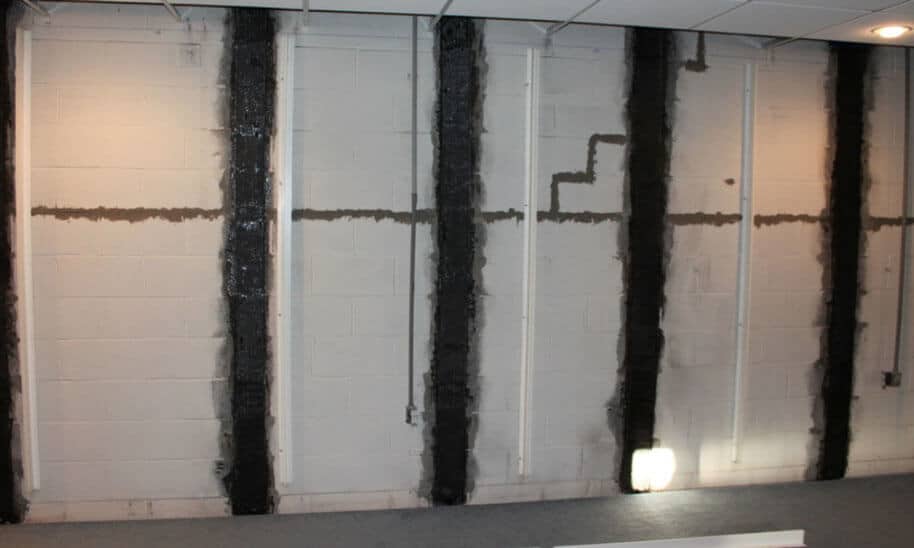
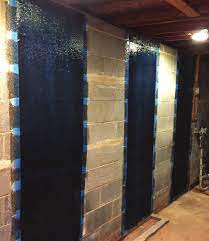
Carbon fiber works by providing extra support to foundation walls that are under stress. When walls begin to bow or crack due to hydrostatic pressure, expansive soils, or natural settling, carbon fiber strips can be applied to the wall surface to resist further movement and strengthen the structure.carbon-fiber-in-foundation-stablwall-2

  1. Addressing Bowing Walls: Bowing walls are a common issue in basements where water-saturated soil exerts pressure on the foundation walls, causing them to curve inward. Carbon fiber strips are applied vertically along the bowing wall, effectively bracing it and preventing further movement. These strips transfer the load to the stronger sections of the wall, stabilizing it.
  2. Fixing Cracks: Cracks in foundation walls are often the result of soil movement or settling. If left unchecked, these cracks can lead to water infiltration and structural instability. Carbon fiber can be used to reinforce the cracked areas, bonding them together and preventing further expansion of the cracks.
  3. Resisting Lateral Pressure: In cases where lateral pressure from surrounding soil is causing the foundation to weaken, carbon fiber can be applied to increase the wall’s resistance to this force. This prevents further bowing or cracking, keeping the foundation stable.

Carbon fiber has revolutionized the approach to foundation reinforcement and repair. Its strength, durability, and ease of installation make it an ideal solution for addressing structural issues such as bowing walls, cracks, and lateral pressure. As more homeowners seek cost-effective and minimally invasive methods to maintain the integrity of their foundations, carbon fiber will continue to be a preferred choice. With its ability to strengthen and stabilize foundations for decades without requiring extensive maintenance, it offers both peace of mind and long-term protection for homes.

Contact the Professionals at StablWall Today! (866) 782-5955
carbon-fiber-techniques-for-foundation Repair-stablwall-3

Advanced Carbon Fiber Techniques for Foundation Repair: Enhancing Durability and Efficiency

The use of carbon fiber in foundation repair has emerged as a revolutionary technique, providing enhanced durability and efficiency compared to traditional methods. Carbon fiber’s exceptional strength, flexibility, and resistance to environmental factors make it an ideal material for reinforcing and repairing foundations. This article delves into advanced carbon fiber techniques for foundation repair, exploring their applications, benefits, and the future of this innovative technology.

The Evolution of Foundation Repair

Traditional Foundation Repair Methodscarbon-fiber-techniques-for-foundation Repair-stablwall-1

  1. Steel I-Beams
  2. Wall Anchors
    • Wall anchors involve the installation of steel plates and rods to stabilize foundation walls. This method requires significant excavation and can disrupt landscaping.
  3. Underpinning
    • Underpinning extends the foundation’s depth or breadth to transfer the load to more stable soil. This method is effective but costly and invasive.

Introduction of Carbon Fiber

  1. High Strength and Durability
    • Carbon fiber offers superior tensile strength and durability compared to traditional materials like steel.
  2. Lightweight and Flexible
    • Carbon fiber is lightweight and can be easily molded to fit various shapes and surfaces, making it versatile for different repair needs.
  3. Corrosion Resistance
    • Unlike steel, carbon fiber is resistant to corrosion, chemicals, and environmental factors, ensuring long-lasting performance.

Advanced Carbon Fiber Techniques for Foundation Repair

1. Carbon Fiber Reinforcement Straps

  • Application
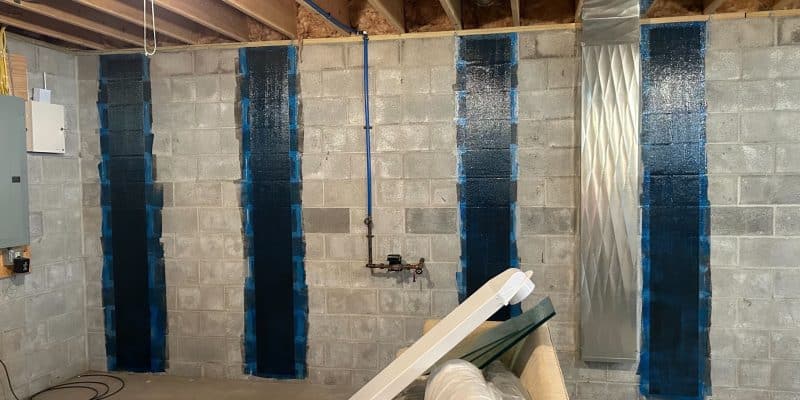
    • Carbon fiber straps are applied to foundation walls to reinforce and stabilize them. They are particularly effective for addressing bowing walls and cracks.
  • Installation Process
    • The installation involves cleaning the surface, applying epoxy adhesive, and pressing the carbon fiber straps onto the epoxy-coated surface. The straps are then smoothed and secured, ensuring proper adhesion.
  • Benefits
    • The use of carbon fiber straps is minimally invasive, quick to install, and provides long-term stability and durability.

2. Carbon Fiber Grid Stitching

  • Application
  • Installation Process
  • Benefits
    • Carbon fiber grid stitching provides enhanced crack repair, preventing further movement and water infiltration.

3. Carbon Fiber Sheets and Wraps

  • Application
    • Carbon fiber sheets and wraps are used to encase entire sections of foundation walls, providing comprehensive reinforcement and protection.
  • Installation Process
    • The installation involves cleaning the surface, applying epoxy adhesive, and wrapping the carbon fiber sheets around the foundation walls. The sheets are then smoothed and secured with additional layers of epoxy.
  • Benefits
    • Carbon fiber sheets and wraps offer maximum coverage and protection, enhancing the overall strength and durability of the foundation.

4. Carbon Fiber Rods

  • Application
    • Carbon fiber rods are used to reinforce foundation walls and footings. They can be inserted into drilled holes and secured with epoxy, providing additional support and stability.
  • Installation Process
    • The process involves drilling holes into the foundation, inserting the carbon fiber rods, and securing them with epoxy. The rods are then smoothed and secured, ensuring proper adhesion.
  • Benefits
    • Carbon fiber rods provide targeted reinforcement, enhancing the load-bearing capacity of the foundation.

Advantages of Carbon Fiber in Foundation Repair

  1. High Strength-to-Weight Ratio
    • Carbon fiber’s exceptional strength and lightweight properties make it an ideal material for reinforcing foundations without adding significant weight.
  2. Durability and Longevity
    • Carbon fiber is resistant to corrosion, chemicals, and environmental factors, ensuring long-lasting performance and minimal maintenance.
  3. Minimal Invasiveness
    • The installation of carbon fiber is quick and minimally invasive, causing minimal disruption to the property and occupants.
  4. Flexibility and Versatility
    • Carbon fiber can be molded to fit various shapes and surfaces, making it versatile for different foundation repair needs.
  5. Cost-Effective

Case Studies and Real-World Applications

  1. Residential Foundation Repair
  2. Commercial and Industrial Applications
    • Examples of commercial and industrial buildings where carbon fiber was used for foundation reinforcement, highlighting its versatility and strength.
  3. Seismic Retrofitting
    • Case studies of buildings in earthquake-prone areas where carbon fiber was used to enhance seismic resistance, providing added safety and stability.

Future of Carbon Fiber in Foundation Repair

  1. Advancements in Materials and Technology
    • Ongoing research and development in carbon fiber materials and technology are expected to further enhance its strength, durability, and versatility.
  2. Increased Adoption and Awareness
    • As awareness of the benefits of carbon fiber grows, its adoption in foundation repair is expected to increase, providing more homeowners and contractors with access to this innovative solution.
  3. Integration with Smart Technologies
    • The integration of carbon fiber with smart technologies, such as sensors and monitoring systems, can provide real-time data on foundation health and performance, enabling proactive maintenance and repairs.carbon-fiber-techniques-for-foundation Repair-stablwall-2

Advanced carbon fiber techniques have transformed the field of foundation repair, offering enhanced durability, efficiency, and long-term performance compared to traditional methods. With its exceptional strength, flexibility, and resistance to environmental factors, carbon fiber is an ideal material for reinforcing and repairing foundations. By understanding the benefits, applications, and installation processes of carbon fiber techniques, homeowners and contractors can make informed decisions when it comes to foundation repair. The future of carbon fiber in foundation repair looks promising, with ongoing advancements and increased adoption expected to further enhance its capabilities and benefits.

Contact the Professionals at StablWall Today (866) 782-5955