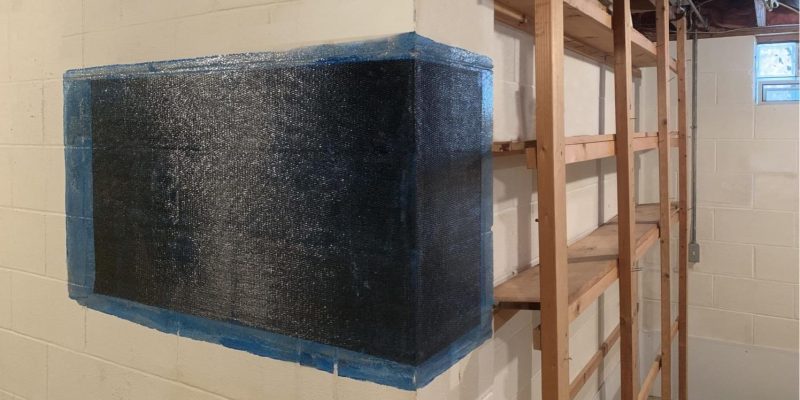
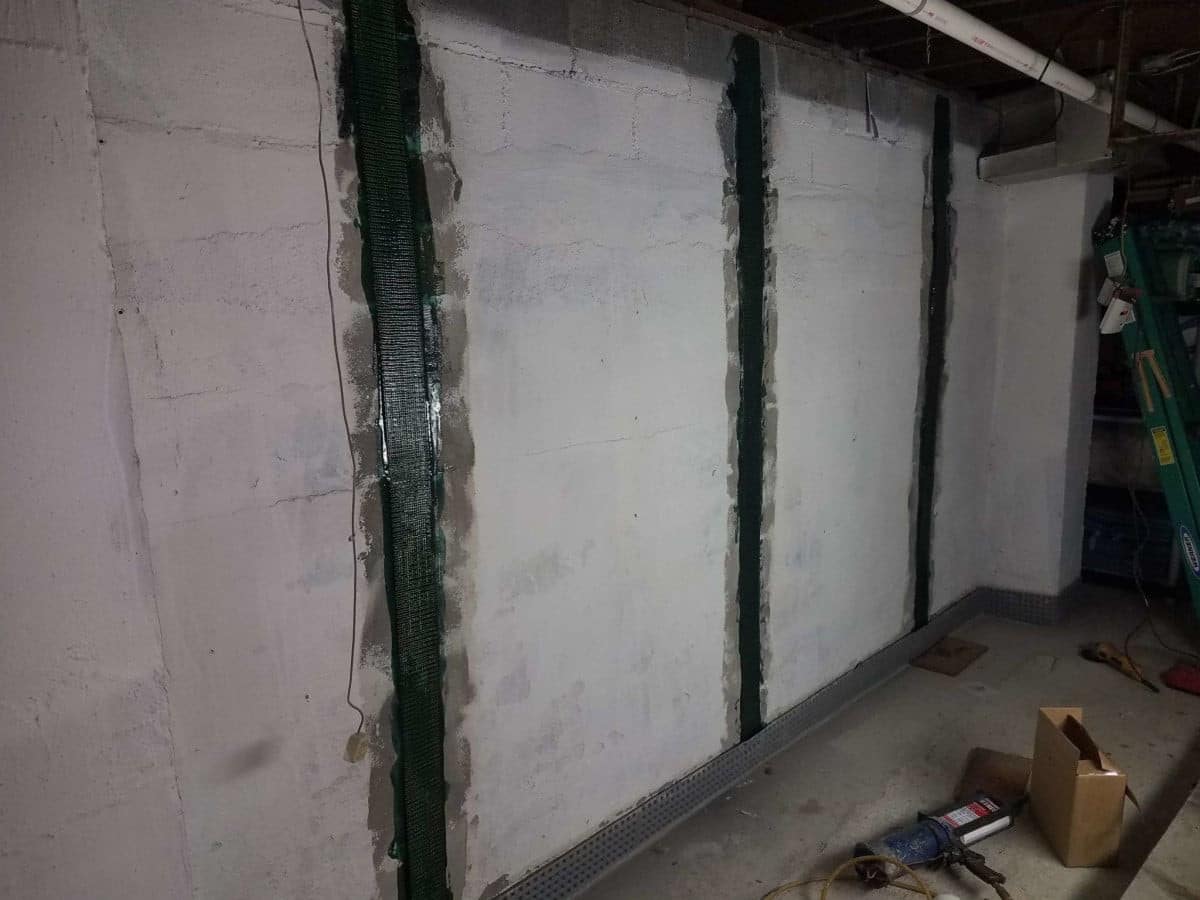
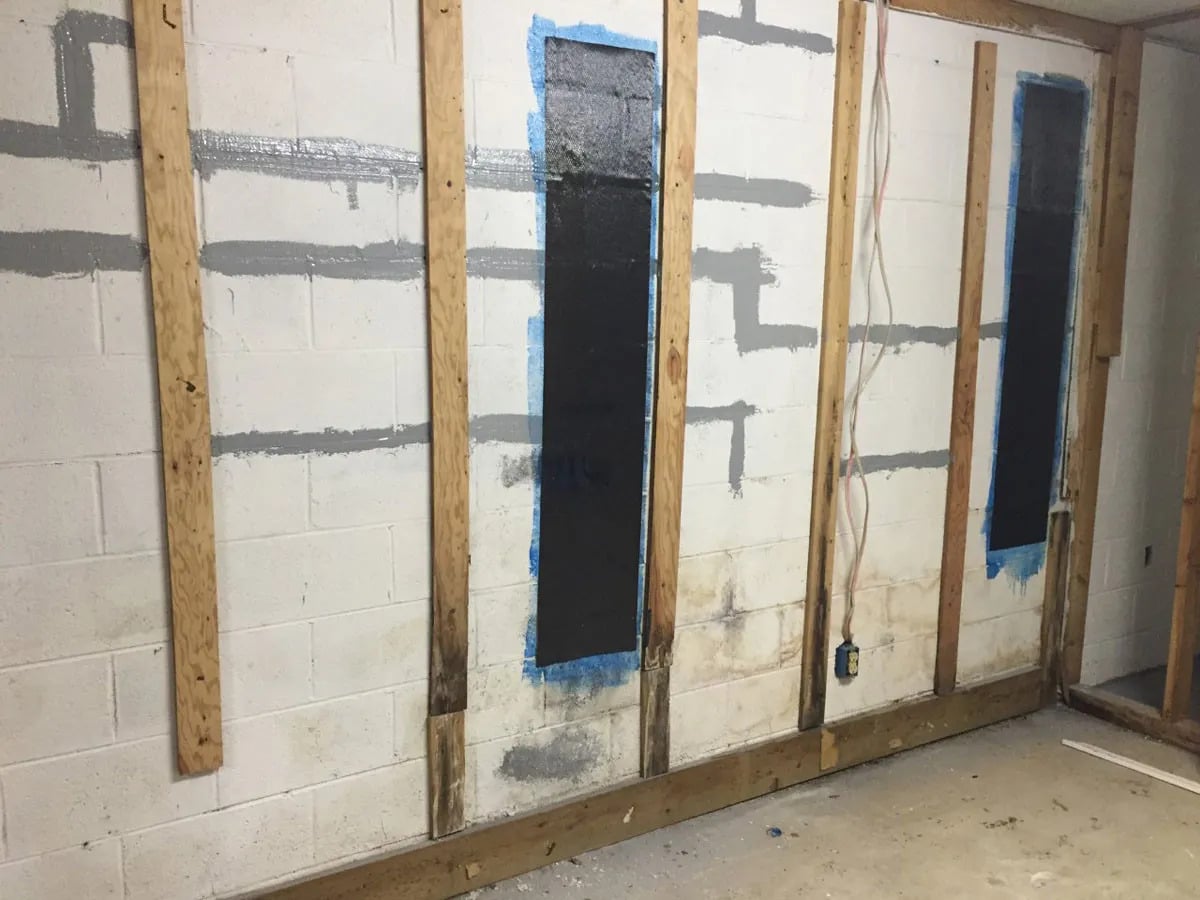
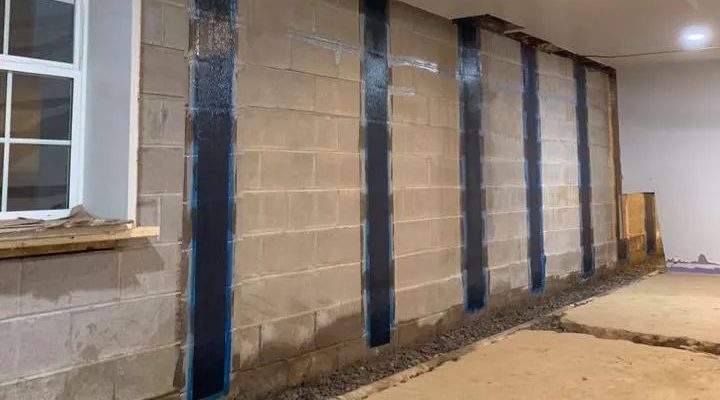
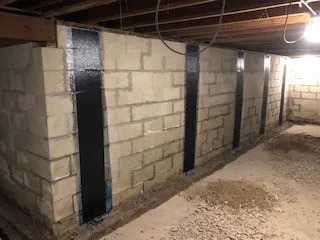
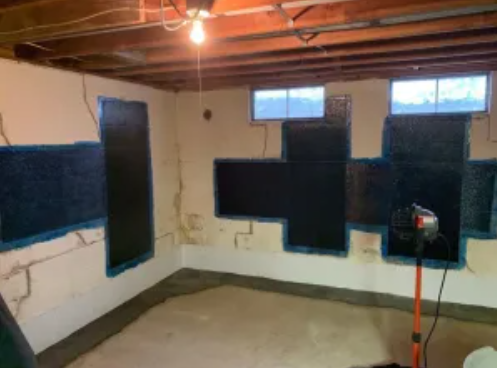
Carbon fiber repair methods have revolutionized the field of foundation repair, offering a modern, efficient, and durable solution for structural reinforcement. Carbon fiber is a high-strength material that is lightweight, easy to install, and minimally invasive. This article explores the benefits, applications, and installation process of carbon fiber repair methods for foundations, providing a comprehensive understanding of this innovative technique.
Understanding Carbon Fiber
What is Carbon Fiber?
- Material Composition
- Carbon fiber is composed of thin strands of carbon atoms, woven together to form a strong, lightweight material. It is known for its high tensile strength, stiffness, and resistance to corrosion.
- Applications
- Originally developed for aerospace and automotive industries, carbon fiber has found its way into construction and foundation repair due to its superior properties.
Benefits of Carbon Fiber Repair Methods
- High Strength-to-Weight Ratio
- Carbon fiber is incredibly strong yet lightweight, making it ideal for reinforcing foundation walls without adding significant weight.
- Durability
- Carbon fiber is resistant to corrosion, chemicals, and environmental factors, ensuring long-lasting performance.
- Minimal Invasiveness
- The installation process is quick and minimally invasive, causing minimal disruption to the property and occupants.
- Flexibility
- Carbon fiber can be molded to fit various shapes and surfaces, making it versatile for different foundation repair needs.
- Cost-Effective
- Compared to traditional repair methods, carbon fiber is often more cost-effective, especially considering its long-term durability and minimal maintenance requirements.
Applications of Carbon Fiber in Foundation Repair
- Bowing Walls
- Carbon fiber straps are used to reinforce and stabilize foundation walls that are bowing due to lateral pressure from soil.
- Crack Repair
- Carbon fiber can be used to repair and reinforce cracks in foundation walls, preventing further movement and water infiltration.
- Seismic Retrofitting
- In earthquake-prone areas, carbon fiber can be used to reinforce foundations and improve the building’s resistance to seismic activity.
- Soil Pressure Mitigation
- Carbon fiber reinforcement helps to distribute soil pressure evenly across the foundation walls, reducing the risk of cracking and bowing.
Installation Process of Carbon Fiber Repair Methods
1. Assessment and Preparation
- Initial Inspection
- Conduct a thorough inspection of the foundation to identify areas of concern, such as cracks, bowing walls, and water infiltration.
- Surface Preparation
- Clean and prepare the surface by removing dirt, paint, and debris. This ensures proper adhesion of the carbon fiber material.
2. Crack Repair
- Epoxy Injection
- For cracks, inject epoxy resin into the cracks to fill and seal them. This restores the structural integrity of the foundation before applying carbon fiber reinforcement.
3. Carbon Fiber Application
- Cutting the Straps
- Cut the carbon fiber straps to the required length, ensuring they extend from the top to the bottom of the foundation wall.
- Applying Epoxy
- Apply a high-strength epoxy adhesive to the prepared surface. The epoxy serves as the bonding agent for the carbon fiber straps.
- Placing the Straps
- Press the carbon fiber straps onto the epoxy-coated surface, ensuring they are straight and free of bubbles or wrinkles.
- Smoothing and Securing
- Use a roller or brush to smooth out the straps and ensure proper adhesion. Additional layers of epoxy may be applied to enhance the bond.
4. Curing and Final Inspection
- Curing Time
- Allow the epoxy to cure according to the manufacturer’s instructions. This typically takes 24 to 48 hours.
- Final Inspection
- Conduct a final inspection to ensure the carbon fiber straps are securely in place and the foundation is properly reinforced.
Maintenance and Long-Term Performance
- Regular Inspections
- Conduct periodic inspections of the carbon fiber reinforced areas to ensure they remain in good condition and perform as expected.
- Moisture Control
- Maintain proper drainage around the foundation to prevent water infiltration and reduce hydrostatic pressure on the walls.
- Avoid Physical Damage
- Avoid activities that could damage the carbon fiber straps, such as drilling or heavy impacts.
Comparing Carbon Fiber to Traditional Repair Methods
1. Steel I-Beams
- Installation
- Steel I-beams require extensive excavation and can be intrusive, whereas carbon fiber is minimally invasive.
- Aesthetics
- Carbon fiber is less noticeable and can be painted over, while steel I-beams are more obtrusive.
- Cost
- Carbon fiber is often more cost-effective due to lower labor and material costs.
2. Wall Anchors
- Installation
- Wall anchors require significant excavation and can disrupt landscaping. Carbon fiber installation is quicker and less invasive.
- Performance
- Both methods are effective for stabilizing walls, but carbon fiber offers the advantage of flexibility and ease of installation.
- Both methods are effective for stabilizing walls, but carbon fiber offers the advantage of flexibility and ease of installation.
Carbon fiber repair methods offer a modern, efficient, and durable solution for foundation reinforcement. With its high strength-to-weight ratio, durability, and minimal invasiveness, carbon fiber is an ideal choice for addressing various foundation issues. By understanding the benefits, applications, and installation process, homeowners and contractors can make informed decisions when it comes to foundation repair. Regular maintenance and inspections will ensure the long-term performance of carbon fiber reinforcements, providing peace of mind and protecting the structural integrity of your home.
Contact the Professionals at StablWall Today (866) 782-5955