Bowing Foundation – Distinguish Between Bulging and Leaning – New York, NY

Bowing Foundation

Do you have a bowing foundation? It is important to determine whether you’re dealing with a bulged or leaning wall. Making the distinction will help in determining the exact location of damage and the underlying cause. This information will go a long way in deciding the best course of action to take in repairing the foundation.

Signs of bulging

You will need to take measurements of the bowing using a weighted string. Measure the distance between the wall and the weighted string at different points along a vertical line. If the difference between the distance between the string and the wall measured at the top of the wall is greater than that taken at the bottom of the wall, you can say that the wall has bulged.

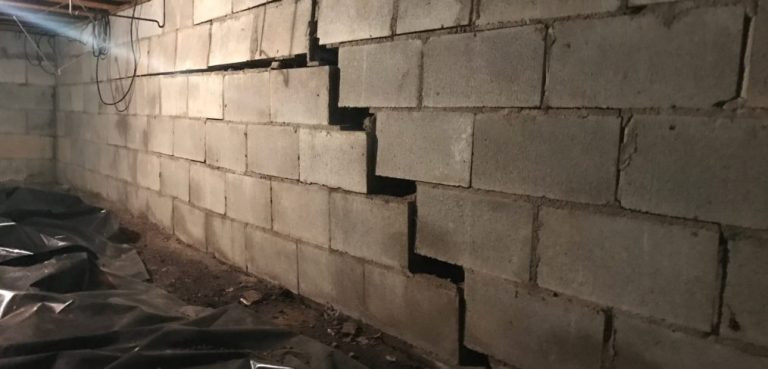
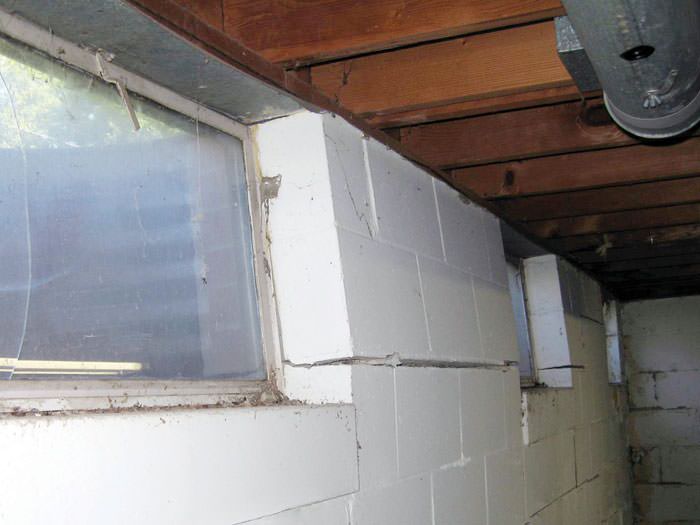
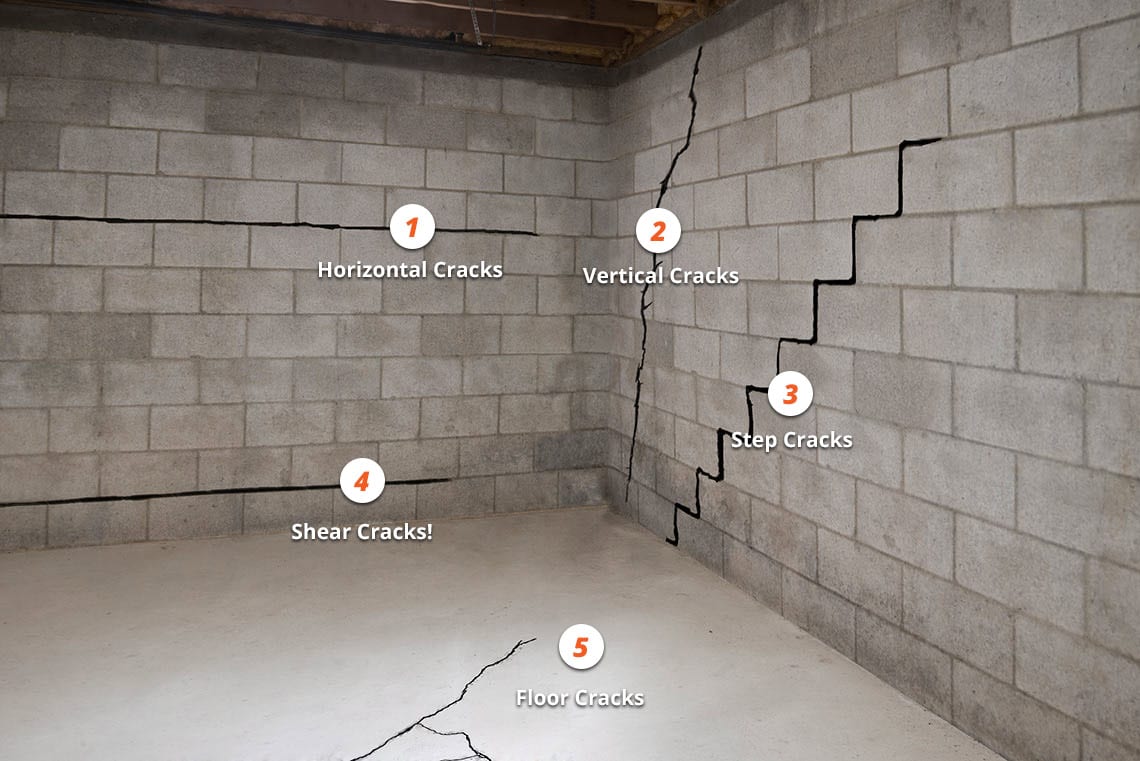
If your foundation is of masonry block, you will notice horizontal cracks forming in one or more mortar joints near the bulged area. The widest cracks will be located at the point of the greatest inward bulging.

Signs of leaning

You can also use a weighted string to diagnose the leaning of a foundation wall. The measurements in this case should increase gradually from the floor to the top of the wall. If this is the case, then the wall is leaning inward.

The measurements may increase gradually in any direction and not necessarily vertically. Foundations often do not lean in the most obvious direction. The leaning is the result of the surrounding soil pushing against the bottom of the wall and not the top.

Consider the type of foundation

It is important to consider what construction was used for your foundation before you begin looking for signs of bulging or leaning. This is because the same force can have different effects on different types of foundations. Therefore, bulging on a poured concrete slab foundation will appear different from bulging in masonry block foundations.

Bulging is rare in poured concrete foundations. This is because the wall is a single unit. It is therefore difficult for this type of foundation to bulge even when there is a force acting on a single point of the foundation.

Bulging is more common in masonry block foundations. There are various weak points in this type of wall that result in bulging and cracking of the wall.

Even with this information, it is still important to have a thorough inspection of your foundation. This will help you choose the most effective method for foundation repair.
foundation crack repair

Reasons to Use StablWall for Foundation Crack Repair

Foundation Crack Repair

You are the proud owner of a beautiful house and you hope that your children will be able to enjoy it for many years to come. Your heart stops for a second when you notice some cracks in the foundation. This is a warning sign that should not be ignored. The last thing you want is for the foundation wall to collapse. One of the best solutions for foundation crack repair is StablWall. According to the Concrete Foundations Association (CFA), this is a very common problem. Statistics show that up to 60% of the new houses show signs of foundation cracks.

Risks of Foundation Cracks

The foundation walls are always at risk of water or earth pressure. In case there are cracks in the foundation, the water will easily get into the house. Imagine the damage this can cause to your property. In more advanced cases, the entire building is at risk and it can collapse any time.

The damage to the property is not the only danger you are facing. Water and humidity can lead to mold growth and this can cause various illnesses. The risks are serious enough to make you take action and improve your foundation walls. It might sound overwhelming, but with the right tools, you can do it.

Benefits of the Stabl-Wall System

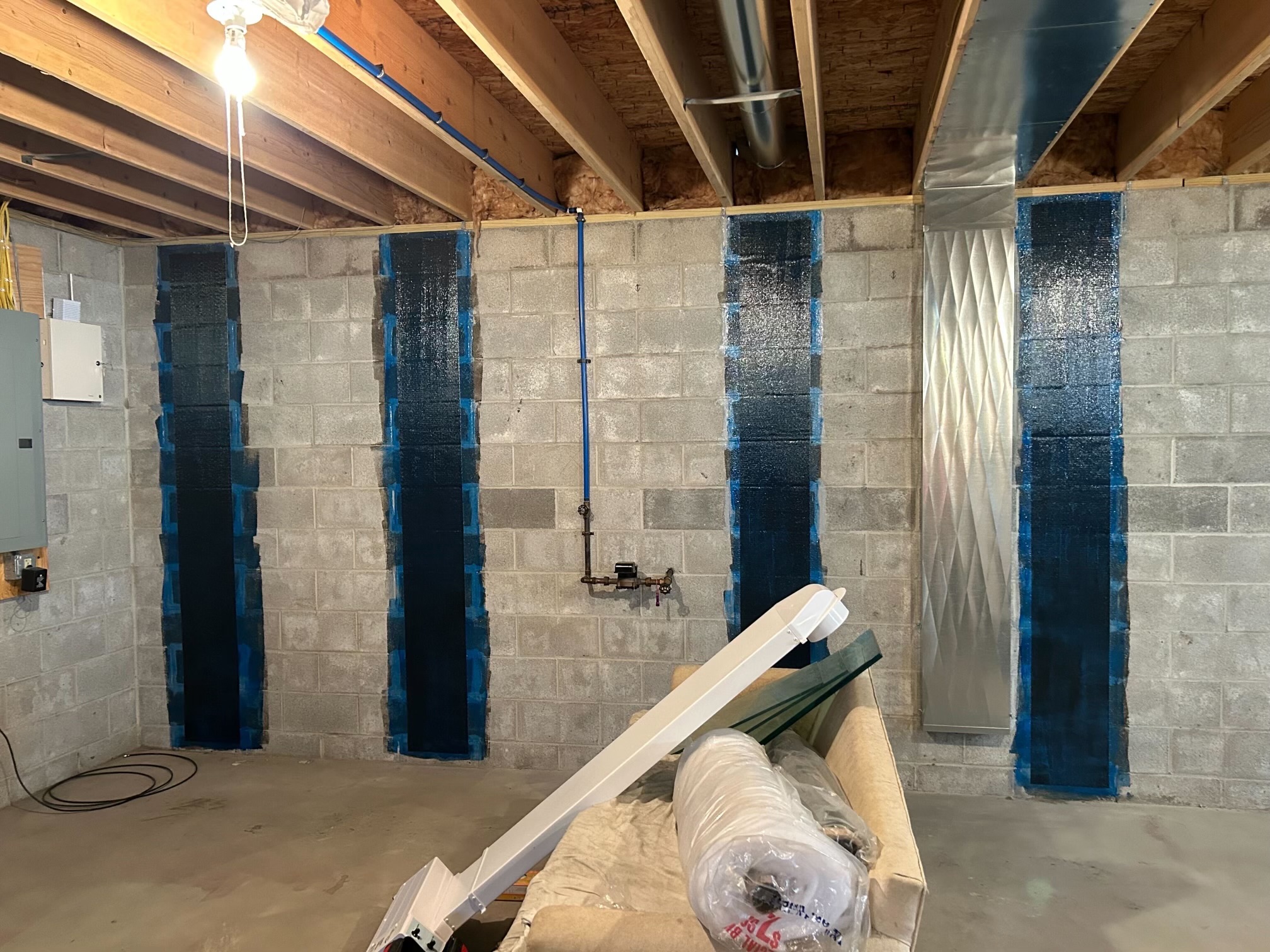
The Stabl-Wall is a new technique for an efficient foundation crack repair. Basically, this system consists of carbon fiber sheets. Until recently, this foundation repair solution was not available for homeowners. The amazing thing about Stabl-Wall is the simple installation process. All you need to do is to attach the fiber sheets to the wall. This is easily done using some epoxy.

Carbon fiber is known to be much stronger than steel. This means that once you attach the sheets to the wall, you can forget about foundation damages or movement. Because the sheets are large enough, your walls will be strengthened on a wide area, making them very resistant.

A foundation contractor can help you with installing the Stabl-Wall system. Ask for a foundation check-up to see if there are any other damages that you haven’t noticed yet. This carbon fiber sheet is not only a simple way to fix the foundation. Once you’ve attached it to the wall, you can be sure that your foundation and home is protected against other possible damages.

When Should You Consider Foundation Crack Repair?

Foundation crack repair can be expensive. Whenever you’re dealing with something as important as the foundations of your house, you need to act fast, and it’s going to cost.

But what a lot of people don’t realize is that a simple crack in say, the outer plaster, isn’t a cause for concern. So when should a foundation crack should worry you?

How wide?

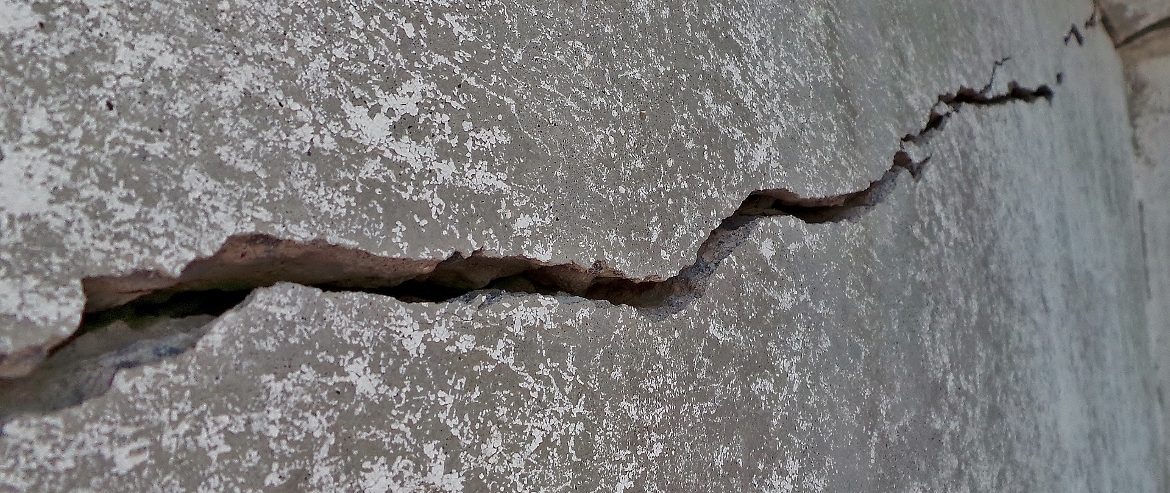
The first test is to measure how wide the crack is; measure from the widest point of a crack with a simple tape measure.

If it’s any wider than 1/16 inch, you have to act. This is too wide and can let in both water and termites. If it’s smaller than this, simply monitor it over the course of a few months.

Even if it doesn’t reach this 1/16 inch limit, you should opt for repair if there’s any change in the width. It’s worrying even if a 1/32 inch crack turns into a 1/20 crack.

Is it wet?

If a crack admits water, foundation crack repair is a necessity before it causes too much damage. It won’t take long for moisture to cause permanent damage to your home.

Moisture damage is one of the most common causes of serious foundation problems. You often can’t spot the extent of the internal damage. The only way to see it is to notice the wetness on the outside, where it admits water.

Grinding

Sometimes a crack’s faces can begin to grind against each other based on changes in the environment. Here are the two primary environmental changes that might influence this:

  • Temperature
  • Humidity

Check for these changes over a couple of seasons when you notice the first signs of a crack. If there’s no impact, the crack probably isn’t as serious as you think.

Should you repair minor cracks?

As you can see, it isn’t always necessary to act immediately. Minor cracks can be monitored to see how they change over time.

We still recommend taking care of cracks as soon as possible, though. The reason for this is it’s always cheaper to solve the problem as soon as you notice it. The cost of repair goes up every time the crack grows in severity.

Furthermore, solving the problem early ensures that the damage to your home’s foundations is minimal. Too many people have waited and the problem has cost them thousands in repairs. Don’t be one of them. Get help from a foundation repair expert today!

Bowing Walls are Serious Business

The foundation of a building is the most important part of the structure. When foundations fail it is serious business. In concrete block foundations the most common failure is when pressure builds up on the outside wall pushing against the wall making it bow. Bowing walls are dangerous. If left alone, a bowing wall can collapse. 

http://eurospaofnaples.com/lux/

Because of its dangerous nature, a professional foundation repair contractor should fix the work. It is not recommended for the average homeowner to do a foundation repair on a bowing concrete block wall himself. Unless you are professionally trained and skilled, do NOT try a DIY foundation repair.

Bowed concrete block walls need to be braced. Contractors have different techniques to accomplish this. Steel I-beams have been around for decades and are still used today. They basically build a steel frame to brace the bowing wall so it doesn’t move any more.

Carbon Fiber uses this same idea to hold the bowing wall. The difference is in the application, labor and final look. Carbon Fiber is quicker to install. Because it is lightweight it doesn’t take as much labor. Carbon Fiber is flush with the wall so it can be covered with wall board or painted to blend in with the basement wall. Steel I-beams don’t hide as easily.

Wall anchors are another option to fix bowing concrete walls. Helical wall anchors come from the outside of the foundation wall and essentially realign the bowed wall. They stay in place to prevent future movement. This technique is for severe damage. It is an invasive system that excavates part of the yard. There are different types of wall anchors. Some are installed on the interior side of the basement and go through the wall and anchored in the soil. Some are installed only on the exterior side of the wall. That depends on the manufacturer and the individual wall anchor systems.

The other course of action is completely replacing the foundation wall. This is the most expensive and most invasive option. This is where a contractor will support the house with piers, take down the damaged block wall foundation and rebuild that portion of the foundation wall. This option is only considered when there is so much damage and deterioration that the other wall support options will not work. If there is extensive damage that has been ignored this may be the only option left.

5 Things You Should Know About Carbon Fiber Wall Repair

carbon-fiber-wall-repairCarbon fiber is a man-made material that is ultra-light weight, thin, and stronger than steel . For years it has been used in many different industries and for various applications. In the past decade, it has made its way into residential foundation repair and become a popular choice. Here are the top five things you need to know about Carbon Fiber Wall Repair. 

Carbon fiber is best used for bowing block walls

Because of the nature of carbon fiber one of the most common applications in foundation repair is repairing a bulged or bowing block wall due to lateral pressure on the outside of a foundation wall. Carbon Fiber is installed on the inside wall of the basement to brace the wall and prevent it from moving anymore.

Carbon fiber is an alternative to steel I-beams

The old way to fix a bowing wall is with steel I-beams. Carbon fiber wall repair ultimately does the same thing as the Steel I-Beam system bracing the wall from the inside. The main difference is the final visual appeal. Carbon fiber can be painted over and made to look just like a regular wall. Although it can be done, the steel I-beams are a little harder to conceal.

Carbon fiber must be tied into the house framing

The Carbon Fiber system should be tied to the house framing to make the system complete. The bracing needs to stabilize the foundation and link it to the house framing to the structure is sound.

Carbon fiber does have its limits

Carbon fiber is not a cure-all system and doesn’t work with every foundation problem. Carbon fiber is best used for bowing walls. However, carbon fiber wall repair systems can only be used on walls that have moved two-inches or less. In the world of foundation repair, two inches is a lot and most homeowners notice the foundation damage well before that.

Not intended for the DIY

Even though carbon fiber wall repair is a fairly simple process it is not intended for the do-it-yourself homeowner. It requires the expertise and knowledge of a trained professional. Foundation repair specialists are licensed and insured to work with foundations. Working with the structural integrity of a house or building there isn’t much room for error. It is better left to the professionals.

Why We Love Carbon Fiber Wall Repair (And You Should, Too!)

carbon fiberCarbon fiber is awesome. Foundation waterproofing contractors really do love carbon fiber because it gives us another option to fix moving cracks and bowed walls.

http://report.thaihotline.org/loans-till-payday-no-credit-checks

Carbon fiber is stronger than steel and ultra lightweight. To help you get an idea, carbon fiber is the same material used to build space shuttles and airplane wings (super strong and super lightweight.) It can’t break and the fibers don’t stretch. 

Before carbon fiber, foundation repair contractors used anchors or steel beams to repair bowing walls. That process was hard and intrusive and the end product wasn’t very pretty. Homeowner’s like carbon fiber because when it is done it doesn’t look like a 1980s middle school kid with headgear. You can actually just paint over the carbon fiber sheets and it looks like your basement again. It is a good option of foundation repair for people looking to convert the basement into living space. It is a lot easier to hide than steel I-beams and actually costs less (commonly half the cost of steel beams).

Carbon fiber is a man-made material. It is heated carbon resins to extreme temperatures and woven into a fabric sheet. The process used to be extremely expensive; however, in recent years manufacturers have developed more reasonable production costs and opened the door for many different everyday applications to bring carbon fiber to the masses.

Installing carbon fiber for a foundation wall repair is fairly simple. Applications depend on the specific problem; however, basically, contractors prep the area first making it completely flat and add a bed of high-strength epoxy. Then the carbon fiber is embedded into the epoxy under pressure and then bolted to the top. The carbon fiber needs to be bolted into the framing of the house to ensure that is tied to the structure.

It can also be used with Kevlar staples to secure concrete cracks. Kevlar is like carbon fiber but instead of a sheet it is turned into a liquid and formed into different shapes creating a rigid, extremely strong product. (Think Kevlar motorcycle helmets and bullet-proof vests.) The crack is filled with epoxy. The Kevlar staples are installed to further secure the crack and prevent it from moving. Then the carbon fiber strip is attached on top of that. This makes the structural cracks stop moving.

The weight, ease and simplicity of carbon fiber make it a breeze to work with and a breath of fresh air for homeowners. Once the carbon fiber is installed there is virtually no maintenance. With the nature of carbon fiber and its strength and durability, when the repairs are completed they are permanent. When it is done, it is done. Now, that is why we love carbon fiber and you should, too.

10 Quick Tips About Basement Wall Repair

basement wall repairIf you find a crack in your basement wall it needs to be repaired. Here are 10 quick tips about basement wall repair to help you know what you may be dealing with and how to handle it.
1.) No foundation crack is OK to ignore. 

Foundation cracks let in water, soil gases, insects, rodents, and (it is worth repeating) water. Water even in the form of moisture, vapor, humidity or an active leak can cause serious damage in the way of mold, mildew, and rot. Even a hairline crack can let in water that can cause these problems.

2.) Some cracks are structural some are not. 

Not every foundation crack means that your house is ready to collapse. Some cracks are not structural, meaning they weren’t caused by a moving foundation. Nonstructural cracks can be caused by hydrostatic pressure, tree roots or another outside force pushing on the foundation.

3.) If you see a vertical crack

Vertical foundation cracks are often the least threat to the building. They are usually caused by the natural expansion and contraction of concrete. Through the years’ freeze-thaw cycles, the concrete expands and contracts causing the concrete to crack. When these vertical cracks are straight or slightly wandering and generally even in thickness, the risk is fairly low as far as affecting the structural integrity of the house.

4.) If you see a horizontal crack

Generally, horizontal cracks are structural cracks usually caused from pressure building up on the opposite side of the wall from either an improper backfill or hydrostatic pressure.

5.) Surface treatments (like caulking) don’t work on basement walls.

Caulking or other surface treatments that you can find in the hardware store don’t work on basement walls. Professional grade crack injection materials are designed to withstand the pressure either of a moving foundation or outside pressure that is heavy enough to crack concrete.

6.) Some cracks need polyurethanes

The cracks that are nonstructural and just leaking will need a polyurethane crack injection material. Most polyurethanes are flexible and move with the crack if it happens to move with a freeze-thaw cycle of the concrete.

7.) Some cracks need epoxy

If a crack is moving, expanding and contracting with the concrete or widening you will most likely need an epoxy. Epoxy hardens to a rigid material that actually chemically bonds to the concrete so the cracks stops moving.

8.) If the crack is moving you may need a crack stabilizer like carbon fiber staples 

Sometimes a crack needs more of a stabilizer than just merely epoxy and a contractor will recommend pairing it with carbon fiber staples or ties. Carbon fiber is a proven method to strengthen a foundation wall. Carbon fiber is an incredibly strong, lightweight manmade material that found its place in the foundation repair industry about 20 years ago. Some carbon fiber systems actually are used for more than crack repair and are used to stabilize a bowing block wall.

9.) Sometimes foundation cracks mean serious damage

If you multiple foundation cracks on adjacent walls or if the problems are moving upstairs—such as sticking doors and windows, cracks in the walls and sheetrock upstairs, or damage to the chimney it may be a sign of foundation settlement. If your house is indeed on loose or unstable soil, then you may need to look into underpinning or piers that will set your house on solid footings again.

10.) Call a professional 

Do not, we repeat, DO NOT DO foundation repair work yourself. The average homeowner does not have the know-how to pull it off safely. Unless you have experience as a structural engineer, you could cause damage to yourself and your house if you try to do foundation wall repair work yourself. Call a professional basement waterproofer or structural repair contractor to assess your situation. Most contractors offer free inspections and estimates. It is important to understand the seriousness of your situation and see the best options to fix it.

5 Reasons You Should Invest in Foundation Wall Repair

foundation wall repairPeople understand the metaphors about the necessity of a sure foundation; however, when the literal foundation of a house may be compromised they question if it is worth fixing. There is a reason the metaphors make sense. Your foundation is literally the most important part of the house. Without a strong foundation, the whole structural integrity of the house could be compromised. While investing in foundation repair may not be a fun remodel, it is definitely necessary. Here are five reasons why you should invest in foundation wall repair.

1.) It is dangerous to ignore it

Foundation problems can lead to foundation failure. Yes, while some cracks and foundation issues are slow moving, if you never solve the issues they will get worse. As the problem gets worse, it will cost more money to fix. If the damage is extensive enough it may need to be completely rebuilt. Ignoring foundation damage will become increasingly more dangerous and could completely collapse resulting in major repairs to your entire home.

2.) It impacts the resale value of your home

You may have a great house but if you have foundation problems, it is going to be hard to sell. If you ever want to sell your house, you will have to either take a major loss on the house or fix the foundation. Most of the time the buyer will force the seller to repair the foundation before a deal is finalized. While the laws vary state to state, most places have strict laws about sales disclosures and the condition of the foundation is definitely an item on the disclosure form. If you don’t disclose a problem it can turn into a costly lawsuit or at least blow the sale.

3.) The problems will not go away on their own

Foundation problems will not fix themselves and it isn’t safe for a homeowner to do it themselves. They don’t have the right tools or the right experience to have a foundation repair job. Homeowners need to call a professional. A professional’s repairs will be certified. A home inspector will know the difference between a professional job and a DIY foundation repair and it will impact the value of your home.

4.) The issues don’t stop with the foundation

If you have need foundation repair then you probably have cracks in the foundation. If you have foundation cracks, you most likely have water issues, too. If you have water issues, you most likely have mold and mildew issues. If you have mold then you probably have indoor air quality issues. Foundation cracks could also be letting in radon and other dangerous soil gases. Basically, you need to understand that foundation cracks are actually causing your families health and breathing problems or even worse, lung cancer if you have a radon problem that you don’t know about.

5.) Fixing the foundation will fix your house

If you are in need of foundation repairs, you have probably been living with windows and doors that stick, unsightly cracks in your walls upstairs, or gaps around doors and windows letting in serious drafts or even rodents and insects. Your chimney could be leaning, tilting or even cracked. The bricks on your house could be cracked or with cracks in the mortar joints. These are just symptoms of foundation and settlement issues. You need to fix the foundation to permanently fix these issues. If you try to fix these issues before you fix the real cause you will end up refixing the same problems over and over again.

Overall, the health of your foundation impacts your whole house and the health of the home environment. The foundation should be treated and maintained as the important part of the home that it is. Don’t ignore foundation repairs. Don’t wait for it to turn into an emergency. Invest in the foundation repairs your home needs sooner than later.

Concrete Cracks

StablWall
DEALING WITH CONCRETE CRACKS

Sooner or later, concrete cracks.  Sadly, there is not a lot of ways around it. There is technology to control where concrete cracks and fix them when they happen but there is not a lot of tactics for preventing cracks. However, when it comes to your foundation it is important to understand what causes foundation cracks. That way you may be able to control some of the elements to prevent cracks before they happen. Here are some of the common causes of foundation cracks:

Tree Roots

Trees and bushes that are planted too close to the foundation wall can cause foundation cracks.  Basically, the roots keep growing naturally and when they hit the concrete wall they keep pushing against the foundation causing it to crack.  To prevent this scenario, avoid planting trees and deep root bushes too close to the foundation wall.  It is easier to remove the tree than it is to move your house.

Hydrostatic Pressure

Hydrostatic pressure happens when water builds up in the soil. As water saturates the ground, the soil expands and increases the pressure that is pushing up against the foundation wall.  This pressure can crack the foundation wall which typically manifests itself in horizontal cracks.   To prevent this, don’t let excess water build up along the foundation wall.  Make sure the gutters and downspouts are working together to channel the water away from the house.  The soil grade should angle away from the house to let any water fall away from the foundation not toward it. French drains can also help relieve hydrostatic pressure by channeling water away from the house.

Freeze/Thaw Cycle

Concrete naturally expands and contracts with the elements.  As the ground around the foundation freezes and thaws the concrete expands and contracts often causing small vertical hairline cracks.  Most of the time, these cracks are not serious but should be fixed before they let in water, soil gases, or insects and pests.  Sometimes when a contractor pours a concrete foundation they include expansion joints to allow for the natural movement of the concrete to happen without causing the concrete to crack.  If your foundation cracks due to the freeze and thaw cycles, just get the fixed as soon as possible so they don’t get worse or cause other problems.

Settlement

Soil settlement can also cause foundation cracks.  This usually happens if the footing was not properly supported, backfilled, or if the soil under the foundation was not properly compacted.  Settlement cracks can also happen if there is excavation work going on in the area.   This sometimes will change the soil environment and cause the ground to shift under the footing.  You can know if the crack is from a settlement issue if the crack is actively moving.  It is hard to prevent this from happening but if it does foundation repair contractors have systems to stabilize the foundation and prevent the crack from moving anymore.

If you have a foundation crack, it is important to call a professional to repair the crack and assess the situation. If it is a structural crack that is affecting the integrity of the building or house, you may have to consider shoring up the foundation with anchors, underpinning, or carbon fiber systems.  A professional foundation repair contractor can help diagnose the problem and recommend the best systems for your situation.