carbon-fiber-stablwall-3

Strengthening Your Basement: Applying Carbon Fiber for Crack Repairs

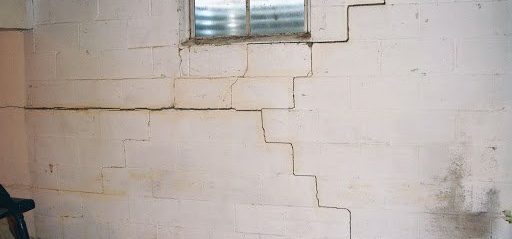
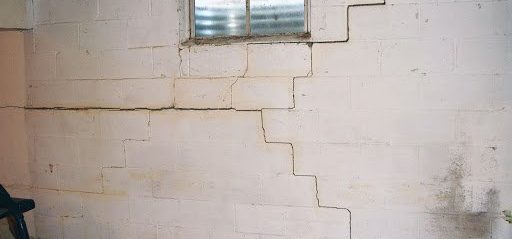
A cracked basement wall can be a cause for concern for any homeowner. Cracks can allow moisture to seep in, leading to water damage, mold growth, and even structural issues. However, repairing basement cracks doesn’t always require major construction work. Carbon fiber technology has emerged as an effective and efficient solution for reinforcing and stabilizing basement walls. In this article, we’ll explore how to apply carbon fiber for crack repairs in your basement, offering a cost-effective and long-lasting solution to safeguard your home.

Understanding Carbon Fiber

Carbon fiber is a high-strength, lightweight material made from tightly woven carbon strands. It has become a popular choice for strengthening and repairing structural elements, including basement walls. Carbon fiber has several advantages:

Strength: Carbon fiber is exceptionally strong, offering a higher tensile strength than steel. This makes it an ideal material forcarbon-fiber-stablwall-1 reinforcing basement walls.

Durability: Carbon fiber is highly durable and resistant to corrosion. Once applied, it can provide long-lasting support to your basement walls.

Low Profile: Carbon fiber straps are thin and have a low profile, making them ideal for basement applications as they don’t take up much space.

Ease of Installation: Carbon fiber is relatively easy to install, making it a cost-effective solution compared to traditional methods.

Minimal Disruption: Carbon fiber repairs are minimally invasive, causing less disruption to your home compared to extensive foundation repairs.

Steps for Applying Carbon Fiber for Crack Repairs

Assessment and Preparation:

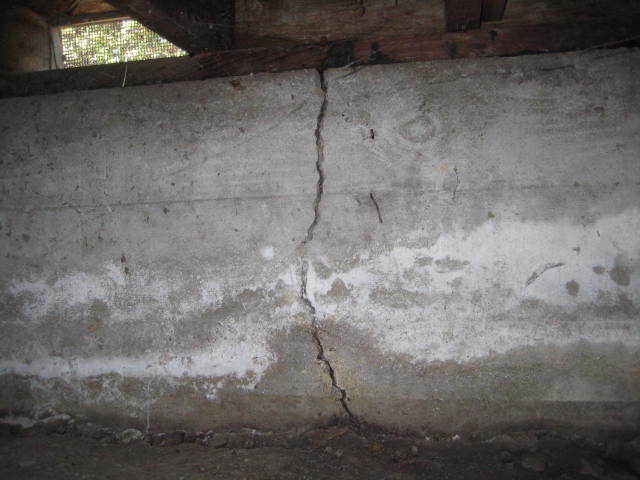
The first step in repairing basement wall cracks with carbon fiber is to assess the extent of the damage. Inspect the cracks carefully, noting their size, length, and location. If the cracks are actively leaking, it’s essential to address the water source first.

Before applying carbon fiber, ensure that the wall surface is clean and free from loose debris, dirt, or old paint. You may need to remove any existing coatings or sealants for proper adhesion.

Repair Active Leaks:

If your basement walls are actively leaking, it’s crucial to stop the water source before applying carbon fiber. This may involve installing a drainage system or sealing any visible gaps or holes. Proper waterproofing is essential to ensure the success of carbon fiber repairs.

Crack Sealing:

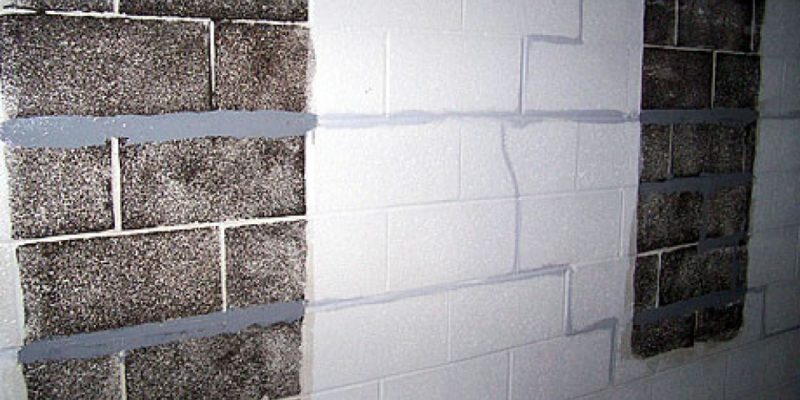
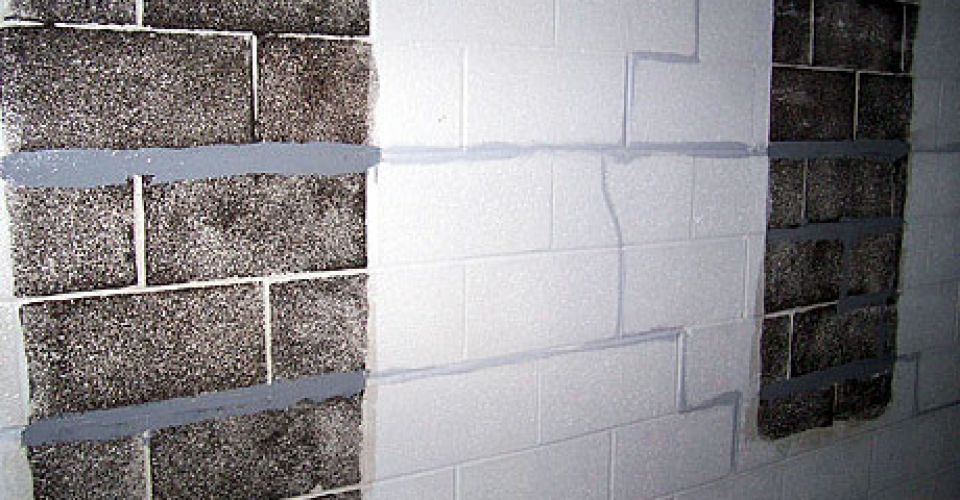
To create a smooth surface for the carbon fiber application, fill the cracks with an epoxy or polyurethane-based crack filler. This not only helps in sealing the crack but also provides a strong bonding surface for the carbon fiber.

Application of Epoxy Resin:

Next, apply an epoxy adhesive or resin to the wall surface where the carbon fiber will be installed. This adhesive creates a strong bond between the carbon fiber and the wall. Make sure to follow the manufacturer’s instructions for the epoxy application.

Carbon Fiber Installation:

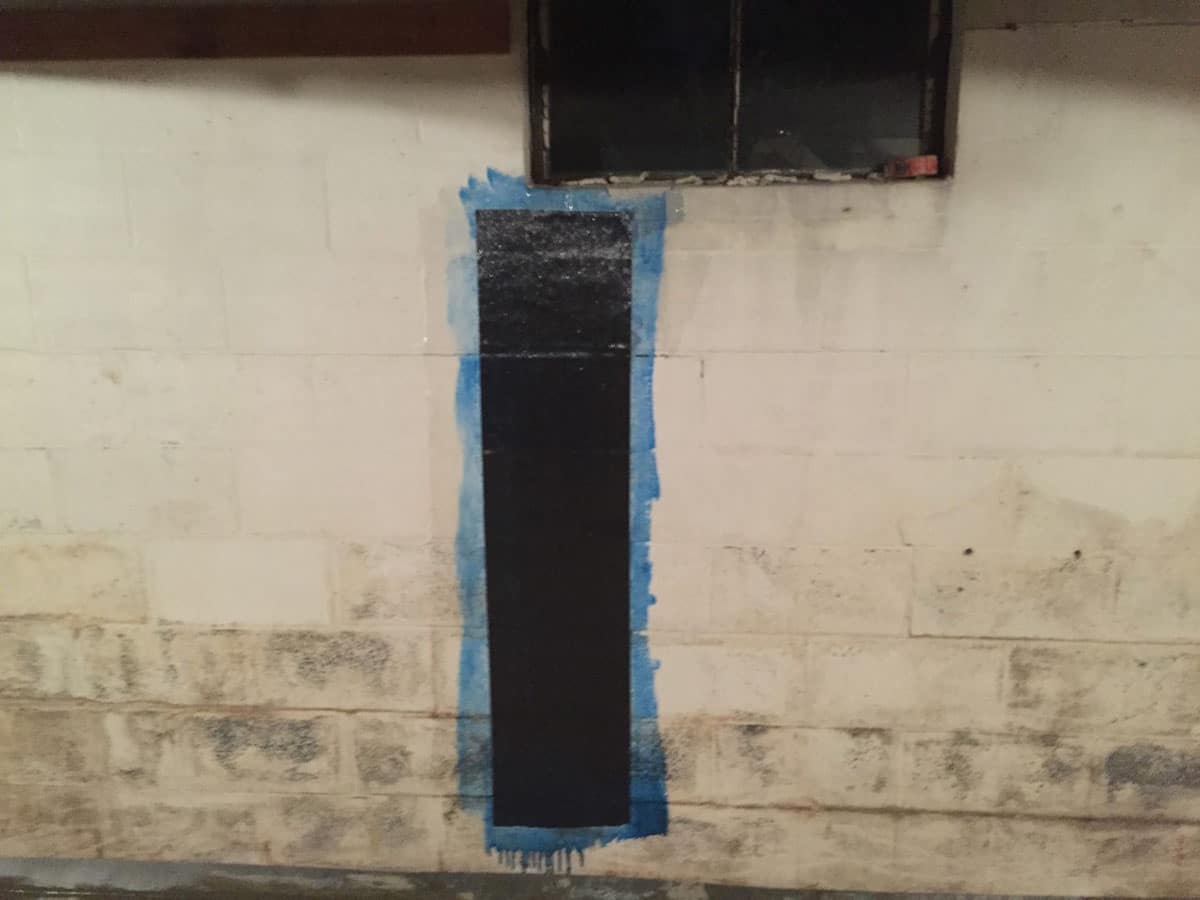
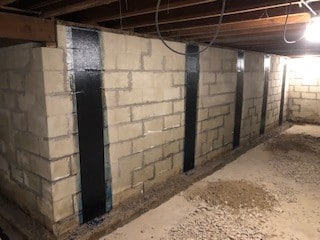
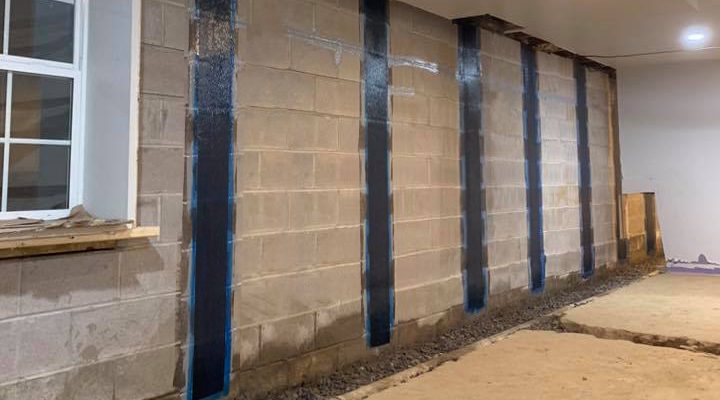
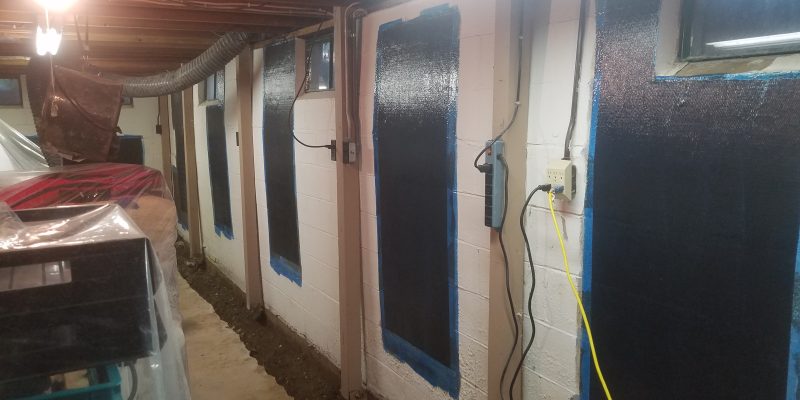
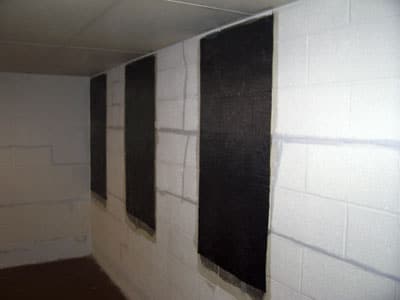
Cut the carbon fiber straps to the appropriate length and place them over the epoxy-coated cracks. Ensure that the carbon fiber straps overlap the crack by a few inches on both sides. Press the carbon fiber firmly into the epoxy to ensure good adhesion.

Additional Coating:

After the carbon fiber is in place, apply a second coat of epoxy resin over the carbon fiber straps. This helps to encapsulate the carbon fiber and creates a smooth finish.

Final Inspection:

Once the epoxy has cured, inspect the repaired area to ensure that it is smooth and secure. The carbon fiber straps should be tightly adhered to the wall, providing reinforcement to the cracked area.

Benefits of Carbon Fiber Repairs

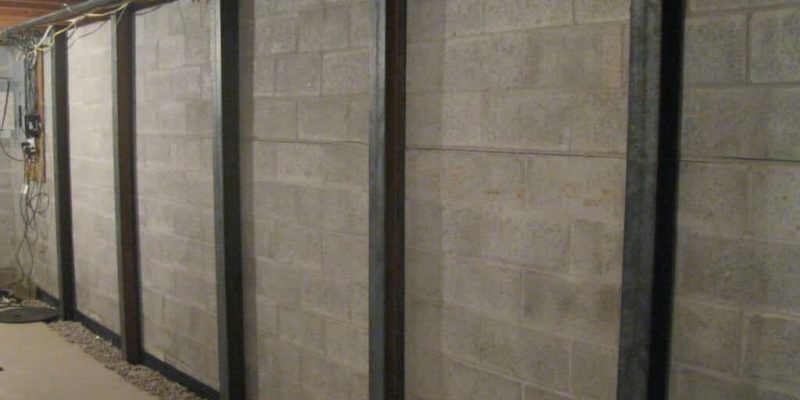
Strengthened Foundation: Carbon fiber repairs provide added structural support to your basement walls, preventing further cracking and movement.

Cost-Effective: Carbon fiber repairs are often more affordable than traditional methods, such as wall replacement or extensive excavation.

Minimal Disruption: The installation of carbon fiber is relatively quick and minimally invasive, causing less disruption to your home.

Long-Lasting: Carbon fiber repairs can last for decades, offering a durable solution to basement wall cracks.
carbon-fiber-stablwall-2

Waterproofing Compatibility: Carbon fiber repairs can be combined with waterproofing measures to provide a comprehensive solution for basement moisture issues.

Basement wall cracks are not to be taken lightly, as they can lead to more severe problems if left unaddressed. Applying carbon fiber for crack repairs offers an effective and efficient solution to reinforce and stabilize your basement walls. By following the steps outlined in this article, you can take proactive measures to safeguard your home, prevent further structural damage, and ensure the long-term integrity of your basement walls. If you’re unsure about the extent of the damage or the repair process, it’s always advisable to consult with a professional foundation repair expert for guidance and assistance.

Contact the Professionals at StablWall Today! (866) 782-5955

foundation-walls-stablwall-3

Reinforcing Foundation Walls with Carbon Fiber: A Structural Solution

Foundation walls are the unsung heroes of any building, providing the critical support needed to keep structures upright and safe. However, over time, various factors can lead to foundation walls bowing or deteriorating, compromising the stability of the entire building. One innovative and effective solution to address this issue is the use of carbon fiber reinforcement. This technique has gained traction in the construction industry as a reliable method for repairing bowing foundation walls and ensuring the longevity of structures.

Understanding the Problem: Bowing Foundation Walls

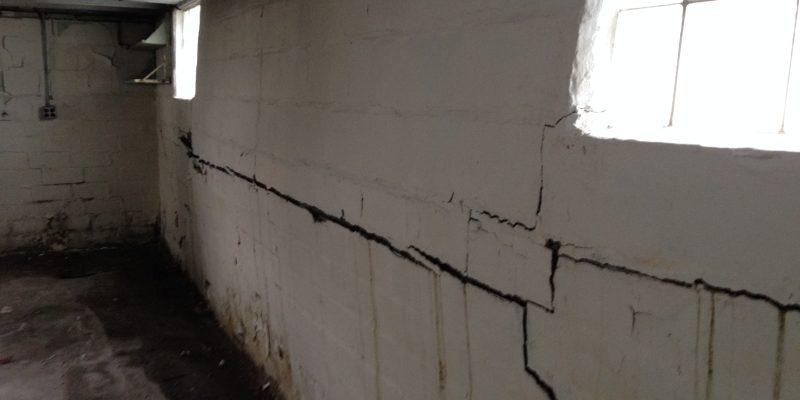
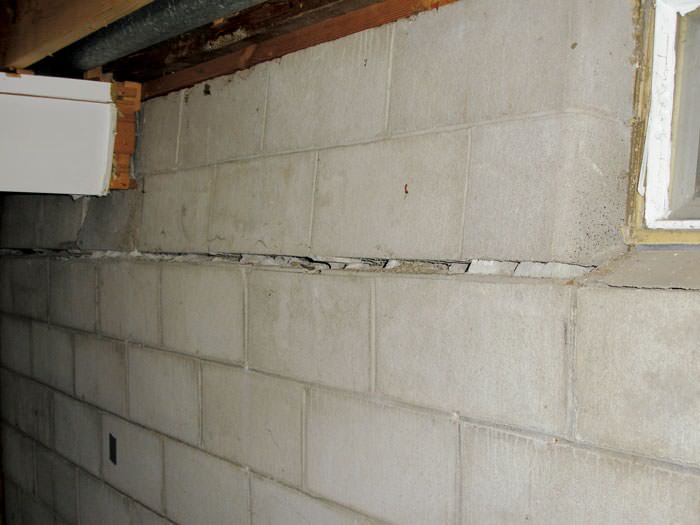
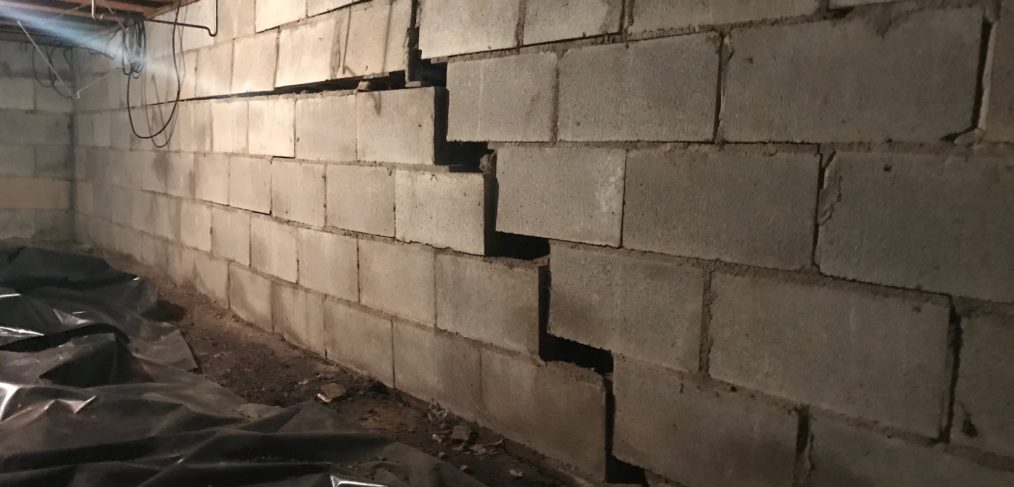
Bowing foundation walls occurfoundation-walls-stablwall-1 due to several factors, including hydrostatic pressure, soil expansion and contraction, poor drainage, and inadequate foundation design. As soil exerts pressure against the walls, they can begin to crack, bow, or even collapse. The structural integrity of the building is compromised, potentially leading to a host of problems such as water leakage, reduced property value, and safety hazards for occupants.

The Carbon Fiber Solution

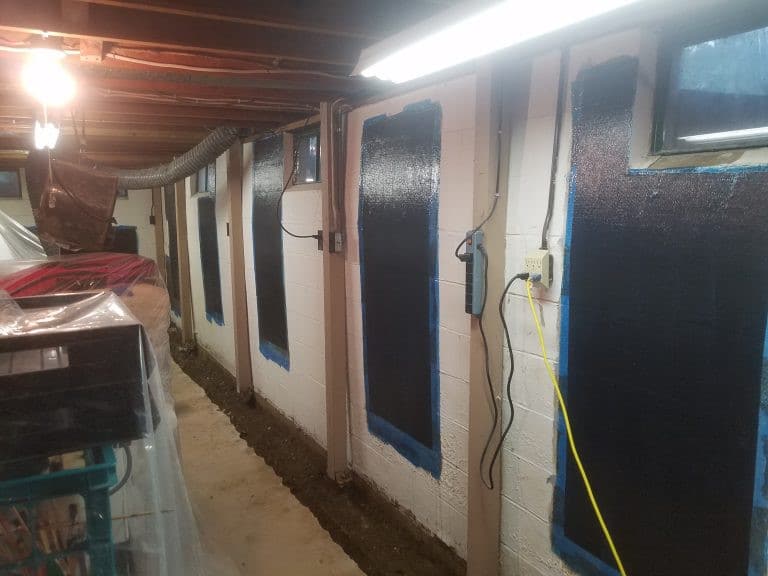
Carbon fiber is a lightweight and high-strength material that has found widespread use in various industries, from aerospace to automotive engineering. Its exceptional tensile strength and durability make it an ideal choice for reinforcing foundation walls. Carbon fiber reinforcement involves applying carbon fiber sheets or fabric to the surface of the bowing wall. These sheets are impregnated with epoxy resin, which, once cured, creates a rigid and unyielding composite structure.

Advantages of Carbon Fiber Reinforcement

Strength and Flexibility: Carbon fiber has a remarkable strength-to-weight ratio, providing exceptional reinforcement without adding significant load to the structure. Additionally, its inherent flexibility allows it to move with the foundation wall, accommodating minor shifts without compromising its integrity.

Quick Installation: Compared to traditional methods like steel beams, carbon fiber reinforcement offers a faster installation process. The lightweight nature of carbon fiber makes it easier to handle and apply, reducing labor and time required for the repair.

Non-Intrusive: Carbon fiber reinforcement is a non-intrusive method, meaning there’s minimal disruption to the occupants’ daily life during the repair process. This is in stark contrast to more invasive methods, such as underpinning, which can involve digging around the foundation.

Corrosion Resistance: Unlike steel reinforcements, carbon fiber does not rust or corrode, ensuring the long-term stability of the repair without the risk of degradation over time.

Cost-Effective: While the upfront cost of carbon fiber reinforcement might be higher than some traditional methods, the overall cost is often lower due to reduced labor, shorter construction time, and the avoidance of long-term maintenance and repair costs.

Installation Process

The installation of carbon fiber reinforcement typically involves the following steps:

Surface Preparation: The foundation wall is cleaned and prepped to create a proper bonding surface.

Application of Epoxy: An epoxy adhesive is applied to the wall surface to create a strong bond with the carbon fiber sheets.

Carbon Fiber Application: Carbon fiber sheets or fabric are placed onto the adhesive-coated wall, ensuring even coverage and alignment.foundation-walls-stablwall-2

Epoxy Saturation: Additional epoxy resin is applied to the carbon fiber sheets to saturate and seal them, creating a solid composite structure when cured.

Curing: The epoxy resin is left to cure, typically over a period of several hours. Once cured, it hardens, forming a rigid bond with the foundation wall.

Carbon fiber reinforcement has revolutionized the way we approach foundation wall repairs. Its remarkable strength, flexibility, and ease of installation make it an attractive option for addressing bowing foundation walls. By opting for carbon fiber reinforcement, property owners can ensure the structural stability of their buildings, extending their lifespan and providing peace of mind for years to come. As technology and construction techniques continue to evolve, carbon fiber’s role in maintaining the built environment’s integrity is sure to remain prominent.

Contact the Professionals at StablWall Today! (866) 782-5955
foundation-repair-stablwall-3

Carbon Fiber Reinforcement: Transforming Basement Foundation Repair

Carbon Fiber Reinforcement: Transforming Basement Foundation Repair

As the demand for stable and secure homes continues to rise, homeowners and construction professionals are turning to innovative solutions to address the persistent challenge of basement foundation instability. One such breakthrough technology is the use of carbon fiber for foundation repair, revolutionizing the way we approach strengthening and stabilizing basement structures. This article explores the remarkable properties of carbon fiber and its transformative impact on basement foundation repair.

The Power of Carbon Fiber

foundation-repair-stablwall-1

Carbon fiber, a lightweight and incredibly strong material composed of thin strands of carbon atoms, was initially developed for aerospace and military applications. Over the years, its exceptional qualities have found their way into various industries, including construction. The material’s high tensile strength, corrosion resistance, and durability make it an ideal candidate for addressing the structural integrity issues often faced by basement foundations.

Understanding Basement Foundation Challenges

Basement foundations are particularly susceptible to various external forces, such as soil movement, water pressure, and natural seismic activity. These factors can lead to cracks, bowing, and even collapse of the foundation walls, jeopardizing the overall stability of the entire structure. Traditional repair methods often involve costly and time-consuming excavation, installation of support beams, or pouring of concrete. Carbon fiber offers an innovative alternative that is both efficient and effective.

Carbon Fiber Reinforcement Techniques

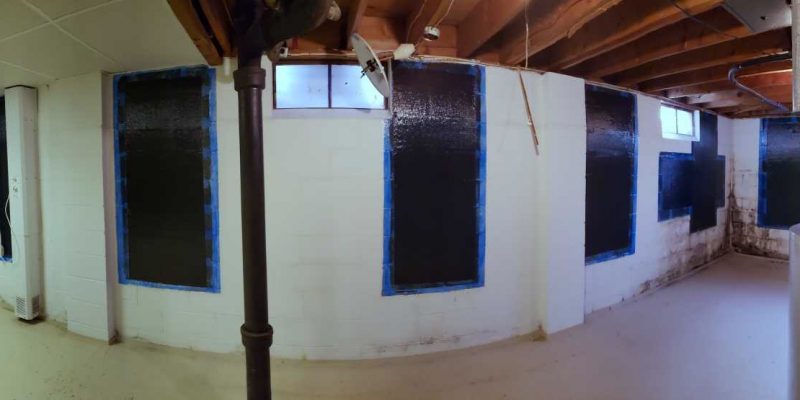
Carbon fiber reinforcement involves the application of carbon fiber strips or fabrics to the interior surface of the basement foundation walls. These strips are impregnated with a high-strength epoxy resin, which, once cured, forms a bond stronger than the concrete itself. The carbon fiber acts as a reinforcing element, redistributing the stress loads across the wall and preventing further movement or deterioration. This technique is minimally invasive, requiring no excavation and offering a quick and efficient solution to foundation repair.

Benefits of Carbon Fiber in Basement Foundation Repair

Strength and Flexibility: Carbon fiber’s exceptional tensile strength means it can bear significant loads while remaining flexible. This flexibility allows it to accommodate minor shifts in the foundation without compromising its integrity, making it particularly well-suited for areas prone to soil movement.

Minimal Disruption: Unlike traditional repair methods that involve extensive excavation and heavy machinery, carbon fiber reinforcement can be completed from the interior of the basement. This significantly reduces disruption to the homeowner’s daily life and landscape.

Cost-Effectiveness: The reduced labor and time required for carbon fiber reinforcement translate to cost savings for homeowners. Additionally, the prevention of further structural damage can save money on future repairs.

Aesthetics: Carbon fiber strips can be applied smoothly to the foundation walls and painted over, ensuring a clean and finished appearance that does not detract from the basement’s usable space.

Longevity: Carbon fiber is highly resistant to corrosion, ensuring that the repaired foundation remains stable and secure for many years to come.

Eco-Friendly: The use of carbon fiber in foundation repair produces minimal waste compared to traditional methods, making it an environmentally conscious choice.

The utilization of carbon fiber for basement foundation repair is a game-changer in the construction and renovation industry. Its remarkable properties, including high tensile strength, flexibility, and durability, make it an ideal solution for addressing the challenges of basement foundation instability. By offering minimal disruption, cost savings, and long-lasting results, carbon fiber reinforcement has quickly become a preferred choice for homeowners and professionals alike. As technology continues to advance, we can anticipate even more innovative applications of carbon fiber that will further transform the way we approach construction and structural repairs.

Contact the Professionals at StablWall Today! (866) 782-5955

basement-wall-cracks-stablwall-3

How to Prevent Basement Wall Cracks

How to Prevent Basement Wall Cracks

Basement wall cracks are a common problem that homeowners experience. There are many reasons why cracks in basement walls happen and it is important to understand the causes before you start looking for solutions.

The most common cause of basement wall cracks is moisture. Moisture can come from the ground, from flooding, or from condensation on cold surfaces. When moisture enters your home through these channels, it causes the concrete block to expand and contract with temperature changes, which then leads to cracking in the walls.basement-wall-cracks-stablwall-1

How Slope Affects Your Home’s Foundation Walls

Foundation walls are the most important part of any home. If they are not built correctly, it can lead to a number of problems including sloping foundations, uneven floors, and cracks in the exterior walls. The slope of your foundation will affect how you build your home, which is why you need to know how to ensure that you build on a well levelled surface.

Slope stability is the most important factor in foundation wall design, as it is the primary cause of settlement and damage to foundations. The slope stability of a foundation is affected by two factors: the angle of the foundation and the type of soil.

How to Prevent Basement Wall Cracks

Basement walls crack often, and this is because the foundation is not strong enough to support the weight of the house on top of it. This can be due to soil settlement, poor excavation, or incorrect foundation design.

When cracks in basement walls go untreated they can cause structural damage to your home and lead to costly repairs down the road. It’s important to address these cracks as soon as you see them in order to prevent further damage from occurring.basement-wall-cracks-stablwall-2

To prevent basement wall cracks here are three things you can do:

  1. Build on well leveled grounds
  2. Install a waterproofing membrane
  3. Add moisture barriers and drainage systems

Conclusion

A basement wall crack is a structural issue that needs to be dealt with immediately. If the crack is serious, it may require an engineer or a contractor to assess the building’s structural integrity.

The best fix for a basement wall crack depends on the severity and cause of the crack. For less severe cracks, homeowners should consider sealing them up with caulk or other sealants. For more severe cracks, homeowners should hire a professional basement repair service provider for advice on what repairs need to be made.

Contact the Professionals at StablWall Today! (866) 782-5955

foundation-cracks-stablwall-1

Repairing Cracked Foundations: Benefits of Hiring a Contractor

Repairing Cracked Foundations: Benefits of Hiring a Contractor

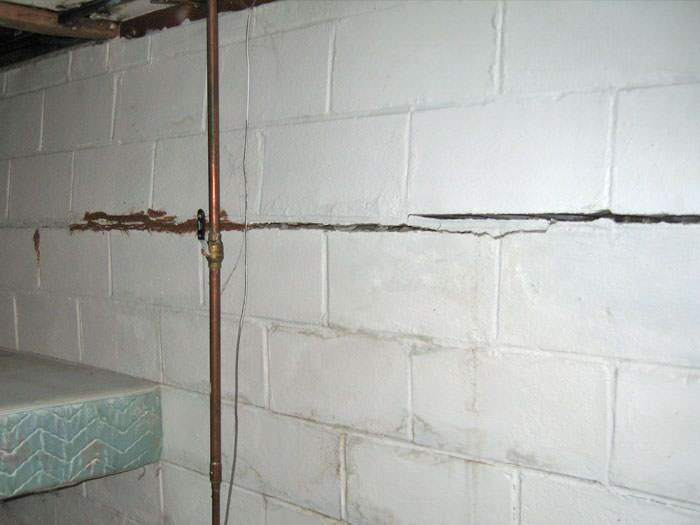
Foundation cracks are a common problem that can do considerable damage to the foundation of a building.

Foundation cracks are caused by many factors, but there are three main ones: poor foundation construction, standing water and inadequate drainage system. Foundations can also crack if the soil is not compact enough or if there is too much weight on them. This can happen when buildings are built on sloping ground or when they have been damaged by flooding.
When is it Time to Call a Professional?

When you have a cracked foundation, it is time to call a professional. It is best to have the crack looked at by a professional early on. Don’t wait until the crack becomes bigger. Also, make sure to reach out to reputable repair professionals. Cracked foundation repair professionals are better in repairing cracked foundations than someone without the experience.repairing-cracked-foundations-stablwall-1

5 Benefits of Hiring a Contractor for Cracked Foundation Repair

When faced with a foundation crack you have to choose between doing the repair yourself and hiring someone who has experience repairing cracked foundations. Hiring a contractor for cracked foundation repair can be a great decision.

Here are 5 benefits of hiring a contractor:

  1. Experience

A contractor has experience in the field and might have encountered many instances of the same problem that you are facing. They will be able to provide you with expert advice and solutions.

  1. Time-saving

Contractors know what to do and how to do it quickly. If you hire an expert, they will get the job done faster than if you do it yourself, which saves your time for other things.

  1. Cost-effectiveness

Contractors charge less than hiring professionals on your own because they already have all the equipment needed for the job, so there’s no need to buy any additional tools and materials.

  1. Safety

Contractors have specialized equipment and training to ensure the safety of themselves and their work area so you don’t need to worry about anything happening during the job.repairing-cracked-foundations-stablwall-2

  1. Quality workmanship

Contractors have years of experience in their field which enables them to offer you quality services.

Conclusion

Cracks in foundations are a common problem, and it can be difficult to find the best solution for your home.

The best solution for repairing cracked foundations is to hire an expert who will come into your home and assess the situation. They will then be able to provide you with a variety of solutions that they believe will work best for your situation.

Contact the Professionals at StablWall Today! (866) 782-5955

basement-wall-cracks-stablwall-3

3 Ways Trees and Plants Cause Basement Wall Cracks and What to Do About Them

3 Ways Trees and Plants Cause Basement Wall Cracks and What to Do About Them

Trees and plants are a great feature of any landscape. You can create your personal oasis with a garden of beautiful shrubs, trees, and flowers. However, it is important to consider your foundation when doing so. Trees, plants, and shrubs are known to cause basement wall cracks. The following are common ways they do this.

  1. Root systems pushing against walls

Trees and shrubs with aggressive root systems can cause basement wall cracks when they are planted too close to the foundation. The roots of these trees and shrubs spread out wide and can put pressure on basement walls as they seek room to continue spreading. This can result in the basement walls cracking or crumbling. It is for this reason that trees such as poplars, aspens, willows and silver maples should never be planted near foundations.basement-wall-cracks-stablwall-1

  1. Drying the soil

Trees, shrubs and plants that grow near foundations can also cause basement wall cracks by causing the soil near the foundation to dry up. Greenery with thirsty roots will take up all the moisture from the soil, especially during dry seasons. This will result in the soil drying up and shrinking. The basement walls crack as a result of not having adequate support.

  1. Frequent need for water

Plants can cause damage to the foundation due to their frequent need for watering. If you have to water your plants regularly, the soil around your foundation will expand due to high moisture levels. This will put pressure on the foundation walls and cause cracking.basement-wall-cracks-stablwall-2

How to avoid foundation damage

There are several things you can do to prevent basement wall cracks caused by trees, shrubs and plants.

  1. Choose plants that do not have aggressive root systems. This is especially great if you have a small yard and can’t avoid having plants near the foundation.
  2. Plant trees at least 25 feet away from the foundation. You can go even further away if you’re planting a tree that has roots that spread out wide. Planting far away from your home will keep your foundation safe from the intrusion of root systems.
  3. Plant shrubs at least 5 feet away from the foundation. Like trees, their roots can cause damage to the foundation. Planting them far away from your foundation will keep the foundation safe from the risk of damage.
  4. Choose plants that don’t require a great deal of water. These plants won’t drain the soil of water. They also won’t require frequent watering which can damage your foundation.

Contact the Professionals at StablWall Today! (866) 782-5955

basement-wall-cracks-stablwall-3

5 Reasons To Use Carbon Fiber When Fixing Basement Wall Cracks

5 Reasons To Use Carbon Fiber When Fixing Basement Wall Cracks

Basement walls are unique in that they are often exposed to moisture from the soil with which they are in contact. The high level of moisture results from factors such as flooding of the basement, surface runoff that is not properly drained, leaks in the plumbing, and poorly positioned gutters and downspouts among others.

Waterlogged soil can cause damage to the basement walls due to its increased hydrostatic pressure. Basement wall cracks often occur as a result of high hydrostatic pressure, though they can also be caused by frost and pressure from large roots. Most basement wall cracks occur when the basement walls bow as a result of different kinds of pressure that is exerted on the walls.basement-wall-cracks-stablwall-1

While there are many ways to repair basement wall cracks, carbon fiber has emerged as one of the best solutions. Here are the key reasons why carbon fiber is the best solution when it comes to fixing basement wall cracks.

  1. Carbon Fiber Has High-Stress Resistance and Is Very Stiff

Carbon fiber is very stiff and has tensile strength – 5 times stronger than steel. This feature makes the material able to withstand a notable amount of tensile tension without stretching or getting torn. Thus, using carbon fiber, a professional contractor can help you fix basement walls that have wide cracks or which are pulling apart.

  1. Excellent Resistance to Temperature Changes

Resistance to changes in temperature is a good property when you consider cracks that are caused by contraction and expansion. Carbon fiber is highly resistant to changes in temperature and is, therefore, a good material for fixing cracks that occur in areas with notable temperature fluctuations.

  1. Lightweight

Carbon fiber is very light in weight and thus, you can use it to repair basement wall cracks without having to worry about added weight. Also, being lightweight makes carbon fiber easy to install when repairing different types of cracks.basement-wall-cracks-stablwall-2

  1. Versatility

Carbon fiber is very versatile in that you can use it to fix different types of basement wall problems including frost line cracks, horizontal and diagonal cracks, wall bowing, stair step cracks, vertical cracks, and shifting walls.

  1. High Quality Finishes

Carbon fiber is also unique in that it is made of very narrow and lightweight sheets. The sheets are therefore very small and almost invisible once they have been installed. Therefore, when you use carbon fiber to repair a crack, the result is without doubt a high quality finish.

Contact the Professionals at StablWall Today! (866) 782-5955

foundation-repair-StablWall-3

Your Sagging or Wavy Roof Could a Sign You Need Foundation Repair

Your Sagging or Wavy Roof Could Be a Sign You Need Foundation Repair

Have you noticed sagging in your roof? Do your roof ridges have a wavy appearance? Many homeowners make the mistake of thinking roof problems are isolated. However, your home’s structure is interconnected. In many instances, a saggy or wavy roof is the result of foundation problems. It may be a sign that you need to invest in foundation repair.foundation-repair-StablWall-1

The following are some things you should check to determine whether your roof’s problems are related to issues in your foundation.

  1. Unevenness in the foundation

Foundations should be level. If your foundation is uneven or inclined, it may be a sign of foundation movement. This movement is often the result of shifting in the soils around the foundation. The expansion and shrinking of soils due to the rise and fall of the water table or changes in weather can cause the foundation to move and become uneven.

You can check for unevenness by simply placing a small ball on the floor on one side of the floor. If the ball begins to roll faster in any particular direction, the floor is uneven.

  1. Foundation cracks

Have you noticed cracks in the foundation? Foundation cracks are often the first sign that you need foundation repair. Cracks in foundations are a sign of foundation damage. It is important to have your foundation inspected as soon as you notice cracks. The position and appearance of the cracks will tell the contractor what the underlying cause of the cracks is. They will be able to provide you with a solution that will prevent further damage to your foundation. Investing in the repair of your foundation will help to secure your roof.foundation-repair-StablWall-2

  1. Poor roof drainage

Poor drainage of your roof could be the cause of your saggy or wavy roof. However, the damage isn’t being caused directly to your roof. Roof drainage is actually designed to protect your foundation from water damage. If water pools near your foundation it will be absorbed by the soil causing it to expand and exert pressure on the foundation walls. The pressure causes the foundation walls to shift. This in turn causes the roof to shift resulting in damage to your roof.

We recommend fixing your foundation to ensure that you can enjoy the long-term benefits of repairing your roof. Contact a foundation repair contractor to get started on your foundation.

Contact the Professionals at StablWall Today! (866) 782-5955

repairing-cracked-foundations-StablWall-3

What To Do After Foundation Repair Is Completed

What To Do After Foundation Repair Is Completed

Repairing cracked foundations is important to prevent further damage to foundations. Foundations crack for a wide variety of reasons. However, the most common reason is the expansion of soils around the foundations. The soils expand as a result of absorbing water. The expansion causes an increase in pressure against the foundation wall which in turn results in cracking. Foundations may also crack as a result of soil shrinkage. When the soil loses water during a drought, it shrinks and moves away from the foundation. This leaves the foundation without the support and causes it to crack.  repairing-cracked-foundations-StablWall-1

When you notice cracks in your foundation, it is important to have your foundation inspected and repaired as soon as possible. Repairing cracked foundations in the early stages of damage can mean avoiding expensive repairs and saving your home from extensive damage.

However, the work doesn’t end when the contractor has completed repairs on your foundation. You will have to invest time, effort, and money in maintaining your foundation thereafter. The following are some tips to consider for the maintenance of your foundation.

  1. Inspect your foundation regularly

Regular inspection of your foundation will help you identify problems in their early stage of development. Check the foundation walls for cracks. Examine the cracks that were repaired for changes. Look for new cracks in the walls, floors, or ceilings. Check for signs of water damage such as a musty smell or stains.

  1. Clean and repair gutters and downspouts

Gutters and downspouts offer an important aspect of protection for your foundation. They guide water away from the foundation and help prevent runoff from pooling around the foundation and seeping into the soil. Ensuring that your gutters and downspouts are working at optimum is important for the health of your foundation. Be sure to inspect and clean them at least twice a year.repairing-cracked-foundations-StablWall-2

  1. Installing a root barrier

Tree roots are another common cause of foundation cracks. If you have especially large trees or trees growing near the foundation of your home, it is important to protect your foundation from future damage. Cutting the roots will only provide temporary relief to your foundation. Install a root barrier between the foundation and the tree. These barriers are often made of metal or plastic. They prevent roots from reaching the foundation of your home.

Have you recently invested in foundation repair? Take the steps above to ensure that you can enjoy the benefits of the repair for longer.

Contact the Professionals at StablWall Today! (866) 782-5955

bowed-basement-walls-stablwall-3

How Much Does it Cost to Repair Bowed Basement Walls

How Much Does it Cost to Repair Bowed Basement Walls?

Are the walls in your basement bowing? You may be wondering how much it costs to repair bowed basement walls. We discuss the costs of foundation repair below to give you a guide on what you can expect.bowed-basement-walls-stablwall-1

The national average cost of repairing a foundation is $4,542. Repairing your bowed basement walls can cost anything from just over $1000 to slightly over $10,000. The cost will be influenced by various factors including:

  1. Your location

Your geographical location will influence the cost of various factors such as labor, obtaining permits, and materials. Permits for repair on your foundation can cost anything between $75 and $150. The cost of labor will not only be influenced by the average cost of labor in your area but also the specific contractor offering your services. You should inquire about the cost of labor from the specific contractors you’re considering.

  1. The cause of the bowing

The underlying cause of the bowing will determine what solutions will be applied. For example, if your foundation is bowing because of leaking gutters, you may only have to get the gutters repaired or replaced and have the bowed walls repaired or reinforced. If the bowing is a result of poor grading, you will have to have your landscape’s grade corrected and your foundation walls repaired. The latter is more involving and will cost a lot more than the former situation.

  1. The type of foundation

Not every type of repair solution can be applied to every type of foundation. Your foundation type will therefore also influence the type of solution used to repair the bowed basement walls. Many foundation repair contractors will inspect your foundation and provide you with a comprehensive quotation outlining their preferred solution and the costs of repair.bowed-basement-walls-stablwall-2

  1. The severity of the bowing

Repairing a wall that has moved only 1 or 2 inches is less involving than repairing a foundation that has moved several inches. Foundations that are severely bowed will require intensive repair. You may even have to replace the foundation in order to ensure the security of your property.

How to determine how much-bowed basement wall repair will cost

If you want to ensure that you’re getting the best deal for foundation repair, you should have your foundation inspected by at least three contractors and compare the quotations they give you. Many foundation repair contractors offer free inspection and quotations.

Contact the Professionals at StablWall Today! (866) 782-5955