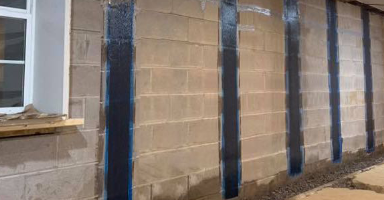
carbon-fiber-foundation-repair-stablWall-3

The Process of Carbon Fiber Foundation Repair: Step-by-Step Guide

Carbon fiber reinforcement offers an efficient and effective solution for repairing foundations in residential homes. In this article, we’ll provide a step-by-step guide to the process of carbon fiber foundation repair, from assessment to completion.

Initial Assessment:

    • Explain the importance of conducting a thoroughCarbon Fiber Foundation Repair assessment of the foundation to identify the extent and nature of the damage.
    • Discuss the role of professional engineers or contractors in assessing the structural integrity of the foundation and recommending appropriate repair solutions.

Preparation and Surface Preparation:

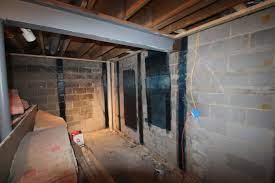
    • Outline the steps involved in preparing the foundation for carbon fiber reinforcement, including cleaning the surface, removing debris, and repairing any existing cracks or damage.
    • Emphasize the importance of proper surface preparation to ensure optimal adhesion and performance of the carbon fiber material.

Application of Carbon Fiber Strips or Sheets:

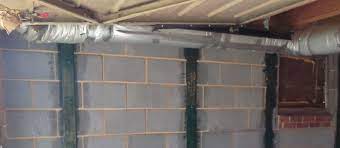
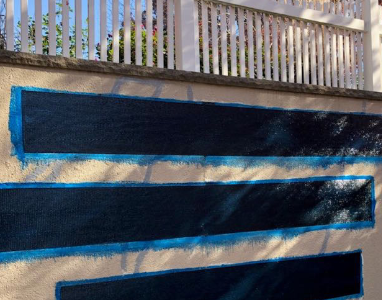
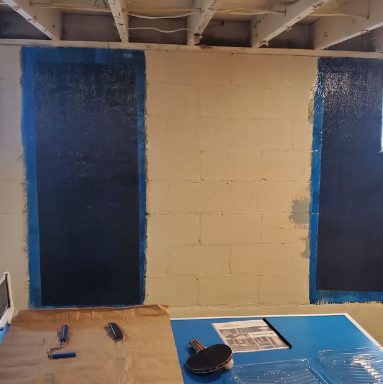
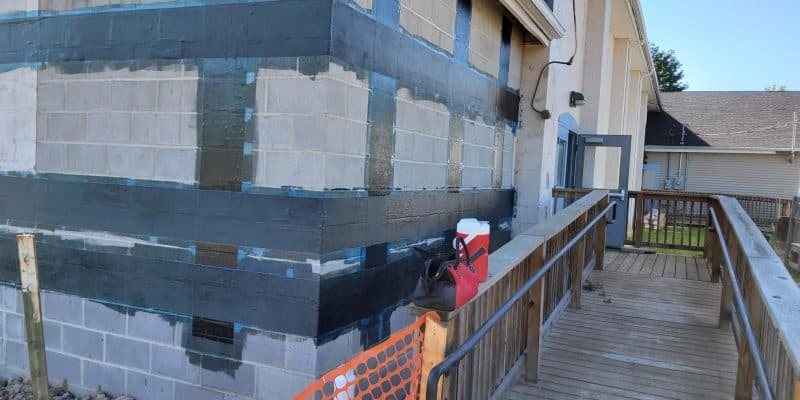
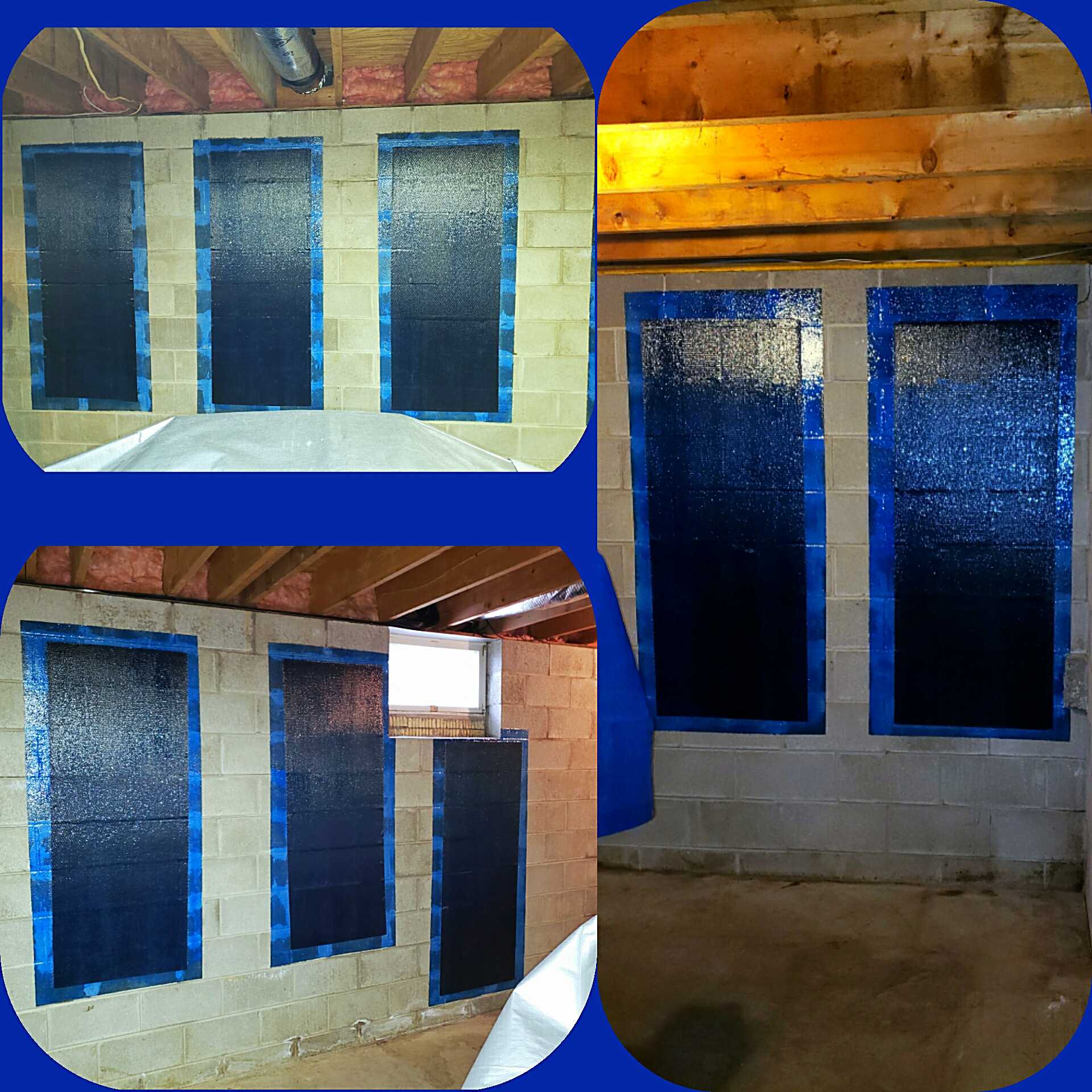
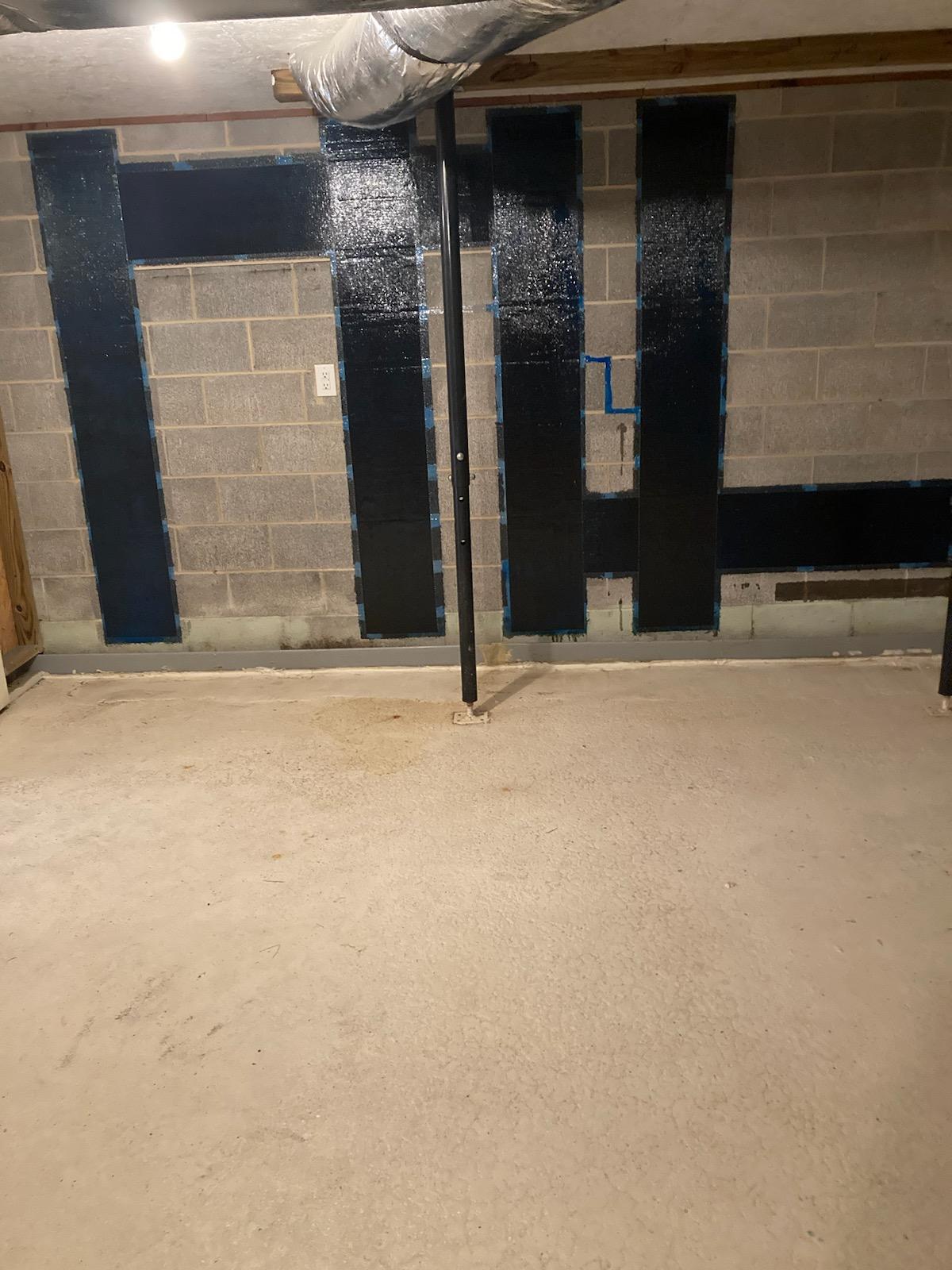
    • Describe the process of applying carbon fiber strips or sheets to the prepared surface of the foundation.
    • Discuss the techniques used to ensure proper alignment, adhesion, and coverage of the carbon fiber material.

Curing and Finishing:

Quality Assurance and Inspection:

Carbon Fiber Foundation Repair

By following this step-by-step guide to carbon fiber foundation repair, homeowners can effectively address foundation issues and restore the structural stability of their homes in a timely and efficient manner.

Contact the Professionals at StablWall Today! (866) 782-5955

carbon-fiber-reinforcement-stablWall-3

Understanding Carbon Fiber Reinforcement for Foundation Repair

Carbon fiber reinforcement has rapidly gained traction as a premier method for fortifying residential home foundations, owing to its exceptional strength, durability, and adaptability. In this comprehensive guide, we will explore the fundamental aspects of carbon fiber reinforcement and its pivotal role in foundation repair.

Introduction to Carbon Fiber Reinforcement:

Carbon fiber boasts remarkable properties, including its exceptional tensile strength, lightweight composition, and corrosion resistance. We will underscore the advantages of carbon fiber reinforcement over conventional materials like steel.

Common Foundation Issues:

Identifying and addressing common foundation concerns in residential settings, such as fissures, wall bowing, and settling, are crucial steps in ensuring the longevity of a home’s structural integrity.

How Carbon Fiber Reinforcement Works:

An in-depth elucidation of the carbon fiber reinforcement process, involving the application of carbon fiber fabric strips or sheets to afflicted foundation areas, will be offered. Insight into how the carbon fiber material seamlessly bonds with the substrate, furnishing additional support to fortify the foundation, will be provided.

Benefits of Carbon Fiber Reinforcement:

We will examine the myriad benefits of carbon fiber reinforcement for foundation repair, including its minimally invasive installation, swift turnaround time, and enduring resilience. Highlighting how carbon fiber reinforcement effectively stabilizes foundation walls, curtails further cracking or bowing, and reinstates the structural integrity of homes will be paramount.

Considerations and Limitations:

carbon-fiber-reinforcement-stablWall-1

Addressing potential considerations and limitations of carbon fiber reinforcement, such as the necessity for professional installation and its suitability for specific foundation issues, will be crucial. Guidance on scenarios where carbon fiber reinforcement may not be the optimal solution, along with alternative methods to contemplate, will be provided.

By assimilating the fundamentals of carbon fiber reinforcement and its application in foundation repair, homeowners can make well-informed decisions to rectify foundation issues and safeguard the structural soundness of their residences.

The Process of Carbon Fiber Foundation Repair: Step-by-Step Guide

Carbon fiber reinforcement presents a streamlined and efficacious solution for rectifying residential foundation issues. In this guide, we present a meticulous step-by-step overview of the carbon fiber foundation repair process, spanning from assessment to completion.

Initial Assessment:

Underlining the significance of conducting a comprehensive evaluation of the foundation to ascertain the extent and nature of damage will be essential. Discussing the pivotal role of professional engineers or contractors in evaluating the structural integrity of the foundation and recommending suitable repair strategies will be paramount.

Preparation and Surface Readiness:

Detailing the preparatory steps involved in readying the foundation for carbon fiber reinforcement, encompassing surface cleansing, debris removal, and rectification of existing cracks or damages, will be emphasized. Highlighting the criticality of meticulous surface preparation to ensure optimal adhesion and performance of the carbon fiber material will be pivotal.

Application of Carbon Fiber Strips or Sheets:

Delving into the application process of carbon fiber strips or sheets onto the prepared foundation surface will be elucidated. Discussing the techniques employed to ensure precise alignment, adhesion, and coverage of the carbon fiber material will be pivotal.

Curing and Finishing:

Explaining the curing process of the carbon fiber material, typically involving the application of epoxy resin or other bonding agents, will be essential. Emphasizing the significance of allowing ample time for the carbon fiber material to cure and bond with the substrate before finalizing the repair will be crucial.

Quality Assurance and Inspection:

Underscoring the importance of stringent quality assurance and inspection throughout the repair process to ascertain compliancecarbon-fiber-reinforcement-stablWall-2 with industry standards and specifications will be pivotal. Discussing the role of professional engineers or inspectors in verifying the integrity and efficacy of the repair will be paramount.

By adhering to this step-by-step guide to carbon fiber foundation repair, homeowners can effectively address foundation issues and reinstate the structural stability of their residences in a timely and efficient manner.

Contact the Professionals at StablWall Today! (866) 782-5955
The Role of Carbon Fiber Repair in Preserving Your Home’s Foundation Health

The foundation of your home is a critical element that provides stability and support to the entire structure. As a homeowner, it’s essential to be proactive in preserving the health of your foundation. Carbon fiber repair has emerged as a powerful solution for addressing foundation issues and ensuring its long-term health and stability. In this article, we will delve deeper into the role of carbon fiber repair in preserving the health of your home’s foundation.

Addressing Common Foundation Problems

Before we discuss the benefits of carbon fiber repair, it’s crucial to understand the common foundation problems that can threaten the integrity of your home’s structure:

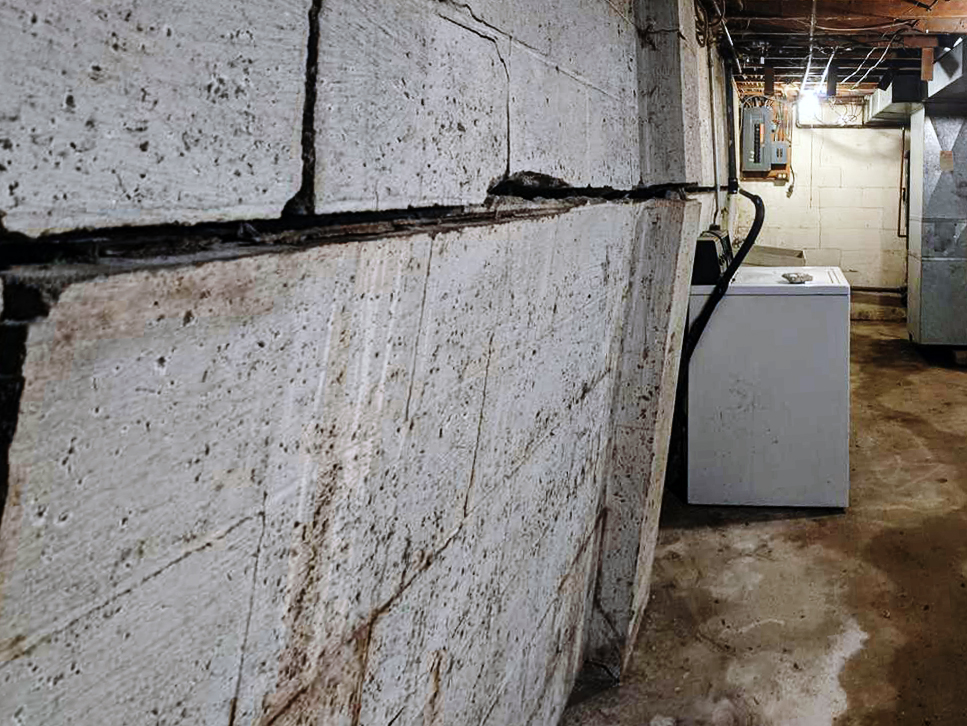
Foundation Cracks: Cracks in the foundation walls can occur due to settlement, soil movement, or other factors. These cracks may compromise the structural integrity of your home.Carbon Fiber Repair

Bowed or Leaning Walls: Foundation walls that bow or lean inward can result from soil pressure, water infiltration, or inadequate construction. These issues can lead to further damage if left unaddressed.

Settling Foundations: Settlement occurs when the foundation sinks or shifts due to soil conditions. It can lead to uneven floors, wall cracks, and structural instability.

Water Intrusion: Water infiltration through foundation walls or floor slabs can cause damage and create a damp or flooded basement environment.

The Role of Carbon Fiber Repair

Carbon fiber repair is a versatile and highly effective method for addressing a range of foundation issues. Its role in preserving your home’s foundation health is multifaceted and includes the following key aspects:

Structural Reinforcement

Carbon fiber repair provides robust structural reinforcement to foundation walls. Carbon fiber sheets or strips are applied to the affected areas, creating a strong, tension-resistant system. This reinforcement prevents further movement and deterioration of the foundation, ensuring its long-term stability.

Preventing Wall Movement

In cases of bowed or leaning walls, carbon fiber repair plays a pivotal role in preventing further movement. The carbon fiber materials are applied vertically along the wall’s surface, counteracting the inward pressure and ensuring that the wall remains in its corrected position.

Minimizing Future Settling

For settling foundations, carbon fiber repair can help lift and stabilize the foundation. By distributing the load and providing additional support, carbon fiber materials can mitigate future settling issues, ensuring a level and stable foundation.

Water Intrusion Prevention

While carbon fiber repair primarily addresses structural concerns, it can also play a role in preventing water intrusion. When used in conjunction with other waterproofing methods, such as sealants or drainage systems, carbon fiber can help maintain a dry and healthy basement environment.

Discreet Aesthetics

Carbon fiber repair is known for its discreet and low-profile appearance. The materials can be painted over or covered with finishing materials, making them virtually invisible once the repair is complete. This ensures that your foundation repairs do not detract from the overall aesthetics of your home.

Cost-Effective Solution

carbon-fiber-repair-stablwall-2

Carbon fiber repair is often a cost-effective solution for foundation problems. It eliminates the need for extensive excavation and reconstruction, reducing labor and material costs. Its long-lasting durability also means that you won’t incur recurring expenses for maintenance or repairs.

Using carbon repair solutions, homeowners can effectively extend the lifespan of their foundation, ensuring long-term stability and safety. Additionally, the lightweight and non-invasive nature of carbon fiber repairs minimizes disruption to the home during the repair process, making it a practical and efficient option for maintaining the structural integrity of your property.

Contact the Professionals at StablWall Today! (866) 782-5955

How Carbon Fiber Repair Enhances the Health of Your Home’s Foundation

The foundation of your home is a critical structural component that supports the entire building. Over time, it may develop issues such as cracks, settling, or bowing walls, which can compromise the stability and safety of your home. Carbon fiber repair has emerged as a highly effective method for addressing foundation problems and improving the health of your home’s foundation. In this article, we will explore how carbon fiber repair can enhance the health of your home’s foundation and ensure its long-term stability.

Understanding Carbon Fiber Repair

Carbon fiber repair is an innovative and proven technology that utilizes high-strength carbon fiber sheets or strips to reinforce and stabilize foundation walls and structures. These carbon fiber materials are incredibly strong and lightweight, making them an ideal choice for foundation repairs. Carbon fiber repair is commonly used to address various foundation issues, including:

carbon-fiber-repair-stablwall-1

Wall Cracks: Carbon fiber straps are applied to cracked walls to prevent further movement and stabilize the foundation.

Bowing Walls: Carbon fiber strips are installed vertically to counteract the inward pressure of bowing or leaning walls.

Settling Foundations: Carbon fiber repair can help lift and stabilize foundations that have settled due to soil conditions.

Water Intrusion: Carbon fiber can also be used in conjunction with other waterproofing methods to prevent water from entering the basement.

Now, let’s explore how carbon fiber repair can contribute to the overall health of your home’s foundation.

Strength and Durability

Carbon fiber repair provides an exceptionally strong and durable solution for foundation problems. The carbon fiber sheets are incredibly resilient, and capable of withstanding heavy loads and resisting tension forces. Once applied, they create a robust reinforcement system that prevents further damage and maintains the structural integrity of the foundation. Unlike traditional methods that may require ongoing maintenance and repairs, carbon fiber repair offers long-lasting stability.

Non-Intrusive and Minimal Disruption

One of the significant advantages of carbon fiber repair is its non-intrusive nature. Unlike traditional foundation repair methods that often involve extensive excavation and disruption to the property, carbon fiber repair is minimally invasive. Installation typically requires only a clean and dry surface for adhesive bonding, which means no disruption to your landscaping or daily activities. This makes it a convenient and cost-effective choice for homeowners.

Speed and Efficiency

Carbon fiber repair is known for its speed and efficiency. The installation process is relatively quick, allowing homeowners to address foundation issues promptly. There is no need for extended construction timelines or waiting for materials to cure. As a result, you can restore the health of your home’s foundation without unnecessary delays.

Aesthetically Appealing

Carbon fiber repair is a visually appealing solution for foundation problems. The carbon fiber straps or strips are low-profile and can be painted over or covered with wall finishing materials, such as drywall or paneling. This ensures that your foundation repairs remain discreet and do not detract from the overall aesthetics of your home.

Cost-Effective

Compared to some traditional foundation repair methods, carbon fiber repair is often more cost-effective. It eliminates the need for extensive excavation and reconstruction, reducing labor and material costs. Additionally, the long-lasting durability of carbon fiber means that you won’t incur recurring expenses for ongoing maintenance or repairs.

Minimal Maintenance

carbon-fiber-repair-stablwall-2

Once carbon fiber repair is installed, it requires minimal maintenance. The carbon fiber materials do not corrode or deteriorate over time. Routine inspections to ensure the straps or strips remain in place and in good condition are typically all that’s needed. This low-maintenance aspect contributes to the overall health of your foundation by reducing the risk of future issues.

Carbon fiber repair is a modern and effective method for improving the health of your home’s foundation. Its strength, durability, non-intrusive nature, speed, and cost-effectiveness make it a preferred choice for addressing foundation problems. By choosing carbon fiber repair, homeowners can ensure the long-term stability and structural integrity of their foundations, providing peace of mind and protecting their most significant investment—their home.

Contact the Professionals at StablWall Today! (866) 782-5955

Wall Cracks: Recognizing, Resolving, and Knowing When to Act

Wall cracks can be benign or a red flag for your property’s health. In this comprehensive guide, we’ll assist you in identifying what your wall cracks mean and the appropriate next steps to ensure the safety and integrity of your home.

Key Takeaways

Wall Cracks

  • Understanding the type and cause of wall cracks is essential for appropriate repair and prevention, distinguishing between cosmetic and serious structural issues.
  • Professional evaluation by a structural engineer is recommended for significant or expanding wall cracks to assess and address potential structural damage.
  • Preventative maintenance, regular inspections, adapting to environmental factors, and understanding insurance coverages are crucial for minimizing and managing wall cracks.

Understanding Wall Cracks: Types and Causes

Cracks in walls can be a confusing sight for homeowners, as they may wonder if the cracks are harmless or indicative of structural problems. The key to proper repair and prevention lies in understanding what type of crack it is and its cause. Whether hairline or larger, vertical or diagonal, each crack tells a unique story about the state of your house’s structure and the external factors affecting it.

Not all wall cracks should raise equal levels of concern. Some are merely superficial due to natural settling or minor movements within the building’s foundation. Others may point towards more serious issues like foundation damage or instability in the overall structure. In such cases, Investigation is necessary, and professional assistance might be needed for effective resolution.

Identifying Hairline Cracks

Hairline cracks, named for their thin and often less than one-millimeter width, are commonly seen in freshly plastered walls during the drying process or as a result of gradual house settling. Despite their initial appearance being concerning, hairline cracks do not typically indicate any structural damage.

It is important to monitor these cracks over time. While they may seem harmless at first glance, an abrupt increase in size or length could potentially point toward a more serious problem. It is recommended to have vertical cracks that exceed one millimeter inspected by a professional.

Diagnosing Larger Cracks

Larger cracks, caused by significant structural movements, should be given immediate attention, unlike their smaller counterparts. These cracks may indicate problems such as foundation shifts, water damage or even underground leaks and require prompt action to prevent harm.

It is crucial to address these issues promptly once they are noticed to avoid exacerbating the situation. If there is a noticeable increase in the size of the crack(s), it is important to contact a qualified structural engineer who can assess the severity of the damage and provide expert guidance on how best to deal with it.

Deciphering Directional Cracks

Cracks can give clues about their origin. For example, vertical cracks on walls may be caused by inadequate drywall taping or natural settling. On the other hand, horizontal cracks could signal more serious problems like foundation bowing, water leaks, and uneven settlement.

When it comes to diagonal cracks, they may indicate issues with a building’s structure such as foundation movement or damage in the roof or upper levels. These types of cracks require a professional assessment to determine the root cause and necessary solutions.

When to Call a Structural Engineer

While small cracks can often be fixed with simple do-it-yourself solutions, there are certain situations where professional help is necessary. It’s important to know when these circumstances arise to maintain the safety and longevity of your home. When large cracks appear suddenly or run vertically or horizontally along a wall, it may be time to bring in a structural engineer.

A structural engineer has the expertise to evaluate the overall condition of your house and determine if any underlying structural issues are causing these significant wall cracks. Ignoring them can result in serious consequences such as extensive property damage, compromised foundations, and even the collapse of the building structure itself.

Signs of Settling Cracks

Cracks that occur as a result of house settling are common in both new and old homes. These vertical cracks, typically measuring 1/16 inch wide and between 2-6 inches long, can be found on walls or foundations. It is important to monitor these settling cracks regularly to ensure they do not worsen or indicate larger issues with the structure.

Although usually harmless, it’s crucial to keep an eye on these types of cracks for any changes over time. If they continue expanding or surpassing the width of 1/4 inch, seeking guidance from an engineer may be necessary.

Recognizing Structural Damage

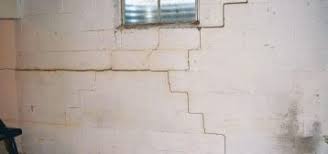
Wall cracks can sometimes signal more severe structural problems. Cracks that are diagonal or resemble stairs, as well as those around door frames and windows, could indicate significant structural concerns.

Large ceiling-to-wall cracks with accompanying sagging may also suggest serious underlying damage to the structure. Early identification of these warning signs is crucial to intervene promptly and address any potential issues before they worsen.

Assessing Exterior Walls Cracks

It is important not to ignore cracks on the exterior walls of your home. These cracks can be an indication of potential problems with the foundation or water damage and should be taken seriously. If these cracks are significant in size or seem to be getting wider, it is recommended that a professional evaluate them.

If there are any signs of water damage resulting from external wall cracking, such as visible bending or discoloration along with mold spots and musty smells, immediate action needs to take place for assessment and resolution.

Prompt attention should also be given if you observe indications like warping externally around the walls because this may point towards possible underlying structural issues related to moisture penetration within your dwelling’s foundations.

Practical Steps for Repairing Cracks

If you have noticed small cracks in your wall and determined that they do not pose a serious structural problem, there are steps you can take to fix them yourself. Whether the cracks are minor hairline ones or larger, more noticeable ones, there are practical solutions for repairing these imperfections and preventing damage.

It is important to note that while many minor cracks can be easily managed with DIY methods, significant or severe cracking may require professional assistance. If unsure about the severity of the crack, seeking expert advice is recommended to ensure the safety and longevity of your home.

Fixing Minor Cracks with DIY Solutions

Minor cracks, including fine ones known as hairline cracks, can be easily remedied with simple materials and a bit of effort. One effective solution is to use a joint compound and a putty knife to fill in the crack. Multiple coats may be necessary for complete repair. Ensure each coat dries thoroughly before applying another.

Before applying spackling paste or joint compound, make sure the area where the crack is located is clean and free from any loose debris. For optimal results, lightly sand down the surface so that it becomes smooth enough for proper adhesion of the compound.

Dealing with Drywall Panels

Fixing cracks in drywall is a common problem for homeowners. This can easily be remedied by properly re-taping the joints and using drywall mud to create a smooth surface. The key to success with this repair process is careful attention to detail and having the right tools on hand.

To begin repairing your wall, start by removing any loose or chipping paint from the affected area using a putty knife. Next, lightly sand over it before applying the drywall compound. Once it has dried completely, lightly sand it again for an even finish before painting over it for seamless results.

Handling Ceiling Cracks

It is important to not overlook ceiling cracks as they can be a sign of more serious issues, such as structural movement or dampness. These types of cracks may need reinforcement or patching.

If you notice a crack in your ceiling, it should receive prompt attention. Extensive fissures that stretch from the ceiling onto the wall, especially if accompanied by sagging, are clear indications of potential structural damage and must be addressed immediately.

Protecting Your Home: Insurance and Prevention

To immediate repair, safeguarding your home against potential damage from wall cracks requires knowledge of your home insurance coverage and proactive measures. Conducting regular inspections and ensuring proper drainage can help prevent the formation or aggravation of cracks in the future.

It’s important to note that not all types of wall cracks are covered by home insurance policies. Familiarizing yourself with the details of your policy can save you from unexpected expenses for repairing these structural damages.

Coverage Clarity: Home Insurance and Wall Cracks

It’s important to be aware of your home insurance coverage for wall cracks. While some types may be covered, it is crucial to understand the limitations and exclusions in your policy. Typically, home insurance will protect against damages to the structure of a house, including its walls and foundation. This can vary depending on the cause of the damage.

Cracks resulting from issues such as subsidence or water damage are usually included in coverage but those caused by regular wear and tear are typically not covered. If you have any doubts about what is included in your policy, it is recommended to seek advice from either an insurance agent or company regarding potential repairs needed for cracked walls due to different causes like water damage.

Preventative Practices to Avoid Cracks

To maintain the soundness of your home, it is important to follow the saying that prevention is better than cure. By regularly performing maintenance tasks, you can minimize and prevent cracks from appearing on your walls. These tasks include checking for any issues with the foundation, monitoring how weather conditions affect your walls, filling in small cracks promptly when they do occur, and ensuring proper ventilation.

Keep an eye out for environmental factors like tree roots and soil conditions as these may also contribute to wall cracks forming. It’s crucial to address these concerns immediately to prevent Damage over time.

The Impact of Environmental Factors on Wall Cracks

While some wall fissures may be due to structural problems or natural deterioration, environmental elements can also contribute significantly. These factors include the pressure exerted by tree roots on foundation walls, changes in soil conditions, and even seismic events or extreme weather fluctuations.

Having a thorough understanding of these factors can help identify the root causes behind wall cracks in your home and provide you with knowledge for implementing suitable prevention methods or effectively addressing existing cracks.

Nature’s Influence: Tree Roots and Soil Conditions

The presence of tree roots and soil conditions can greatly impact the occurrence of wall cracks. The pressure from tree roots against foundation walls can result in cracking and displacement of concrete, ultimately compromising the strength and stability of these structures.

Different types of soil can play a significant role in causing cracks to form on walls. For example, clay-rich soil can absorb water during rainy periods, which causes it to expand. Conversely, during dry summer months, this type of soil contracts as it dries out, leading to fluctuations in ground levels that contribute towards swelling or sinking beneath foundations, resulting in potential damage such as cracked walls.

Addressing Leaks and Infestations

Wall cracks can be caused by various factors, including water damage and pest infestations. When walls are affected by leaks or moisture, their structural strength may become compromised, resulting in visible cracking as well as warping and discoloration.horizontal cracks fixed with stablwall carbon fiber sheets

Similarly, pests like carpenter ants and termites can also contribute to wall cracks by damaging the structure of your home’s walls. It is important to promptly address these issues to prevent damage and maintain the integrity of your home’s foundation.

In summary, cracks in walls should not be taken lightly and can be effectively dealt with by having the appropriate knowledge and approach. Knowing the different types of cracks, their underlying causes, and how to handle them is vital for ensuring your home’s structural soundness. While minor cracking issues may require simple do-it-yourself solutions, larger or more severe ones might necessitate professional assistance. Taking preventive measures against potential damage coupled with understanding your homeowner’s insurance coverage can greatly safeguard your home from any harm caused by wall fractures.

Contact the Professionals at StablWall Today! (866) 954-2739

Understanding Foundation Wall Cracks: A Comprehensive Guide to Different Types

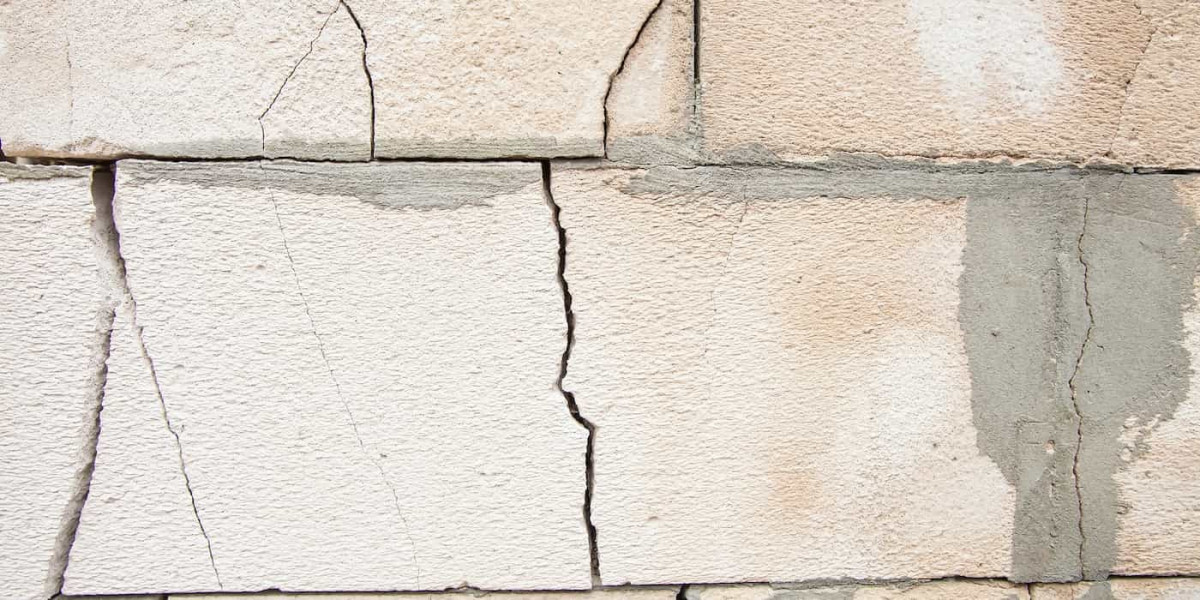
The foundation of any structure serves as its bedrock, providing the essential support necessary for stability and longevity.Bowed Basement Walls | Columbus, Ohio | StablWall However, the passage of time and various environmental factors can lead to the development of cracks in foundation walls, raising concerns about the structural integrity of buildings. In this comprehensive guide, we delve into the intricate world of foundation wall cracks, exploring their diverse types, the underlying causes, and viable solutions.
Whether you’re a vigilant homeowner or a property manager, understanding these nuances is crucial for proactive maintenance and safeguarding the value of your investment. Join us on this journey to unravel the mysteries of foundation cracks, empowering you with the knowledge to make informed decisions for the well-being of your property.

I. Identifying the Types of Foundation Wall Cracks:

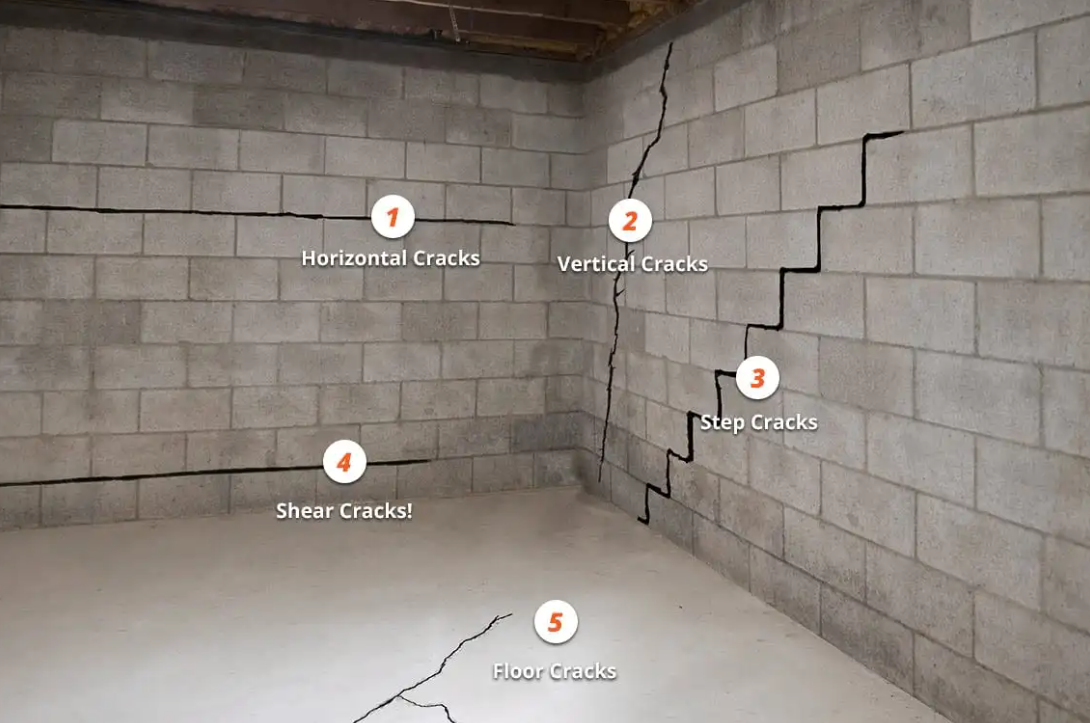
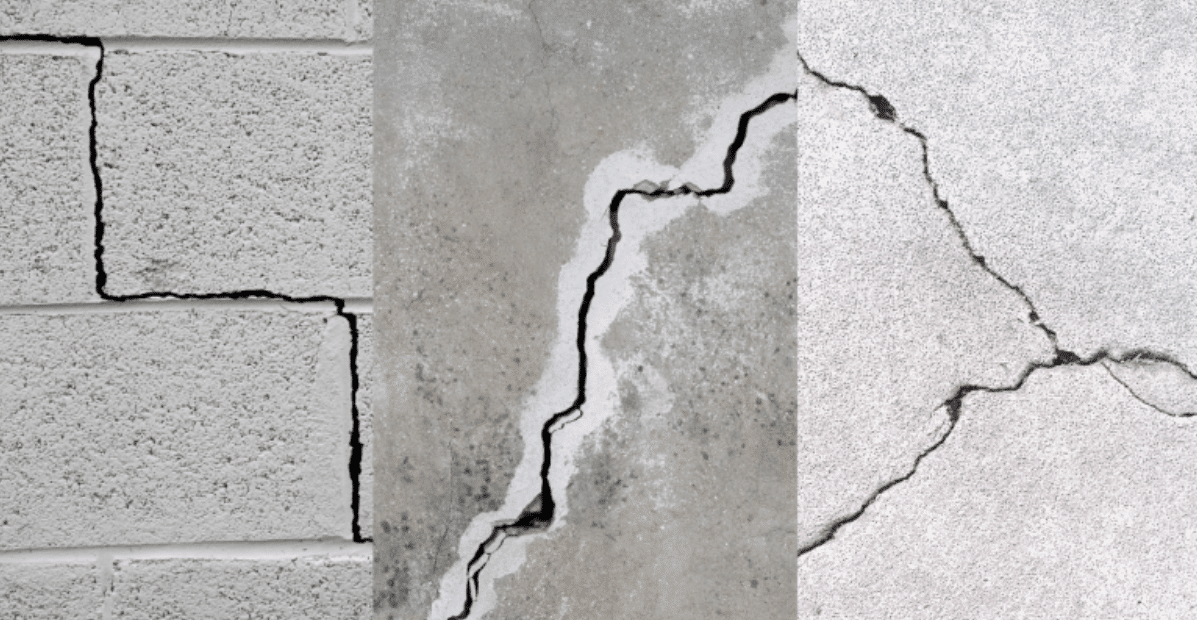
Vertical Cracks:

Vertical cracks in foundation walls are among the most common and can result from a variety of factors. One primary cause is the natural settling process of a building over time. As the concrete cures and adjusts to the weight and load-bearing requirements, minor vertical cracks may appear. While these cracks are generally considered normal, wider or irregular vertical cracks may signal more serious issues, such as uneven settling or soil-related problems.

Horizontal Cracks:

Unlike vertical cracks, horizontal cracks demand closer attention as they often indicate more significant stress on the foundation. These cracks typically result from lateral pressure, such as that exerted by expansive soil or hydrostatic pressure from poor drainage. Horizontal cracks may compromise the structural integrity of the foundation and can be indicative of water-related problems.

Diagonal Cracks:

Diagonal cracks manifest at an angle and can be a result of various factors. These may include differential settling, where one part of the foundation settles differently than another, poor soil compaction during construction, or external forces impacting the foundation. The angle and width of diagonal cracks provide valuable clues about the nature and extent of the structural issue.

Stair-Step Cracks:

Stair-step cracks are a distinctive type often seen in masonry foundations. These cracks follow a pattern resembling a staircase and may be a consequence of settling lateral pressure, or uneven weight distribution. The direction and size of stair-step cracks can provide insights into the specific forces affecting the foundation.

Understanding the different types of foundation wall cracks is essential for accurate diagnosis and effective remediation. Each type of crack carries its own set of implications, and recognizing these variations is crucial for homeowners and professionals alike. In the subsequent sections, we will explore the underlying causes of these cracks and delve into strategies for assessing their severity and implementing appropriate solutions.

II. Understanding the Causes:

Soil Movements:

The foundation of a structure is intricately connected to the soil beneath it. Changes in soil conditions can exert considerable pressure on the foundation, leading to the formation of cracks. Expansive soils, characterized by their ability to swell with moisture and shrink during dry periods, pose a significant risk. In regions with expansive soils, the constant cycle of swelling and shrinking can result in the foundation settling unevenly, creating stress points that manifest as various types of cracks.

Water Damage:

Water is both a life-giver and a potential threat to foundations. Poor drainage, inadequate waterproofing, or plumbing leaks can introduce excess moisture to the soil surrounding the foundation. This heightened moisture content can lead to soil expansion, increasing pressure on the foundation walls. Additionally, water can erode the foundation materials over time, weakening its structural integrity and contributing to the formation of cracks.

Poor Construction Practices:

The quality of construction plays a pivotal role in the long-term stability of a building. Foundation walls that are improperly designed or constructed with subpar materials are more prone to developing cracks. Issues such as inadequate concrete mix, insufficient reinforcement, or poor compaction of the soil during construction can create vulnerabilities in the foundation. Over time, these weaknesses may become apparent in the form of cracks.

Understanding the underlying causes of foundation wall cracks is crucial for devising effective solutions. Homeowners and property managers should consider both natural and human-induced factors when assessing the health of their foundation. In the next section, we will explore how to assess the severity of foundation cracks, providing valuable insights for determining the appropriate course of action.

III. Assessing the Severity:

Crack Width:

One of the key indicators of the severity of foundation wall cracks is the width of the cracks. A general rule of thumb is that the wider the crack, the more serious the issue may be. Measure the width of the cracks using a simple ruler or caliper. Cracks less than a quarter-inch wide are often considered minor and may be a result of normal settling. However, if cracks exceed this width, especially if they are growing over time, it could signify a more critical structural problem that requires immediate attention.

Location:

The location of foundation wall cracks can offer valuable insights into their potential causes and severity. Cracks near corners, windows, or doors may indicate differential settling, while cracks along the middle of a wall might suggest issues with soil pressure. Horizontal cracks at the intersection of the foundation wall and basement floor, known as the “frost line,” could be a sign of frost-related damage. Understanding the specific location of cracks can guide professionals in diagnosing the root cause and implementing targeted solutions.

Pattern and Direction:

The pattern and direction of foundation wall cracks can provide additional clues about the nature of the problem. Stair-step cracks in masonry, for instance, may indicate settling, while diagonal cracks might suggest lateral pressure. Monitoring the progression of cracks over time is essential; if cracks continue to widen or spread, it could signify ongoing structural issues that require prompt intervention.

Interior Symptoms:

Assessing the impact of foundation cracks on the interior of the building is equally important. Keep an eye out for signs such as doors or windows sticking, uneven floors, or gaps between the walls and ceiling. These symptoms can help corroborate the severity of foundation issues and provide a more comprehensive understanding of the structural challenges at hand.

By systematically evaluating these factors, homeowners and professionals can better gauge the severity of foundation wall cracks. Once armed with this information, they can make informed decisions regarding the appropriate course of action, whether it involves routine maintenance, preventive measures, or professional intervention. In the following section, we will explore potential solutions to address foundation wall cracks and mitigate further damage.

IV. Potential Solutions:

Foundation Repairs:

Professional foundation repair services are often necessary for addressing moderate to severe foundation wall cracks. Epoxy injection is a common technique used to fill and seal cracks in concrete, restoring the structural integrity of the foundation. This method is effective for both vertical and diagonal cracks. In more advanced cases, hydraulic cement may be utilized to address larger openings. Additionally, underpinning techniques, such as installing piers or helical anchors, may be employed to stabilize and reinforce the foundation, preventing further settlement.

Waterproofing:

Addressing water-related issues is crucial in preventing future foundation damage. Implementing effective waterproofing measures, such as installing exterior drainage systems, redirecting downspouts away from the foundation, and applying waterproof coatings to basement walls, can help minimize the impact of water on the foundation. Proper grading of the surrounding landscape to encourage water runoff away from the structure is also an essential component of waterproofing.

Soil Stabilization:

In cases where soil movements contribute to foundation wall cracks, soil stabilization techniques can be employed. Installing foundation piers or helical anchors can help counteract the effects of expansive or unstable soils, providing additional support to the foundation. This not only addresses existing cracks but also helps prevent future settlement issues.

Routine Maintenance:

Regular inspections and maintenance play a crucial role in preventing the recurrence of foundation issues. Keep the surrounding area free from excessive moisture by ensuring proper drainage, fixing any plumbing leaks promptly, and maintaining a consistent moisture level in the soil. Performing routine checks for signs of foundation distress, such as cracks, and addressing them in their early stages can prevent more extensive and costly repairs later on.

V. The Importance of Consulting with Professionals: Ensuring the Structural Health of Your Home

In the intricate realm of foundation care, where the stakes are high and the intricacies numerous, the role of consulting with professionals cannot be overstated. While recognizing the types of foundation wall cracks, understanding their causes, and assessing their severity lay a robust foundation for proactive maintenance, the expertise of professionals is the keystone that fortifies the structural integrity of your home.

Expert Diagnosis:

Foundation issues can be complex, with a myriad of potential causes. Consulting with professionals brings in a level of expertise that goes beyond the surface. Structural engineers and foundation contractors possess the knowledge and experience to conduct in-depth assessments, diagnosing the root causes of cracks with precision. Their keen eye can discern subtle signs and nuances that might escape the untrained observer, providing a comprehensive understanding of the structural challenges at hand.

Tailored Solutions:

Each home is unique, and so are its foundation-related challenges. Professionals, armed with a wealth of experience, can craft solutions tailored to the specific needs of your structure. Whether it’s implementing targeted repairs, recommending preventive measures, or devising a long-term maintenance plan, their insights ensure that the solutions align with the intricacies of your home’s foundation, addressing issues effectively and efficiently.

Code Compliance and Regulations:

The world of construction and foundation care is governed by a plethora of codes and regulations. Professionals are well-versed in these standards, ensuring that any interventions or repairs align with industry best practices and comply with local building codes. This not only safeguards the structural integrity of your home but also ensures that any work conducted is legally sound and meets the necessary standards.

Long-Term Savings:

While the upfront cost of consulting with professionals may seem an investment, it often translates into long-term savings. Their expertise can prevent unnecessary or ineffective repairs, avoiding potential pitfalls that may lead to more extensive and costly interventions down the road. A professional assessment can be viewed as an investment in the longevity and value of your property.

Navigating the Foundations of Home: A Holistic Approach to Foundation Wall Cracks

In the intricate dance between time, elements, and the structures we call home, the foundation emerges as the silent guardian of our abodes. This exploration into the world of foundation wall cracks has been a journey of understanding, from recognizing the diverse cracks that manifest to deciphering the complex tapestry of causes and consequences.

As we traverse the landscape of settling soils, water’s dual role, and the impact of construction practices, the gravity of foundation issues becomes evident. Yet, armed with knowledge, we transition to the crucial phase of assessing the severity. Width, location, patterns – these become our guiding stars, helping us chart a course for solutions that resonate with the unique needs of our homes.
In embracing potential solutions, from professional repairs to proactive waterproofing and soil stabilization, we fortify the foundations against the relentless march of time. And as we conclude, we underscore the paramount importance of consulting with professionals. Their expertise acts as a beacon, guiding us through the complexities with a precision born of experience.

The holistic approach to foundation care advocated in this exploration is a commitment to the enduring stability and safety of our homes. Routine maintenance becomes a ritual of care, and professional consultations are not just interventions but strategic investments in the longevity of the places where memories are woven.

In the symphony of homeownership, where foundations bear the weight of dreams, this comprehensive guide serves as a compass. May it be a companion for those navigating the intricate dance of settling soils and shifting landscapes, ensuring that the foundations of our homes stand unwavering against the tests of time, weather, and the passage of generations.

Contact the Professionals at StablWall Today! (866) 954-2739

Common Reasons Behind the Emergence of Wall Cracks

Walls are more than just aesthetic elements of a building; they provide vital structural support and protection to the entire edifice and its inhabitants. However, the appearance of wall cracks can disrupt not only the visual appeal but also signal potential underlying issues non-structural ones. In this comprehensive guide, we will delve into the various reasons why wall cracks appear and how to address them effectively.

The Foundation of Wall Cracks

Settlement is a fundamental cause of wall cracks that can occur in both newly constructed and older properties. Understanding settlement and its impact is crucial for homeowners and property managers, as it can have significant implications for other types of foundation cracks and the structural integrity of a building.

Understanding Settlement and its Impact

Settlement is a natural process that takes place when the soil beneath the foundation cracks a building’s foundation compacts or shifts. There are several reasons why settlement occurs:

  1. Soil Composition: Different types of soil have varying levels of compressibility. For instance, clay-rich soils tend to shrink and swell significantly with changes in moisture levels, making them more prone to settlement.
  2. Construction Activities: The process of excavating, grading, and building a foundation can disturb the soil, leading to uneven settling.
  3. Environmental Factors: Environmental factors such as changes in groundwater levels, seismic activity, and weather conditions can contribute to settlement.

The impact of settlement on a building foundation walls can be subtle at first but becomes increasingly noticeable over time. Some common signs of settlement-induced wall cracks include:

  • Cracks in Walls: As settlement occurs, it can cause the foundation to move or sink unevenly. This movement is often transferred to the walls, resulting in cracks that may appear near corners, windows, or doors.
  • Uneven Floors: Settlement can also lead to uneven floors, making doors and windows difficult to open or close properly.
  • Misaligned Fixtures: Plumbing fixtures and cabinets may become misaligned, indicating a shift in the building’s structure.

How to Address Settlement-Induced Wall Cracks

Addressing the foundation problem of wall cracks caused by settlement requires a systematic approach:

  1. Foundation Inspection: Start by conducting a thorough inspection of the building’s foundation. Identify areas where settlement has occurred and assess the extent of the damage.
  2. Soil Stabilization: Depending on the soil conditions, soil stabilization techniques may be necessary to prevent further settlement. This can involve methods such as soil compaction, grouting, or the installation of piers or piles to support the foundation.
  3. Foundation Repair: Repairs to the foundation may be needed to restore its structural integrity. This can include underpinning the foundation or reinforcing it with additional supports.
  4. Wall Crack Repair: Once the foundation issues are addressed, focus on repairing the wall cracks themselves. This may involve filling cracks with epoxy or other suitable materials and re-painting or re-finishing the affected areas.
  5. Preventive Measures: To prevent future settlement-related wall cracks, it’s essential to address the root causes, such as drainage issues or soil compaction problems. Implementing proper drainage solutions and regular maintenance can help maintain a stable foundation.

Moisture – A Silent Culprit in Wall Cracks

Moisture infiltration is a pervasive and often underestimated factor that can lead to foundation problems and the development of wall cracks. Understanding the role of moisture in wall cracks is essential for homeowners, as it can have far-reaching consequences for both the structural integrity and aesthetics of a building.

Identifying Moisture as the Root Cause

Moisture-related wall cracks can manifest in various ways and may not always be immediately apparent. It’s crucial to recognize the signs and symptoms of moisture-related foundation wall crack and damage:

  1. Visible Cracks: Wall cracks, especially those near the corners, ceilings, or around windows and doors, can be indicative of moisture infiltration. These cracks may start as small fissures but can widen over time.
  2. Discoloration and Staining: Moisture can cause paint or wallpaper to peel, bubble, or discolor. Stains or watermarks on walls and ceilings are telltale signs of water intrusion.
  3. Mold and Mildew Growth: Excess moisture provides an ideal environment for mold and mildew to thrive. If you notice black or greenish patches on your walls, it’s a strong indicator of moisture-related issues.
  4. Musty Odors: Persistent musty or damp odors in a room can signal hidden moisture problems within the walls.

Moisture Prevention and Remediation

To address moisture-related foundation wall cracks and prevent further damage, consider the following strategies:

  1. Improved Ventilation: Ensure that your home is well-ventilated, especially in areas prone to moisture, such as bathrooms and kitchens. Proper ventilation helps reduce humidity levels and expel moisture-laden air.
  2. Waterproofing: Apply waterproofing materials to vulnerable areas, such as basements and exterior walls, to create a barrier against moisture infiltration.
  3. Sealing Cracks: Regularly inspect and seal any gaps, cracks, or openings in your walls, foundation, and roof to prevent water from entering.
  4. Gutter Maintenance: Keep gutters and downspouts clean and in good repair to ensure efficient rainwater drainage away from your home’s foundation.
  5. Proper Insulation: Adequate insulation in walls and ceilings can prevent condensation and reduce the likelihood of moisture-related issues.
  6. Dehumidification: In particularly humid regions, consider using a dehumidifier to maintain optimal indoor humidity levels.
  7. Professional Inspection: If you suspect moisture-related problems or see any signs of damage, consult with a professional to conduct a thorough inspection and moisture assessment. They can pinpoint the source of the issue and recommend appropriate remedies.
  8. Repair and Restoration: Once moisture-related issues are identified, it’s crucial to address them promptly. This may involve removing and replacing damaged materials, treating for mold and mildew, and repairing any structural damage.

Temperature Changes – The Wall Cracking Culprits

Temperature fluctuations, especially in regions with extreme weather conditions, can be significant contributors to the development of wall cracks. Understanding the impact of temperature changes on your walls is essential for homeowners, as it can help you take preventive measures against structural cracks and ensure the long-term integrity of your property.

Understanding the Impact of Temperature Fluctuations

Temperature changes can affect various building materials and components differently:

  1. Expansion and Contraction: When temperatures rise, building materials, including concrete, wood, and metal, expand. Conversely, they contract when temperatures drop. These expansion and contraction cycles can exert stress on the walls and create vulnerabilities.
  2. Differential Movement: Not all parts of a building expand and contract at the same rate or to the same extent. This can lead to differential movement, where one part of a wall moves differently than another, causing stress and potentially resulting in cracks.
  3. Materials Matter: The type and quality of materials used in construction play a significant role in how they respond to temperature changes. Some materials, such as brick and concrete, are more prone to expansion and contraction than others.

Weatherproofing and Insulation Solutions

To mitigate the impact of temperature changes and reduce the likelihood of wall cracks, consider the following strategies:

  1. Weatherproofing: Apply weatherproofing materials to the exterior of your walls. These coatings can provide a protective barrier against temperature-related stress and moisture infiltration.
  2. Proper Insulation: Adequate insulation in walls can help regulate indoor temperature and reduce the amplitude of temperature fluctuations experienced by the wall materials.
  3. Expansion Joints: In large concrete walls or structures, expansion joints can be installed to allow for controlled movement and prevent cracks.
  4. Regular Maintenance: Perform regular inspections of your walls, especially after extreme weather events. Look for signs of cracks or damage and address them promptly.
  5. Interior Climate Control: Maintain a consistent indoor climate by using heating and cooling systems appropriately. This can help minimize the temperature differential between indoor and outdoor environments.
  6. Professional Assessment: If you live in an area with extreme temperature variations or notice significant cracks, consult with a professional to assess your walls’ condition and recommend appropriate solutions.
  7. Foundation Inspection: Temperature-related stress can also impact a building’s foundation. Regular foundation inspections can help identify any issues before they lead to wall cracks.

Repairing Temperature-Induced Wall Cracks

If temperature-related foundation wall cracks do occur, it’s essential to address them promptly:

  1. Crack Sealing: Small cracks can often be sealed with appropriate sealants or caulking materials to prevent further moisture infiltration.
  2. Repointing: In the case of masonry walls, repointing damaged mortar joints can help restore structural integrity.
  3. Structural Assessment: For more extensive cracks or if you suspect structural damage, consult with a structural engineer or contractor to evaluate the extent of the problem and recommend suitable repairs.

Poor Quality Materials – The Hidden Hazard

The caliber of materials used in constructing your walls is a critical factor that can contribute to the development of walls and cracks in the foundation alone. Understanding the role of poor-quality materials in wall cracking is essential for homeowners, as it can help them make informed decisions during construction or renovation projects.

Identifying Poor Quality Materials

Recognizing poor-quality materials and installation errors is the first step in addressing this hidden hazard:

  1. Material Defects: Poor quality materials often contain defects such as uneven composition, structural weaknesses, or impurities. Inspect materials for visible imperfections before and during installation.
  2. Inferior Workmanship: Improper installation can compromise even high-quality materials. Look for signs of shoddy workmanship, including uneven seams, inadequate sealing, or inconsistent spacing between materials.
  3. Material Durability: Some materials may be more susceptible to cracking and deterioration over time due to their inherent characteristics. Research and select materials that are known for their durability and resistance to cracking.

Upgrading Wall Materials

To address the issue of poor-quality materials and prevent wall cracks, consider the following strategies:

  1. Material Selection: When planning construction or renovation projects, invest in high-quality building materials that are known for their durability. Consult with professionals or contractors to make informed decisions about material selection.
  2. Quality Assurance: Work closely with contractors and builders to ensure that materials are sourced from reputable suppliers and installed correctly according to industry standards.
  3. Regular Maintenance: Implement a routine maintenance schedule to inspect and maintain the condition of your walls. This includes addressing any issues promptly, such as cracks or material deterioration.
  4. Structural Inspections: Periodic structural inspections by professionals can help identify material-related issues before they lead to significant problems.

Repairing Wall Cracks Due to Poor Quality Materials

If you suspect that poor-quality materials have contributed to wall cracks in your property, consider the following steps for repair:

  1. Material Replacement: In some cases, the only effective solution may be to replace the substandard materials with higher-quality alternatives.
  2. Reinforcement: For minor cracks or areas with weaker materials, consider reinforcing the affected areas with additional support or materials.
  3. Professional Assessment: Consult with structural engineers or contractors to evaluate the extent of the damage and recommend appropriate repair methods.

Structural Damage – A Grave Concern

Wall cracks can sometimes serve as visible indicators of underlying structural problems within a building. Understanding the potential consequences of structural damage from vertical cracks is crucial for homeowners, as it can have serious implications for the safety and stability of the entire structure.

Recognizing Signs of Structural Damage

Identifying signs of structural damage is the first step in addressing this grave concern:

  1. Uneven or Sagging Floors: Floors that are uneven or appear to sag in certain areas can be a sign of foundation settlement or structural issues.
  2. Cracks in the Foundation: Cracks in the foundation itself, particularly if they are wide or extensive, are clear indicators of structural problems.
  3. Widening Wall Cracks: While all wall cracks should be taken seriously, those that continue to widen or expand over time may be linked to ongoing structural issues.
  4. Stuck Windows or Doors: Difficulty in opening or closing doors and windows, especially when accompanied by visible gaps or misalignments, may be due to shifts in the building’s structure.

Addressing Structural Issues

If you suspect or identify structural damage within your property, it’s crucial to take the following steps:

  1. Safety First: Ensure the safety of occupants by limiting access to areas with visible structural damage and addressing any immediate safety concerns.bowed-basement-walls-stablwall-2
  2. Consult a Structural Engineer: Engage a qualified structural engineer or architect to assess the extent of the damage and determine the underlying causes. They will provide a professional evaluation and recommend appropriate remedies.
  3. Foundation Repairs: If foundation issues are at the root of the problem, foundation repairs may be necessary. This can involve methods like underpinning, pier installation, or soil stabilization.
  4. Wall Crack Repairs: Addressing wall cracks may be part of the overall repair process. Techniques such as crack injection, carbon fiber reinforcement, or complete wall reconstruction may be employed.

The Importance of Timely Action

Delaying action when structural damage is suspected can lead to further deterioration of the building’s condition and potentially more extensive and expensive repairs. Timely intervention is critical to preserving the structural integrity of your property and ensuring the safety of its occupants.

Taking Action Against Wall Cracks

In conclusion, wall cracks can have various underlying causes, including settlement, moisture infiltration, soil pressure, temperature fluctuations, poor quality materials, structural damage, and design flaws. It is imperative to address these issues promptly to prevent further damage and maintain the structural integrity of your building. If you notice any cracks or fissures in your walls, consult with professionals to determine the best course of action.

Contact the Experts at StablWall today at (866) 954-2739 to safeguard your property from the detrimental effects of wall cracks.

carbon-fiber-foundation-repair-stablWall-3

Common Causes of Wall Cracks: Understanding the Underlying Issues

Walls are the silent sentinels of our buildings, standing tall and strong, offering both structural support and a sense of security to those who dwell within. Yet, despite their formidable appearance, they are not immune to the forces of time and nature. Wall cracks, though seemingly innocuous at first glance, can signify deeper, potentially grave concerns lurking beneath the surface.

In this in-depth exploration, we embark on a journey to uncover the enigmatic world of wall cracks, seeking to unravel thestablwall 1 foot wide mysteries of their origins and implications. Walls do more than just partition our living spaces; they are a testament to human ingenuity and craftsmanship. When cracks appear, it’s not merely a matter of aesthetics; it’s a wake-up call to the unseen battles waged within the very foundation of our structures.

These hairline rifts vertical cracks and crevices can be symptomatic of a multitude of issues, from shifts in the earth beneath our homes to the inexorable march of time, from moisture’s relentless invasion to the unforgiving embrace of extreme temperatures. In this article, we will delve into these underlying causes, dissecting each one to shed light on the intricacies of wall cracking.

So, whether you are a homeowner concerned about how foundation wall cracks and the well-being of your abode or a builder aiming to construct resilient structures, join us on this exploration of the forces that shape our walls and the wisdom to fortify them against the trials of time. Let’s embark on a journey to understand the common causes of wall cracks, demystify their origins, and empower ourselves with the knowledge to ensure the longevity and integrity of the walls that stand as the guardians of our homes.

Causes of Wall Cracks

1. Settlement:

Settlement, often considered the silent disruptor of wall integrity, is a phenomenon deeply intertwined with the very ground upon which our structures rest. It’s a process that might not catch the eye immediately, but its effects manifest through the subtlest of signs – those hairline cracks that zigzag across your once-pristine walls.

Picture this: a newly constructed home, the embodiment of dreams and aspirations, standing proudly on its foundation. Yet, beneath the surface, the earth holds secrets that can challenge this proud edifice. Settlement, in the context of types of foundation cracks and wall cracking, occurs when the soil upon which a building is founded undergoes changes. It might compact or shift due to a variety of reasons, such as natural subsidence or changes in moisture content.

As the soil beneath the foundation undergoes these transformations, the structure built upon it reacts accordingly. Walls, staunch sentinels of the building, bear the brunt of this shifting landscape. When the soil pressure the foundation moves, so do the walls above, leading to the appearance of cracks and fissures.

This phenomenon is particularly common in newly built properties, as the soil settles into the foundation settlement to its new role of supporting the structure. The weight of the building itself can contribute to this settling process. As the foundation adjusts to this newfound burden, it can give rise to subtle shifts that may seem innocuous but can escalate into more significant structural issues if left unattended.

Addressing settlement-related foundation cracks requires a multi-faceted approach. It begins with a thorough assessment of the soil’s composition and behavior beneath the foundation. Soil engineers can evaluate the type of soil and its bearing capacity, providing insights into potential settlement risks. Based on these findings, various mitigation strategies can be implemented, such as soil compaction or the use of pilings to distribute the load evenly.

Preventative measures can also play a pivotal role. Proper site preparation during construction, including soil compaction and foundation design, can minimize settlement risks from the outset. Routine inspections and maintenance can help detect early signs of settlement-related wall cracks in foundation only, enabling timely interventions to safeguard the structural integrity of your building.

2. Moisture Infiltration:

Moisture, the ever-present force of nature, has a relentless way of seeking entry into our homes, and its infiltration can be a potent adversary to the longevity of our walls. The insidious impact of moisture on wall integrity is a tale of gradual degradation, often hidden away from the foundation in plain view until telltale signs begin to surface in the form of unsightly cracks.

Picture a wall as a guardian standing watch, steadfast and unyielding, protecting the interior from the elements. Yet, when moisture infiltrates its defenses, it undermines the very foundation of this guardian’s strength. This infiltration can occur through various means, including rainwater seepage, leaks from plumbing or roofs, or even high humidity levels within the building.

Once moisture gains access to the inner layers of a wall, it begins to work its destructive magic. It weakens the structural components of foundation wall, particularly if the wall lacks adequate moisture barriers or sealing. Over time, this weakening leads to the formation of cracks as the wall struggles to bear the weight and pressure exerted upon it.

Moisture’s impact is often most pronounced in areas with high humidity or inadequate ventilation, such as bathrooms and kitchens. The constant exposure to moisture-laden air and the lack of proper insulation can exacerbate the problem, making these areas particularly susceptible to wall cracking.

Addressing moisture-related wall cracks requires a multi-pronged approach. First and foremost, it’s crucial to identify the source of moisture infiltration through horizontal cracks and rectify it promptly. This might involve repairing roof leaks, fixing plumbing issues, or improving ventilation and insulation in vulnerable areas.

Moreover, preventive measures are equally vital. Properly sealing walls, installing moisture barriers, and maintaining a well-ventilated living space can significantly reduce the risk of moisture-related cracking. Regular inspections and maintenance routines can help detect early signs of moisture infiltration, allowing for timely interventions.

3. Temperature Fluctuations:

Temperature fluctuations, a hallmark of our ever-changing climate, exert a subtle yet continuous influence on the integrity of our walls. These fluctuations are especially pronounced in regions with extreme weather patterns, where the materials comprising our walls must constantly expand and contract in response to the whims of Mother Nature.

Imagine your walls as adaptable sentinels, constantly adjusting to the ebb and flow of temperature changes. During periods of intense heat, the materials composing the walls expand, stretching to accommodate the rising mercury. Conversely, when the cold grip of winter descends, these same materials contract, seeking to conserve energy and warmth.

While this adaptability is indeed a testament to the resilience of construction materials, it also harbors a hidden danger. The repeated expansion and contraction, over time, can cause stress to accumulate within the structure. This accumulated stress finds an outlet in the form of cracks and fractures that mar the surface of your foundation crack your walls.

The effects of temperature fluctuations are most pronounced in regions characterized by extreme weather conditions, where the daily and seasonal temperature variations are substantial. However, even in more temperate climates, where the temperature changes are less severe, the cumulative impact of these fluctuations can still manifest as cracks over time.

To mitigate the influence of temperature fluctuations on your walls, it’s essential to employ construction materials and techniques that account for this natural phenomenon. Proper insulation and climate-appropriate building materials can help minimize the stress placed on the walls during temperature swings.

Furthermore, routine maintenance and inspections are key to identifying and addressing cracks caused by temperature fluctuations early on. Prompt repairs can prevent these minor cracks from developing into more significant structural issues.

4. Poor Quality Materials:

The choice of materials is the foundation upon which the strength and durability of your walls are built. When inferior materials enter the equation, the consequences can be dire, leading to premature deterioration and the unwelcome appearance of cracks in your walls.

Imagine your walls as a canvas, awaiting the brushstrokes of skilled artisans. The quality of the materials used is akin to the palette of colors available to the artist. High-quality materials offer the vibrant hues and sturdy canvas that create a lasting masterpiece. Conversely, poor quality materials are like faded, brittle paints that crumble under the weight of time.

In the context of wall cracking, poor quality materials can manifest in structural cracks in various ways. Subpar construction materials may lack the necessary structural integrity to withstand the stresses placed upon them. This can lead to cracks forming as the materials succumb to the pressures they were not designed to endure.

Additionally, improper installation of these materials can exacerbate the problem. Even high-quality materials can fail if not installed correctly. Insufficient bonding, inadequate sealing, or improper curing can all contribute to the premature degradation of your walls.

Addressing the issue of poor quality materials begins with a commitment to using only reputable, tested materials in construction or renovation projects. This includes selecting materials that are suited to the specific demands of the environment in which they will be used. Investing in quality may entail a higher initial cost but pays dividends in terms of durability and longevity.

For existing structures built with questionable materials, proactive measures can still be taken. Routine inspections can help identify signs of material degradation, allowing for targeted repairs or reinforcements to prevent further cracking. In some cases, structural upgrades may be necessary to ensure the long-term stability of concrete foundation wall the walls.

5. Structural Damage:

Amid the intricate tapestry of construction, the structural integrity of a building is its linchpin. When this integrity is compromised, the consequences reverberate throughout the entire edifice, and wall cracks can be the ominous harbingers of underlying structural woes.

Imagine your walls as pillars of strength, dutifully supporting the weight of the world above. Yet, they are not solitary sentinels but part of a carefully orchestrated symphony of structural elements. When one element falters, the entire composition of foundation walls is at risk.

In the context of wall cracking, structural damage to the foundation repair a building can be a root cause, and its consequences are far-reaching. This damage can emanate from various sources, but one of the most common culprits is issues with the building’s foundation. When the foundation falters, shifts, or weakens, the entire structure can settle or move, and this movement is often transmitted to the walls. The result: visible cracks and fractures.

The appearance of wall cracks due to structural damage should not be underestimated. These types of cracks are not merely cosmetic; they are symptoms of a potentially hazardous condition. Ignoring them can lead to further deterioration and, in the worst-case scenario, catastrophic structural failure.

To address wall cracks stemming from structural damage, a comprehensive assessment of cracked foundation is imperative. Experts such as structural engineers or building inspectors can evaluate the foundation’s condition and identify any structural deficiencies. Remediation efforts may include foundation repairs, the installation of support beams, or other structural enhancements.

Furthermore, preventative measures are key to preserving the structural integrity of your building. Regular inspections can detect early signs of foundation issues, enabling timely intervention to prevent cracks from occurring in the first place.

6. Poor Design:

In the intricate dance of construction, the design of a building serves as the blueprint that guides every step of its creation. However, when the design itself is flawed, it can set in motion a series of events that culminate in the appearance of wall cracks, casting a shadow over the structure’s integrity and aesthetics.

Imagine a building’s design as the masterful composition of an architect, each element meticulously chosen to harmonize with the whole. Yet, when design flaws emerge, they disrupt this harmony, potentially compromising the stability of the structure.

In the context of wall cracking, design-related issues can be a significant contributor to vertical crack. These issues may encompass a range of factors, such as inadequate load-bearing capacity, improper structural support, or architectural defects. When walls are not appropriately designed to support the weight of the building or if there are inherent architectural flaws, these walls may indeed fracture over time.

Poor design can manifest in various ways, from uneven distribution of weight to structural imbalances. These design-related stresses gradually accumulate, causing walls to weaken and ultimately develop cracks. It’s essential to remember that these cracks are not merely surface blemishes but indications of fundamental design shortcomings.

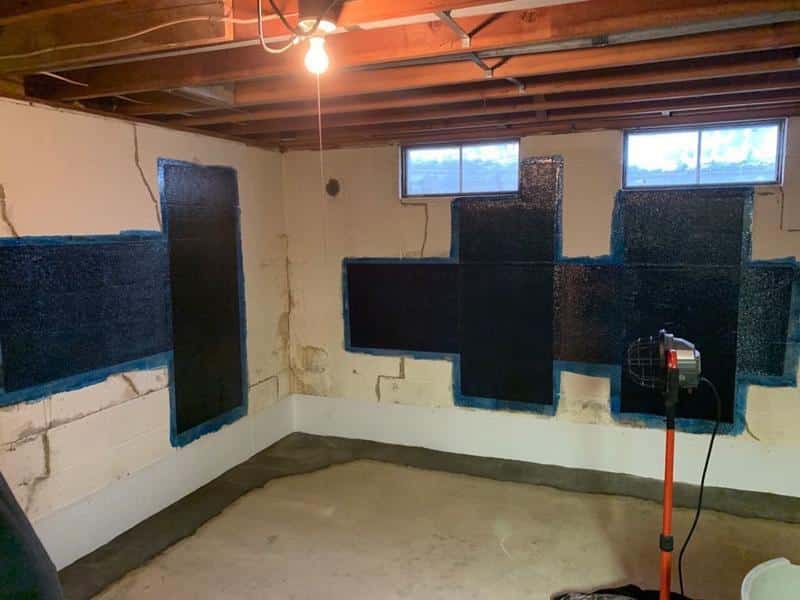
Addressing wall cracks and foundation problems stemming from poor design necessitates a multifaceted approach. It begins with a thorough evaluation of the building’s architectural plans and construction history. Experts, including architects and structural engineers, can identify design flaws and propose remedial actions.

In some cases, these actions may involve structural modifications or retrofitting to correct the design deficiencies. Depending on the severity of the issues, it may also be necessary to reinforce walls or redistribute weight to ensure a more balanced load-bearing system.

Additionally, preventative measures are essential to avoid future design-related wall cracking. This includes meticulous planning and design reviews during the initial stages of construction or renovation to identify and rectify potential design flaws before they become critical issues.

In conclusion, wall cracks can result from various factors, including moisture infiltration, temperature fluctuations, poor-quality materials, and structural issues. If you notice any cracks or crevices in your walls, it is imperative to address the root cause promptly to prevent further deterioration. Seeking advice from a specialist can provide valuable insights and guide you toward the most effective solutions.

For expert assistance with wall crack repair and issues, don’t hesitate to contact the professionals at StablWall today at (866) 782-5955. Our team is dedicated to ensuring the stability and longevity of your building’s walls.

carbon-fiber-stablwall-2

Strengthening Your Home’s Foundation: A Comprehensive Guide to Using StablWall for Fixing Cracks


Understanding StablWall

StablWall is a revolutionary structural strengthening system designed to reinforce and stabilize a home’s foundation. It involves the application of a specialized carbon fiber fabric and epoxy resin to targeted areas of the foundation walls.

The Cracking Conundrum

Cracks in a home’s foundation can arise from various factors such as settling of the soil, temperature fluctuations, and stair-step-cracks-stablwall-2 moisture intrusion. These cracks not only compromise the structural integrity but can also lead to water leaks, humidity issues, and mold growth. StablWall addresses these problems by effectively “stitching” the cracks, preventing their progression and providing a long-lasting solution.

Benefits of Using StablWall

  • Enhanced Structural Integrity
  • Prevention of Further Damage
  • Cost-Effective Alternative
  • Quick Installation
  • Increased Property Value

The Installation Process

  1. Surface Preparation
  2. Application of Epoxy Resin
  3. Placement of Carbon Fiber Fabric
  4. Sealing and Finishing

DIY vs. Professional Installation

While there are DIY kits available for minor repairs, the installation of StablWall is best left to professionals. Certified installers possess the expertise and experience to assess the severity of the issue and apply the system correctly. Professional installation ensures optimal results, mitigating the risk of improper application.

Cracks in your home’s stair-step-cracks-stablwall-3 foundation can lead to significant structural problems and compromise the safety of your living environment. With StablWall, you have a modern and effective solution to address these issues head-on. By reinforcing weakened areas and preventing the progression of cracks, StablWall not only enhances the structural integrity of your home but also provides you with a secure and comfortable living space.
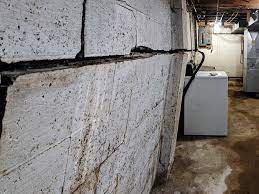
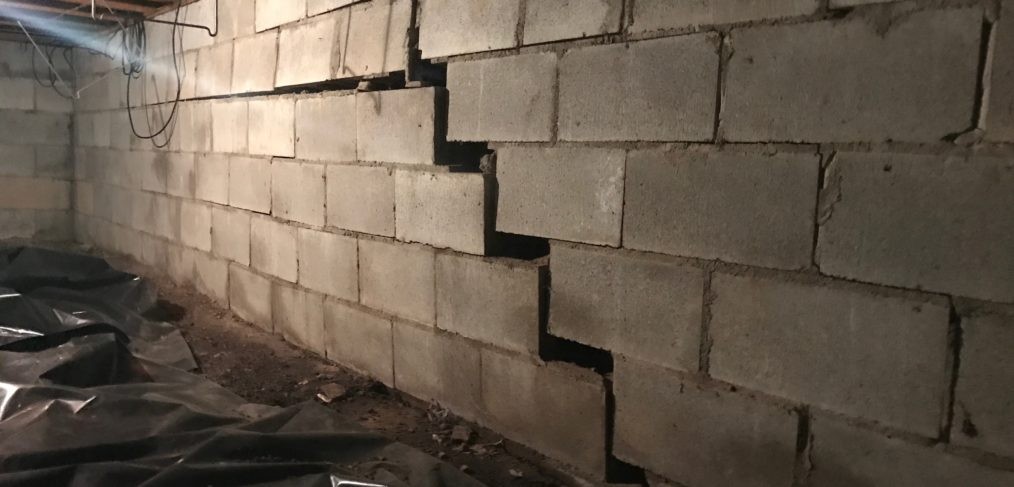
Investing in the strength and longevity of your home is an investment in your peace of mind. StablWall’s advanced technology, quick installation, and long-lasting benefits make it a smart choice for homeowners looking to fortify their foundation and ensure the durability of their property for years to come.

foundation-wall-cracks-stablwall-3

What You Should Know About Sinkholes that Cause Foundation Wall Cracks

What You Should Know About Sinkholes that Cause Foundation Wall Cracks

Have you encountered foundation wall cracks? While these can be a cosmetic problem, they are often a sign of a much bigger problem that ought to be dealt with as soon as possible. In fact, these cracks may be a sign that your home’s foundation is being affected by sinkhole activity.

What is a Sinkhole?

A sinkhole can be defined as a depression that occurs in the ground, and that doesn’t have natural external surface drainage. This means that when it rains, the runoff water will accumulate inside the sinkhole. This is dangerous as the water drains into the ground and causes the subsurface rock to wear away. This results in the sinkhole growing deeper and wider. This is possible because sinkholes occur where the subsurface rock consists of salt beds, limestone, gypsum, or some other type of carbonate rock.foundation-wall-cracks-stablwall-1

Sinkholes therefore never resolve on their own. They only continue to grow larger and deeper. They can even turn into small lakes or ponds if the situation is not remedied. Therefore if your home has foundation wall cracks that have been caused by sinkhole activity, you will need to invest in foundation repair to protect your home.

Types of Sinkholes

Understanding the type of sinkhole you’re dealing with will help you find a long term solution for the repair of your foundation.

  1. Dissolution or solution sinkholes

These occur in areas where there is little vegetation or soil covering the bedrock. They form slowly and cover a large area. The water seeps through holes in the bedrock. It circulates through the rock and forms a depression in the ground.

  1. Cover collapse sinkholes

These occur in areas where the bedrock is buried under a deep layer of soil. When the bedrock is eroded, and weak points have formed in it, the bedrock will no longer be able to support the weight of the earth above it, and the cover soil collapses suddenly to create a large depression.foundation-wall-cracks-stablwall-2

  1. Subsidence sinkholes

In this case the bedrock is covered by lose soil such as sand or clay. When the bedrock erodes the soil begins to permeate through the cracks and settle in the spaces. This results in a cavity forming on the soil surface.

  1. Man-made sinkholes

These are a result of human activity. For example they can be the result of burst water pipes or sewers or abandoned mines.

If you’ve noticed foundation wall cracks ensure that you contact a foundation repair expert to determine the root cause and apply a lasting solution.

Contact the Professionals at StablWall Today! (866) 782-5955