
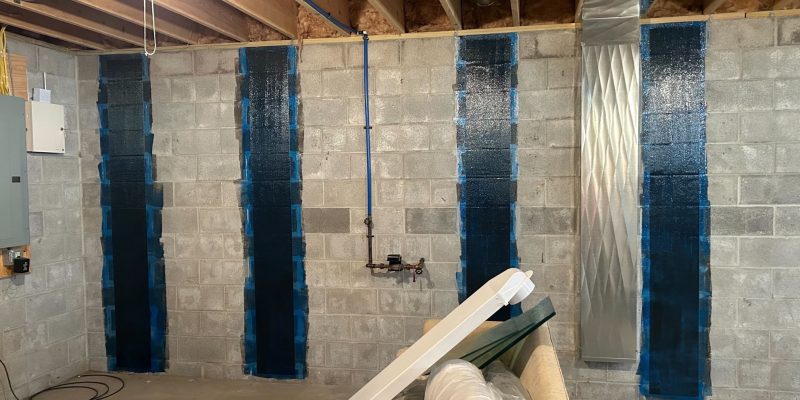
The foundation of a home is the most critical component of its structural integrity. When issues such as cracks or bowing walls arise, they compromise the stability and safety of the entire building. While traditional repair methods like steel beams or excavation have long been the go-to solutions, these methods often come with high costs, invasiveness, and extended project timelines. StablWall, leveraging the power of carbon fiber, has emerged as a groundbreaking, non-invasive solution for foundation repair.
What Makes Carbon Fiber Exceptional?
Carbon fiber is a composite material recognized for its exceptional strength and durability. It has become a staple in industries like aerospace, automotive, and construction because of its unparalleled tensile strength and resistance to environmental degradation.
 Tensile Strength: Carbon fiber can bear immense loads without breaking or deforming.
- Lightweight: Despite being stronger than steel, carbon fiber is much lighter, making it easier to handle and apply.
- Corrosion Resistance: Unlike metal reinforcements, carbon fiber does not rust, ensuring long-term durability.
- Adaptability: Carbon fiber can be applied to a variety of surfaces, including concrete and masonry, without compromising its effectiveness.
The StablWall Approach to Foundation Repair
StablWall builds on the strengths of carbon fiber to create a system designed specifically for foundation reinforcement. Its application process is straightforward yet highly effective, offering homeowners peace of mind with minimal disruption.
Installation Steps:
- Inspection and Planning: Specialists evaluate the foundation to determine the areas requiring reinforcement.
- Wall Preparation: The surface is cleaned thoroughly to remove debris, dirt, and loose materials.
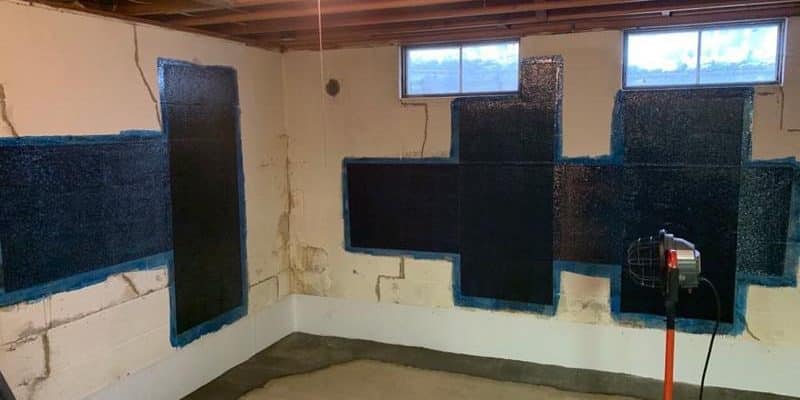
- Carbon Fiber Application: StablWall’s proprietary carbon fiber sheets are adhered to the foundation wall using a high-strength epoxy resin.
- Curing: The epoxy cures to create a permanent bond between the carbon fiber sheet and the wall, forming a robust reinforcement.
Advantages of StablWall for Foundation Repairs
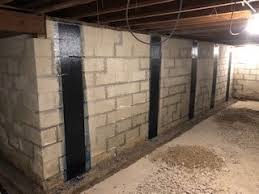 Non-Invasive Installation: StablWall eliminates the need for heavy machinery, excavation, or significant alterations to the home’s structure.
- Durability: Carbon fiber’s resistance to moisture and temperature fluctuations ensures it remains effective for decades.
- Aesthetic Preservation: Once installed, the system is nearly invisible, maintaining the interior appearance of the basement.
- Cost-Effective: The quicker installation process reduces labor costs, making it an affordable alternative to traditional methods.
Common Foundation Problems Addressed by StablWall
- Bowing Walls: StablWall counteracts lateral soil pressure that pushes walls inward, stabilizing the structure.
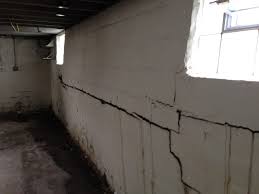
- Cracks in Foundation Walls: Reinforcing the wall with carbon fiber prevents cracks from spreading and restores structural integrity.
- Preventive Reinforcement: For homes in areas prone to soil movement or flooding, StablWall serves as a preventive measure to avoid future damage.
Why Homeowners and Contractors Choose StablWall
StablWall stands out for its ability to provide long-lasting solutions without disrupting daily life. Contractors prefer it because of its quick application and proven effectiveness, while homeowners appreciate the peace of mind it offers.
By combining carbon fiber’s strength with StablWall’s innovative application system, this solution ensures that foundations are protected for decades, often outperforming traditional repair methods.
Contact the Professionals at StablWall Today! (866) 782-5955

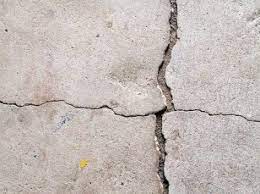 Settling: One of the primary causes of foundation cracks is soil settling. When the soil beneath a building compresses or shifts, it can cause the foundation to crack as it struggles to bear the load.
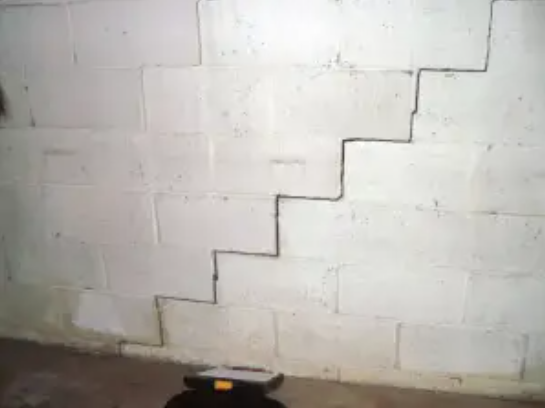 Vertical Cracks: These cracks typically run straight up and down and are often caused by settling or the natural curing process of concrete. They can vary in width and length.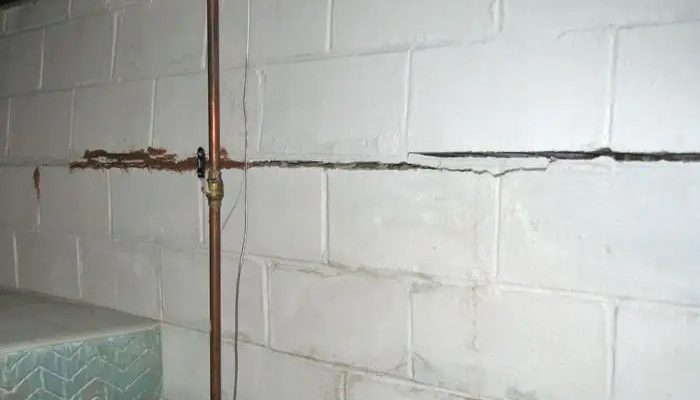


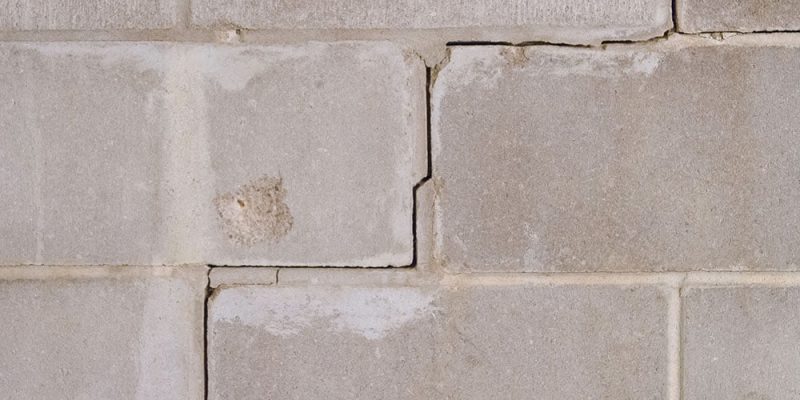
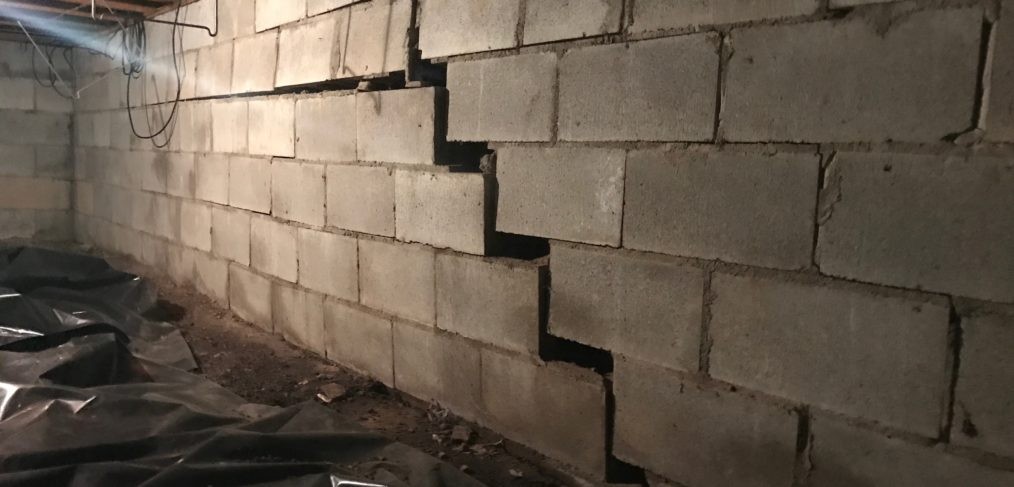

 symptomatic of deeper structural problems. They occur when one section of a wall settles differently than the adjacent section, leading to diagonal fractures that resemble a flight of stairs. The primary causes behind these cracks include soil expansion and contraction, inadequate foundation design, moisture infiltration, and natural settling over time. Ignoring these cracks can result in further damage, compromising the
  adhesive is applied to the crack, creating a strong base for the carbon fiber reinforcement.