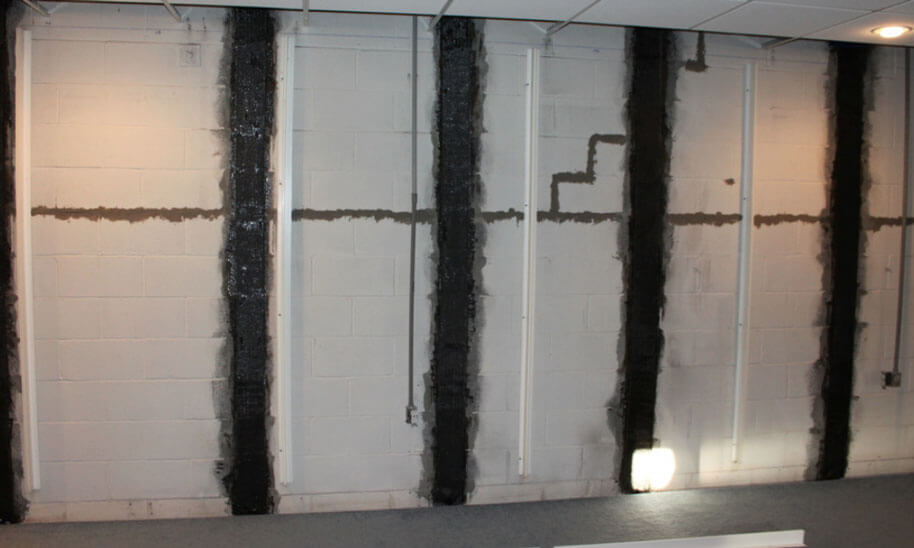
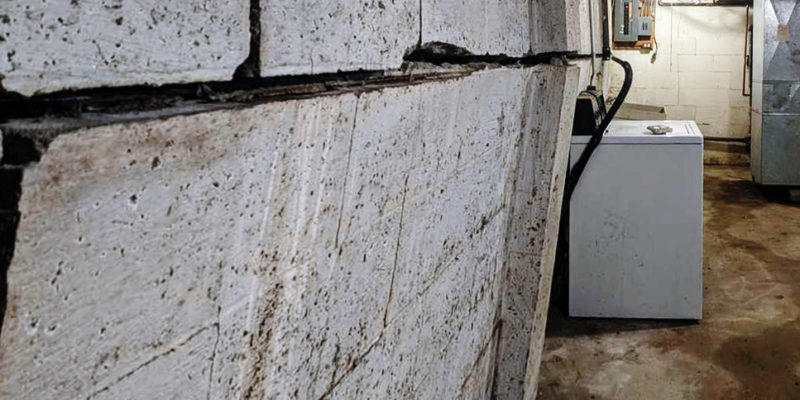
carbon-fiber-foundation-repair-stablWall-3

Ensuring Successful Carbon Fiber Foundation Repair: Best Practices and Tips

For homeowners and contractors embarking on carbon fiber foundation repair, meticulous planning, thorough preparation, and precise execution are indispensable for ensuring enduring success. In this comprehensive guide, we present a suite of best practices and expert insights aimed at maximizing the efficacy of Carbon fiber foundation repair, ultimately culminating in resilient, long-lasting outcomes.

1. Professional Evaluation and Advisory:carbon-fiber-foundation-repair-stablWall-1

Prioritize engaging professional engineers or seasoned contractors for a meticulous assessment of the foundation’s structural integrity. Their expertise will facilitate the identification of tailored repair solutions, ensuring the project’s efficacy and durability. Highlight the invaluable advantages of collaborating with experienced professionals who possess the requisite knowledge and proficiency to adeptly design and execute carbon fiber reinforcement initiatives.

2. Surface Priming and Cleansing:

Accentuate the criticality of meticulous surface preparation and cleansing to optimize the adhesion and cohesion of the carbon fiber material. Advocate for the thorough removal of any pre-existing coatings, sealants, or debris from the foundation’s surface before the application of carbon fiber reinforcement, thereby fostering a pristine substrate for enhanced bonding.

3. Application Precision:

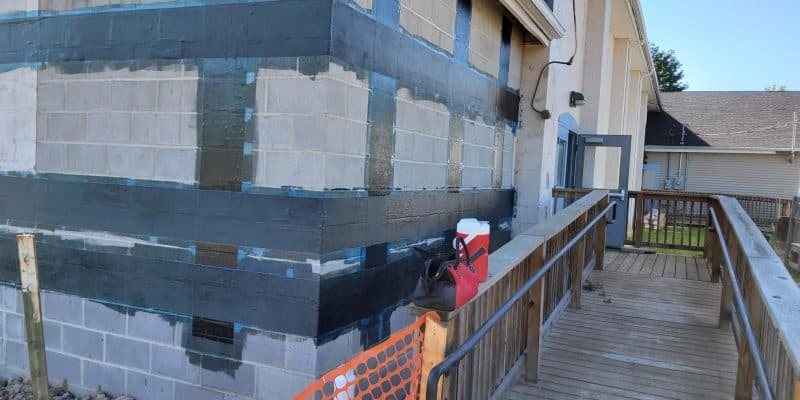
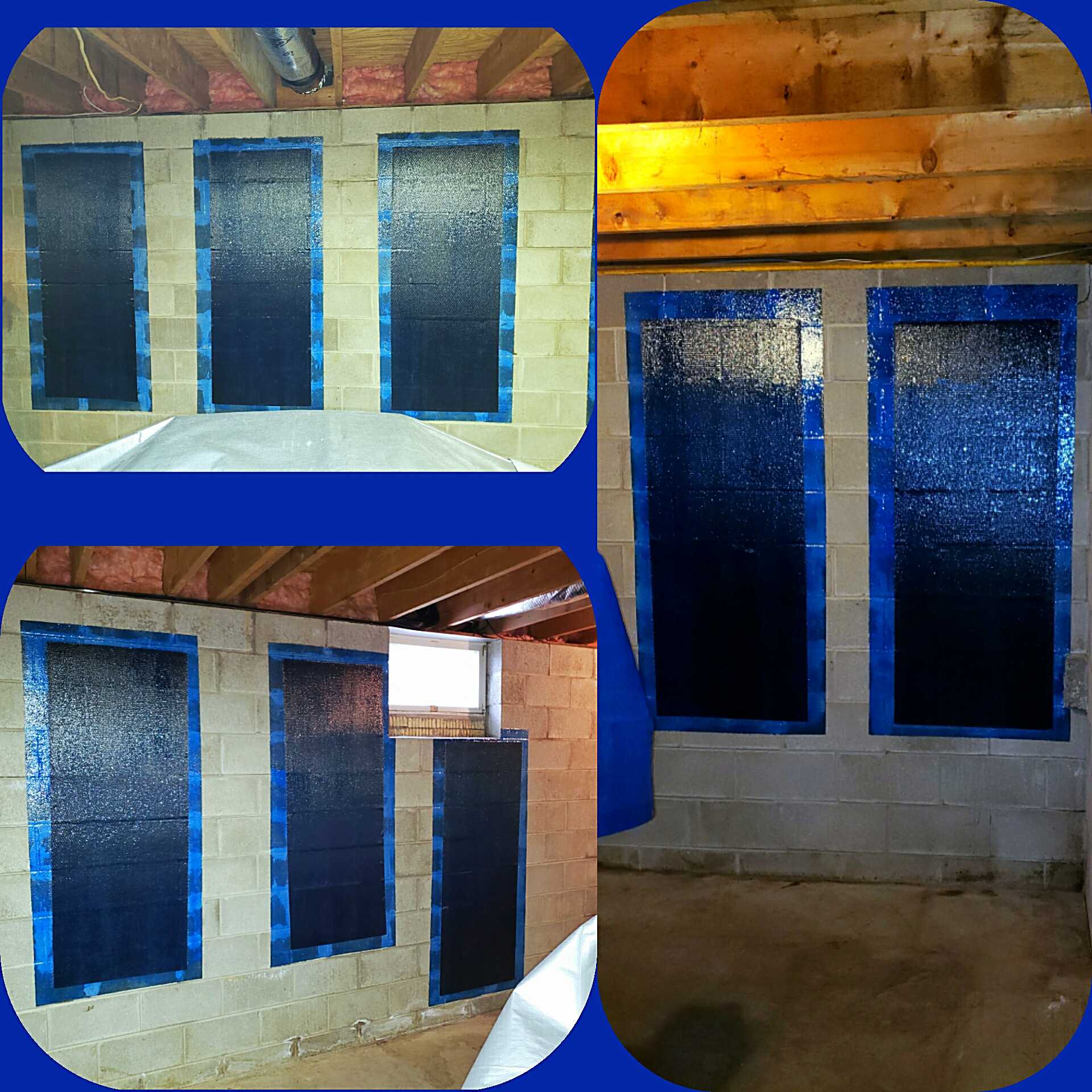
Offer comprehensive guidance on meticulous application techniques for carbon fiber reinforcement, underscoring the significance of precise alignment, seamless overlap, and comprehensive coverage. Explore the utilization of epoxy resins or compatible bonding agents to augment the adhesion and cohesion between the carbon fiber material and the substrate, fortifying the structural integrity of the repaired foundation.

4. Superior Materials and Equipment:

Highlight the pivotal role of utilizing premium-quality carbon fiber materials and state-of-the-art equipment to achieve unparalleled results. Recommend sourcing carbon fiber reinforcement exclusively from reputable manufacturers and suppliers renowned for their commitment to consistency and reliability, thereby instilling confidence in the durability and efficacy of the repair solution.

5. Rigorous Quality Assurance and Inspection:carbon-fiber-foundation-repair-stablWall-2
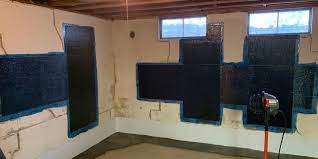
Emphasize the indispensability of implementing stringent quality assurance protocols and conducting meticulous inspections throughout the repair process. By rigorously verifying the integrity and effectiveness of the carbon fiber reinforcement, homeowners and contractors can confidently ensure the durability and longevity of the rehabilitated foundation.

For unparalleled expertise and comprehensive support in carbon fiber foundation repair, contact the seasoned professionals at StablWall today! Call us at (866) 782-5955 to embark on a journey towards fortified foundations and lasting structural resilience.

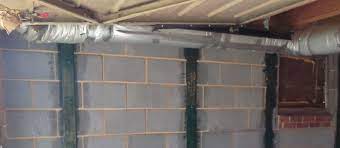
carbon-fiber-foundation-repair-stablWall-3

The Process of Carbon Fiber Foundation Repair: Step-by-Step Guide

Carbon fiber reinforcement offers an efficient and effective solution for repairing foundations in residential homes. In this article, we’ll provide a step-by-step guide to the process of carbon fiber foundation repair, from assessment to completion.

Initial Assessment:

    • Explain the importance of conducting a thoroughCarbon Fiber Foundation Repair assessment of the foundation to identify the extent and nature of the damage.
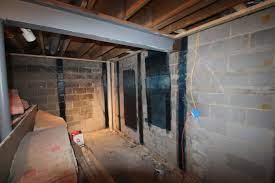
    • Discuss the role of professional engineers or contractors in assessing the structural integrity of the foundation and recommending appropriate repair solutions.

Preparation and Surface Preparation:

    • Outline the steps involved in preparing the foundation for carbon fiber reinforcement, including cleaning the surface, removing debris, and repairing any existing cracks or damage.
    • Emphasize the importance of proper surface preparation to ensure optimal adhesion and performance of the carbon fiber material.

Application of Carbon Fiber Strips or Sheets:

    • Describe the process of applying carbon fiber strips or sheets to the prepared surface of the foundation.
    • Discuss the techniques used to ensure proper alignment, adhesion, and coverage of the carbon fiber material.

Curing and Finishing:

Quality Assurance and Inspection:

Carbon Fiber Foundation Repair

By following this step-by-step guide to carbon fiber foundation repair, homeowners can effectively address foundation issues and restore the structural stability of their homes in a timely and efficient manner.

Contact the Professionals at StablWall Today! (866) 782-5955

carbon-fiber-reinforcement-stablWall-3

Understanding Carbon Fiber Reinforcement for Foundation Repair

Carbon fiber reinforcement has rapidly gained traction as a premier method for fortifying residential home foundations, owing to its exceptional strength, durability, and adaptability. In this comprehensive guide, we will explore the fundamental aspects of carbon fiber reinforcement and its pivotal role in foundation repair.

Introduction to Carbon Fiber Reinforcement:

Carbon fiber boasts remarkable properties, including its exceptional tensile strength, lightweight composition, and corrosion resistance. We will underscore the advantages of carbon fiber reinforcement over conventional materials like steel.

Common Foundation Issues:

Identifying and addressing common foundation concerns in residential settings, such as fissures, wall bowing, and settling, are crucial steps in ensuring the longevity of a home’s structural integrity.

How Carbon Fiber Reinforcement Works:

An in-depth elucidation of the carbon fiber reinforcement process, involving the application of carbon fiber fabric strips or sheets to afflicted foundation areas, will be offered. Insight into how the carbon fiber material seamlessly bonds with the substrate, furnishing additional support to fortify the foundation, will be provided.

Benefits of Carbon Fiber Reinforcement:

We will examine the myriad benefits of carbon fiber reinforcement for foundation repair, including its minimally invasive installation, swift turnaround time, and enduring resilience. Highlighting how carbon fiber reinforcement effectively stabilizes foundation walls, curtails further cracking or bowing, and reinstates the structural integrity of homes will be paramount.

Considerations and Limitations:

carbon-fiber-reinforcement-stablWall-1

Addressing potential considerations and limitations of carbon fiber reinforcement, such as the necessity for professional installation and its suitability for specific foundation issues, will be crucial. Guidance on scenarios where carbon fiber reinforcement may not be the optimal solution, along with alternative methods to contemplate, will be provided.

By assimilating the fundamentals of carbon fiber reinforcement and its application in foundation repair, homeowners can make well-informed decisions to rectify foundation issues and safeguard the structural soundness of their residences.

The Process of Carbon Fiber Foundation Repair: Step-by-Step Guide

Carbon fiber reinforcement presents a streamlined and efficacious solution for rectifying residential foundation issues. In this guide, we present a meticulous step-by-step overview of the carbon fiber foundation repair process, spanning from assessment to completion.

Initial Assessment:

Underlining the significance of conducting a comprehensive evaluation of the foundation to ascertain the extent and nature of damage will be essential. Discussing the pivotal role of professional engineers or contractors in evaluating the structural integrity of the foundation and recommending suitable repair strategies will be paramount.

Preparation and Surface Readiness:

Detailing the preparatory steps involved in readying the foundation for carbon fiber reinforcement, encompassing surface cleansing, debris removal, and rectification of existing cracks or damages, will be emphasized. Highlighting the criticality of meticulous surface preparation to ensure optimal adhesion and performance of the carbon fiber material will be pivotal.

Application of Carbon Fiber Strips or Sheets:

Delving into the application process of carbon fiber strips or sheets onto the prepared foundation surface will be elucidated. Discussing the techniques employed to ensure precise alignment, adhesion, and coverage of the carbon fiber material will be pivotal.

Curing and Finishing:

Explaining the curing process of the carbon fiber material, typically involving the application of epoxy resin or other bonding agents, will be essential. Emphasizing the significance of allowing ample time for the carbon fiber material to cure and bond with the substrate before finalizing the repair will be crucial.

Quality Assurance and Inspection:

Underscoring the importance of stringent quality assurance and inspection throughout the repair process to ascertain compliancecarbon-fiber-reinforcement-stablWall-2 with industry standards and specifications will be pivotal. Discussing the role of professional engineers or inspectors in verifying the integrity and efficacy of the repair will be paramount.

By adhering to this step-by-step guide to carbon fiber foundation repair, homeowners can effectively address foundation issues and reinstate the structural stability of their residences in a timely and efficient manner.

Contact the Professionals at StablWall Today! (866) 782-5955

Wall Cracks: Recognizing, Resolving, and Knowing When to Act

Wall cracks can be benign or a red flag for your property’s health. In this comprehensive guide, we’ll assist you in identifying what your wall cracks mean and the appropriate next steps to ensure the safety and integrity of your home.

Key Takeaways

Wall Cracks

  • Understanding the type and cause of wall cracks is essential for appropriate repair and prevention, distinguishing between cosmetic and serious structural issues.
  • Professional evaluation by a structural engineer is recommended for significant or expanding wall cracks to assess and address potential structural damage.
  • Preventative maintenance, regular inspections, adapting to environmental factors, and understanding insurance coverages are crucial for minimizing and managing wall cracks.

Understanding Wall Cracks: Types and Causes

Cracks in walls can be a confusing sight for homeowners, as they may wonder if the cracks are harmless or indicative of structural problems. The key to proper repair and prevention lies in understanding what type of crack it is and its cause. Whether hairline or larger, vertical or diagonal, each crack tells a unique story about the state of your house’s structure and the external factors affecting it.

Not all wall cracks should raise equal levels of concern. Some are merely superficial due to natural settling or minor movements within the building’s foundation. Others may point towards more serious issues like foundation damage or instability in the overall structure. In such cases, Investigation is necessary, and professional assistance might be needed for effective resolution.

Identifying Hairline Cracks

Hairline cracks, named for their thin and often less than one-millimeter width, are commonly seen in freshly plastered walls during the drying process or as a result of gradual house settling. Despite their initial appearance being concerning, hairline cracks do not typically indicate any structural damage.

It is important to monitor these cracks over time. While they may seem harmless at first glance, an abrupt increase in size or length could potentially point toward a more serious problem. It is recommended to have vertical cracks that exceed one millimeter inspected by a professional.

Diagnosing Larger Cracks

Larger cracks, caused by significant structural movements, should be given immediate attention, unlike their smaller counterparts. These cracks may indicate problems such as foundation shifts, water damage or even underground leaks and require prompt action to prevent harm.

It is crucial to address these issues promptly once they are noticed to avoid exacerbating the situation. If there is a noticeable increase in the size of the crack(s), it is important to contact a qualified structural engineer who can assess the severity of the damage and provide expert guidance on how best to deal with it.

Deciphering Directional Cracks

Cracks can give clues about their origin. For example, vertical cracks on walls may be caused by inadequate drywall taping or natural settling. On the other hand, horizontal cracks could signal more serious problems like foundation bowing, water leaks, and uneven settlement.

When it comes to diagonal cracks, they may indicate issues with a building’s structure such as foundation movement or damage in the roof or upper levels. These types of cracks require a professional assessment to determine the root cause and necessary solutions.

When to Call a Structural Engineer

While small cracks can often be fixed with simple do-it-yourself solutions, there are certain situations where professional help is necessary. It’s important to know when these circumstances arise to maintain the safety and longevity of your home. When large cracks appear suddenly or run vertically or horizontally along a wall, it may be time to bring in a structural engineer.

A structural engineer has the expertise to evaluate the overall condition of your house and determine if any underlying structural issues are causing these significant wall cracks. Ignoring them can result in serious consequences such as extensive property damage, compromised foundations, and even the collapse of the building structure itself.

Signs of Settling Cracks

Cracks that occur as a result of house settling are common in both new and old homes. These vertical cracks, typically measuring 1/16 inch wide and between 2-6 inches long, can be found on walls or foundations. It is important to monitor these settling cracks regularly to ensure they do not worsen or indicate larger issues with the structure.

Although usually harmless, it’s crucial to keep an eye on these types of cracks for any changes over time. If they continue expanding or surpassing the width of 1/4 inch, seeking guidance from an engineer may be necessary.

Recognizing Structural Damage

Wall cracks can sometimes signal more severe structural problems. Cracks that are diagonal or resemble stairs, as well as those around door frames and windows, could indicate significant structural concerns.

Large ceiling-to-wall cracks with accompanying sagging may also suggest serious underlying damage to the structure. Early identification of these warning signs is crucial to intervene promptly and address any potential issues before they worsen.

Assessing Exterior Walls Cracks

It is important not to ignore cracks on the exterior walls of your home. These cracks can be an indication of potential problems with the foundation or water damage and should be taken seriously. If these cracks are significant in size or seem to be getting wider, it is recommended that a professional evaluate them.

If there are any signs of water damage resulting from external wall cracking, such as visible bending or discoloration along with mold spots and musty smells, immediate action needs to take place for assessment and resolution.

Prompt attention should also be given if you observe indications like warping externally around the walls because this may point towards possible underlying structural issues related to moisture penetration within your dwelling’s foundations.

Practical Steps for Repairing Cracks

If you have noticed small cracks in your wall and determined that they do not pose a serious structural problem, there are steps you can take to fix them yourself. Whether the cracks are minor hairline ones or larger, more noticeable ones, there are practical solutions for repairing these imperfections and preventing damage.

It is important to note that while many minor cracks can be easily managed with DIY methods, significant or severe cracking may require professional assistance. If unsure about the severity of the crack, seeking expert advice is recommended to ensure the safety and longevity of your home.

Fixing Minor Cracks with DIY Solutions

Minor cracks, including fine ones known as hairline cracks, can be easily remedied with simple materials and a bit of effort. One effective solution is to use a joint compound and a putty knife to fill in the crack. Multiple coats may be necessary for complete repair. Ensure each coat dries thoroughly before applying another.

Before applying spackling paste or joint compound, make sure the area where the crack is located is clean and free from any loose debris. For optimal results, lightly sand down the surface so that it becomes smooth enough for proper adhesion of the compound.

Dealing with Drywall Panels

Fixing cracks in drywall is a common problem for homeowners. This can easily be remedied by properly re-taping the joints and using drywall mud to create a smooth surface. The key to success with this repair process is careful attention to detail and having the right tools on hand.

To begin repairing your wall, start by removing any loose or chipping paint from the affected area using a putty knife. Next, lightly sand over it before applying the drywall compound. Once it has dried completely, lightly sand it again for an even finish before painting over it for seamless results.

Handling Ceiling Cracks

It is important to not overlook ceiling cracks as they can be a sign of more serious issues, such as structural movement or dampness. These types of cracks may need reinforcement or patching.

If you notice a crack in your ceiling, it should receive prompt attention. Extensive fissures that stretch from the ceiling onto the wall, especially if accompanied by sagging, are clear indications of potential structural damage and must be addressed immediately.

Protecting Your Home: Insurance and Prevention

To immediate repair, safeguarding your home against potential damage from wall cracks requires knowledge of your home insurance coverage and proactive measures. Conducting regular inspections and ensuring proper drainage can help prevent the formation or aggravation of cracks in the future.

It’s important to note that not all types of wall cracks are covered by home insurance policies. Familiarizing yourself with the details of your policy can save you from unexpected expenses for repairing these structural damages.

Coverage Clarity: Home Insurance and Wall Cracks

It’s important to be aware of your home insurance coverage for wall cracks. While some types may be covered, it is crucial to understand the limitations and exclusions in your policy. Typically, home insurance will protect against damages to the structure of a house, including its walls and foundation. This can vary depending on the cause of the damage.

Cracks resulting from issues such as subsidence or water damage are usually included in coverage but those caused by regular wear and tear are typically not covered. If you have any doubts about what is included in your policy, it is recommended to seek advice from either an insurance agent or company regarding potential repairs needed for cracked walls due to different causes like water damage.

Preventative Practices to Avoid Cracks

To maintain the soundness of your home, it is important to follow the saying that prevention is better than cure. By regularly performing maintenance tasks, you can minimize and prevent cracks from appearing on your walls. These tasks include checking for any issues with the foundation, monitoring how weather conditions affect your walls, filling in small cracks promptly when they do occur, and ensuring proper ventilation.

Keep an eye out for environmental factors like tree roots and soil conditions as these may also contribute to wall cracks forming. It’s crucial to address these concerns immediately to prevent Damage over time.

The Impact of Environmental Factors on Wall Cracks

While some wall fissures may be due to structural problems or natural deterioration, environmental elements can also contribute significantly. These factors include the pressure exerted by tree roots on foundation walls, changes in soil conditions, and even seismic events or extreme weather fluctuations.

Having a thorough understanding of these factors can help identify the root causes behind wall cracks in your home and provide you with knowledge for implementing suitable prevention methods or effectively addressing existing cracks.

Nature’s Influence: Tree Roots and Soil Conditions

The presence of tree roots and soil conditions can greatly impact the occurrence of wall cracks. The pressure from tree roots against foundation walls can result in cracking and displacement of concrete, ultimately compromising the strength and stability of these structures.

Different types of soil can play a significant role in causing cracks to form on walls. For example, clay-rich soil can absorb water during rainy periods, which causes it to expand. Conversely, during dry summer months, this type of soil contracts as it dries out, leading to fluctuations in ground levels that contribute towards swelling or sinking beneath foundations, resulting in potential damage such as cracked walls.

Addressing Leaks and Infestations

Wall cracks can be caused by various factors, including water damage and pest infestations. When walls are affected by leaks or moisture, their structural strength may become compromised, resulting in visible cracking as well as warping and discoloration.horizontal cracks fixed with stablwall carbon fiber sheets

Similarly, pests like carpenter ants and termites can also contribute to wall cracks by damaging the structure of your home’s walls. It is important to promptly address these issues to prevent damage and maintain the integrity of your home’s foundation.

In summary, cracks in walls should not be taken lightly and can be effectively dealt with by having the appropriate knowledge and approach. Knowing the different types of cracks, their underlying causes, and how to handle them is vital for ensuring your home’s structural soundness. While minor cracking issues may require simple do-it-yourself solutions, larger or more severe ones might necessitate professional assistance. Taking preventive measures against potential damage coupled with understanding your homeowner’s insurance coverage can greatly safeguard your home from any harm caused by wall fractures.

Contact the Professionals at StablWall Today! (866) 954-2739

Common Reasons Behind the Emergence of Wall Cracks

Walls are more than just aesthetic elements of a building; they provide vital structural support and protection to the entire edifice and its inhabitants. However, the appearance of wall cracks can disrupt not only the visual appeal but also signal potential underlying issues non-structural ones. In this comprehensive guide, we will delve into the various reasons why wall cracks appear and how to address them effectively.

The Foundation of Wall Cracks

Settlement is a fundamental cause of wall cracks that can occur in both newly constructed and older properties. Understanding settlement and its impact is crucial for homeowners and property managers, as it can have significant implications for other types of foundation cracks and the structural integrity of a building.

Understanding Settlement and its Impact

Settlement is a natural process that takes place when the soil beneath the foundation cracks a building’s foundation compacts or shifts. There are several reasons why settlement occurs:

  1. Soil Composition: Different types of soil have varying levels of compressibility. For instance, clay-rich soils tend to shrink and swell significantly with changes in moisture levels, making them more prone to settlement.
  2. Construction Activities: The process of excavating, grading, and building a foundation can disturb the soil, leading to uneven settling.
  3. Environmental Factors: Environmental factors such as changes in groundwater levels, seismic activity, and weather conditions can contribute to settlement.

The impact of settlement on a building foundation walls can be subtle at first but becomes increasingly noticeable over time. Some common signs of settlement-induced wall cracks include:

  • Cracks in Walls: As settlement occurs, it can cause the foundation to move or sink unevenly. This movement is often transferred to the walls, resulting in cracks that may appear near corners, windows, or doors.
  • Uneven Floors: Settlement can also lead to uneven floors, making doors and windows difficult to open or close properly.
  • Misaligned Fixtures: Plumbing fixtures and cabinets may become misaligned, indicating a shift in the building’s structure.

How to Address Settlement-Induced Wall Cracks

Addressing the foundation problem of wall cracks caused by settlement requires a systematic approach:

  1. Foundation Inspection: Start by conducting a thorough inspection of the building’s foundation. Identify areas where settlement has occurred and assess the extent of the damage.
  2. Soil Stabilization: Depending on the soil conditions, soil stabilization techniques may be necessary to prevent further settlement. This can involve methods such as soil compaction, grouting, or the installation of piers or piles to support the foundation.
  3. Foundation Repair: Repairs to the foundation may be needed to restore its structural integrity. This can include underpinning the foundation or reinforcing it with additional supports.
  4. Wall Crack Repair: Once the foundation issues are addressed, focus on repairing the wall cracks themselves. This may involve filling cracks with epoxy or other suitable materials and re-painting or re-finishing the affected areas.
  5. Preventive Measures: To prevent future settlement-related wall cracks, it’s essential to address the root causes, such as drainage issues or soil compaction problems. Implementing proper drainage solutions and regular maintenance can help maintain a stable foundation.

Moisture – A Silent Culprit in Wall Cracks

Moisture infiltration is a pervasive and often underestimated factor that can lead to foundation problems and the development of wall cracks. Understanding the role of moisture in wall cracks is essential for homeowners, as it can have far-reaching consequences for both the structural integrity and aesthetics of a building.

Identifying Moisture as the Root Cause

Moisture-related wall cracks can manifest in various ways and may not always be immediately apparent. It’s crucial to recognize the signs and symptoms of moisture-related foundation wall crack and damage:

  1. Visible Cracks: Wall cracks, especially those near the corners, ceilings, or around windows and doors, can be indicative of moisture infiltration. These cracks may start as small fissures but can widen over time.
  2. Discoloration and Staining: Moisture can cause paint or wallpaper to peel, bubble, or discolor. Stains or watermarks on walls and ceilings are telltale signs of water intrusion.
  3. Mold and Mildew Growth: Excess moisture provides an ideal environment for mold and mildew to thrive. If you notice black or greenish patches on your walls, it’s a strong indicator of moisture-related issues.
  4. Musty Odors: Persistent musty or damp odors in a room can signal hidden moisture problems within the walls.

Moisture Prevention and Remediation

To address moisture-related foundation wall cracks and prevent further damage, consider the following strategies:

  1. Improved Ventilation: Ensure that your home is well-ventilated, especially in areas prone to moisture, such as bathrooms and kitchens. Proper ventilation helps reduce humidity levels and expel moisture-laden air.
  2. Waterproofing: Apply waterproofing materials to vulnerable areas, such as basements and exterior walls, to create a barrier against moisture infiltration.
  3. Sealing Cracks: Regularly inspect and seal any gaps, cracks, or openings in your walls, foundation, and roof to prevent water from entering.
  4. Gutter Maintenance: Keep gutters and downspouts clean and in good repair to ensure efficient rainwater drainage away from your home’s foundation.
  5. Proper Insulation: Adequate insulation in walls and ceilings can prevent condensation and reduce the likelihood of moisture-related issues.
  6. Dehumidification: In particularly humid regions, consider using a dehumidifier to maintain optimal indoor humidity levels.
  7. Professional Inspection: If you suspect moisture-related problems or see any signs of damage, consult with a professional to conduct a thorough inspection and moisture assessment. They can pinpoint the source of the issue and recommend appropriate remedies.
  8. Repair and Restoration: Once moisture-related issues are identified, it’s crucial to address them promptly. This may involve removing and replacing damaged materials, treating for mold and mildew, and repairing any structural damage.

Temperature Changes – The Wall Cracking Culprits

Temperature fluctuations, especially in regions with extreme weather conditions, can be significant contributors to the development of wall cracks. Understanding the impact of temperature changes on your walls is essential for homeowners, as it can help you take preventive measures against structural cracks and ensure the long-term integrity of your property.

Understanding the Impact of Temperature Fluctuations

Temperature changes can affect various building materials and components differently:

  1. Expansion and Contraction: When temperatures rise, building materials, including concrete, wood, and metal, expand. Conversely, they contract when temperatures drop. These expansion and contraction cycles can exert stress on the walls and create vulnerabilities.
  2. Differential Movement: Not all parts of a building expand and contract at the same rate or to the same extent. This can lead to differential movement, where one part of a wall moves differently than another, causing stress and potentially resulting in cracks.
  3. Materials Matter: The type and quality of materials used in construction play a significant role in how they respond to temperature changes. Some materials, such as brick and concrete, are more prone to expansion and contraction than others.

Weatherproofing and Insulation Solutions

To mitigate the impact of temperature changes and reduce the likelihood of wall cracks, consider the following strategies:

  1. Weatherproofing: Apply weatherproofing materials to the exterior of your walls. These coatings can provide a protective barrier against temperature-related stress and moisture infiltration.
  2. Proper Insulation: Adequate insulation in walls can help regulate indoor temperature and reduce the amplitude of temperature fluctuations experienced by the wall materials.
  3. Expansion Joints: In large concrete walls or structures, expansion joints can be installed to allow for controlled movement and prevent cracks.
  4. Regular Maintenance: Perform regular inspections of your walls, especially after extreme weather events. Look for signs of cracks or damage and address them promptly.
  5. Interior Climate Control: Maintain a consistent indoor climate by using heating and cooling systems appropriately. This can help minimize the temperature differential between indoor and outdoor environments.
  6. Professional Assessment: If you live in an area with extreme temperature variations or notice significant cracks, consult with a professional to assess your walls’ condition and recommend appropriate solutions.
  7. Foundation Inspection: Temperature-related stress can also impact a building’s foundation. Regular foundation inspections can help identify any issues before they lead to wall cracks.

Repairing Temperature-Induced Wall Cracks

If temperature-related foundation wall cracks do occur, it’s essential to address them promptly:

  1. Crack Sealing: Small cracks can often be sealed with appropriate sealants or caulking materials to prevent further moisture infiltration.
  2. Repointing: In the case of masonry walls, repointing damaged mortar joints can help restore structural integrity.
  3. Structural Assessment: For more extensive cracks or if you suspect structural damage, consult with a structural engineer or contractor to evaluate the extent of the problem and recommend suitable repairs.

Poor Quality Materials – The Hidden Hazard

The caliber of materials used in constructing your walls is a critical factor that can contribute to the development of walls and cracks in the foundation alone. Understanding the role of poor-quality materials in wall cracking is essential for homeowners, as it can help them make informed decisions during construction or renovation projects.

Identifying Poor Quality Materials

Recognizing poor-quality materials and installation errors is the first step in addressing this hidden hazard:

  1. Material Defects: Poor quality materials often contain defects such as uneven composition, structural weaknesses, or impurities. Inspect materials for visible imperfections before and during installation.
  2. Inferior Workmanship: Improper installation can compromise even high-quality materials. Look for signs of shoddy workmanship, including uneven seams, inadequate sealing, or inconsistent spacing between materials.
  3. Material Durability: Some materials may be more susceptible to cracking and deterioration over time due to their inherent characteristics. Research and select materials that are known for their durability and resistance to cracking.

Upgrading Wall Materials

To address the issue of poor-quality materials and prevent wall cracks, consider the following strategies:

  1. Material Selection: When planning construction or renovation projects, invest in high-quality building materials that are known for their durability. Consult with professionals or contractors to make informed decisions about material selection.
  2. Quality Assurance: Work closely with contractors and builders to ensure that materials are sourced from reputable suppliers and installed correctly according to industry standards.
  3. Regular Maintenance: Implement a routine maintenance schedule to inspect and maintain the condition of your walls. This includes addressing any issues promptly, such as cracks or material deterioration.
  4. Structural Inspections: Periodic structural inspections by professionals can help identify material-related issues before they lead to significant problems.

Repairing Wall Cracks Due to Poor Quality Materials

If you suspect that poor-quality materials have contributed to wall cracks in your property, consider the following steps for repair:

  1. Material Replacement: In some cases, the only effective solution may be to replace the substandard materials with higher-quality alternatives.
  2. Reinforcement: For minor cracks or areas with weaker materials, consider reinforcing the affected areas with additional support or materials.
  3. Professional Assessment: Consult with structural engineers or contractors to evaluate the extent of the damage and recommend appropriate repair methods.

Structural Damage – A Grave Concern

Wall cracks can sometimes serve as visible indicators of underlying structural problems within a building. Understanding the potential consequences of structural damage from vertical cracks is crucial for homeowners, as it can have serious implications for the safety and stability of the entire structure.

Recognizing Signs of Structural Damage

Identifying signs of structural damage is the first step in addressing this grave concern:

  1. Uneven or Sagging Floors: Floors that are uneven or appear to sag in certain areas can be a sign of foundation settlement or structural issues.
  2. Cracks in the Foundation: Cracks in the foundation itself, particularly if they are wide or extensive, are clear indicators of structural problems.
  3. Widening Wall Cracks: While all wall cracks should be taken seriously, those that continue to widen or expand over time may be linked to ongoing structural issues.
  4. Stuck Windows or Doors: Difficulty in opening or closing doors and windows, especially when accompanied by visible gaps or misalignments, may be due to shifts in the building’s structure.

Addressing Structural Issues

If you suspect or identify structural damage within your property, it’s crucial to take the following steps:

  1. Safety First: Ensure the safety of occupants by limiting access to areas with visible structural damage and addressing any immediate safety concerns.bowed-basement-walls-stablwall-2
  2. Consult a Structural Engineer: Engage a qualified structural engineer or architect to assess the extent of the damage and determine the underlying causes. They will provide a professional evaluation and recommend appropriate remedies.
  3. Foundation Repairs: If foundation issues are at the root of the problem, foundation repairs may be necessary. This can involve methods like underpinning, pier installation, or soil stabilization.
  4. Wall Crack Repairs: Addressing wall cracks may be part of the overall repair process. Techniques such as crack injection, carbon fiber reinforcement, or complete wall reconstruction may be employed.

The Importance of Timely Action

Delaying action when structural damage is suspected can lead to further deterioration of the building’s condition and potentially more extensive and expensive repairs. Timely intervention is critical to preserving the structural integrity of your property and ensuring the safety of its occupants.

Taking Action Against Wall Cracks

In conclusion, wall cracks can have various underlying causes, including settlement, moisture infiltration, soil pressure, temperature fluctuations, poor quality materials, structural damage, and design flaws. It is imperative to address these issues promptly to prevent further damage and maintain the structural integrity of your building. If you notice any cracks or fissures in your walls, consult with professionals to determine the best course of action.

Contact the Experts at StablWall today at (866) 954-2739 to safeguard your property from the detrimental effects of wall cracks.

Different Types of Foundation Wall Cracks: Causes and Solutions

Different Types of Foundation Wall Cracks: Causes and Solutions

The foundation of your home is its literal bedrock, supporting everything you cherish within its walls. Yet, cracks in that foundation can signal potential structural issues that demand attention. Foundation wall cracks are not merely superficial blemishes; they are the language through which your home communicates its health. Understanding the various types of foundation cracks, the reasons behind their appearance, and their potential implications is crucial for every homeowner. In this exploration, we’ll delve into the diverse world of foundation wall cracks – from the straightforward vertical ones to the more complex stair-step patterns – to equip you with the knowledge needed to ensure the longevity and stability of your home.
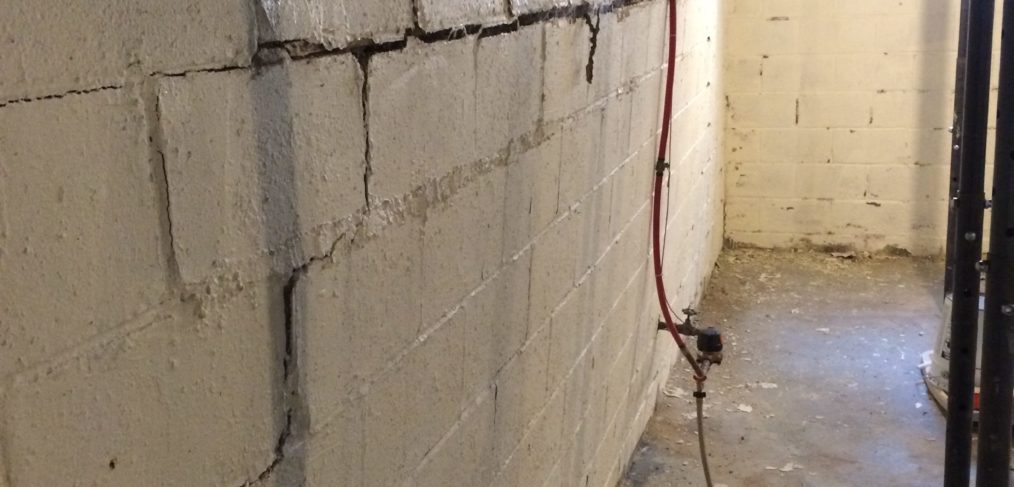
Each foundation settlement crack tells a story, and each story is a puzzle piece in the broader narrative of your home’s well-being. Whether it’s the downward trajectory of vertical cracks, the unsettling spread of horizontal cracks, the diagonal lines hinting at underground movements, or the stair-step cracks illustrating the challenges of balance, deciphering these stories is the key to effective maintenance and timely intervention. Join us on a journey to unveil the meaning behind these foundation wall cracks, the reasons they emerge, and the actions required to address them. Let’s ensure your home remains a sanctuary built on a strong and secure foundation.

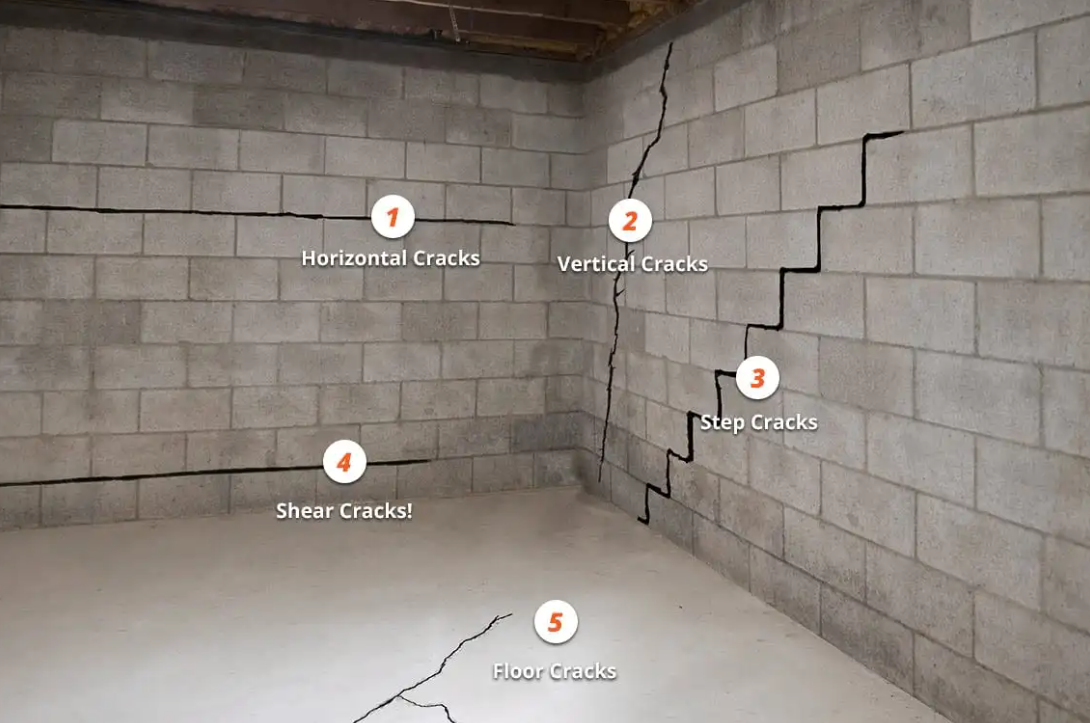
1. Vertical Foundation Wall Cracks

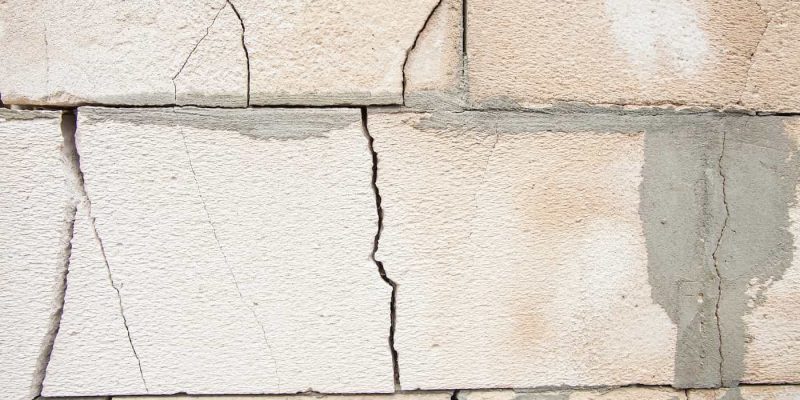
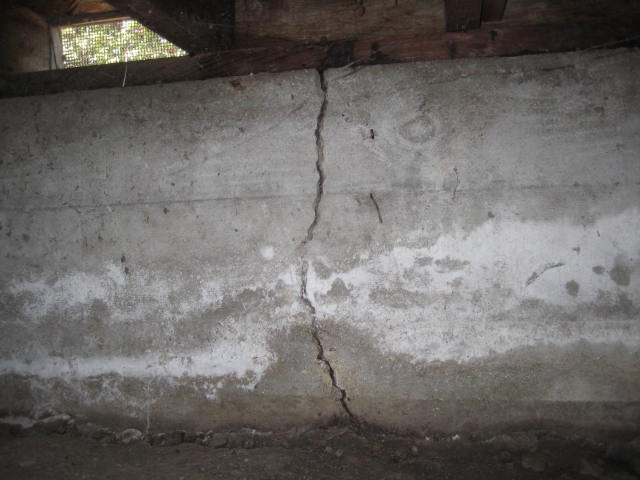
Vertical cracks are the most common type of foundation crack and wall cracks. They run straight up and down, usually occurring as a result of settling or natural foundation movement. While small vertical cracks are often benign, they can still be entry points for moisture and pests.

2. Horizontal Foundation Wall Cracks

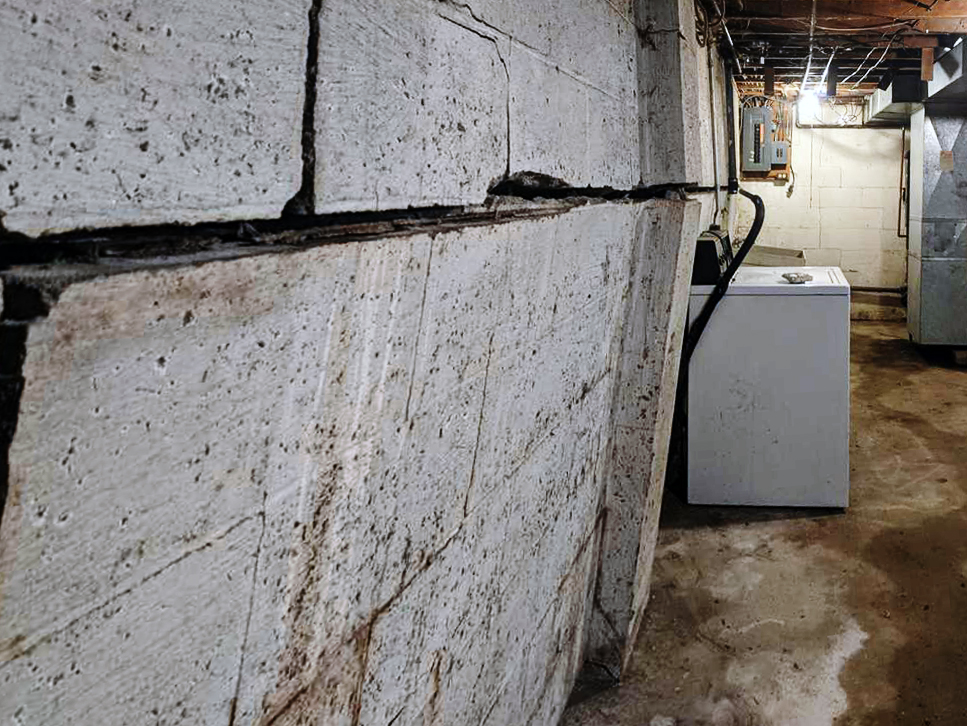
Horizontal cracks raise more concern, as they can indicate serious pressure against the foundation. These cracks can be caused by soil pressure, frost heave, or hydrostatic pressure from groundwater. Immediate attention is essential to the foundation crack repair prevent water infiltration and further damage.

3. Diagonal Foundation Wall Cracks

Diagonal cracks often occur at a 45-degree angle and can be caused by various factors, such as uneven settling, soil movement, or lateral pressure. The severity of the crack depends on the underlying cause, and proper assessment of structural crack is crucial to determine necessary repairs.

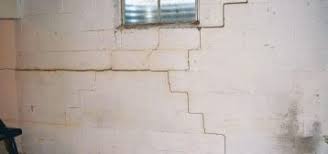
4. Stair-Step Foundation Wall Cracks

Stair-step cracks follow a diagonal pattern along mortar joints, resembling a staircase. These small cracks are commonly caused by differential settling of the foundation. Stair-step cracks should be addressed promptly to prevent larger structural problems.

Causes of Foundation Wall Cracks

Foundation wall cracks can be unsettling, often pointing to underlying structural problems that need attention. Understanding the diverse causes of these cracks is crucial for effective prevention and timely repairs. Here’s an in-depth exploration of the various factors that contribute to various types of foundation cracks and wall cracks:

1. Soil Movement and Settling:

Cause: Over time, the soil beneath your home can shift and settle due to factors like changes in moisture content, compression, and natural geological processes.

Risks:

  • Uneven settling can lead to foundation unevenness, causing cracks to form as the foundation adjusts to the shifting soil.
  • Differential movement in various parts of the foundation can cause strain, leading to cracks.

2. Poor Drainage and Water Accumulation:

Cause: Inadequate drainage systems can lead to water pooling around the concrete foundation wall, subjecting it to hydrostatic pressure and soil erosion.

Risks:

  • Hydrostatic pressure from water accumulation can exert force on foundation walls, resulting in horizontal and vertical cracks.
  • Erosion of the soil beneath the foundation weakens its support, leading to settlement cracks.

3. Frost Heave:

Cause: In colder climates, water in the soil can freeze and expand during winter. This expansion exerts pressure on the concrete slab foundation, leading to cracks.

Risks:

  • The force of frost heave can cause the foundation to shift or move, resulting in cracks as it struggles to withstand the pressure.
  • The repeated cycle of freezing and thawing can exacerbate existing cracks and contribute to further deterioration.

4. Soil Expansion and Contraction:

Cause: Expansive soils, which swell when wet and shrink when dry, can exert significant pressure on foundation walls.

Risks:

  • The constant expansion and contraction of the soil can create stress on the foundation, leading to cracks over time.
  • Cracks can develop when the foundation walls are unable to accommodate the movement of the expansive soil.

5. Poor Construction Practices:

Cause: Improper construction techniques, inadequate materials, or shortcuts during the building process can lead to foundation defects and eventual cracks in foundation throughout.

Risks:

  • Weak points in the foundation’s structure can make it susceptible to movement and cracking over time.
  • Flaws in construction can exacerbate the impact of external factors like soil movement and water pressure.

6. Tree Root Influence:

Cause: Large trees planted too close to the foundation can extend their roots beneath it, causing soil disturbance and potential away from the foundation and movement.

Risks:

  • Tree roots can disrupt the soil, leading to uneven settling and pressure against the foundation.
  • The expansion of roots during growth can exert lateral pressure on the foundation, resulting in cracks.

Professional Solutions for Foundation Wall Cracks

When faced with foundation wall cracks, it’s crucial to enlist the expertise of professionals who can provide tailored solutions to address the issue at its core. These cracks are not mere surface blemishes; they often signal underlying structural problems that block foundations that require precise interventions. Here’s an in-depth exploration of the professional solutions available to remediate foundation wall cracks:

  1. Epoxy Injections: For smaller cracks, epoxy injections offer a cost-effective solution. This involves injecting a specially formulated epoxy material directly into the crack. As the epoxy cures, it bonds with the surrounding masonry, effectively sealing the crack and restoring its structural integrity. Epoxy injections are an excellent choice for preventing moisture infiltration and halting the progression of minor cracks.
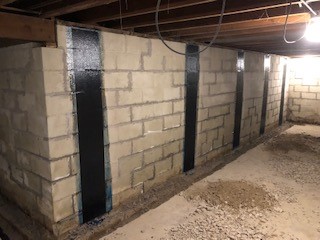
  2. Carbon Fiber Reinforcement: For more extensive cracks or those indicating potential structural issues, carbon fiber reinforcement is a powerful solution. Carbon fiber strips are applied directly to the cracked area and secured in place using epoxy. These strips create a strong and flexible support system for vertical crack that prevents further spreading of the cracks and provides added stability to the wall.
  3. Underpinning: When cracks are symptomatic of larger foundation problems such as settling, underpinning becomes a necessary solution. Underpinning involves extending the foundation to more stable soil layers beneath the surface. This process effectively redistributes the weight of the structure and prevents further settling and cracking. Various methods of underpinning, such as helical piers or push piers, can be employed based on the specific needs of the various foundation problem.
  4. Waterproofing: Water infiltration can exacerbate foundation wall cracks and compromise the structural integrity of your home. Professional waterproofing solutions involve treating the exterior of the foundation walls to create a barrier against water penetration. This preventive measure not only addresses existing foundation repair cracks but also safeguards against future ones caused by water-related issues.
  5. Professional Assessment and Consultation: The initial step in finding the appropriate solution for foundation wall cracks is a thorough assessment by experienced professionals. They will examine the cracks, evaluate the underlying causes, and recommend the most suitable course of action. Whether it’s epoxy injections, carbon fiber reinforcement, underpinning, or a combination of methods, their expertise will guide the remediation crack repair process.

Importance of Timely Repairs

Ignoring foundation wall cracks can lead to more extensive and costly damage over time. Timely repairs not only preserve the structural integrity of cracked foundation of your home but also prevent secondary issues like mold growth and compromised indoor air quality.

Foundation wall cracks are not just cosmetic flaws; they often are structural cracks that hint at underlying structural issues that demand immediate attention. Understanding the causes and risks associated with these cracks is essential for safeguarding your home’s stability and your peace of mind. Whether they stem from soil movement, poor drainage, frost heave, hydrostatic pressure, construction flaws, or tree root growth, addressing these issues promptly and effectively is crucial.

Professional solutions, tailored to the severity and root cause of the cracks, provide the means tobowed-basement-walls-stablwall-2 restore and fortify your home’s foundation. Epoxy injections seal minor cracks, carbon fiber reinforcement stabilizes larger ones, underpinning prevents further settling, and waterproofing guards against water-related issues. However, the process begins with a professional assessment that identifies the best course of action for your specific situation.

In conclusion, foundation wall cracks are not challenges to be underestimated. By partnering with experts like StablWall Structural Strengthening System, you ensure that your home’s foundation receives the attention it deserves. Addressing these cracks promptly can prevent escalating damage and ultimately preserve the structural integrity of your home. Your investment in professional solutions today is an investment in the longevity and security of concrete foundations in your home for years to come. Contact us to embark on the journey of fortifying your foundation and securing your home’s future.

Contact the Professionals at StablWall Today! (866) 782-5955

wall-cracks-stablwall-3

4 Types of Wall Cracks and What They Mean

4 Types of Wall Cracks and What They Mean

The appearance of cracks on your walls, foundation, or basement can be unnerving. In addition to making structures look unsightly, cracks may also mean that there is some problem in the structure of walls or the foundation.

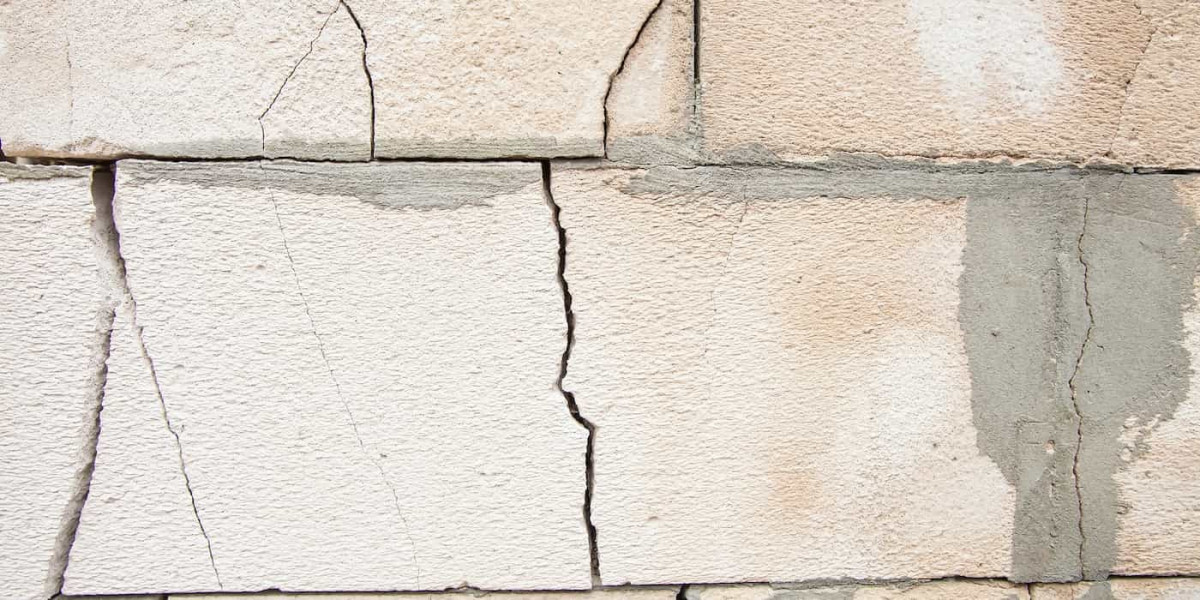
While some types of cracks simply indicate the shrinking of concrete and are therefore nothing much to worry about, the appearance of large cracks of any type should worry you. Here are details about four types of wall cracks and what they mean.wall-cracks-stablwall-1

1. Vertical cracks

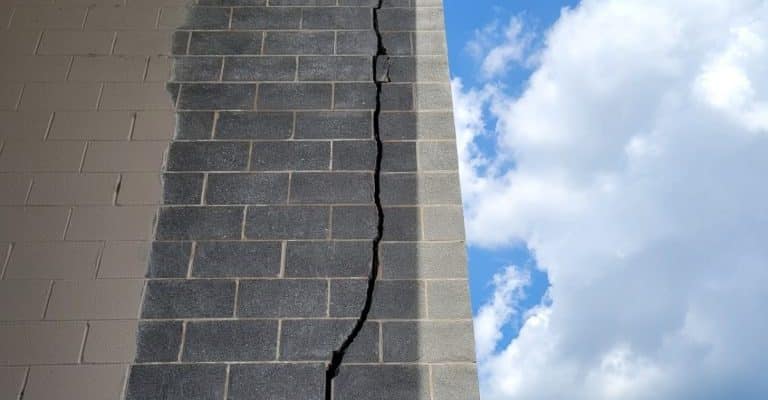
Vertical cracks run up and down in an upright position on walls and foundations. These types of cracks may also appear in a slightly slanting position (about 30 degrees relative to the perpendicular position). Vertical wall cracks often occur as a result of concrete shrinkage and are therefore also referred to a shrinkage cracks.

Narrow vertical cracks are nothing to worry about because they are just a sign that the concrete is shrinking. However, you should be concerned if you see wide vertical cracks (wider than 3 mm or 1/8 inch). You should consult a wall repair expert if you see wider vertical cracks since such cracks may be an indicator of a significant foundation movement.

2. Diagonal cracks

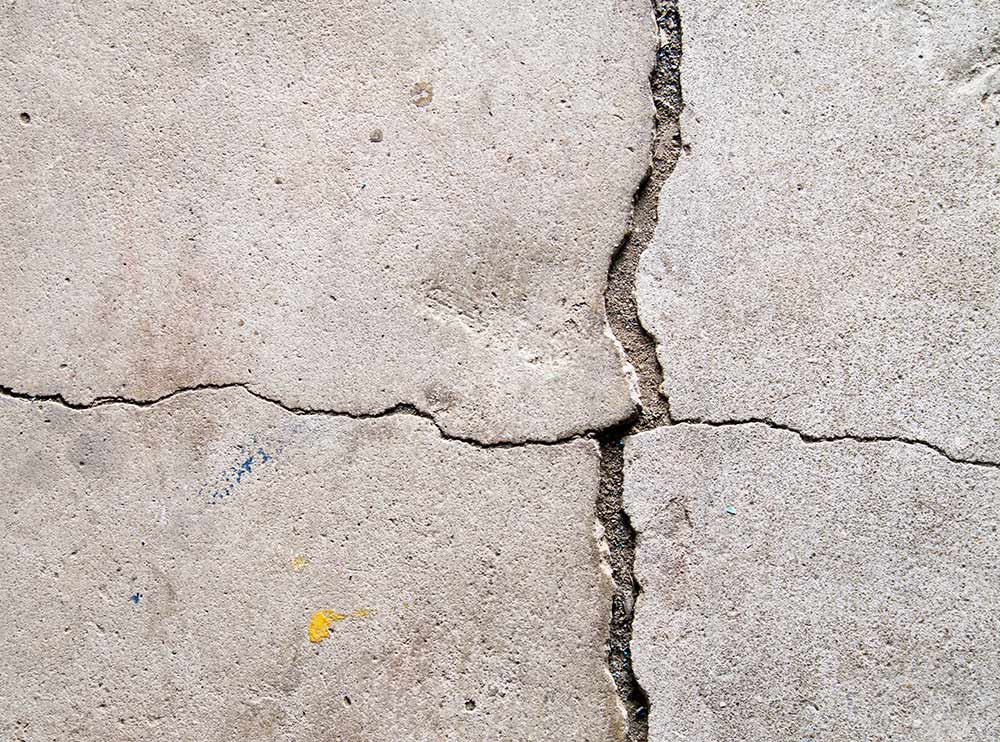
Diagonal cracks run in a slanting manner (30-75 degrees relative to the perpendicular position) from one point to another on a wall. The cracks may be narrow (referred to as hairline cracks) or wider. Unlike vertical cracks, diagonal cracks are usually a sign of more serious structural issues. Such issues include an uneven shifting or settling of the foundation.wall-cracks-stablwall-2

Uneven foundation movement or settling can occur as a result of a house having been built on a slope. It can also be due to excessive moisture in some sections of the soil around the foundation, which will cause the foundation to sink more on one side, leading to diagonal cracking.

Because diagonal wall cracks require more skills and resources to repair compared to vertical cracks, you need to call a professional wall repair company the moment you spot these cracks.

3. Stair step cracks

Stair step cracks are similar to diagonal cracks, save for the fact that they take the form of a staircase running along the joints between bricks. The causes and implications of stair step cracks are quite similar to those of diagonal cracks, meaning that you should consult an expert if you see stair step cracks.

4. Horizontal cracks

Horizontal wall cracks are a sign of severe damage to your building’s walls or foundation. These types of cracks occur due to foundation bowing, which is caused by any of the following factors:

  • Excessive hydrostatic pressure
  • Large roots near the foundation
  • Thermal movement of the soil around the foundation

Horizontal cracks are much more complicated and thus need to be urgently checked and repaired by a skilled technician.

Contact the Professionals at StablWall Today! (866) 782-5955

wall-cracks-stablwall-3

6 Reasons Why Wall Cracks Appear

6 Reasons Why Wall Cracks Appear

Walls are more than just mere aesthetic features of a building, they provide invaluable support and protection for the structure and its occupants. Nonetheless, wall cracks can emerge over time which not only disrupts the look but may also be indicative of greater underlying issues. In this blog post, we will investigate the numerous causes of wall cracks.wall-cracks-stablwall-1

  1. Settlement

Wall cracks are typically the result of settlement, especially common in just-built properties. Settlement transpires when the soil beneath a foundation compacts or shifts, thus causing it to settle or shift too. As this base moves, so does the walls above and can therefore crack them as well.

  1. Moisture

Moisture can be a primary factor of wall cracking. When it permeates the walls, it weakens their structure and eventually leads to cracks forming. This is especially true if you live in an area with high humidity or your bathroom/kitchen are prone to moisture exposure due to lack of proper ventilation or insulation.

  1. Temperature Changes

Temperature fluctuations can be particularly detrimental to walls, especially in areas with extreme weather. When the heat or cold alters, so do the materials making up your walls; this phenomenon causes cracks and fractures within them.wall-cracks-stablwall-2

  1. Poor Quality Materials

The caliber of materials used in the walls plays a key role in wall cracking. If inferior materials are chosen or not installed properly, cracks will surface at some point down the line.

  1. Structural Damage

Cracks in walls can be the result of structural damage to a building, particularly problems with its foundation. When this occurs, the structure may settle or move, which will cause breaks and fractures in the wall’s surface. By inspecting for foundational issues first, you can prevent these cracks from occurring down the line and ensure your buildings are secure.

  1. Poor Design

Ultimately, structural design flaws can also be responsible for wall cracking. If the walls are not appropriately equipped to support the weight of a building or if there is an architectural defect, these walls may indeed fracture over time.

There are numerous possible causes for wall cracks, such as moisture infiltration, structural fatigue, poor quality materials, and more. If you notice any splits or crevices in your walls, it is imperative to look into the cause without delay in order to prevent further destruction. Talking with a specialist can help you understand what’s at play and determine the best course of action.

Contact the Professionals at StablWall Today! (866) 782-5955

wall-cracks-stablwall-3

6 Reasons Why Wall Cracks Appear

6 Reasons Why Wall Cracks Appear

Walls are more than just mere aesthetic features of a building, they provide invaluable support and protection for the structure and its occupants. Nonetheless, wall cracks can emerge over time which not only disrupts the look but may also be indicative of greater underlying issues. In this blog post, we will investigate the numerous causes of wall cracks.

  1. Settlement

Wall cracks are typically the result of settlement, especially common in just-built properties. Settlement transpires when the soil beneath a foundation compacts or shifts, thus causing it to settle or shift too. As this base moves, so does the walls above and can therefore crack them as well.wall-cracks-stablwall-1

  1. Moisture

Moisture can be a primary factor of wall cracking. When it permeates the walls, it weakens their structure and eventually leads to cracks forming. This is especially true if you live in an area with high humidity or your bathroom/kitchen are prone to moisture exposure due to lack of proper ventilation or insulation.

  1. Temperature Changes

Temperature fluctuations can be particularly detrimental to walls, especially in areas with extreme weather. When the heat or cold alters, so do the materials making up your walls; this phenomenon causes cracks and fractures within them.

  1. Poor Quality Materials

The caliber of materials used in the walls plays a key role in wall cracking. If inferior materials are chosen or not installed properly, cracks will surface at some point down the line.wall-cracks-stablwall-2

  1. Structural Damage

Cracks in walls can be the result of structural damage to a building, particularly problems with its foundation. When this occurs, the structure may settle or move which will cause breaks and fractures in the wall’s surface. By inspecting for foundational issues first, you can prevent these cracks from occurring down the line and ensure your buildings are secure.

  1. Poor Design

Ultimately, structural design flaws can also be responsible for wall cracking. If the walls are not appropriately equipped to support the weight of a building or if there is an architectural defect, these walls may indeed fracture over time.

There are numerous possible causes for wall cracks such as moisture infiltration, structural fatigue, poor quality materials, and more. If you notice any splits or crevices in your walls, it is imperative to look into the cause without delay in order to prevent further destruction. Talking with a specialist can help you understand what’s at play and determine the best course of action.

Contact the Professionals at StablWall Today! (866) 782-5955

wall-cracks-stablwall-3

Additional Costs that May Increase the Cost of Repairing Your Wall Cracks

Additional Costs that May Increase the Cost of Repairing Your Wall Cracks

Do you have wall cracks? Are you considering having these cracks repaired? You may have already received quotes from several contractors and are now setting your budget. You may even be considering approaching a financial institution for a loan to finance the repair. However, before you do that, you should consider the following additional costs that could increase the total cost of repairing those foundation cracks.wall-cracks-stablwall-1

  1. The structural engineer’s report

Wall cracks are the visible sign of an underlying problem with your foundation. Many times, cracks indicate damage that runs much deeper than the eye can see. It is therefore important to have a structural engineer inspect your home.

A structural engineer will inspect the foundation for signs of damage, distress, deterioration and damage to determine how deep the problem goes. They will ensure that you can choose a solution that will not only address the cracks but also the underlying cause of the cracking.

The cost of acquiring a structural engineering report varies. The national average for structural engineer reports is between $300 and $1,500.

  1. Soil reports

Another report that will be required prior to having the wall cracks repaired is a soil report. Soil reports are vital for identifying the characteristics of the soil that surrounds your foundation. A geotechnical engineer will carry out tests on your soil to determine the type of soil on your property. The national average for this type of report is between $500 and $3000. These reports help contractors determine what types of problems your soils can cause your foundation. They are therefore able to provide you with a comprehensive long-term solution.wall-cracks-stablwall-2

  1. Unforeseen obstacles

It is also wise to have some wiggle room in your budget to cover unforeseen obstacles. While your contractor may have provided a comprehensive quotation for their services, anything can happen when the work begins. They may uncover even more problems with your foundation that need to be addressed. This will attract additional costs. It is always a good idea to add $500 to $2500 t0o the overall cost of the project in order to cater for any unforeseen expenses.

If you’re a homeowner preparing to repair wall cracks, be sure to consider the additional costs outlined above. While they may not be a factor in your project, it is a good idea to be prepared and budget accordingly.

Contact the Professionals at StablWall Today! (866) 782-5955