
One of the most common — and costly — mistakes homeowners make is treating foundation cracks as the problem instead of recognizing them as symptoms of a deeper structural issue.
Crack repair and foundation stabilization are not interchangeable. Understanding the difference can mean the difference between a lasting solution and recurring damage.
This guide explains how crack repair differs from stabilization, when each is appropriate, and how professionals determine the correct path forward.
Quick Clarity (Q&A)
Q: Is crack repair the same as foundation stabilization?
No. Crack repair addresses damage that has already occurred. Stabilization prevents further structural movement.
Q: Can crack repair ever be enough?
Yes — if the crack is non-structural and the wall is not moving.
Q: When is stabilization required?
When cracks are caused by pressure, bowing, or ongoing wall movement.
What Foundation Crack Repair Actually Does
- Sealing visible cracks
- Preventing water intrusion
- Improving appearance
- Restoring surface integrity
Common crack repair methods:
- Epoxy injection
- Polyurethane injection
- Mortar patching
- Waterproof coatings
These methods do not increase wall strength or resist lateral pressure.
What Foundation Stabilization Does
Stabilization focuses on:
- Restraining wall movement
- Counteracting lateral soil pressure
- Preventing progression of cracks
- Protecting structural integrity
Common stabilization methods:
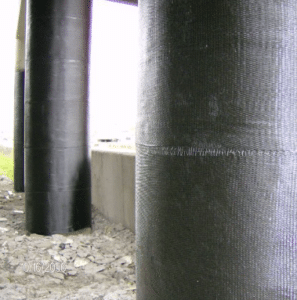
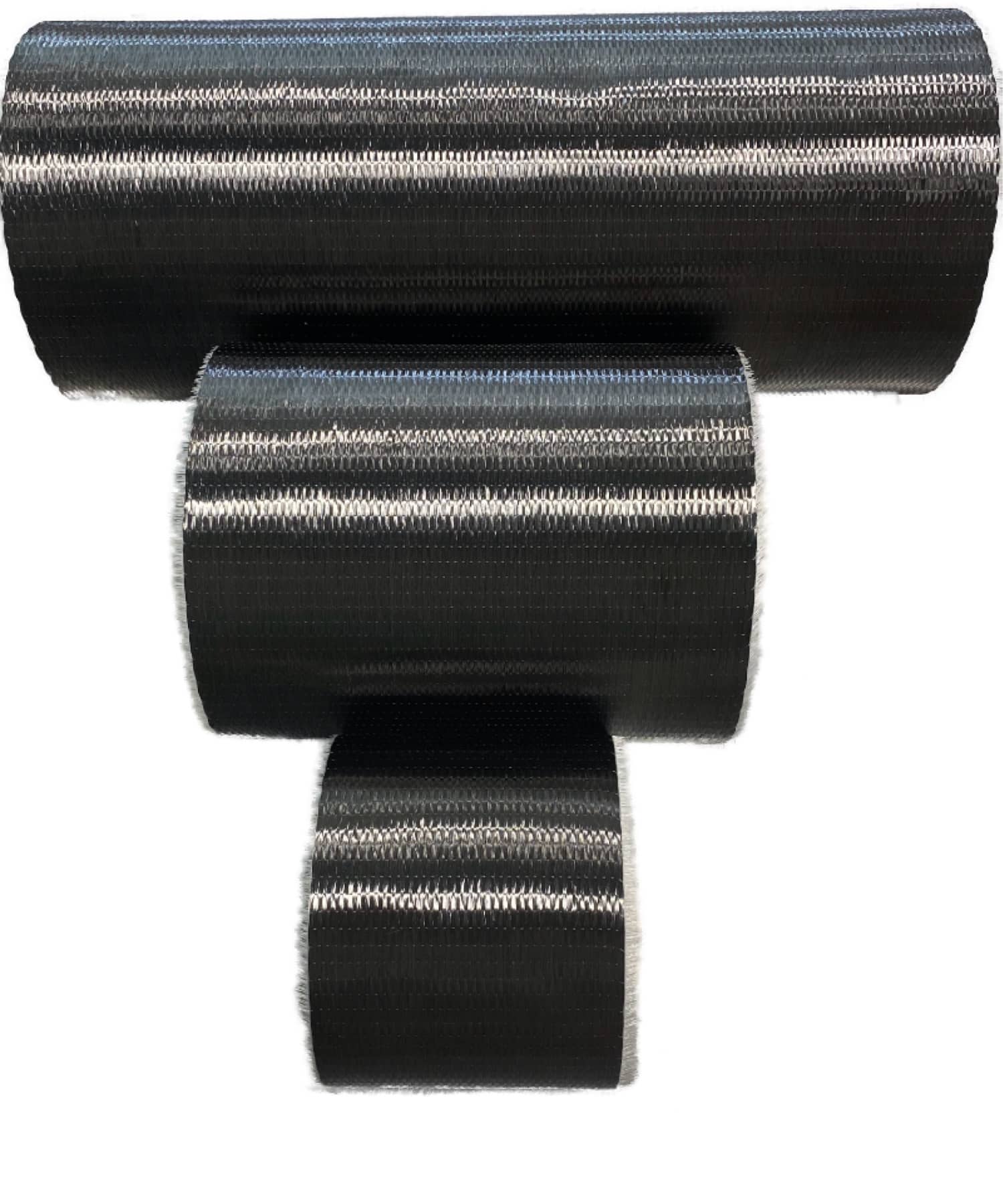
- Carbon fiber reinforcement
- Steel beam systems
- Wall anchors or tiebacks
Stabilization addresses the cause, not just the damage.
How Professionals Decide Between Repair and Stabilization
Crack Repair Is Often Appropriate When:
- Cracks are vertical or hairline
- No wall bowing is present
- Cracks are stable and not widening
- Moisture intrusion is the primary concern
Stabilization Is Often Required When:
- Cracks are horizontal
- Walls show inward movement
- Cracks continue to reappear
- Multiple cracks indicate pressure-related stress
Why Crack Repair Alone Often Fails
Without stabilization:
- Soil pressure continues
- Walls continue to bend
- Cracks reopen or spread
- Repair costs repeat over time
This is why sealing alone is often considered a temporary solution when movement exists.
The Best Long-Term Approach: Repair + Stabilization
- Stabilize the wall to stop movement
- Repair cracks to stop moisture and restore integrity
This layered approach delivers:
- Structural security
- Moisture protection
- Long-term durability
People Also Ask
Should foundation cracks always be repaired?
Yes — but the repair method should match the underlying cause.
Can stabilization prevent new cracks?
Stabilization significantly reduces the risk of new pressure-related cracks.
Is stabilization more expensive than crack repair?
Initially, yes — but it often prevents repeated repairs and higher costs later.
FAQ: Repair vs Stabilization
Can I delay stabilization if cracks are small?
Small cracks can still indicate pressure. Monitoring is acceptable short-term, but movement should be addressed early.
Will stabilization eliminate the need for waterproofing?
No. Stabilization controls structure; waterproofing controls moisture.
Does every cracked wall need stabilization?
No — only walls experiencing movement or pressure-related stress.
Final Thought
Foundation crack repair and foundation stabilization serve very different purposes. When homeowners understand the difference, they can make informed decisions that protect both their home and their investment.