
Foundation Repair Services in Charleston, SC
At StablWall, we offer foundation repair solutions for residential, commercial, and civil structures in Charleston, SC. We repair horizontal, vertical, stair-step, and corner cracks, as well as pillars, load-bearing walls, and outdoor retaining walls. Additionally, we provide a wide range of applications to repair foundations in different types of buildings such as garages, airports, and bridges.
Our highly trained and experienced team is committed to customer satisfaction and quality work. We have worked on foundation repair projects in Charleston, SC for decades and have successfully helped our clients protect their homes and commercial buildings
Contact StablWall Today! 866.782.5955
Facts About Charleston, SC
Charleston is the most populous city in the U.S. state of South Carolina, the county seat of Charleston County, and the principal city in the Charleston metropolitan area. The city lies just south of the geographical midpoint of South Carolina’s coastline on Charleston Harbor, an inlet of the Atlantic Ocean formed by the confluence of the Ashley, Cooper, and Wando rivers. Charleston had a population of 150,277 at the 2020 census. The 2020 population of the Charleston metropolitan area, comprising Berkeley, Charleston, and Dorchester counties, was 799,636 residents, the third-largest in the state, 8th-largest in the Deep South and the 74th-largest metropolitan statistical area in the United States.
Charleston was founded in 1670 as Charles Town, honoring King Charles II, at Albemarle Point on the west bank of the Ashley River (now Charles Towne Landing) but relocated in 1680 to its present site, which became the fifth-largest city in North America within ten years. It remained unincorporated throughout the colonial period; its government was handled directly by a colonial legislature and a governor sent by Parliament. Election districts were organized according to Anglican parishes, and some social services were managed by Anglican wardens and vestries. Charleston adopted its present spelling with its incorporation as a city in 1783. Population growth in the interior of South Carolina influenced the removal of the state government to Columbia in 1788, but Charleston remained among the ten largest cities in the United States through the 1840 census.
Charleston’s significance in American history is tied to its role as a major slave trading port. Charleston slave traders like Joseph Wragg were the first to break through the monopoly of the Royal African Company and pioneered the large-scale slave trade of the 18th century; almost one-half of slaves imported to the United States arrived in Charleston. In 2018, the city formally apologized for its role in the American slave trade.
History
During the American War of Independence, Charleston was an important center of military and political activity. The city was besieged by British forces in 1780 and finally fell after a prolonged siege.
In the 19th century, Charleston became an important commercial and cultural center. The city was a major port for the export of cotton and other agricultural products, and it was also a center for rice production.
During the American Civil War, Charleston was the site where the war began. On April 12, 1861, Confederate forces opened fire on Fort Sumter, which was occupied by federal troops. The attack marked the beginning of the Civil War.
Today, Charleston is known for its historic architecture, beaches, and rich culture. The city is a popular tourist destination and attracts visitors from all over the world.
Culture
Charleston’s culture blends traditional Southern U.S., English, French, and West African elements. The downtown peninsula has a number of art, music, local cuisine, and fashion venues. Spoleto Festival USA, held annually in late spring, was founded in 1977 by Pulitzer Prize-winning composer Gian Carlo Menotti, who sought to establish a counterpart to the Festival dei Due Mondi (the Festival of Two Worlds) in Spoleto, Italy.
Charleston’s oldest community theater group, the Footlight Players, has provided theatrical productions since 1931. A variety of performing arts venues includes the historic Dock Street Theatre. The annual Charleston Fashion Week held each spring in Marion Square brings in designers, journalists, and clients from across the nation. Charleston is known for its local seafood, which plays a key role in the city’s renowned cuisine, comprising staple dishes such as gumbo, she-crab soup, fried oysters, Lowcountry boil, deviled crab cakes, red rice, and shrimp and grits. Rice is the staple in many dishes, reflecting the rice culture of the Low Country. The cuisine in Charleston is also strongly influenced by British and French elements.
Annual cultural events and fairs
Charleston annually hosts Spoleto Festival USA founded by Gian Carlo Menotti, a 17-day art festival featuring over 100 performances by individual artists in a variety of disciplines. The annual Piccolo Spoleto festival takes place at the same time and features local performers and artists, with hundreds of performances throughout the city. Other festivals and events include Historic Charleston Foundation’s Festival of Houses and Gardens and Charleston Antiques Show,[105] the Taste of Charleston, The Lowcountry Oyster Festival, the Cooper River Bridge Run, The Charleston Marathon, Southeastern Wildlife Exposition (SEWE), Charleston Food and Wine Festival, Charleston Fashion Week, the MOJA Arts Festival, and the Holiday Festival of Lights (at James Island County Park), and the Charleston International Film Festival. The Charleston Conference is a major library industry event, held in the city center since 1980.
WHERE TO FIND US:
349 Highland Road
Macedonia, OH 44056
Phone: (866) 782-595
Places to visit in Charleston
Joe Riley Waterfront Park

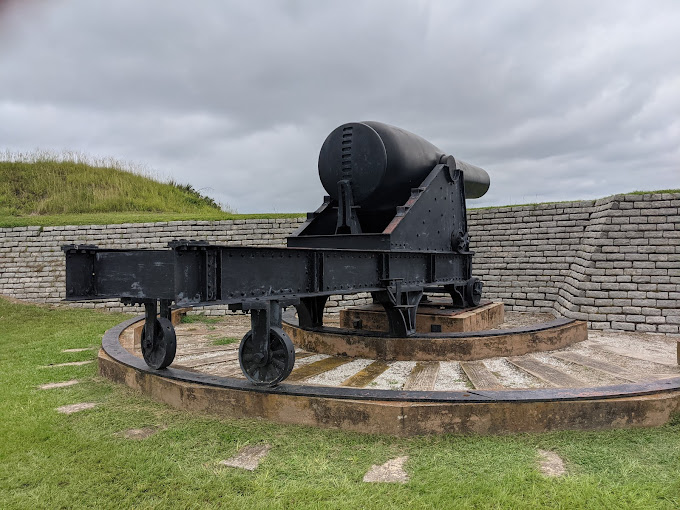
Fort Sumter National Monument
South Carolina Aquarium

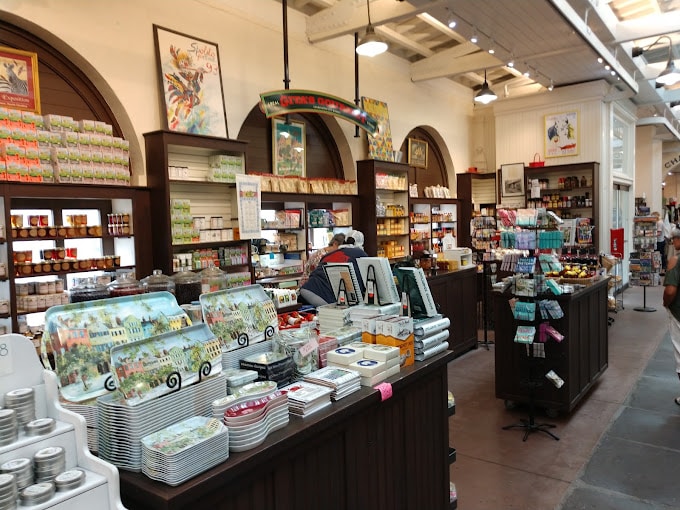
Charleston City Market