
Not all foundation cracks are created equal.
While many homeowners notice vertical or diagonal cracks and monitor them over time, horizontal foundation cracks are in a different category altogether. These cracks are less common, but when they appear, they often signal that the foundation wall is under significant stress.
Understanding what horizontal cracks mean, why they form, and what steps to take next can prevent long-term structural damage and costly repairs.
What Is a Horizontal Foundation Crack?
A horizontal foundation crack runs side to side across a basement or crawlspace wall. Unlike vertical cracks, which often result from settling or concrete shrinkage, horizontal cracks are usually caused by pressure pushing inward on the wall.
That pressure most often comes from the soil surrounding the foundation.
Why Horizontal Cracks Are Considered More Serious
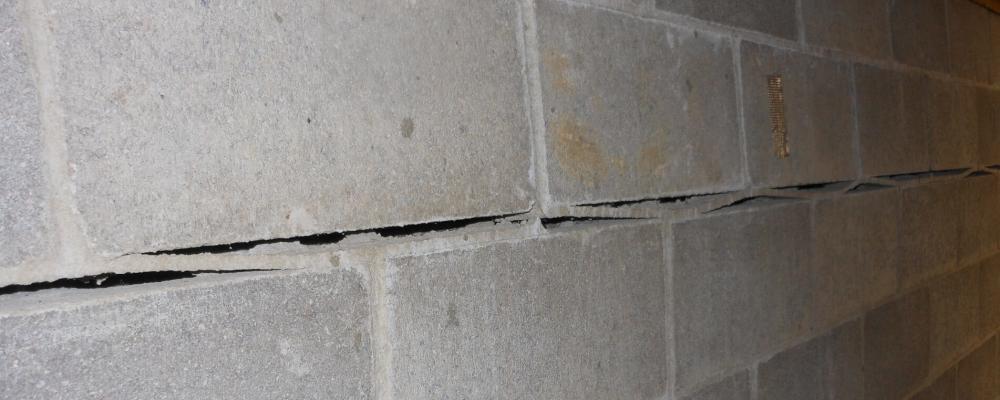
When soil becomes saturated with water, it expands. As that pressure builds, it pushes inward on foundation walls. Over time, the wall may begin to flex, and horizontal cracking becomes visible.
This type of cracking often indicates:
- Active lateral soil pressure
- Early stages of wall movement
- Loss of structural resistance in the wall
Left unaddressed, this pressure can worsen.
Common Causes of Horizontal Foundation Cracks
Horizontal cracks don’t appear randomly. They’re usually the result of environmental forces acting over time.
Expansive or Saturated Soil
Clay-heavy soils absorb water and expand, increasing pressure against foundation walls.
Poor Drainage
Improper grading, clogged gutters, or inadequate drainage systems allow water to collect near the foundation.
Freeze-Thaw Cycles
In colder climates, freezing soil expands and contracts repeatedly, stressing foundation walls.
Long-Term Hydrostatic Pressure
Consistent groundwater pressure builds force against basement walls, especially during wet seasons.
Early Warning Signs That Often Appear Alongside Horizontal Cracks
Horizontal cracks rarely exist in isolation. Homeowners may also notice:
- Bowing or inward-curving basement walls
- Cracks widening over time
- Water seepage through the crack
- Musty odors or damp basement conditions
- Efflorescence (white chalky residue) on walls
These signs suggest that pressure is ongoing, not historical.
Why Sealing a Horizontal Crack Isn’t Enough
Sealing a horizontal crack may temporarily stop water intrusion, but it does nothing to relieve the pressure causing the crack.
If the wall continues to experience lateral force:
- The crack may reopen
- New cracks may form nearby
- The wall may bow further inward
This is why horizontal cracks are typically addressed with structural reinforcement, not just cosmetic repair.
How Horizontal Foundation Cracks Are Professionally Evaluated
A proper evaluation looks beyond the crack itself.
Professionals assess:
- Degree of wall movement
- Length and location of the crack
- Soil and drainage conditions
- Signs of active pressure
- Overall wall stability
The goal is to determine whether the wall needs stabilization, reinforcement, or additional corrective measures.
Common Repair Approaches for Horizontal Cracks
The right repair depends on severity, movement, and wall condition.
Wall Reinforcement Systems
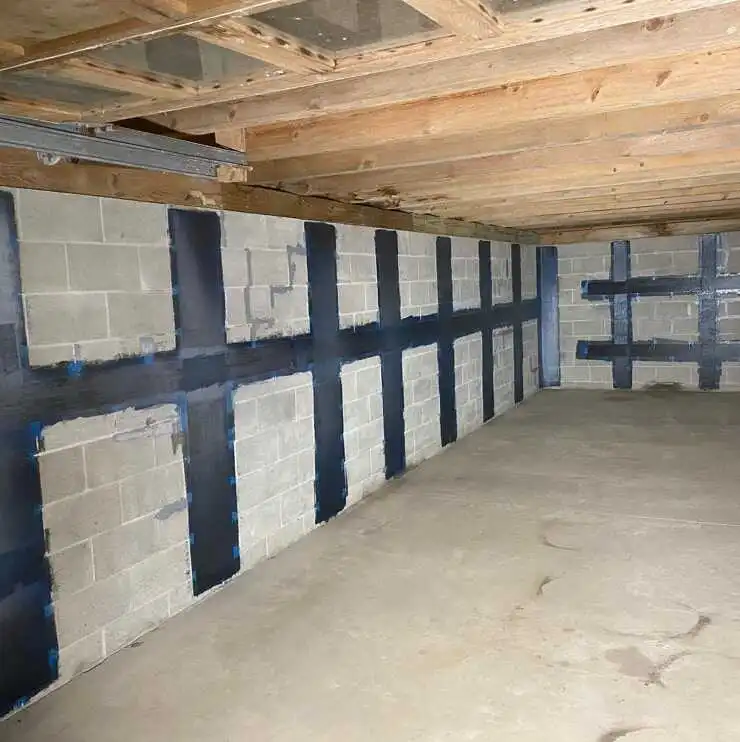
Used to stabilize walls and prevent further inward movement. These systems counteract lateral pressure.
Carbon Fiber Reinforcement
Often used in early to moderate cases where the wall is beginning to move but hasn’t bowed severely.
Steel Bracing or Anchoring Systems
Used when wall movement is more advanced and stronger mechanical resistance is required.
The focus is always on stopping movement before addressing cosmetic repairs.
What Homeowners Commonly Ask About Horizontal Cracks
Are horizontal cracks always structural?
In most cases, yes. Horizontal cracking is usually tied to lateral pressure and structural stress.
Can a wall collapse from a horizontal crack?
Collapse is rare, but untreated pressure and movement can lead to severe structural damage over time.
Should I wait and monitor a horizontal crack?
Waiting is risky. Horizontal cracks typically indicate active pressure that does not resolve on its own.
What Homeowners Say After Taking Action
 Homeowners who address horizontal cracks early often describe:
- Relief knowing the wall is stabilized
- Reduced moisture issues
- Confidence during heavy rain
- Peace of mind knowing the problem won’t worsen
The most common feedback is wishing they had acted sooner.
When to Contact a Foundation Specialist
If you notice a horizontal crack, especially one paired with wall movement or moisture, professional evaluation is strongly recommended.
Experts like Stablwall specialize in diagnosing lateral pressure issues and recommending reinforcement solutions designed to stabilize foundation walls long-term.
The Homeowner Takeaway
Horizontal foundation cracks are not a cosmetic issue.
They are a signal that the foundation wall is under stress and needs attention. Acting early allows homeowners to stabilize the wall, prevent further damage, and protect the structure of their home.
Understanding the cause leads to the right solution, and the right solution restores confidence.