What Causes Horizontal Cracks in Basement Walls? Soil Pressure, Water, and Time

Horizontal cracks in basement walls don’t appear overnight, and they don’t happen without a reason.

For most homeowners, these cracks seem to come out of nowhere. One day the wall looks fine, and the next there’s a long, horizontal line stretching across the foundation. The reality is that the forces behind horizontal cracks have usually been building for years.

Understanding what causes these cracks helps homeowners move from confusion to clarity, and from worry to informed action.

The Role of Soil: The Pressure You Can’t See

The soil surrounding a home plays a much bigger role in foundation health than most people realize.

When soil is dry, it exerts relatively little pressure on foundation walls. But when it becomes saturated with water, especially clay-heavy soil, it expands and pushes inward.

This lateral pressure builds gradually and continuously, pressing against basement walls that were never designed to flex.

Over time, the wall responds the only way it can, by cracking horizontally.

Hydrostatic Pressure: Water Working Against the Foundation

Hydrostatic pressure is one of the most common contributors to horizontal cracking.

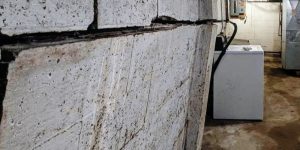
Bowing Cinder Block | Chicago, IL | StablWallIt occurs when groundwater accumulates around the foundation and has nowhere to go. As water builds up, it creates outward pressure that pushes directly against basement walls.

Poor drainage conditions increase this risk, including:

  • Clogged or missing gutters


  • Downspouts discharging near the foundation


  • Improper grading around the home


  • High water tables

The longer water remains trapped near the foundation, the greater the pressure becomes.

Why Basement Walls Crack Horizontally Instead of Vertically

Vertical cracks usually result from settling or shrinkage. Horizontal cracks, on the other hand, are tied to sideways force.

Basement walls resist downward loads well, but lateral loads are a different story. When pressure builds evenly along the outside of a wall, the stress often concentrates in the middle section, where resistance is weakest.

That’s why horizontal cracks often appear:

  • Midway up the wall


  • Along mortar joints in block foundations


  • Across long stretches of wall

These cracks indicate bending, not settling.

Time: The Silent Contributor

Foundation problems are rarely sudden events.

Most horizontal cracks develop slowly as:

  • Soil repeatedly absorbs and releases moisture


  • Seasonal weather cycles stress the wall


  • Pressure accumulates year after year

By the time a crack becomes visible, the wall has often been under stress for a long time.

This is why early signs like small cracks, slight bowing, or moisture intrusion shouldn’t be ignored.

Poor Drainage Makes Everything Worse

Drainage issues don’t cause horizontal cracks on their own, but they dramatically increase the risk.

When water is allowed to collect around the foundation:

  • Soil stays saturated longer


  • Hydrostatic pressure increases


  • Freeze-thaw cycles become more damaging

Improving drainage can reduce future stress, but once a wall has cracked horizontally, reinforcement is often still necessary.

Foundation Wall Materials and Their Response to Pressure

Different foundation types react differently to lateral pressure.

Poured Concrete Walls

These walls are strong but can still crack when pressure exceeds their design limits.

Block or Masonry Walls

Block walls are especially vulnerable because mortar joints provide natural fault lines where cracks can form.

Regardless of material, lateral pressure affects all foundation walls over time.

Why Horizontal Cracks Rarely Fix Themselves

Unlike hairline shrinkage cracks, horizontal cracks are tied to ongoing pressure.

Without intervention:

  • Pressure continues to build


  • Cracks widen or lengthen


  • Walls may bow inward


  • Structural integrity can be compromised

This is why horizontal cracks are treated as a structural concern rather than a cosmetic one.

What Homeowners Often Ask About Causes

Did I do something wrong?

In most cases, no. Soil conditions, weather patterns, and natural forces are the primary contributors.

Can landscaping cause horizontal cracks?

Improper grading or excessive water retention near the foundation can increase pressure over time.

Will fixing drainage stop the crack from getting worse?

Drainage improvements help reduce future pressure, but structural reinforcement is often needed once cracking occurs.

Why Identifying the Cause Matters

Treating a horizontal crack without understanding its cause is like repainting a wall with a leak behind it.

Knowing whether the pressure comes from soil, water, or long-term stress allows professionals to recommend solutions that actually last.

When to Involve a Foundation Specialist

If a horizontal crack is present, especially with wall movement or moisture, professional evaluation is strongly recommended.

Specialists like Stablwall focus on identifying the source of lateral pressure and recommending reinforcement methods designed to stop movement before it progresses.

The Homeowner Takeaway

Horizontal cracks don’t happen by accident.

They’re the result of soil pressure, water, and time working together against foundation walls. Understanding these forces helps homeowners move past fear and toward practical solutions.

The earlier the cause is identified, the easier it is to protect the structure and prevent further damage.

Understanding the Wall Cracks of Foundation: Causes, Types, and Remedies

Understanding the Wall Cracks of Foundation: Causes, Types, and Remedies

The foundation of any structure is its backbone, providing stability and support for the entire building. However, over time, foundations can develop issues, and one of the most common foundation problems is wall cracks. These cracks can be alarming, but understanding their causes, types, and remedies is crucial for homeowners and property managers. In this article, we will explore the world of foundation wall cracks and how to manage them effectively.

The Causes of Foundation Wall Cracks

Settlement:

  • Natural Settlement: Over time, all buildings settle to some extent. The weight of the structure causes the foundation to compress the soil beneath it. This gradual settling is typically uniform and results in minor, vertical cracks.
  • Uneven Settlement: In some cases, the settlement is not uniform, leading to differential movement in different parts of the foundation. This uneven settling can cause more noticeable and wider cracks in the walls.

Water Damage:

  • Hydrostatic Pressure: Water is a powerful force that can exert pressure on foundation walls. When the soil around the foundation becomes oversaturated due to heavy rain or poor drainage, it can push against the walls, leading to horizontal cracks.
  • Freeze-Thaw Cycles: In regions with cold winters, water that seeps into the soil around the foundation can freeze during winter and expand. As the ice thaws in the spring, it contracts, exerting pressure on the foundation walls and causing cracks.

Poor Construction:

  • Inadequate Footings: Foundations with shallow or inadequately sized footings are more susceptible to cracking. This is a result of the inability to distribute the weight of the structure evenly.
  • Subpar Materials: The use of low-quality construction materials can weaken the foundation and make it more prone to cracking. Substandard concrete, for instance, is more likely to develop cracks over time.

Tree Roots:

  • Soil Displacement: The roots of trees and large shrubs can grow beneath the foundation, causing soil displacement. As the soil shifts, it can lead to the development of foundation wall cracks. Trees with invasive root systems are particularly problematic.

External Pressure:

  • Lateral Soil Pressure: Expansive soils or clay soils can exert significant lateral pressure on foundation walls. This pressure can cause horizontal or stair-step cracks, especially in basement walls.
  • Heavy Construction Nearby: If heavy construction or excavation occurs near your property, it can disrupt the stability of the soil and lead to shifts in the foundation, resulting in cracks.

Environmental Factors:

  • Earthquakes: In regions prone to seismic activity, earthquakes can cause substantial stress on a building’s foundation, leading to various types of cracks.
  • Soil Erosion: Erosion can weaken the soil surrounding the foundation, leaving it more vulnerable to settlement and pressure-induced cracking.

Understanding the causes of foundation wall cracks is crucial for implementing the appropriate remedies and preventive measures. Regular inspections, proper drainage systems, and seeking professional guidance when necessary can help homeowners and property managers maintain a solid foundation and a structurally sound building.

Types of Foundation Wall Cracks

Vertical Cracks:

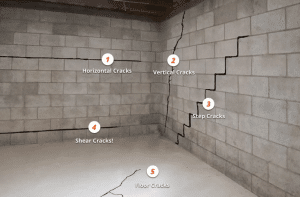
Description: Vertical cracks are one of the most common types of vertical foundation cracks. They typically run straight up and down or at a slight angle.

Causes: These cracks often result from natural settlement or minor shifts in the foundation. While they may appear alarming, they are generally less severe than other types of cracks.

Severity: Vertical cracks are usually less of a concern. However, it’s essential to monitor them for any signs of widening or further damage.

Horizontal Cracks:

Description: Horizontal cracks are more serious than vertical cracks as they typically run parallel to the ground. They may extend across the entire width of a wall.

Causes: These cracks are often indicative of external pressure due to soil expansion, hydrostatic pressure from water, or frost heaving. They can be a sign of significant structural issues.

Severity: Horizontal cracks are a cause for immediate concern. They can compromise the structural integrity of the building and may lead to water infiltration.

Stair-Step Cracks:

Description: Stair-step cracks follow a diagonal pattern, resembling a flight of stairs. They are commonly seen in masonry walls, such as brick or stone.

Causes: Stair-step cracks may result from foundation settling issues or soil movement. They often indicate more significant structural problems.

Severity: These cracks are moderate to severe, and they require prompt attention. They can lead to structural instability and should not be ignored.

Bulging or Bowing Walls:

Description: Instead of conventional cracks, bulging or bowing walls appear as a noticeable inward or outward curvature of the foundation wall.

Causes: These issues typically result from extreme external pressure on cracked foundation. This pressure can be exerted by expansive soil, tree roots, or a high water table, causing the walls to deform.

Severity: Bulging or bowing walls are a severe concern, as they can lead to structural failure and water infiltration. Immediate professional intervention is necessary.

Shear Cracks:

Description: Shear cracks are typically diagonal or at a 45-degree angle to the horizontal and vertical. They often appear in poured concrete walls and are more common in regions prone to seismic activity.

Causes: Seismic forces, ground movement, or soil expansion can lead to shear cracks. They are a concern in earthquake-prone areas.

Severity: Shear cracks can be a significant structural issue, particularly in areas susceptible to earthquakes. They should be evaluated and repaired by professionals.

Non-Structural Cracks:

Description: Non-structural cracks are typically hairline cracks that don’t affect the foundation problem overall stability of the foundation. They are often caused by surface shrinkage of concrete or minor settling.

Causes: These cracks are usually a result of the natural curing process of the concrete slab or minor surface movements.

Severity: Non-structural cracks are generally not a structural concern. They may, however, lead to water penetration and should be sealed to prevent further damage.

Understanding the types of foundation wall cracks and their respective causes and severities is essential for determining the appropriate course of action. In many cases, professional inspection and repair are necessary, especially for horizontal, stair-step, or bulging cracks, which indicate significant structural issues. Regular maintenance and addressing cracks promptly can help preserve the integrity of your building’s concrete foundation wall.

Remedies for Foundation Wall Cracks

Addressing foundation wall cracks promptly and effectively is essential to prevent further structural damage and maintain the integrity of your building. Here, we’ll delve deeper into various remedies for foundation wall cracks:

Foundation Repair:

Description: Professional foundation repair companies can assess the extent of the damage and provide tailored solutions. These may include reinforcing the foundation, filling cracks with epoxy or polyurethane injections, or installing support systems for structural foundation cracks like wall anchors or piers.

When to Use: Foundation repair is necessary for moderate to severe cracks in foundation below, such as horizontal or stair-step cracks, or when the foundation’s structural integrity is compromised. It is the most comprehensive solution to restore the foundation’s strength.

Waterproofing:

Description: Waterproofing is essential to prevent further damage caused by water infiltration. It involves applying waterproof coatings or sealants to the interior or exterior foundation walls to create a barrier against moisture.

When to Use: Waterproofing is crucial when cracks are associated with water damage. It helps prevent further erosion and structural deterioration caused by moisture.

Drainage Solutions:

Description: Improving drainage around your property is a preventive measure to manage water-related foundation issues. This includes ensuring that downspouts direct water away from the home’s foundation and maintaining proper grading to promote water flow away from the building.

When to Use: Implement drainage solutions when water-related issues are contributing to foundation cracks, especially in regions with poor drainage or high rainfall.

Tree Management:

Description: If tree roots are in diagonal foundation cracks causing soil displacement and, subsequently, foundation wall cracks, consult an arborist to manage or remove trees that pose a threat. Root barriers can also be installed to redirect roots away from the foundation.

When to Use: Tree management is essential when you’ve identified tree roots as a contributing factor to foundation issues. It is a preventive measure to avoid future damage.

Regular Inspections:

Description: Regular inspections by a professional foundation expert can help catch cracks early, preventing minor issues from becoming major structural problems. Periodic inspections can identify potential concerns before they escalate.

When to Use: Regular inspections should be part of your ongoing maintenance routine. Consider scheduling inspections annually or after significant environmental events like heavy rainfall or earthquakes.

Regrading and Soil Stabilization:

Description: Regarding involves altering the slope of the soil around the foundation to ensure proper water runoff. Soil stabilization can also be done to enhance soil strength and reduce foundation settlement further.

When to Use: Regrading and soil stabilization are preventive measures that can be implemented when poor drainage or soil issues are identified as potential causes of foundation cracks.

DIY Crack Sealing:

Description: For minor, non-structural cracks, homeowners can use commercially available epoxy or polyurethane crack repair kits. These are designed to fill and seal small cracks, preventing water penetration and further damage.

When to Use: DIY crack sealing is suitable for hairline cracks or minor cracks in non-load-bearing walls. However, it’s crucial to monitor the cracks for any signs of widening or structural issues.

It’s important to note that while DIY solutions may be suitable for minor issues, any cracks indicative of structural problems, especially horizontal, bulging, or stair-step cracks, should be assessed and addressed by a professional foundation crack repair company. Timely action and appropriate remedies will help maintain a stable and secure foundation, ensuring the long-term health of your building.

Safeguarding Your Foundation’s Integrity

Foundation wall cracks, although common, are issues that require careful consideration and prompt action. Understanding foundation wall crack, their causes, types, and appropriate remedies is paramount for homeowners and property managers. Your foundation’s stability and longevity are at stake, and the choices you make can significantly impact the structural integrity of your building.

The causes of foundation wall cracks are diverse, stemming from factors such as natural settling, water damage, poor construction, tree roots, external pressure, and environmental forces like earthquakes and soil erosion. Recognizing these causes is the first step in mitigating potential issues.

Equally important is understanding the types of foundation wall cracks. . Vertical crack cracks, while common, may not always be a cause for concern, but horizontal, stair-step, and bulging cracks are more serious and often indicative of structural problems. Identifying the type of crack and its severity is essential for informed decision-making.

To safeguard your foundation’s integrity, you have an array of remedies at your disposal:

  • Professional foundation repair can restore strength to a compromised foundation, addressing moderate to severe cracks.
  • Waterproofing is essential to combat water infiltration and erosion caused by moisture.
  • Drainage solutions help manage water-related issues by directing water away from the foundation.
  • Tree management and root barriers can prevent root-related damage in the future.
  • Regular inspections can catch issues early, preventing minor concerns from escalating.
  • Regrading and soil stabilization enhance drainage and soil strength as preventive measures.
  • DIY crack sealing is an option for minor, non-structural cracks in non-load-bearing walls.

However, it’s crucial to remember that for cracks indicative of significant structural issues, professional assistance is non-negotiable.

foundation-repair-stablwall-2

In conclusion, a strong and stable foundation is the cornerstone of any sound structure. By understanding the causes, types, and remedies for foundation wall cracks, you can ensure that your building remains secure and your investment well-protected. Do not hesitate to seek professional guidance when needed, as addressing these issues promptly can save you from costlier and more extensive repairs down the road. With the right knowledge and proactive measures to prevent foundation cracks, your foundation can stand strong for years to come.

Contact the Professionals at StablWall Today! (866) 954-2739

Distribution Links +

carbon-fiber-stablwall-2

Common Causes of Wall Cracks: Understanding the Underlying Issues

Common Causes of Wall Cracks: Understanding the Underlying Issues

Walls are the silent sentinels of our buildings, standing tall and strong, offering both structural support and a sense of security to those who dwell within. Yet, despite their formidable appearance, they are not immune to the forces of time and nature. Wall cracks, though seemingly innocuous at first glance, can signify deeper, potentially grave concerns lurking beneath the surface.

In this in-depth exploration, we embark on a journey to uncover the enigmatic world of wall cracks, seeking to unravel the mysteries of their origins and implications. Walls do more than just partition our living spaces; they are a testament to human ingenuity and craftsmanship. When cracks appear, it’s not merely a matter of aesthetics; it’s a wake-up call to the unseen battles waged within the very foundation of our structures.

stablwall 1 foot wide

These hairline rifts vertical cracks and crevices can be symptomatic of a multitude of issues, from shifts in the earth beneath our homes to the inexorable march of time, from moisture’s relentless invasion to the unforgiving embrace of extreme temperatures. In this article, we will delve into these underlying causes, dissecting each one to shed light on the intricacies of wall cracking.

So, whether you are a homeowner concerned about how foundation wall cracks and the well-being of your abode or a builder aiming to construct resilient structures, join us on this exploration of the forces that shape our walls and the wisdom to fortify them against the trials of time. Let’s embark on a journey to understand the common causes of wall cracks, demystify their origins, and empower ourselves with the knowledge to ensure the longevity and integrity of the walls that stand as the guardians of our homes.

Causes of Wall Cracks

1. Settlement:

Settlement, often considered the silent disruptor of wall integrity, is a phenomenon deeply intertwined with the very ground upon which our structures rest. It’s a process that might not catch the eye immediately, but its effects manifest through the subtlest of signs – those hairline cracks that zigzag across your once-pristine walls.

Picture this: a newly constructed home, the embodiment of dreams and aspirations, standing proudly on its foundation. Yet, beneath the surface, the earth holds secrets that can challenge this proud edifice. Settlement, in the context of types of foundation cracks and wall cracking, occurs when the soil upon which a building is founded undergoes changes. It might compact or shift due to a variety of reasons, such as natural subsidence or changes in moisture content.

As the soil beneath the foundation undergoes these transformations, the structure built upon it reacts accordingly. Walls, staunch sentinels of the building, bear the brunt of this shifting landscape. When the soil pressure of the foundation moves, so do the walls above, leading to the appearance of cracks and fissures.

This phenomenon is particularly common in newly built properties, as the soil settles into the foundation settlement to its new role of supporting the structure. The weight of the building itself can contribute to this settling process. As the foundation adjusts to this newfound burden, it can give rise to subtle shifts that may seem innocuous but can escalate into more significant structural issues if left unattended.

Addressing settlement-related foundation cracks requires a multi-faceted approach. It begins with a thorough assessment of the soil’s composition and behavior beneath the foundation. Soil engineers can evaluate the type of soil and its bearing capacity, providing insights into potential settlement risks. Based on these findings, various mitigation strategies can be implemented, such as soil compaction or the use of pilings to distribute the load evenly.

Preventative measures can also play a pivotal role. Proper site preparation during construction, including soil compaction and foundation design, can minimize settlement risks from the outset. Routine inspections and maintenance can help detect early signs of settlement-related wall cracks in the foundation only, enabling timely interventions to safeguard the structural integrity of your building.

2. Moisture Infiltration:

Moisture, the ever-present force of nature, has a relentless way of seeking entry into our homes, and its infiltration can be a potent adversary to the longevity of our walls. The insidious impact of moisture on wall integrity is a tale of gradual degradation, often hidden away from the foundation in plain view until telltale signs begin to surface in the form of unsightly cracks.

Picture a wall as a guardian standing watch, steadfast and unyielding, protecting the interior from the elements. Yet, when moisture infiltrates its defenses, it undermines the very foundation of this guardian’s strength. This infiltration can occur through various means, including rainwater seepage, leaks from plumbing or roofs, or even high humidity levels within the building.

Once moisture gains access to the inner layers of a wall, it begins to work its destructive magic. It weakens the structural components of the foundation wall, particularly if the wall lacks adequate moisture barriers or sealing. Over time, this weakening leads to the formation of cracks as the wall struggles to bear the weight and pressure exerted upon it.

Moisture’s impact is often most pronounced in areas with high humidity or inadequate ventilation, such as bathrooms and kitchens. The constant exposure to moisture-laden air and the lack of proper insulation can exacerbate the problem, making these areas particularly susceptible to wall cracking.

Addressing moisture-related wall cracks requires a multi-pronged approach. First and foremost, it’s crucial to identify the source of moisture infiltration through horizontal cracks and rectify it promptly. This might involve repairing roof leaks, fixing plumbing issues, or improving ventilation and insulation in vulnerable areas.

Moreover, preventive measures are equally vital. Properly sealing walls, installing moisture barriers, and maintaining a well-ventilated living space can significantly reduce the risk of moisture-related cracking. Regular inspections and maintenance routines can help detect early signs of moisture infiltration, allowing for timely interventions.

3. Temperature Fluctuations:

Temperature fluctuations, a hallmark of our ever-changing climate, exert a subtle yet continuous influence on the integrity of our walls. These fluctuations are especially pronounced in regions with extreme weather patterns, where the materials comprising our walls must constantly expand and contract in response to the whims of Mother Nature.

Imagine your walls as adaptable sentinels, constantly adjusting to the ebb and flow of temperature changes. During periods of intense heat, the materials composing the walls expand, stretching to accommodate the rising mercury. Conversely, when the cold grip of winter descends, these same materials contract, seeking to conserve energy and warmth.

While this adaptability is indeed a testament to the resilience of construction materials, it also harbors a hidden danger. Repeated expansion and contraction, over time, can cause stress to accumulate within the structure. This accumulated stress finds an outlet in the form of cracks and fractures that mar the surface of your foundation and crack your walls.

The effects of temperature fluctuations are most pronounced in regions characterized by extreme weather conditions, where the daily and seasonal temperature variations are substantial. However, even in more temperate climates, where the temperature changes are less severe, the cumulative impact of these fluctuations can still manifest as cracks over time.

To mitigate the influence of temperature fluctuations on your walls, it’s essential to employ construction materials and techniques that account for this natural phenomenon. Proper insulation and climate-appropriate building materials can help minimize the stress placed on the walls during temperature swings.

Furthermore, routine maintenance and inspections are key to identifying and addressing cracks caused by temperature fluctuations early on. Prompt repairs can prevent these minor cracks from developing into more significant structural issues.

4. Poor Quality Materials:

The choice of materials is the foundation upon which the strength and durability of your walls are built. When inferior materials enter the equation, the consequences can be dire, leading to premature deterioration and the unwelcome appearance of cracks in your walls.

Imagine your walls as a canvas, awaiting the brushstrokes of skilled artisans. The quality of the materials used is akin to the palette of colors available to the artist. High-quality materials offer vibrant hues and sturdy canvas that create a lasting masterpiece. Conversely, poor-quality materials are like faded, brittle paints that crumble under the weight of time.

In the context of wall cracking, poor-quality materials can manifest in structural cracks in various ways. Subpar construction materials may lack the necessary structural integrity to withstand the stresses placed upon them. This can lead to cracks forming as the materials succumb to the pressures they were not designed to endure.

Additionally, improper installation of these materials can exacerbate the problem. Even high-quality materials can fail if not installed correctly. Insufficient bonding, inadequate sealing, or improper curing can all contribute to the premature degradation of your walls.

Addressing the issue of poor-quality materials begins with a commitment to using only reputable, tested materials in construction or renovation projects. This includes selecting materials that are suited to the specific demands of the environment in which they will be used. Investing in quality may entail a higher initial cost but pays dividends in terms of durability and longevity.

For existing structures built with questionable materials, proactive measures can still be taken. Routine inspections can help identify signs of material degradation, allowing for targeted repairs or reinforcements to prevent further cracking. In some cases, structural upgrades may be necessary to ensure the long-term stability of concrete foundation wall walls.

5. Structural Damage:

Amid the intricate tapestry of construction, the structural integrity of a building is its linchpin. When this integrity is compromised, the consequences reverberate throughout the entire edifice, and wall cracks can be the ominous harbingers of underlying structural woes.

Imagine your walls as pillars of strength, dutifully supporting the weight of the world above. Yet, they are not solitary sentinels but part of a carefully orchestrated symphony of structural elements. When one element falters, the entire composition of foundation walls is at risk.

In the context of wall cracking, structural damage to the foundation repair of a building can be a root cause, and its consequences are far-reaching. This damage can emanate from various sources, but one of the most common culprits is issues with the building’s foundation. When the foundation falters, shifts, or weakens, the entire structure can settle or move, and this movement is often transmitted to the walls. The result: visible cracks and fractures.

The appearance of wall cracks due to structural damage should not be underestimated. These types of cracks are not merely cosmetic; they are symptoms of a potentially hazardous condition. Ignoring them can lead to further deterioration and, in the worst-case scenario, catastrophic structural failure.

To address wall cracks stemming from structural damage, a comprehensive assessment of cracked foundations is imperative. Experts such as structural engineers or building inspectors can evaluate the foundation’s condition and identify any structural deficiencies. Remediation efforts may include foundation repairs, the installation of support beams, or other structural enhancements.

Furthermore, preventative measures are key to preserving the structural integrity of your building. Regular inspections can detect early signs of foundation issues, enabling timely intervention to prevent cracks from occurring in the first place.

6. Poor Design:

In the intricate dance of construction, the design of a building serves as the blueprint that guides every step of its creation. However, when the design itself is flawed, it can set in motion a series of events that culminate in the appearance of wall cracks, casting a shadow over the structure’s integrity and aesthetics.

Imagine a building’s design as the masterful composition of an architect, each element meticulously chosen to harmonize with the whole. Yet, when design flaws emerge, they disrupt this harmony, potentially compromising the stability of the structure.

In the context of wall cracking, design-related issues can be a significant contributor to vertical crack. These issues may encompass a range of factors, such as inadequate load-bearing capacity, improper structural support, or architectural defects. When walls are not appropriately designed to support the weight of the building or if there are inherent architectural flaws, these walls may indeed fracture over time.

Poor design can manifest in various ways, from uneven distribution of weight to structural imbalances. These design-related stresses gradually accumulate, causing walls to weaken and ultimately develop cracks. It’s essential to remember that these cracks are not merely surface blemishes but indications of fundamental design shortcomings.

Addressing wall cracks and foundation problems stemming from poor design necessitates a multifaceted approach. It begins with a thorough evaluation of the building’s architectural plans and construction history. Experts, including architects and structural engineers, can identify design flaws and propose remedial actions.

In some cases, these actions may involve structural modifications or retrofitting to correct the design deficiencies. Depending on the severity of the issues, it may also be necessary to reinforce walls or redistribute weight to ensure a more balanced load-bearing system.

Additionally, preventative measures are essential to avoid future design-related wall cracking. This includes meticulous planning and design reviews during the initial stages of construction or renovation to identify and rectify potential design flaws before they become critical issues.

In conclusion, wall cracks can result from various factors, including moisture infiltration, temperature fluctuations, poor-quality materials, and structural issues. If you notice any cracks or crevices in your walls, it is imperative to address the root cause promptly to prevent further deterioration. Seeking advice from a specialist can provide valuable insights and guide you toward the most effective solutions.

For expert assistance with wall crack repair and issues, don’t hesitate to contact the professionals at StablWall today at (866) 782-5955. Our team is dedicated to ensuring the stability and longevity of your building’s walls.

Distribution Links +

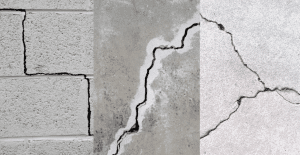
Examples of horizontal, vertical, and stair-step foundation cracks in block and concrete walls

Different Types of Foundation Wall Cracks: Causes and Solutions

Different Types of Foundation Wall Cracks: Causes and Solutions

The foundation of your home is its literal bedrock, supporting everything you cherish within its walls. Yet, cracks in that foundation can signal potential structural issues that demand attention. Foundation wall cracks are not merely superficial blemishes; they are the language through which your home communicates its health. Understanding the various types of foundation cracks, the reasons behind their appearance, and their potential implications is crucial for every homeowner. In this exploration, we’ll delve into the diverse world of foundation wall cracks – from the straightforward vertical ones to the more complex stair-step patterns – to equip you with the knowledge needed to ensure the longevity and stability of your home.

Each foundation settlement crack tells a story, and each story is a puzzle piece in the broader narrative of your home’s well-being. Whether it’s the downward trajectory of vertical cracks, the unsettling spread of horizontal cracks, the diagonal lines hinting at underground movements, or the stair-step cracks illustrating the challenges of balance, deciphering these stories is the key to effective maintenance and timely intervention. Join us on a journey to unveil the meaning behind these foundation wall cracks, the reasons they emerge, and the actions required to address them. Let’s ensure your home remains a sanctuary built on a strong and secure foundation.

1. Vertical Foundation Wall Cracks

Vertical cracks are the most common type of foundation crack and wall cracks. They run straight up and down, usually occurring as a result of settling or natural foundation movement. While small vertical cracks are often benign, they can still be entry points for moisture and pests.

2. Horizontal Foundation Wall Cracks

Horizontal cracks raise more concern, as they can indicate serious pressure against the foundation. These cracks can be caused by soil pressure, frost heave, or hydrostatic pressure from groundwater. Immediate attention is essential to the foundation crack repair to prevent water infiltration and further damage.

3. Diagonal Foundation Wall Cracks

Diagonal cracks often occur at a 45-degree angle and can be caused by various factors, such as uneven settling, soil movement, or lateral pressure. The severity of the crack depends on the underlying cause, and proper assessment of the structural crack is crucial to determine necessary repairs.

4. Stair-Step Foundation Wall Cracks

Stair-step cracks follow a diagonal pattern along mortar joints, resembling a staircase. These small cracks are commonly caused by differential settling of the foundation. Stair-step cracks should be addressed promptly to prevent larger structural problems.

Causes of Foundation Wall Cracks

Foundation wall cracks can be unsettling, often pointing to underlying structural problems that need attention. Understanding the diverse causes of these cracks is crucial for effective prevention and timely repairs. Here’s an in-depth exploration of the various factors that contribute to various types of foundation cracks and wall cracks:

1. Soil Movement and Settling:

Cause: Over time, the soil beneath your home can shift and settle due to factors like changes in moisture content, compression, and natural geological processes.

Risks:

  • Uneven settling can lead to foundation unevenness, causing cracks to form as the foundation adjusts to the shifting soil.
  • Differential movement in various parts of the foundation can cause strain, leading to cracks.

2. Poor Drainage and Water Accumulation:

Cause: Inadequate drainage systems can lead to water pooling around the concrete foundation wall, subjecting it to hydrostatic pressure and soil erosion.

Risks:

  • Hydrostatic pressure from water accumulation can exert force on foundation walls, resulting in horizontal and vertical cracks.
  • Erosion of the soil beneath the foundation weakens its support, leading to settlement cracks.

3. Frost Heave:

Cause: In colder climates, water in the soil can freeze and expand during winter. This expansion exerts pressure on the concrete slab foundation, leading to cracks.

Risks:

  • The force of frost heave can cause the foundation to shift or move, resulting in cracks as it struggles to withstand the pressure.
  • The repeated cycle of freezing and thawing can exacerbate existing cracks and contribute to further deterioration.

4. Soil Expansion and Contraction:

Cause: Expansive soils, which swell when wet and shrink when dry, can exert significant pressure on foundation walls.

Risks:

  • The constant expansion and contraction of the soil can create stress on the foundation, leading to cracks over time.
  • Cracks can develop when the foundation walls are unable to accommodate the movement of the expansive soil.

5. Poor Construction Practices:

Cause: Improper construction techniques, inadequate materials, or shortcuts during the building process can lead to foundation defects and eventual cracks in the foundation throughout.

Risks:

  • Weak points in the foundation’s structure can make it susceptible to movement and cracking over time.
  • Flaws in construction can exacerbate the impact of external factors like soil movement and water pressure.

6. Tree Root Influence:

Cause: Large trees planted too close to the foundation can extend their roots beneath it, causing soil disturbance and potential away from the foundation and movement.

Risks:

  • Tree roots can disrupt the soil, leading to uneven settling and pressure against the foundation.
  • The expansion of roots during growth can exert lateral pressure on the foundation, resulting in cracks.

Professional Solutions for Foundation Wall Cracks

When faced with foundation wall cracks, it’s crucial to enlist the expertise of professionals who can provide tailored solutions to address the issue at its core. These cracks are not mere surface blemishes; they often signal underlying structural problems that block foundations that require precise interventions. Here’s an in-depth exploration of the professional solutions available to remediate foundation wall cracks:

  1. Epoxy Injections: For smaller cracks, epoxy injections offer a cost-effective solution. This involves injecting a specially formulated epoxy material directly into the crack. As the epoxy cures, it bonds with the surrounding masonry, effectively sealing the crack and restoring its structural integrity. Epoxy injections are an excellent choice for preventing moisture infiltration and halting the progression of minor cracks.
  2. Carbon Fiber Reinforcement: For more extensive cracks or those indicating potential structural issues, carbon fiber reinforcement is a powerful solution. Carbon fiber strips are applied directly to the cracked area and secured in place using epoxy. These strips create a strong and flexible support system for vertical cracks that prevent further spreading of the cracks and provide added stability to the wall.
  3. Underpinning: When cracks are symptomatic of larger foundation problems such as settling, underpinning becomes a necessary solution. Underpinning involves extending the foundation to more stable soil layers beneath the surface. This process effectively redistributes the weight of the structure and prevents further settling and cracking. Various methods of underpinning, such as helical piers or push piers, can be employed based on the specific needs of the various foundation problem.
  4. Waterproofing: Water infiltration can exacerbate foundation wall cracks and compromise the structural integrity of your home. Professional waterproofing solutions involve treating the exterior of the foundation walls to create a barrier against water penetration. This preventive measure not only addresses existing foundation repair cracks but also safeguards against future ones caused by water-related issues.
  5. Professional Assessment and Consultation: The initial step in finding the appropriate solution for foundation wall cracks is a thorough assessment by experienced professionals. They will examine the cracks, evaluate the underlying causes, and recommend the most suitable course of action. Whether it’s epoxy injections, carbon fiber reinforcement, underpinning, or a combination of methods, their expertise will guide the remediation crack repair process.

Importance of Timely Repairs

Ignoring foundation wall cracks can lead to more extensive and costly damage over time. Timely repairs not only preserve the structural integrity of the cracked foundation of your home but also prevent secondary issues like mold growth and compromised indoor air quality.

Foundation wall cracks are not just cosmetic flaws; they often are structural cracks that hint at underlying structural issues that demand immediate attention. Understanding the causes and risks associated with these cracks is essential for safeguarding your home’s stability and peace of mind. Whether they stem from soil movement, poor drainage, frost heave, hydrostatic pressure, construction flaws, or tree root growth, addressing these issues promptly and effectively is crucial.

Professional solutions, tailored to the severity and root cause of the cracks, provide the means to restore and fortify your home’s foundation. Epoxy injections seal minor cracks, carbon fiber reinforcement stabilizes larger ones, underpinning prevents further settling, and waterproofing guards against water-related issues. However, the process begins with a professional assessment that identifies the best course of action for your specific situation.

bowed-basement-walls-stablwall-2

In conclusion, foundation wall cracks are not challenges to be underestimated. By partnering with experts like StablWall Structural Strengthening System, you ensure that your home’s foundation receives the attention it deserves. Addressing these cracks promptly can prevent escalating damage and ultimately preserve the structural integrity of your home. Your investment in professional solutions today is an investment in the longevity and security of concrete foundations in your home for years to come. Contact us to embark on the journey of fortifying your foundation and securing your home’s future.

Contact the Professionals at StablWall Today! (866) 782-5955

stablwall-carbon-fiber-stablwall-3

Understanding Foundation Wall Cracks: Types, Causes, and Remedies

Understanding Foundation Wall Cracks: Types, Causes, and Remedies

Foundation wall cracks are a common concern for homeowners, as they can indicate potential structural issues. This article will explore the different types of foundation wall cracks, their underlying causes, and the appropriate remedies to address them. By understanding these factors, homeowners can take proactive measures to protect their properties and ensure the long-term stability of their foundations.

1x8 carbon fiber foundation repair

Foundation wall cracks can vary in size, shape, and severity, each requiring specific attention. The two main types of cracks are:

Vertical Cracks: These cracks run straight up and down and are usually caused by settling or the natural drying and curing of concrete.

Horizontal Cracks: These cracks typically occur due to hydrostatic pressure, which is the force exerted by water against the foundation walls. Horizontal cracks are more concerning as they can indicate structural stress or soil pressure issues.

To effectively address foundation wall cracks, it is essential to identify their root causes. The common causes include:

Settlement: Soil movement or inadequate soil compaction can lead to foundation settlement, resulting in vertical cracks.

Hydrostatic Pressure: Excessive water pressure against the foundation can cause horizontal cracks, often caused by poor drainage or high water table levels.

Soil Expansion and Contraction: Expansive soils that expand when wet and contract when dry can exert pressure on the foundation walls, leading to cracks.

Frost Heave: Freezing and thawing cycles can cause the soil to shift, resulting in foundation movement and cracks.

The appropriate remedy for foundation wall cracks depends on their severity and underlying causes. Here are some common solutions:

Monitoring and Maintenance: Regularly inspect your foundation walls for cracks and monitor their size and progression. Document any changes and seek professional advice if necessary.

Minor Crack Repair: Hairline cracks or small vertical cracks can be repaired with epoxy injections or hydraulic cement.

Foundation Stabilization: For more significant cracks or signs of structural distress, consult a professional engineer or foundation specialist to assess the situation. Solutions may include installing steel braces, carbon fiber strips, or helical piers to stabilize the foundation.

Addressing Water Issues: Correct any drainage problems, redirect downspouts away from the foundation, and ensure proper grading to prevent water accumulation around the foundation walls.

Soil Management: Improve soil compaction, consider adding drainage solutions like French drains, or consult a professional for soil stabilization techniques.

Foundation wall cracks can be a cause for concern, but with proper understanding and timely action, homeowners can address these issues effectively. By identifying the types and causes of cracks and implementing appropriate remedies, such as crack repair, foundation stabilization, and water management, homeowners can ensure the integrity and stability of their foundations. If in doubt, it is always recommended to consult a qualified professional to assess the situation and provide expert guidance. Remember, proactive maintenance and prompt repairs can save homeowners from more extensive and costly foundation problems down the line.