foundation-cracks-stablwall-2

A Comprehensive Guide to Using StablWall for Fixing Cracks

Understanding StablWall

StablWall is a revolutionary structural strengthening system designed to reinforce and stabilize a home’s foundation. It involves the application of a specialized carbon fiber fabric and epoxy resin to targeted areas of the foundation walls.

The Cracking Conundrum

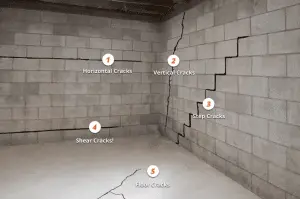
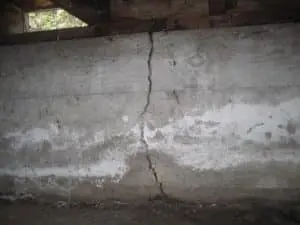
Cracks in a home’s foundation can arise from various factors such as settling of the soil, temperature fluctuations, and moisture intrusion. These cracks not only compromise the structural integrity but can also lead to water leaks, humidity issues, and mold growth. StablWall addresses these problems by effectively “stitching” the cracks, preventing their progression, and providing a long-lasting solution.

stair-step-cracks-stablwall-2

Benefits of Using StablWall

  • Enhanced Structural Integrity
  • Prevention of Further Damage
  • Cost-Effective Alternative
  • Quick Installation
  • Increased Property Value

The Installation Process

  1. Surface Preparation
  2. Application of Epoxy Resin
  3. Placement of Carbon Fiber Fabric
  4. Sealing and Finishing

DIY vs. Professional Installation

While there are DIY kits available for minor repairs, the installation of StablWall is best left to professionals. Certified installers possess the expertise and experience to assess the severity of the issue and apply the system correctly. Professional installation ensures optimal results, mitigating the risk of improper application.

Cracks in your home’s foundation can lead to significant structural problems and compromise the safety of your living environment. With StablWall, you have a modern and effective solution to address these issues head-on. By reinforcing weakened areas and preventing the progression of cracks, StablWall not only enhances the structural integrity of your home but also provides you with a secure and comfortable living space.

stair-step-cracks-stablwall-3

Investing in the strength and longevity of your home is an investment in your peace of mind. StablWall’s advanced technology, quick installation, and long-lasting benefits make it a smart choice for homeowners looking to fortify their foundation and ensure the durability of their property for years to come.

Distribution Links +

5 Reasons to Use Carbon Fiber When Fixing Basement Wall Cracks

5 Reasons To Use Carbon Fiber When Fixing Basement Wall Cracks

Basement walls are unique in that they are often exposed to moisture from the soil with which they are in contact. The high level of moisture results from factors such as flooding of the basement, surface runoff that is not properly drained, leaks in the plumbing, and poorly positioned gutters and downspouts among others.

Waterlogged soil can cause damage to the basement walls due to its increased hydrostatic pressure. Basement wall cracks often occur as a result of high hydrostatic pressure, though they can also be caused by frost and pressure from large roots. Most basement wall cracks occur when the basement walls bow as a result of different kinds of pressure that is exerted on the walls.

basement-wall-cracks-stablwall-1

While there are many ways to repair basement wall cracks, carbon fiber has emerged as one of the best solutions. Here are the key reasons why carbon fiber is the best solution when it comes to fixing basement wall cracks.

  1. Carbon Fiber Has High-Stress Resistance and Is Very Stiff

Carbon fiber is very stiff and has tensile strength – 5 times stronger than steel. This feature makes the material able to withstand a notable amount of tensile tension without stretching or getting torn. Thus, using carbon fiber, a professional contractor can help you fix basement walls that have wide cracks or which are pulling apart.

  1. Excellent Resistance to Temperature Changes

Resistance to changes in temperature is a good property when you consider cracks that are caused by contraction and expansion. Carbon fiber is highly resistant to changes in temperature and is, therefore, a good material for fixing cracks that occur in areas with notable temperature fluctuations.

  1. Lightweight

Carbon fiber is very light in weight and thus, you can use it to repair basement wall cracks without having to worry about added weight. Also, being lightweight makes carbon fiber easy to install when repairing different types of cracks.

basement-wall-cracks-stablwall-2

  1. Versatility

Carbon fiber is very versatile in that you can use it to fix different types of basement wall problems including frost line cracks, horizontal and diagonal cracks, wall bowing, stair step cracks, vertical cracks, and shifting walls.

  1. High-Quality Finishes

Carbon fiber is also unique in that it is made of very narrow and lightweight sheets. The sheets are therefore very small and almost invisible once they have been installed. Therefore, when you use carbon fiber to repair a crack, the result is, without a doubt, a high-quality finish.

Contact the Professionals at StablWall Today! (866) 782-5955