
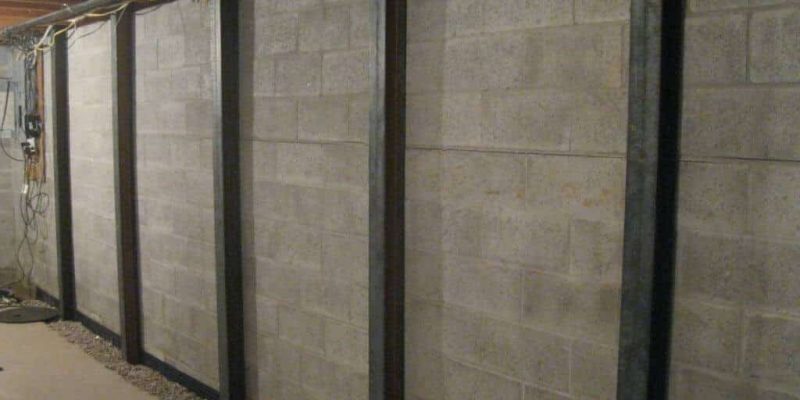
Imagine you’re looking at your basement walls, and you notice a slight inward bend. Your heart sinks as you recognize the signs of bowing walls, a serious foundation issue. Before you start imagining worst-case scenarios, there’s a solution you should consider: StablWall Carbon Fiber Technology. This lightweight and robust method is designed to strengthen your walls against further bowing. But how does it work, and what makes it superior to traditional methods? Let’s explore this innovative approach to preserving your home’s structural integrity.
Key Takeaways
- StablWall technology uses high-strength carbon fiber sheets to reinforce bowing walls, increasing structural durability.
- The installation process involves surface preparation, tailored cutting of StablWall, adhesive application, and protective sealing.
- StablWall is a cost-effective solution for bowing walls, offering a less disruptive and more economical alternative to traditional repair methods.
- Compared to traditional steel reinforcement, StablWall provides space-saving, rust-resistant and clean installation with lasting performance.
- Market trends show potential for wider adoption of StablWall, with future innovations possibly integrating smart structural health monitoring systems.
Understanding Bowing Walls
You mightn’t realize it, but bowing walls are a serious issue that can compromise the structural integrity of your home. These are walls that have started to curve or bend inward, a clear sign of a potential problem with your foundation.
But why does it happen? It’s often due to soil pressure. When the soil around your home expands and contracts, it can push against your foundation walls, causing them to bow over time. It’s especially common in areas with clay soil, which tends to expand a lot when it gets wet.
This pressure can also increase if you have poor drainage or if the soil isn’t properly compacted.
So, how can you tell if you have bowing walls? Look for horizontal or stair-step cracks in your walls, especially in your basement. Doors and windows that stick or won’t open are also a telltale sign. You might even notice that your floors are uneven.
Ignoring bowing walls can lead to severe structural damage and costly repairs. It’s essential to address the problem before it gets worse. Remember, the health of your home is at stake.
The Basics of Carbon Fiber Technology
You’re probably wondering how carbon fiber technology fits into strengthening bowing walls.
Well, it’s time to get your bearings with the basics of carbon fiber, a material that’s both lightweight and incredibly strong.
We’ll also break down Stablwall Technology, a unique method that uses carbon fiber to fortify your walls.
Understanding Carbon Fiber
In the domain of structural repair, carbon fiber technology plays a pivotal role. You see, carbon fiber is a high-strength, lightweight material that’s revolutionized various industries, from aerospace to civil engineering.
It’s made from thin strands of carbon atoms tightly bonded in microscopic crystals, forming a fiber. Its strength-to-weight ratio is something to marvel at. It’s stronger than steel but weighs considerably less, making it perfect for applications where weight matters.
It’s also resistant to most chemicals, heat, and UV rays, enhancing its durability.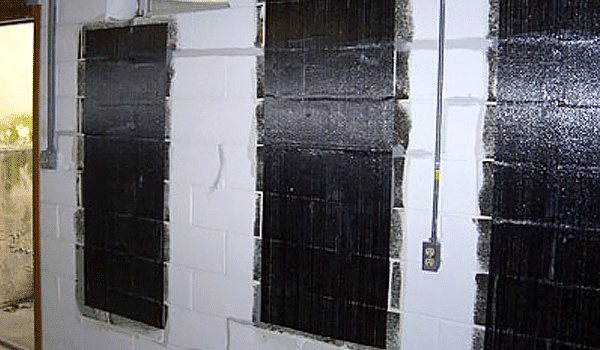
So, how is it made? It starts with a base material, usually a synthetic fiber like polyacrylonitrile, which is then heated to extremely high temperatures in an oxygen-free environment.
This process, known as carbonization, causes the atoms to vibrate violently, shedding non-carbon atoms and leaving behind a fiber composed almost entirely of carbon.
The resultant carbon fiber is woven into a fabric and then combined with a plastic resin to form a composite material. This carbon fiber composite is what you’ll find in your structural repairs, providing unmatched strength and stability.
Now, isn’t that something?
Stablwall Technology Explained
Harnessing the incredible properties of carbon fiber, StablWall technology emerges as a game-changing solution in the structural repair industry.
It’s a technology that you’ll find is both effective and amazing.
You see, StablWall uses carbon fiber sheets, which are just a tenth of an inch thick, but stronger than steel. These sheets are applied directly to your bowing walls, creating a bond that’s virtually unbreakable. The result? Walls that are stronger and more resistant to pressure.
Here’s how it works: first, the walls are prepped and the carbon fiber sheets are cut to size. Then, using a special epoxy, the sheets are adhered to the walls. Once this epoxy cures, it’s as if you’ve installed a steel beam – without the cost, mess, or space loss associated with traditional methods.
StablWall’s carbon fiber technology won’t deteriorate over time. It’s resistant to rust, mold, and moisture, so you won’t need to worry about ongoing maintenance.
And best of all, it’s a solution you can trust. So, when it comes to strengthening your walls, consider StablWall’s carbon fiber technology. It’s a smart choice.
What Is Stablwall?
You’ve heard of Stablwall, but what exactly is it?
It’s a unique fiber technology used to reinforce walls, offering a variety of benefits you’ll soon come to appreciate.
Let’s get into how it works, why it’s beneficial, and the process of applying it to your bowing walls.
Stablwall’s Unique Fiber Technology
Breaking barriers in wall reinforcement, Stablwall brings to the table a unique fiber technology unlike any you’ve seen before. This isn’t your run-of-the-mill reinforcement system, but a distinct, state-of-the-art solution designed to strengthen your walls and prevent further bowing or cracking.
It’s the kind of technology that changes the game entirely.
Now, you may be wondering, what makes Stablwall’s technology so unique?
- Carbon Fiber Sheets: Stablwall uses carbon fiber sheets, a material known for its exceptional strength and durability. When applied to a wall, this material provides unparalleled support.
- Adhesive Technology: Stablwall’s adhesive is specifically designed to bond the carbon fiber to your wall, ensuring a strong and lasting connection.
- Ease of Application: Despite its advanced technology, Stablwall is surprisingly easy to install. It can be applied to a wall like wallpaper, making the process straightforward and hassle-free.
- Versatility: Stablwall isn’t just for concrete or brick walls. It can be used on a variety of surfaces, offering a unique solution to a wide range of structural issues.
Benefits of Using Stablwall
After understanding how Stablwall’s unique fiber technology works, it’s equally important to grasp the direct benefits you stand to gain from using it.
First off, Stablwall isn’t just incredibly strong, but also ultra-thin. This means you won’t have to worry about losing valuable space to bulky braces or beams. It’s practically invisible once installed.
You’ll also find that Stablwall is highly resistant to environmental factors. Unlike steel, it won’t rust, corrode, or deteriorate over time. It won’t be affected by changes in temperature or moisture levels either.
One of the key benefits you’ll appreciate is the cost-effectiveness of Stablwall. Compared to traditional methods, Stablwall offers a far more affordable solution to stabilize your walls. It’s cost-efficient not just regarding the product, but also installation.
Moreover, Stablwall is incredibly versatile. You’ll find it can be applied to various types of walls, be it concrete, block, or brick. It works effectively in both residential and commercial structures.
Stablwall Application Process
Understanding the Stablwall application process is essential to appreciating its value. It’s a simple, quick, and effective method to reinforce your bowing walls, guaranteeing your home’s structural integrity for years to come.
The process involves four significant steps:
- Surface Preparation: The first step is to prepare the wall surface for application. You’ll clean the wall, removing any loose material or debris. It’s important that the wall is dry and free of dust or oils to guarantee the Stablwall adheres properly.
- Stablwall Cutting: Next, you’ll cut the Stablwall to the appropriate size. It’s vital to cover the full length of the wall crack or bow to guarantee full reinforcement.
- Stablwall Application: The third step involves applying the adhesive to the wall and then sticking the Stablwall onto it. You’ll press it onto the wall firmly to make sure it’s secure.
- Final Touches: The last step is to apply a second layer of adhesive over the Stablwall. This seals it in place, providing ideal reinforcement.
Benefits of StablWall Technology
Embracing StablWall technology can bring you immense benefits, especially when it comes to bowing walls. This innovative carbon fiber system offers a solution that’s not just effective, but also cost-efficient and long-lasting.
You’ll find that it’s a solution that’s unrivaled in its ability to reinforce and strengthen walls.
One of the major benefits you’ll notice with StablWall is its strength. It’s stronger than steel and can withstand immense pressure. This means that your walls won’t just be stable, they’ll be almost invincible against any forces that threaten to compromise their integrity.
Another advantage is the longevity of StablWall. It’s a solution that’s designed to last. Unlike other methods which may require recurrent maintenance or replacement, once StablWall is applied, it’s there to stay.
You won’t have to worry about it wearing out or losing its reinforcing capabilities over time.
How StablWall Works
You might be wondering how StablWall operates.
It’s all based on the principle of carbon fiber technology, which has numerous advantages.
Let’s get straight to it and discuss how this technology strengthens your bowing walls.
StablWall’s Functioning Principle
In the domain of foundation repair, StablWall stands out with its unique functioning principle. You might wonder, “How does StablWall work?” It’s relatively simple, yet incredibly effective.
StablWall employs carbon fiber technology to strengthen and stabilize your home’s foundation. This isn’t just any carbon fiber – it’s the same high-grade material used in aerospace and automotive applications.
Here’s a brief rundown of how it works: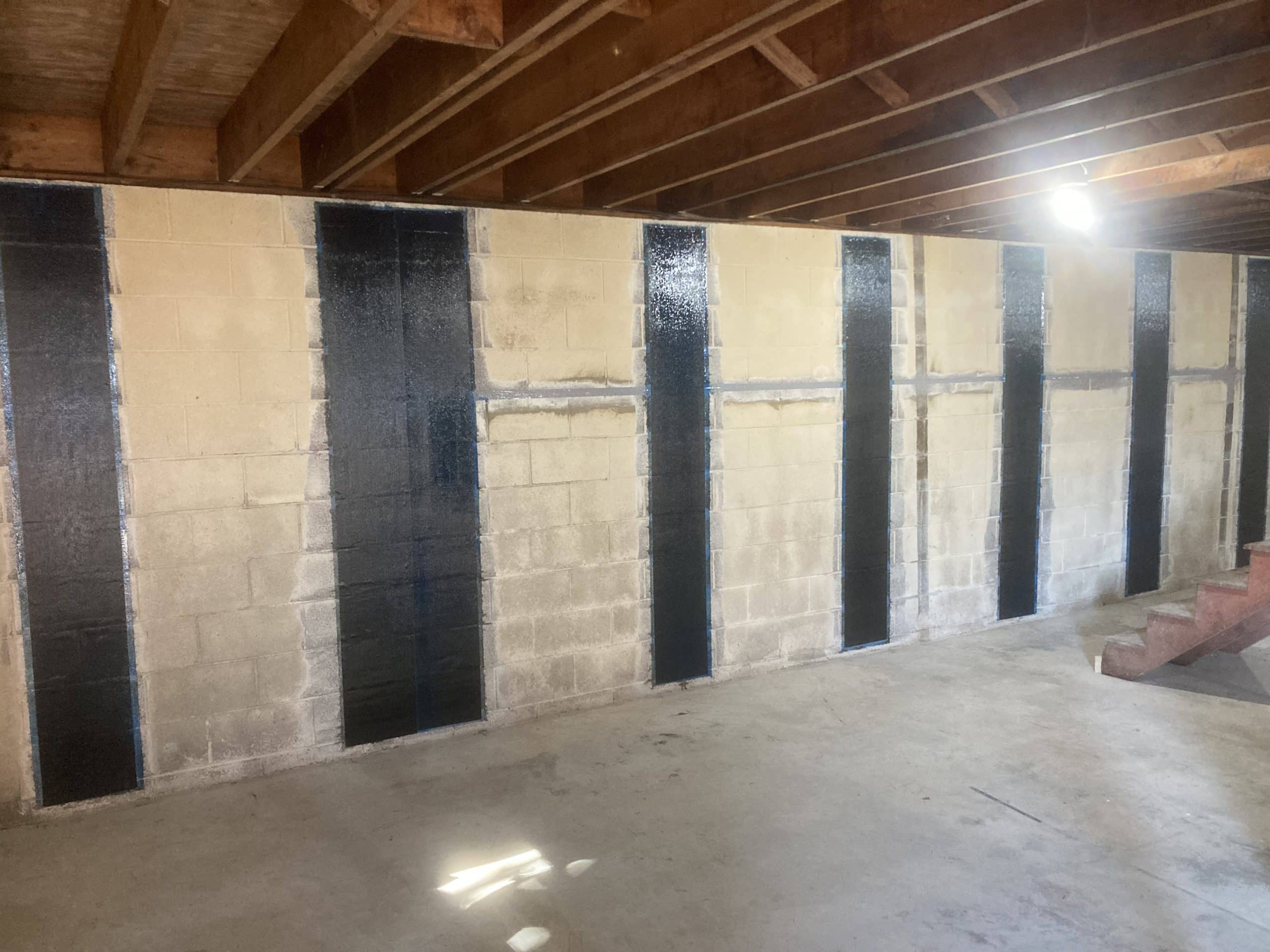
- Preparation: First, the wall surface is prepared by removing any paint or loose material. This guarantees a clean, strong bond between the wall and the StablWall system.
- Application: Next, the carbon fiber strips are applied to the wall using a high-strength epoxy. The strips are strategically placed to distribute pressure evenly across the wall.
- Curing: Once applied, the epoxy cures and hardens. This creates an incredibly strong bond between the wall and the carbon fiber strip.
- Protection: Finally, the carbon fiber strip is sealed with a protective coating. This prevents damage from moisture and UV rays, prolonging the life of your StablWall system.
That’s it! You’ve now turned your weakened, bowing walls into a strong, stable structure.
You’re not only safeguarding your home’s foundation, but also increasing its overall value.
Carbon Fiber Technology Advantages
Harnessing the power of carbon fiber technology, StablWall offers significant advantages. Its strength and durability are unparalleled. Imagine a material ten times stronger than steel, yet incredibly lightweight. That’s carbon fiber for you, and StablWall makes the most of it.
You see, bowing or leaning walls are a serious issue. They indicate a compromised foundation, which can jeopardize your home’s integrity. But don’t worry. StablWall’s carbon fiber strips can help. They permanently stabilize your walls, preventing further movement and cracking.
You’re fundamentally giving your walls a backbone, a support system that won’t let them bow or crack.
What’s more, StablWall’s carbon fiber strips are easy to install. There’s no need for heavy machinery or major disruptions to your home. It’s a straightforward, mess-free process.
And once installed, they’re virtually invisible. You can paint over them, ensuring they blend seamlessly with your walls.
Lastly, StablWall’s solution is cost-effective. Compared to other repair options, you’ll find it’s a more economical choice in the long run.
StablWall Installation Process
Before the sun sets on your home’s structural integrity, let’s get familiar with the StablWall installation process.
Fear not, for it’s a straightforward procedure that doesn’t require any heavy machinery or major disruptions to your daily life.
Here’s a simplified four-step rundown:
- Wall Preparation: The initial stage involves removing any paint, plaster or other wall coverings. Your wall’s surface needs to be clean and bare for ideal adhesion.
- Primer Application: Next, the bonding agent or primer is applied to the wall. This guarantees the carbon fiber strips will securely attach to your wall and provide the maximum level of stability.
- StablWall Strip Application: Once the primer is dry, it’s time to apply the StablWall strips. These are carefully measured, cut, and adhered to the wall in a vertical pattern.
- Sealing: The final step involves sealing the carbon fiber strips with a topcoat. This protects the strips from moisture and other potential damage, guaranteeing the longevity of the repair.
You’ll be impressed with how quickly and efficiently the StablWall process can be completed.
It’s a game changer regarding home maintenance and structural reinforcement.
Comparing StablWall to Traditional Methods
Often, you might find yourself comparing the innovative StablWall system to traditional wall bracing methods. When you do, you’ll see clearly why StablWall stands above the rest.
Traditional methods often involve bulky steel beams or even partial wall replacement. They’re disruptive, time-consuming, and expensive.
But, StablWall’s carbon fiber technology changes the game. It’s more than just a new material—it’s a whole new approach. You’re not just propping up the wall, you’re making it stronger.
The thin, flexible sheets adhere directly to your wall, providing reinforcement without taking up valuable space. And you won’t have to worry about rust or degradation over time, as you might with steel.
While traditional methods may require significant construction and cleanup, StablWall’s installation process is clean and efficient. You won’t have to deal with the noise, dust, or inconvenience of traditional methods.
Plus, it’s more cost-effective, saving you money in the long run.
When you compare StablWall to traditional methods, it’s not even a contest. You’re getting a better, more efficient solution that’s designed for the long haul.
That’s the power of StablWall’s carbon fiber technology.
Maintaining Your StablWall System
Maintaining the longevity and performance of your StablWall system involves regular maintenance checks. It’s not a complicated process, but it’s one you shouldn’t overlook.
Here’s a simple maintenance schedule you can follow:
| Month | Action | Purpose |
|---|---|---|
| 1 | Visual Inspection | Check for any visible damage |
| 3 | Clean Surface | Remove dust and debris |
| 6 | Structural Assessment | Verify the system’s stability |
| 12 | Professional Evaluation | Guarantee peak performance |
In the first month, perform a visual check for any signs of damage. By the third month, clean the surface of your StablWall to guarantee it’s free from dust and debris that might affect its grip. Halfway through the year, conduct a structural assessment. This involves checking the StablWall system’s stability. Finally, at the end of the year, it’s advisable to seek a professional evaluation. This guarantees that your system is performing at its best.
Contact the Professionals at StablWall Today! (866) 782-5955
)
Distribution Links +
- https://smb.lowndessignal.com
- https://smb.theleesvilleleader.com
- https://smb.prentissheadlight.com
- https://pr.hattiesburg.com
- https://pr.timesofsandiego.com
- https://pr.chestercounty.com
- https://pr.wncbusiness.com
- https://pr.hopedaletownnews.com
- https://pr.naticktownnews.com
- https://pr.norfolkwrenthamnews.com
- https://pr.davisjournal.com
- https://pr.mysugarhousejournal.com
- https://pr.holladayjournal.com
- https://pr.murrayjournal.com
- https://pr.midvalejournal.com
- https://pr.westjordanjournal.com
- https://pr.sandyjournal.com
- https://pr.cottonwoodheightsjournal.com