

StablWall is an advanced foundation repair system that utilizes carbon fiber technology to stabilize and reinforce foundation walls. This innovative solution is specifically designed to address structural issues in basements and crawlspaces, such as bowing walls, cracks, and general weakening of the foundation due to soil movement, water pressure, or other environmental factors. By leveraging the incredible strength and flexibility of carbon fiber, StablWall provides a non-invasive, long-lasting solution for homeowners facing foundation problems.
How StablWall Works
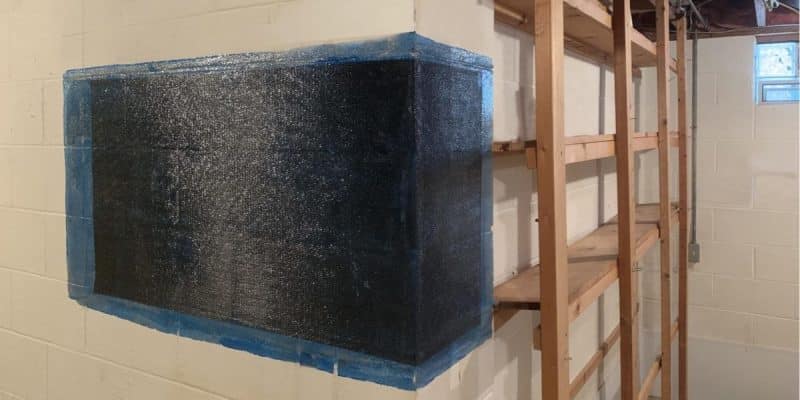
StablWall operates on a simple yet highly effective principle: by applying carbon fiber sheets or straps to the interior surface of foundation walls, the system reinforces the walls and prevents further movement. Here’s a closer look at the process:
- Assessment and Preparation:
 Inspection: The first step in using StablWall is a thorough inspection of the foundation walls. A professional contractor will assess the extent of the damage, including identifying any cracks, bowing, or signs of structural weakness.
- Surface Preparation: For StablWall to adhere properly, the surface of the foundation wall must be clean and smooth. This involves removing any paint, dirt, or debris from the wall. In some cases, light sanding or grinding may be necessary to create a suitable bonding surface.
- Application of Carbon Fiber Sheets:
- Positioning: The carbon fiber sheets or straps are positioned on the wall according to the specific needs of the structure. In cases of bowing walls, the sheets are typically applied vertically to counteract the inward pressure. For cracked walls, the sheets may be applied over the cracks to prevent further spreading.
- Epoxy Adhesion: A high-strength epoxy adhesive is applied to both the wall and the carbon fiber sheets. The epoxy serves two purposes: it securely bonds the carbon fiber to the wall and penetrates the surface of the wall to reinforce the structure from within.
- Curing Process: Once the carbon fiber sheets are applied, the epoxy needs time to cure. This process typically takes a few hours, during which the adhesive hardens and forms a strong bond with the wall.
- Finishing Touches:
- Aesthetic Considerations: After installation, the carbon fiber sheets can be painted over or covered with a finishing material to match the rest of the basement. This ensures that the StablWall system does not detract from the appearance of the interior space.
- Final Inspection: The contractor will perform a final inspection to ensure that the StablWall system has been properly installed and that the wall is stable.
Unique Advantages of StablWall
StablWall offers several advantages over traditional foundation repair methods, making it an increasingly popular choice among homeowners and contractors alike:
- Non-Invasive Installation: Unlike traditional methods that require extensive excavation or the installation of large steel beams, StablWall is installed directly onto the interior surface of the foundation walls. This means there is no need to disrupt landscaping or remove large sections of the basement walls.
- High Strength-to-Weight Ratio: Carbon fiber is incredibly strong yet lightweight. This allows StablWall to provide significant reinforcement without adding any substantial weight to the structure, which could otherwise contribute to further settling or shifting of the foundation.
- Durability and Longevity: Carbon fiber is resistant to environmental factors such as moisture, chemicals, and temperature fluctuations. This ensures that the StablWall system remains effective over the long term, providing a permanent solution to foundation issues.
- Cost-Effectiveness: The installation of StablWall is generally more cost-effective than traditional methods, both in terms of materials and labor. Additionally, because it is a permanent solution, homeowners can avoid the recurring costs associated with less durable repair methods.
- Versatility: StablWall can be used to address a variety of foundation problems, including bowing walls, cracks, and general weakening of the structure. It is suitable for use in both residential and commercial properties.
Applications of StablWall
StablWall is versatile and can be applied to various types of foundation problems:
- Bowing Walls: One of the most common issues StablWall addresses is bowing walls, which occur when external pressure from soil or water forces the foundation walls inward. By applying carbon fiber sheets vertically, StablWall counteracts this pressure and stabilizes the wall.
- Cracked Walls: Cracks in foundation walls are often a sign of underlying structural issues. StablWall can be applied over these cracks to prevent them from widening or spreading, thus reinforcing the wall and restoring its integrity.
- Seismic Reinforcement: In areas prone to earthquakes, StablWall provides additional reinforcement to foundation walls, helping them withstand seismic forces. This can be particularly important for older buildings that may not have been constructed with modern seismic standards in mind.
- Preventative Measures: Even if a foundation has not yet shown signs of significant damage, StablWall can be used as a preventative measure to reinforce walls and protect them from future issues. This is particularly useful in areas with known soil movement or high water tables.
Installation Process: Step-by-Step Guide
The installation of StablWall is a straightforward process that involves several key steps:
- Initial Consultation: A professional contractor will visit the site to assess the condition of the foundation and determine if StablWall is the appropriate solution.
 Preparation: The contractor will prepare the walls by cleaning the surface and ensuring it is smooth and ready for the carbon fiber application.
- Application of Epoxy and Carbon Fiber: The epoxy adhesive is applied to the prepared surface, and the carbon fiber sheets are positioned and pressed onto the wall.
- Curing: The epoxy is allowed to cure, forming a strong bond between the carbon fiber and the wall.
- Finishing: Once the epoxy has cured, the carbon fiber can be painted or covered with a finishing material to blend in with the rest of the basement.
- Final Inspection: The contractor will perform a final inspection to ensure the installation was successful and the wall is stable.
StablWall represents a significant advancement in the field of foundation repair. By utilizing the incredible strength and durability of carbon fiber, StablWall offers a non-invasive, cost-effective, and long-lasting solution to a wide range of foundation issues. Whether you’re dealing with bowing walls, cracks, or just want to reinforce your foundation as a preventative measure, StablWall provides a reliable and proven method to protect your home’s structural integrity for years to come.
Contact the Professionals at StablWall Today! (866) 782-5955