
StablWall vs. Steel Beams: Why Carbon Fiber Wins for Wall Reinforcement
You might think that traditional steel beams provide the best wall reinforcement, but have you considered the advantages of StablWall’s carbon fiber technology? While steel has its merits, it can’t compete with the superior strength, lightness, and corrosion resistance that carbon fiber offers. Imagine a wall reinforcement system that’s easy to install, requires minimal maintenance, and provides long-lasting structural integrity. Intrigued by the potential for lower labor costs, increased property value, and enhanced sustainability? Let’s investigate why StablWall could be the ideal choice for your construction needs.
Key Takeaways
- StablWall employs carbon fiber, a material five times stronger than steel, for superior wall reinforcement.
- Unlike steel, StablWall is corrosion-resistant, reducing maintenance costs and enhancing long-term structural integrity.
- Carbon fiber’s lightweight nature allows for simpler, non-invasive installation compared to heavy steel beams.
- StablWall is cost-effective over time, due to lower installation and maintenance costs, and potentially boosts property value.
- Carbon fiber production has a lesser environmental impact, promoting sustainability in contrast to the high-emission steel production process.
Understanding Wall Reinforcement
While you may not be a construction expert, understanding wall reinforcement is essential for anyone interested in building or renovating. It’s the backbone of any structure, offering necessary support and stability to your walls. The key to sturdy construction lies in choosing the right reinforcement material. Traditionally, steel beams are used for wall reinforcement. They’re strong, durable, and can withstand a considerable amount of weight. But, they’re not without their drawbacks. Steel is susceptible to corrosion, which can weaken the structure over time. And, it’s heavy, making it difficult to work with, especially in residential renovations. Enter carbon fiber. It’s a relatively new player in the world of wall reinforcement, but it’s quickly becoming a favorite among builders. Carbon fiber is lighter than steel, easier to install, and resistant to corrosion. It doesn’t deform under pressure, meaning it can maintain its shape even under intense load.
Brief Overview: StablWall
You’ve heard of StablWall, but what exactly is it? It’s a technology that’s revolutionizing wall reinforcement. In the next few paragraphs, we’ll cover how StablWall works and why it’s becoming a popular choice for many.
Understanding StablWall Technology
Delving into the world of StablWall technology, it’s essential to grasp its basic premise. You might wonder, what exactly is StablWall? It’s a carbon fiber sheeting system designed to stabilize and strengthen basement walls, helping to prevent any further movement or damage. StablWall works by countering the pressure exerted by soil on the outside of the wall. The system uses carbon fiber, which is considerably stronger than steel yet incredibly thin. This makes it an ideal choice for wall reinforcement projects, as it doesn’t add any noticeable thickness to your walls. Here’s a little table to help you understand some key aspects of StablWall:
| Characteristic | Description |
|---|---|
| Material | Carbon Fiber |
| Purpose | Wall Reinforcement |
| Strength | Stronger than Steel |
Benefits of StablWall Reinforcement
When it comes to reinforcing your home, StablWall offers some remarkable benefits. Unlike traditional methods, StablWall’s carbon fiber technology doesn’t require invasive construction. You won’t find yourself dealing with the mess of tearing down walls or the inconvenience of vacating your home.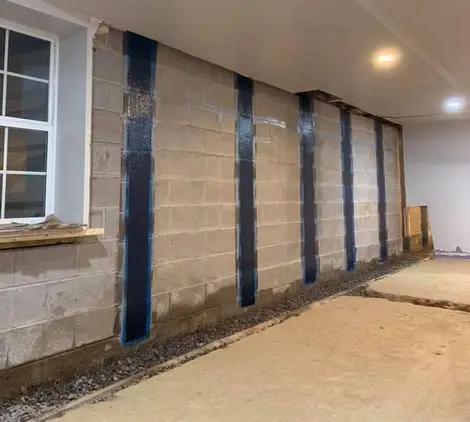
Key Features of Steel Beams
Steel beams boast a set of unique and impressive features. You’ll find them exceptionally strong, durable, and versatile, given their ability to hold up massive structures for extended periods. They’re resistant to damage from pests, fire, and weather, making them a reliable option for construction. There’s something to be said about their longevity. These beams don’t warp or shrink over time. You won’t have to worry about sudden replacements or repairs when you’ve got steel beams in place. They’re not only sturdy but also easy to work with. Any skilled contractor can handle, cut, and weld them with relative ease. But it’s not just about strength and durability. Steel beams are also eco-friendly. They’re recyclable, meaning they can be repurposed, reducing the impact on our environment. That being said, they do have their drawbacks. They’re heavy and require specialized equipment for installation. They’re also susceptible to corrosion if not properly treated.
Carbon Fiber: A Revolution
Imagine revolutionizing the construction industry with a material that’s lighter, stronger, and more durable than steel. That’s exactly what carbon fiber is doing. It’s not just a new player in the game, it’s a whole new game-changer. You’re probably used to thinking about steel as the go-to for heavy-duty construction. It’s been a staple for centuries, but it’s not without its issues. It’s heavy, it’s susceptible to corrosion, and it can deform under extreme load. Enter carbon fiber, the revolutionary material that’s turning heads and changing minds. It’s light, but don’t let that fool you. It’s got strength that surpasses steel and it’s resistant to corrosion. What’s more, it won’t deform under heavy loads. But it’s not just about strength and durability. Think about the ease of installation. You’re not hoisting heavy beams into place, you’re rolling out a sheet of carbon fiber. It’s a time-saver, a back-saver, and ultimately, a money-saver.
StablWall vs. Steel: Strength Comparison
Now, let’s compare the strength of StablWall, a common form of carbon fiber, to that of conventional steel. You might think that steel, known for its toughness and durability, would hold the upper hand. But you’d be surprised. StablWall, being carbon fiber, is remarkably strong. In fact, it’s five times stronger than steel, and ten times stronger. So, it’s a heavyweight in the strength department, but how does that translate to practical use? Well, when used for wall reinforcement, StablWall’s superior strength means it can withstand tremendous pressure without buckling or cracking. It’s also incredibly lightweight, which means it’s easier to handle and install than steel. That’s a big plus for construction projects. Steel, on the other hand, while strong, has limitations. It can buckle under extreme pressure and is prone to rusting. It’s also heavy, which can make it difficult to work with.
Durability: StablWall Takes the Lead
When it comes to durability, StablWall simply outshines steel. You might be wondering why this is. Well, steel, despite its strength, is susceptible to environmental elements. Over time, it can rust, corrode, and degrade, especially when exposed to moisture. This problem doesn’t exist with StablWall. Its carbon fiber material is resistant to such degradation, ensuring a longer lifespan. Now, let’s imagine you’re reinforcing a basement wall. You’d want a solution that lasts, right? You wouldn’t want to replace those supports every few years. That’s where StablWall really shines. It’s not just about strength; it’s about maintaining that strength over time. Steel might start strong, but it can weaken. StablWall, on the other hand, keeps its robustness. Additionally, StablWall doesn’t just withstand the environment. It also withstands pressure and stress better than steel. Where steel might bend or buckle, StablWall stays firm. It’s a reliable, long-term solution for wall reinforcement. In short, if you’re looking for durability, StablWall is a clear winner. It’s not just about the here and now, it’s about the long haul. It’s about ensuring your walls remain strong, year in, year out.
Cost Analysis: StablWall and Steel Beams
Shifting into the cost aspect, it’s essential to realize that both StablWall and steel beams have different price points, and this can greatly influence your decision. Initial costs for StablWall may seem higher, but it’s important to take into account the long-term implications. Let’s break it down:
- Material cost: Steel beams are often cheaper than StablWall but this doesn’t account for the total project cost.
- Installation: StablWall is easier and quicker to install, reducing labor costs. Steel beams require skilled labor, hence higher installation costs.
- Maintenance: Steel beams can corrode and may require periodic maintenance, adding to the overall cost. StablWall, being resistant to corrosion, virtually eliminates these costs.
- Longevity: StablWall’s durability can extend the lifespan of your walls, saving you money in the long run.
- Resale value: Homes reinforced with StablWall often have higher resale values due to the long-lasting benefits.
Environmental Impact: Carbon Fiber Wins
Explore the environmental aspect, and you’ll find carbon fiber – the main component of StablWall – has a considerably lower impact than steel. While steel is recyclable, its production and recycling process both consume a significant amount of energy. This energy usually comes from fossil fuels, which leads to substantial greenhouse gas emissions. On the flip side, carbon fiber’s production process is much more energy-efficient. It doesn’t generate the same level of harmful emissions. In fact, it’s even possible to manufacture carbon fiber using renewable energy sources, which isn’t typically the case with steel. Now, let’s talk about waste. When steel corrodes, it needs replacement. That discarded steel then becomes waste in our landfills. Carbon fiber, however, is inherently resistant to corrosion. That means it’ll last longer, reducing the need for replacements and consequently generating less waste in the long run.
Choosing for Residential Structures
In the midst of constructing or retrofitting your home, you may find yourself caught between the choice of carbon fiber or steel beams. It’s a crucial decision that could impact your home’s longevity, safety, and cost-effectiveness. Take a moment to reflect on the following advantages of carbon fiber, aka StablWall, over steel: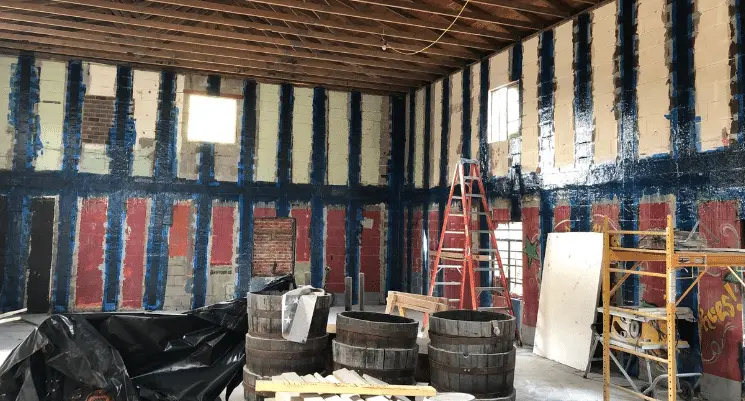
- Weight: Carbon fiber is notably lighter than steel, making it easier to handle and install.
- Strength: Despite its lightness, carbon fiber offers superior tensile strength, meaning it can withstand more stretch and strain.
- Resistance: It’s impervious to rust, making it an excellent choice for areas with high humidity.
- Flexibility: Its flexible nature allows it to adapt to any shape, which is especially useful in irregularly shaped areas.
- Cost: Although the initial price may be higher, the maintenance-free nature of carbon fiber makes it more cost-effective in the long run.
It’s clear that for residential structures, carbon fiber should be your go-to choice. It’s a long-term investment that guarantees stability, durability, and peace of mind.
Commercial Applications: The Clear Winner
Delving into commercial applications, it’s clear that one material emerges as the undisputed champion. Carbon fiber, with its superior strength and adaptability, outshines steel beams in every aspect. You might wonder why. Well, let’s consider the requirements of commercial buildings. They’re larger, heavier, and demand more from their structural supports than residential structures. Steel beams, though strong, can corrode over time, compromising the building’s integrity. Carbon fiber, on the other hand, remains unyielding and corrosion-resistant.
| Advantages of Carbon Fiber | Advantages of Steel Beams |
|---|---|
| High strength-to-weight ratio | Strength |
| Corrosion resistance | Economic |
| Adaptability to various shapes | Familiarity of use |
Frequently Asked Questions
What Is the Installation Process for Stablwall and Steel Beams?
You’d start by clearing the wall area. For StablWall, you’d apply epoxy, then the carbon fiber sheet. Steel beams require mounting into the floor and ceiling. Both processes need appropriate safety measures.
Can Stablwall Be Used for Reinforcement in Buildings Prone to Earthquakes?
You can use StablWall for earthquake-prone buildings. Its carbon fiber technology provides superior strength and flexibility, making it ideal to withstand seismic activities. It’s a solid choice for your building reinforcement needs.
How Does the Weight of Stablwall Compare to Steel Beams?
You’ll find StablWall considerably lighter than steel beams. This makes it easier to handle and install. Despite its lightness, it doesn’t compromise on strength, providing effective reinforcement for buildings, even in earthquake-prone areas.
What Is the Maintenance Requirement for Stablwall Compared to Steel Beams?
You’ll find StablWall requires less maintenance than steel beams. There’s no rusting or corrosion to worry about. Just install it and forget about it. You’ll save time, money, and effort in the long run.
Are There Any Potential Health Risks Associated With Using Carbon Fiber in Construction?
No, there aren’t any known health risks associated with using carbon fiber in construction. It’s safe, durable, and efficient to use, making it a reliable choice for your construction needs. So, you’re still pondering over steel or StablWall for wall reinforcement? Let’s face it, who has the time and energy for the constant upkeep and weighty issues of steel? Besides, your wallet and Mother Earth will thank you for choosing StablWall’s lightweight, corrosion-resistant carbon fiber technology. It’s the clear winner, hands down. Let’s break up with steel and embrace the future with StablWall, because who doesn’t love a bit of modern, cost-effective, eco-friendly innovation?
Contact the Professionals at StablWall Today! (866) 782-5955