Philadelphia, PA | StablWall

Are Your Walls Cracking? Here’s What Can Help | Philadelphia, PA


Foundation walls whether constructed from brick, masonry block or poured concrete are built to withstand a lot of pressure. However, just like with anything else man-made, they have a limit to the abuse they can take.

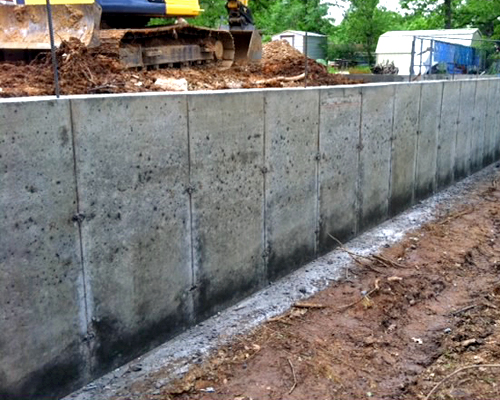
Foundation walls are designed to withstand vertical pressure from the buildings placed above them. They can withstand a horizontal pressure to a certain degree. Soil pressure works horizontally against the external surface of the foundation wall. When the soil pressure exceeds the limits of resistance of the foundation wall, the wall can be severely damaged.

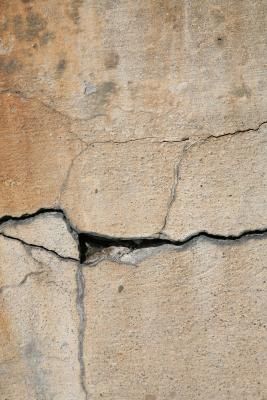
Pressure from the surrounding soil causes horizontal movement of the foundation walls. The movement is manifested as cracking walls. The cracks can lead to water seepage as well as above grade damage if not attended to.

Repairing Cracking Walls

Often times, cracking is a sign of a much deeper problem. Although many DIY kits are now available in the market to help repair cracks, foundation experts advise against using these kits. This is because the kits do not address the underlying cause of the cracks.

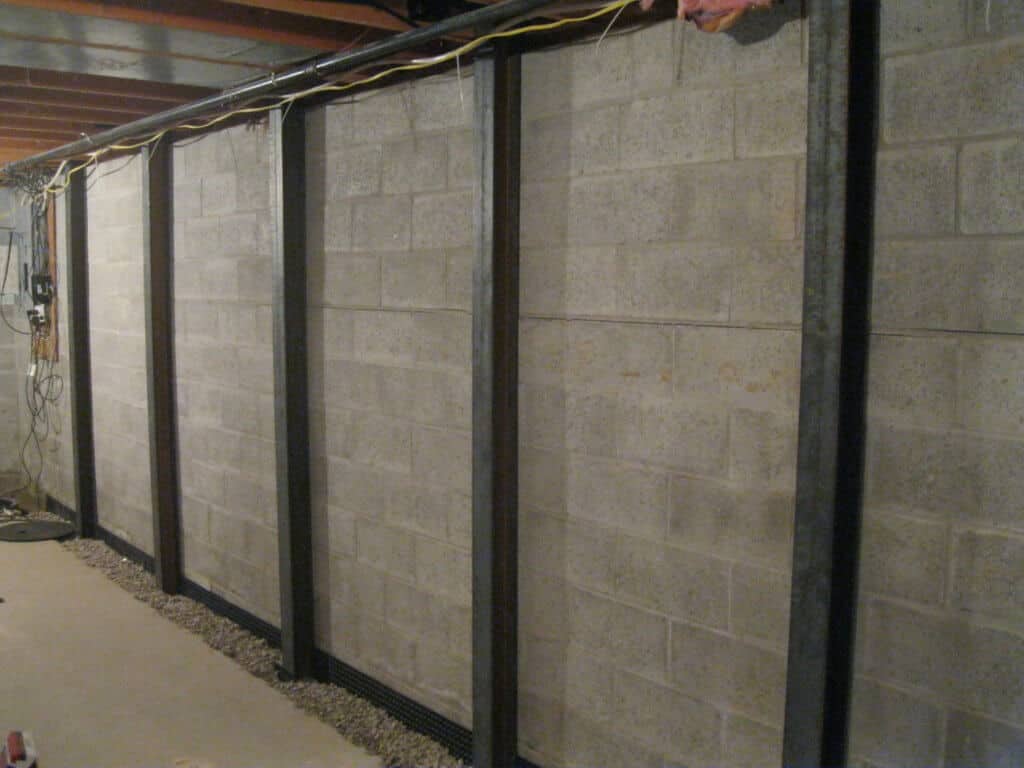
The method used to repair a cracked foundation will depend on the amount of movement the wall has experienced. Repair for minimal movement often involves the use of a restraint system such as steel braces or carbon fiber strips. Significant movement calls for the straightening of the wall.
Philadelphia, PA | StablWall

When wall straightening is called for

Foundation experts will examine your walls to determine whether straightening is required. The signs they look for will depend on the type of foundation wall you have.

  1. Concrete block and brick foundations

These walls may require straightening much sooner than poured concrete walls. This is because they are built from pieces that are joined together. This presents several points of weakness. Cracks on these walls appear stair-like. Foundation experts will opt to straighten these walls if they move more than 1 inch laterally or 2 and a half inches inward.

  1. Poured concrete foundations

These foundations are much stronger than most. However, they can still be damaged by lateral pressure from the soil. Foundation experts often opt to straighten these walls when they have moved inward more than 30% of the thickness of the wall e.g. a 10-inch thick wall would be considered for straightening if it had moved 3 inches inward.

If you notice cracking on your foundation wall, get in touch with a professional foundation repair contractor. This will ensure that you’re provided with a lasting solution.

Carbon Fiber Foundation Repair | Columbus,OH | StablWall

How Do StablWall Applications Work? | Louisville, KY

StablWall Carbon Fiber

Are you considering foundation repair? Your foundation contractor may have suggested various solutions for the repair of your foundation. One of the many solutions suggested by contractors today is the use of StablWall carbon fiber. This is a patented technology that makes use of carbon fiber sheets for the repair of foundation cracks.

How it works

There are various companies that manufacture carbon fiber products for the repair of basements. These products come in different shapes and sizes. StablWall Carbon Fiber comes in the form of sheets. Sheets are much stronger than straps that are unidirectional. Straps have proven in the past to be ineffective under sheer loads.

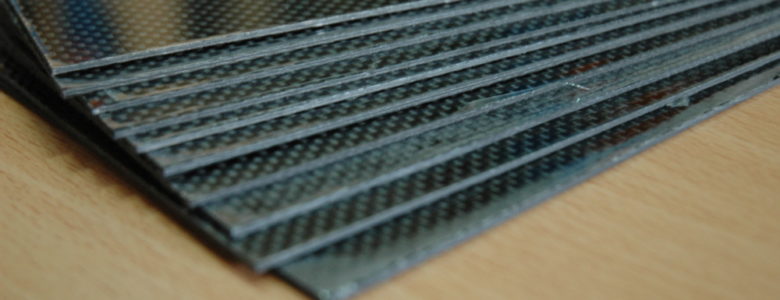
The carbon fiber sheets consist of layers of fiber sheets that are run horizontally, vertically and diagonally to each other. This ensures that the carbon fiber sheets have maximum tensile strength. They are therefore better able to bear loads in just about any direction.

Louisville, KY | StablWall Carbon Fiber

Installation of the carbon fiber sheets is simple. It involves the use of a special epoxy that is provided by the manufacturer. The epoxy is used to bond the sheets to the damaged wall. The wall is therefore held together by the sheet and unable to move any further. The wall therefore does not undergo any further damage.

Are they effective?

One of the questions you may be asking at this point is just how effective these carbon fiber sheets are in preventing further damage to the foundation walls. There is a good reason why many foundation contractors are turning to StablWall Carbon Fiber for the repair of cracked foundation walls. It is because the technology has proven to be so effective in preventing further damage to foundation walls.

Carbon fiber is very strong and light. It has been used in the aerospace industry for over 25 years. It has also been applied to the construction of tunnels, retaining walls and bridges. The military also makes use of carbon fiber for its strength and light weight.

Strong and attractive

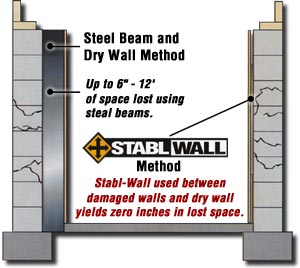
When it comes to providing extra support to foundation walls, you’ll have the choice of either using unsightly steel beams or using carbon fiber. Carbon fiber is not only easy to install but also occupies minimal space. It is also easy to paint over and therefore hide. Steel beams aren’t so easy to hide.

If your contractor has suggested the use of carbon fiber sheets for the repair of your basement, you should consider this option above all others.

Contact StablWall today! 866.782.5955

Why StablWall Can Provide Better Support Than Steel Beams | New York, NY

New York, NY | StablWall


StablWall vs. Steel Beams

Repairing a failing foundation is something every homeowner dreads. The fact that this is the structure that supports your precious investment means any damage to the same portends danger. Luckily, advances in construction technology now provide more effective solutions to foundation damage.

While steel beams have been the most commonly used stabilization system, StablWall carbon fiber technology is set to revolutionize how foundation walls are repaired in future. The StablWall vs. Steel Beams argument has been ranging in the construction industry and it is good to get some insight before calling in a foundation contractor.

Steel Beams for Foundation Support

If you have talked to a foundation contractor, they might have suggested steel beams to repair your foundation. Steel piers have been used for decades to stabilize bowing and bulging foundations. Of course, steel has been hailed for its strength and the fact that it is not prone to rust. Steel beams are drilled into the walls and the walls are held in position using a wooden plate. The plate can be tightened regularly in case there is soil movement around the basement walls.

New York, NY | StablWall

Stablwall Carbon Fiber Technology

This is an advanced wall repair technology that capitalizes on the strength of carbon fiber to bring back the strength of your walls. StablWall carbon fiber technology involves carbon fiber strips that are bonded to the damaged wall to prevent any further movements.

The fiber strands are parallel to each other and when interwoven, they have 10 times more strength than steel beams. This means the wall is not only repaired but its strength is also enhanced. Carbon fiber can either be in strips or sheets depending on the size of the damaged wall and once it bonds to the wall, the impact is permanent.

StablWall vs. Steel Beams: Which is Better?

When comparing StablWall vs. steel beams, it becomes apparent that carbon fiber technology is superior. Take a look at some of the reasons contractors are opting for StablWall technology as opposed to steel beams:

  1. More strength
  2. Less visibility on the walls
  3. Quick and easier installation as no excavation is required
  4. Low-maintenance repair system
  5. Affordability

Carbon fiber has been used in the aerospace industry for decades and it has taken the construction industry by storm. When talking to different contractors about foundation repair at your home, make sure you mention StablWall technology and if they have no clue, keep looking.

Everyday Items Made of Carbon Fiber | Columbus, OH

Carbon fiber is super lightweight and strong. It is actually the strongest man-made material in the world and can be woven into fabric sheets or melted down into a mold to make all sorts of products. It has become more common with the mass production at large manufacturing plants making it more affordable to use.

Airplanes

The aerospace industry has been using carbon fiber for years in airplane manufacturing, including on wings. It is perfect for airplanes considering its strength, durability and light weight. For people who don’t know anything about carbon fiber, imagining a material that is used to make airplane wings helps them understand just how strong and light it is.

 Columbus, OH | StablWall

Sports and Safety Equipment

Because of its indestructible qualities and lightweight it is used to make helmets and other sports equipment. There are even carbon fiber running shoes and hardhats now. Kevlar is molded carbon fiber. It is the same components just melted down added to a resin and molded into different products. Bullet proof vests, face masks, and other serious safety equipment is often made of Kevlar carbon fiber.

Novelty Items

Manufacturers are coming out with an array of novelty products using carbon fiber. Carbon fiber novelty items include everything from iPhone covers to toilet seats. The novelty items are frivolous because most of the items like jewelry, goggles and mouse pads don’t need to be ultra-lightweight and indestructible. Just the fact that they are made of carbon fiber makes them more expensive and a new kind of luxurious.

New Cars

Car manufacturers are designing new cars with carbon fiber composites to make the cars and trucks lighter and more crash resistant. The lightweight will actually increase fuel efficiency on cars and trucks with carbon fiber parts.

Foundation Repair Products

The basement waterproofing and foundation repair industry actually uses carbon fiber to repair foundation walls, bowing or bulging block walls and foundation cracks. Carbon fiber in the basement actually is an alternative to steel I-beams systems and other heavy repair techniques. It reduces labor costs because carbon fiber is so lightweight and reduces the maintenance because it is so strong. Once they repair the foundation with carbon fiber it is done.

Bowing Cinder Block | Philidelphia, PA | StablWall

Repair a Bowing Wall | New York, NY

When you see cracks forming on your foundation wall, the first thing you should do is to call the experts. Foundation cracks are often a sign of the need for foundation repair. This isn’t a unique problem. Foundations, like any other part of the home, need maintenance.

Why You Need a Pro

You may be wondering why you should spend money and time calling a professional for only a few cracks on the wall. You’re not alone. Many homeowners will either ignore or seek do-it-yourself solutions to the cracks in an attempt to avoid what they think would be an unnecessary expense. 

The problem with this is that foundation cracks often indicate a problem with the foundation, which if not properly repaired is likely to become a structural problem for the entire home. There’s also the problem of water seepage. Even cracks that aren’t allowing water through at the moment are likely to start leaking over time. You’ll end up with a wet basement that will result in further problems including damage of property as well as the growth of mold.

New York, NY | StablWall


Repairing a Bowing Foundation Wall

Foundation cracks are often the first thing you’ll notice when your foundation is in danger. They are one of the first signs of a bowing foundation wall. In this situation, even the strongest sealants will not protect your wall from further damage.

The bowing occurs as a result of high pressure from the soils surrounding the foundation wall. It is important to not only relieve this pressure but also to provide more support for the wall. The following are two popular ways of providing support for foundation walls.

  1. Re-bracing walls

This is one of the most popular methods of repairing bowing walls. Re-bracing the walls involves reinforcing the walls. The reinforcement may be in the form of carbon fiber strips or steel beams. This provides long term support to the wall ensuring that it will not shift under pressure from the outside.

  1. Anchors

Foundation anchors are installed in a bowing foundation wall to counteract the pressure that is exerted against the foundation wall. The anchors can be installed either on the inside or the outside of the foundation wall. They are installed under the foundation wall. Modern anchors can be installed in the earth without the need for excavation.

If you have bowing foundation walls, have a chat with a professional contractor about the different options available to you.

Philadelphia, PA | StablWall

How Foundations Change During Winter Weather | Philadelphia, PA

Freezing weather may be taking a toll on your foundation. Concrete poured foundations and block wall foundations are affected by freeze-thaw cycles. Concrete expands as it freezes and contracts as it thaws. Same goes for the ground around the foundation changing the pressure in the soil. As the concrete expands and contracts it tends to crack. This is why expansion joints and control joint were created. Control joints give the concrete a place to crack and expansion joints give the concrete some space to expand.

Philadelphia, PA | StablWall

Even though concrete is still one of the strongest and most versatile building materials it is still not perfect. The weather can also impact concrete during the construction process. Pouring concrete in extreme weather can affect how it cures and therefore the concrete’s overall strength in the end. Concrete is made with water. So, if concrete is poured in freezing weather that water in the mix can freeze. If it freezes it produces pressure in the pours of the concrete and can ultimately cause cracking, spilling, and the cured concrete to crumb off. The Portland Cement Association has developed deicers and recommends techniques for pouring concrete in cold temperatures but it is still not the best practice.

Masonry walls are not immune to the negative affects cold weather has on a poured foundation. Even though they don’t have to cure out in the elements they still expand and contract with freeze-thaw cycles. Cinder blocks are porous by nature and if they get wet and stay wet for too long freeze-thaw damage can occur. This issue is more common in retrofits and basement remodels. Commonly modern energy efficient remodels typically add interior insulation causing the exterior masonry to stay colder and wetter. The water staying in the block wall can cause potentially more freeze-thaw damage. For more information see the Portland Cement Association research on cold weather concrete. Also take a look at how StablWall products can help prevent and treat damage to walls and more here!

Potential Causes of a Failing Foundation | Cleveland, OH

Foundation wall repair  becomes more and more of an issue the older your foundation becomes, and with so many aging foundations in many areas throughout the U.S., it’s no surprise many homeowners are turning to more and more solutions for their failing foundations.

But what causes a foundation’s structure to fail over time? Water is actually an important piece in the puzzle when it comes to structural foundation damage. Below we will go over some scenarios in which the structural integrity of your home may be affected over time.

Cleveland, OH | StablWall

1. Addition of water to the surrounding soil. Soil expansion can be attributed many foundation problems, including cracking along the mortar joints, horizontal cracking, and walls bowing inward. These are considered potential serious structural risks, and should be addressed immediately.

2. Subtraction of water form the surrounding soil. In some cases, a home’s foundation can be damaged by over-settling due to water leaving the soil around the home. This over-settling can large cracks in the concrete floor slab, as well as large diagonal cracks near the corners of your foundation.

3. Poor construction. Sometimes, a home is built upon soil that was poorly compacted, setting the home up for continued foundation troubles for decades to come.   Poor wall construction methods and materials can also contribute to ongoing structural damage.

The earlier you can identify and resolve a structural foundation issue, the better. For the most part, the problem will only become worse, forcing you to pay for more expensive repair solutions or worse–a total wall rebuild. If you have any questions about your foundation wall repair options, feel free to contact us! (866.782.5955)

Carbon Fiber Strips | Chicago, IL | StablWall

Finding a Foundation Repair Contractor for Carbon Fiber Repairs New York, NY

Finding a Foundation Repair Contractor for Carbon Fiber Repairs

Do you have cracked foundation walls? With so much information available online, you’ve probably done your research and found that carbon fiber is your best option if you plan to finish your basement. You may have also learned that this is not a DIY job. It is best to have a professional install the carbon fiber sheets or straps for long term benefits.

Finding a professional contractor 

Call Us Today! StablWall Can Help! (866) 782-5955

Are you ready to have your wall repaired? It’s important to note that not all foundation repair contractors are the same. It’s important to carefully evaluate the options available and make an informed choice.

The following are some factors to consider when making your selection.

  1. How long they’ve been in business

It’s important to hire a contractor that not only has experience but has also been active for several years. The fact that they have continued to get business shows that they can do a good job.

  1. Consider their warranty

It’s important to ensure that the contractor can provide a warranty especially when installing a system such as carbon fiber. The warranty should provide for the replacement of the system in case of any failures as well as for rework. Check the conditions of the warranty to ensure that you avoid any actions that may render it void.

  1. The systems they use

Not all carbon fiber systems are the same. Do you research and read reviews to find out which system works best. You should choose a contractor that has been trained and is experienced in the use of the particular system you’re interested in.

  1. Their insurance cover

No one wishes for accidents to occur while work is being carried out in their homes, but they do. It’s important to check that the contractor has insurance cover. This will cater for any expenses resulting from accidents that occur while the contractor is working on your property. You will avoid having to pay for these expenses by taking this simple precaution.

  1. The value of what they offer

Many homeowners will only consider the price at the bottom of the quotation when hiring a foundation repair contractor. However, this can be quite deceiving. There are many contractors who have hidden fees. Others will cut back on some areas in order to provide you with a low price.

Go for a contractor that offers a good value for the money. They should be experienced and use a high quality system.


Bowing Foundation | Columbus, Ohio | StablWall

Alternative Roof Drainage to Prevent Bowed Basement Walls Philadelphia, PA

Alternative Roof Drainage to Prevent Bowed Basement Walls

Your roof drainage system is an important part of the foundation waterproofing system. Good drainage ensures that runoff from the roof is deposited far away from the foundation. This ensures that the soil around your foundation is not soaked with water and therefore prevents the development of bowed basement walls.

Homeowners are advised to keep their gutter systems in the best possible condition in order to protect their foundations from damage. They are required to inspect and clean their gutters regularly for best results.

Contact Us! (866) 782-5955 We can help!

However, if you live in an area that has the occasional rainstorm, you may want to include some additional protection from the rain. This is because roof gutters may not always be able to handle the volume of runoff, especially during a rainstorm. One great option is to include ground gutters.

An introduction to ground gutters

Ground gutters are a simple and effective solution to handling excess water when the capacity of the gutters is exceeded during a rain storm. They are essentially trenches that are dug into the ground around the home. They help to divert water away from the foundation.

They are dug along the foundation wall and lined with waterproof material. This may include rubber or some similar liner. Pipes are laid on the bottom of the trench. These pipes help to direct runoff away from the home

Ground gutters are designed to drain water several yards away from the home to ensure that it does not collect at the foundation and cause damage. The actual location of draining depends on the design and available facilities such as storm water drains.

Benefits of ground gutters

There are many benefits of having ground gutters. These include:

  1. Preventing foundation damage

The gutters help to guide water away from the foundation. This ensures that the soil near the foundation does not expand and exert pressure on the foundation walls. Ground gutters are an effective way of preventing bowed basement walls from occurring.

  1. Ensure protection during rainstorms

Roof gutters help to capture runoff from the roof and protect the foundation walls. However, when there is a rainstorm, the gutters may be overwhelmed. The ground gutters help to ensure the protection of the foundation by capturing any overflow.

  1. Act as a backup in case of failure of roof gutters

Roof drainage systems can fail for many reasons. This includes when they are full of debris or are damaged. Having a backup system ensures that your foundation remains safe even as you find a solution for the problem with your roof gutters.


Bowing Walls: What Do I Do? Columbus, OH

Bowed basement walls result from too much pressure pushing up against basement walls. The pressure can build up from any number of factors including heavy rain, poor drainage in the soils surrounding the basement walls, buildup of underground water or inadequate grading of the basement walls.

When soil absorbs water, it expands. The same applies to the soil surrounding your basement walls. The expanding soil therefore presses against the foundation walls resulting in the buildup of pressure on the walls.

If the pressure continues unchecked, the walls will begin to cave in. Damage on the walls may begin as a horizontal crack or a leak in the foundation joints. If the problem is left unaddressed, the walls will begin to bow inward. These walls will eventually collapse causing your home to become unstable.

What You Shouldn’t Do

First of all, it is important to remember that fixing bowed walls is not a ’Do-It-Yourself’ job. It is something that you ought to leave to a professional foundation repair contractor. A professional will have the right training, skills, experience and equipment to repair bowing walls.

Trying to fix your own walls is dangerous and may end in a catastrophe for you and your home. Professionals are trained and understand the safety measures to take to ensure that there are no accidents.

It is also important to remember that quick fixes will not address the underlying problem with your foundation. So ensure that you have a long-term solution to save your foundation and your home. Applying quick fixes will only result in a more expensive problem as the damage continues to get worse.

What You Should Do

If you notice that you have bowing walls, contact a professional foundation repair contractor in your area as soon as possible. The contractor will come to your home and inspect the foundation walls. Then he will provide you with an estimate of how much it would cost to repair the wall.

Avoid using a contractor who gives you a quotation for the job without examining your foundation. A thorough examination of the foundation is the only way to identify the underlying problem and determine the best solution for the basement wall repair.

It is important to begin your search for foundation repair contractors as early as possible. This will ensure that you can shop around and compare prices and services. You will find a reliable contractor when you have enough time to look for one.