carbon-fiber-stablwall-3

Carbon Fiber and Foundation Walls: The Perfect Pair for Long-Term Stability

Consider the Burj Khalifa, the world’s tallest skyscraper. Its strength and resilience are significant to carbon fiber reinforcement in its foundation walls. Now, imagine this same level of durability in your construction projects. Carbon fiber, renowned for its high tensile strength and resistance to environmental degradation, pairs perfectly with foundation walls for long-term stability. But the benefits don’t stop there. This cost-effective solution reduces your maintenance needs and supports sustainable building practices. Intrigued? Let’s explore this further together.

Key Takeaways

  • Carbon fiber offers high tensile strength and flexibility, making it ideal for reinforcing foundation walls.
  • Its resistance to chemicals, heat, UV rays, and environmental degradation ensures long-term durability and minimal maintenance.
  • Carbon fiber can be bonded with existing foundation walls, enhancing structural integrity and reducing the need for extensive repairs.
  • Although initial costs may be higher, the longevity and robustness of carbon fiber translate into long-term savings and increased property value.
  • Innovations in carbon fiber technology support sustainable construction goals, promising energy-efficient and environmentally friendly foundations.

Understanding Carbon Fiber Material

If you’ve ever wondered about the material used in high-performance cars or advanced aerospace technology, it’s time to learn about carbon fiber. This material, known for its unique blend of properties, is becoming increasingly popular in various industries, and for good reason.

Carbon fiber is a thin material about 0.005 to 0.010 mm in diameter, composed primarily of carbon atoms. These atoms are bonded in microscopic crystals, forming a long, durable chain. The result? A material that’s incredibly strong for its size. When compared to steel, carbon fiber is much stronger and lighter.

But it’s not just about strength. Carbon fiber also excels in flexibility, making it perfect for applications requiring robustness and bendability. It’s also resistant to many chemicals, heat, and even UV rays, expanding its use to outdoor settings.

Now, imagine incorporating this material into your home’s foundation walls. Strength, flexibility, and resistance all translate into long-term stability.

It’s no wonder more and more builders are turning to carbon fiber. So, next time you see a sports car zoom by, remember that that same technology could reinforce your home.

Traditional Foundation Wall Materials

Before we explore the advent of carbon fiber, it’s crucial to understand the traditional materials used in foundation walls.

You’re likely familiar with concrete for its proven durability, but did you know that stone and brick foundations also have a long history of use?

Over time, wood has also risen in popularity as a foundation material.

Concrete: Proven Durability

Concrete, a stalwart in the construction industry, offers proven durability for traditional foundation wall materials. You can trust this material to withstand time and resist adverse conditions. It’s common for a concrete foundation to outlast the building it supports!

There’s a reason why concrete is such a popular choice. Its strength lies in its composition. You’ve got a mixture of cement, aggregate, and water that forms a rock-like mass when it hardens. This isn’t a material that’s going to buckle under pressure. It’s got the muscle to bear substantial loads, making it ideal for your foundation walls.

Moreover, concrete is resistant to fire, water, rot, and insects. These properties further enhance durability, ensuring your foundation walls stay in shape for years.

Of course, it’s essential to apply a good quality waterproofing material to your concrete walls to prevent moisture from seeping in.

Stone and Brick Foundations

Venturing beyond concrete, you’ll find traditional methods like stone and brick foundations still holding strong in construction. While not as common today, these materials have been used for centuries and offer long-lasting stability that you can count on.

Stone foundations are known for their strength and durability. They’re not easily damaged, even under harsh conditions. Similarly, brick foundations provide a sturdy base. They resist moisture penetration, ensuring the structure’s longevity.

However, brick and stone foundations have their challenges. They’re more labor-intensive and time-consuming to construct compared to modern materials. Although they resist most environmental factors, extreme temperature fluctuations can lead to cracks over time.

Here’s a quick comparison of stone and brick foundations:

Material Durability Resistance to Moisture Reaction to Temperature Fluctuations
Stone High Moderate Can Crack
Brick High High Can Crack

The Rise of Wood

Moving on from brick and stone, let’s focus on another traditional foundation wall material: wood. You might consider wood a bit old-fashioned but don’t underestimate its value. Over centuries, it’s proven its worth as a durable, flexible material for foundation walls.

Yet, it does have its challenges. Wood can be susceptible to rot, termites, and other pests. Furthermore, it can warp or crack over time due to moisture and temperature changes. You must keep an eye on it and ensure it’s properly treated and protected.

However, the rise of engineered wood products has dramatically improved the performance of wood foundations. These products, made from layers of wood and adhesives, resist the issues that often plague traditional lumber.

They’re stronger, more stable, and have a longer lifespan.

The Superiority of Carbon Fiber

Nothing beats carbon fiber for its superior strength and resilience when reinforcing your foundation wallscarbon-fiber-stablwall-1. This isn’t just hype; there’s a solid scientific basis. Carbon fiber’s tensile strength and ability to resist breaking under tension are among the highest of any industrial material. That means it can hold up under immense pressure, just like the kind your foundation walls face.

But what does that mean for you? Simply put, it means peace of mind. It means knowing your home or building is built to last, with materials designed to withstand the test of time. It’s about investing in longevity, strength, and reliability.

It’s not just about strength, though. Carbon fiber is also incredibly lightweight. This makes it easier to handle, reducing overall construction time.

It’s also corrosion-resistant, so it won’t deteriorate over time like other materials might.

Carbon Fiber Application in Foundations

You’ve learned about the superiority of carbon fiber, but what about its application in foundations?

It’s time to explore how understanding carbon fiber can benefit your foundation projects.

Let’s start with how this revolutionary material can make all the difference.

Understanding Carbon Fiber

Carbon fiber is a game-changer in the construction world, significantly when strengthening foundation walls. Imagine a robust and lightweight material that can reinforce structures without adding significant weight or bulk. That’s carbon fiber for you. Made of thin strands of carbon atoms, it’s robust and durable.

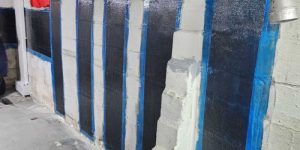
But how does it work in foundations? Carbon fiber doesn’t just sit on the surface. Instead, it’s bonded with the wall, creating a solid, unified structure. This bonding process doesn’t just make the wall stronger; it prevents further damage and degradation.

Understanding carbon fiber’s properties and its application is essential. Here’s a snapshot of what you need to know:

Property Explanation
High Tensile Strength Carbon fiber can withstand a lot of force without breaking.
Lightweight Despite its strength, carbon fiber is light, making it ideal for construction.
Corrosion-Resistant Carbon fiber doesn’t rust or corrode, ensuring long-term durability.
Temperature Tolerant It performs well under a wide range of temperatures.

Benefits for Foundations

So, why should you consider carbon fiber for your foundation walls? Here’s why – it brings robustness, longevity, and cost-effectiveness.

  1. Robustness: Carbon fiber is five times stronger than steel and twice as stiff, making it a superior choice for foundation reinforcement. It doesn’t just strengthen your walls; it enhances their resistance to lateral pressure, keeping them standing tall despite adverse conditions.
  2. Longevity: Unlike traditional materials, carbon fiber doesn’t corrode or degrade over time. It’s resistant to moisture and chemicals, ensuring your foundation walls last longer without needing constant maintenance or replacement.
  3. Cost-effectiveness: Carbon fiber may seem pricey initially, but it’s a one-time investment. It cuts down on future repair and replacement costs, making it a cost-effective choice in the long run.

Don’t you want a strong, durable, and cost-effective foundation? That’s what you’ll get with carbon fiber.

It’s not just about building a house; it’s about creating a home that’ll stand the test of time. With carbon fiber, you’re not just investing in a material but in peace of mind for the years to come.

Case Studies: Carbon Fiber Successes

Often, carbon fiber proves remarkably successful in reinforcing foundation walls. You might wonder, ‘What does this success look like?’

Let’s explore a few case studies highlighting carbon fiber’s effectiveness.

Imagine a 50-year-old residential building in Columbus, Ohio. The homeowner noticed cracks in the foundation walls, raising concerns about the building’s stability. A local contractor recommended carbon fiber reinforcement, guaranteeing the homeowner of the material’s strength.

After installation, the homeowner hasn’t reported any further foundation wall issues. That’s carbon fiber at work!

In another case, a commercial building in Boston had significant bowing in its foundation walls due to soil pressure. The building owner was worried about potential collapse.

Again, carbon fiber came to the rescue. Post-reinforcement, the walls have remained firm and stable for over five years.

Across the country in San Francisco, a Victorian house was experiencing similar foundational problems. Guess what the solution was? You got it – carbon fiber.

The age-old home now stands as solid as ever.

These case studies aren’t exceptions but norms. They show how carbon fiber can bolster foundation walls and guarantee long-term stability.

Future of Home Building Materials

Countless advancements are shaping the future of home-building materials. As a stakeholder in the industry, you’re likely keen to understand what’s on the horizon. Carbon fiber, in particular, holds promise for constructing sturdy, efficient homes.

Imagine a world where the foundations of homes aren’t only strong but are also energy-efficient and eco-friendly. This isn’t far-fetched with the promising developments in materials like carbon fiber.carbon-fiber-stablwall-2

As part of the carbon fiber revolution, here are the three main benefits to evaluate:

  1. Durability: Carbon fiber is known for its strength and longevity. It resists many environmental factors that typically degrade other materials over time.
  2. Energy Efficiency: Carbon fiber boasts impressive thermal insulation properties. This means reduced energy costs for heating and cooling.
  3. Sustainability: Carbon fiber can be manufactured with less waste and energy than traditional materials, so it’s a more environmentally friendly choice.

You’re not just building houses; you’re shaping the future of homes. By assessing the use of carbon fiber, you’re leading the way toward a more sustainable, efficient, and durable tomorrow.

Frequently Asked Questions

How Is the Durability of Carbon Fiber Affected by Extreme Weather Conditions?

Extreme weather doesn’t impact carbon fiber’s durability. It’s resistant to harsh conditions, meaning you won’t face issues with weakening or damage. Rest assured, your carbon fiber will stay strong, regardless of the weather.

What Is the Average Cost of Installing Carbon Fiber in Foundation Walls?

The average cost of installing carbon fiber in your foundation walls can vary greatly, typically between $5,000 and $15,000. It’s quite an investment, but you’re buying unbeatable stability and long-term peace of mind.

Are There Any Potential Health Risks Associated With Carbon Fiber Materials?

You’re safe – carbon fiber materials aren’t known to pose health risks. However, if fibers are released into the air during installation, they could irritate your skin, eyes, or respiratory system. Always use proper safety gear.

How Does the Use of Carbon Fiber in Foundations Impact Construction Timelines?

Using carbon fiber in foundations catapults construction timelines like a sprinter off the blocks. Installing and curing faster than traditional materials is more manageable, so you’re shaving off precious time without compromising stability.

Can carbon fiber be used to restore historical buildings?

You can use carbon fiber to restore historical buildings. It’s lightweight, strong, and doesn’t impact the original structure negatively. It’ll guarantee the building’s stability while preserving its historical integrity.

So, you’ve seen it yourself – carbon fiber and foundation walls are a match made in construction heaven. Coincidentally, they’re just what you need for long-term stability. With unbeatable strength, reduced maintenance, and cost-effectiveness, carbon fiber is not just a trend; it’s the future. It’s time you considered this power pair for your next project. After all, who doesn’t want a home that stands firm, lasts long, and respects our planet?

Contact the Professionals at StablWall Today! (866) 782-5955