

Foundation reinforcement is a critical aspect of maintaining the structural integrity of a home. Cracked walls, uneven foundations, and bowing basement walls are all signs of foundation issues that need prompt attention. Carbon fiber has emerged as one of the most effective and modern solutions for repairing and reinforcing foundations. This article explores the role of carbon fiber in foundation reinforcement, focusing on its applications, advantages, and why it has become the go-to method for many homeowners and contractors.
The use of carbon fiber in foundation repair has increased over the last few decades due to its strength, flexibility, and durability. It offers several advantages over traditional materials like steel, including ease of installation and long-lasting performance.
- Strength and Durability: Carbon fiber is known for its immense tensile strength, which allows it to resist tension forces better than steel. Once applied, it acts as a reinforcement for weak or damaged walls, ensuring they remain intact even when subjected to external pressures like soil movement.
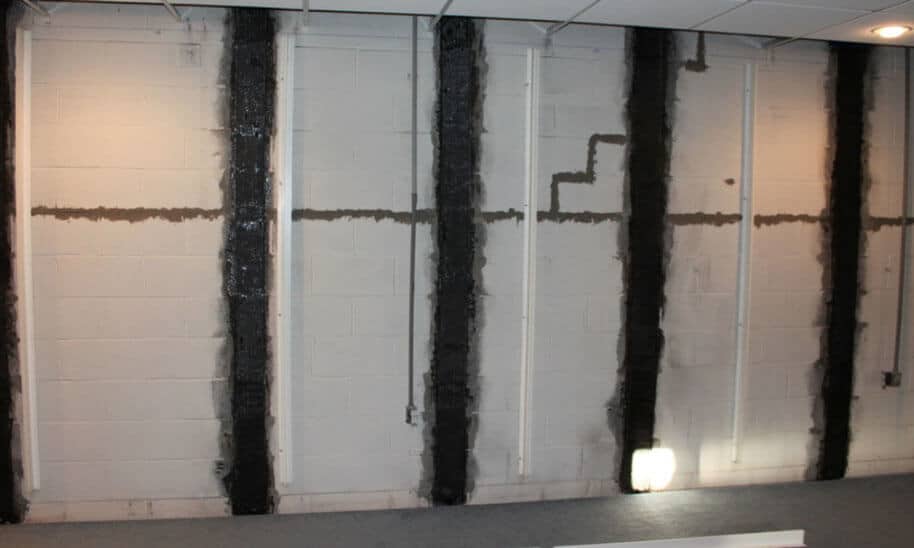
- Non-Intrusive: Unlike steel beams or wall anchors that require significant excavation and structural changes, carbon fiber repairs are non-intrusive. They can be applied directly to the foundation or wall surface without extensive digging or disruption to the home.
- Quick Installation: Carbon fiber can be installed relatively quickly compared to other methods. The application process usually takes just a few hours, depending on the size and complexity of the repair, minimizing disruption to the homeowner.
- Cost-Effective: In the long run, carbon fiber repair is a cost-effective solution because it requires little maintenance and lasts for decades. While the initial cost might be slightly higher than some alternatives, its durability and low maintenance needs offset the price.
Carbon fiber works by providing extra support to foundation walls that are under stress. When walls begin to bow or crack due to hydrostatic pressure, expansive soils, or natural settling, carbon fiber strips can be applied to the wall surface to resist further movement and strengthen the structure.
- Addressing Bowing Walls: Bowing walls are a common issue in basements where water-saturated soil exerts pressure on the foundation walls, causing them to curve inward. Carbon fiber strips are applied vertically along the bowing wall, effectively bracing it and preventing further movement. These strips transfer the load to the stronger sections of the wall, stabilizing it.
- Fixing Cracks: Cracks in foundation walls are often the result of soil movement or settling. If left unchecked, these cracks can lead to water infiltration and structural instability. Carbon fiber can be used to reinforce the cracked areas, bonding them together and preventing further expansion of the cracks.
- Resisting Lateral Pressure: In cases where lateral pressure from surrounding soil is causing the foundation to weaken, carbon fiber can be applied to increase the wall’s resistance to this force. This prevents further bowing or cracking, keeping the foundation stable.
Carbon fiber has revolutionized the approach to foundation reinforcement and repair. Its strength, durability, and ease of installation make it an ideal solution for addressing structural issues such as bowing walls, cracks, and lateral pressure. As more homeowners seek cost-effective and minimally invasive methods to maintain the integrity of their foundations, carbon fiber will continue to be a preferred choice. With its ability to strengthen and stabilize foundations for decades without requiring extensive maintenance, it offers both peace of mind and long-term protection for homes.
Contact the Professionals at StablWall Today! (866) 782-5955