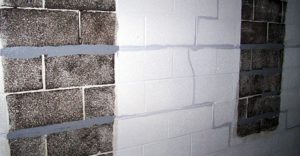
StablWall carbon fiber

What is Carbon Fiber and Why Should You Care? Houston, TX

Carbon Fiber is a man-made, super strong, lightweight material. Mass production of it has made it more affordable and more widely used across multiple industries.

In recent years, foundation repair contractors are using it in residential foundation repair applications.

Carbon fiber is super lightweight and comes in a woven fiber sheet. If you don’t know what carbon fiber is, at first glance it seems like a hoax. It doesn’t seem like this material would be able to repair your basement wall. But if you understand it is the same material used in airplanes and bullet proof vests it makes more sense.

Call Us! We can help! (866) 782-5955

Carbon fiber can also be melted down into a liquid and formed into liquid metal. So, instead of a sheet it can be molded into all sorts of items. If you hear about Kevlar helmets, vests or other safety equipment it is actually melted down and formed carbon fiber.

In a foundation repair application, carbon fiber is used in multiple ways. It can be used as staples to repair a structural crack. Carbon fiber staples are used with epoxy to create a rigid hold on a moving crack.

The other application is to use a carbon fiber sheet to fix a bowed concrete block wall. The carbon fiber needs to be tied to the framing of the house to secure the foundation to the newly stabilized foundation. Carbon fiber foundation repair is an alternative method to steel I-beams and wall anchors that are commonly used to fix a bowed block wall.

If you are getting a quote from a foundation repair contractor and they say they are going to use carbon fiber repair or carbon fiber staples to repair a crack, don’t be scared or skeptical. They are using a high-tech material that is stronger than steel.

foundation-maintenance

Foundation Maintenance Tips

Foundation Maintenance

Not all cracks are indicative of foundation problems, but all foundation issues manifest as cracks. See how that works? So it is a good idea to never ignore foundation cracks, or just any type of crack you see on walls and floors. When you see cracks, make an effort to note them, count them and even measure them to see if they are getting bigger or wider apart, if they are, call in a professional.

Prevention is Key

As with all things in life, preventing damages are better than trying to recover from them. So have a look at the following pointers and try to follow them if it applies to you or your type of home.

  • Moisture
    For the most part, foundation cracks are the result of soil expansion or contraction, so moisture plays an important part in the strength and steadiness of your foundation. Maintain the right amount of moisture down there. If you stay in a region that has a lot of play when it comes to wetness and drying out, it will put a strain on the structure. You may need to get soakers and other water delivery mechanisms to make sure the levels are steady.
  • Trees
    Let’s be clear about this, trees are a necessity and most weather related problems can be attributed to not having enough of them, so we are not recommending you cut down every tree around your house. As long as trees get enough water, they are not going to suck it out from under your house. Get a qualified engineer or a specialist to come take a look at the tree and root problems that may or may not pose a threat to your foundation. When planting trees, plant them away from the main structure of the house. If the tree’s branches can touch your walls, it is too close.
  • Downspouts
    While you need to keep a certain level of moisture under the house, too much water is a bigger issue. Foundation cracks can appear in places where there are soil swells or runaways, both a result of too much water. You may want to get a simple diverter, something that will keep water from settling along the walls and cause wetness to settle in the basement.

Regular maintenance can go a long way in keeping your home foundation cracks free and will stand steady and last a lifetime.