professional-foundation-crack-repair-stablwall-3

Professional Foundation Crack Repair: Methods and Considerations

While some foundation crack repairs can be tackled through DIY methods, more extensive or complex issues often require professional intervention. In this article, we will explore the various methods and considerations involved in professional foundation crack repair.

Methods of Professional Foundation Crack Repair:

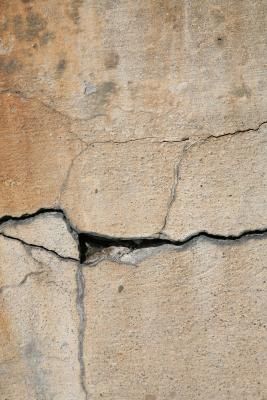
  • Epoxy Injection: Professional contractors often use epoxy injection techniques to fill and seal cracks in concrete foundations. This method is effective for repairing both vertical and horizontal cracks and can help restore the structural integrity of the foundation.professional-foundation-crack-repair-stablwall-1
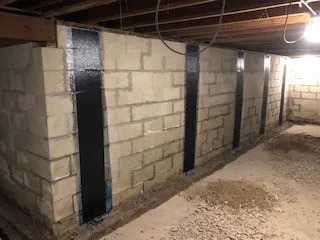
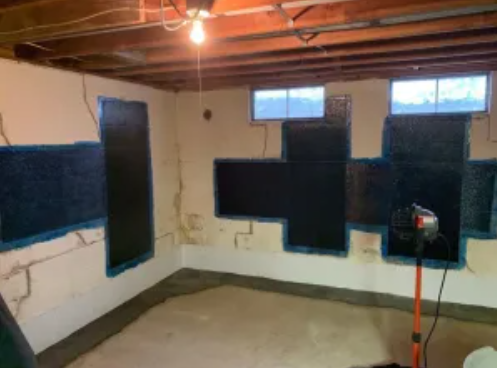
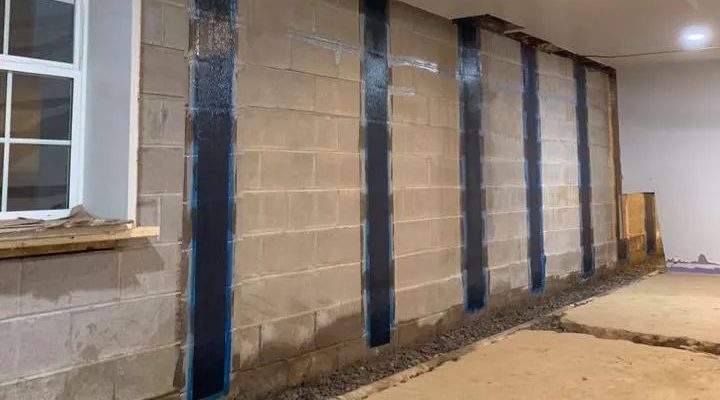
  • Carbon Fiber Reinforcement: Carbon fiber reinforcement involves applying carbon fiber strips or sheets to the foundation walls to provide added strength and stability, particularly in cases of bowing or shifting walls.
  • Underpinning: Underpinning is a technique used to stabilize and strengthen the foundation by extending or reinforcing the existing footings. This method is commonly employed for addressing foundation settlement and sinking.
  • Grout Injection: Grout injection involves injecting cementitious or polyurethane grout into voids or gaps beneath the foundation to fill and stabilize the soil, preventing further settlement or movement.

Considerations for Professional Repair:

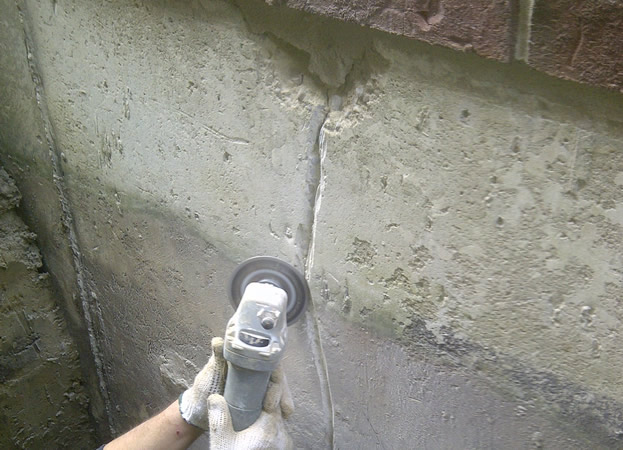
  • Assessment by Experts: Before undertaking any repair work, it is essential to have the foundation inspected by qualified professionals to determine the underlying causes of the cracks and the most appropriate repair methods.professional-foundation-crack-repair-stablwall-2
  • Permitting and Regulations: Depending on the extent of the repair work and local building codes, permits may be required for foundation repairs. Professional contractors can ensure compliance with regulations and obtain necessary permits.
  • Cost and Time Considerations: Professional foundation crack repair can be more costly than DIY methods, but it often yields more durable and long-lasting results. Property owners should consider both the upfront costs and the long-term benefits of professional repair.
  • Warranty and Guarantees: Reputable foundation repair companies typically offer warranties or guarantees on their workmanship and materials, providing peace of mind to property owners.

Professional foundation crack repair requires specialized knowledge, expertise, and equipment to ensure effective and lasting results. By hiring qualified contractors and considering various repair methods and factors, property owners can address foundation issues with confidence and preserve the integrity of their buildings.

Contact the Professionals at StablWall Today! (866) 782-5955
DIY Foundation Crack Repair: Tips and Techniques

While some foundation crack repairs require professional intervention, minor cracks can often be addressed through DIY methods. In this article, we will explore various tips and techniques for DIY foundation crack repair that can help property owners save time and money.

Materials Needed for DIY Repair:

  • Epoxy Injection Kits: Epoxy injection kits are readily available at hardware stores and are suitable for filling and sealing cracks in concrete foundations.diy-foundation-crack-repair-stablwall-1
  • Hydraulic Cement: Hydraulic cement is a quick-setting compound ideal for filling larger cracks or gaps in foundation walls.
  • Masonry Patching Compound: For minor surface cracks, a masonry patching compound can be used to fill and smooth the affected areas.
  • Foundation Waterproofing Products: Waterproofing products such as sealants and membranes can help prevent moisture infiltration and further damage to the foundation.

Steps for DIY Foundation Crack Repair:

  • Preparation: Clean the crack thoroughly, removing any debris or loose material. Use a wire brush or compressed air to ensure the crack is free of dust and dirt.
  • Application of Sealant or Epoxy: Apply the chosen sealant or epoxy according to the manufacturer’s instructions, ensuring that the entire crack is adequately filled and sealed.
  • Hydraulic Cement Application: For larger cracks, mix and apply hydraulic cement following the manufacturer’s guidelines. Work quickly, as hydraulic cement sets rapidly once mixed.
  • Finishing Touches: Once the repair material has cured, smooth any rough edges or excess material using a trowel or putty knife. Allow sufficient time for the repair to dry completely before painting or applying further treatments.

Safety Precautions for DIY Repair:

  • Wear Protective Gear: When working with sealants, epoxies, or hydraulic cement, wear gloves, safety glasses, and a mask to protect against skin irritation and inhalation of fumes.
  • Work in a Well-Ventilated Area: Ensure adequate ventilation when working with repair materials to prevent the buildup of fumes and dust particles.
  • Follow Manufacturer’s Instructions: Always read and follow the manufacturer’s instructions carefully when using DIY repair products to achieve the best results and ensure safety.

DIY foundation crack repair can be a cost-effective solution for minor cracks and damage. By following the proper techniques and safety precautions, property owners can address foundation issues promptly and prevent further deterioration of the structure.

Contact the Professionals at StablWall Today! (866) 782-5955

Bowed Basement Walls | Columbus, Ohio | StablWall

Important Facts about Bowed Basement Walls Columbus, Ohio

Important Facts about Bowed Basement Walls Columbus, Ohio

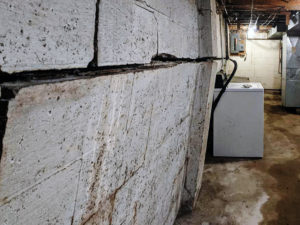
Bowed basement walls may be an indication of serious foundation and basement problems, but can in some cases be difficult to detect. Basement walls often curve inwards due to hydrostatic pressure and expansive soils, both of which exert sustained pressure on your foundation or basement and crawlspace walls. The pressure causes walls to buckle, curve, or swell inwards.

How to determine if you need repair for bowed basement walls Bowed Basement Walls | Columbus, Ohio | StablWall

As noted above, detecting bowed basement walls is not always easy, but you should be concerned if you see any of the following signs:

  • Stair step or horizontal cracks in the foundation and basement walls – These types of cracks indicate that the structural integrity of the basement or foundation walls has been significantly compromised. This can be due to foundation settlement or other issues.
  • Signs of basement and foundation walls not being straight, curving inwards, or bulging
  • Presence of expansive clay soil around your building
  • Evidence of hydrostatic pressure, especially during the rainy season

If you see any of the above signs, you should let a professional basement repair company assess the damage and carry out the repair that may be required.

What are the causes of bowed basement walls?

Even as you work with an expert to repair your bowed basement walls, you need to understand the reasons why the walls are bowing. When you identify the cause of the damage to the basement, you will be able to find a lasting repair solution.

In most cases, basement wall bowing is caused by unstable soil. Soils that absorb too much water or expand significantly are likely to put notable pressure on the basement walls and cause them to bow. Some of the soil conditions that can lead to basement wall bowing include:

  • Over saturation or excess moisture: Poor drainage or defective gutters and downspouts can cause water to accumulate in the soil that surrounds the basement walls.
  • Expansive clay soils: Such soils expand when wet and shrink during the dry season. Poor drainage around the basement walls will cause such soils to exert a lot of pressure on the walls during the rainy season.
  • Frost heaving: During winter, very low temperature can cause ice structures to form on the soil. These structures cause the soil to move, and this results in foundation shifting.

How to repair bowed basement walls

Your basement repair technician will use methods such as steel bracing and basement waterproofing to straighten bowing walls and prevent further damage by water or moisture.

Contact the Professionals at StablWall Today! (866) 782-5955
Columbus, OH | StablWall

Are Your Foundation Walls Starting to Crack? Here are Solutions | Columbus, OH

Foundation crack repair can be expensive. Whenever you’re dealing with something as important as the foundations of your house, you need to act fast, and it’s going to cost money.

But what a lot of people don’t realize is that a simple crack in say, the outer plaster, isn’t a cause for concern. So when should a foundation crack should worry you?

How wide?

The first test is to measure how wide the crack is; measure from the widest point of a crack with a simple tape measure.

If it’s any wider than 1/16 inch, you have to act. This is too wide and can let in both water and termites. If it’s smaller than this, simply monitor it over the course of a few months.

Even if it doesn’t reach this 1/16 inch limit, you should opt for repair if there’s any change in the width. It’s worrying even if a 1/32 inch crack turns into a 1/20 crack.

Columbus, OH | StablWall

Is it wet?

If a crack admits water, foundation crack repair is a necessity before it causes too much damage. It won’t take long for moisture to cause permanent damage to your home.

Moisture damage is one of the most common causes of serious foundation problems. You often can’t spot the extent of the internal damage. The only way to see it is to notice the wetness on the outside, where it admits water.

Grinding

Sometimes a crack’s faces can begin to grind against each other based on changes in the environment. Here are the two primary environmental changes that might influence this:

  • Temperature
  • Humidity

Check for these changes over a couple of seasons when you notice the first signs of a crack. If there’s no impact, the crack probably isn’t as serious as you think.

Should you repair minor cracks?

As you can see, it isn’t always necessary to act immediately. Minor cracks can be monitored to see how they change over time.

We still recommend taking care of cracks as soon as possible, though. The reason for this is it’s always cheaper to solve the problem as soon as you notice it. The cost of repair goes up every time the crack grows in severity.

Furthermore, solving the problem early ensures that the damage to your home’s foundations is minimal. Too many people have waited and the problem has cost them thousands in repairs. Don’t be one of them. Get help from a foundation repair expert today!

4 Types of Basement Wall Cracks and What They Mean | Indianapolis, IN

Basement walls, just like other types of constructions, may develop cracks. Some cracks may develop soon after the construction work has been completed while others will occur after several years.

Some cracks arise as a result of the settling or sinking of the concrete in the ground and are therefore nothing to worry about. However, some types of cracks may be severe in that they indicate serious flaws in the foundation of the basement or any other type of structure. Such cracks need to be attended to as quickly as possible.

Cracks vary in terms of their orientation and the location in which they appear. In this piece, you will learn about 4 types of basement wall cracks and what they mean for your basement.

  1. Vertical cracks

Vertical cracks are likely to develop as the concrete of the basement walls shrinks in the process of curing. Such cracking generally doesn’t impact the structural integrity of the basement wall. However, the cracks can cause moisture to enter the basement if the basement’s walls are not waterproofed. Thus, even though you don’t have to worry about vertical cracks affecting the structural integrity of your basement walls, you still have to repair these cracks to address moisture issues.

Foundation Repair | Indianapolis, IN

  1. Diagonal cracks

There are numerous types of basement wall cracks that have a diagonal orientation. For instance, a crack may begin at the top of the basement and spread diagonally downwards. As well, a diagonal crack may appear at any spot on the basement wall, appearing wider at the top and narrower at the bottom. Also, you may spot a diagonal crack at the corner of a window or a door.

Diagonal cracks are caused by various factors including uneven settling of the foundation concrete and concrete shrinkage.

  1. Stair-step shaped cracks

Stair-step shaped cracks are comparable in appearance to diagonal cracks save for the fact that the cracks occur in the mortar joints of block and brick walls. When these types of cracks occur in the wall of a basement, they indicate that there are problems in the foundation of the basement.

  1. Horizontal cracks

Horizontal cracks suggest serious structural flaws in the basement foundation. They indicate that the foundation is unable to sustain the pressure of the wall or may be caused by external forces such as the movement of heavy equipment.

What to do when you see basement wall cracks

It advisable to let a certified contractor inspect your basement in order to determine the cause as well as the possible impact of different types of basement wall cracks.


Everyday Items Made of Carbon Fiber | Columbus, OH

Carbon fiber is super lightweight and strong. It is actually the strongest man-made material in the world and can be woven into fabric sheets or melted down into a mold to make all sorts of products. It has become more common with the mass production at large manufacturing plants making it more affordable to use.

Airplanes

The aerospace industry has been using carbon fiber for years in airplane manufacturing, including on wings. It is perfect for airplanes considering its strength, durability and light weight. For people who don’t know anything about carbon fiber, imagining a material that is used to make airplane wings helps them understand just how strong and light it is.

 Columbus, OH | StablWall

Sports and Safety Equipment

Because of its indestructible qualities and lightweight it is used to make helmets and other sports equipment. There are even carbon fiber running shoes and hardhats now. Kevlar is molded carbon fiber. It is the same components just melted down added to a resin and molded into different products. Bullet proof vests, face masks, and other serious safety equipment is often made of Kevlar carbon fiber.

Novelty Items

Manufacturers are coming out with an array of novelty products using carbon fiber. Carbon fiber novelty items include everything from iPhone covers to toilet seats. The novelty items are frivolous because most of the items like jewelry, goggles and mouse pads don’t need to be ultra-lightweight and indestructible. Just the fact that they are made of carbon fiber makes them more expensive and a new kind of luxurious.

New Cars

Car manufacturers are designing new cars with carbon fiber composites to make the cars and trucks lighter and more crash resistant. The lightweight will actually increase fuel efficiency on cars and trucks with carbon fiber parts.

Foundation Repair Products

The basement waterproofing and foundation repair industry actually uses carbon fiber to repair foundation walls, bowing or bulging block walls and foundation cracks. Carbon fiber in the basement actually is an alternative to steel I-beams systems and other heavy repair techniques. It reduces labor costs because carbon fiber is so lightweight and reduces the maintenance because it is so strong. Once they repair the foundation with carbon fiber it is done.

Philadelphia, PA | StablWall

How Foundations Change During Winter Weather | Philadelphia, PA

Freezing weather may be taking a toll on your foundation. Concrete poured foundations and block wall foundations are affected by freeze-thaw cycles. Concrete expands as it freezes and contracts as it thaws. Same goes for the ground around the foundation changing the pressure in the soil. As the concrete expands and contracts it tends to crack. This is why expansion joints and control joint were created. Control joints give the concrete a place to crack and expansion joints give the concrete some space to expand.

Philadelphia, PA | StablWall

Even though concrete is still one of the strongest and most versatile building materials it is still not perfect. The weather can also impact concrete during the construction process. Pouring concrete in extreme weather can affect how it cures and therefore the concrete’s overall strength in the end. Concrete is made with water. So, if concrete is poured in freezing weather that water in the mix can freeze. If it freezes it produces pressure in the pours of the concrete and can ultimately cause cracking, spilling, and the cured concrete to crumb off. The Portland Cement Association has developed deicers and recommends techniques for pouring concrete in cold temperatures but it is still not the best practice.

Masonry walls are not immune to the negative affects cold weather has on a poured foundation. Even though they don’t have to cure out in the elements they still expand and contract with freeze-thaw cycles. Cinder blocks are porous by nature and if they get wet and stay wet for too long freeze-thaw damage can occur. This issue is more common in retrofits and basement remodels. Commonly modern energy efficient remodels typically add interior insulation causing the exterior masonry to stay colder and wetter. The water staying in the block wall can cause potentially more freeze-thaw damage. For more information see the Portland Cement Association research on cold weather concrete. Also take a look at how StablWall products can help prevent and treat damage to walls and more here!

Potential Causes of a Failing Foundation | Cleveland, OH

Foundation wall repair  becomes more and more of an issue the older your foundation becomes, and with so many aging foundations in many areas throughout the U.S., it’s no surprise many homeowners are turning to more and more solutions for their failing foundations.

But what causes a foundation’s structure to fail over time? Water is actually an important piece in the puzzle when it comes to structural foundation damage. Below we will go over some scenarios in which the structural integrity of your home may be affected over time.

Cleveland, OH | StablWall

1. Addition of water to the surrounding soil. Soil expansion can be attributed many foundation problems, including cracking along the mortar joints, horizontal cracking, and walls bowing inward. These are considered potential serious structural risks, and should be addressed immediately.

2. Subtraction of water form the surrounding soil. In some cases, a home’s foundation can be damaged by over-settling due to water leaving the soil around the home. This over-settling can large cracks in the concrete floor slab, as well as large diagonal cracks near the corners of your foundation.

3. Poor construction. Sometimes, a home is built upon soil that was poorly compacted, setting the home up for continued foundation troubles for decades to come.   Poor wall construction methods and materials can also contribute to ongoing structural damage.

The earlier you can identify and resolve a structural foundation issue, the better. For the most part, the problem will only become worse, forcing you to pay for more expensive repair solutions or worse–a total wall rebuild. If you have any questions about your foundation wall repair options, feel free to contact us! (866.782.5955)

Foundation Maintenance Tips Houston, Texas

Foundation Maintenance

Not all cracks are indicative of foundation problems, but all foundation issues manifest as cracks. See how that works? So it is a good idea to never ignore foundation cracks, or just any type of crack you see on walls and floors. When you see cracks, make an effort to note them, count them and even measure them to see if they are getting bigger or wider apart, if they are, call in a professional.

Prevention is Key

As with all things in life, preventing damages are better than trying to recover from them. So have a look at the following pointers and try to follow them if it applies to you or your type of home.

Contact Us Today! We Can Help! 866.782.5955

  • Moisture
    For the most part, foundation cracks are the result of soil expansion or contraction, so moisture plays an important part in the strength and steadiness of your foundation. Maintain the right amount of moisture down there. If you stay in a region that has a lot of play when it comes to wetness and drying out, it will put a strain on the structure. You may need to get soakers and other water delivery mechanisms to make sure the levels are steady.

  • Trees
    Let’s be clear about this, trees are a necessity and most weather related problems can be attributed to not having enough of them, so we are not recommending you cut down every tree around your house. As long as trees get enough water, they are not going to suck it out from under your house. Get a qualified engineer or a specialist to come take a look at the tree and root problems that may or may not pose a threat to your foundation. When planting trees, plant them away from the main structure of the house. If the tree’s branches can touch your walls, it is too close.
  • Downspouts
    While you need to keep a certain level of moisture under the house, too much water is a bigger issue. Foundation cracks can appear in places where there are soil swells or runaways, both a result of too much water. You may want to get a simple diverter, something that will keep water from settling along the walls and cause wetness to settle in the basement.

Regular maintenance can go a long way in keeping your home foundation cracks free and will stand steady and last a lifetime.

StablWall carbon fiber

What is Carbon Fiber and Why Should You Care? Houston, TX

Carbon Fiber is a man-made, super strong, lightweight material. Mass production of it has made it more affordable and more widely used across multiple industries.

In recent years, foundation repair contractors are using it in residential foundation repair applications.

Carbon fiber is super lightweight and comes in a woven fiber sheet. If you don’t know what carbon fiber is, at first glance it seems like a hoax. It doesn’t seem like this material would be able to repair your basement wall. But if you understand it is the same material used in airplanes and bullet proof vests it makes more sense.

Call Us! We can help! (866) 782-5955

Carbon fiber can also be melted down into a liquid and formed into liquid metal. So, instead of a sheet it can be molded into all sorts of items. If you hear about Kevlar helmets, vests or other safety equipment it is actually melted down and formed carbon fiber.

In a foundation repair application, carbon fiber is used in multiple ways. It can be used as staples to repair a structural crack. Carbon fiber staples are used with epoxy to create a rigid hold on a moving crack.

The other application is to use a carbon fiber sheet to fix a bowed concrete block wall. The carbon fiber needs to be tied to the framing of the house to secure the foundation to the newly stabilized foundation. Carbon fiber foundation repair is an alternative method to steel I-beams and wall anchors that are commonly used to fix a bowed block wall.

If you are getting a quote from a foundation repair contractor and they say they are going to use carbon fiber repair or carbon fiber staples to repair a crack, don’t be scared or skeptical. They are using a high-tech material that is stronger than steel.