StablWall | Cleveland, OH

Carbon Fiber Stiching To Repair Basement Wall Cracks – Cleveland, OH

Have you come across the term ‘carbon fiber stitching’? This method of repairing basement wall cracks has been in the industry for some time.

In the past, repairing cracks that occurred on the exterior of foundation walls was done by excavating the foundation. Steel beams were then installed to reinforce the foundation walls. These beams were placed on both the outside and the inside of the foundation. They provided support for the bowing wall and stabilized it enough to prevent further movement.

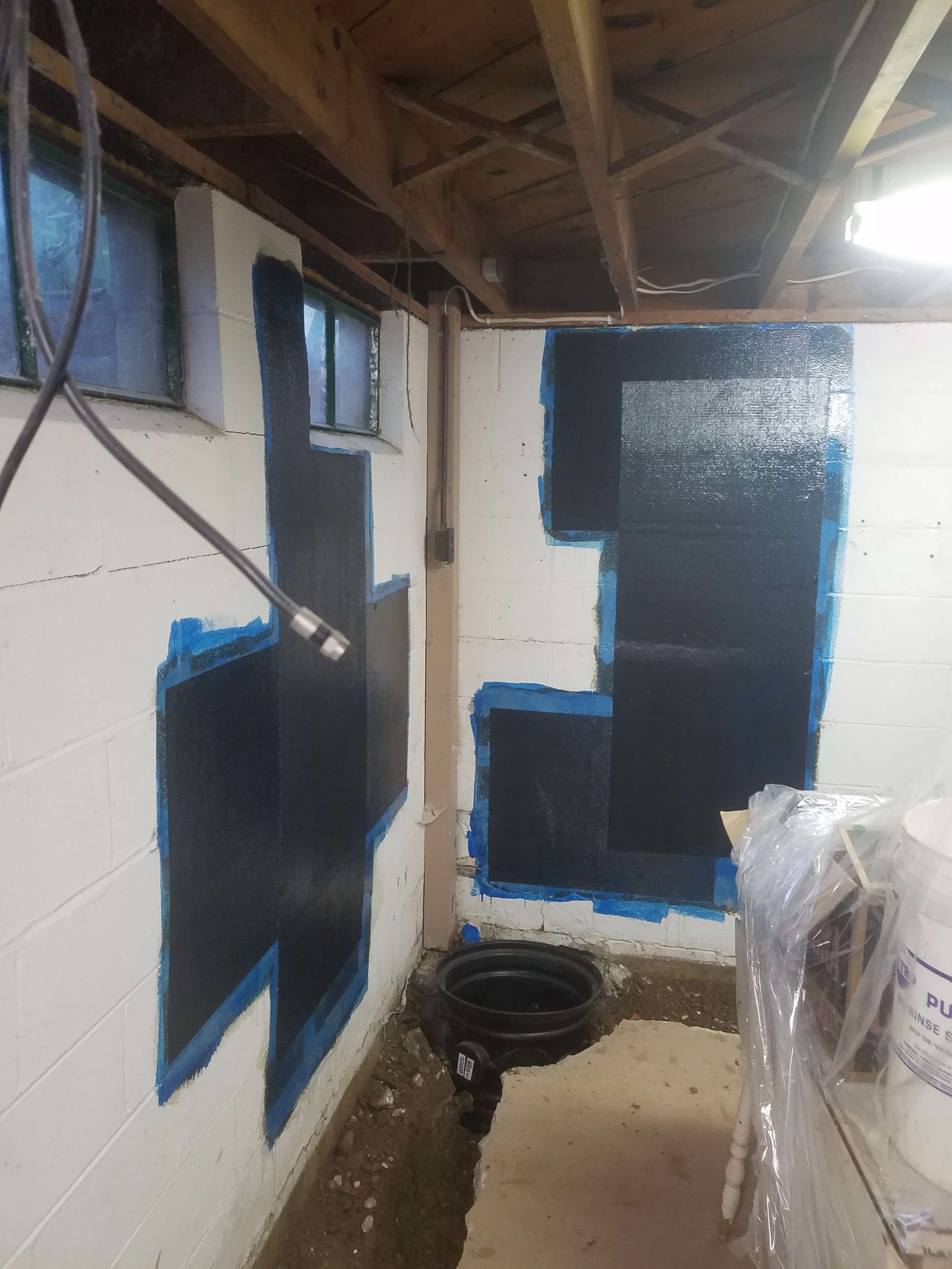
Carbon fiber stitching removes the need for excavation. All the repairs are done from the inside of the foundation. Carbon fiber staples, straps, or sheets are installed in the area of cracking to prevent further movement. The carbon fiber prevents further movements from occurring. It is a long term solution for stability.

Why you should consider carbon fiber stitching

  • No need for exterior excavation

All repairs are done from the interior of the foundation. Your plants, shrubs, and landscape will remain safe the entire time.

  • One repair for all cracks

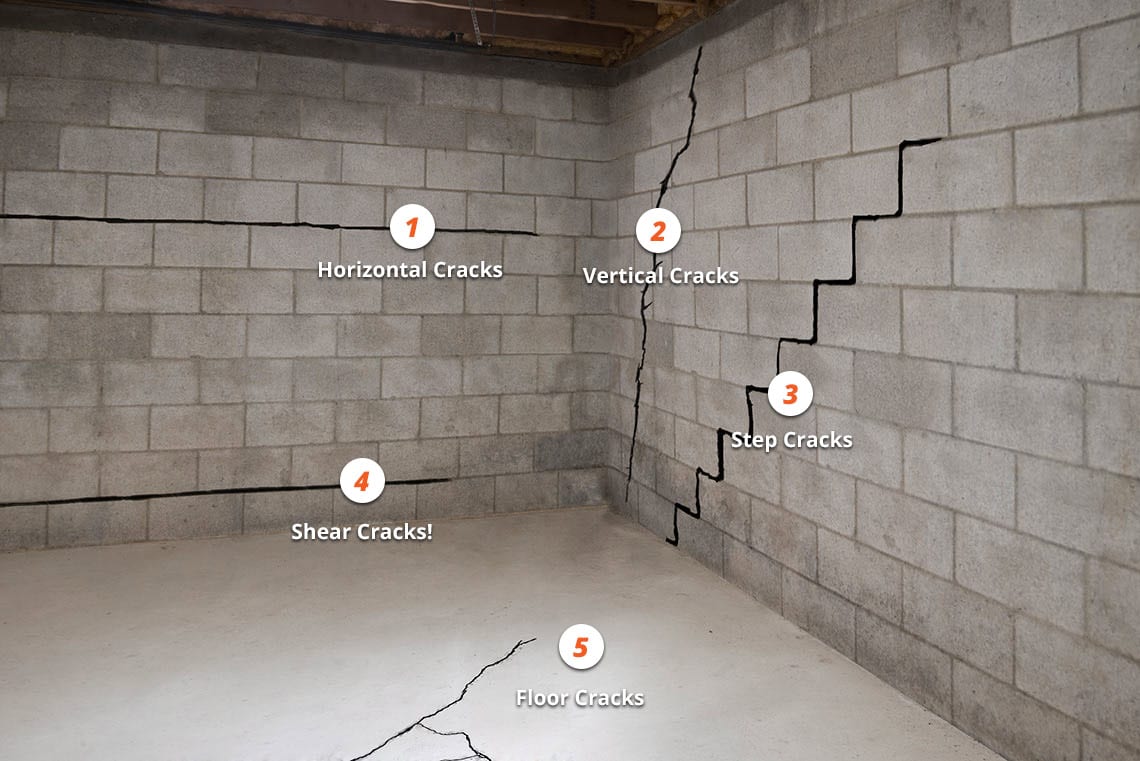
You don’t have to deal with every type of crack individually with carbon fiber stitching. The same repair will be effective for all the cracks whether they are vertical, horizontal, or corner basement wall cracks. All the cracks are addressed with just one repair.

  • It is completed in a short time

Carbon fiber stitching is completed within a few hours at most. The repair can be done by one or two people. It is one of the least disruptive methods of repair available today for basement wall cracks

  • It causes minimal pollution

The repair of your basement walls using carbon stitching will result in minimal air and noise pollution. The installation does not involve the use of power tools, excavation, or other activities that could result in noise or the formation of dust.

  • It’s affordable and effective

Carbon fiber stitching is one of the most effective and affordable solutions for dealing with foundation cracks. The labor is minimal and the materials are affordable. There is also no need for maintenance. No future adjustments are required once the installation is completed.

Don’t take chances when it comes to the safety of you and your loved ones. Cracks in your foundation are often a sign of lack of stability in the structure. You can’t afford to wait to have your foundation repaired. Carbon stitching offers you a long term solution that is effective, easy, and affordable.
foundation crack repair

The Best System for Foundation Crack Repair in Finished Basement

Foundation Crack Repair

No homeowner likes the sight of foundation cracks. They are often a sign of a deeper problem and often only get worse with time. The thought of dealing with foundation cracks can be even more distressing when planning to finish your basement. You don’t want to wake up one morning to find all your hard work and investment ruined.

Choosing a System for Foundation Crack Repair

There are various systems available for the repair of foundation cracks. However, none of these systems is created the same. There are pros and cons to each and every system. You therefore need to take the time to study each system and determine which fits your needs and requirements.

The following are some factors to consider when selecting a system for the repair of cracks in your foundation:

  • System with long term benefits

It doesn’t pay to patch up cracks and have to deal with the cost of repairing them later as well as replacing furniture ruined by water. It therefore makes sense to invest in a system that will provide long term benefits for your basement. The system should be strong and durable.

  • Affordable

Many homeowners find repairing their foundations can cost a lot more than they can afford. However, advances in technology have led to the introduction of foundation crack repair systems that are not only more effective but also more affordable. Explore different systems available in the market. Select a system that is effective and affordable.

  • Isn’t constraining

Many of the traditional systems for repairing foundation cracks are constraining. The installation of steel beams for example, will have a great impact on how you finish your basement. Steel beams take up a lot of space and will limit what you can do with the space especially if you’re dealing with a small space.

A solution such as carbon fiber mesh offers greater flexibility. It doesn’t take up much room when installed. Carbon fiber can be painted, making it easy to conceal.

Carbon Fiber Fits the Bill

Carbon fiber systems are ideal for foundation crack repair if you’re planning to finish your basement. These systems provide extra strength to walls and prevent further movement. They are also quite affordable and easy to install. You don’t have to worry about excavation and further destruction to your property too.

Talk to your local contractor for more information on carbon fiber and why it’s the best choice for your basement.

step cracks

Step Cracks In Your Foundation – Should You be Concerned?

Step Cracks

If there is one thing that a homeowner never wants to see on their walls, it is a crack. It is even worse when you notice a crack in your foundation wall. This is often a sign of some sort of failure in your foundation wall. While some cracks may be superficial and result from natural movement and drying processes, others are structural and indicate a much deeper problem.

The type of cracks that have appeared on your foundation walls can tell you a lot about the condition of the basement wall. It is therefore important to study the crack before you panic.

Step Cracks

These cracks usually occur on masonry foundation walls. This is because the points at which the blocks are bonded using mortar are usually the weakest points in the foundation. They are therefore the first points along which the foundation will show signs of failure.

The cracks give a stair step appearance because of the nature of block foundations. The bricks or blocks are arranged in a staggered pattern. This pattern is what gives the wall its strength. When cracks occur in the wall, they follow the points of weakness in the foundation wall.

What Causes the Cracks?

If you have step cracks in your foundation walls, you’re probably dealing with foundation failure. This occurs when a large amount of pressure from the soil is exerted on the foundation wall. If the wall is greater than the resistance the wall offers, the wall will bulge into the basement resulting in the formation of cracks.

In some cases, the soil outside the foundation wall may not provide adequate support for the wall. The foundation wall in this case will bulge outward. Cracks will still occur in this case.

What to Do

If the cracks are an indication of foundation wall failure, should you panic? No. You should get in touch with a foundation repair specialist. They can assess your foundation wall and provide you with proposals on how the wall can be repaired.

There are two factors to keep at the forefront of your mind as you search for a contractor:

  1. Experience

Don’t hire just any contractor. Choose a contractor with experience repairing masonry walls. This will ensure that you get great results from the repair.

  1. Long term results

When presented with proposals by different contractors, research the methods suggested. Go for a solution that offers long term results.

What Sets StablWall Apart From Everyone Else

StablWall is designed to strengthen the foundations of any building it is installed in. Through using strands of carbon fiber bound together and running in the same direction, the walls are strengthened and become more durable than ever before.

The reason why it’s so powerful is because it differs from other carbon fiber products in a number of ways.

Flexibility over Solidity

Steel plates and other carbon fiber products are rigid. They’re simply attached to the wall and provide no give. This makes the wall weaker and is likely to crack the material. StablWall is flexible and conforms to whatever surface it happens to be working with. This has the benefits of:

  • Providing more give.
  • Allows it to work with multiple surfaces.
  • Increase overall wall strength.

Customizable Direction

Most clients prefer to use this new wall system to solve already existing cracks. Each sheet can be installed over any crack in any direction. In terms of installation, this allows it to cover a greater range of scenarios. Other systems can only be installed vertically.

What about Price?

Other types of carbon fiber are more expensive. If you decide to use StablWall with a bigger building, you’ll make greater savings than expected. When rated against all types of wall strengthening systems, it’s one of the more affordable options.

Impregnation

The strips are impregnated directly onto the desired area of the wall. Other systems will use pre-prepared straps. This only leads to weaker bonding. It’s due to the belief that mixing on-site is a messy business, which is a common misconception.

All Types of Construction

There are no restrictions when it comes to the type of wall you can use this system with. Some of the walls you can use it with include poured concrete, brick, stone, block, and clay tile.

But we always recommend calling in the help of a professional to decide on the right solution for you. Every building has its own set of unique needs and requirements.

Conclusion

Whilst this is a relatively new option for owners of property, it’s also one of the most successful ones. It’s already gained critical acclaim and has successfully demonstrated its qualities through results-based tests.

However, it’s important to mention that it’s not always the best option for every building. You may have a unique scenario that calls for an alternative solution. Paying for a professional inspection will ultimately give you better results and more peace of mind.

When Should You Consider Foundation Crack Repair?

Foundation crack repair can be expensive. Whenever you’re dealing with something as important as the foundations of your house, you need to act fast, and it’s going to cost.

But what a lot of people don’t realize is that a simple crack in say, the outer plaster, isn’t a cause for concern. So when should a foundation crack should worry you?

How wide?

The first test is to measure how wide the crack is; measure from the widest point of a crack with a simple tape measure.

If it’s any wider than 1/16 inch, you have to act. This is too wide and can let in both water and termites. If it’s smaller than this, simply monitor it over the course of a few months.

Even if it doesn’t reach this 1/16 inch limit, you should opt for repair if there’s any change in the width. It’s worrying even if a 1/32 inch crack turns into a 1/20 crack.

Is it wet?

If a crack admits water, foundation crack repair is a necessity before it causes too much damage. It won’t take long for moisture to cause permanent damage to your home.

Moisture damage is one of the most common causes of serious foundation problems. You often can’t spot the extent of the internal damage. The only way to see it is to notice the wetness on the outside, where it admits water.

Grinding

Sometimes a crack’s faces can begin to grind against each other based on changes in the environment. Here are the two primary environmental changes that might influence this:

  • Temperature
  • Humidity

Check for these changes over a couple of seasons when you notice the first signs of a crack. If there’s no impact, the crack probably isn’t as serious as you think.

Should you repair minor cracks?

As you can see, it isn’t always necessary to act immediately. Minor cracks can be monitored to see how they change over time.

We still recommend taking care of cracks as soon as possible, though. The reason for this is it’s always cheaper to solve the problem as soon as you notice it. The cost of repair goes up every time the crack grows in severity.

Furthermore, solving the problem early ensures that the damage to your home’s foundations is minimal. Too many people have waited and the problem has cost them thousands in repairs. Don’t be one of them. Get help from a foundation repair expert today!

Concrete Cracks

StablWall
DEALING WITH CONCRETE CRACKS

Sooner or later, concrete cracks.  Sadly, there is not a lot of ways around it. There is technology to control where concrete cracks and fix them when they happen but there is not a lot of tactics for preventing cracks. However, when it comes to your foundation it is important to understand what causes foundation cracks. That way you may be able to control some of the elements to prevent cracks before they happen. Here are some of the common causes of foundation cracks:

Tree Roots

Trees and bushes that are planted too close to the foundation wall can cause foundation cracks.  Basically, the roots keep growing naturally and when they hit the concrete wall they keep pushing against the foundation causing it to crack.  To prevent this scenario, avoid planting trees and deep root bushes too close to the foundation wall.  It is easier to remove the tree than it is to move your house.

Hydrostatic Pressure

Hydrostatic pressure happens when water builds up in the soil. As water saturates the ground, the soil expands and increases the pressure that is pushing up against the foundation wall.  This pressure can crack the foundation wall which typically manifests itself in horizontal cracks.   To prevent this, don’t let excess water build up along the foundation wall.  Make sure the gutters and downspouts are working together to channel the water away from the house.  The soil grade should angle away from the house to let any water fall away from the foundation not toward it. French drains can also help relieve hydrostatic pressure by channeling water away from the house.

Freeze/Thaw Cycle

Concrete naturally expands and contracts with the elements.  As the ground around the foundation freezes and thaws the concrete expands and contracts often causing small vertical hairline cracks.  Most of the time, these cracks are not serious but should be fixed before they let in water, soil gases, or insects and pests.  Sometimes when a contractor pours a concrete foundation they include expansion joints to allow for the natural movement of the concrete to happen without causing the concrete to crack.  If your foundation cracks due to the freeze and thaw cycles, just get the fixed as soon as possible so they don’t get worse or cause other problems.

Settlement

Soil settlement can also cause foundation cracks.  This usually happens if the footing was not properly supported, backfilled, or if the soil under the foundation was not properly compacted.  Settlement cracks can also happen if there is excavation work going on in the area.   This sometimes will change the soil environment and cause the ground to shift under the footing.  You can know if the crack is from a settlement issue if the crack is actively moving.  It is hard to prevent this from happening but if it does foundation repair contractors have systems to stabilize the foundation and prevent the crack from moving anymore.

If you have a foundation crack, it is important to call a professional to repair the crack and assess the situation. If it is a structural crack that is affecting the integrity of the building or house, you may have to consider shoring up the foundation with anchors, underpinning, or carbon fiber systems.  A professional foundation repair contractor can help diagnose the problem and recommend the best systems for your situation.

Basement Cracks and Finished Basements

basement cracksBasement wall cracks are the most common source of seepage problems.  If you have a foundation that is constructed of poured concrete, there’s a very high likelihood there is a crack somewhere in your foundation.  If your basement is finished, it can become a challenge to find them.

Before you start ripping down your drywall or paneling, take a walk outside.
Walk around the exterior of your home.  It’s best if there is still daylight.  Otherwise, grab a powerful flashlight.  And make sure to bring your eyeglasses with you.

The first thing you want to do is locate the top of your foundation wall.
Ideally, it should extend above your grading at least a few inches.  If not, grab a shovel and pull back the soil enough so you can expose the top of the foundation.

Once the foundation is exposed and identified, clean off the surface of the wall.
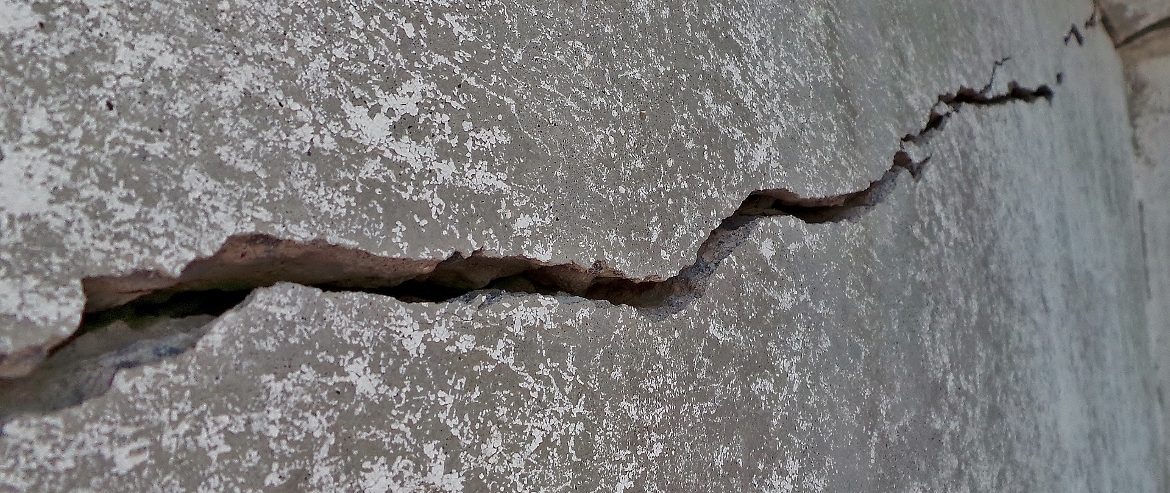
A wire brush will usually do the trick.  Now, slowly scan the exposed portion of the foundation and look for hairline cracks.  When I say hairline, some cracks are just 1/16 of an inch wide.  Now you know why I said grab your glasses!  Here’s a photo to give you a better idea:

Spend some extra time on the sections of the wall that correspond with basement seepage.
Say, for instance you noticed the carpeting was wet about ten feet to the left of your chimney inside your basement.  When you go back outside, measure ten feet to the right of the chimney.

Don’t expect to find cracks all over the place.
The average house has between two and eight foundation cracks.  Don’t be fooled by form lines in the foundation.  They are superficial and don’t leak because they don’t go all the way through the wall.  Form lines are left in the concrete when the wood forms are pulled.  They are found at fixed intervals.