

Foundation repair is essential for the long-term stability and safety of any building. A compromised foundation can lead to significant structural issues, costly repairs, and even pose safety hazards. This article delves into various foundation repair techniques, their applications, benefits, and the importance of addressing foundation problems promptly.
The Importance of Foundation Repair
Why Foundation Repair is Crucial
- Structural Integrity
- The foundation supports the entire structure. Any damage can compromise the building’s stability, leading to potential collapse.
- Property Value
- A damaged foundation can significantly reduce the value of a property. Prospective buyers are often wary of homes with foundation issues.
- Safety
- Foundation problems can lead to structural hazards, posing risks to occupants.
- Preventing Further Damage
- Addressing foundation issues early prevents them from worsening and causing more extensive damage.
Common Foundation Problems
- Foundation Settlement
- When the soil beneath the foundation compresses or erodes, the foundation can settle unevenly, leading to cracks and structural instability.
- When the soil beneath the foundation compresses or erodes, the foundation can settle unevenly, leading to cracks and structural instability.
- Foundation Heave
- Expansive soils that swell with moisture can push the foundation upwards, causing cracks and displacement.
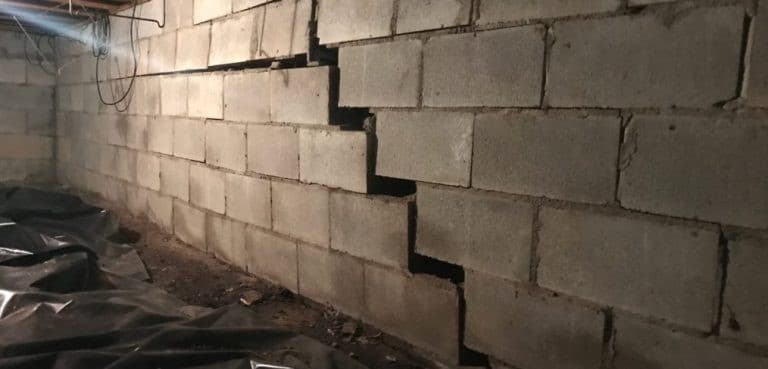
- Bowing Walls
- Lateral pressure from soil can cause foundation walls to bow inward, compromising their structural integrity.
- Cracks in Foundation
- Cracks can occur due to various factors, including soil movement, temperature changes, and construction defects.
- Water Infiltration
- Poor drainage and waterproofing can lead to water seeping into the foundation, causing erosion and weakening the structure.
Foundation Repair Techniques
1. Piering and Underpinning
- Helical Piers
- Helical piers are steel shafts with helical plates that are screwed into the ground to stabilize the foundation. They are suitable for various soil conditions and provide immediate load-bearing capacity.
- Push Piers
- Push piers are hydraulically driven into the ground until they reach stable soil or bedrock. They are ideal for heavy structures and significant settlement issues.
- Underpinning
- Underpinning involves extending the foundation’s depth or breadth to transfer the load to more stable soil. This technique is used when the existing foundation is unstable or requires strengthening.
2. Slabjacking
- Mudjacking
- A mixture of cement, sand, and water is pumped under the foundation to lift and stabilize it. Mudjacking is cost-effective and works well for minor settlement issues.
- Polyurethane Foam Injection
- High-density polyurethane foam is injected under the foundation, expanding to fill voids and lift the foundation. It is quicker and less invasive than mudjacking.
3. Wall Stabilization
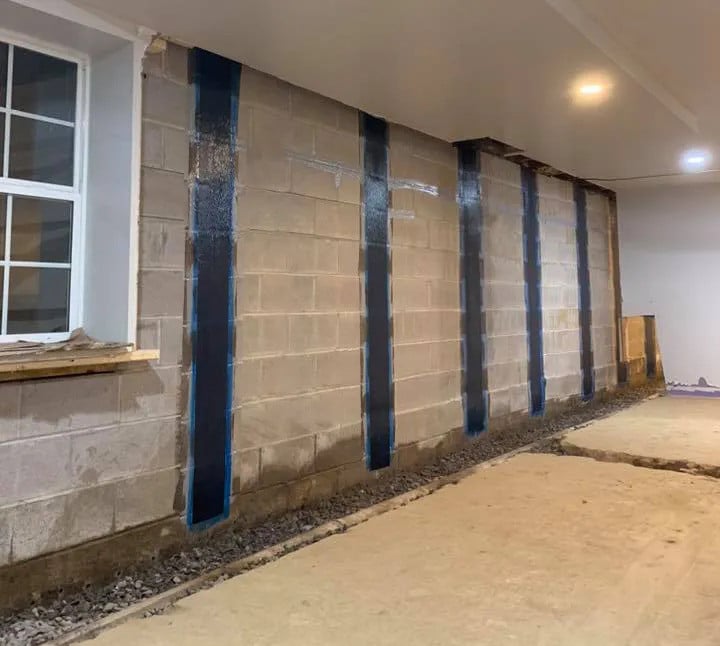
- Carbon Fiber Straps
- Carbon fiber straps are applied to foundation walls to reinforce and stabilize them. They are lightweight, durable, and minimally invasive.
- Steel I-Beams
- Steel I-beams are installed vertically along bowing walls to provide support and prevent further movement.
- Wall Anchors
- Steel plates are installed inside the foundation walls and anchored to soil or bedrock outside. Tension rods are used to stabilize and straighten bowing walls.
4. Crack Repair
- Epoxy Injections
- Epoxy is injected into cracks to seal them and restore the foundation’s structural integrity.
- Polyurethane Injections
- Polyurethane fills and seals cracks, preventing water infiltration and further damage.
5. Drainage Solutions
- French Drains
- French drains are installed around the foundation to redirect water away from the structure, preventing soil erosion and water infiltration.
- Surface Drains
- Surface drains collect and divert water away from the foundation, reducing hydrostatic pressure and preventing water damage.
- Sump Pumps
- Sump pumps are installed in basements or crawl spaces to remove accumulated water and prevent flooding.
Choosing the Right Foundation Repair Method
1. Assessment and Diagnosis
- Professional Inspection
- Hire a professional foundation repair contractor to assess the extent of the damage and identify the underlying causes.
- Soil Analysis
- Conduct a soil analysis to determine the type of soil and its properties. This information is crucial for selecting the appropriate repair method.
2. Cost and Feasibility
- Budget Considerations
- Evaluate the cost of various repair methods and choose one that fits your budget while effectively addressing the issue.
- Feasibility
- Consider the feasibility of each repair method based on the extent of the damage, soil conditions, and the type of foundation.
3. Long-Term Effectiveness
- Durability
- Choose a repair method that provides long-term stability and prevents future problems.
- Maintenance Requirements
- Consider the maintenance requirements of each repair method and choose one that is manageable.
Preventive Measures for Foundation Maintenance
- Maintain Proper Drainage
- Ensure gutters and downspouts direct water away from the foundation. Install French drains or surface drains if necessary.
- Control Moisture Levels
- Use soaker hoses to maintain consistent soil moisture around the foundation during dry periods.
- Regular Inspections
- Conduct regular inspections of your foundation for signs of damage. Early detection can prevent more significant issues.
- Tree and Shrub Management
- Plant trees and shrubs away from the foundation to prevent root intrusion and soil displacement.
- Foundation Watering System
- Install an automated foundation watering system to maintain consistent soil moisture levels.
Foundation repair is essential for maintaining the structural integrity and value of your home. Understanding the various repair techniques and their applications can help you make informed decisions when addressing foundation problems. Regular maintenance and early detection are key to preserving the longevity of your home. Whether you opt for DIY inspections or hire a professional contractor, taking proactive steps will safeguard your investment and provide peace of mind.
Contact the Professionals at StablWall Today (866) 782-5955