
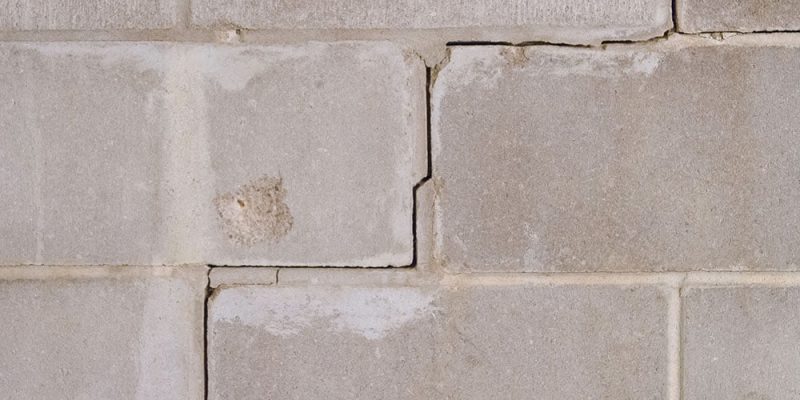
Stair step cracks in basement walls can be an alarming discovery for homeowners. These distinctive cracks are not just cosmetic issues; they often signal underlying structural problems that require attention. In this comprehensive guide, we will explore the causes of stair step cracks, potential structural implications, and what you should do if you notice them in your basement walls.
Understanding Stair Step Cracks
1. What Are Stair Step Cracks?
Stair step cracks are diagonal or zigzag cracks that resemble a set of stairs or a stepped pattern on your basement walls. They can occur in various orientations and angles, but they all have a similar appearance. These cracks are typically wider at the top and narrow as they descend, following a diagonal path.
2. Causes of Stair Step Cracks
Understanding the causes of stair step cracks is crucial in addressing the issue:
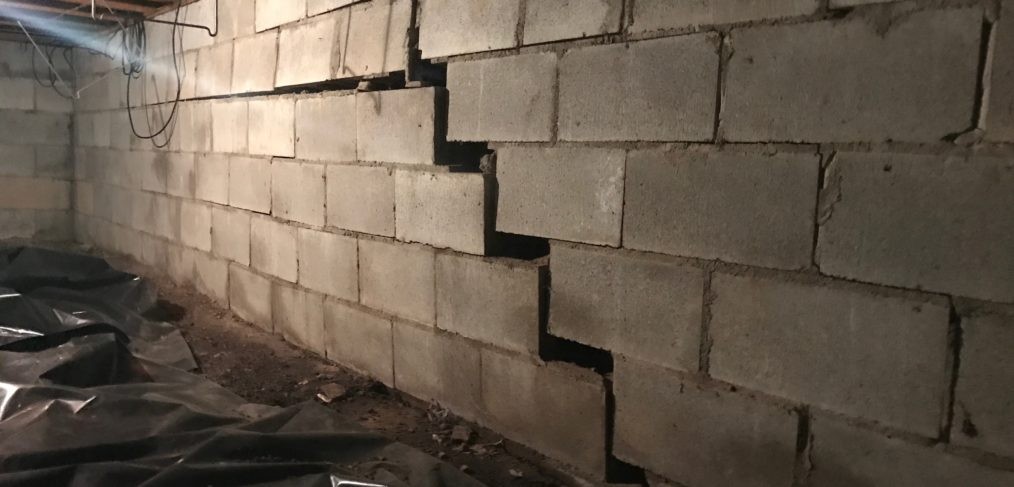
Settling: One common cause of stair step cracks is the natural settling of a house over time. As a home’s foundation adjusts to the soil, it can create stress on the walls, leading to these cracks.
Expansive Soil: Expansive soil, which swells when wet and shrinks when dry, can exert significant pressure on basement walls, causing them to crack.
Hydrostatic Pressure: High water levels in the soil surrounding your foundation can result in hydrostatic pressure, pushing against the basement walls and leading to cracks.
Inadequate Drainage: Poor drainage systems around your home can contribute to water accumulating around the foundation, exacerbating the issue.
Identifying the Severity of Stair Step Cracks
Not all stair step cracks are equal in severity. Some may be superficial, while others indicate more significant structural problems. Here’s how to assess the situation:
1. Depth and Width
Superficial Cracks: If the cracks are shallow and less than 1/8-inch wide, they may be purely cosmetic and caused by minor settling.
Structural Cracks: Deeper and wider cracks, especially those exceeding 1/8-inch, are more likely to be indicative of structural issues.
2. Alignment and Patterns
Step Patterns: True stair step patterns are often a sign of serious structural problems. The more uniform and repetitive the pattern, the greater the cause for concern.
Random Cracks: Random diagonal cracks that do not form a distinct pattern may be less severe but still warrant attention.
3. Additional Signs
Bowing Walls: If the basement walls are not only cracked but also bowing or leaning inward, it suggests significant structural distress.
Interior Damage: Look for signs of damage inside your home, such as sticking doors and windows or cracks in the ceiling and floors. These can indicate problems with the foundation.
What to Do When You Notice Stair Step Cracks
1. Professional Inspection
The first step when you notice stair-step cracks in your basement walls is to seek a professional inspection. Contact a structural engineer or foundation specialist with experience in assessing and repairing foundation issues. They will provide an expert evaluation of the cracks’ severity and potential causes.
2 Address Water Management
Proper water management is crucial to prevent further damage. Ensure that your home has effective drainage systems in place, including well-functioning gutters and downspouts to direct rainwater away from the foundation.
3. Maintain a Stable Moisture Level
Regulate the moisture levels around your foundation. Make use of dehumidifiers and maintain proper grading to prevent excessive water accumulation. Avoid overwatering the landscape near your home.
4. Remediation Options
Depending on the severity of the stair step cracks and their underlying causes, remediation options may vary:
Crack Sealing: For minor, superficial cracks, sealing them with an appropriate sealant can prevent water intrusion and further damage.
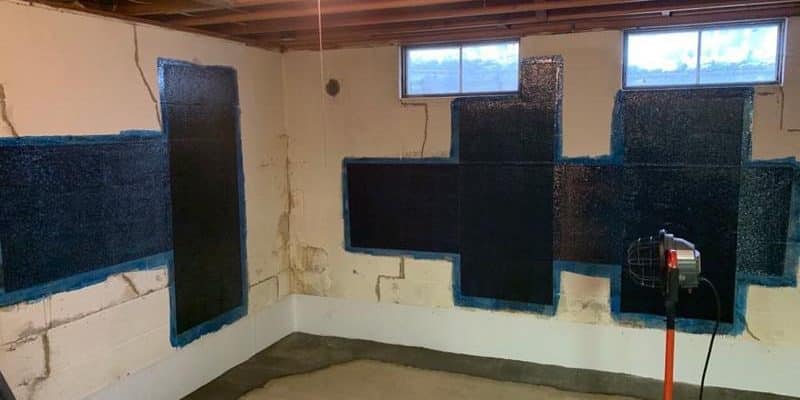
Carbon Fiber Reinforcement: For structural cracks, carbon fiber strips can be applied to reinforce the walls and prevent further movement.
Wall Anchors or Braces: In cases of bowing or leaning walls, wall anchors or braces may be installed to stabilize the structure.
Foundation Replacement or Underpinning: In severe cases where the foundation is seriously compromised, foundation replacement or underpinning may be necessary to restore structural integrity.
Cost Considerations
The cost of addressing stair step cracks in basement walls can vary widely, depending on the extent of the damage and the chosen remediation method. Simple crack sealing can be relatively affordable, while more extensive repairs like wall anchors or foundation underpinning can be substantial investments. However, it’s important to consider the long-term value of safeguarding your home’s structural integrity and preventing further damage.
Maintaining a Healthy Home
Beyond addressing the immediate issue of stair step cracks, maintaining a healthy home involves several proactive steps:
1. Regular Inspections
Regularly inspect your basement walls and foundation for any signs of new cracks or movement. Early detection can prevent more extensive damage.
2. Proper Maintenance
Stay on top of general home maintenance, such as keeping gutters clean, maintaining the proper grade around your home, and addressing any water leaks or plumbing issues promptly.
3. Foundation Waterproofing
Consider waterproofing your basement walls to protect against moisture intrusion and minimize the risk of future cracking.

Stair step cracks in basement walls can be unsettling, but they should not be ignored. These cracks can be indicative of significant structural problems that, if left unaddressed, can lead to costly and dangerous issues. The first step is to seek professional evaluation to determine the severity and causes of the cracks. Depending on the assessment, appropriate remediation measures can be taken to stabilize your home’s foundation and prevent further damage. Remember, maintaining a healthy home starts with a strong foundation, and addressing stair step cracks is a vital part of that process.
Contact the Professionals at StablWall Today! (866) 782-5955
 symptomatic of deeper structural problems. They occur when one section of a wall settles differently than the adjacent section, leading to diagonal fractures that resemble a flight of stairs. The primary causes behind these cracks include soil expansion and contraction, inadequate foundation design, moisture infiltration, and natural settling over time. Ignoring these cracks can result in further damage, compromising the
  adhesive is applied to the crack, creating a strong base for the carbon fiber reinforcement.