
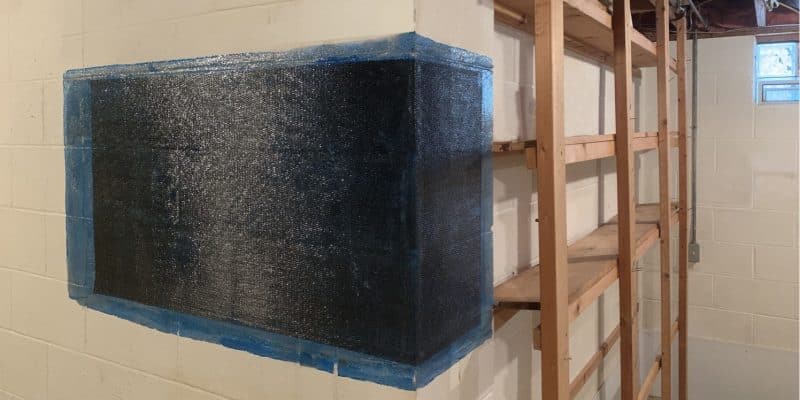
You’ve likely heard about carbon fiber use in high-tech industries, but have you ever considered its potential in home foundation repair? Imagine this: a material so strong yet lightweight that it can halt your home’s structural issues without a massive excavation. Carbon fiber’s unique properties make it an effective, long-lasting solution for foundation reinforcement. But how exactly does it work and why is it a more efficient choice over traditional methods? Let’s unpack the science behind this innovative approach and discover why it’s fast becoming the go-to for savvy homeowners and repair specialists alike.
Key Takeaways
- Carbon fiber’s high strength-to-weight ratio makes it superior to traditional materials like steel for foundation repairs.
- The material’s resistance to corrosion and low thermal expansion contribute to its longevity in varying weather conditions.
- Carbon fiber strips, anchored to the foundation, provide durability without major excavation, minimizing home disruption.
- The lightweight and easy-to-install nature of carbon fiber reduces labor costs and speeds up repair work.
- Future technological advancements may expand carbon fiber applications, making it a cost-effective and eco-friendly solution for home repairs.
Understanding Carbon Fiber Technology
Innovation, a term synonymous with the evolution of technology, has particularly transformed the field of home repairs. From your basic power tools to complex machinery, everything has seen a revamp. But, there’s one technological advancement that stands out – carbon fiber.
Now, you might be wondering, “What is carbon fiber and how’s it connected to home repairs?” Well, carbon fiber is a lightweight, strong material that’s been making waves in various industries, including home repair and construction. Just like you’ve come to rely on your dependable toolbox, carbon fiber is fast becoming a go-to resource for repair specialists.
Let’s focus on foundation repair. Over time, your home’s foundation can crack, bow, and even collapse if not properly maintained. Traditional methods, such as steel reinforcement, can be invasive and costly.
That’s where carbon fiber technology comes in. It’s a game-changer, providing a more efficient, less intrusive solution.
You won’t plunge into the technical aspects of this wonder material just yet. That’s a story for the next subtopic, “Properties of Carbon Fiber.” But now you know why it’s a big deal in your home repair arsenal.
Properties of Carbon Fiber
Few materials can match the strength and versatility of carbon fiber. You’ve probably heard of its applications in various industries, but do you know what makes it so special?
Here’s what you need to understand about the properties of carbon fiber:
- High Strength-to-Weight Ratio: Carbon fiber is lighter than metal, yet its strength is comparable to, if not greater than, that of steel. This makes it a perfect choice for applications where weight is a critical factor.
- Corrosion Resistance: Unlike metals, carbon fiber doesn’t rust or corrode. It’s resistant to many chemicals, making it durable and long-lasting.
- Thermal Expansion: Carbon fiber has a very low coefficient of thermal expansion. That means it doesn’t expand or contract much with temperature changes, a property essential in precision applications.
- Electrical Conductivity: Despite being a non-metal, carbon fiber is a great conductor of electricity.
The Role of Carbon Fiber in Construction
You might be wondering, “What role does carbon fiber play in construction?”
Let’s get straight to the point – it’s all about carbon fiber’s incredible strength and practical application in home repair.
We’ll explore how this material can be a game-changer in securing the foundations of your home.
Carbon Fiber’s Strength
While it may not be immediately apparent, carbon fiber plays an essential role in the construction industry, especially in home foundation repair. Its strength and flexibility make it an invaluable ally in battling the forces that can weaken a building’s structure over time.
Let’s explore deeper into the factors that contribute to carbon fiber’s strength:
- High Tensile Strength: Carbon fiber doesn’t just hold up under pressure, it thrives. This material is renowned for its high tensile strength, meaning it can resist a lot of stress without breaking.
- Lightweight: Despite its strength, carbon fiber is incredibly lightweight. That makes it easier to handle and install, without compromising its durability.
- Non-Corrosive: Unlike some metals used in construction, carbon fiber doesn’t corrode. So, it’ll stand up to the elements without weakening over time.
- Thermal Stability: Carbon fiber maintains its strength even when exposed to high temperatures. That means it’ll still hold strong if a fire breaks out.
Application in Home Repair
When it comes to home repair, particularly foundation repair, carbon fiber is a game-changer. It’s an innovative material you’ll want to know about if you’re dealing with structural issues.
Imagine a material stronger than steel, but lightweight and flexible. That’s carbon fiber for you.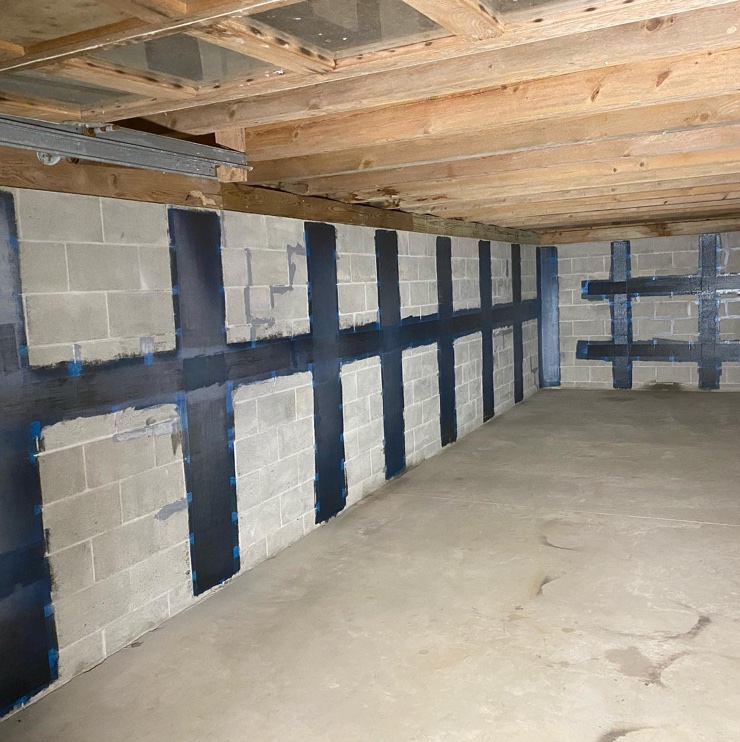
Let’s explore how it’s used. First, your contractor will assess the extent of the damage. If it’s a case of bowing basement walls, they’ll apply carbon fiber strips to the problematic areas. The strips are anchored to the foundation floor and the house framing, creating a strong, solid brace that prevents further bowing.
By using carbon fiber, you’re not just fixing the problem—you’re preventing it from reoccurring. That’s because carbon fiber doesn’t corrode or degrade over time like other materials. It’s a one-time fix that’s incredibly durable and cost-effective.
It’s also less invasive than other methods. No heavy equipment, no major excavation. Just a simple, clean, and fast process.
Carbon Fiber for Foundation Repair
Employing carbon fiber for foundation repair provides an innovative and efficient solution to stabilize your home’s foundation. This modern method is gaining popularity among homeowners and contractors due to its effectiveness and reliability.
But how exactly does it work?
Carbon fiber strips are attached to the walls of your home’s foundation. These strips are made of millions of tiny fibers, each one stronger than steel. When these strips are bonded to your foundation walls, they distribute the load evenly, preventing further cracking and movement. This process is known as reinforcement.
Here are some key aspects to take into account:
- Carbon fiber is incredibly strong. It can handle immense pressure and won’t corrode over time.
- The application process is quick and non-invasive. There’s no need to excavate around your home.
- It’s a versatile solution. Carbon fiber can be used on both block and poured concrete foundations.
- Once installed, it’s virtually invisible. You won’t have unsightly beams or braces marring the look of your basement or crawl space.
Benefits of Carbon Fiber in Foundation Reinforcement
Understanding the process of carbon fiber reinforcement, you might already see some of its advantages.
It’s a system that’s not only efficient but also provides unparalleled strength in reinforcing your home’s foundation.
One of the primary benefits of carbon fiber is its remarkable tensile strength. This material is stronger than steel, making it ideal for reinforcing the structure of your home.
It’s also remarkably lightweight, meaning it won’t add unnecessary weight to your foundation.
Moreover, carbon fiber is resistant to corrosion and decay. Unlike traditional materials like steel or wood, it doesn’t rust or rot over time.
This means it provides long-term stability with minimal maintenance.
What’s more, carbon fiber reinforcement is a non-invasive process. There’s no need for extensive excavation or heavy machinery.
The installation process is quick, clean, and leaves minimal disruption to your home.
Lastly, it’s cost-effective. While the initial cost may be higher than traditional methods, the long-term savings regarding maintenance and repair costs make it a smart investment.
In short, carbon fiber reinforcement offers strength, durability, and cost-effectiveness, making it an excellent option for foundation repairs.
Real-World Applications of Carbon Fiber
Carbon fiber technology has found its place in various real-world applications that prove its worth. You might even be surprised to know how common its use is. Carbon fiber isn’t only limited to the aerospace industry or high-end sports cars; it’s actually closer to home than you think.
Perhaps you’re wondering where it’s utilized. Here’s a list to give you an idea:
- Home Construction: Carbon fiber is often used for structural reinforcement, particularly in foundation repairs. It’s a reliable solution for common problems such as cracks and bowing walls due to its high tensile strength and lightweight nature.
- Sporting Goods: From tennis rackets to fishing rods, carbon fiber’s lightweight and durable properties make it perfect for sporting goods.
- Automotive Industry: Carbon fiber is used in the production of vehicles for enhanced strength and reduced weight, contributing to better fuel efficiency.
- Medical Devices: Carbon fiber is found in prosthetics and medical imaging tables due to its strength, lightweight, and radiolucency.
Indeed, carbon fiber’s real-world applications are vast and varied. It’s a demonstration of the versatility and effectiveness of this material.
Future Prospects of Carbon Fiber in Home Repair
You might be wondering what the future holds for carbon fiber in home repairs.
Its durability and cost-efficiency are making it an increasingly popular choice.
As technology advances, we’re likely to see even more innovative uses for carbon fiber in this field.
Carbon Fiber: Durability Aspect
Nearly every homeowner will tell you that durability is a key factor when it comes to home repairs. You need a solution that not only fixes the problem but also stands the test of time. That’s where carbon fiber comes into play. Its impressive durability aspect makes it an ideal choice for foundation repairs.
- Carbon fiber is incredibly strong. It’s five times stronger than steel, ensuring your home’s foundation repair will hold up under pressure.
- It’s resistant to corrosion. Unlike other materials, carbon fiber won’t rust or deteriorate over time, giving you peace of mind.
- It’s unaffected by weather. Carbon fiber stands up to both extreme cold and heat, making it a reliable choice no matter your climate.
- It’s flexible. Unlike rigid materials, carbon fiber can bend without breaking, absorbing stress and providing additional strength.
The durability of carbon fiber is unmatched, making it a go-to solution for foundation repairs. Its strength, resistance to corrosion, weather resilience, and flexibility make it a superior choice.
Cost Efficiency in Repairs
While the unmatched durability of carbon fiber makes it a standout choice for foundation repairs, it’s also worth evaluating the cost efficiency and the future prospects of this material in home repair.
You might be wondering, “Is carbon fiber a cost-efficient option?” Well, let’s break it down.
Yes, the upfront cost of carbon fiber repair might seem high, but you need to assess the longer-term perspective. Traditional repair methods might seem cheaper initially, but they often need frequent maintenance, which adds up over time.
On the other hand, carbon fiber’s durability means it’s a one-time investment with minimal maintenance, making it more cost-effective in the long run.
Moreover, carbon fiber is a time-saver. Repair work is faster, which means less labor cost. Plus, you won’t have to vacate your home during repairs, saving you additional expenses.
Looking into the future, increased production and wider adoption of carbon fiber in the construction industry could drive down costs, making it even more affordable.
Technological Innovations in Carbon Fiber
Looking ahead, the potential for technological innovations in carbon fiber is vast, and it’s poised to revolutionize the home repair industry.
You’ll soon see a new era where carbon fiber’s strength and durability make it the preferred material for home repairs.
There are several key innovations on the horizon:
- Lightweight Yet Robust Tools: Future tools made from carbon fiber will be lighter, making them easier to handle while still being incredibly strong. You won’t have to worry about your tools breaking mid-repair.
- Increased Lifespan of Repairs: The longevity of carbon fiber means repairs will last longer. You won’t be constantly patching up the same problem areas.
- Eco-Friendly Solutions: Carbon fiber’s durability reduces the need for frequent repairs, cutting down on waste. You’ll be doing your part for the environment.
- Cost-Effective in the Long Term: While the upfront cost may be higher, the durability of carbon fiber will save you money in the long run.
Frequently Asked Questions
What Is the Cost Comparison Between Carbon Fiber and Traditional Foundation Repair Methods?
You’re probably wondering about the cost difference between carbon fiber and traditional foundation repair. Carbon fiber is typically more expensive upfront, but it’s often cheaper in the long run due to its superior durability and less maintenance needed.
How Does Weather Affect the Performance of Carbon Fiber in Foundation Repair?
Weather doesn’t greatly impact carbon fiber’s performance in foundation repair. It’s resistant to changes in temperature and moisture, ensuring your home’s foundation remains strong and stable, regardless of the weather conditions outside.
What Are the Potential Disadvantages or Risks of Using Carbon Fiber in Home Repairs?
While carbon fiber’s strong and lightweight, it’s not perfect. Potential downsides include its high cost, inability to fill gaps like traditional materials, and it doesn’t work well on uneven surfaces. Always weigh your options!
Can Carbon Fiber Be Used in the Repair of Historic or Older Homes?
Absolutely, you can use carbon fiber in repairing older homes. However, it’s essential to take into account the architectural integrity. Carbon fiber’s strength and flexibility makes it ideal, but don’t forget, every home is unique.
Is There Any Special Maintenance Required After Carbon Fiber Foundation Repair?
After carbon fiber foundation repair, you don’t have to worry about special maintenance. It’s a one-time fix. Just keep up with your home’s regular upkeep. It’s that simple, it’s durable and doesn’t deteriorate over time.
So, you’re grappling with foundation issues? Remember, carbon fiber technology isn’t just for race cars and space shuttles. It’s right here, reinforcing your home, proving its mettle against bowing walls. Imagine a future where corrosion and extensive repairs are old stories. That’s the reality carbon fiber offers. Welcome to a world of strength and durability, where your home stands tall and steady, backed by the power of carbon fiber.
Contact the Professionals at StablWall Today! (866) 782-5955