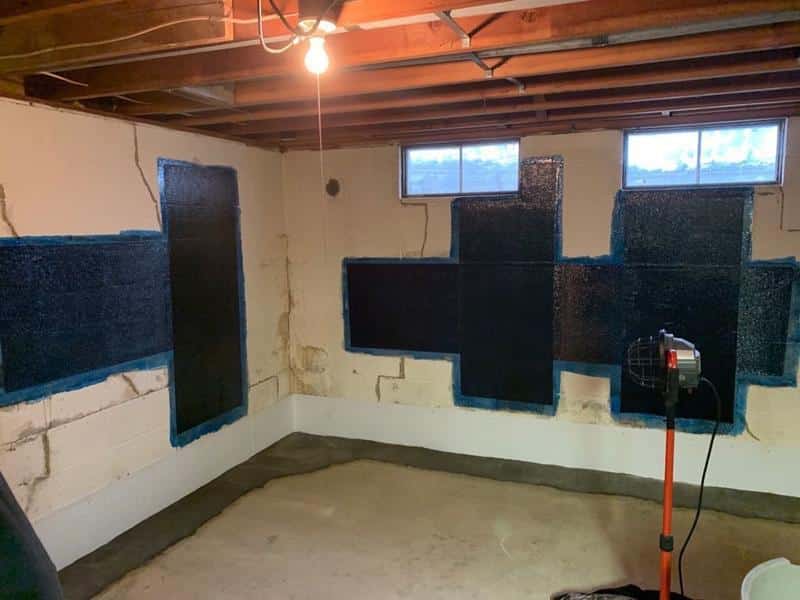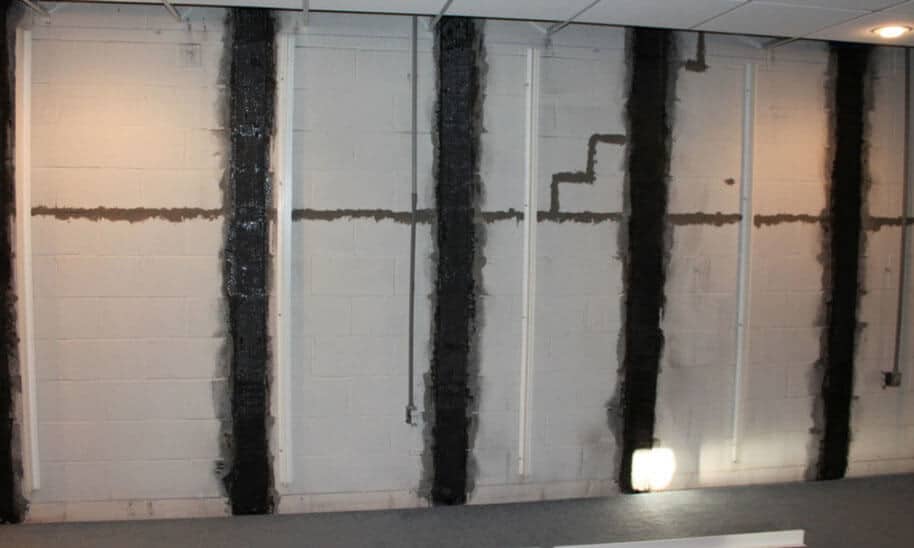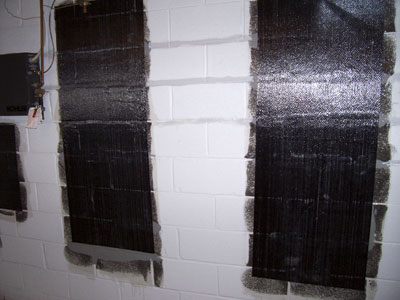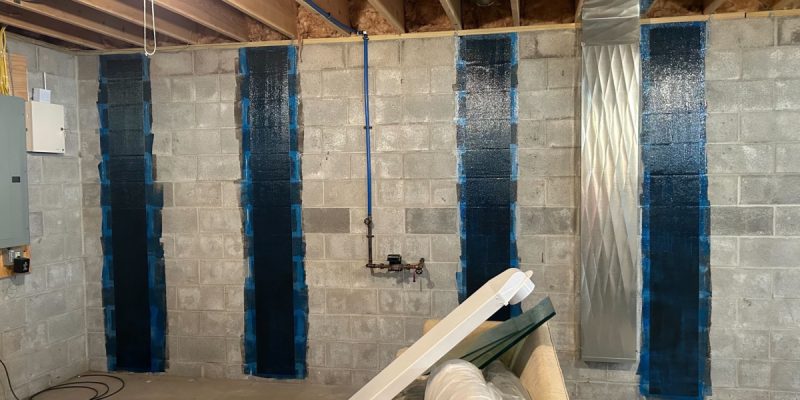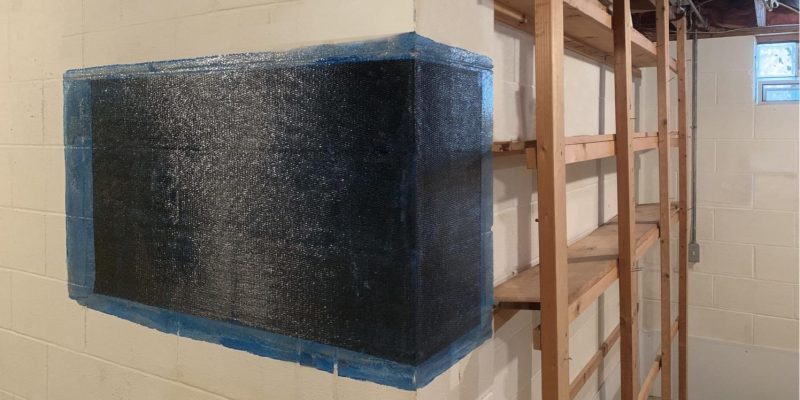
stablwall-stablwall-3

The Science Behind StablWall: How Carbon Fiber Reinforcement Revolutionizes Foundation Repair

Foundation stability is critical to the safety and longevity of any building. Traditional repair methods, such as steel beams or wall anchors, have long been the standard. However, these approaches often require extensive labor and come with limitations. StablWall’s carbon fiber reinforcement system is reshaping the industry by offering a solution that is both effective and minimally invasive.

What is Carbon Fiber, and Why is it Ideal for Foundations?

Carbon fiber is a composite material known for its superior strength-to-weight ratio. It is made by weaving strands of carbon atoms into a fabric that is both strong and flexible. In the context of foundation repair, carbon fiber’s unique properties allow it to stabilize walls without adding significant weight or bulk.

Properties of Carbon Fiber:
  • stablwall-stablwall-1High Tensile Strength: Carbon fiber can resist forces that would typically cause materials like concrete or steel to fail.
  • Flexibility: Despite its strength, carbon fiber can conform to various wall shapes, making it versatile for different foundation types.
  • Durability: Resistant to environmental factors like moisture, temperature changes, and corrosion, carbon fiber ensures long-lasting performance.

How Does StablWall Utilize Carbon Fiber?

StablWall has perfected the use of carbon fiber in foundation repair through its proprietary system. Unlike traditional reinforcements, which often involve heavy equipment and invasive techniques, StablWall focuses on simplicity and efficiency.

Step-by-Step Process:

  1. Inspection: A foundation specialist evaluates the damage and determines the best placement for carbon fiber reinforcement.
  2. Preparation: The wall is cleaned to create an optimal surface for bonding.
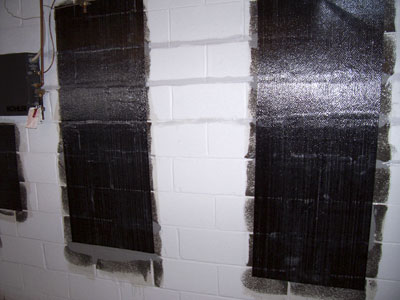
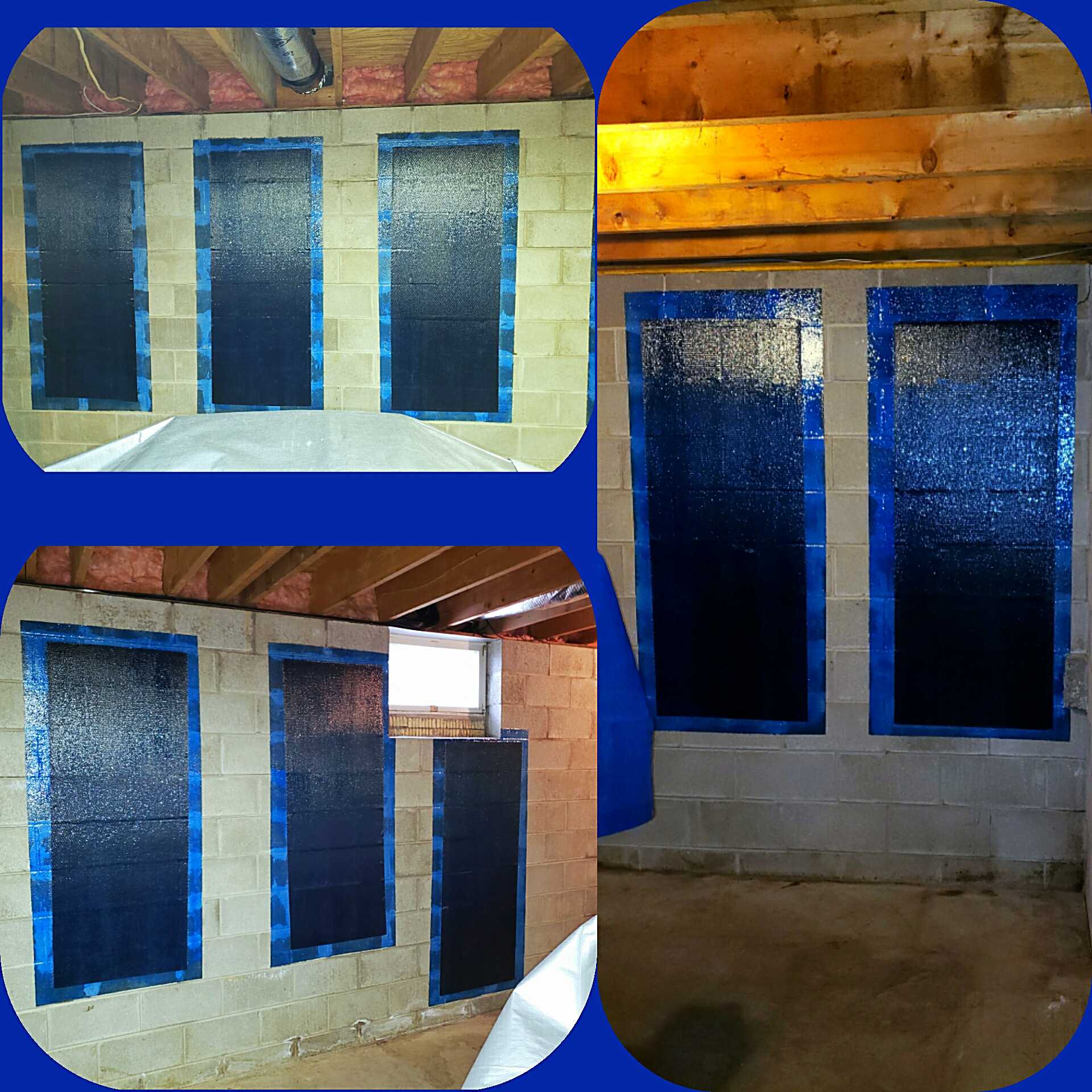
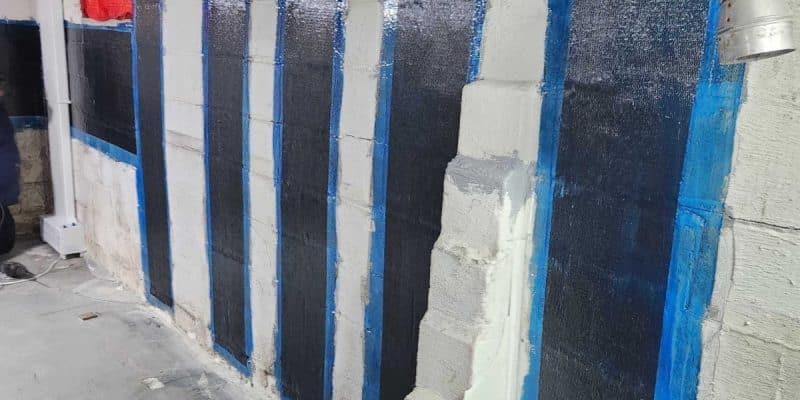
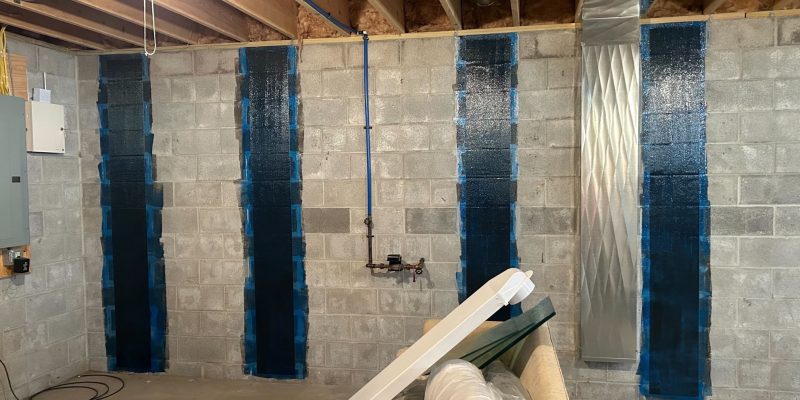
  3. Application: A strong adhesive epoxy is spread over the wall, followed by the placement of StablWall’s carbon fiber sheet.
  4. Curing: As the epoxy cures, the carbon fiber bonds to the wall, creating a seamless and strong reinforcement.

Key Benefits of StablWall’s Approach

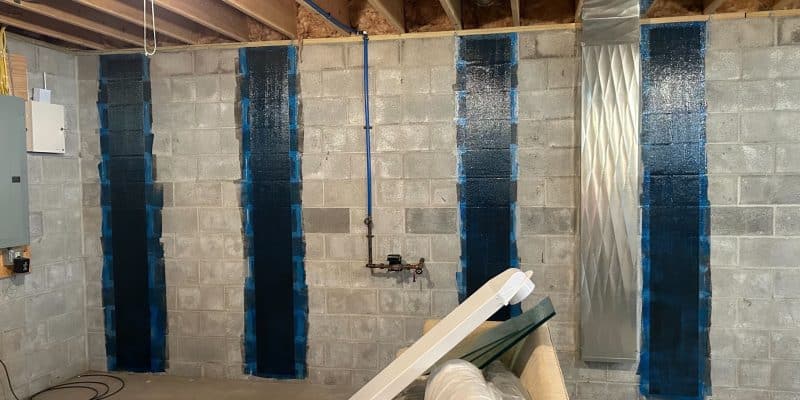
  • Non-Invasive Repairs: Unlike wall anchors or steel beams, StablWall does not require excavation or major alterations to the home.
  • Fast Installation: The process can often be completed in a single day, minimizing disruption for homeowners.
  • Cost-Effective: With lower labor and material costs, StablWall offers an affordable alternative to traditional methods.
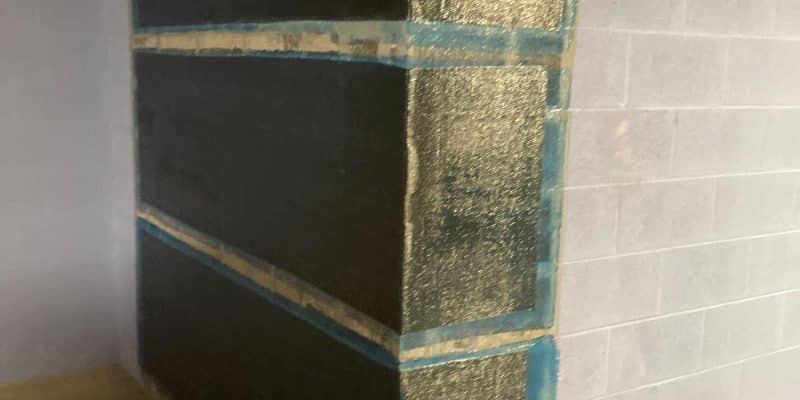
  • Invisible Reinforcement: Once installed, the carbon fiber sheets are virtually undetectable, preserving the interior aesthetics of the basement.

Applications of StablWall
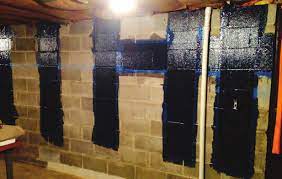
stablwall-stablwall-2

StablWall’s versatility makes it suitable for a range of foundation problems:

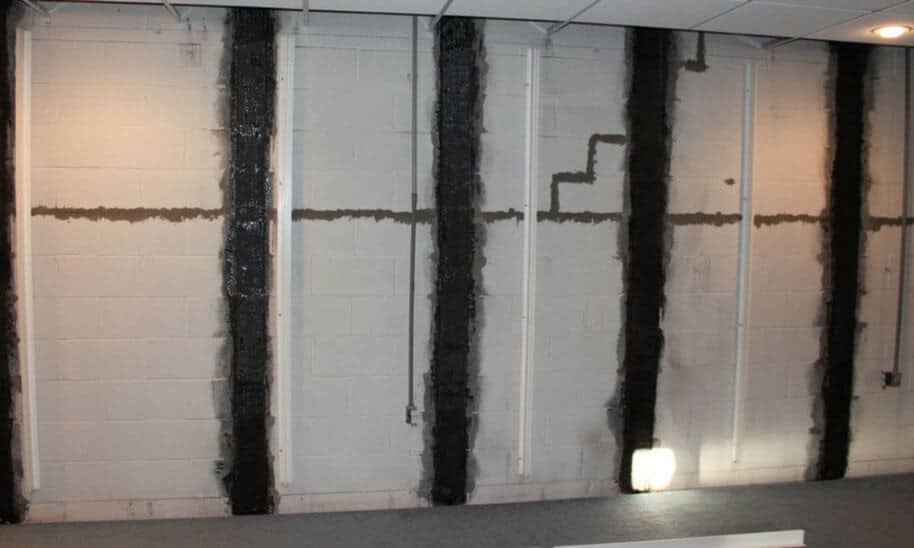
  1. Bowing Walls: By resisting lateral soil pressure, StablWall prevents walls from bowing inward.
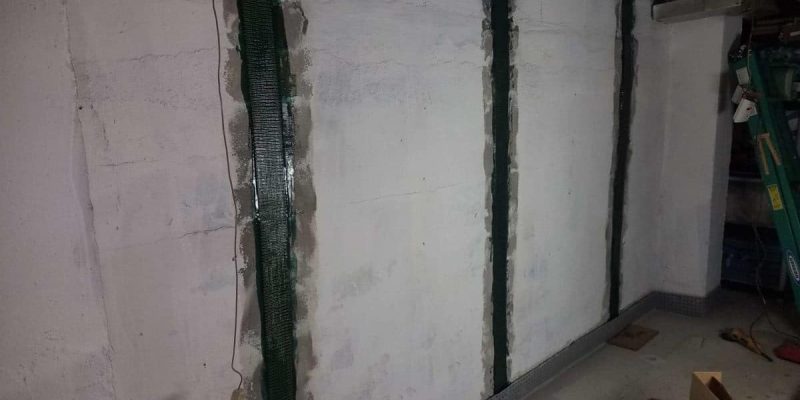
  2. Horizontal and Vertical Cracks: The system stops crack propagation and restores wall integrity.
  3. Preventive Reinforcement: Even if no visible damage is present, StablWall can be installed as a preventive measure in high-risk areas.

Comparing StablWall to Other Methods

FeatureStablWall Carbon FiberSteel BeamsWall Anchors
Installation Time1-2 DaysSeveral DaysSeveral Days
InvasivenessMinimalModerateHigh
CostAffordableExpensiveModerate
Aesthetic ImpactInvisible ReinforcementVisible Metal BeamsVisible Anchor Plates

StablWall’s Commitment to Long-Term Solutions

One of the standout features of StablWall is its focus on longevity. The materials used are designed to withstand decades of wear and environmental challenges. This ensures that homeowners won’t have to revisit the same foundation issues in the future.

Additionally, StablWall integrates seamlessly with waterproofing systems, enhancing the overall durability and functionality of the foundation. This combination makes it a go-to choice for contractors aiming to deliver comprehensive solutions.

Why Choose StablWall?

For homeowners dealing with foundation problems, the decision often comes down to finding a solution that is reliable, cost-effective, and minimally invasive. StablWall checks all these boxes, offering a modern alternative to traditional methods. Its proven track record and growing popularity are a testament to its effectiveness.

StablWall is more than just a foundation repair system—it is a commitment to quality and innovation. By harnessing the power of carbon fiber, this system provides homeowners with peace of mind, knowing their homes are protected against future structural challenges. Whether dealing with existing damage or looking for preventive measures, StablWall is a trusted choice for durable, efficient, and long-lasting foundation reinforcement.

Contact the Professionals at StablWall Today! (866) 782-5955
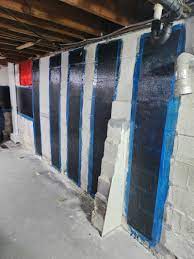
stablwall-stablwall-3

Innovative Structural Repair: How StablWall Uses Carbon Fiber for Foundation Strengthening

The foundation of a home is the most critical component of its structural integrity. When issues such as cracks or bowing walls arise, they compromise the stability and safety of the entire building. While traditional repair methods like steel beams or excavation have long been the go-to solutions, these methods often come with high costs, invasiveness, and extended project timelines. StablWall, leveraging the power of carbon fiber, has emerged as a groundbreaking, non-invasive solution for foundation repair.

What Makes Carbon Fiber Exceptional?

Carbon fiber is a composite material recognized for its exceptional strength and durability. It has become a staple in industries like aerospace, automotive, and construction because of its unparalleled tensile strength and resistance to environmental degradation.

  • stablwall-stablwall-1Tensile Strength: Carbon fiber can bear immense loads without breaking or deforming.
  • Lightweight: Despite being stronger than steel, carbon fiber is much lighter, making it easier to handle and apply.
  • Corrosion Resistance: Unlike metal reinforcements, carbon fiber does not rust, ensuring long-term durability.
  • Adaptability: Carbon fiber can be applied to a variety of surfaces, including concrete and masonry, without compromising its effectiveness.

The StablWall Approach to Foundation Repair

StablWall builds on the strengths of carbon fiber to create a system designed specifically for foundation reinforcement. Its application process is straightforward yet highly effective, offering homeowners peace of mind with minimal disruption.

Installation Steps:

  1. Inspection and Planning: Specialists evaluate the foundation to determine the areas requiring reinforcement.
  2. Wall Preparation: The surface is cleaned thoroughly to remove debris, dirt, and loose materials.
  3. Carbon Fiber Application: StablWall’s proprietary carbon fiber sheets are adhered to the foundation wall using a high-strength epoxy resin.
  4. Curing: The epoxy cures to create a permanent bond between the carbon fiber sheet and the wall, forming a robust reinforcement.

Advantages of StablWall for Foundation Repairs

  • stablwall-stablwall-2Non-Invasive Installation: StablWall eliminates the need for heavy machinery, excavation, or significant alterations to the home’s structure.
  • Durability: Carbon fiber’s resistance to moisture and temperature fluctuations ensures it remains effective for decades.
  • Aesthetic Preservation: Once installed, the system is nearly invisible, maintaining the interior appearance of the basement.
  • Cost-Effective: The quicker installation process reduces labor costs, making it an affordable alternative to traditional methods.

Common Foundation Problems Addressed by StablWall

  1. Bowing Walls: StablWall counteracts lateral soil pressure that pushes walls inward, stabilizing the structure.
  2. Cracks in Foundation Walls: Reinforcing the wall with carbon fiber prevents cracks from spreading and restores structural integrity.
  3. Preventive Reinforcement: For homes in areas prone to soil movement or flooding, StablWall serves as a preventive measure to avoid future damage.

Why Homeowners and Contractors Choose StablWall

StablWall stands out for its ability to provide long-lasting solutions without disrupting daily life. Contractors prefer it because of its quick application and proven effectiveness, while homeowners appreciate the peace of mind it offers.

By combining carbon fiber’s strength with StablWall’s innovative application system, this solution ensures that foundations are protected for decades, often outperforming traditional repair methods.

Contact the Professionals at StablWall Today! (866) 782-5955

carbon-fiber-repair-stablwall-3

Understanding Carbon Fiber Repair: Strengthening Foundations and Structures

Carbon fiber is one of the strongest materials used in modern construction and repair. Its lightweight, high tensile strength, and resistance to environmental factors make it ideal for repairing structural damage, especially in residential foundations. This article delves into the importance of carbon fiber in foundation repair, its benefits, and how it can be applied to strengthen homes facing foundational issues.

Carbon fiber is a composite material of thin fibers bonded together, typically with a resin, to create a lightweight yet strong reinforcement product. It is known for its high strength-to-weight ratio and is resistant to corrosion, which makes it suitable for reinforcing foundations and other structural elements in homes.

Foundations are the backbone of any building, and over time, factors such as soil movement, water damage, and natural settling can lead to cracks and structural weaknesses. Traditional methods of repairing these issues, like steel reinforcements or underpinning, can be invasive and costly. Carbon fiber offers a non-invasive alternative that delivers long-lasting results.

Some key benefits of carbon fiber for foundation repair include:

  1. High Tensile Strength: Carbon fiber has a tensile strength of over 500,000 psi, which is significantly higher than steel. This makes it ideal for reinforcing foundations that have begun to crack or shift due to pressure from surrounding soil.
  2. Lightweight: Unlike steel and other traditional materials, carbon fiber is lightweight and easy to apply. This reduces labor costs and allows for faster installation without compromising strength.carbon-fiber-repair-stablwall-1
  3. Corrosion Resistant: Carbon fiber does not corrode when exposed to moisture, unlike steel reinforcements, making it perfect for homes in areas with high humidity or groundwater issues.
  4. Minimal Intrusiveness: The installation of carbon fiber strips or wraps is less invasive compared to other methods like excavation or underpinning. Homeowners can often continue using their space during the repair process.

Carbon fiber is particularly useful for addressing several common structural issues in residential foundations. These problems often arise from soil movement, water pressure, or poor construction, and carbon fiber provides a robust solution to these challenges.

  1. Basement Wall Cracks: Horizontal cracks in basement walls often occur due to hydrostatic pressure exerted by water-saturated soil. Over time, the pressure causes walls to bow inward and crack. Carbon fiber strips can be applied to these walls to stabilize them and prevent further movement.
  2. Foundation Shifting: Soil movement, such as expansion and contraction due to moisture changes, can cause a foundation to shift or settle unevenly. Carbon fiber reinforcement helps prevent further shifting by creating a strong barrier that holds the foundation in place.
  3. Beam and Column Support: Carbon fiber wraps can also be used to reinforce beams and columns in the home, especially in crawlspaces or areas with heavy loads. This helps improve the overall structural integrity of the building.

Carbon fiber repairs are typically performed by professional contractors who specialize in foundation repair. Here’s an overview of the general process involved:

  1. Inspection and Assessment: Before any repair is made, a thorough inspection of the foundation or affected area is conducted to determine the extent of the damage and the most appropriate repair method.
  2. Surface Preparation: For carbon fiber to bond effectively to the structure, the surface must be prepared by cleaning the area of debris, dirt, and loose material. In some cases, minor grinding of the surface may be required to ensure a proper bond.
  3. Application of Epoxy: Once the surface is prepped, an epoxy resin is applied to act as an adhesive between the carbon fiber and the structure. The epoxy is typically spread evenly over the damaged area.
  4. Installation of Carbon Fiber Strips or Wraps: Carbon fiber strips or wraps are applied over the epoxy-coated area, reinforcing the structure. The carbon fiber is pressed into place and may be rolled to ensure it bonds securely to the surface.
  5. Curing and Finishing: After the carbon fiber is applied, the epoxy is left to cure, typically over several hours or days, depending on the product. Once cured, the carbon fiber creates a strong, rigid reinforcement.

While carbon fiber is widely used for foundation repair, it has several other applications in both residential and commercial construction:

  1. carbon-fiber-repair-stablwall-2Seismic Retrofitting: In areas prone to earthquakes, carbon fiber can be used to retrofit buildings to make them more resistant to seismic activity. By reinforcing walls, beams, and columns, carbon fiber helps distribute stress more evenly during an earthquake.
  2. Bridge and Infrastructure Repair: Carbon fiber is used in civil engineering projects to repair bridges, highways, and other infrastructure. Its high strength and durability make it ideal for withstanding the heavy loads and environmental stress these structures face.
  3. Concrete Reinforcement: Carbon fiber can be applied to concrete structures to increase their load-bearing capacity and prevent cracking or failure. This is particularly useful for aging buildings that require structural strengthening.

One of the most significant advantages of carbon fiber repair is its low maintenance requirements. Once applied, carbon fiber requires little to no ongoing maintenance. Its resistance to corrosion and environmental factors means that it can provide decades of protection without the need for frequent repairs or replacements.

However, it’s still essential to monitor the repaired area for any signs of additional movement or cracking. In most cases, if installed correctly, carbon fiber repairs will provide long-lasting support, allowing homeowners to avoid more costly and invasive foundation repairs in the future.

Carbon fiber has revolutionized the way foundation repairs are approached, offering a strong, durable, and minimally invasive solution to common structural problems. Its unique properties make it an ideal choice for homeowners looking to reinforce their foundations and protect their homes from further damage. With its wide range of applications and benefits, carbon fiber will continue to play a pivotal role in the construction and repair industry.

Contact the Professionals at StablWall Today! (866) 782-5955
carbon-fiber-techniques-for-foundation Repair-stablwall-3

Advanced Carbon Fiber Techniques for Foundation Repair: Enhancing Durability and Efficiency

The use of carbon fiber in foundation repair has emerged as a revolutionary technique, providing enhanced durability and efficiency compared to traditional methods. Carbon fiber’s exceptional strength, flexibility, and resistance to environmental factors make it an ideal material for reinforcing and repairing foundations. This article delves into advanced carbon fiber techniques for foundation repair, exploring their applications, benefits, and the future of this innovative technology.

The Evolution of Foundation Repair

Traditional Foundation Repair Methodscarbon-fiber-techniques-for-foundation Repair-stablwall-1

  1. Steel I-Beams
  2. Wall Anchors
    • Wall anchors involve the installation of steel plates and rods to stabilize foundation walls. This method requires significant excavation and can disrupt landscaping.
  3. Underpinning
    • Underpinning extends the foundation’s depth or breadth to transfer the load to more stable soil. This method is effective but costly and invasive.

Introduction of Carbon Fiber

  1. High Strength and Durability
    • Carbon fiber offers superior tensile strength and durability compared to traditional materials like steel.
  2. Lightweight and Flexible
    • Carbon fiber is lightweight and can be easily molded to fit various shapes and surfaces, making it versatile for different repair needs.
  3. Corrosion Resistance
    • Unlike steel, carbon fiber is resistant to corrosion, chemicals, and environmental factors, ensuring long-lasting performance.

Advanced Carbon Fiber Techniques for Foundation Repair

1. Carbon Fiber Reinforcement Straps

  • Application
    • Carbon fiber straps are applied to foundation walls to reinforce and stabilize them. They are particularly effective for addressing bowing walls and cracks.
  • Installation Process
    • The installation involves cleaning the surface, applying epoxy adhesive, and pressing the carbon fiber straps onto the epoxy-coated surface. The straps are then smoothed and secured, ensuring proper adhesion.
  • Benefits
    • The use of carbon fiber straps is minimally invasive, quick to install, and provides long-term stability and durability.

2. Carbon Fiber Grid Stitching

  • Application
  • Installation Process
  • Benefits
    • Carbon fiber grid stitching provides enhanced crack repair, preventing further movement and water infiltration.

3. Carbon Fiber Sheets and Wraps

  • Application
    • Carbon fiber sheets and wraps are used to encase entire sections of foundation walls, providing comprehensive reinforcement and protection.
  • Installation Process
    • The installation involves cleaning the surface, applying epoxy adhesive, and wrapping the carbon fiber sheets around the foundation walls. The sheets are then smoothed and secured with additional layers of epoxy.
  • Benefits
    • Carbon fiber sheets and wraps offer maximum coverage and protection, enhancing the overall strength and durability of the foundation.

4. Carbon Fiber Rods

  • Application
    • Carbon fiber rods are used to reinforce foundation walls and footings. They can be inserted into drilled holes and secured with epoxy, providing additional support and stability.
  • Installation Process
    • The process involves drilling holes into the foundation, inserting the carbon fiber rods, and securing them with epoxy. The rods are then smoothed and secured, ensuring proper adhesion.
  • Benefits
    • Carbon fiber rods provide targeted reinforcement, enhancing the load-bearing capacity of the foundation.

Advantages of Carbon Fiber in Foundation Repair

  1. High Strength-to-Weight Ratio
    • Carbon fiber’s exceptional strength and lightweight properties make it an ideal material for reinforcing foundations without adding significant weight.
  2. Durability and Longevity
    • Carbon fiber is resistant to corrosion, chemicals, and environmental factors, ensuring long-lasting performance and minimal maintenance.
  3. Minimal Invasiveness
    • The installation of carbon fiber is quick and minimally invasive, causing minimal disruption to the property and occupants.
  4. Flexibility and Versatility
    • Carbon fiber can be molded to fit various shapes and surfaces, making it versatile for different foundation repair needs.
  5. Cost-Effective

Case Studies and Real-World Applications

  1. Residential Foundation Repair
  2. Commercial and Industrial Applications
    • Examples of commercial and industrial buildings where carbon fiber was used for foundation reinforcement, highlighting its versatility and strength.
  3. Seismic Retrofitting
    • Case studies of buildings in earthquake-prone areas where carbon fiber was used to enhance seismic resistance, providing added safety and stability.

Future of Carbon Fiber in Foundation Repair

  1. Advancements in Materials and Technology
    • Ongoing research and development in carbon fiber materials and technology are expected to further enhance its strength, durability, and versatility.
  2. Increased Adoption and Awareness
    • As awareness of the benefits of carbon fiber grows, its adoption in foundation repair is expected to increase, providing more homeowners and contractors with access to this innovative solution.
  3. Integration with Smart Technologies
    • The integration of carbon fiber with smart technologies, such as sensors and monitoring systems, can provide real-time data on foundation health and performance, enabling proactive maintenance and repairs.carbon-fiber-techniques-for-foundation Repair-stablwall-2

Advanced carbon fiber techniques have transformed the field of foundation repair, offering enhanced durability, efficiency, and long-term performance compared to traditional methods. With its exceptional strength, flexibility, and resistance to environmental factors, carbon fiber is an ideal material for reinforcing and repairing foundations. By understanding the benefits, applications, and installation processes of carbon fiber techniques, homeowners and contractors can make informed decisions when it comes to foundation repair. The future of carbon fiber in foundation repair looks promising, with ongoing advancements and increased adoption expected to further enhance its capabilities and benefits.

Contact the Professionals at StablWall Today (866) 782-5955

stablwall- wall wrap for vertical crack

An Introduction to Carbon Fiber Repair

Carbon fiber has revolutionized various industries with its high strength-to-weight ratio, durability, and flexibility. Commonly used in aerospace, automotive, sports equipment, and even medical devices, carbon fiber has become a material of choice for applications requiring high performance. However, like all materials, carbon fiber can sustain damage and requires specialized repair techniques to restore its integrity and functionality. This article provides a comprehensive introduction to carbon fiber repair, covering the types of damage, assessment methods, and basic and advanced repair techniques.

Understanding Carbon Fiber Damagecarbon-fiber-repair-stablwall-1

Carbon fiber can sustain damage from various sources. Common causes include impact during use, wear and tear over time, and manufacturing defects. Understanding the nature of this damage is crucial for effective repair. Damage can manifest as surface scratches, delamination, cracks, or even more severe structural compromises. Each type requires a specific approach to restore the material’s original strength and appearance.

Initial Assessment of Damage

Before any repair can begin, a thorough assessment of the damage is necessary. Visual inspection is the first step, where signs of wear, cracks, and delamination can be identified. Non-destructive testing methods such as ultrasound and thermography are also used to detect internal flaws that are not visible to the naked eye. These methods provide a comprehensive understanding of the extent of the damage and inform the appropriate repair strategy.

Preparing for Repair

Preparation is key to a successful carbon fiber repair. This involves gathering necessary tools and materials, including cutting tools, measuring tools, application tools, and safety equipment. Personal protective equipment (PPE) such as gloves, masks, and goggles are essential to protect the technician from hazardous materials and dust. Ensuring a clean and controlled environment is also crucial to avoid contamination during the repair process.

Basic Repair Techniques

Basic repair techniques involve surface preparation, patching small surface damages, and addressing delamination and cracks. Surface preparation includes cleaning the damaged area and sanding it to create a smooth surface for the repair. For small surface damages, patching with a piece of carbon fiber fabric and resin is often sufficient. Delamination and cracks may require more extensive repairs, such as filling the damaged area with resin and applying multiple layers of carbon fiber fabric.

Advanced Repair Techniques

Advanced repair techniques involve more complex procedures such as vacuum bagging and autoclave curing. Vacuum bagging ensures that the repair area is free of air bubbles and that the resin is evenly distributed. This technique involves placing the repair under a vacuum-sealed bag and applying pressure to remove any air pockets. Autoclave curing, on the other hand, uses high pressure and temperature to cure the repair, resulting in a stronger and more durable bond. These techniques are typically used for critical applications where structural integrity is paramount.

Quality Control and Testingcarbon-fiber-repair-stablwall-2

After the repair is completed, quality control and testing are essential to ensure that the repair meets strength and safety standards. Post-repair testing methods include visual inspection for any remaining flaws and structural testing to verify the strength of the repair. Non-destructive testing methods such as ultrasound can also be used to check for internal defects. Ensuring that the repair has been carried out correctly is crucial for the longevity and performance of the carbon fiber component.

Carbon fiber repair is a specialized field that requires a thorough understanding of the material, the nature of the damage, and the appropriate repair techniques. From initial assessment to advanced repair methods, each step is crucial in restoring the integrity and functionality of carbon fiber components. As technology advances, new methods and materials are being developed, making carbon fiber repair more efficient and effective. Whether you’re a seasoned professional or new to the field, mastering these techniques will help you achieve excellence in carbon fiber repair.

Contact the Professionals at StablWall Today (866) 782-5955

carbon-fiber-repair-stablwall-3

Step-by-Step Guide to Carbon Fiber Repair

Carbon fiber repair involves a series of precise steps to restore damaged components to their original strength and appearance. This step-by-step guide outlines the entire repair process, from assessing the damage to final inspection, providing detailed instructions for each stage. Whether you’re a seasoned professional or new to carbon fiber repair, this guide will help you achieve high-quality results.

Assessing the Damagecarbon-fiber-repair-stablwall-1

The first step in any repair is to assess the extent of the damage. This involves a detailed inspection and documentation of the affected area. Visual inspection can reveal obvious signs of damage such as cracks, delamination, and surface scratches. Advanced diagnostic tools, such as ultrasound or thermography, can detect hidden damage that is not visible to the naked eye. Understanding the full extent of the damage is crucial for planning the repair.

Preparing the Area

Once the damage has been assessed, the next step is to prepare the area for repair. This involves cleaning the damaged area to remove any dirt, grease, or loose fibers. Sanding the area creates a smooth surface for the repair materials to adhere to. Masking off the surrounding areas with tape protects them from resin and dust during the repair process.

Cutting the Fabric

Accurate measurement and cutting of the carbon fiber fabric are essential for a successful repair. The fabric should be cut to the correct size and shape to cover the damaged area completely. Using a rotary cutter or sharp scissors ensures clean, precise cuts. For complex shapes, templates can be used to achieve the desired contours. 

Mixing the Resin

Choosing the right resin is crucial for a strong bond. Epoxy resin is commonly used for carbon fiber repair due to its excellent adhesion and durability. Proper mixing of the resin is essential to ensure consistent properties throughout the repair. Follow the manufacturer’s instructions for the correct ratio of resin to hardener and mix thoroughly to avoid air bubbles.

Applying the Fabric and Resin

The next step is to apply the carbon fiber fabric and resin to the damaged area. Start by applying a thin layer of resin to the prepared surface. Place the fabric over the resin and use a roller or brush to saturate it completely. Layering techniques can be used to build up multiple layers of fabric for added strength. Ensure each layer is fully saturated with resin before applying the next one.

Curing the Repair

Curing the repair is a critical step that determines the final strength and durability of the repair. Different curing methods can be used, including room temperature curing, heat curing, and vacuum bagging. Vacuum bagging involves placing the repair under a vacuum-sealed bag and applying pressure to remove air bubbles and ensure even resin distribution. Autoclave curing uses high pressure and temperature to achieve the best possible bond.

Finishing Touches

After curing, the repaired area needs to be finished to match the surrounding surface. This involves sanding the repair to remove any rough edges and create a smooth finish. Protective coatings can be applied to enhance the durability and appearance of the repair. These coatings also protect the repaired area from environmental factors such as UV light and moisture.

Final Inspection and Testingcarbon-fiber-repair-stablwall-2

The final step is to inspect and test the repair to ensure it meets the required standards. Visual inspection checks for any remaining flaws or imperfections. Structural testing, such as flexural or tensile tests, verifies the strength of the repair. Non-destructive testing methods, such as ultrasound, can be used to check for internal defects. Ensuring the repair is done correctly is crucial for the longevity and performance of the carbon fiber component.

Carbon fiber repair is a meticulous process that requires attention to detail and the use of appropriate techniques and materials. By following this step-by-step guide, you can achieve high-quality repairs that restore the strength and appearance of damaged carbon fiber components. From assessing the damage to final inspection, each step is crucial for a successful repair. With practice and experience, you can master the art of carbon fiber repair and ensure the longevity and performance of your components.

Contact the Professionals at StablWall Today (866) 782-5955

carbon-fiber-repair-stablwall-3

Common Challenges in Carbon Fiber Repair and How to Overcome Them

Carbon fiber repair can be challenging due to the unique properties of the material and the precision required for effective repair. This article explores common challenges faced during carbon fiber repair and provides practical solutions to overcome them. By understanding these challenges and implementing best practices, you can achieve high-quality repairs and extend the life of your carbon fiber components.

Identifying Hidden Damagecarbon-fiber-repair-stablwall-1

One of the biggest challenges in carbon fiber repair is identifying hidden damage that is not visible to the naked eye. Advanced diagnostic tools like ultrasound and thermography can detect internal flaws and delamination. A thorough inspection and non-destructive testing methods are essential to ensure that all damage is identified and addressed during the repair.

Ensuring compatibility between the repair materials and the existing carbon fiber component is crucial for a successful repair. Using incompatible materials can result in weak bonds and compromised structural integrity. It’s important to select resins, adhesives, and fabrics that are specifically designed for carbon fiber repair. Consulting material data sheets and conducting compatibility tests can help avoid common mistakes.

Achieving a Smooth Finish

Achieving a smooth finish on the repaired area can be difficult due to resin pooling and air bubbles. Proper surface preparation, including cleaning and sanding, is essential to create a smooth base for the repair. Using a roller or brush to apply resin evenly and employing vacuum bagging techniques can help eliminate air bubbles and ensure a smooth finish. Sanding and applying protective coatings after curing can further enhance the appearance.

Ensuring Structural Integrity

Maintaining the structural integrity of the repaired area is critical, especially for components subjected to high loads and stresses. Proper layering techniques, such as using multiple layers of carbon fiber fabric, can enhance the strength of the repair. Conducting structural tests, such as flexural and tensile tests, can verify the strength of the repair. Following best practices for curing and using high-quality materials also contribute to maintaining structural integrity.

Curing Problems

Curing problems, such as incomplete curing or uneven resin distribution, can weaken the repair. Ensuring optimal curing conditions, including the correct temperature and pressure, is essential for a strong bond. Using vacuum bagging or autoclave curing methods can help achieve consistent curing. Monitoring the curing process and following the manufacturer’s instructions for resin mixing and curing times can prevent common issues.

Environmental Factors

Environmental factors, such as temperature and humidity, can affect the repair process and the performance of the repaired component. Working in a controlled environment with stable temperature and humidity levels is important to avoid issues such as resin curing too quickly or slowly. Using materials that are designed for specific environmental conditions and following best practices for storage and handling can mitigate the impact of environmental factors.

Case Studies: Overcoming Challengescarbon-fiber-repair-stablwall-2

Examining real-world examples of how challenges in carbon fiber repair were successfully addressed can provide valuable insights and best practices. Case studies can highlight common issues and demonstrate effective solutions. By learning from these examples, technicians can improve their repair techniques and achieve better results.

Carbon fiber repair presents several challenges, but understanding these challenges and implementing best practices can lead to successful repairs. From identifying hidden damage to ensuring material compatibility and achieving a smooth finish, each step requires careful attention to detail. By overcoming common challenges and continually improving repair techniques, technicians can ensure the longevity and performance of carbon fiber components. As technology advances, new tools and materials are being developed, making carbon fiber repair more efficient and effective.

Contact the Professionals at StablWall Today (866) 782-5955

carbon-fiber-repair-stablwall-3

Tools and Materials for Carbon Fiber Repair

The success of carbon fiber repair largely depends on the tools and materials used. Choosing the right equipment and supplies is essential for achieving a high-quality repair that restores the material’s strength and appearance. This article provides an in-depth look at the tools and materials necessary for carbon fiber repair, from basic tools to specialized equipment, and offers guidance on selecting the appropriate materials for different types of repairs.

Basic Tools Requiredcarbon-fiber-repair-stablwall-1

Several basic tools are essential for carbon fiber repair. Cutting tools such as scissors and rotary cutters are needed to trim the carbon fiber fabric to the correct size and shape. Measuring tools like calipers and rulers ensure precise measurements, which are critical for an accurate repair. Application tools, including brushes and rollers, are used to apply resin and adhesive evenly to the repair area.

Specialized Tools

In addition to basic tools, specialized equipment is often required for more advanced repair techniques. Vacuum pumps and bags are used for vacuum bagging, a method that ensures even resin distribution and eliminates air bubbles. Autoclaves and ovens are used for curing the repair under controlled conditions of heat and pressure, resulting in a stronger bond. These tools are essential for repairs where structural integrity is crucial.

Materials for Repair

Selecting the right materials is just as important as choosing the right tools. Carbon fiber fabric comes in various types, including woven and unidirectional. Woven fabric offers strength in multiple directions, while unidirectional fabric provides strength in a single direction, making it suitable for specific applications. Resins and adhesives, such as epoxy and polyester, are used to bond the fabric to the damaged area. Fillers and additives may also be used to enhance the properties of the resin or to fill gaps in the repair area.

Choosing the Right Materials

Choosing the right materials involves considering several factors, such as the type of damage, the application, and cost. The compatibility of the materials is also crucial to ensure a strong and durable repair. For instance, the resin must be compatible with the carbon fiber fabric and the existing material. The environmental conditions in which the repair will be used, such as exposure to heat or chemicals, should also be considered.

Safety Equipment

Safety is paramount when working with carbon fiber and related materials. Personal protective equipment (PPE) such as gloves, masks, and goggles protect the technician from hazardous materials and dust. Safe handling and disposal of materials, especially resins and adhesives, are also important to prevent health hazards and environmental contamination. Proper ventilation in the workspace is essential to avoid inhaling harmful fumes.

Case Studies: Successful Repairscarbon-fiber-repair-stablwall-2

Examining real-world examples of successful carbon fiber repairs can provide valuable insights and best practices. Case studies can illustrate the importance of using the right tools and materials and highlight common challenges and solutions. By learning from these examples, technicians can improve their repair techniques and achieve better results.

The tools and materials used in carbon fiber repair are critical to the success of the repair process. From basic tools to specialized equipment, each item plays a vital role in restoring the integrity and appearance of carbon fiber components. Selecting the right materials requires careful consideration of various factors, including compatibility and environmental conditions. By using the appropriate tools and materials, technicians can ensure high-quality repairs that meet the highest standards of excellence. As technology continues to advance, new tools and materials are being developed, making carbon fiber repair more efficient and effective.

Contact the Professionals at StablWall Today (866) 782-5955

carbon-fiber-foundation-repair-stablWall-3

Advantages of Carbon Fiber Foundation Repair Over Traditional Methods

Carbon fiber reinforcement offers several advantages over traditional methods for repairing foundations in residential homes. In this article, we’ll explore the benefits of carbon fiber foundation repair and why it’s becoming the preferred choice for homeowners and contractors alike.

Strength and Durability:

Carbon Fiber Foundation Repair

    • Discuss the exceptional strength and durability of carbon fiber material, which provides superior reinforcement for foundation walls compared to traditional materials such as steel.
    • Highlight how carbon fiber reinforcement can effectively stabilize foundation walls and prevent further cracking or bowing, ensuring long-lasting structural integrity.

Non-Invasive Installation:

    • Explain how carbon fiber reinforcement offers a non-invasive solution for repairing foundations, minimizing disruption to the home and landscaping.
    • Discuss the quick turnaround time of carbon fiber repair compared to traditional methods, allowing homeowners to resume normal activities sooner.

Cost-Effectiveness:

    • Explore the cost-effectiveness of carbon fiber foundation repair, including lower material and labor costs compared to traditional methods such as excavation and wall replacement.
    • Highlight the potential savings associated with reduced downtime, minimal maintenance, and long-term durability of carbon fiber reinforcement.

Versatility and Adaptability:

    • Discuss the versatility of carbon fiber reinforcement, which can be applied to a wide range of foundation issues, including cracks, bowing walls, and settling.
    • Highlight how carbon fiber material can be customized to fit the specific dimensions and contours of the foundation, ensuring a precise and effective repair.

Long-Term Performance:

Carbon Fiber Foundation Repair

    • Emphasize the long-term performance of carbon fiber reinforcement, which is resistant to corrosion, rust, and other environmental factors that can compromise traditional materials over time.
    • Discuss the warranty and guarantee offered by many manufacturers and contractors for carbon fiber foundation repair, providing homeowners with peace of mind and confidence in the durability of the repair.

By considering the advantages of carbon fiber foundation repair over traditional methods, homeowners can make informed decisions to address foundation issues and protect the structural integrity of their homes for years to come.

Contact the Professionals at StablWall Today! (866) 782-5955

Wall Cracks: Recognizing, Resolving, and Knowing When to Act

Wall cracks can be benign or a red flag for your property’s health. In this comprehensive guide, we’ll assist you in identifying what your wall cracks mean and the appropriate next steps to ensure the safety and integrity of your home.

Key Takeaways

Wall Cracks

  • Understanding the type and cause of wall cracks is essential for appropriate repair and prevention, distinguishing between cosmetic and serious structural issues.
  • Professional evaluation by a structural engineer is recommended for significant or expanding wall cracks to assess and address potential structural damage.
  • Preventative maintenance, regular inspections, adapting to environmental factors, and understanding insurance coverages are crucial for minimizing and managing wall cracks.

Understanding Wall Cracks: Types and Causes

Cracks in walls can be a confusing sight for homeowners, as they may wonder if the cracks are harmless or indicative of structural problems. The key to proper repair and prevention lies in understanding what type of crack it is and its cause. Whether hairline or larger, vertical or diagonal, each crack tells a unique story about the state of your house’s structure and the external factors affecting it.

Not all wall cracks should raise equal levels of concern. Some are merely superficial due to natural settling or minor movements within the building’s foundation. Others may point towards more serious issues like foundation damage or instability in the overall structure. In such cases, Investigation is necessary, and professional assistance might be needed for effective resolution.

Identifying Hairline Cracks

Hairline cracks, named for their thin and often less than one-millimeter width, are commonly seen in freshly plastered walls during the drying process or as a result of gradual house settling. Despite their initial appearance being concerning, hairline cracks do not typically indicate any structural damage.

It is important to monitor these cracks over time. While they may seem harmless at first glance, an abrupt increase in size or length could potentially point toward a more serious problem. It is recommended to have vertical cracks that exceed one millimeter inspected by a professional.

Diagnosing Larger Cracks

Larger cracks, caused by significant structural movements, should be given immediate attention, unlike their smaller counterparts. These cracks may indicate problems such as foundation shifts, water damage or even underground leaks and require prompt action to prevent harm.

It is crucial to address these issues promptly once they are noticed to avoid exacerbating the situation. If there is a noticeable increase in the size of the crack(s), it is important to contact a qualified structural engineer who can assess the severity of the damage and provide expert guidance on how best to deal with it.

Deciphering Directional Cracks

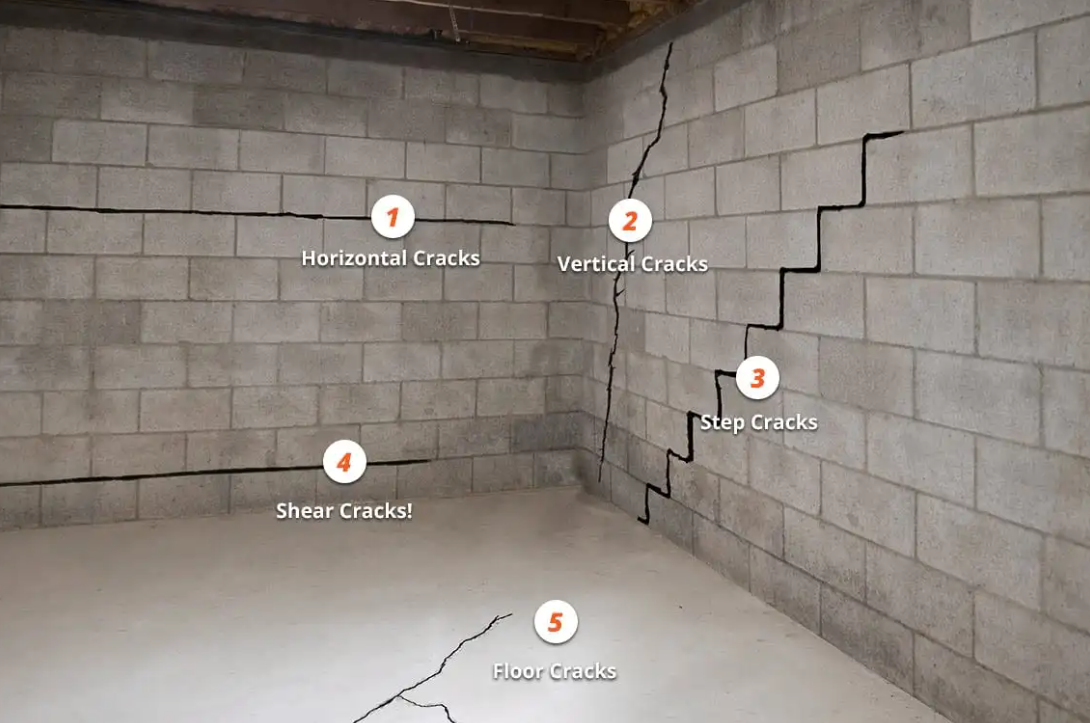
Cracks can give clues about their origin. For example, vertical cracks on walls may be caused by inadequate drywall taping or natural settling. On the other hand, horizontal cracks could signal more serious problems like foundation bowing, water leaks, and uneven settlement.

When it comes to diagonal cracks, they may indicate issues with a building’s structure such as foundation movement or damage in the roof or upper levels. These types of cracks require a professional assessment to determine the root cause and necessary solutions.

When to Call a Structural Engineer

While small cracks can often be fixed with simple do-it-yourself solutions, there are certain situations where professional help is necessary. It’s important to know when these circumstances arise to maintain the safety and longevity of your home. When large cracks appear suddenly or run vertically or horizontally along a wall, it may be time to bring in a structural engineer.

A structural engineer has the expertise to evaluate the overall condition of your house and determine if any underlying structural issues are causing these significant wall cracks. Ignoring them can result in serious consequences such as extensive property damage, compromised foundations, and even the collapse of the building structure itself.

Signs of Settling Cracks

Cracks that occur as a result of house settling are common in both new and old homes. These vertical cracks, typically measuring 1/16 inch wide and between 2-6 inches long, can be found on walls or foundations. It is important to monitor these settling cracks regularly to ensure they do not worsen or indicate larger issues with the structure.

Although usually harmless, it’s crucial to keep an eye on these types of cracks for any changes over time. If they continue expanding or surpassing the width of 1/4 inch, seeking guidance from an engineer may be necessary.

Recognizing Structural Damage

Wall cracks can sometimes signal more severe structural problems. Cracks that are diagonal or resemble stairs, as well as those around door frames and windows, could indicate significant structural concerns.

Large ceiling-to-wall cracks with accompanying sagging may also suggest serious underlying damage to the structure. Early identification of these warning signs is crucial to intervene promptly and address any potential issues before they worsen.

Assessing Exterior Walls Cracks

It is important not to ignore cracks on the exterior walls of your home. These cracks can be an indication of potential problems with the foundation or water damage and should be taken seriously. If these cracks are significant in size or seem to be getting wider, it is recommended that a professional evaluate them.

If there are any signs of water damage resulting from external wall cracking, such as visible bending or discoloration along with mold spots and musty smells, immediate action needs to take place for assessment and resolution.

Prompt attention should also be given if you observe indications like warping externally around the walls because this may point towards possible underlying structural issues related to moisture penetration within your dwelling’s foundations.

Practical Steps for Repairing Cracks

If you have noticed small cracks in your wall and determined that they do not pose a serious structural problem, there are steps you can take to fix them yourself. Whether the cracks are minor hairline ones or larger, more noticeable ones, there are practical solutions for repairing these imperfections and preventing damage.

It is important to note that while many minor cracks can be easily managed with DIY methods, significant or severe cracking may require professional assistance. If unsure about the severity of the crack, seeking expert advice is recommended to ensure the safety and longevity of your home.

Fixing Minor Cracks with DIY Solutions

Minor cracks, including fine ones known as hairline cracks, can be easily remedied with simple materials and a bit of effort. One effective solution is to use a joint compound and a putty knife to fill in the crack. Multiple coats may be necessary for complete repair. Ensure each coat dries thoroughly before applying another.

Before applying spackling paste or joint compound, make sure the area where the crack is located is clean and free from any loose debris. For optimal results, lightly sand down the surface so that it becomes smooth enough for proper adhesion of the compound.

Dealing with Drywall Panels

Fixing cracks in drywall is a common problem for homeowners. This can easily be remedied by properly re-taping the joints and using drywall mud to create a smooth surface. The key to success with this repair process is careful attention to detail and having the right tools on hand.

To begin repairing your wall, start by removing any loose or chipping paint from the affected area using a putty knife. Next, lightly sand over it before applying the drywall compound. Once it has dried completely, lightly sand it again for an even finish before painting over it for seamless results.

Handling Ceiling Cracks

It is important to not overlook ceiling cracks as they can be a sign of more serious issues, such as structural movement or dampness. These types of cracks may need reinforcement or patching.

If you notice a crack in your ceiling, it should receive prompt attention. Extensive fissures that stretch from the ceiling onto the wall, especially if accompanied by sagging, are clear indications of potential structural damage and must be addressed immediately.

Protecting Your Home: Insurance and Prevention

To immediate repair, safeguarding your home against potential damage from wall cracks requires knowledge of your home insurance coverage and proactive measures. Conducting regular inspections and ensuring proper drainage can help prevent the formation or aggravation of cracks in the future.

It’s important to note that not all types of wall cracks are covered by home insurance policies. Familiarizing yourself with the details of your policy can save you from unexpected expenses for repairing these structural damages.

Coverage Clarity: Home Insurance and Wall Cracks

It’s important to be aware of your home insurance coverage for wall cracks. While some types may be covered, it is crucial to understand the limitations and exclusions in your policy. Typically, home insurance will protect against damages to the structure of a house, including its walls and foundation. This can vary depending on the cause of the damage.

Cracks resulting from issues such as subsidence or water damage are usually included in coverage but those caused by regular wear and tear are typically not covered. If you have any doubts about what is included in your policy, it is recommended to seek advice from either an insurance agent or company regarding potential repairs needed for cracked walls due to different causes like water damage.

Preventative Practices to Avoid Cracks

To maintain the soundness of your home, it is important to follow the saying that prevention is better than cure. By regularly performing maintenance tasks, you can minimize and prevent cracks from appearing on your walls. These tasks include checking for any issues with the foundation, monitoring how weather conditions affect your walls, filling in small cracks promptly when they do occur, and ensuring proper ventilation.

Keep an eye out for environmental factors like tree roots and soil conditions as these may also contribute to wall cracks forming. It’s crucial to address these concerns immediately to prevent Damage over time.

The Impact of Environmental Factors on Wall Cracks

While some wall fissures may be due to structural problems or natural deterioration, environmental elements can also contribute significantly. These factors include the pressure exerted by tree roots on foundation walls, changes in soil conditions, and even seismic events or extreme weather fluctuations.

Having a thorough understanding of these factors can help identify the root causes behind wall cracks in your home and provide you with knowledge for implementing suitable prevention methods or effectively addressing existing cracks.

Nature’s Influence: Tree Roots and Soil Conditions

The presence of tree roots and soil conditions can greatly impact the occurrence of wall cracks. The pressure from tree roots against foundation walls can result in cracking and displacement of concrete, ultimately compromising the strength and stability of these structures.

Different types of soil can play a significant role in causing cracks to form on walls. For example, clay-rich soil can absorb water during rainy periods, which causes it to expand. Conversely, during dry summer months, this type of soil contracts as it dries out, leading to fluctuations in ground levels that contribute towards swelling or sinking beneath foundations, resulting in potential damage such as cracked walls.

Addressing Leaks and Infestations

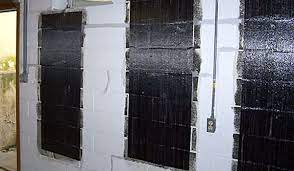
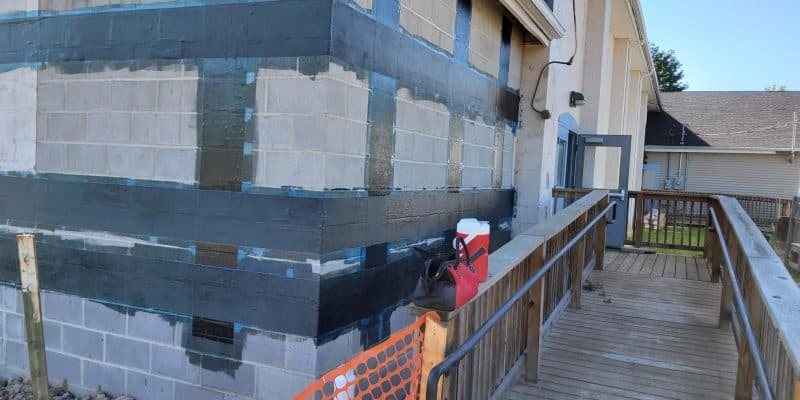
Wall cracks can be caused by various factors, including water damage and pest infestations. When walls are affected by leaks or moisture, their structural strength may become compromised, resulting in visible cracking as well as warping and discoloration.horizontal cracks fixed with stablwall carbon fiber sheets

Similarly, pests like carpenter ants and termites can also contribute to wall cracks by damaging the structure of your home’s walls. It is important to promptly address these issues to prevent damage and maintain the integrity of your home’s foundation.

In summary, cracks in walls should not be taken lightly and can be effectively dealt with by having the appropriate knowledge and approach. Knowing the different types of cracks, their underlying causes, and how to handle them is vital for ensuring your home’s structural soundness. While minor cracking issues may require simple do-it-yourself solutions, larger or more severe ones might necessitate professional assistance. Taking preventive measures against potential damage coupled with understanding your homeowner’s insurance coverage can greatly safeguard your home from any harm caused by wall fractures.

Contact the Professionals at StablWall Today! (866) 954-2739