carbon-fiber-stablwall-3

What Homeowners Need to Know About Carbon Fiber for Bowing Walls

You might have heard about carbon fiber as a potential fix for bowing walls, but how much do you really know about it? This high-strength material can be a game-changer for homeowners dealing with this common issue, offering a blend of durability and aesthetics that traditional methods often can’t match. From understanding its unique properties, installation process, to the cost implications, it’s important to get the full picture before making a decision. So, ready to uncover the potential benefits and drawbacks of using carbon fiber for your bowing walls?

Key Takeaways

  • Carbon fiber is a strong, lightweight material ideal for reinforcing bowing walls due to soil pressure.
  • Installation is straightforward, requires minimal demolition, and is virtually maintenance-free post-installation.
  • Costs for carbon fiber repairs typically range between $4,000 to $12,000, depending on wall condition and size.
  • Compared to traditional methods, carbon fiber installation is less invasive, faster, and provides a long-lasting, aesthetically pleasing solution.
  • When choosing an installer, consider recommendations, online reviews, credentials, and obtain multiple cost estimates.

Understanding Bowing Walls

Battling bowing walls in your home can be a stressful experience. You’re not alone. Many homeowners face this issue at some point.

Bowing walls occur when there’s excessive pressure on your basement walls, usually from the surrounding soil. It’s not something to ignore. Left untreated, it can lead to serious structural damage.

You might wonder what causes this pressure. It could be from soil expansion due to excessive moisture, or perhaps your home was built on expansive clay. Even normal ground pressure can cause walls to bow over time.

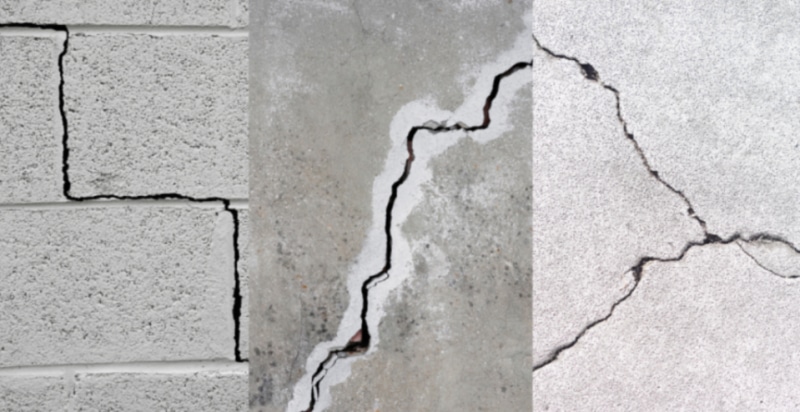
Now, you’re probably thinking, “How do I identify a bowing wall?” They’re often characterized by horizontal or stair-step cracks. You might notice your doors or windows sticking, or perhaps the walls are visibly leaning or bulging. If you see any of these signs, it’s time to take action.

Don’t panic. There are effective solutions available. One such solution is carbon fiber, a popular choice for many homeowners.

But before we explore the details of carbon fiber, it’s important to understand the problem you’re dealing with. Bowing walls can be intimidating, but with knowledge and the right tools, you can tackle this issue head-on.

What Is Carbon Fiber?

You might be wondering, “What is carbon fiber?

Well, it’s a lightweight, strong material made from thin strands of carbon atoms.

Let’s talk about its properties and why it’s considered an ideal fix for your bowing walls.

Understanding Carbon Fiber

The term “carbon fiber” might seem complex, but it’s actually quite straightforward.

carbon-fiber-stablwall-1

It’s a material made from tiny strands of carbon, even smaller than human hair. These strands are woven together to form a fabric. This fabric is then combined with a plastic polymer resin to create a composite material that’s incredibly strong and lightweight.

Think of it like this:

  1. Imagine a single strand of hair. That’s roughly the size of one carbon fiber strand.
  2. Now, picture thousands of these strands woven together to form a fabric. That’s the carbon fiber cloth.
  3. Envision this fabric being soaked in a plastic polymer resin. It’s like dipping a cloth in glue.
  4. Finally, imagine this resin-hardened fabric being used to reinforce and strengthen structures. That’s carbon fiber in action.

Carbon Fiber’s Properties

Let’s explore the unique properties of carbon fiber to better understand its strength and versatility. Carbon fiber, a polymer, is extremely strong and lightweight. It’s five times stronger than steel, yet it weighs about two-thirds less. This makes it ideal for structural applications where strength and minimal weight are vital.

The properties of carbon fiber don’t stop there. It’s also resistant to corrosion, unlike metals that rust over time. Carbon fiber doesn’t degrade or lose its strength when exposed to harsh weather, which makes it ideal for use in your home’s foundational walls.

Here’s a quick comparison table to illustrate the advantages of carbon fiber over traditional materials:

PropertyCarbon FiberTraditional Materials
Strength5x of SteelVaries
WeightLightHeavy
DurabilityResistant to CorrosionProne to Rusting
Weather ResistanceHighVaries

Considering these properties, carbon fiber strips can provide the reinforcement needed for bowing walls. They’re a durable, effective, and long-term solution. With the proper installation, you’ll bolster your home’s structural integrity for years to come.

The Strength of Carbon Fiber

Harnessing the power of carbon fiber for bowing walls, we explore its impressive strength. You might wonder, ‘How powerful can it really be?’ Well, let’s investigate the specifics.

  1. Tensile Strength: Carbon fiber boasts a tensile strength that’s five times that of steel. That means it can withstand five times as much stretching force before breaking or deforming.
  2. Lightweight: Despite its strength, carbon fiber is incredibly light. It’s about 70% lighter than steel, helping to eliminate unnecessary strain on your walls.
  3. Non-Corrosive: Unlike metal, carbon fiber doesn’t corrode or rust. It maintains its strength over time, even in wet or damp conditions.
  4. Thermal Expansion: Carbon fiber has a minimal coefficient of thermal expansion. That’s a fancy way of saying it doesn’t expand or contract as much with temperature changes, maintaining its shape and strength in all sorts of environments.

Why Use Carbon Fiber for Bowing Walls?

Understanding the strength and durability of carbon fiber, it’s easy to see why it’s a prime candidate for treating bowing walls. But there’s more to it than that.

The unique properties of carbon fiber make it ideal for this purpose. One of its key benefits is its high tensile strength. This means it can withstand a lot of pressure without breaking, which is essential when dealing with the force exerted by a bowing wall.

Carbon fiber also doesn’t rust or corrode, so you don’t have to worry about it weakening over time due to exposure to moisture. Unlike some materials, it won’t degrade and lose its effectiveness, ensuring your walls remain secure for years to come.

Another advantage is that carbon fiber is lightweight. Despite its strength, it’s not bulky or cumbersome to work with. This makes the process of reinforcing your walls less labor-intensive and more manageable.

Lastly, carbon fiber is easy to install. It doesn’t require extensive demolition or reconstruction of your walls, which saves you time, money, and a lot of hassle.

In short, carbon fiber offers a durable, efficient, and practical solution for bowing walls. It’s worth considering if you’re dealing with this problem in your home.

Carbon Fiber vs. Traditional Methods

You might be wondering how carbon fiber stacks up against traditional methods of repairing bowing walls.

Let’s take a moment to compare these repair techniques, focusing particularly on the benefits of carbon fiber.

Understanding these differences can help you make an informed decision about the best solution for your project.

Comparing Repair Techniques

When it comes to repairing bowing walls, we need to compare two prevalent techniques: carbon fiber and traditional methods.

  1. First, let’s talk about the time factor. Traditional methods, like wall anchors or steel I-beams, can take days to install.

With carbon fiber, you’re looking at a few hours. Time is money, and you’ll save both with carbon fiber.

  1. Next, consider disruption. Traditional methods often mean digging up your yard or your basement floor.

Carbon fiber’s installation is far less invasive.

  1. Don’t forget about longevity. Steel can rust and deteriorate over time, but carbon fiber doesn’t.

It’s a solution that’ll last as long as your home does.

  1. Finally, think about finish. Steel beams stick out like a sore thumb.

Carbon fiber is sleek and can be painted over, blending into your home’s design.

Understanding Carbon Fiber

With all these comparisons in mind, let’s turn our attention to the specifics of carbon fiber as a method for fixing bowing walls. You may be wondering – what exactly is carbon fiber and how does it work?

Well, carbon fiber is a strong, lightweight material that’s used in a variety of applications, from automotive to aerospace, and yes, even home repair.

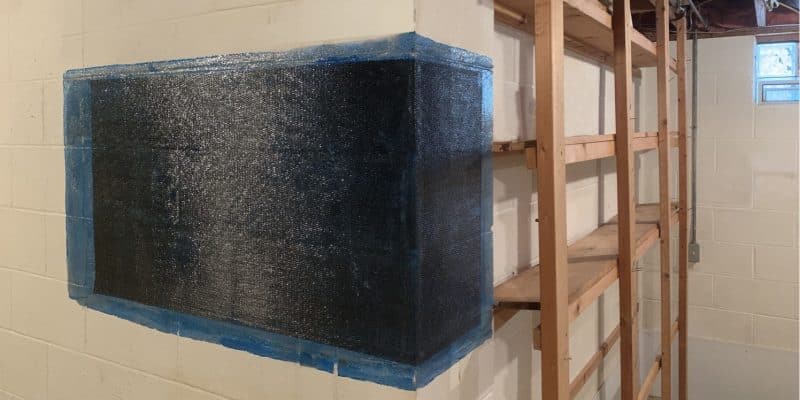
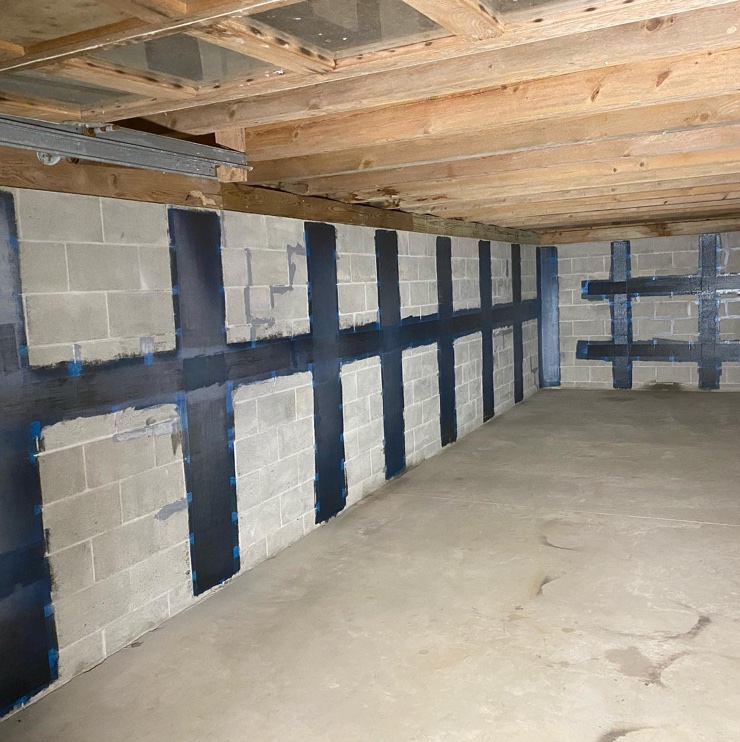
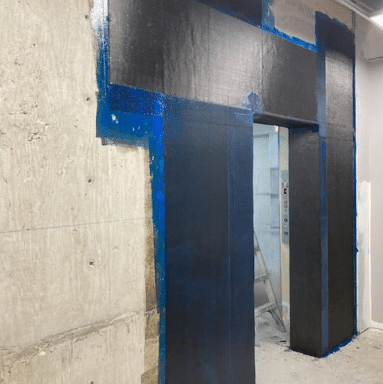
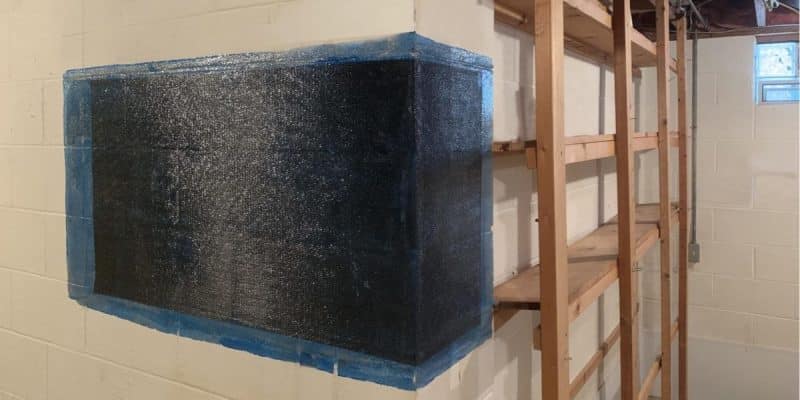
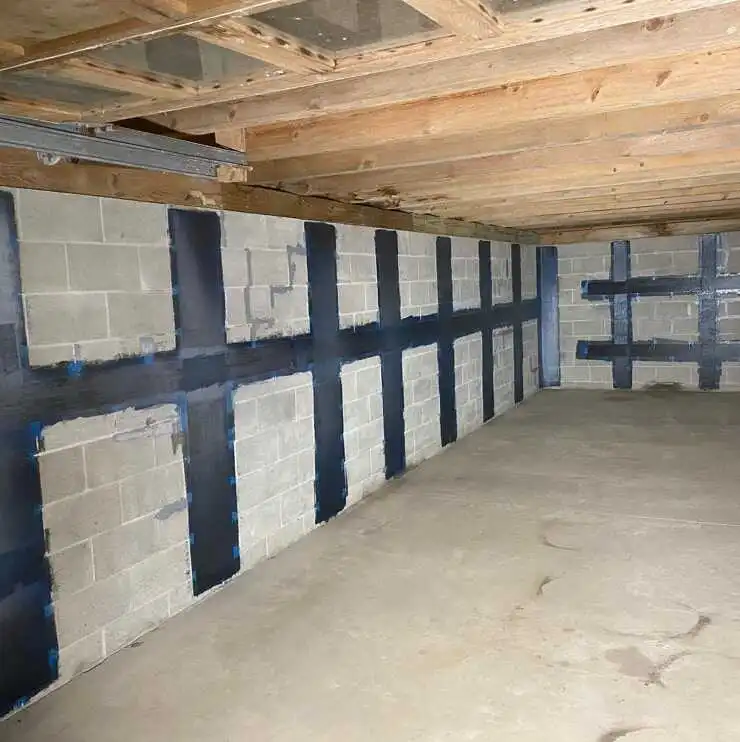
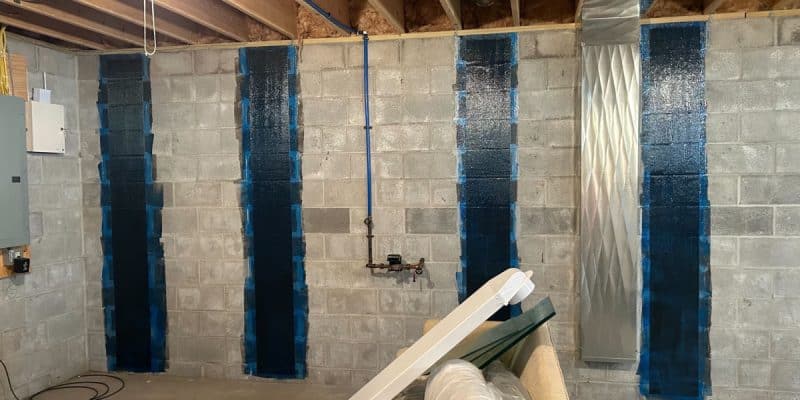
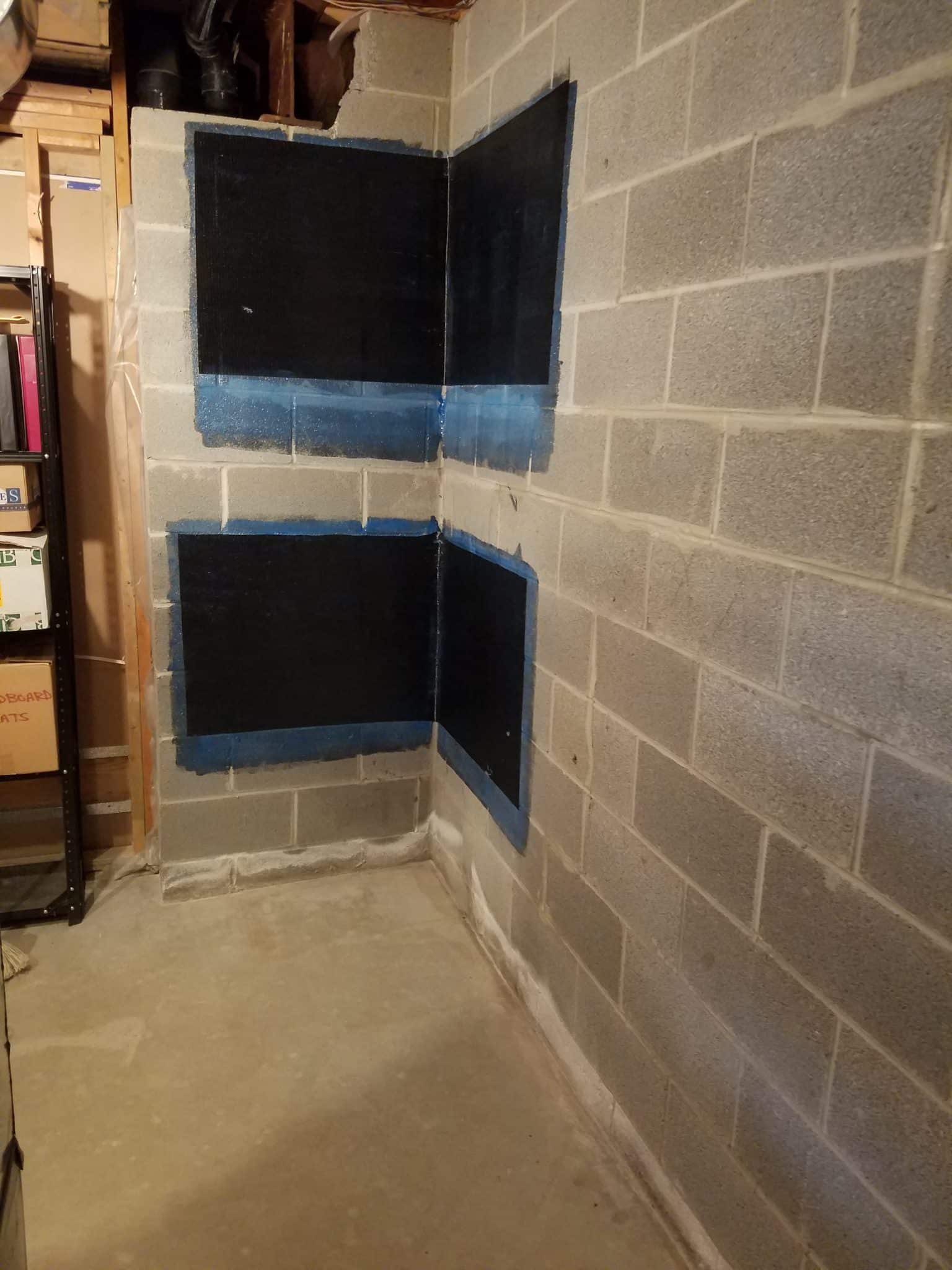
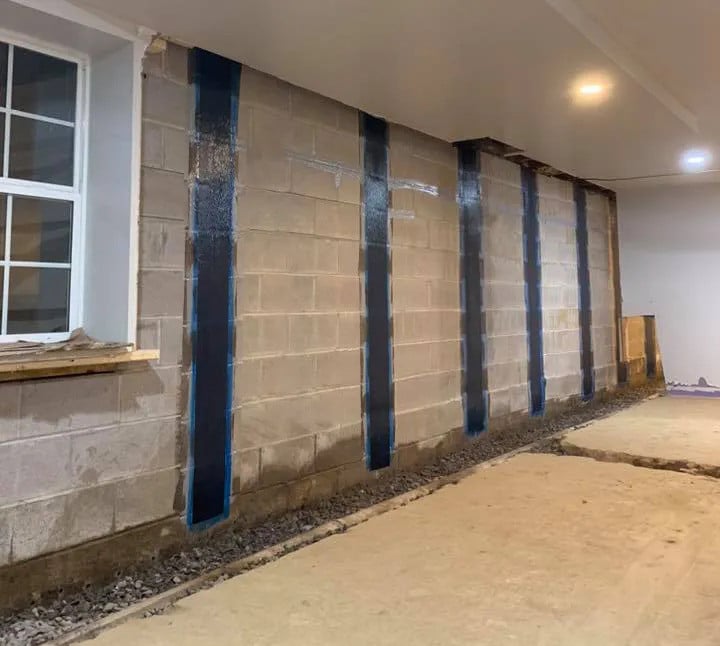
When it comes to bowing walls, carbon fiber is applied as strips along the wall’s surface. It’s then secured in place with an epoxy resin, creating a bond that’s strong enough to counteract the pressure causing the wall to bow.

In contrast to traditional methods, which often involve extensive excavation or wall reconstruction, carbon fiber offers a non-invasive, quick, and long-lasting solution.

The real beauty of carbon fiber is its strength-to-weight ratio. It’s five times stronger than steel, yet weighs considerably less. This means it can effectively resist the lateral pressure causing your walls to bow without adding unnecessary weight.

Additionally, it requires virtually no maintenance once installed. So, if you’re battling bowing walls, carbon fiber could be the answer you’ve been looking for.

The Carbon Fiber Installation Process

Installing carbon fiber on bowing walls is a straightforward process, but it requires precision and care. If you’re considering this solution, understanding the installation process can ease your mind and guarantee you’re ready for the task ahead.

  1. Preparation: First, you’ll need to prep the wall. This involves cleaning the area to remove any dust or debris that could interfere with the carbon fiber’s adhesion.
  2. Application: Next, an epoxy resin is applied to the wall. It’s like painting on a thick, sticky layer of glue. You’ve got to be careful here; this stuff doesn’t come off easily.
  3. Placement: Then, you’ll place the carbon fiber strip onto the epoxy. This part demands precision because once it’s on, it’s on. You want to make sure it’s straight and in the right position.
  4. Securing: Finally, you’ll apply another layer of epoxy on top. This seals the strip to the wall and gives your repair its strength.

That’s it! It’s a straightforward process, but it’s not a race. Take your time, do it right, and you’ll have a solution that’s strong, durable, and nearly invisible once painted over.

Cost of Carbon Fiber Repairs

After understanding the installation process, you may wonder about the cost of carbon fiber repairs. Well, it’s important to note that the cost can vary greatly depending on several factors.

These factors include the severity of the wall’s bowing, the size of the wall, and the specific contractor you choose. The price range typically falls between $350 to $600 per strip. However, most homeowners spend between $4,000 to $12,000 on the entire job.

Here’s the thing: while this might seem like a hefty investment, it’s vital to remember that you’re not just paying for materials. You’re also paying for a professional’s expertise and labor time.

Additionally, it’s a long-term solution that can save you from even more costly structural wall repairs down the road.

Also, keep in mind that many companies offer free estimates. So, you can get a better idea of the cost without any commitment.

Some contractors even provide payment plans or financing options to make the process more affordable. Thus, don’t let the initial cost of carbon fiber repairs deter you from investing in the stability and longevity of your home.

Potential Drawbacks of Carbon Fiber

While carbon fiber offers a robust solution for bowing walls, it’s important to keep in mind some potential drawbacks. You need to be aware that carbon fiber isn’t a one-size-fits-all solution. Its effectiveness largely depends on the specific conditions and requirements of your home.

So, you’ve got to take into account the following:

  1. Wall Condition: Carbon fiber is less effective on walls that are severely damaged or cracked. In such cases, alternative methods may be required.
  2. Limitations: It’s mainly used in straightening walls, but doesn’t work as well for horizontal or shifting problems.
  3. Inflexibility: Once carbon fiber is applied, it’s set for life. You can’t adjust or modify it later, which means if the issue isn’t entirely resolved, you might face difficulties.
  4. Aesthetics: While not a functional issue, carbon fiber strips aren’t the most attractive sight. If the wall you’re repairing is in a visible area, this could be a concern.

It’s always best to get a professional evaluation to determine if carbon fiber is the right solution for you.

Though it has its drawbacks, in the right situation, carbon fiber could be ideal.

Finding a Reliable Carbon Fiber Installer

In the face of structural problems, choosing a reliable carbon fiber installer becomes crucial. You don’t want to trust your home’s safety to just anyone. It’s important to do your research and find a reputable professional who knows the ins and outs of carbon fiber installation.carbon-fiber-stablwall-2
Start by seeking recommendations. Talk to friends or neighbors who’ve had similar work done. Look for online reviews, too, but remember to take them with a grain of salt. Not all feedback is impartial.

Also, don’t be shy to ask potential installers for references. A trustworthy professional won’t hesitate to provide them.

Check credentials next. Confirm they’re licensed, insured, and have relevant certifications. Don’t overlook experience either. A seasoned installer is likely to deliver quality work, which is a crucial factor in guaranteeing the success of the project.

Lastly, request quotes from several installers. While it’s tempting to opt for the cheapest offer, remember that you often get what you pay for.

Evaluate the cost against the installer’s reputation, expertise, and the quality of materials they use. A slightly higher cost might bring you peace of mind, knowing your home is in skilled hands.

Frequently Asked Questions

How Long Does Carbon Fiber Last in Wall Repair Applications?

You’re wondering how long carbon fiber lasts in wall repairs. It’s incredibly durable! You can expect it to hold up for the life of your house, typically over 50 years, barring any extraordinary circumstances.

Are There Any Environmental Impacts Associated With Using Carbon Fiber?

You’re probably thinking carbon fiber’s environmental impact is larger than a dinosaur’s footprint, right? Well, it’s not. It’s actually quite minimal, especially when compared to other wall reinforcement materials. It’s a win-win situation!

Are There Any Maintenance Requirements for Walls Repaired With Carbon Fiber?

You’ll be relieved to know, carbon fiber doesn’t require much maintenance. Once it’s applied, it’s there for good, offering reliable support. However, an occasional inspection to ascertain it’s holding up is always a wise move.

Can Carbon Fiber Be Used in Combination With Other Wall Repair Methods?

Yes, you can definitely use carbon fiber alongside other wall repair methods. It’s like adding a belt to your suspenders. It enhances the strength and longevity of the repair, giving you a stronger, more durable wall.

What Are the Indicators That My Repaired Wall Needs Additional Reinforcement?

If you’re noticing new cracks, further bowing, or shifting in your repaired wall, it might need additional reinforcement. Don’t ignore these signs! It’s essential to address any potential problems immediately to prevent further damage.

So, when your walls bow, don’t let it rain on your parade. Carbon fiber is your umbrella, shielding your home from further damage. It’s a sturdy, cost-effective solution that works fast and seamlessly integrates into your home’s design. But remember, it’s not a magic fix-all. Verify your walls aren’t too far gone and find a reliable installer. If you do, you’ll find carbon fiber isn’t just a good solution, it’s the best one for bowing walls.

Contact the Professionals at StablWall Today! (866) 782-5955
carbon-fiber-stablwall-3

Why Carbon Fiber Is the Go-To Material for Foundation Reinforcement

Just as the strength of a spider’s silk belies its delicate appearance, the unassuming carbon fiber has become a powerhouse in the domain of foundation reinforcement. You’ll find that it’s preferred over traditional materials for its superior strength, resistance to corrosion, and exceptional durability, all while remaining surprisingly lightweight. Think about the implications of these traits easier installation, less need for maintenance, and adaptable to a variety of structural situations. Intriguing, isn’t it? But how does carbon fiber achieve all this? Well, that’s the fascinating part we’re just about to explore.

Key Takeaways

  • Carbon fiber’s superior strength and durability make it ideal for handling load-bearing applications in foundation reinforcement.
  • Its resistance to environmental stressors like heat, cold, and moisture enhances longevity, reducing the frequency of repairs.
  • Carbon fiber is non-corrosive and pest-resistant, decreasing maintenance costs associated with traditional materials.
  • The flexibility of carbon fiber allows it to adapt to structural movements, further reinforcing the foundation.
  • Despite its initial cost, carbon fiber proves cost-effective over time due to its durability and reduced need for repairs.

Understanding Carbon Fiber Basics

The world’s reliance on carbon fiber for reinforcing foundations is no mere coincidence. You see, carbon fiber is an ultra-strong material that’s lighter than steel but five times stronger.

It’s composed of thin, strong crystalline filaments of carbon that are used to strengthen material. Carbon fiber is often woven into a fabric, then applied to surfaces using a polymer, which hardens, providing a superior strengthening effect.

This, in turn, makes it the go-to choice for reinforcing foundations. Imagine wrapping your house’s foundation in a carbon fiber fabric, adding a layer of protection against forces that could otherwise cause cracks or shifts.

You’d be impressed to know that carbon fiber doesn’t rust or rot, making it more durable than traditional materials like steel or wood.

It’s also resistant to heat, making it a safer option in areas prone to wildfires. Its flexibility allows it to bend without breaking, providing additional safety during earthquakes.

Carbon Fiber Versus Traditional Materials

When comparing carbon fiber to traditional materials like steel or wood, you’ll find several compelling reasons to choose the former.

First, consider weight. Carbon fiber is much lighter than most traditional materials. This makes it easier to handle and install, saving on labor costs by reducing the time and effort needed for installation.carbon-fiber-stablwall-1

Secondly, carbon fiber’s strength is another key advantage. It’s an incredibly robust material, often stronger than steel, while still maintaining its lightweight nature. This combination of high strength and low weight is particularly beneficial in foundation reinforcement, where the material has to support significant loads.

Thirdly, carbon fiber doesn’t rust or corrode like steel, nor does it rot or get infested by pests like wood. This means you’ll spend less on maintenance over the lifespan of the building, and the material will retain its structural integrity for longer.

Lastly, carbon fiber is flexible, unlike rigid materials such as steel or wood. This flexibility allows it to adapt to the structure, providing more effective reinforcement.

When all these factors are considered, it’s clear why carbon fiber is the go-to choice for foundation reinforcement.

The Durability of Carbon Fiber

Built to last, carbon fiber’s durability is another key feature that sets it apart. You’d be amazed by its resilience under tough conditions. It’s designed to withstand environmental stressors like heat, cold, and moisture. Unlike traditional materials, it doesn’t rust, rot, or degrade.

Imagine having a foundation that remains sturdy and unyielding for years on end.

Even under extreme pressure, carbon fiber holds its own. It’s got an impressive tensile strength, which means it can withstand a lot of force without breaking. When used in your foundation, it guarantees that the structure stays robust and stable.

And when disaster strikes, like an earthquake, you can rest easy knowing your home’s foundation has an extra layer of protection.

But carbon fiber isn’t just tough, it’s also light. That means it’s easier to handle and install without compromising on strength. You’re not only getting a material that’s built to last, but one that’s easy to work with too.

In the long run, the durability of carbon fiber offers peace of mind. You can trust in its ability to safeguard your home’s foundation, providing an unwavering bulwark against time and nature.

Cost-Effectiveness of Carbon Fiber

Over time, investing in carbon fiber for your foundation reinforcement proves to be cost-effective. You might balk at its initial price, but consider this: carbon fiber’s durability means fewer replacements, saving you money in the long run.

It’s a classic case of ‘buy cheap, buy twice’.

Carbon fiber isn’t affected by corrosion, unlike steel, which is often used for reinforcement. Once you install carbon fiber reinforcement, it’s there to stay. There’s no need to worry about recurring costs of repair and replacement, which are common with other materials.

What’s more, carbon fiber is lightweight, reducing transport and handling costs. It’s easy and quick to install too, so you’re saving on labor costs. You’re not just saving money; you’re saving time and energy as well.

This isn’t to say that carbon fiber is the cheapest option out there. It’s not. But when you balance the upfront cost with long-term savings, the scales tip in favor of carbon fiber.

It’s an investment that pays off over time, making it a cost-effective choice for foundation reinforcement.

Future Developments in Carbon Fiber Technology

Looking ahead, the already impressive benefits of carbon fiber for foundation reinforcement might just be the tip of the iceberg. As technological advancements continue, you can expect even more efficient and cost-effective solutions in the field of construction.

carbon-fiber-stablwall-2Currently, researchers are working on ways to make carbon fiber even stronger and more durable. This could mean foundations that last considerably longer than they do now, saving you money on repairs and replacements. The future may also bring us carbon fiber that’s more resistant to the elements, reducing the risk of damage from natural disasters.

Another promising development is in the area of manufacturing. Experts are finding ways to produce carbon fiber more quickly and cheaply, which could make it more accessible for all types of construction projects. You might see it becoming a standard material not just for foundation reinforcement, but for entire buildings.

And let’s not forget about sustainability. With the world becoming more environmentally conscious, the development of carbon fiber that’s easier to recycle could be a game changer.

Frequently Asked Questions

What Is the Process of Installing Carbon Fiber for Foundation Reinforcement?

You’ll first clean the foundation wall, then apply a high-strength epoxy. Next, you’ll firmly press carbon fiber straps into the epoxy. It’s a quick process, but it greatly enhances your foundation’s resistance to cracking and bowing.

Are There Any Environmental Impacts Associated With Using Carbon Fiber?

You’re right to contemplate environmental impacts. While carbon fiber’s production can be energy-intensive, its durability and light weight often result in less overall waste and emissions compared to traditional materials. It’s a complex trade-off.

What Maintenance Is Required for Carbon Fiber-Reinforced Foundations?

You’re in luck! Carbon fiber-reinforced foundations need minimal maintenance. It’s like owning a cactus, you just plant it and forget about it. They resist corrosion and wear, making them a worry-free choice for reinforcement.

Can Carbon Fiber Be Used in Conjunction With Other Reinforcement Materials?

Yes, you can use carbon fiber with other reinforcement materials. It’s often combined with steel or concrete to increase a foundation’s strength. However, you’ll need to consult a professional to guarantee ideal results.

How Does Carbon Fiber Perform in Different Climates and Weather Conditions?

Carbon fiber copes commendably in contrasting climates. It’s resilient against rust, corrosion, and weather wear. Unlike other materials, it doesn’t degrade or distort, making it a reliable reinforcement regardless of rain, heat, or harsh winters.

So, you see, carbon fiber isn’t just the new kid on the block. It’s the muscle-bound, budget-savvy, iron-man of foundation reinforcement. With superior strength and durability, it laughs in the face of corrosion. And its wallet-friendly nature? A sweet cherry on top. Carbon fiber isn’t just a passing fad, it’s the future, ready to fortify our buildings against whatever Mother Nature throws at them. So why not hop on the bandwagon and embrace the carbon fiber revolution?

Contact the Professionals at StablWall Today! (866) 782-5955

carbon-fiber-stablwall-3

The Science Behind Carbon Fiber Foundation Repair for Homes

You’ve likely heard about carbon fiber use in high-tech industries, but have you ever considered its potential in home foundation repair? Imagine this: a material so strong yet lightweight that it can halt your home’s structural issues without a massive excavation. Carbon fiber’s unique properties make it an effective, long-lasting solution for foundation reinforcement. But how exactly does it work and why is it a more efficient choice over traditional methods? Let’s unpack the science behind this innovative approach and discover why it’s fast becoming the go-to for savvy homeowners and repair specialists alike.

Key Takeaways

  • Carbon fiber’s high strength-to-weight ratio makes it superior to traditional materials like steel for foundation repairs.
  • The material’s resistance to corrosion and low thermal expansion contribute to its longevity in varying weather conditions.
  • Carbon fiber strips, anchored to the foundation, provide durability without major excavation, minimizing home disruption.
  • The lightweight and easy-to-install nature of carbon fiber reduces labor costs and speeds up repair work.
  • Future technological advancements may expand carbon fiber applications, making it a cost-effective and eco-friendly solution for home repairs.

Understanding Carbon Fiber Technology

Innovation, a term synonymous with the evolution of technology, has particularly transformed the field of home repairs. From your basic power tools to complex machinery, everything has seen a revamp. But, there’s one technological advancement that stands out – carbon fiber.

Now, you might be wondering, “What is carbon fiber and how’s it connected to home repairs?” Well, carbon fiber is a lightweight, strong material that’s been making waves in various industries, including home repair and construction. Just like you’ve come to rely on your dependable toolbox, carbon fiber is fast becoming a go-to resource for repair specialists.

Let’s focus on foundation repair. Over time, your home’s foundation can crack, bow, and even collapse if not properly maintained. Traditional methods, such as steel reinforcement, can be invasive and costly.

That’s where carbon fiber technology comes in. It’s a game-changer, providing a more efficient, less intrusive solution.

You won’t plunge into the technical aspects of this wonder material just yet. That’s a story for the next subtopic, “Properties of Carbon Fiber.” But now you know why it’s a big deal in your home repair arsenal.

Properties of Carbon Fiber

Few materials can match the strength and versatility of carbon fiber. You’ve probably heard of its applications in various industries, but do you know what makes it so special?

Here’s what you need to understand about the properties of carbon fiber:

  • High Strength-to-Weight Ratio: Carbon fiber is lighter than metal, yet its strength is comparable to, if not greater than, that of steel. This makes it a perfect choice for applications where weight is a critical factor.
  • Corrosion Resistance: Unlike metals, carbon fiber doesn’t rust or corrode. It’s resistant to many chemicals, making it durable and long-lasting.
  • Thermal Expansion: Carbon fiber has a very low coefficient of thermal expansion. That means it doesn’t expand or contract much with temperature changes, a property essential in precision applications.
  • Electrical Conductivity: Despite being a non-metal, carbon fiber is a great conductor of electricity.

The Role of Carbon Fiber in Construction

You might be wondering, “What role does carbon fiber play in construction?”

Let’s get straight to the point – it’s all about carbon fiber’s incredible strength and practical application in home repair.

We’ll explore how this material can be a game-changer in securing the foundations of your home.

Carbon Fiber’s Strength

While it may not be immediately apparent, carbon fiber plays an essential role in the construction industry, especially in home foundation repair. Its strength and flexibility make it an invaluable ally in battling the forces that can weaken a building’s structure over time.

Let’s explore deeper into the factors that contribute to carbon fiber’s strength:

  • High Tensile Strength: Carbon fiber doesn’t just hold up under pressure, it thrives. This material is renowned for its high tensile strength, meaning it can resist a lot of stress without breaking.
  • Lightweight: Despite its strength, carbon fiber is incredibly lightweight. That makes it easier to handle and install, without compromising its durability.
  • Non-Corrosive: Unlike some metals used in construction, carbon fiber doesn’t corrode. So, it’ll stand up to the elements without weakening over time.
  • Thermal Stability: Carbon fiber maintains its strength even when exposed to high temperatures. That means it’ll still hold strong if a fire breaks out.

Application in Home Repair

When it comes to home repair, particularly foundation repair, carbon fiber is a game-changer. It’s an innovative material you’ll want to know about if you’re dealing with structural issues.

Imagine a material stronger than steel, but lightweight and flexible. That’s carbon fiber for you.carbon-fiber-stablwall-1

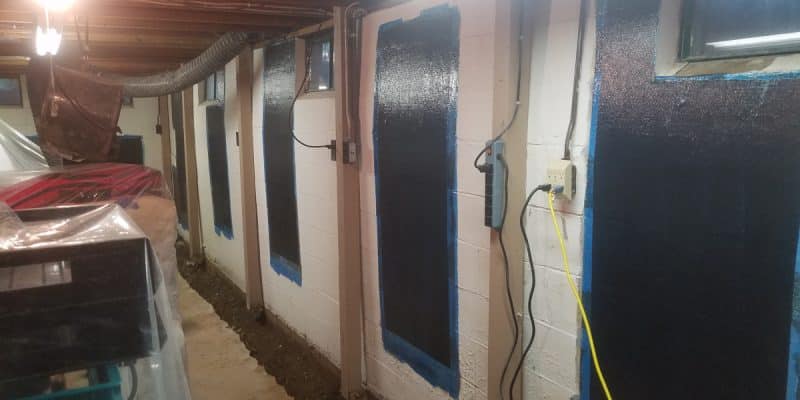
Let’s explore how it’s used. First, your contractor will assess the extent of the damage. If it’s a case of bowing basement walls, they’ll apply carbon fiber strips to the problematic areas. The strips are anchored to the foundation floor and the house framing, creating a strong, solid brace that prevents further bowing.

By using carbon fiber, you’re not just fixing the problem—you’re preventing it from reoccurring. That’s because carbon fiber doesn’t corrode or degrade over time like other materials. It’s a one-time fix that’s incredibly durable and cost-effective.

It’s also less invasive than other methods. No heavy equipment, no major excavation. Just a simple, clean, and fast process.

Carbon Fiber for Foundation Repair

Employing carbon fiber for foundation repair provides an innovative and efficient solution to stabilize your home’s foundation. This modern method is gaining popularity among homeowners and contractors due to its effectiveness and reliability.

But how exactly does it work?

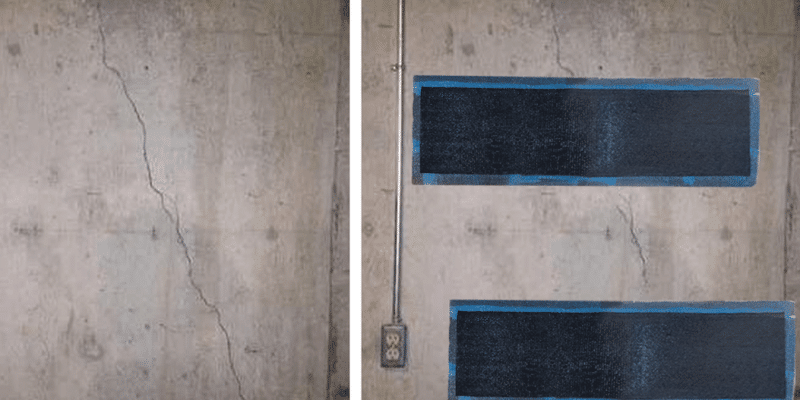
Carbon fiber strips are attached to the walls of your home’s foundation. These strips are made of millions of tiny fibers, each one stronger than steel. When these strips are bonded to your foundation walls, they distribute the load evenly, preventing further cracking and movement. This process is known as reinforcement.

Here are some key aspects to take into account:

  • Carbon fiber is incredibly strong. It can handle immense pressure and won’t corrode over time.
  • The application process is quick and non-invasive. There’s no need to excavate around your home.
  • It’s a versatile solution. Carbon fiber can be used on both block and poured concrete foundations.
  • Once installed, it’s virtually invisible. You won’t have unsightly beams or braces marring the look of your basement or crawl space.

Benefits of Carbon Fiber in Foundation Reinforcement

Understanding the process of carbon fiber reinforcement, you might already see some of its advantages.

It’s a system that’s not only efficient but also provides unparalleled strength in reinforcing your home’s foundation.

One of the primary benefits of carbon fiber is its remarkable tensile strength. This material is stronger than steel, making it ideal for reinforcing the structure of your home.

It’s also remarkably lightweight, meaning it won’t add unnecessary weight to your foundation.

Moreover, carbon fiber is resistant to corrosion and decay. Unlike traditional materials like steel or wood, it doesn’t rust or rot over time.

This means it provides long-term stability with minimal maintenance.

What’s more, carbon fiber reinforcement is a non-invasive process. There’s no need for extensive excavation or heavy machinery.

The installation process is quick, clean, and leaves minimal disruption to your home.

Lastly, it’s cost-effective. While the initial cost may be higher than traditional methods, the long-term savings regarding maintenance and repair costs make it a smart investment.

In short, carbon fiber reinforcement offers strength, durability, and cost-effectiveness, making it an excellent option for foundation repairs.

Real-World Applications of Carbon Fiber

Carbon fiber technology has found its place in various real-world applications that prove its worth. You might even be surprised to know how common its use is. Carbon fiber isn’t only limited to the aerospace industry or high-end sports cars; it’s actually closer to home than you think.

Perhaps you’re wondering where it’s utilized. Here’s a list to give you an idea:

  • Home Construction: Carbon fiber is often used for structural reinforcement, particularly in foundation repairs. It’s a reliable solution for common problems such as cracks and bowing walls due to its high tensile strength and lightweight nature.
  • Sporting Goods: From tennis rackets to fishing rods, carbon fiber’s lightweight and durable properties make it perfect for sporting goods.
  • Automotive Industry: Carbon fiber is used in the production of vehicles for enhanced strength and reduced weight, contributing to better fuel efficiency.
  • Medical Devices: Carbon fiber is found in prosthetics and medical imaging tables due to its strength, lightweight, and radiolucency.

Indeed, carbon fiber’s real-world applications are vast and varied. It’s a demonstration of the versatility and effectiveness of this material.

Future Prospects of Carbon Fiber in Home Repair

You might be wondering what the future holds for carbon fiber in home repairs.

Its durability and cost-efficiency are making it an increasingly popular choice.

As technology advances, we’re likely to see even more innovative uses for carbon fiber in this field.

Carbon Fiber: Durability Aspect

Nearly every homeowner will tell you that durability is a key factor when it comes to home repairs. You need a solution that not only fixes the problem but also stands the test of time. That’s where carbon fiber comes into play. Its impressive durability aspect makes it an ideal choice for foundation repairs.

  • Carbon fiber is incredibly strong. It’s five times stronger than steel, ensuring your home’s foundation repair will hold up under pressure.
  • It’s resistant to corrosion. Unlike other materials, carbon fiber won’t rust or deteriorate over time, giving you peace of mind.
  • It’s unaffected by weather. Carbon fiber stands up to both extreme cold and heat, making it a reliable choice no matter your climate.
  • It’s flexible. Unlike rigid materials, carbon fiber can bend without breaking, absorbing stress and providing additional strength.

The durability of carbon fiber is unmatched, making it a go-to solution for foundation repairs. Its strength, resistance to corrosion, weather resilience, and flexibility make it a superior choice.

Cost Efficiency in Repairs

While the unmatched durability of carbon fiber makes it a standout choice for foundation repairs, it’s also worth evaluating the cost efficiency and the future prospects of this material in home repair.

You might be wondering, “Is carbon fiber a cost-efficient option?” Well, let’s break it down.

Yes, the upfront cost of carbon fiber repair might seem high, but you need to assess the longer-term perspective. Traditional repair methods might seem cheaper initially, but they often need frequent maintenance, which adds up over time.

On the other hand, carbon fiber’s durability means it’s a one-time investment with minimal maintenance, making it more cost-effective in the long run.

Moreover, carbon fiber is a time-saver. Repair work is faster, which means less labor cost. Plus, you won’t have to vacate your home during repairs, saving you additional expenses.

Looking into the future, increased production and wider adoption of carbon fiber in the construction industry could drive down costs, making it even more affordable.

Technological Innovations in Carbon Fiber

Looking ahead, the potential for technological innovations in carbon fiber is vast, and it’s poised to revolutionize the home repair industry.

You’ll soon see a new era where carbon fiber’s strength and durability make it the preferred material for home repairs.carbon-fiber-stablwall-2

There are several key innovations on the horizon:

  • Lightweight Yet Robust Tools: Future tools made from carbon fiber will be lighter, making them easier to handle while still being incredibly strong. You won’t have to worry about your tools breaking mid-repair.
  • Increased Lifespan of Repairs: The longevity of carbon fiber means repairs will last longer. You won’t be constantly patching up the same problem areas.
  • Eco-Friendly Solutions: Carbon fiber’s durability reduces the need for frequent repairs, cutting down on waste. You’ll be doing your part for the environment.
  • Cost-Effective in the Long Term: While the upfront cost may be higher, the durability of carbon fiber will save you money in the long run.

Frequently Asked Questions

What Is the Cost Comparison Between Carbon Fiber and Traditional Foundation Repair Methods?

You’re probably wondering about the cost difference between carbon fiber and traditional foundation repair. Carbon fiber is typically more expensive upfront, but it’s often cheaper in the long run due to its superior durability and less maintenance needed.

How Does Weather Affect the Performance of Carbon Fiber in Foundation Repair?

Weather doesn’t greatly impact carbon fiber’s performance in foundation repair. It’s resistant to changes in temperature and moisture, ensuring your home’s foundation remains strong and stable, regardless of the weather conditions outside.

What Are the Potential Disadvantages or Risks of Using Carbon Fiber in Home Repairs?

While carbon fiber’s strong and lightweight, it’s not perfect. Potential downsides include its high cost, inability to fill gaps like traditional materials, and it doesn’t work well on uneven surfaces. Always weigh your options!

Can Carbon Fiber Be Used in the Repair of Historic or Older Homes?

Absolutely, you can use carbon fiber in repairing older homes. However, it’s essential to take into account the architectural integrity. Carbon fiber’s strength and flexibility makes it ideal, but don’t forget, every home is unique.

Is There Any Special Maintenance Required After Carbon Fiber Foundation Repair?

After carbon fiber foundation repair, you don’t have to worry about special maintenance. It’s a one-time fix. Just keep up with your home’s regular upkeep. It’s that simple, it’s durable and doesn’t deteriorate over time.

So, you’re grappling with foundation issues? Remember, carbon fiber technology isn’t just for race cars and space shuttles. It’s right here, reinforcing your home, proving its mettle against bowing walls. Imagine a future where corrosion and extensive repairs are old stories. That’s the reality carbon fiber offers. Welcome to a world of strength and durability, where your home stands tall and steady, backed by the power of carbon fiber.

Contact the Professionals at StablWall Today! (866) 782-5955

carbon-fiber-stablwall-3

The Environmental Advantages of Using Carbon Fiber in Foundation Repair

While you might think that traditional materials like steel and concrete are the only options for foundation repair, it’s worth considering the potential environmental advantages of carbon fiber. This lightweight material not only reduces energy consumption during production, but its longevity means less waste and fewer replacements over time. Plus, its resistance to environmental factors further extends its lifespan. Intrigued? There’s much more to this eco-friendly alternative in foundation repair, and why it could be a game changer in sustainable construction practices.

Key Takeaways

  • Carbon fiber production requires less energy, reducing CO2 emissions compared to traditional materials like steel or wood.
  • Its lightweight nature minimizes energy required for transportation and installation, lowering overall environmental footprint.
  • Carbon fiber’s durability and resistance to corrosion reduce the need for frequent maintenance or replacements, promoting sustainability.
  • The production process generates minimal waste and requires fewer raw materials, leading to less environmental impact.
  • Increased adoption of carbon fiber can promote eco-friendly construction practices, reducing the industry’s overall carbon footprint.

Understanding Carbon Fiber Materials

Let’s dive right into understanding carbon fiber materials. You’ve probably heard of them, but do you know what they really are? Simply put, carbon fiber is a super strong material that’s also extremely lightweight. It’s made up of thin strands of carbon atoms, which are bonded together in a crystal-like structure. These strands are then twisted together to create a yarn, which can be woven into a fabric.

What makes carbon fiber so special? It’s incredibly strong and stiff for its weight. In fact, it’s one of the strongest materials available today. It’s also resistant to most chemicals, heat, and UV light, making it incredibly durable.

But that’s not all. Carbon fiber is also highly flexible, which means it can be molded into almost any shape. This makes it a versatile material that can be used in a variety of applications, from aerospace to sporting goods to foundation repair.

Reduced Energy Consumption

You might be wondering about the role of carbon fiber in reducing energy consumption.

Consider it this way: carbon fiber’s efficiency means it requires less energy to produce and implement, which considerably lowers emission impacts.

Let’s explore how this material contributes to a greener and more sustainable environment.

Carbon Fiber’s Efficiency

Significant savings in energy consumption are one of the hallmarks of using carbon fiber in foundation repair.

Imagine getting your home’s foundation repaired, and not having to worry about skyrocketing energy bills. That’s the beauty of carbon fiber. It’s not just strong and lightweight; it’s also incredibly efficient.

Unlike traditional materials, producing carbon fiber doesn’t require a lot of energy. You’re not just saving money on energy costs; you’re also reducing your carbon footprint.

But it’s not just about production. Carbon fiber is also efficient in application. It’s easier to install, which means less time running machinery and fewer resources consumed.

But you’re probably wondering, what does this mean for you?

Well, a more efficient process translates to a faster and less disruptive repair job. You’re back in your home sooner, and with less impact on your daily life. And who doesn’t want that?

Lower Emissions Impact

Another compelling reason to contemplate carbon fiber for your foundation repair lies in its potential for reduced emissions. Unlike traditional materials, carbon fiber’s production requires considerably less energy, which directly translates into fewer greenhouse gas emissions. You’re not just repairing your foundation effectively, but also doing your bit for the environment.carbon-fiber-stablwall-1

Carbon fiber’s lower energy consumption starts from its production phase. It’s a remarkable material that doesn’t need high-energy procedures to be made into a sturdy, reliable form. That means less coal, natural gas, and electricity are used, leading to fewer pollutants released into our atmosphere. You’re cutting down on waste, and that’s a step in the right direction.

But there’s more. Once carbon fiber is in place for your foundation repair, its long lifespan means that you won’t need to replace it frequently. This reduces the energy and resources required for repeated repairs, further lowering your environmental footprint.

Plus, its lightweight nature means less energy for transport, making it a greener choice all around.

Minimal Waste Production

In the domain of foundation repair, the use of carbon fiber results in minimal waste production. This is a significant advantage over traditional materials like steel or wood, which generate much more waste during use and disposal.

You’ll find that carbon fiber’s lightweight nature and ease of handling reduce the amount of scrap produced. It’s cut to exact size on site, eliminating unnecessary offcuts.

The manufacturing process of carbon fiber also contributes to less waste. It doesn’t require the same amount of raw materials as other construction materials, which means there’s less left over to discard.

This efficiency can make a big difference in reducing the environmental impact of your construction projects.

In addition, when carbon fiber reaches the end of its useful life, it’s not just dumped into a landfill. Instead, it’s often recycled, which further reduces waste.

Carbon fiber recycling processes are developing rapidly, with strong market demand for the reclaimed material.

Long-Term Durability Benefits

Over the long haul, you’ll appreciate the impressive durability of carbon fiber in foundation repair. Unlike traditional materials like wood or steel, carbon fiber doesn’t crack, warp, or rust. It’s a resilient material that can withstand harsh weather conditions, heavy loads, and the test of time.

To give you a clearer picture, let’s take a look at this table:

MaterialDurabilityEnvironmental Impact
WoodLow: Prone to rot and termitesHigh: Deforestation impact
SteelModerate: Susceptible to rust and corrosionModerate: Energy-intensive production
Carbon FiberHigh: Resistant to weather and load pressuresLow: Durable and minimal waste production

You’ll notice that carbon fiber outperforms both wood and steel regarding durability and environmental impact. This offers you peace of mind, knowing that your foundation repair will last for years without needing frequent maintenance or replacement. Plus, you’re making a choice that’s better for the environment. So, for a long-term, sustainable solution, carbon fiber’s durability benefits are hard to beat.

Lower Carbon Footprint

You’ll appreciate the environmental impact of carbon fiber, especially in its lower carbon footprint.

Consider the reduced emissions that come from its use in foundation repair.

Also, think about the sustainable manufacturing process behind it, and how it contributes to a greener earth.

Reduced Emissions

With carbon fiber for foundation repair, you’re not just reinforcing your home, but also protecting the environment.

You’re directly contributing to reduced emissions, a significant factor in lowering our global carbon footprint. Let’s explore how this works.

Traditional foundation repair methods, like steel or concrete, involve high-emission manufacturing processes. They require a lot of energy for production, transportation, and installation.

On the other hand, carbon fiber’s lightweight nature means less fuel is needed for its transport. It’s a game-changer! Less fuel consumption equals fewer emissions being pumped into the atmosphere.

Moreover, carbon fiber doesn’t rust or decay, which means it doesn’t need to be replaced often.

This results in fewer production cycles and, consequently, less energy consumption. You’re slashing the need for repeat manufacturing and, thereby, cutting down on CO2 emissions.

Sustainable Manufacturing Process

Diving deeper into the environmental advantages, carbon fiber’s sustainable manufacturing process considerably lowers the carbon footprint. This reduced impact on our planet is a benefit you’ll appreciate, especially when compared to traditional foundation repair materials.

  1. Reduced Energy Use: Carbon fiber production uses less energy than manufacturing traditional materials like concrete or steel. That’s a significant savings in the amount of fossil fuels burned, leading to lower greenhouse gas emissions.
  2. Less Waste: The manufacturing process of carbon fiber creates less waste. The raw materials used are converted more efficiently into the final product, which reduces the amount of waste that ends up in our landfills.
  3. Recyclability: Carbon fiber is recyclable. Although the technology is still being developed and perfected, the ability to recycle carbon fiber products at the end of their life cycle is promising.

Preserving Natural Resources

Harnessing the power of carbon fiber for foundation repair not only offers robust structural support but also aids in preserving natural resources.

You see, carbon fiber is produced with a surprisingly small ecological footprint. It’s a clear win when compared to traditional materials like steel or concrete that require intensive mining and processing activities.carbon-fiber-stablwall-2

Think about it: mining operations for iron ore, the primary ingredient in steel, cause habitat destruction, soil erosion, and significant energy consumption. Concrete’s main component, cement, demands large quantities of limestone, clay, and other natural resources. Its production generates considerable CO2 emissions. It’s a heavy toll on our planet’s resources.

Carbon fiber, on the other hand, is derived mostly from polyacrylonitrile (PAN), a material produced synthetically. This process doesn’t put stress on our natural resources.

Additionally, it’s lightweight, meaning you’ll use less fuel and energy in transportation and installation. Imagine the positive impact on our planet if we all make this shift.

It’s clear: carbon fiber isn’t just a smart choice for foundation repair, but it’s also a friend to our environment.

Frequently Asked Questions

How Cost-Effective Is Carbon Fiber Compared to Traditional Materials in Foundation Repair?

While carbon fiber might seem pricier upfront, you’re actually saving money in the long run. It’s more durable, requires less maintenance, and it’s installation is quicker than traditional materials. It’s a cost-effective solution for foundation repair.

Is Carbon Fiber Safe to Use in Residential Areas?

Absolutely, it’s safe to use carbon fiber in residential areas. It’s non-toxic, doesn’t produce harmful fumes or dust during installation, and won’t corrode over time. You’re not introducing any environmental hazards into your home.

How Long Does the Installation Process of Carbon Fiber in Foundation Repair Take?

You’ll find that carbon fiber installation for foundation repair is quite swift. It typically takes a day or two, depending on the extent of the damage. It’s also less disruptive compared to other repair methods.

Will the Use of Carbon Fiber Affect the Aesthetic Appeal of My Home?

You’re probably thinking, will carbon fiber ruin my home’s look? Don’t worry, it’s barely noticeable. In fact, it’s sleek and modern, blending seamlessly with your home’s aesthetic while providing essential structural support.

Does the Use of Carbon Fiber in Foundation Repair Require Any Special Maintenance?

No, it doesn’t. Carbon fiber’s durability means you won’t need special maintenance. It’s resistant to corrosion and doesn’t degrade over time. So, you can rest easy knowing your foundation’s in good hands.

So, you can’t deny it, carbon fiber is the superhero of foundation repair materials. It’s not just about fixing cracks, it’s about saving our planet. It uses less energy, creates minimal waste, and boasts incredible durability. It’s a green giant that drastically shrinks our carbon footprint. By choosing carbon fiber, you’re not just preserving your building, you’re preserving our world. The environmental advantages of using carbon fiber in foundation repair are, quite frankly, monumental.

Contact the Professionals at StablWall Today! (866) 782-5955

carbon-fiber-stablwall-3

Is Carbon Fiber the Right Choice for Your Foundation Repairs?

Like the legendary Hercules making his choice between pleasure and virtue, you’re faced with a dilemma when deciding on the best material for your foundation repairs. Have you considered carbon fiber? Known for its strength and durability, it’s become a popular choice in recent years. Yet, it’s not without its drawbacks. While it’s true that carbon fiber offers excellent corrosion resistance and requires minimal maintenance, it may not be the best fit for all types of foundation issues. Are you wondering if the benefits outweigh the costs? Let’s explore this further.

Key Takeaways

  • Carbon fiber offers high durability and corrosion resistance, ideal for long-lasting foundation repairs.
  • Despite higher initial costs, carbon fiber’s low maintenance and longevity could provide long-term savings.
  • Carbon fiber may not be suitable for severe foundation issues, especially vertical cracks or settling foundations.
  • Compared to concrete and steel, carbon fiber is lightweight and less invasive during installation.
  • Carbon fiber repairs may affect the resale value of the property due to visible carbon fiber straps.

Understanding Carbon Fiber Basics

The world of carbon fiber may seem complex at first, but it’s actually a straightforward material to understand. It’s a strong, lightweight material made from carbon atoms. These atoms bond together in crystals that align parallel with the long axis of the fiber. This alignment makes the fibers incredibly strong for their size.

You’ve probably seen carbon fiber in various applications, from race cars to high-end sports equipment. But did you know it’s also becoming popular in the construction industry, particularly for foundation repairs? This is due to its unique properties.

Carbon fiber isn’t only strong, but also resistant to corrosion, giving it a significant edge over traditional materials like steel.

One important point to remember is that carbon fiber isn’t a one-size-fits-all solution. Its effectiveness hinges on how it’s used and applied. For instance, in foundation repairs, the fiber needs to be properly bonded to the wall to guarantee its strength and stability.

Now you know the basics of carbon fiber, you’re better equipped to decide if it’s the right choice for your foundation repairs.

Pros of Carbon Fiber Repairs

You’re likely wondering why carbon fiber is an excellent choice for foundation repairs.

Let’s start with its durability – an essential factor when considering foundation solutions.

We’ll also consider the cost-effectiveness of carbon fiber, ensuring you get the most bang for your buck.

Durability of Carbon Fiber

Unshakable strength and longevity, that’s what carbon fiber brings to the table in foundation repairs. This material is designed to last, providing a robust and durable solution for all your foundation repair needs. It’s not just a quick fix; it’s a long-term investment in the structural integrity of your property.

Consider this: carbon fiber doesn’t just resist, it practically ignores the common causes of foundation wear such as moisture, temperature fluctuation, and ground movement. Unlike other materials that may warp, rot, or corrode, carbon fiber stands firm.

It’s unaffected by rust, mold, or termites, the usual culprits of foundation damage.

Moreover, carbon fiber is flexible yet sturdy, able to withstand high pressure without cracking or breaking. That’s the kind of resilience you need when you’re dealing with something as critical as your home’s foundation.

It doesn’t matter if you’re battling against shifting soils or harsh weather conditions, carbon fiber has your back.

Cost-Effectiveness Analysis

Stepping into the financial aspect, let’s explore the cost-effectiveness of carbon fiber repairs. When you’re considering the long-term investment of your home, carbon fiber offers a bang for your buck.

It’s less labor-intensive than other methods, which translates to lower installation costs. Additionally, it doesn’t require heavy equipment or extensive excavation, meaning less disruption to your property and lifestyle.

You’re probably wondering about the long-term costs. Well, you’re in luck. Carbon fiber doesn’t deteriorate or corrode over time, which eliminates the need for regular maintenance or replacements.

In fact, once it’s installed, you can pretty much forget about it. This isn’t the case with traditional methods like steel beams, which may rust and require replacement.

Don’t forget about the potential savings in energy costs. Carbon fiber provides better insulation than other materials, which can lead to significant savings on your heating and cooling bills over time.

Cons of Carbon Fiber Repairscarbon-fiber-stablwall-1

While carbon fiber has its perks for foundation repairs, it also comes with a set of drawbacks.

First and foremost, it’s not a one-size-fits-all solution. It’s most effective against bowing and leaning walls, but isn’t as useful for vertical cracks or if your foundation is settling. You’ll need alternative methods for these.

Secondly, carbon fiber isn’t always hidden. If it’s applied to a finished area, like a basement with drywall, you’ll need to refinish around the repair. This adds time and cost.

Plus, the carbon fiber straps could affect the resale value of your home, as potential buyers might see them as a red flag.

Lastly, while carbon fiber is strong, it’s not indestructible. It can fail if not installed correctly or if the foundation’s issues are too severe.

If your foundation’s problems are beyond a certain point, carbon fiber mightn’t be the right choice.

Carbon Fiber vs. Traditional Materials

When it comes to foundation repairs, you’re not limited to carbon fiber. Traditional materials like concrete and steel have been the go-to for years. So, why consider carbon fiber?

You’re likely familiar with concrete. It’s sturdy, easily available, and has a proven track record. However, it’s not without its flaws. Concrete can be prone to cracking over time, particularly in areas subject to freeze-thaw cycles. In addition, concrete repairs can be quite disruptive and time-consuming.

Then there’s steel, another heavyweight in the foundation repair arena. It’s extremely durable and resistant to most environmental conditions. Yet, it’s susceptible to rust and corrosion, especially in moist environments. Furthermore, steel repairs can be more invasive, requiring extensive excavation.

On the other hand, carbon fiber is a relative newcomer. It’s strong, lightweight, and resistant to environmental damage. It’s also less invasive to install, often requiring only minor excavation. The material adheres directly to the existing structure, creating a bond that’s stronger than the original foundation.

Additionally, carbon fiber won’t rust, crack, or degrade over time like traditional materials. It’s a high-tech solution that’s giving the old-timers a run for their money.

Cost Analysis: Carbon Fiber

Let’s cut to the chase: carbon fiber isn’t the cheapest option on the market. But, before you dismiss it based on cost alone, consider the bigger picture.

Sure, you could go with cheaper materials like steel or concrete. Initial costs would be lower, and you’d have your foundation repaired in no time.

But think about this: how soon before those materials start showing signs of wear and tear? How much would you have to shell out for maintenance and eventual replacement?

Now, think about carbon fiber. Yes, it’s more expensive upfront. But it’s also incredibly durable and resistant to environmental damage.

This means fewer repairs and less maintenance over time. Plus, it’s lightweight and easy to install, potentially saving you on labor costs.

So, while the initial price tag might give you pause, remember that you’re investing in the long-term health of your foundation.

In the long run, carbon fiber could prove to be more cost-effective than you’d think.

In the end, it’s about more than just cost. It’s about value.

And when it comes to protecting your home, isn’t that what really matters?

Case Studies in Carbon Fiber Usage

Diving into real-life examples, it’s crucial to explore how carbon fiber has been used in various foundation repair projects.

In Oklahoma, for instance, a residential home was experiencing massive wall cracks due to soil pressure. Carbon fiber strips were applied to the affected walls, providing instant reinforcement and preventing further damage.

Similarly, in a commercial project in New York, the foundation of a century-old building was on the verge of collapse. Carbon fiber sheets were strategically installed, halting the deterioration and adding much-needed structural integrity.

Over in California, an earthquake-prone region, carbon fiber is frequently used to retrofit foundations. A notable case involved a hospital whose foundation needed to withstand potential seismic activity. Carbon fiber proved to be a game-changer, enhancing the building’s resilience considerably.

Lastly, let’s look at a case from Florida where a homeowner was dealing with a sinking foundation due to soil erosion. Carbon fiber was used to stabilize the foundation, preventing the house from sinking further.

These case studies show carbon fiber’s versatility and effectiveness in foundation repairs.

Whether it’s resisting soil pressure, reinforcing old structures, bracing for earthquakes, or combating erosion, it’s clear that carbon fiber holds its own in diverse scenarios.

Deciding If Carbon Fiber Fits Your Needs

So, you’re thinking about carbon fiber for your foundation repairs?

First, let’s look at its strengths and limitations and compare it to other repair material options.

Carbon Fiber: Strengths & Limitations

In the world of foundation repair, carbon fiber stands as a powerful ally. Its strength-to-weight ratio surpasses that of steel, making it an ideal choice for reinforcing structures. Yet, like any other material, it’s not without its limitations.

StrengthsLimitations
High strength-to-weight ratioCan be expensive
Corrosion-resistantRequires professional installation
Versatile and flexibleNot suitable for all types of damage
Long-lastingCompatibility with older structures
Eco-friendlyLimited availability in some areas

You’ll find carbon fiber’s high strength-to-weight ratio and resistance to corrosion particularly appealing. It’s versatile and flexible, able to conform to your structure’s unique contours. Plus, it’s a long-term solution that’s kind to the environment.

However, you should consider its downsides. It can be pricey and often requires a pro for installation. It might not be the best fit for all types of damage and older structures may not be compatible. Ultimately, it may not be readily available in your area. Weigh the pros and cons carefully before making your choice.

Comparing Repair Material Options

Having weighed the strengths and limitations of carbon fiber, you’re likely wondering how it stacks up against other materials commonly used in foundation repair.

Steel, for instance, is a popular choice due to its durability and strength. Yet, it’s susceptible to rust and corrosion over time. Unlike carbon fiber, steel isn’t flexible and can’t absorb forces like shifting soil, which could lead to further damage.

Polyurethane resin is another material you might consider. It’s a flexible solution that fills cracks and prevents water intrusion. However, it doesn’t provide the same structural support as carbon fiber or steel. It’s best used for minor cracks, not significant foundation issues.

Then there’s helical piers, often used to lift and stabilize a sinking foundation. They’re a robust solution, but the installation process can be invasive and time-consuming.

Cost Evaluation of Carbon Fiber

You might be weighing up whether carbon fiber fits your needs for foundation repair. It’s a critical decision that depends on various factors, with cost being a crucial one.

carbon-fiber-stablwall-2But, how do you evaluate if carbon fiber is worth the investment?
Here’s a simple 4-step checklist to guide you:

  1. Material Cost: Carbon fiber strips aren’t cheap, but remember you’re investing in durability and longevity. It’s pricier than traditional materials, but cheaper repairs might end up costing more in the long run.
  2. Installation Cost: Carbon fiber installation is less labor-intensive, translating to reduced labor costs. It’s a win-win as you save on both time and money.
  3. Maintenance Cost: Carbon fiber requires minimal maintenance, which means you’ll save on upkeep costs over the years.
  4. Cost-Benefit Analysis: Weigh the total cost against the benefits like durability, strength, and minimal disruption during installation.

Frequently Asked Questions

How Long Does the Carbon Fiber Repair Process Typically Take?

The duration of your carbon fiber repair process largely depends on the project’s complexity. However, it typically takes a few days. It’s essential you’re patient to guarantee a successful, long-lasting solution to your foundation problems.

Does Weather Impact the Effectiveness of Carbon Fiber Repairs?

Yes, weather can affect carbon fiber repairs. Humidity and temperature changes can impact the curing process. It’s best to apply it in dry, moderate conditions. So, you’ll need to take into account your local climate carefully.

Can Carbon Fiber Be Used in Combination With Other Repair Materials?

Yes, it’s like cooking a gourmet meal. Carbon fiber can indeed be combined with other repair materials to create a stronger, more fortified foundation. It’s all about choosing the right mix for your specific needs.

Are There Any Environmental Impacts Associated With Using Carbon Fiber?

Yes, there are environmental impacts. Carbon fiber production’s energy-intensive, contributing to greenhouse gas emissions. Also, it’s non-biodegradable. However, it’s durable, reducing repairs, thereby potentially offsetting its environmental footprint. It’s essential to take into account these factors.

Does Carbon Fiber Repair Require Any Specialized Maintenance or Care Post-Installation?

No, carbon fiber doesn’t require specialized maintenance or care post-installation. It’s designed to be durable and long-lasting. Just continue your regular foundation checks to verify there’s no new damage or issues.

So, is carbon fiber the right choice for your foundation repairs? It offers durability and requires minimal maintenance, but it may not be suitable for all situations. You’ll need to balance its higher upfront costs with potential long-term savings. Ultimately, it’s about understanding your specific needs. Could the strength and longevity of carbon fiber give your foundation the boost it needs? Only you can make that call.

Contact the Professionals at StablWall Today! (866) 782-5955

carbon-fiber-stablwall-3

Carbon Fiber: A Durable and Cost-Effective Solution for Foundation Issues

Imagine you’re a homeowner dealing with persistent foundation issues. You’ve considered various repair options, but have you considered carbon fiber? It’s stronger than steel, lighter, and resistant to corrosion. Its installation is quick, reducing labor costs and potentially saving you from future repair expenses. Intriguing. Yet, you might wonder how such a lightweight material can guarantee your home’s long-term structural integrity. Let’s explore this further.

Key Takeaways

  • Carbon fiber, with its superior strength-to-weight ratio, is ideal for reinforcing foundations and preventing further damage.
  • Despite its initial cost, carbon fiber is cost-effective due to its durability, minimal maintenance requirements, and quick installation process.
  • The material is non-corrosive, resistant to extreme weather, and maintains its integrity under immense pressure, making it ideal for harsh environments.
  • Used in foundation repair, carbon fiber addresses wall cracks, effectively reinforcing concrete in new constructions and improving earthquake resilience.
  • The non-intrusive installation methods of carbon fiber eliminate the need for extensive excavation, making it a practical solution for various foundation challenges.

Understanding Carbon Fiber Material

The construction world can seem complex, but let’s briefly break it down. You’ve probably heard of carbon fiber, but do you know what it is and why it’s used in construction? Well, let’s explore!

Carbon fiber is a material made up of thin strands of carbon atoms. These atoms are bonded in a crystal-like structure, giving the material strength. Picture a super-strong fabric. That’s fundamentally what carbon fiber is.

It’s light yet powerful and stiff due to its atomic structure.

But what makes carbon fiber so unique in the construction world? Carbon fiber isn’t just robust; it’s also very corrosion-resistant, making it an excellent material for construction projects exposed to harsh weather conditions or corrosive environments.

It’s lightweight, making it easier to handle and install than other materials.

Why Carbon Fiber for Foundation Repair?

Imagine discovering a crack in your home’s foundation. You’d probably feel a surge of panic. Don’t worry; carbon fiber is here to save the day. But why carbon fiber? Let’s explore.carbon-fiber-stablwall-1

Carbon fiber is a strong, lightweight material gaining popularity in foundation repair. Its high tensile strength makes it ideal for reinforcing and stabilizing your home’s foundation.

It’s five times stronger than steel, yet it’s incredibly lightweight. This means it’s easy to handle and install, and it doesn’t add significant weight to your structure.

Unlike steel, carbon fiber doesn’t rust or corrode, making it a durable option for long-term foundation support. It’s also a versatile material. Whether your foundation is made of concrete, stone, or brick, carbon fiber can be used effectively.

Another reason to choose carbon fiber is its minimal disruption to your home. Traditional foundation repair methods can be invasive and messy.

With carbon fiber, you don’t have to worry about large machinery or extensive excavation damaging your landscape.

Carbon fiber is a reliable, durable, and versatile solution for your foundation problems. So, when your foundation cracks, think carbon fiber.

The Cost-Effectiveness of Carbon Fiber

Despite its superior strength and durability, you might be wondering about the cost of carbon fiber for foundation repair. Well, let’s shed some light on that.

At first glance, the upfront cost for carbon fiber might seem steep compared to other materials, but don’t let that initial sticker shock sway you.

It’s key to take into account the long-term benefits.

  1. Minimal Maintenance: Once you’ve installed carbon fiber, it’s virtually maintenance-free. There’s no need for follow-up repairs or replacements, so you’ll save a bundle in the long run.
  2. Quick Installation: The installation process is fast and efficient compared to other methods, saving you money on labor costs.
  3. Prevention: By using carbon fiber, you’re investing in prevention. It halts further damage to your foundation, avoiding costlier fixes.

Durability and Strength of Carbon Fiber

When handling the immense pressure of a building’s weight, nothing compares to the strength of carbon fiber. This material is a powerhouse, boasting a higher strength-to-weight ratio than steel. You can trust it to support your structure, even under the most demanding conditions.

What sets carbon fiber apart is its durability. It’s resistant to corrosion, giving it a leg up over traditional materials that wear down over time. In harsh weather or extreme temperatures, carbon fiber won’t falter.

To give you an idea of the impressive properties of carbon fiber, here’s a table comparing it to steel and concrete:

Property Carbon Fiber Steel Concrete
Strength-to-Weight Ratio High Moderate Low
Durability High Moderate Low
Resistance to Corrosion High Low Moderate

Real-Life Applications of Carbon Fiber in Foundations

Often, you’ll find carbon fiber playing an essential role in the construction and repair of building foundations. This material’s strength, lightness, and durability make it an excellent choice for various applications.

Let’s look at three real-life examples:

  1. Foundation Wall Repair: Carbon fiber offers a robust solution when foundations develop cracks. You can use it to create a structural bridge that effectively halts further damage. It’s a cost-effective, non-intrusive method, eliminating the need for excavation.carbon-fiber-stablwall-2
  2. Concrete Reinforcement: In new construction, carbon fiber can reinforce concrete. It’s wrapped around columns and beams, providing added strength and stability. It’s a modern alternative to steel reinforcement that’s corrosion-resistant.
  3. Seismic Retrofitting: In areas prone to earthquakes, carbon fiber is used to retrofit buildings. It increases the structure’s resilience to seismic activity, reducing the risk of collapse.

Frequently Asked Questions

What is the installation process for carbon fiber foundation repair?

You’ll first clean the foundation wall. Then, apply epoxy to it. Afterward, press carbon fiber strips into the epoxy to ensure complete coverage. Finally, you’ll let it cure for the strongest, most durable hold.

Does the Weather Affect Carbon Fibers Performance in Foundation Repairs?

Like a ship braving a storm, carbon fiber stands firm against the weather’s onslaught. Whether it’s scorching heat or freezing cold, carbon fiber’s performance in foundation repairs isn’t affected by the weather.

How Long Does a Carbon Fiber Repair Typically Last?

You’re wondering about the lifespan of carbon fiber repairs. Typically, they’re incredibly durable and can last over 50 years. However, it’s crucial to regularly inspect them to guarantee they’re holding up as expected.

Are There Any Potential Health Risks Associated With Using Carbon Fiber in Construction?

You’re concerned about health risks with carbon fiber in construction. Generally, it’s safe. But, when cutting or sanding, it can release particles. You’ll want to use proper safety gear to avoid inhaling these particles.

Can Carbon Fiber Be Used for Foundation Repairs in All Types of Buildings?

Indeed, you’re not asking if carbon fiber is a one-size-fits-all solution. Well, it’s not. It’s highly effective for many, but not all, buildings. It depends on the building’s structure and the severity of the damage.

You’ve seen how carbon fiber is revolutionizing foundation repairs. It’s five times stronger than steel yet noticeably lighter, making it a cost-effective solution. Imagine this material cuts labor costs and prevents future maintenance. And with its superior durability, you’ll enjoy peace of mind knowing your foundation has long-lasting structural integrity. So, if you’re dealing with foundation issues, don’t overlook carbon fiber. It’s a game-changer, and it could save you a bundle in the long run.

Contact the Professionals at StablWall Today! (866) 782-5955

carbon-fiber-stablwall-3

Carbon Fiber and Foundation Walls: The Perfect Pair for Long-Term Stability

Consider the Burj Khalifa, the world’s tallest skyscraper. Its strength and resilience are significant to carbon fiber reinforcement in its foundation walls. Now, imagine this same level of durability in your construction projects. Carbon fiber, renowned for its high tensile strength and resistance to environmental degradation, pairs perfectly with foundation walls for long-term stability. But the benefits don’t stop there. This cost-effective solution reduces your maintenance needs and supports sustainable building practices. Intrigued? Let’s explore this further together.

Key Takeaways

  • Carbon fiber offers high tensile strength and flexibility, making it ideal for reinforcing foundation walls.
  • Its resistance to chemicals, heat, UV rays, and environmental degradation ensures long-term durability and minimal maintenance.
  • Carbon fiber can be bonded with existing foundation walls, enhancing structural integrity and reducing the need for extensive repairs.
  • Although initial costs may be higher, the longevity and robustness of carbon fiber translate into long-term savings and increased property value.
  • Innovations in carbon fiber technology support sustainable construction goals, promising energy-efficient and environmentally friendly foundations.

Understanding Carbon Fiber Material

If you’ve ever wondered about the material used in high-performance cars or advanced aerospace technology, it’s time to learn about carbon fiber. This material, known for its unique blend of properties, is becoming increasingly popular in various industries, and for good reason.

Carbon fiber is a thin material about 0.005 to 0.010 mm in diameter, composed primarily of carbon atoms. These atoms are bonded in microscopic crystals, forming a long, durable chain. The result? A material that’s incredibly strong for its size. When compared to steel, carbon fiber is much stronger and lighter.

But it’s not just about strength. Carbon fiber also excels in flexibility, making it perfect for applications requiring robustness and bendability. It’s also resistant to many chemicals, heat, and even UV rays, expanding its use to outdoor settings.

Now, imagine incorporating this material into your home’s foundation walls. Strength, flexibility, and resistance all translate into long-term stability.

It’s no wonder more and more builders are turning to carbon fiber. So, next time you see a sports car zoom by, remember that that same technology could reinforce your home.

Traditional Foundation Wall Materials

Before we explore the advent of carbon fiber, it’s crucial to understand the traditional materials used in foundation walls.

You’re likely familiar with concrete for its proven durability, but did you know that stone and brick foundations also have a long history of use?

Over time, wood has also risen in popularity as a foundation material.

Concrete: Proven Durability

Concrete, a stalwart in the construction industry, offers proven durability for traditional foundation wall materials. You can trust this material to withstand time and resist adverse conditions. It’s common for a concrete foundation to outlast the building it supports!

There’s a reason why concrete is such a popular choice. Its strength lies in its composition. You’ve got a mixture of cement, aggregate, and water that forms a rock-like mass when it hardens. This isn’t a material that’s going to buckle under pressure. It’s got the muscle to bear substantial loads, making it ideal for your foundation walls.

Moreover, concrete is resistant to fire, water, rot, and insects. These properties further enhance durability, ensuring your foundation walls stay in shape for years.

Of course, it’s essential to apply a good quality waterproofing material to your concrete walls to prevent moisture from seeping in.

Stone and Brick Foundations

Venturing beyond concrete, you’ll find traditional methods like stone and brick foundations still holding strong in construction. While not as common today, these materials have been used for centuries and offer long-lasting stability that you can count on.

Stone foundations are known for their strength and durability. They’re not easily damaged, even under harsh conditions. Similarly, brick foundations provide a sturdy base. They resist moisture penetration, ensuring the structure’s longevity.

However, brick and stone foundations have their challenges. They’re more labor-intensive and time-consuming to construct compared to modern materials. Although they resist most environmental factors, extreme temperature fluctuations can lead to cracks over time.

Here’s a quick comparison of stone and brick foundations:

Material Durability Resistance to Moisture Reaction to Temperature Fluctuations
Stone High Moderate Can Crack
Brick High High Can Crack

The Rise of Wood

Moving on from brick and stone, let’s focus on another traditional foundation wall material: wood. You might consider wood a bit old-fashioned but don’t underestimate its value. Over centuries, it’s proven its worth as a durable, flexible material for foundation walls.

Yet, it does have its challenges. Wood can be susceptible to rot, termites, and other pests. Furthermore, it can warp or crack over time due to moisture and temperature changes. You must keep an eye on it and ensure it’s properly treated and protected.

However, the rise of engineered wood products has dramatically improved the performance of wood foundations. These products, made from layers of wood and adhesives, resist the issues that often plague traditional lumber.

They’re stronger, more stable, and have a longer lifespan.

The Superiority of Carbon Fiber

Nothing beats carbon fiber for its superior strength and resilience when reinforcing your foundation wallscarbon-fiber-stablwall-1. This isn’t just hype; there’s a solid scientific basis. Carbon fiber’s tensile strength and ability to resist breaking under tension are among the highest of any industrial material. That means it can hold up under immense pressure, just like the kind your foundation walls face.
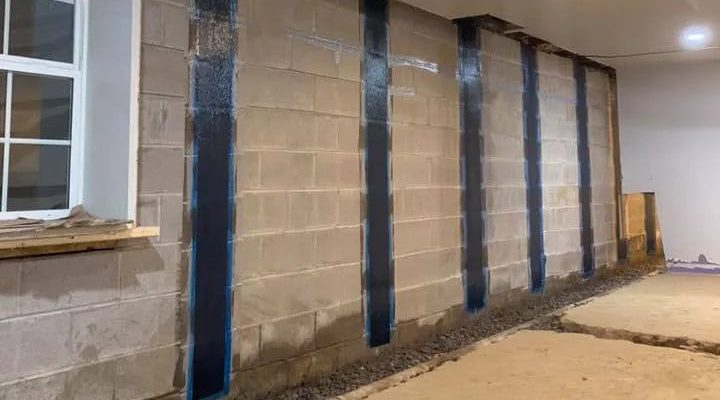
But what does that mean for you? Simply put, it means peace of mind. It means knowing your home or building is built to last, with materials designed to withstand the test of time. It’s about investing in longevity, strength, and reliability.

It’s not just about strength, though. Carbon fiber is also incredibly lightweight. This makes it easier to handle, reducing overall construction time.

It’s also corrosion-resistant, so it won’t deteriorate over time like other materials might.

Carbon Fiber Application in Foundations

You’ve learned about the superiority of carbon fiber, but what about its application in foundations?

It’s time to explore how understanding carbon fiber can benefit your foundation projects.

Let’s start with how this revolutionary material can make all the difference.

Understanding Carbon Fiber

Carbon fiber is a game-changer in the construction world, significantly when strengthening foundation walls. Imagine a robust and lightweight material that can reinforce structures without adding significant weight or bulk. That’s carbon fiber for you. Made of thin strands of carbon atoms, it’s robust and durable.

But how does it work in foundations? Carbon fiber doesn’t just sit on the surface. Instead, it’s bonded with the wall, creating a solid, unified structure. This bonding process doesn’t just make the wall stronger; it prevents further damage and degradation.

Understanding carbon fiber’s properties and its application is essential. Here’s a snapshot of what you need to know:

Property Explanation
High Tensile Strength Carbon fiber can withstand a lot of force without breaking.
Lightweight Despite its strength, carbon fiber is light, making it ideal for construction.
Corrosion-Resistant Carbon fiber doesn’t rust or corrode, ensuring long-term durability.
Temperature Tolerant It performs well under a wide range of temperatures.

Benefits for Foundations

So, why should you consider carbon fiber for your foundation walls? Here’s why – it brings robustness, longevity, and cost-effectiveness.

  1. Robustness: Carbon fiber is five times stronger than steel and twice as stiff, making it a superior choice for foundation reinforcement. It doesn’t just strengthen your walls; it enhances their resistance to lateral pressure, keeping them standing tall despite adverse conditions.
  2. Longevity: Unlike traditional materials, carbon fiber doesn’t corrode or degrade over time. It’s resistant to moisture and chemicals, ensuring your foundation walls last longer without needing constant maintenance or replacement.
  3. Cost-effectiveness: Carbon fiber may seem pricey initially, but it’s a one-time investment. It cuts down on future repair and replacement costs, making it a cost-effective choice in the long run.

Don’t you want a strong, durable, and cost-effective foundation? That’s what you’ll get with carbon fiber.

It’s not just about building a house; it’s about creating a home that’ll stand the test of time. With carbon fiber, you’re not just investing in a material but in peace of mind for the years to come.

Case Studies: Carbon Fiber Successes

Often, carbon fiber proves remarkably successful in reinforcing foundation walls. You might wonder, ‘What does this success look like?’

Let’s explore a few case studies highlighting carbon fiber’s effectiveness.

Imagine a 50-year-old residential building in Columbus, Ohio. The homeowner noticed cracks in the foundation walls, raising concerns about the building’s stability. A local contractor recommended carbon fiber reinforcement, guaranteeing the homeowner of the material’s strength.

After installation, the homeowner hasn’t reported any further foundation wall issues. That’s carbon fiber at work!

In another case, a commercial building in Boston had significant bowing in its foundation walls due to soil pressure. The building owner was worried about potential collapse.

Again, carbon fiber came to the rescue. Post-reinforcement, the walls have remained firm and stable for over five years.

Across the country in San Francisco, a Victorian house was experiencing similar foundational problems. Guess what the solution was? You got it – carbon fiber.

The age-old home now stands as solid as ever.

These case studies aren’t exceptions but norms. They show how carbon fiber can bolster foundation walls and guarantee long-term stability.

Future of Home Building Materials

Countless advancements are shaping the future of home-building materials. As a stakeholder in the industry, you’re likely keen to understand what’s on the horizon. Carbon fiber, in particular, holds promise for constructing sturdy, efficient homes.

Imagine a world where the foundations of homes aren’t only strong but are also energy-efficient and eco-friendly. This isn’t far-fetched with the promising developments in materials like carbon fiber.carbon-fiber-stablwall-2

As part of the carbon fiber revolution, here are the three main benefits to evaluate:

  1. Durability: Carbon fiber is known for its strength and longevity. It resists many environmental factors that typically degrade other materials over time.
  2. Energy Efficiency: Carbon fiber boasts impressive thermal insulation properties. This means reduced energy costs for heating and cooling.
  3. Sustainability: Carbon fiber can be manufactured with less waste and energy than traditional materials, so it’s a more environmentally friendly choice.

You’re not just building houses; you’re shaping the future of homes. By assessing the use of carbon fiber, you’re leading the way toward a more sustainable, efficient, and durable tomorrow.

Frequently Asked Questions

How Is the Durability of Carbon Fiber Affected by Extreme Weather Conditions?

Extreme weather doesn’t impact carbon fiber’s durability. It’s resistant to harsh conditions, meaning you won’t face issues with weakening or damage. Rest assured, your carbon fiber will stay strong, regardless of the weather.

What Is the Average Cost of Installing Carbon Fiber in Foundation Walls?

The average cost of installing carbon fiber in your foundation walls can vary greatly, typically between $5,000 and $15,000. It’s quite an investment, but you’re buying unbeatable stability and long-term peace of mind.

Are There Any Potential Health Risks Associated With Carbon Fiber Materials?

You’re safe – carbon fiber materials aren’t known to pose health risks. However, if fibers are released into the air during installation, they could irritate your skin, eyes, or respiratory system. Always use proper safety gear.

How Does the Use of Carbon Fiber in Foundations Impact Construction Timelines?

Using carbon fiber in foundations catapults construction timelines like a sprinter off the blocks. Installing and curing faster than traditional materials is more manageable, so you’re shaving off precious time without compromising stability.

Can carbon fiber be used to restore historical buildings?

You can use carbon fiber to restore historical buildings. It’s lightweight, strong, and doesn’t impact the original structure negatively. It’ll guarantee the building’s stability while preserving its historical integrity.

So, you’ve seen it yourself – carbon fiber and foundation walls are a match made in construction heaven. Coincidentally, they’re just what you need for long-term stability. With unbeatable strength, reduced maintenance, and cost-effectiveness, carbon fiber is not just a trend; it’s the future. It’s time you considered this power pair for your next project. After all, who doesn’t want a home that stands firm, lasts long, and respects our planet?

Contact the Professionals at StablWall Today! (866) 782-5955

stablwall-carbon-fiber-stablwall-3

How StablWall Carbon Fiber Strengthens Foundations and Prevents Cracks

You’ve likely heard of StablWall Carbon Fiber, but have you ever wondered how exactly it strengthens foundations and prevents cracks? This material, known for its unique resistance to hydrostatic pressure and expansive forces, is a game-changer in home maintenance. Imagine a lightweight, easy-to-install solution that addresses existing structural weaknesses and wards off potential damage. Intriguing, isn’t it? But how exactly does this work? Well, let’s explore the mechanics of this innovative technology.

Basement Waterproofing

In the domain of foundation repair, one of the most vital aspects to take into account is basement waterproofing. To prevent water damage, which can lead to costly repairs and decreased property value, it’s imperative to guarantee that your basement is adequately protected against moisture. This is where StablWall Carbon Fiber comes in.

StablWall Carbon Fiber offers a revolutionary solution for basement waterproofing. Unlike traditional methods, it doesn’t merely mask the symptoms of water damage. Instead, it addresses the root cause by strengthening the foundation itself. It’s designed to resist both hydrostatic pressure from the soil and the expansive forces of freezing and thawing cycles.stablwall-carbon-fiber-stablwall-1

By using StablWall, you’re not just waterproofing your basement. You’re enhancing its structural integrity. This is why it’s a preferred choice for many homeowners and contractors. It’s more than a quick fix. It’s a long-term solution that protects your investment and guarantees the stability of your home.

However, it’s significant to recognize that basement waterproofing isn’t a one-size-fits-all solution. Different basements require different approaches, depending on factors like the type of soil, the climate, and the age and condition of the foundation.

That’s why it’s essential to consult with a professional to determine the best approach for your situation.

Basement Waterproofing Techniques

Basement waterproofing techniques vary and you need to understand the options available to protect your home properly.

Your choice will depend on your home’s needs, the severity of the water problem, and of course, your budget.

Interior waterproofing, known as water control, can help manage water that’s already made its way into your home.

This method often involves the use of drains and sump pumps to collect and remove water.

It’s a useful technique if you’re dealing with minor, manageable seepage.

Exterior waterproofing, on the other hand, aims to keep water out completely.stablwall-carbon-fiber-stablwall-2

It’s a more intensive method, often involving excavation around your home to install drainage systems and apply waterproof coatings to your foundation.

This method is highly effective but can be more invasive and costly.

Another technique is the use of crack injections, suitable for sealing leaks in poured concrete walls.

This solution is often considered a temporary fix and may not be the best choice for severe water issues.

Lastly, you might consider a combination of these techniques.

By adopting StablWall Carbon Fiber, you’re investing in a robust solution that superbly strengthens your home’s foundation. It resists soil pressure, endures harsh weather cycles, and effectively halts existing and future damage. Its lightweight design makes installation a breeze. With StablWall, you not only waterproof your basement but also enhance your home’s structural integrity, offering you lasting peace of mind. Its performance is analytical, detailed, and precise – just what your home deserves.

Contact the Professionals at StablWall Today! (866) 782-5955

stablwall-carbon-fiber-technology-stablwall-3

The Advantages of Using StablWall Carbon Fiber for Long-Lasting Foundation Repair

Ever considered the benefits of using StablWall Carbon Fiber for your foundation repairs? It’s not only lightweight, making the installation a breeze, but it also evenly distributes load, effectively eliminating the risk of cracks and leaks. More than just a temporary fix, StablWall offers a durable solution to future moisture issues, reinforcing your foundation for the long haul. Now, wouldn’t you want to learn how this innovative technology could potentially save your property from water damage?

Basement Waterproofing

Dealing with basement moisture problems is a critical part of home maintenance. You might think that a bit of dampness in your basement isn’t a big deal, but it’s a precursor to more significant issues. Ignoring it won’t make the problem disappear. In fact, it might worsen over time, leading to structural instability in your foundation.

The main culprit behind this is hydrostatic pressure. This is the pressure that’s exerted by a fluid due to gravity. It’s constant at any point in a static fluid and directly proportional to the depth of the fluid, the density of the fluid, and the gravitational field strength.stablwall-carbon-fiber-technology-stablwall-1

In layman’s terms, the water in the soil around your foundation is pressing against the walls. Over time, this pressure can cause cracks to form and water to seep into your basement.

This is where StablWall Carbon Fiber comes in. It’s a product that’s designed to reinforce your foundation walls, making them stronger and more resistant to hydrostatic pressure. It works by distributing the load evenly across the wall, preventing the formation of cracks and leaks.

Basement Waterproofing Techniques

In the domain of foundation maintenance, various basement waterproofing techniques stand as essential tools for combatting moisture issues. You’ll find that these techniques are more than simple, quick fixes; they’re thorough, scientifically backed strategies that require precision and technical know-how.

Firstly, there’s the internal waterproofing method, which often involves applying waterproof coatings and sealants to the interior walls and floors of your basement. It’s a popular choice due to its cost-effectiveness and ease of application.

However, it’s not a one-size-fits-all solution and may not be effective against severe water intrusion.stablwall-carbon-fiber-technology-stablwall-2

Then, you have external waterproofing, a more extensive and invasive technique. It requires excavation around your home’s foundation to install a waterproof membrane and drainage system.

It’s a labor-intensive task but it offers a more long-lasting solution against water ingress.

Finally, there’s the installation of a sump pump system. This technique is effective in areas prone to flooding or high water table levels.

The system collects water and pumps it away from your home, ensuring your basement stays dry.

When it comes to long-lasting foundation repair, StablWall Carbon Fiber is your best bet. Its lightweight design and load-distributing ability reduce stress on your walls, preventing leaks and cracks. Plus, it’s a reliable defense against future moisture problems. So, not only does it fix your foundation issues, but it also protects your home from potential water damage. Trust StablWall for a durable, effective solution.

Contact the Professionals at StablWall Today! (866) 782-5955

stablwall-stablwall-1

StablWall Carbon Fiber: A Revolutionary Solution for Foundation Reinforcement

You’ve probably heard about StablWall Carbon Fiber, a groundbreaking solution for foundation reinforcement. It’s designed to withstand lateral pressure from water-saturated soil, meaning your basement walls won’t bow or crack. Not only does it handle waterproofing issues at its root, but it also guarantees structural integrity with little maintenance. But how does it compare to traditional waterproofing methods, and why should you consider it for your home? Stick around because we’re about to dig into the heart of this innovative technology.

Basement Waterproofing

When it comes to basement waterproofing, it’s paramount to evaluate an extensive approach, including the use of StablWall Carbon Fiber for foundation reinforcement. This revolutionary technology isn’t your standard waterproofing material—it’s a game-changer.

StablWall Carbon Fiber is a high-strength, lightweight material that’s been adopted from aerospace engineering to provide superior reinforcement to your home’s foundation. It’s a powerful tool in your waterproofing arsenal, providing a robust defense against the damaging effects of water, with the added benefit of bolstering your home’s structural integrity.stablwall-carbon-fiber-technology-stablwall-1

Unlike other solutions, StablWall Carbon Fiber doesn’t simply mask the problem, it addresses it at the source. It works by counteracting lateral pressure exerted by water-saturated soil, effectively preventing your basement walls from bowing or cracking.

Once applied, the carbon fiber bonds with the wall, creating a solid, impenetrable barrier against water intrusion.

Moreover, it’s a low-maintenance solution. Once installed, there’s no need for frequent checkups or additional applications. It’s a one-time investment that guarantees long-term results.

Basement Waterproofing Techniques

Building on the concept of foundation reinforcement, let’s now explore the various basement waterproofing techniques.

It’s essential to understand that effective waterproofing involves both internal and external approaches.

Externally, you should consider excavation and waterproofing. This method involves digging down to the foundation footer to install or replace drainage pipes, often accompanied by applying a waterproof coating to the exterior wall.

stablwall-carbon-fiber-technology-stablwall-2

It’s labor-intensive but provides robust protection.

Another external method is the installation of a French drain system. This technique diverts water away from your foundation, reducing the burden on your walls.

Internally, you might use interior water drainage. This strategy redirects water that enters your basement to a sump pump system, which then expels the water outside.

It’s less invasive than external methods but requires regular maintenance to guarantee the sump pump’s effectiveness.

Additionally, you can reinforce your basement walls with StablWall Carbon Fiber. This innovative product strengthens your walls against pressure from water and soil, providing another layer of protection.

So, you’re seeking a long-lasting solution for your foundation woes? StablWall Carbon Fiber is your answer. It’s not only incredibly strong but also lightweight, combating water pressure to prevent basement wall bowing or cracking. This barrier effectively addresses waterproofing issues, ensuring your home’s structural integrity with minimal upkeep. Plus, it’s compatible with various waterproofing methods. Trust StablWall for a durable, revolutionary foundation reinforcement solution.

Contact the Professionals at StablWall Today! (866) 782-5955