carbon-fiber-reinforcement-stablwall-3

How Carbon Fiber Reinforcement Prevents Costly Foundation Repairs

Have you ever considered the potential of carbon fiber reinforcement in preventing costly foundation repairs? It’s a lightweight, robust solution that helps homeowners save on recurring maintenance expenses. This technology enhances the foundation’s resilience against environmental stresses like soil movement and moisture changes, ensuring the integrity of the structure. But how exactly does this innovative material work? You’ll want to explore further to discover the science behind this cost-saving method and how it could revolutionize home construction and maintenance.

Key Takeaways

  • Carbon fiber reinforcement enhances structural strength, preventing foundation issues caused by environmental stressors.
  • Due to its exceptional strength-to-weight ratio, carbon fiber is stronger yet lighter than steel, reducing the likelihood of foundation failure.
  • The corrosion-resistant nature of carbon fiber minimizes maintenance needs, eliminating the costs associated with routine upkeep and potential future repairs.
  • The installation process for carbon fiber reinforcement is quicker and less labor-intensive than traditional foundation repairs, resulting in lower labor costs.
  • Although initial cost for carbon fiber reinforcement can be higher, long-term savings are realized through the elimination of future maintenance and repair costs.

Understanding Foundation Problems

Ever wondered why your walls crack or doors stick? It’s not just wear and tear, it’s a symptom of foundation problems.

You see, over time, environmental factors such as weather conditions and soil movement can wreak havoc on your home’s foundation. This is the invisible enemy you’re battling.

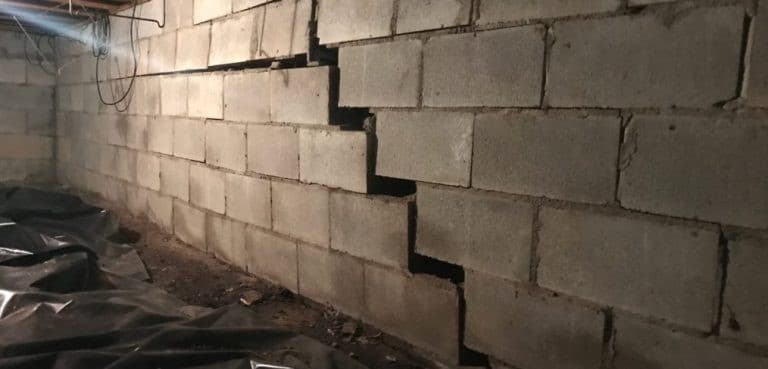
If you’ve noticed sloping floors, a leaning chimney, or cracked bricks, you’re dealing with foundation issues. The soil beneath your house expands and contracts due to changes in moisture levels. This movement can cause your foundation to shift, leading to the problems you’re seeing.

Maybe you’re thinking, “It’s just a small crack, no big deal.” But, it’s not that simple. Small cracks can lead to big problems if left untreated. Water can seep in, leading to mold and causing more damage.

Foundation problems aren’t just cosmetic. They’re a threat to your home’s structural integrity.

Addressing these issues early can save you a whole lot of money and stress in the long run. So, don’t ignore those cracks and sticky doors. They’re telling you something’s wrong.

What Is Carbon Fiber Reinforcement?
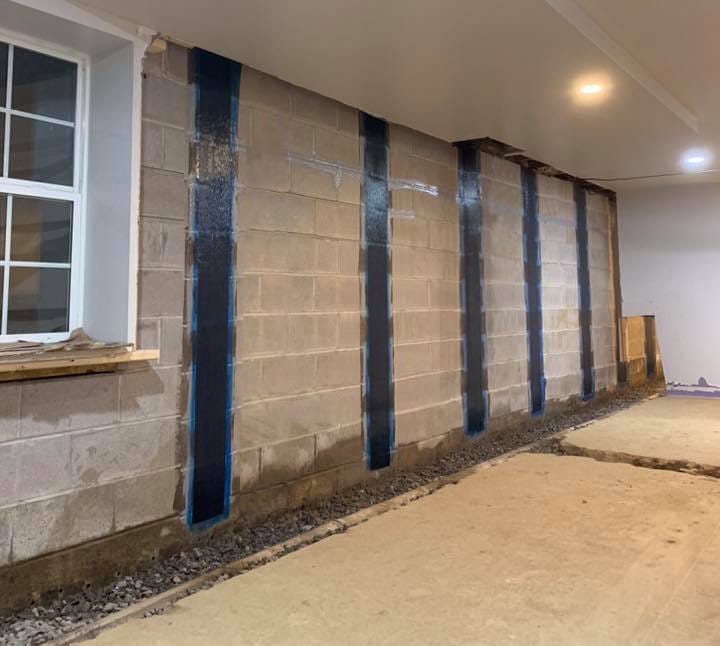
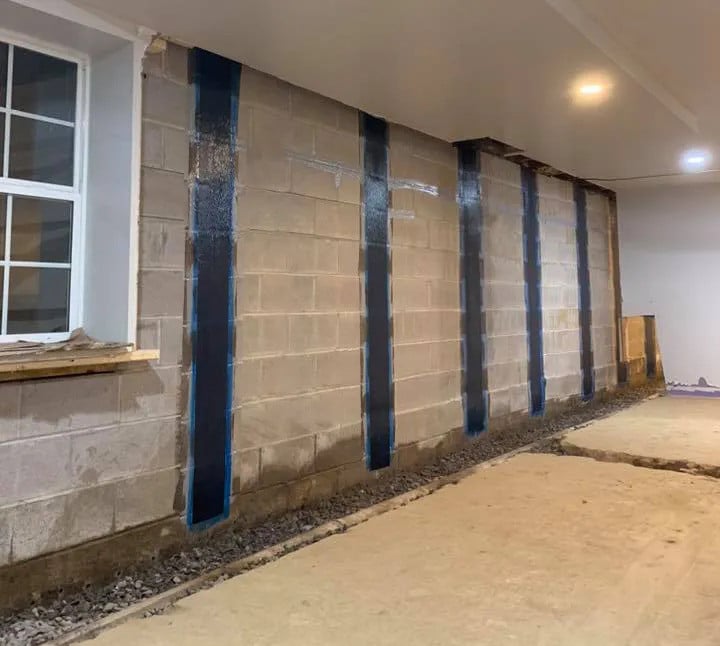
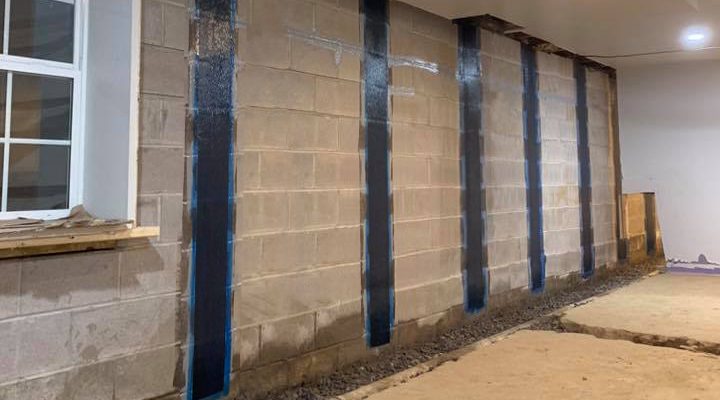
carbon-fiber-reinforcement-stablwall-1Considering the serious implications of foundation problems, it’s clear that a proactive solution is needed. That’s where carbon fiber reinforcement comes into play. In the simplest terms, it’s a technique used to strengthen the structural integrity of a building.

Picture carbon fiber as a high-tech fabric. It’s composed of thousands of strands of carbon atoms, forming an incredibly strong, yet flexible material. When it’s applied to a structure, it’s not just draped over the surface. It’s integrated within the foundation itself, creating a bond that’s stronger than steel.

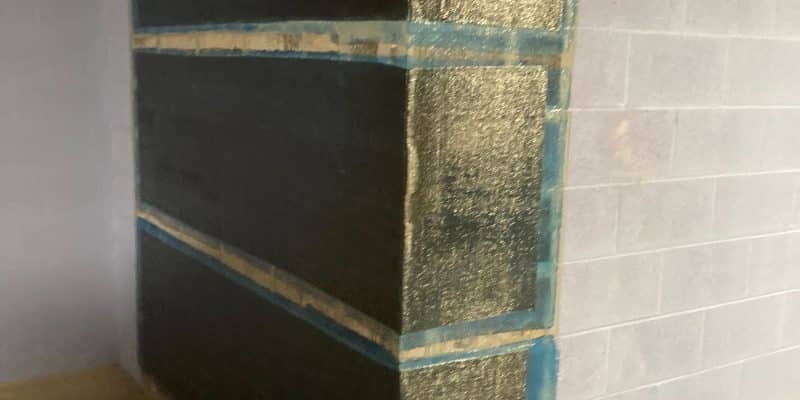
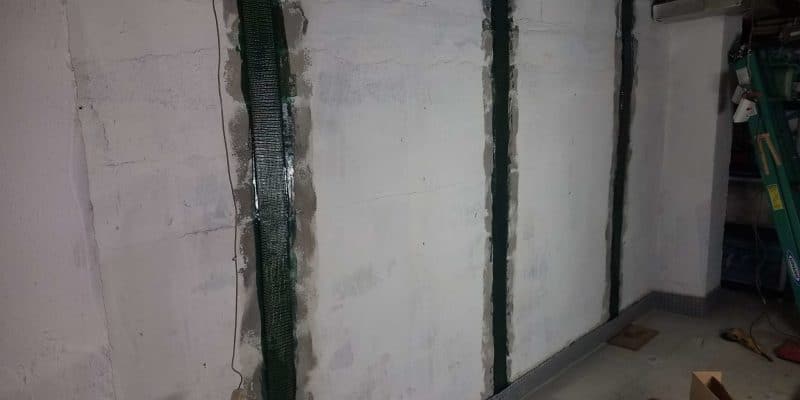
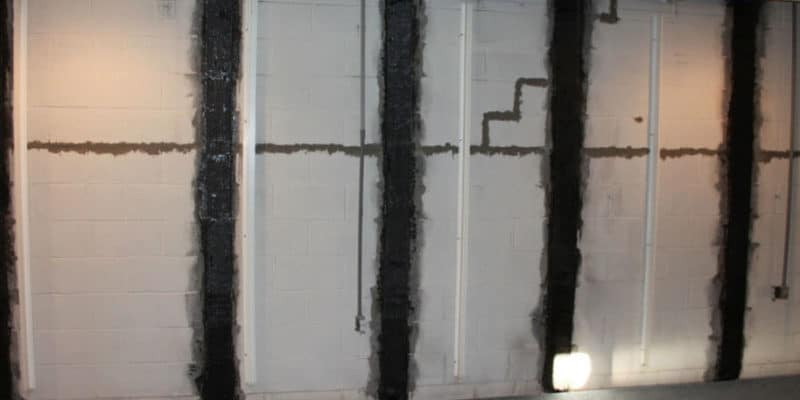
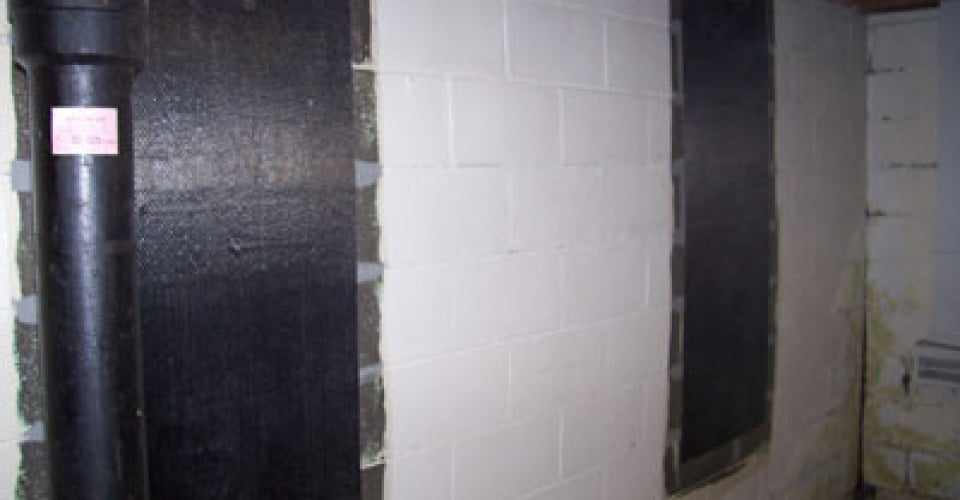
You might be wondering how it’s applied. Well, first, the foundation is cleaned and primed. Then, a layer of epoxy is applied. The carbon fiber is carefully positioned and pressed into the epoxy.

Once it’s hardened, you’re left with a reinforced structure that’s ready to withstand the tests of time and nature.

Benefits of Carbon Fiber in Construction

Imagine the skeleton of a building, strong and resilient, thanks to carbon fiber reinforcement. Carbon fiber’s benefits in construction are far-reaching. It’s not just about strength; it’s about practicality and cost savings too.

Firstly, you can’t ignore the astonishing strength-to-weight ratio of carbon fiber. It’s lighter than steel, yet it’s stronger and stiffer. This makes it an ideal material for reinforcement, especially in areas where weight is a concern. When you’re building high-rise structures, every pound matters.

Secondly, carbon fiber is corrosion-resistant. Unlike metals that rust over time, carbon fiber doesn’t degrade, which means it’s more durable and requires less maintenance. This longevity translates into cost savings for you.

Thirdly, carbon fiber’s adaptability is another plus. It can be molded into any shape, making it versatile for various construction needs.

Lastly, the installation process is quicker and less labor-intensive compared to traditional reinforcement materials. This not only reduces labor costs but also shortens construction timelines.

Carbon Fiber Vs Traditional Materials

When comparing carbon fiber to traditional materials like steel or concrete, you’ll find it outperforms in several key areas.

Carbon fiber is lighter, yet it’s stronger than steel. This means you’re getting a material that won’t weigh down your structure but will provide superior support.

Unlike steel, carbon fiber doesn’t rust or corrode, so you won’t have to worry about environmental damage eating away at your foundation.

Concrete, on the other hand, can crack and weaken over time, but carbon fiber maintains its strength for the long haul.

It’s not just about strength and durability, though. Carbon fiber is also more flexible than traditional materials.

This flexibility allows it to absorb and distribute loads, reducing the chances of foundation failure.

Lastly, you’ll find that carbon fiber is more cost-effective in the long run.

While the upfront costs may be higher, the long-term savings from reduced maintenance and repair needs make it a wise investment.

Applying Carbon Fiber Reinforcement

To reinforce your foundation with carbon fiber, you’ll first need to prepare the area. This involves cleaning the surface to guarantee it’s free of dust, oil, or any loose concrete.

Next, you’ll need to grind the wall to create a smooth, flat surface.

Once the area is prepped, you’ll apply an epoxy resin. This acts as a binding agent and guarantees the carbon fiber adheres securely to the wall. Make sure you’re using a quality epoxy that’s designed for use with carbon fiber.

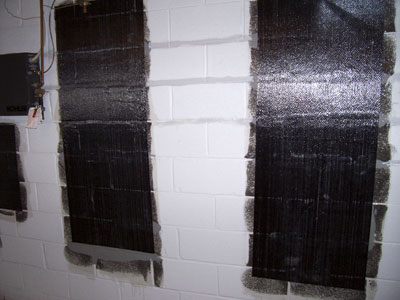
Now comes the part where you apply the carbon fiber. You’ll cut the carbon fiber fabric to the appropriate length and then press it into the epoxy. You’ll need to verify that it’s fully saturated with the epoxy and that there are no bubbles or wrinkles.

Lastly, you’ll cover the carbon fiber with another layer of epoxy. This seals it and helps guarantee it adheres properly to the wall.

Once the epoxy dries, your foundation is reinforced and ready to withstand the pressures it faces. It’s essential to recognize that while this process sounds simple, it’s best left to professionals to guarantee it’s done correctly.

Durability and Longevity of Carbon Fiber

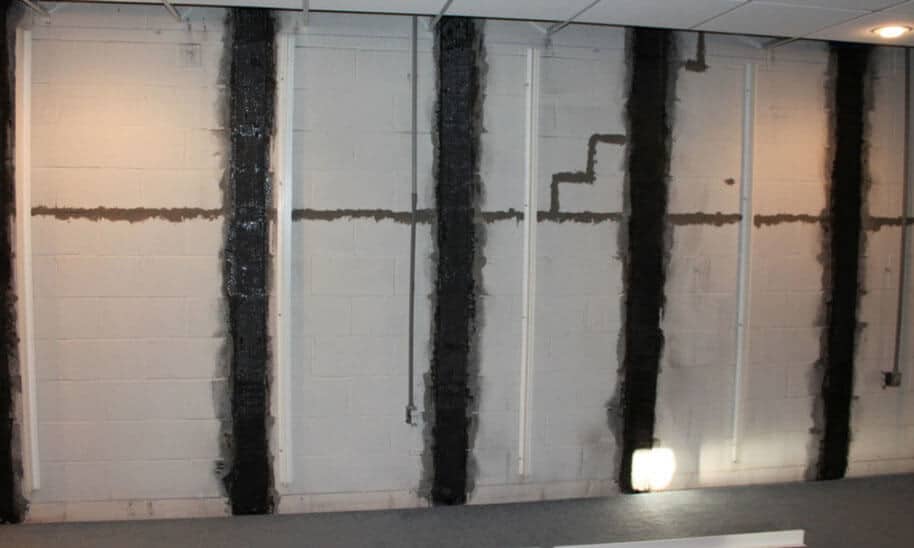
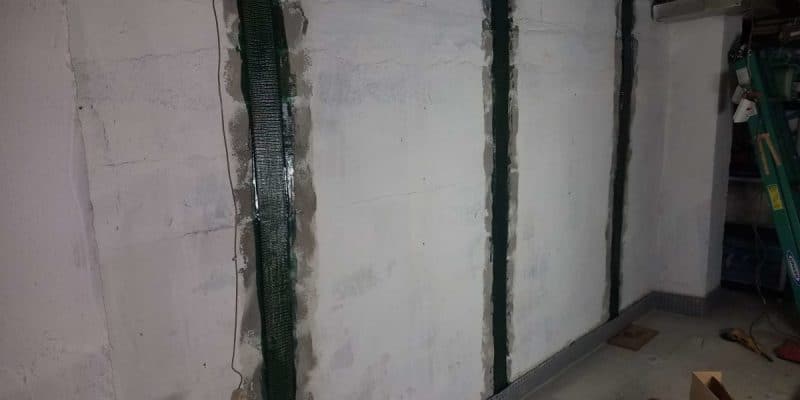
carbon-fiber-reinforcement-stablwall-2Having applied carbon fiber reinforcement to your foundation, you might wonder about its lifespan. Rest assured, carbon fiber is an incredibly durable material, known for its outstanding longevity. Its intrinsic qualities such as high tensile strength and corrosion resistance contribute to its long-lasting nature. You won’t be facing the need for a replacement anytime soon.

The longevity of carbon fiber is remarkable. Unlike other materials, it doesn’t degrade or weaken over time. It withstands the harshest conditions and adverse weather, maintaining its structural integrity.

It’s not affected by moisture or temperature fluctuations, which are common factors that deteriorate other materials.

What’s more, carbon fiber doesn’t need much maintenance. Once it’s installed, you don’t have to worry about it. It’s a set-and-forget solution, saving you time and stress.

In short, with carbon fiber reinforcement, you’re investing in durability and longevity. It’s a smart move that guarantees the stability of your foundation for years, even decades to come.

You’ll be reaping the benefits long after the initial investment. This way, carbon fiber effectively prevents costly future foundation repairs, proving its worth in the long run.

Cost Analysis: Carbon Fiber Vs Repairs

Let’s get down to brass tacks: what’s the cost comparison between carbon fiber reinforcement and traditional foundation repairs?

You might be surprised to learn that carbon fiber, while initially more expensive, can save you a bundle in the long run.

We’re about to break down these costs, so you can make the best decision for your home.

Carbon Fiber Reinforcement Costs

When considering the cost of carbon fiber reinforcement, it’s essential to weigh it against the potential expense of foundation repairs. Carbon fiber reinforcement, although initially seeming pricy, can save you significant amounts in the long run.

Firstly, understand that carbon fiber is a high-strength, lightweight material that’s more durable than steel. Its upfront cost is justified by its longevity and resilience. You’re not just paying for material; you’re investing in the longevity of your home.

The cost of carbon fiber reinforcement varies depending on the size and condition of your foundation. A small, fairly new foundation may require less reinforcement and as a result would cost less.

Larger, older foundations might need more extensive reinforcement, increasing the cost.

Moreover, the labor involved in applying carbon fiber reinforcement is less intensive compared to other foundation repair methods, which reduces labor costs.

It’s also important to note that carbon fiber reinforcement is a one-time expenditure. Unlike other methods, it doesn’t require frequent maintenance or additional costs down the line.

Repair Expenses Comparison

You might be wondering how the costs of carbon fiber reinforcement compare to traditional foundation repairs. Well, let’s explore that right now.

  1. Initial Costs: Traditional foundation repairs can cost anywhere from $5,000 to $15,000, depending on the severity of the damage. In contrast, carbon fiber reinforcement typically ranges from $4,000 to $12,000. So, you’re likely to save some cash initially with the carbon fiber method.
  2. Long-term Costs: Carbon fiber reinforcement is a one-time cost. Once it’s installed, you won’t need to spend another dime on it.

But traditional repairs might require additional fixes down the line, which could cost you more in the long run.

  • Maintenance Costs: Traditional repairs require regular maintenance, which can add up over time.

On the other hand, carbon fiber reinforcement doesn’t need any upkeep, cutting out those extra costs.

  • Indirect Costs: Traditional repairs can disrupt your life, forcing you to move out while the work’s being done.

That’s an indirect cost you won’t have with carbon fiber reinforcement.

In the end, carbon fiber reinforcement could save you a significant amount of money, both immediately and in the future.

Real-life Examples of Carbon Fiber Use

Although it may seem like a modern innovation, carbon fiber has been utilized in various ways for several years. You’ve likely seen carbon fiber in action without realizing it. It’s in the bodywork of high-performance cars, the frames of top-of-the-line bicycles, and even in the aerospace industry.

Take, for instance, the McLaren P1, a hypercar that’s body is entirely made of carbon fiber. This use of carbon fiber gives the car an exceptional strength-to-weight ratio, making it faster and safer. It’s not only high-end cars that are benefitting. More accessible vehicles like the BMW i3 are also incorporating carbon fiber into their design to improve performance and fuel efficiency.

In the world of cycling, carbon fiber isn’t just a luxury, it’s a necessity. High-end bikes like the Specialized S-Works Venge use carbon fiber frames to reduce weight and increase speed. This isn’t just for competitive cyclists, though. Even if you’re a casual rider, you’re likely to find carbon fiber in your helmet or handlebars.

In these ways, carbon fiber has been proving its worth in real-life applications, saving costs and boosting performance.

Future Prospects of Carbon Fiber Technology

Often, we witness the remarkable ways carbon fiber is currently being utilized, but its potential for the future is even more exciting. You might be wondering, “What are the future prospects of carbon fiber technology?” So, let’s explore.

  1. Infrastructure: You’ve seen carbon fiber’s strength in building reinforcement, but imagine it being used more extensively. It can guarantee the longevity of bridges, towers, and even cities, reducing repair costs considerably over time.
  2. Renewable Energy: Wind turbines could benefit from carbon fiber’s lightweight and robust attributes. Larger, more efficient blades could be constructed, leading to increased energy production.
  3. Automotive: While it’s already used in high-end vehicles, expect to see it in everyday cars. It’ll make them lighter, fuel-efficient, and safer.
  4. Aerospace: Carbon fiber’s lightweight and strength make it ideal for space exploration. It could potentially lower the cost of satellite and spacecraft production, making space more accessible.

Frequently Asked Questions

Are There Any Potential Health Risks Associated With Using Carbon Fiber Reinforcement?

No, there aren’t any known health risks associated with using carbon fiber reinforcement. It’s a safe method for structural repair, and you don’t have to worry about exposure to harmful substances or toxins.

Is Carbon Fiber Reinforcement Eco-Friendly and Sustainable?

Yes, carbon fiber reinforcement is both eco-friendly and sustainable. It’s made from recycled materials and, once installed, reduces the need for future repairs, thereby conserving resources. You’re investing in durability and environmental conservation.

Are There Government Incentives or Subsidies for Using Carbon Fiber in Construction?

You’re asking if there are government incentives for using carbon fiber in construction. Currently, there aren’t specific subsidies, but there may be general ones for innovative, sustainable construction methods. It’s worth checking with your local authority.

How Does Weather or Climate Influence the Performance of Carbon Fiber Reinforcement?

Weather or climate doesn’t greatly affect carbon fiber reinforcement. It’s resilient, withstanding temperature fluctuations. You’ll notice structures are safer and more durable, preventing costly repairs regardless of your region’s weather or climate conditions.

Can Carbon Fiber Reinforcement Be Used in Conjunction With Other Construction Materials?

Yes, you can use carbon fiber reinforcement with other construction materials. It’s often paired with concrete to boost its strength. So, you’re not limited to using it alone, enhancing its versatility in construction projects.

You’ll be amazed to know that carbon fiber has a strength-to-weight ratio nearly five times higher than steel. This makes it an incredibly cost-effective solution for foundation reinforcement. Not only does it save you from recurring repair expenses, but its durability guarantees your home’s foundation can withstand environmental stresses for years to come. So, isn’t it time you considered this innovative technology for your home? The future of foundation repair is here, and it’s wrapped in carbon fiber.

Contact the Professionals at StablWall Today! (866) 782-5955

carbon-fiber-reinforcement-stablwall-3

Revolutionizing Foundation Repair: The Benefits of Carbon Fiber Reinforcement

Did you know that carbon fiber reinforcement can increase the longevity of a building’s foundation by over 40%? You might be wondering how this remarkable material, more commonly associated with aerospace and luxury automobiles, is revolutionizing the world of foundation repair. It’s lighter and stronger than traditional materials, resistant to environmental damage, and offers a significant reduction in maintenance costs. Why then, you may ask, isn’t carbon fiber used more widely in construction? The answer may surprise you, prompting further exploration into this fascinating topic.

Key Takeaways

  • Carbon fiber offers superior strength and durability, outperforming traditional materials like steel in foundation repair.
  • The material’s resistance to environmental damage ensures long-term stability and resilience against harsh elements.
  • Carbon fiber effectively mitigates soil instability, enhancing structural integrity and safety of buildings.
  • Despite higher initial costs, carbon fiber proves cost-effective in the long run due to reduced maintenance and labor expenses.
  • Future trends suggest more widespread use of carbon fiber in foundation repair, with potential integration of AI, robotics, and 3D printing technologies.

Understanding Carbon Fiber Materials

While you might be familiar with the term, understanding the nature of carbon fiber materials can deepen your appreciation of their benefits. So, what’s it exactly? Carbon fiber is a polymer, which is a long chain of molecules, and it’s often referred to as graphite fiber. It’s incredibly strong, durable, and lightweight.

When you examine carbon fiber under a microscope, you’ll see thousands of tiny strands bundled together. Each strand is made up of carbon atoms linked in a pattern that makes the material extremely strong for its size. It’s the same pattern you’d find in a diamond, which is among the hardest substances on earth.

But strength isn’t the only advantage of carbon fiber. It’s also resistant to many chemicals and won’t rust like metal.

It’s rigid, yet it has a low density, which means it’s lightweight. This combination of properties makes it ideal for many applications, from aerospace to sporting goods.

Strength-to-Weight Ratio: Carbon Fiber Advantage

With respect to strength-to-weight ratio, carbon fiber truly shines. You see, this material is very light yet incredibly strong. In fact, carbon fiber is five times stronger than steel and twice as stiff, yet weighs about two-thirds less. This translates into a considerably lighter but stronger foundation repair solution.

Imagine a repair material that’s robust enough to hold up a building, but light enough for you to easily handle. That’s the carbon fiber advantage.

MaterialStrength-to-Weight Ratio
Carbon Fiber5x stronger than steel, 2x as stiff, 2/3 lighter
SteelStandard
AluminumLess than steel, but lighter
WoodLess than aluminum, but heavier

The table above makes it clear why carbon fiber is the top choice for foundation repair. It outperforms other materials regarding strength-to-weight ratio, giving you a repair solution that’s not only effective but also convenient to use.

Resistance to Environmental Damage

You’re probably wondering how carbon fiber reinforcement stands up against the elements.

Well, it’s time to explore how this material mitigates weather-related erosion, combats soil instability, and counters water infiltration.

Get ready to see how carbon fiber can resist environmental damage, offering a level of durability that’s hard to beat.

Consider the toll that extreme weather can take on your structures. Rain, wind, and freeze-thaw cycles can gradually erode your building’s foundation, causing cracks and instability over time. This is where carbon fiber reinforcement comes into play.

Carbon fiber is highly resistant to environmental damage. Its unique properties make it an ideal solution for mitigating weather-related erosion. It doesn’t just repair damage, it prevents it. By reinforcing your building’s foundation with carbon fiber, you’re investing in long-term stability and resilience against the harsh elements.

Unlike traditional materials like steel, carbon fiber doesn’t corrode or degrade over time. It’s impervious to moisture and temperature changes, making it an excellent defense against weather-related wear and tear.

It’s also lightweight and flexible, allowing it to adapt to the shifting needs of your structure without compromising its strength.

Not only does carbon fiber reinforcement protect your foundation from erosion, it also increases its overall structural integrity. By strengthening your foundation, you’re also enhancing the safety and longevity of your structure.

Combatting Soil Instability

Soil instability can wreak havoc on your structure’s foundation. It’s a pervasive issue, particularly in areas where the ground is prone to shifting or settling. The constant movement can cause cracking, bowing, and eventual failure of your foundation.

But don’t panic just yet! Carbon fiber reinforcement is here to save the day.

This ingenious solution provides unparalleled strength and durability to your foundation. It’s like giving it a suit of armor that can withstand the relentless push and pull of unstable soil. Carbon fiber’s tensile strength is higher than steel, making it extremely resistant to stretching or breaking.

It’s also non-corrosive, meaning it won’t deteriorate over time due to environmental factors.

You’re not just fortifying your foundation against soil instability, you’re also reducing future maintenance costs. Once carbon fiber reinforcement is applied, it’s there for the long haul. You won’t need to worry about regular check-ups or expensive repairs down the line.

In the battle against soil instability, carbon fiber reinforcement is your strongest ally. It’s time to revolutionize your foundation repair approach and give your property the protection it deserves.

Countering Water Infiltration

When it comes to water infiltration, carbon fiber reinforcement is a game-changer. It’s not just about stability, but also about resilience against environmental damage. You’ll appreciate how carbon fiber combats water penetration, a common problem that can lead to costly damages.

Check out the table below to understand how carbon fiber compares to traditional materials in countering water infiltration.

MaterialWater ResistanceDurability
ConcreteMediumHigh
SteelLowHigh
Carbon FiberHighVery High

As you can see, carbon fiber outperforms both concrete and steel. Unlike these materials, it doesn’t corrode, rust, or deteriorate when exposed to water. This makes it an ideal solution for foundations in areas prone to flooding or high humidity.

But it’s not just about resistance. Carbon fiber also offers a seamless application, meaning fewer joints where water can sneak in. You’re getting a long-lasting solution that not only reinforces your foundation but also safeguards it against the elements. So, when you’re evaluating foundation repair or reinforcement, don’t forget to take into account carbon fiber. It’s a choice you won’t regret.

The Easy Installation Process

Imagine transforming your structures with an incredibly strong, lightweight material that’s simple to install. Carbon fiber reinforcement offers just that.carbon-fiber-reinforcement-stablwall-1

It’s not only easy to handle due to its lightness but also straightforward to put in place. You won’t need heavy machinery to install carbon fiber. A few basic tools and a bit of time are all you need.

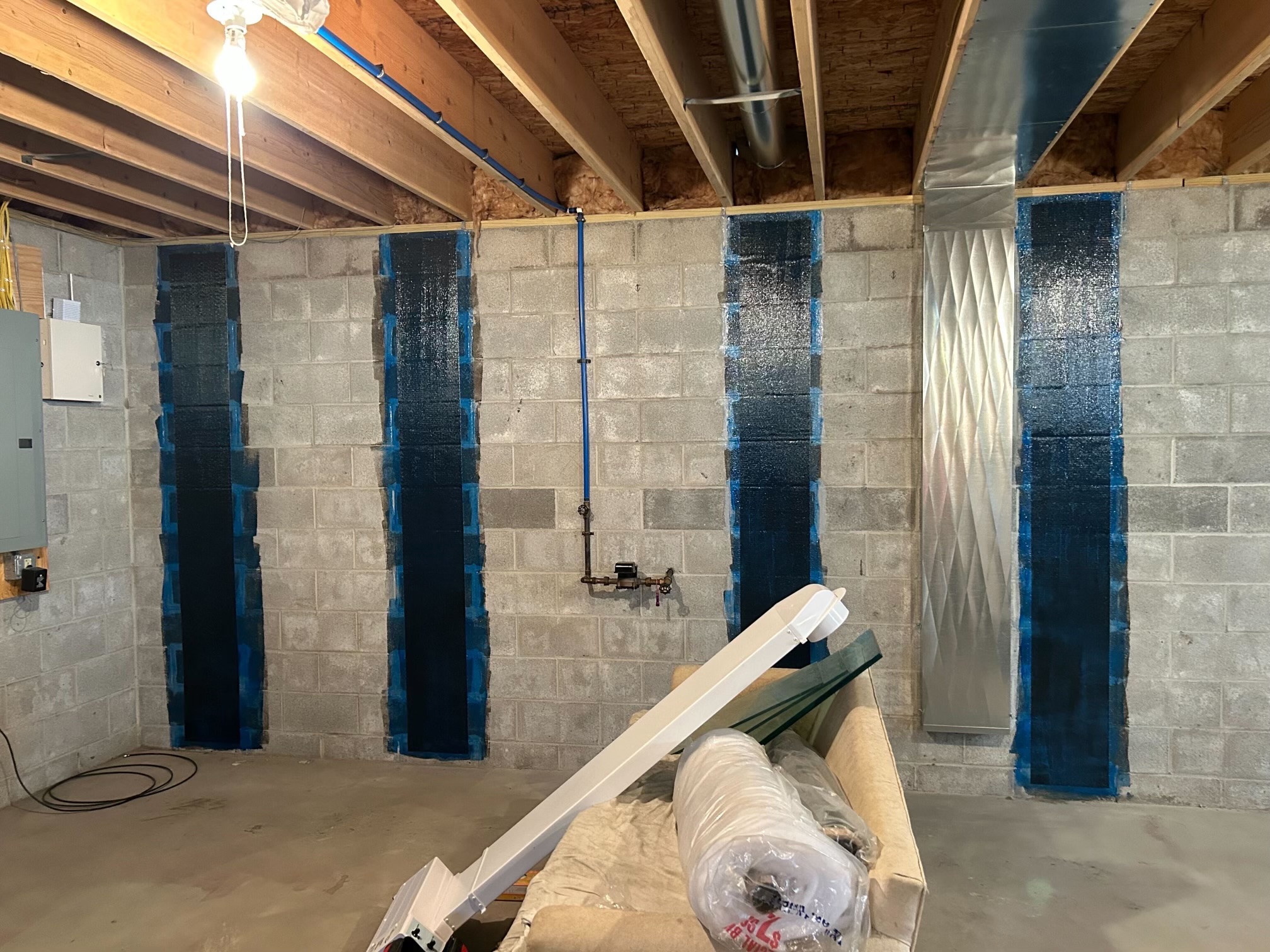
First, you’ll need to prepare the surface by removing any loose debris and ensuring it’s clean and dry. Then, you’ll apply an epoxy resin to the surface. Next, you’ll adhere the carbon fiber strip to the resin-coated surface.

You’ll appreciate the flexibility of carbon fiber, allowing it to conform to the contours of your structure, ensuring a snug and secure fit.

Once installed, it cures quickly, meaning you won’t have to wait long before it’s ready to do its job of reinforcing your foundation.

Cost-Effectiveness of Carbon Fiber

You might be wondering about the cost-effectiveness of carbon fiber reinforcement. Well, let’s explore that.

It’s true that the initial cost of carbon fiber might seem steep, but it’s the long-term savings where you’ll really see the benefit.

While the upfront cost of carbon fiber is higher than some traditional materials, that’s just part of the picture. The durability and longevity of carbon fiber means it’s not a repair you’ll need to repeat. It’s a one-time investment that’s going to last.

Imagine not having to worry about recurring expenses for foundation repairs. That’s what carbon fiber offers you.

In the long run, carbon fiber can actually be more cost-effective than traditional materials. You’re not just paying for the material itself, but for peace of mind.

You’re investing in a solution that’s not just a patch, but a permanent fix. When you factor in the cost of potential future repairs using traditional materials, the initial higher cost of carbon fiber becomes a smart investment.

You’re paying for quality, durability, and longevity. That’s the true cost-effectiveness of carbon fiber reinforcement.

Carbon Fiber Vs. Traditional Materials

You might wonder how carbon fiber stacks up against traditional materials.

Let’s compare the strength and assess the durability over time of both. This will give you a clear understanding of why carbon fiber is often the material of choice.

Strength Comparison

When it comes to strength, carbon fiber often outperforms traditional materials. It’s lighter, yet it can withstand substantial pressure and loads.

You might be wondering how this translates to foundation repair. Well, let’s break it down:

  • Weight Comparison: Carbon fiber is lighter than conventional materials like steel or wood. This makes it easier to handle and install, reducing labor costs.
  • Load Capacity: Despite its lightweight nature, carbon fiber can handle massive loads, making it ideal for supporting the weight of a structure.
  • Resistance to Deformation: Unlike traditional materials, carbon fiber doesn’t bend or warp under pressure. It maintains its shape, ensuring a stable foundation.
  • Compatibility: Carbon fiber can be combined with other materials to create composite reinforcements. These composites often provide even greater strength.
  • Environmental Impact: Carbon fiber has a smaller environmental footprint as it requires less energy to produce compared to traditional materials.

Durability Over Time

Consider the longevity of the materials you choose for your construction projects. Traditional materials like steel and concrete might seem reliable, but they can’t hold a candle to carbon fiber when it comes to durability over time.

Carbon fiber, with its high tensile strength and corrosion resistance, far outlasts traditional building materials. It’s virtually immune to the wear and tear that steel and concrete succumb to over the years. You won’t have to worry about rust or degradation with carbon fiber.

Here’s a quick comparison to illustrate this:

MaterialTensile StrengthCorrosion Resistance
SteelHighLow
ConcreteModerateModerate
Carbon FiberVery HighVery High

Longevity and Durability Factors

Bearing the brunt of heavy usage, carbon fiber reinforcements considerably outlast their traditional counterparts, thanks to their impressive longevity and durability factors.

You’ll find that they’re not just long-lasting, but they also retain their strength and structural integrity over the years.

But what really sets carbon fiber reinforcements apart?

Let’s look at five key factors:

  • Inherent Strength: Carbon fiber is stronger than steel and concrete, making it a robust choice for foundation repair.
  • Resistance to Environmental Factors: Unlike traditional materials, it’s highly resistant to corrosion and degradation, which means you’re not constantly worrying about repair and replacement costs.
  • Minimal Maintenance: Once installed, carbon fiber doesn’t need frequent upkeep, saving you time and money in the long run.
  • Adaptive to Temperature Changes: It can withstand extreme temperature variations without any loss in performance.
  • Lightweight yet Sturdy: Despite its lightweight properties, it provides the same, if not better, support and stability as its heavier counterparts.

With these qualities, it’s no surprise that carbon fiber is revolutionizing the foundation repair industry.

Case Studies: Successful Implementations

Having seen the impressive benefits of carbon fiber reinforcement, you might be curious about its real-world applications.

Let’s explore a few case studies that illustrate its successful implementation.carbon-fiber-reinforcement-stablwall-2

In California, a homeowner was battling with a sinking foundation that threatened the structural integrity of the property. Traditional methods were proving costly and disruptive.

Enter carbon fiber reinforcement, which provided a cost-effective, durable solution. The house was lifted, the foundation repaired with carbon fiber reinforcement, and the result? A strong, long-lasting foundation that’s held up for over a decade.

Over in Ohio, a historical building was beginning to show signs of foundation failure. The challenge was to repair the foundation while preserving the building’s original architecture.

Carbon fiber reinforcement was the answer. The repair was done discretely, maintaining the aesthetics of the property, while ensuring strength and durability of the foundation.

These cases illustrate the practicality and effectiveness of carbon fiber reinforcement.

It’s not just a theory, it’s a proven solution. Whether it’s a residential property or a historical building, carbon fiber reinforcement stands up to the test, providing a robust, reliable, and cost-effective foundation repair solution.

Peering into the future of foundation repair, it’s clear that innovative solutions are on the horizon. You’ll see a shift towards more durable, cost-effective, and environmentally friendly materials. Carbon fiber reinforcement, already a game-changer, will become even more prevalent.

Here’s a glimpse of what you can expect:

  • More use of carbon fiber: Its strength, flexibility, and durability make it perfect for foundation repair. You’ll see it being used more widely, not just for repairs but also in new construction.
  • Increased focus on sustainability: Expect eco-friendly materials and processes to become the norm.
  • AI and robotics: These technologies will play a bigger role in diagnosing and repairing foundation problems.
  • 3D printing: This technology could revolutionize the way foundations are repaired, making the process faster and more precise.
  • Remote monitoring systems: These will allow for real-time tracking of foundation health, enabling early detection and repair.

These trends will transform the foundation repair industry. You’ll see better, faster, and more affordable solutions.

Get ready for a future where foundation repairs are less disruptive, more efficient, and much more effective.

Safety Aspects of Carbon Fiber Reinforcement

When it comes to the safety aspects of carbon fiber reinforcement, there’s a lot to appreciate. This revolution in foundation repair has you covered, making your home safer and more secure.

Carbon fiber’s high tensile strength means it can withstand substantial pressure without breaking, reducing the risk of structural failure. It’s also resistant to corrosion and weather damage, increasing your home’s longevity and safety. You won’t have to worry about regular replacements or repairs, which can be both costly and dangerous.

Furthermore, the installation process is less invasive than traditional methods, reducing hazards during construction. No heavy equipment is required, eliminating the risk of injury from such machinery.

Plus, carbon fiber doesn’t release harmful substances, ensuring a healthier environment for you and your family.

Yet, it’s not just about physical safety. The peace of mind that comes with knowing your home’s foundation is secure is invaluable. You can rest easy knowing that, thanks to carbon fiber reinforcement, your home is built to last, standing strong against the elements and time.

In essence, carbon fiber reinforcement offers a safer, more reliable solution for foundation repair, protecting both your home and those within it.

Frequently Asked Questions

What Is the Impact of Carbon Fiber Reinforcement on a Buildings Aesthetic Appeal?

You’ll find carbon fiber reinforcement doesn’t impact a building’s aesthetic appeal negatively. It’s thin and unobtrusive, so it won’t alter your design. In fact, it’s often painted over, making it virtually invisible.

Are There Any Notable Downsides or Limitations to Carbon Fiber Reinforcement?

While carbon fiber’s strength is a game-changer, it’s not perfect. Its high cost can be a downside. It’s also less effective if your foundation’s issues stem from shifting soil or poor drainage.

How Does Carbon Fiber Reinforcement Affect a Buildings Resale Value?

By reinforcing your building with carbon fiber, you’re boosting its structural integrity. This can greatly increase your property’s resale value as potential buyers often prioritize well-maintained, durable structures over those requiring extensive repairs.

Can Carbon Fiber Reinforcement Be Applied to Already Damaged Structures?

Yes, you can apply carbon fiber reinforcement to already damaged structures. It’s a highly effective method for repairing and strengthening, reducing further damage and increasing the lifespan and safety of your building.

Yes, there are specific building codes for carbon fiber reinforcement. It’s essential you follow them to guarantee the safety and longevity of the structure. Always consult your local codes before beginning any reinforcement project.

So, you’re looking to revolutionize your foundation repair? Embracing carbon fiber reinforcement could be your golden ticket. Sure, it may seem a bit pricey upfront, but it’s a ‘pay now, save later’ game. Offering incredible strength, durability, and environmental resistance, this lightweight solution is a game-changer. It’s like giving your structure an invincible shield against time and elements. Look forward to fewer headaches, more savings, and a strong, steady foundation for years to come.

Contact the Professionals at StablWall Today! (866) 782-5955
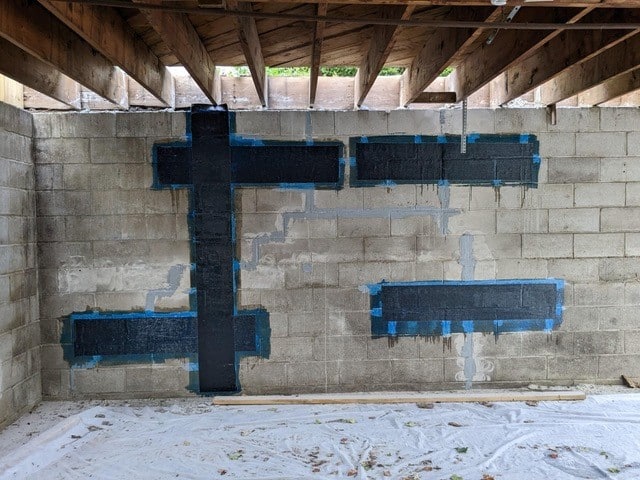
stablwall-stablwall-3

The Science Behind StablWall: How Carbon Fiber Reinforcement Revolutionizes Foundation Repair

Foundation stability is critical to the safety and longevity of any building. Traditional repair methods, such as steel beams or wall anchors, have long been the standard. However, these approaches often require extensive labor and come with limitations. StablWall’s carbon fiber reinforcement system is reshaping the industry by offering a solution that is both effective and minimally invasive.

What is Carbon Fiber, and Why is it Ideal for Foundations?

Carbon fiber is a composite material known for its superior strength-to-weight ratio. It is made by weaving strands of carbon atoms into a fabric that is both strong and flexible. In the context of foundation repair, carbon fiber’s unique properties allow it to stabilize walls without adding significant weight or bulk.

Properties of Carbon Fiber:

  • stablwall-stablwall-1High Tensile Strength: Carbon fiber can resist forces that would typically cause materials like concrete or steel to fail.
  • Flexibility: Despite its strength, carbon fiber can conform to various wall shapes, making it versatile for different foundation types.
  • Durability: Resistant to environmental factors like moisture, temperature changes, and corrosion, carbon fiber ensures long-lasting performance.

How Does StablWall Utilize Carbon Fiber?

StablWall has perfected the use of carbon fiber in foundation repair through its proprietary system. Unlike traditional reinforcements, which often involve heavy equipment and invasive techniques, StablWall focuses on simplicity and efficiency.

Step-by-Step Process:

  1. Inspection: A foundation specialist evaluates the damage and determines the best placement for carbon fiber reinforcement.
  2. Preparation: The wall is cleaned to create an optimal surface for bonding.
  3. Application: A strong adhesive epoxy is spread over the wall, followed by the placement of StablWall’s carbon fiber sheet.
  4. Curing: As the epoxy cures, the carbon fiber bonds to the wall, creating a seamless and strong reinforcement.

Key Benefits of StablWall’s Approach

  • Non-Invasive Repairs: Unlike wall anchors or steel beams, StablWall does not require excavation or major alterations to the home.
  • Fast Installation: The process can often be completed in a single day, minimizing disruption for homeowners.
  • Cost-Effective: With lower labor and material costs, StablWall offers an affordable alternative to traditional methods.
  • Invisible Reinforcement: Once installed, the carbon fiber sheets are virtually undetectable, preserving the interior aesthetics of the basement.

Applications of StablWall

stablwall-stablwall-2

StablWall’s versatility makes it suitable for a range of foundation problems:

  1. Bowing Walls: By resisting lateral soil pressure, StablWall prevents walls from bowing inward.
  2. Horizontal and Vertical Cracks: The system stops crack propagation and restores wall integrity.
  3. Preventive Reinforcement: Even if no visible damage is present, StablWall can be installed as a preventive measure in high-risk areas.

Comparing StablWall to Other Methods

FeatureStablWall Carbon FiberSteel BeamsWall Anchors
Installation Time1-2 DaysSeveral DaysSeveral Days
InvasivenessMinimalModerateHigh
CostAffordableExpensiveModerate
Aesthetic ImpactInvisible ReinforcementVisible Metal BeamsVisible Anchor Plates

StablWall’s Commitment to Long-Term Solutions

One of the standout features of StablWall is its focus on longevity. The materials used are designed to withstand decades of wear and environmental challenges. This ensures that homeowners won’t have to revisit the same foundation issues in the future.

Additionally, StablWall integrates seamlessly with waterproofing systems, enhancing the overall durability and functionality of the foundation. This combination makes it a go-to choice for contractors aiming to deliver comprehensive solutions.

Why Choose StablWall?

For homeowners dealing with foundation problems, the decision often comes down to finding a solution that is reliable, cost-effective, and minimally invasive. StablWall checks all these boxes, offering a modern alternative to traditional methods. Its proven track record and growing popularity are a testament to its effectiveness.

StablWall is more than just a foundation repair system—it is a commitment to quality and innovation. By harnessing the power of carbon fiber, this system provides homeowners with peace of mind, knowing their homes are protected against future structural challenges. Whether dealing with existing damage or looking for preventive measures, StablWall is a trusted choice for durable, efficient, and long-lasting foundation reinforcement.

Contact the Professionals at StablWall Today! (866) 782-5955

crawlspace-and-foundation-repairs-stablwall-3

How Carbon Fiber Wraps Are Transforming Crawlspace and Foundation Repairs

Crawlspaces and foundations are two of the most critical components of any home’s structure. Over time, these areas can suffer from a range of issues, including moisture buildup, soil movement, and structural stress, all of which can lead to cracking or bowing. While traditional repair methods like steel beams and wall anchors have been commonly used, carbon fiber wraps have emerged as a revolutionary alternative. In this article, we’ll explore how carbon fiber wraps transform crawlspace and foundation repairs, offering an efficient, durable, and cost-effective solution.

Crawlspaces are typically found beneath homes, providing access to electrical wiring, plumbing, and HVAC systems. However, they are also vulnerable to moisture, poor ventilation, and shifting soils, all of which can compromise the integrity of the foundation above them.

Common issues associated with crawlspaces and foundations include:

  1. Cracks in Walls and Floors: Over time, the foundation may begin to develop cracks due to soil pressure, water damage, or natural settling. These cracks can allow moisture to enter, leading to mold growth and further structural degradation.crawlspace-and-foundation-repairs-stablwall-1
  2. Bowing or Buckling Walls: In basements and crawlspaces, walls may begin to bow inward due to external pressure from water-saturated soil. This is particularly common in regions with heavy rainfall or expansive soils.
  3. Uneven Settling: Foundations can settle unevenly, leading to sloping floors and cracks in the walls. This is often caused by poorly compacted soil beneath the foundation or changes in moisture levels in the soil.
  4. Moisture and Mold: Crawlspaces are notorious for high humidity levels, which can lead to mold growth and wood rot. Over time, this can weaken the structural supports and create an unhealthy indoor environment.

Carbon fiber wraps are used to reinforce and strengthen areas of a foundation or crawlspace that have been compromised by cracks, bowing, or other damage. The wraps consist of high-strength carbon fibers bonded with an epoxy resin, allowing them to adhere to the existing structure.

Here’s how the process works:

  1. Surface Preparation: The first step in the carbon fiber wrap installation is preparing the surface of the foundation or wall. This typically involves cleaning the surface and removing any loose or damaged material. If cracks are present, they may need to be filled with epoxy before the carbon fiber wrap is applied.
  2. Applying the Epoxy Resin: Once the surface is ready, an epoxy resin is applied to the damaged area. This resin serves as the adhesive that bonds the carbon fiber wrap to the surface.
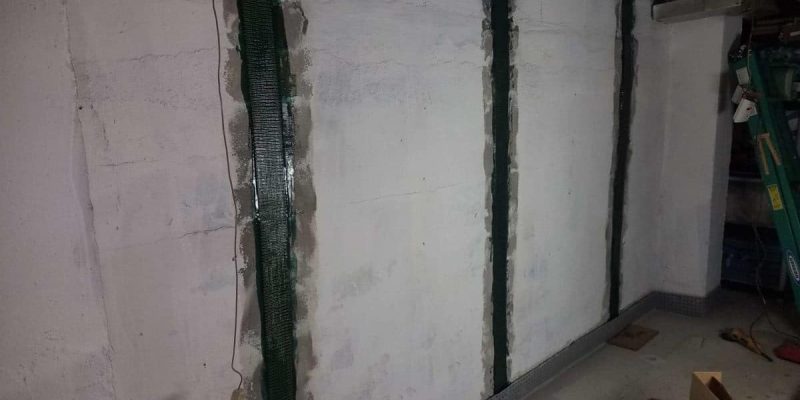
  3. Installing the Carbon Fiber Wrap: The carbon fiber wrap is then applied over the epoxy-coated surface, where it is pressed into place to ensure a strong bond. In most cases, the wrap is applied vertically along the wall to provide support against bowing or cracking.
  4. Curing and Hardening: After the carbon fiber wrap is in place, the epoxy resin is left to cure. Once it hardens, the carbon fiber wrap becomes a permanent reinforcement for the foundation or crawlspace wall, preventing further movement or damage.

There are several advantages to using carbon fiber wraps for crawlspace and foundation repairs:

  1. High Strength: Carbon fiber is incredibly strong, with a tensile strength that surpasses steel. This makes it ideal for reinforcing walls that are under stress from soil pressure or structural movement.
  2. Lightweight and Easy to Apply: Unlike steel or concrete reinforcements, carbon fiber wraps are lightweight and relatively easy to install. This means that repairs can be completed more quickly and with less disruption to the home.
  3. Non-Corrosive: One of the biggest benefits of carbon fiber is its resistance to moisture and corrosion. This is particularly important for crawlspaces and basements, where high humidity levels can cause traditional steel reinforcements to rust over time.
  4. Minimal Disruption: Carbon fiber wraps can be applied without the need for extensive excavation or construction work, which makes the repair process faster and less disruptive for homeowners.

While carbon fiber wraps are commonly used for crawlspace and foundation repairs, they have a wide range of applications in both residential and commercial construction:

  1. Bowing Basement Walls: Carbon fiber wraps are often used to stabilize basement walls that have begun to bow inward due to hydrostatic pressure. The wraps are applied vertically along the wall to prevent further movement.crawlspace-and-foundation-repairs-stablwall-2
  2. Foundation Crack Repair: Cracks in the foundation can be reinforced with carbon fiber wraps, which provide a permanent seal and prevent the crack from expanding.
  3. Crawlspace Wall Reinforcement: In crawlspaces, carbon fiber wraps can be applied to walls that are showing signs of stress or movement. This helps prevent further damage and ensures the structural integrity of the home.
  4. Beam and Column Reinforcement: Carbon fiber wraps can also be used to reinforce beams and columns in areas with heavy loads or where structural supports have been compromised.

While carbon fiber wraps offer several benefits, there are some limitations to their use:

  1. Not Suitable for Severe Damage: In cases where the foundation has experienced severe structural damage, carbon fiber wraps may not be enough to provide the necessary reinforcement. More extensive repairs, such as underpinning or wall anchors, may be required.
  2. Requires Professional Installation: While carbon fiber wraps are relatively easy to apply, they require specialized knowledge and equipment to ensure proper installation. Homeowners should always work with a professional contractor who has experience with carbon fiber repairs.

Carbon fiber wraps have transformed the way crawlspace and foundation repairs are approached, offering a strong, durable, and cost-effective solution for reinforcing walls and preventing further damage. Their ease of installation, high tensile strength, and resistance to moisture make them an ideal choice for homeowners looking to address cracks, bowing, and other structural issues. As the demand for non-invasive, long-lasting foundation repair solutions continues to grow, carbon fiber wraps will remain at the forefront of modern construction practices.

Contact the Professionals at StablWall Today! (866) 782-5955
foundation-repair-stablwall-3

Innovative Solutions in Foundation Repair: Why StablWall Stands Out

Foundation repair has evolved significantly over the years, with advancements in technology leading to more effective and less invasive solutions. One company that has been at the forefront of these innovations is StablWall. This article delves into the technological advancements in foundation repair, highlighting how StablWall’s cutting-edge products and services are revolutionizing the industry and setting new standards for quality and durability.

The Evolution of Foundation Repair:

foundation-repair-stablwall-1

Traditional foundation repair methods often involved extensive excavation, structural alterations, and significant disruption to the home and surrounding property. These methods, while effective, were costly, time-consuming, and often left a lasting impact on the home’s appearance.

However, with the advent of new materials and techniques, foundation repair has become more efficient and less invasive. Carbon fiber technology, in particular, has transformed the way foundation repairs are conducted. This lightweight yet incredibly strong material offers a non-intrusive solution to foundation issues, providing reinforcement without the need for extensive construction work.

StablWall’s Carbon Fiber Technology:

At the heart of StablWall’s success is its innovative use of carbon fiber technology. Carbon fiber is known for its high strength-to-weight ratio, making it an ideal material for reinforcing foundation walls. StablWall’s carbon fiber strips are designed to bond with the foundation, creating a strong, stable, and durable solution to common foundation problems.

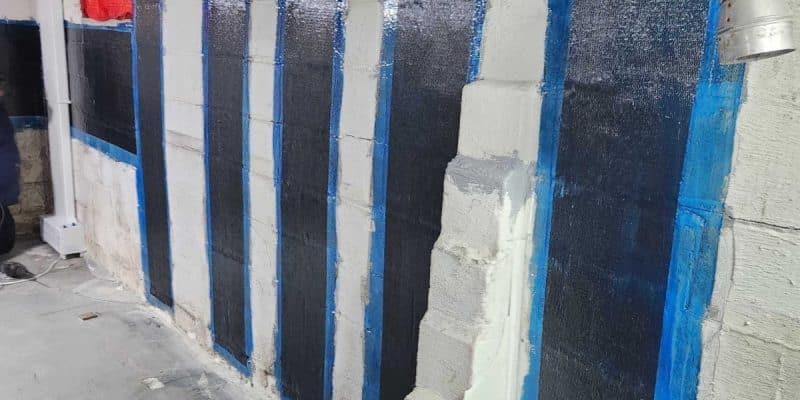
The application process is straightforward and minimally invasive. The carbon fiber strips are applied directly to the foundation walls using a specialized epoxy. Once cured, these strips provide exceptional tensile strength, effectively preventing further movement or cracking of the foundation. This method not only strengthens the existing structure but also prevents future damage, ensuring the long-term stability of the home.

Ease of Installation:

One of the significant advantages of StablWall’s technology is the ease of installation. Unlike traditional methods that require heavy machinery, extensive digging, and structural changes, StablWall’s carbon fiber strips can be installed quickly and with minimal disruption to the home.

The installation process typically involves cleaning the affected area, applying the epoxy, and then placing the carbon fiber strips in strategic locations along the foundation walls. The process is completed in a fraction of the time required for traditional repairs, and homeowners can often remain in their homes during the repair work.

Long-Term Benefits of StablWall’s Technology:

StablWall’s approach to foundation repair offers numerous long-term benefits. The carbon fiber strips provide a permanent solution, eliminating the need for future repairs in most cases. This longevity translates into significant cost savings for homeowners, as they won’t need to invest in further foundation work down the line.

Additionally, the non-invasive nature of the repair process preserves the aesthetic integrity of the home. There’s no need for extensive excavation or alterations to the property, meaning that the home’s appearance remains unchanged. This is particularly important for homeowners who wish to maintain the original look and feel of their property.

Case Studies: Success Stories with StablWall:

StablWall’s technology has been successfully implemented in numerous projects, with homeowners across the country benefiting from its innovative approach. From small residential repairs to larger-scale projects, StablWall has consistently delivered outstanding results.

One notable example is a historic home that was experiencing severe foundation issues due to soil movement. Traditional repair methods would have required significant excavation and potential damage to the home’s original structure. However, with StablWall’s carbon fiber technology, the foundation was reinforced without altering the home’s appearance, preserving its historical value while ensuring its structural integrity.

Why StablWall is a Leader in the Industry:

foundation-repair-stablwall-2StablWall’s success is not only due to its innovative products but also its commitment to customer satisfaction. The company’s team of experts works closely with homeowners to assess their specific needs and develop customized repair solutions. This personalized approach, combined with the reliability of their technology, has earned StablWall a reputation as a leader in the foundation repair industry.

StablWall also offers comprehensive warranties on its products and services, giving homeowners peace of mind that their investment is protected. This dedication to quality and customer service has made StablWall the go-to choice for homeowners seeking durable and effective foundation repair solutions.

In the ever-evolving field of foundation repair, StablWall stands out as a pioneer in innovation and quality. Their use of carbon fiber technology has revolutionized the industry, providing homeowners with a reliable, non-invasive solution to foundation issues. With StablWall, homeowners can trust that their foundation will remain strong and stable for years to come, backed by a company that values customer satisfaction and long-term results.

Contact the Professionals at StablWall Today! (866) 782-5955
foundation-repair-techniques-stablwall-3

Exploring Foundation Repair Techniques: Ensuring Stability and Longevity

Foundation repair is essential for the long-term stability and safety of any building. A compromised foundation can lead to significant structural issues, costly repairs, and even pose safety hazards. This article delves into various foundation repair techniques, their applications, benefits, and the importance of addressing foundation problems promptly.

The Importance of Foundation Repair

Why Foundation Repair is Crucial

  1. Structural Integrity
    • The foundation supports the entire structure. Any damage can compromise the building’s stability, leading to potential collapse.
  2. Property Value
    • A damaged foundation can significantly reduce the value of a property. Prospective buyers are often wary of homes with foundation issues.
  3. Safety
  4. Preventing Further Damage

Common Foundation Problems

  1. Foundation Settlement
    • When the soil beneath the foundation compresses or erodes, the foundation can settle unevenly, leading to cracks and structural instability.foundation-repair-techniques-stablwall-1
  2. Foundation Heave
    • Expansive soils that swell with moisture can push the foundation upwards, causing cracks and displacement.
  3. Bowing Walls
    • Lateral pressure from soil can cause foundation walls to bow inward, compromising their structural integrity.
  4. Cracks in Foundation
    • Cracks can occur due to various factors, including soil movement, temperature changes, and construction defects.
  5. Water Infiltration
    • Poor drainage and waterproofing can lead to water seeping into the foundation, causing erosion and weakening the structure.

Foundation Repair Techniques

1. Piering and Underpinning

  • Helical Piers
    • Helical piers are steel shafts with helical plates that are screwed into the ground to stabilize the foundation. They are suitable for various soil conditions and provide immediate load-bearing capacity.
  • Push Piers
    • Push piers are hydraulically driven into the ground until they reach stable soil or bedrock. They are ideal for heavy structures and significant settlement issues.
  • Underpinning
    • Underpinning involves extending the foundation’s depth or breadth to transfer the load to more stable soil. This technique is used when the existing foundation is unstable or requires strengthening.

2. Slabjacking

  • Mudjacking
    • A mixture of cement, sand, and water is pumped under the foundation to lift and stabilize it. Mudjacking is cost-effective and works well for minor settlement issues.
  • Polyurethane Foam Injection
    • High-density polyurethane foam is injected under the foundation, expanding to fill voids and lift the foundation. It is quicker and less invasive than mudjacking.

3. Wall Stabilization

  • Carbon Fiber Straps
    • Carbon fiber straps are applied to foundation walls to reinforce and stabilize them. They are lightweight, durable, and minimally invasive.
  • Steel I-Beams
  • Wall Anchors
    • Steel plates are installed inside the foundation walls and anchored to soil or bedrock outside. Tension rods are used to stabilize and straighten bowing walls.

4. Crack Repair

  • Epoxy Injections
    • Epoxy is injected into cracks to seal them and restore the foundation’s structural integrity.
  • Polyurethane Injections
    • Polyurethane fills and seals cracks, preventing water infiltration and further damage.

5. Drainage Solutions

  • French Drains
    • French drains are installed around the foundation to redirect water away from the structure, preventing soil erosion and water infiltration.
  • Surface Drains
    • Surface drains collect and divert water away from the foundation, reducing hydrostatic pressure and preventing water damage.
  • Sump Pumps

Choosing the Right Foundation Repair Method

1. Assessment and Diagnosis

  • Professional Inspection
    • Hire a professional foundation repair contractor to assess the extent of the damage and identify the underlying causes.
  • Soil Analysis
    • Conduct a soil analysis to determine the type of soil and its properties. This information is crucial for selecting the appropriate repair method.

2. Cost and Feasibility

  • Budget Considerations
    • Evaluate the cost of various repair methods and choose one that fits your budget while effectively addressing the issue.
  • Feasibility
    • Consider the feasibility of each repair method based on the extent of the damage, soil conditions, and the type of foundation.

3. Long-Term Effectiveness

  • Durability
    • Choose a repair method that provides long-term stability and prevents future problems.
  • Maintenance Requirements
    • Consider the maintenance requirements of each repair method and choose one that is manageable.

Preventive Measures for Foundation Maintenance

  1. Maintain Proper Drainage
    • Ensure gutters and downspouts direct water away from the foundation. Install French drains or surface drains if necessary.
  2. Control Moisture Levelsfoundation-repair-techniques-stablwall-2
    • Use soaker hoses to maintain consistent soil moisture around the foundation during dry periods.
  3. Regular Inspections
    • Conduct regular inspections of your foundation for signs of damage. Early detection can prevent more significant issues.
  4. Tree and Shrub Management
    • Plant trees and shrubs away from the foundation to prevent root intrusion and soil displacement.
  5. Foundation Watering System
    • Install an automated foundation watering system to maintain consistent soil moisture levels.

Foundation repair is essential for maintaining the structural integrity and value of your home. Understanding the various repair techniques and their applications can help you make informed decisions when addressing foundation problems. Regular maintenance and early detection are key to preserving the longevity of your home. Whether you opt for DIY inspections or hire a professional contractor, taking proactive steps will safeguard your investment and provide peace of mind.

Contact the Professionals at StablWall Today (866) 782-5955

carbon-fiber-repair-stablwall-3

Step-by-Step Guide to Carbon Fiber Repair

Carbon fiber repair involves a series of precise steps to restore damaged components to their original strength and appearance. This step-by-step guide outlines the entire repair process, from assessing the damage to final inspection, providing detailed instructions for each stage. Whether you’re a seasoned professional or new to carbon fiber repair, this guide will help you achieve high-quality results.

Assessing the Damagecarbon-fiber-repair-stablwall-1

The first step in any repair is to assess the extent of the damage. This involves a detailed inspection and documentation of the affected area. Visual inspection can reveal obvious signs of damage such as cracks, delamination, and surface scratches. Advanced diagnostic tools, such as ultrasound or thermography, can detect hidden damage that is not visible to the naked eye. Understanding the full extent of the damage is crucial for planning the repair.

Preparing the Area

Once the damage has been assessed, the next step is to prepare the area for repair. This involves cleaning the damaged area to remove any dirt, grease, or loose fibers. Sanding the area creates a smooth surface for the repair materials to adhere to. Masking off the surrounding areas with tape protects them from resin and dust during the repair process.

Cutting the Fabric

Accurate measurement and cutting of the carbon fiber fabric are essential for a successful repair. The fabric should be cut to the correct size and shape to cover the damaged area completely. Using a rotary cutter or sharp scissors ensures clean, precise cuts. For complex shapes, templates can be used to achieve the desired contours. 

Mixing the Resin

Choosing the right resin is crucial for a strong bond. Epoxy resin is commonly used for carbon fiber repair due to its excellent adhesion and durability. Proper mixing of the resin is essential to ensure consistent properties throughout the repair. Follow the manufacturer’s instructions for the correct ratio of resin to hardener and mix thoroughly to avoid air bubbles.

Applying the Fabric and Resin

The next step is to apply the carbon fiber fabric and resin to the damaged area. Start by applying a thin layer of resin to the prepared surface. Place the fabric over the resin and use a roller or brush to saturate it completely. Layering techniques can be used to build up multiple layers of fabric for added strength. Ensure each layer is fully saturated with resin before applying the next one.

Curing the Repair

Curing the repair is a critical step that determines the final strength and durability of the repair. Different curing methods can be used, including room temperature curing, heat curing, and vacuum bagging. Vacuum bagging involves placing the repair under a vacuum-sealed bag and applying pressure to remove air bubbles and ensure even resin distribution. Autoclave curing uses high pressure and temperature to achieve the best possible bond.

Finishing Touches

After curing, the repaired area needs to be finished to match the surrounding surface. This involves sanding the repair to remove any rough edges and create a smooth finish. Protective coatings can be applied to enhance the durability and appearance of the repair. These coatings also protect the repaired area from environmental factors such as UV light and moisture.

Final Inspection and Testingcarbon-fiber-repair-stablwall-2

The final step is to inspect and test the repair to ensure it meets the required standards. Visual inspection checks for any remaining flaws or imperfections. Structural testing, such as flexural or tensile tests, verifies the strength of the repair. Non-destructive testing methods, such as ultrasound, can be used to check for internal defects. Ensuring the repair is done correctly is crucial for the longevity and performance of the carbon fiber component.

Carbon fiber repair is a meticulous process that requires attention to detail and the use of appropriate techniques and materials. By following this step-by-step guide, you can achieve high-quality repairs that restore the strength and appearance of damaged carbon fiber components. From assessing the damage to final inspection, each step is crucial for a successful repair. With practice and experience, you can master the art of carbon fiber repair and ensure the longevity and performance of your components.

Contact the Professionals at StablWall Today (866) 782-5955

carbon-fiber-repair-stablwall-3

Unlocking the Future: Investing in Carbon Fiber Repair for Your Basement Walls

When it comes to home improvement, the foundation is often overlooked. Yet, it’s the very cornerstone upon which your entire home stands. Neglecting the health of your basement walls can lead to a cascade of problems, from structural instability to costly repairs. Fortunately, advancements in construction technology offer innovative solutions, and one such solution gaining traction is carbon fiber repair for basement walls. In this article, we’ll delve into why investing in carbon fiber repair could be one of the wisest decisions you make for your home.

Understanding the Problem

Basement walls are susceptible to various stressors, including hydrostatic pressure from surrounding soil, lateral earth pressure, and even natural settling of the structure over time. These factors can lead to cracks, bowing, or even outright failure of the walls. Traditional methods of repair often involve invasive techniques like excavation and rebuilding, which are not only disruptive but also expensive.

Enter Carbon Fiber

Carbon fiber is a lightweight, high-strength material known for its exceptional durability and resistance to corrosion. In recent years, it has revolutionized the construction industry as a reliable solution for reinforcing structures. Carbon fiber repair involves applying strips or sheets of carbon fiber reinforced polymer (CFRP) to the affected areas of the basement walls.

The Advantages of Carbon Fiber Repair

  1. Strength and Durability: Carbon fiber has a tensile strength greater than that of steel, making it an ideal material for reinforcing weakened structures. Once applied, carbon fiber forms a strong bond with the existing wall, effectively preventing further deterioration.carbon-fiber-repair-stablwall-1
  2. Minimal Disruption: Unlike traditional repair methods that may require extensive excavation and reconstruction, carbon fiber repair is minimally invasive. The process typically involves surface preparation followed by the application of CFRP strips directly onto the wall surface. This means less mess, less noise, and minimal disruption to your home life during the repair process.
  3. Cost-Effectiveness: While the upfront cost of carbon fiber repair may seem higher than traditional methods, it offers significant long-term savings. By addressing the problem at its source and preventing further damage, carbon fiber repair eliminates the need for costly future repairs. Additionally, the speed and efficiency of carbon fiber repair can result in lower labor costs compared to traditional methods.
  4. Versatility: Carbon fiber repair can be tailored to suit the specific needs of your basement walls. Whether you’re dealing with cracks, bowing, or other forms of damage, CFRP materials can be applied in various configurations to provide targeted reinforcement.
  5. Non-Intrusive Aesthetic: Unlike bulky steel beams or concrete buttresses, carbon fiber repair solutions are sleek and low-profile. Once installed, they blend seamlessly with the existing structure, preserving the aesthetic appeal of your basement space.
  6. Resilience to Environmental Factors: Carbon fiber is inherently resistant to corrosion, rust, and degradation caused by moisture or chemical exposure. This means that once installed, carbon fiber reinforcement will maintain its integrity even in harsh environmental conditions, ensuring long-lasting protection for your basement walls.

The Future of Structural Repair

carbon-fiber-repair-stablwall-2

As technology continues to advance, so too do the options available for addressing structural issues in homes and buildings. Carbon fiber repair represents a cutting-edge solution that combines strength, durability, and efficiency to safeguard your home’s foundation. By investing in carbon fiber repair for your basement walls, you’re not just fixing a problem – you’re future-proofing your home against potential issues down the line.

Your home is more than just a shelter – it’s an investment in your future and the well-being of your family. Don’t let foundation problems undermine the stability and value of your property. Consider the advantages of carbon fiber repair for your basement walls and take proactive steps to protect your home for years to come. With its strength, durability, and cost-effectiveness, carbon fiber repair is not just a repair solution – it’s an investment in the future of your home.

Contact the Professionals at StablWall Today! (866) 782-5955
carbon-fiber-reinforcement-stablWall-3

Understanding Carbon Fiber Reinforcement for Foundation Repair

Carbon fiber reinforcement has rapidly gained traction as a premier method for fortifying residential home foundations, owing to its exceptional strength, durability, and adaptability. In this comprehensive guide, we will explore the fundamental aspects of carbon fiber reinforcement and its pivotal role in foundation repair.

Introduction to Carbon Fiber Reinforcement:

Carbon fiber boasts remarkable properties, including its exceptional tensile strength, lightweight composition, and corrosion resistance. We will underscore the advantages of carbon fiber reinforcement over conventional materials like steel.

Common Foundation Issues:

Identifying and addressing common foundation concerns in residential settings, such as fissures, wall bowing, and settling, are crucial steps in ensuring the longevity of a home’s structural integrity.

How Carbon Fiber Reinforcement Works:

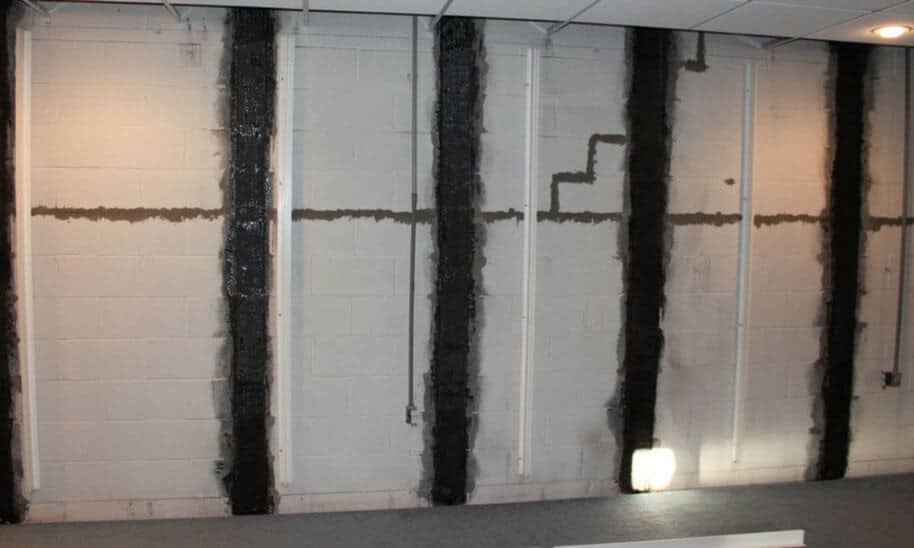
An in-depth elucidation of the carbon fiber reinforcement process, involving the application of carbon fiber fabric strips or sheets to afflicted foundation areas, will be offered. Insight into how the carbon fiber material seamlessly bonds with the substrate, furnishing additional support to fortify the foundation, will be provided.

Benefits of Carbon Fiber Reinforcement:

We will examine the myriad benefits of carbon fiber reinforcement for foundation repair, including its minimally invasive installation, swift turnaround time, and enduring resilience. Highlighting how carbon fiber reinforcement effectively stabilizes foundation walls, curtails further cracking or bowing, and reinstates the structural integrity of homes will be paramount.

Considerations and Limitations:

carbon-fiber-reinforcement-stablWall-1

Addressing potential considerations and limitations of carbon fiber reinforcement, such as the necessity for professional installation and its suitability for specific foundation issues, will be crucial. Guidance on scenarios where carbon fiber reinforcement may not be the optimal solution, along with alternative methods to contemplate, will be provided.

By assimilating the fundamentals of carbon fiber reinforcement and its application in foundation repair, homeowners can make well-informed decisions to rectify foundation issues and safeguard the structural soundness of their residences.

The Process of Carbon Fiber Foundation Repair: Step-by-Step Guide

Carbon fiber reinforcement presents a streamlined and efficacious solution for rectifying residential foundation issues. In this guide, we present a meticulous step-by-step overview of the carbon fiber foundation repair process, spanning from assessment to completion.

Initial Assessment:

Underlining the significance of conducting a comprehensive evaluation of the foundation to ascertain the extent and nature of damage will be essential. Discussing the pivotal role of professional engineers or contractors in evaluating the structural integrity of the foundation and recommending suitable repair strategies will be paramount.

Preparation and Surface Readiness:

Detailing the preparatory steps involved in readying the foundation for carbon fiber reinforcement, encompassing surface cleansing, debris removal, and rectification of existing cracks or damages, will be emphasized. Highlighting the criticality of meticulous surface preparation to ensure optimal adhesion and performance of the carbon fiber material will be pivotal.

Application of Carbon Fiber Strips or Sheets:

Delving into the application process of carbon fiber strips or sheets onto the prepared foundation surface will be elucidated. Discussing the techniques employed to ensure precise alignment, adhesion, and coverage of the carbon fiber material will be pivotal.

Curing and Finishing:

Explaining the curing process of the carbon fiber material, typically involving the application of epoxy resin or other bonding agents, will be essential. Emphasizing the significance of allowing ample time for the carbon fiber material to cure and bond with the substrate before finalizing the repair will be crucial.

Quality Assurance and Inspection:

Underscoring the importance of stringent quality assurance and inspection throughout the repair process to ascertain compliancecarbon-fiber-reinforcement-stablWall-2 with industry standards and specifications will be pivotal. Discussing the role of professional engineers or inspectors in verifying the integrity and efficacy of the repair will be paramount.

By adhering to this step-by-step guide to carbon fiber foundation repair, homeowners can effectively address foundation issues and reinstate the structural stability of their residences in a timely and efficient manner.

Contact the Professionals at StablWall Today! (866) 782-5955
The Role of Carbon Fiber Repair in Preserving Your Home’s Foundation Health

The foundation of your home is a critical element that provides stability and support to the entire structure. As a homeowner, it’s essential to be proactive in preserving the health of your foundation. Carbon fiber repair has emerged as a powerful solution for addressing foundation issues and ensuring its long-term health and stability. In this article, we will delve deeper into the role of carbon fiber repair in preserving the health of your home’s foundation.

Addressing Common Foundation Problems

Before we discuss the benefits of carbon fiber repair, it’s crucial to understand the common foundation problems that can threaten the integrity of your home’s structure:

Foundation Cracks: Cracks in the foundation walls can occur due to settlement, soil movement, or other factors. These cracks may compromise the structural integrity of your home.Carbon Fiber Repair

Bowed or Leaning Walls: Foundation walls that bow or lean inward can result from soil pressure, water infiltration, or inadequate construction. These issues can lead to further damage if left unaddressed.

Settling Foundations: Settlement occurs when the foundation sinks or shifts due to soil conditions. It can lead to uneven floors, wall cracks, and structural instability.

Water Intrusion: Water infiltration through foundation walls or floor slabs can cause damage and create a damp or flooded basement environment.

The Role of Carbon Fiber Repair

Carbon fiber repair is a versatile and highly effective method for addressing a range of foundation issues. Its role in preserving your home’s foundation health is multifaceted and includes the following key aspects:

Structural Reinforcement

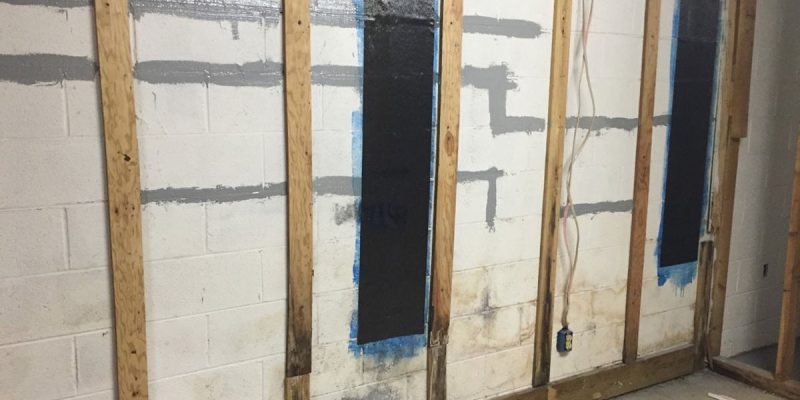
Carbon fiber repair provides robust structural reinforcement to foundation walls. Carbon fiber sheets or strips are applied to the affected areas, creating a strong, tension-resistant system. This reinforcement prevents further movement and deterioration of the foundation, ensuring its long-term stability.

Preventing Wall Movement

In cases of bowed or leaning walls, carbon fiber repair plays a pivotal role in preventing further movement. The carbon fiber materials are applied vertically along the wall’s surface, counteracting the inward pressure and ensuring that the wall remains in its corrected position.

Minimizing Future Settling

For settling foundations, carbon fiber repair can help lift and stabilize the foundation. By distributing the load and providing additional support, carbon fiber materials can mitigate future settling issues, ensuring a level and stable foundation.

Water Intrusion Prevention

While carbon fiber repair primarily addresses structural concerns, it can also play a role in preventing water intrusion. When used in conjunction with other waterproofing methods, such as sealants or drainage systems, carbon fiber can help maintain a dry and healthy basement environment.

Discreet Aesthetics

Carbon fiber repair is known for its discreet and low-profile appearance. The materials can be painted over or covered with finishing materials, making them virtually invisible once the repair is complete. This ensures that your foundation repairs do not detract from the overall aesthetics of your home.

Cost-Effective Solution

carbon-fiber-repair-stablwall-2

Carbon fiber repair is often a cost-effective solution for foundation problems. It eliminates the need for extensive excavation and reconstruction, reducing labor and material costs. Its long-lasting durability also means that you won’t incur recurring expenses for maintenance or repairs.

Using carbon repair solutions, homeowners can effectively extend the lifespan of their foundation, ensuring long-term stability and safety. Additionally, the lightweight and non-invasive nature of carbon fiber repairs minimizes disruption to the home during the repair process, making it a practical and efficient option for maintaining the structural integrity of your property.

Contact the Professionals at StablWall Today! (866) 782-5955