importance-of-foundation-repair-stablwall-3

The Importance of Foundation Repair: Protecting Your Home’s Structural Integrity

The foundation of a home is one of its most critical structural components. A strong, well-maintained foundation ensures the stability and safety of the entire building. However, when issues arise, they can lead to severe and costly damage if not addressed promptly. This article explores the importance of foundation repair, common signs of damage, and why timely intervention is essential for maintaining your home’s integrity. We’ll also highlight how StablWall provides an innovative and effective solution to foundation problems.

Understanding Foundation Damage
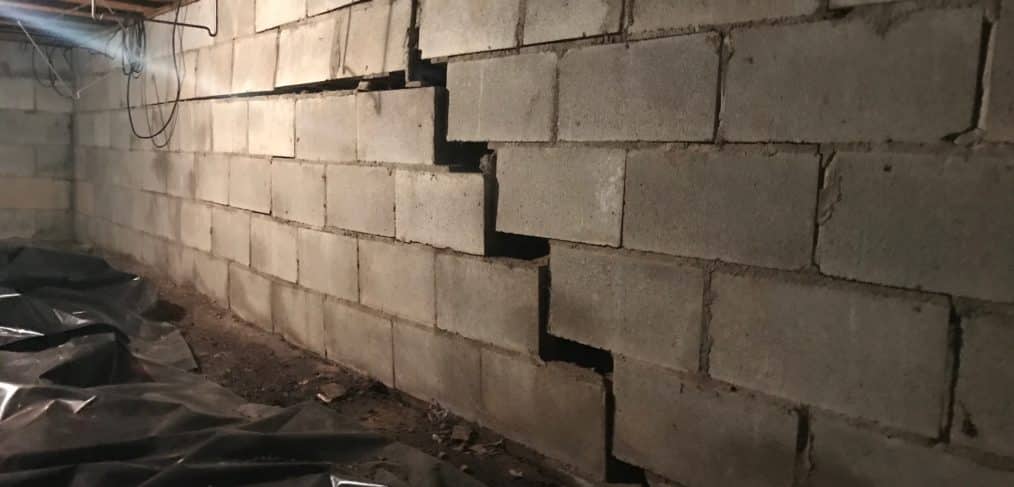
importance-of-foundation-repair-stablwall-1Foundation damage can manifest in various forms, each signaling potential structural issues that require attention. Cracks in walls, uneven floors, doors that don’t close properly, and water intrusion in the basement are common indicators. These signs often point to underlying problems such as soil movement, poor construction, or water damage, which can weaken the foundation over time.

Ignoring these warning signs can lead to more significant problems. As the foundation continues to deteriorate, the structural integrity of the entire home is compromised. This can result in costly repairs, decreased property value, and even safety hazards for occupants.

The Risks of Delayed Foundation Repair

Delaying foundation repair can have severe consequences. As foundation issues worsen, the damage can spread throughout the home. Walls may crack further, floors can become more uneven, and the overall stability of the structure can be jeopardized. In extreme cases, severe foundation damage can render a home uninhabitable, requiring extensive and expensive repairs or even complete reconstruction.

Moreover, foundation problems can lead to secondary issues such as mold growth due to water intrusion, pest infestations, and energy inefficiency. These problems not only increase repair costs but also impact the comfort and health of the home’s occupants.

The Benefits of Timely Foundation Repair

Addressing foundation issues promptly offers numerous benefits. First and foremost, it ensures the safety and stability of your home. By repairing the foundation early, you prevent further damage to the structure, preserving its value and longevity.

Timely repairs also save money in the long run. The cost of addressing minor foundation issues is significantly lower than the expense of extensive repairs or rebuilding. Additionally, a well-maintained foundation contributes to the overall energy efficiency of the home, reducing heating and cooling costs.

StablWall: A Leading Solution in Foundation Repair

When it comes to foundation repair, StablWall is at the forefront of the industry, offering advanced solutions that ensure long-lasting results. StablWall’s carbon fiber technology is designed to strengthen and stabilize foundations, preventing further damage and providing a permanent solution to foundation issues.

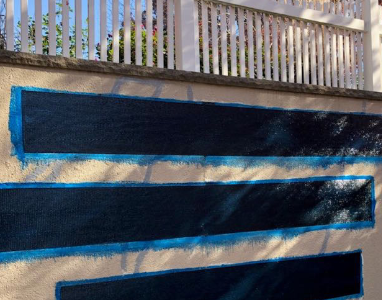
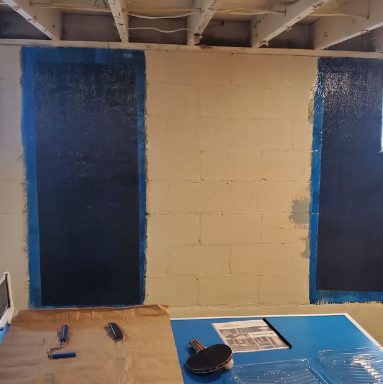
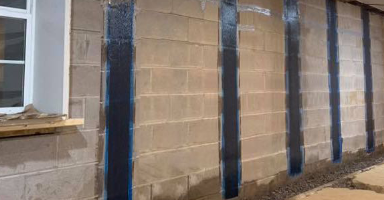
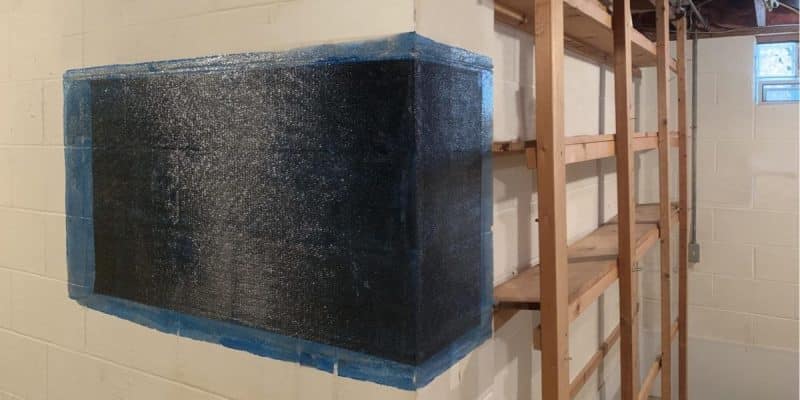
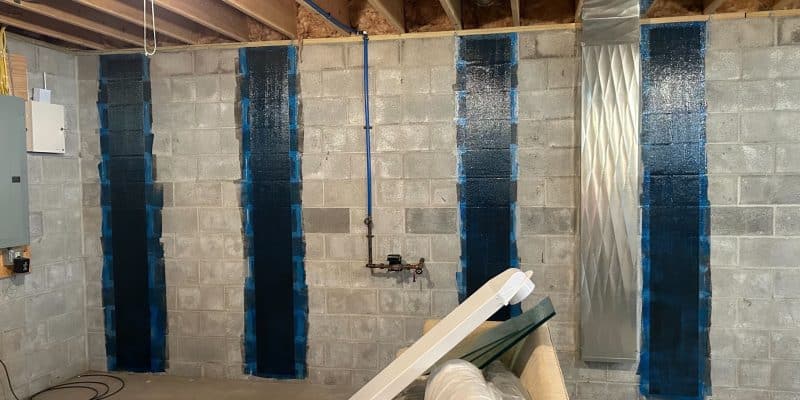
Unlike traditional methods that involve invasive procedures, StablWall’s approach is minimally disruptive. The carbon fiber strips are applied directly to the foundation walls, reinforcing them without the need for extensive excavation or structural modifications. This method not only saves time and money but also preserves the aesthetic integrity of your home.

Why Choose StablWall

importance-of-foundation-repair-stablwall-2StablWall’s commitment to quality and innovation sets it apart in the foundation repair industry. Their products are engineered to withstand the test of time, providing homeowners with peace of mind knowing that their foundation is secure. StablWall’s team of experts is dedicated to delivering exceptional service, ensuring that each repair is tailored to the specific needs of the home.

In addition to their cutting-edge technology, StablWall offers comprehensive warranties on their products and services, further guaranteeing the longevity and effectiveness of their repairs. With a proven track record of success, StablWall is the trusted choice for homeowners seeking reliable foundation repair solutions.

Foundation repair is a critical aspect of home maintenance that should never be overlooked. By addressing foundation issues promptly and choosing a trusted provider like StablWall, homeowners can protect their investment, ensure the safety of their property, and enjoy long-term peace of mind. With StablWall’s innovative technology and commitment to quality, you can be confident that your foundation will remain strong and stable for years to come.

Contact the Professionals at StablWall Today! (866) 782-5955
carbon-fiber-techniques-for-foundation Repair-stablwall-3

Advanced Carbon Fiber Techniques for Foundation Repair: Enhancing Durability and Efficiency

The use of carbon fiber in foundation repair has emerged as a revolutionary technique, providing enhanced durability and efficiency compared to traditional methods. Carbon fiber’s exceptional strength, flexibility, and resistance to environmental factors make it an ideal material for reinforcing and repairing foundations. This article delves into advanced carbon fiber techniques for foundation repair, exploring their applications, benefits, and the future of this innovative technology.

The Evolution of Foundation Repair

Traditional Foundation Repair Methodscarbon-fiber-techniques-for-foundation Repair-stablwall-1

  1. Steel I-Beams
  2. Wall Anchors
    • Wall anchors involve the installation of steel plates and rods to stabilize foundation walls. This method requires significant excavation and can disrupt landscaping.
  3. Underpinning
    • Underpinning extends the foundation’s depth or breadth to transfer the load to more stable soil. This method is effective but costly and invasive.

Introduction of Carbon Fiber

  1. High Strength and Durability
    • Carbon fiber offers superior tensile strength and durability compared to traditional materials like steel.
  2. Lightweight and Flexible
    • Carbon fiber is lightweight and can be easily molded to fit various shapes and surfaces, making it versatile for different repair needs.
  3. Corrosion Resistance
    • Unlike steel, carbon fiber is resistant to corrosion, chemicals, and environmental factors, ensuring long-lasting performance.

Advanced Carbon Fiber Techniques for Foundation Repair

1. Carbon Fiber Reinforcement Straps

  • Application
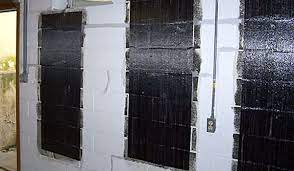
    • Carbon fiber straps are applied to foundation walls to reinforce and stabilize them. They are particularly effective for addressing bowing walls and cracks.
  • Installation Process
    • The installation involves cleaning the surface, applying epoxy adhesive, and pressing the carbon fiber straps onto the epoxy-coated surface. The straps are then smoothed and secured, ensuring proper adhesion.
  • Benefits
    • The use of carbon fiber straps is minimally invasive, quick to install, and provides long-term stability and durability.

2. Carbon Fiber Grid Stitching

  • Application
  • Installation Process
  • Benefits
    • Carbon fiber grid stitching provides enhanced crack repair, preventing further movement and water infiltration.

3. Carbon Fiber Sheets and Wraps

  • Application
    • Carbon fiber sheets and wraps are used to encase entire sections of foundation walls, providing comprehensive reinforcement and protection.
  • Installation Process
    • The installation involves cleaning the surface, applying epoxy adhesive, and wrapping the carbon fiber sheets around the foundation walls. The sheets are then smoothed and secured with additional layers of epoxy.
  • Benefits
    • Carbon fiber sheets and wraps offer maximum coverage and protection, enhancing the overall strength and durability of the foundation.

4. Carbon Fiber Rods

  • Application
    • Carbon fiber rods are used to reinforce foundation walls and footings. They can be inserted into drilled holes and secured with epoxy, providing additional support and stability.
  • Installation Process
    • The process involves drilling holes into the foundation, inserting the carbon fiber rods, and securing them with epoxy. The rods are then smoothed and secured, ensuring proper adhesion.
  • Benefits
    • Carbon fiber rods provide targeted reinforcement, enhancing the load-bearing capacity of the foundation.

Advantages of Carbon Fiber in Foundation Repair

  1. High Strength-to-Weight Ratio
    • Carbon fiber’s exceptional strength and lightweight properties make it an ideal material for reinforcing foundations without adding significant weight.
  2. Durability and Longevity
    • Carbon fiber is resistant to corrosion, chemicals, and environmental factors, ensuring long-lasting performance and minimal maintenance.
  3. Minimal Invasiveness
    • The installation of carbon fiber is quick and minimally invasive, causing minimal disruption to the property and occupants.
  4. Flexibility and Versatility
    • Carbon fiber can be molded to fit various shapes and surfaces, making it versatile for different foundation repair needs.
  5. Cost-Effective

Case Studies and Real-World Applications

  1. Residential Foundation Repair
  2. Commercial and Industrial Applications
    • Examples of commercial and industrial buildings where carbon fiber was used for foundation reinforcement, highlighting its versatility and strength.
  3. Seismic Retrofitting
    • Case studies of buildings in earthquake-prone areas where carbon fiber was used to enhance seismic resistance, providing added safety and stability.

Future of Carbon Fiber in Foundation Repair

  1. Advancements in Materials and Technology
    • Ongoing research and development in carbon fiber materials and technology are expected to further enhance its strength, durability, and versatility.
  2. Increased Adoption and Awareness
    • As awareness of the benefits of carbon fiber grows, its adoption in foundation repair is expected to increase, providing more homeowners and contractors with access to this innovative solution.
  3. Integration with Smart Technologies
    • The integration of carbon fiber with smart technologies, such as sensors and monitoring systems, can provide real-time data on foundation health and performance, enabling proactive maintenance and repairs.carbon-fiber-techniques-for-foundation Repair-stablwall-2

Advanced carbon fiber techniques have transformed the field of foundation repair, offering enhanced durability, efficiency, and long-term performance compared to traditional methods. With its exceptional strength, flexibility, and resistance to environmental factors, carbon fiber is an ideal material for reinforcing and repairing foundations. By understanding the benefits, applications, and installation processes of carbon fiber techniques, homeowners and contractors can make informed decisions when it comes to foundation repair. The future of carbon fiber in foundation repair looks promising, with ongoing advancements and increased adoption expected to further enhance its capabilities and benefits.

Contact the Professionals at StablWall Today (866) 782-5955

stablwall- wall wrap for vertical crack

An Introduction to Carbon Fiber Repair

Carbon fiber has revolutionized various industries with its high strength-to-weight ratio, durability, and flexibility. Commonly used in aerospace, automotive, sports equipment, and even medical devices, carbon fiber has become a material of choice for applications requiring high performance. However, like all materials, carbon fiber can sustain damage and requires specialized repair techniques to restore its integrity and functionality. This article provides a comprehensive introduction to carbon fiber repair, covering the types of damage, assessment methods, and basic and advanced repair techniques.

Understanding Carbon Fiber Damagecarbon-fiber-repair-stablwall-1

Carbon fiber can sustain damage from various sources. Common causes include impact during use, wear and tear over time, and manufacturing defects. Understanding the nature of this damage is crucial for effective repair. Damage can manifest as surface scratches, delamination, cracks, or even more severe structural compromises. Each type requires a specific approach to restore the material’s original strength and appearance.

Initial Assessment of Damage

Before any repair can begin, a thorough assessment of the damage is necessary. Visual inspection is the first step, where signs of wear, cracks, and delamination can be identified. Non-destructive testing methods such as ultrasound and thermography are also used to detect internal flaws that are not visible to the naked eye. These methods provide a comprehensive understanding of the extent of the damage and inform the appropriate repair strategy.

Preparing for Repair

Preparation is key to a successful carbon fiber repair. This involves gathering necessary tools and materials, including cutting tools, measuring tools, application tools, and safety equipment. Personal protective equipment (PPE) such as gloves, masks, and goggles are essential to protect the technician from hazardous materials and dust. Ensuring a clean and controlled environment is also crucial to avoid contamination during the repair process.

Basic Repair Techniques

Basic repair techniques involve surface preparation, patching small surface damages, and addressing delamination and cracks. Surface preparation includes cleaning the damaged area and sanding it to create a smooth surface for the repair. For small surface damages, patching with a piece of carbon fiber fabric and resin is often sufficient. Delamination and cracks may require more extensive repairs, such as filling the damaged area with resin and applying multiple layers of carbon fiber fabric.

Advanced Repair Techniques

Advanced repair techniques involve more complex procedures such as vacuum bagging and autoclave curing. Vacuum bagging ensures that the repair area is free of air bubbles and that the resin is evenly distributed. This technique involves placing the repair under a vacuum-sealed bag and applying pressure to remove any air pockets. Autoclave curing, on the other hand, uses high pressure and temperature to cure the repair, resulting in a stronger and more durable bond. These techniques are typically used for critical applications where structural integrity is paramount.

Quality Control and Testingcarbon-fiber-repair-stablwall-2

After the repair is completed, quality control and testing are essential to ensure that the repair meets strength and safety standards. Post-repair testing methods include visual inspection for any remaining flaws and structural testing to verify the strength of the repair. Non-destructive testing methods such as ultrasound can also be used to check for internal defects. Ensuring that the repair has been carried out correctly is crucial for the longevity and performance of the carbon fiber component.

Carbon fiber repair is a specialized field that requires a thorough understanding of the material, the nature of the damage, and the appropriate repair techniques. From initial assessment to advanced repair methods, each step is crucial in restoring the integrity and functionality of carbon fiber components. As technology advances, new methods and materials are being developed, making carbon fiber repair more efficient and effective. Whether you’re a seasoned professional or new to the field, mastering these techniques will help you achieve excellence in carbon fiber repair.

Contact the Professionals at StablWall Today (866) 782-5955

carbon-fiber-stablwall-stablwall-3

Defending Your Foundation: Carbon Fiber StablWall for Horizontal Wall Cracks

Your home’s foundation is its literal bedrock – a solid base upon which everything else rests. However, when horizontal cracks appear in your foundation walls, it’s a sign of trouble that can’t be ignored. These cracks, often caused by lateral pressure from surrounding soil or water infiltration, can compromise the structural integrity of your home and lead to costly repairs if left unchecked. Fortunately, there’s a revolutionary solution that offers both strength and reliability: Carbon Fiber StablWall. In this article, we’ll explore the significance of horizontal wall cracks, the advantages of Carbon Fiber StablWall, and why it’s the ultimate choice for repairing your foundation.

Understanding Horizontal Wall Cracks

carbon-fiber-stablwall-stablwall-1

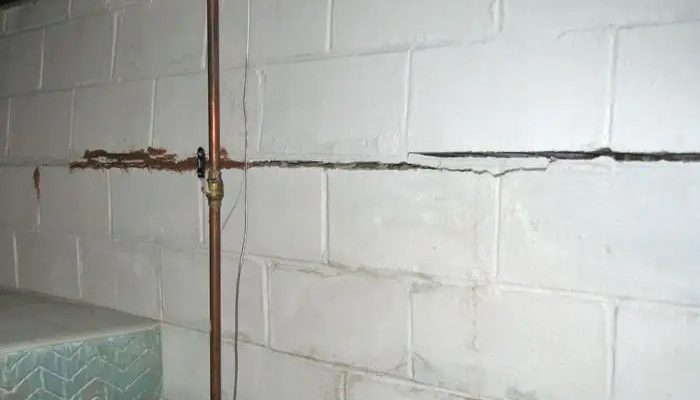
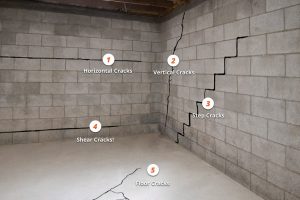
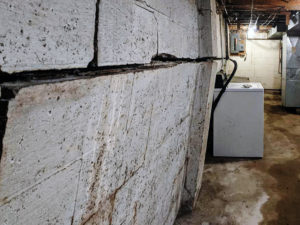
Horizontal cracks in foundation walls are a cause for concern because they often indicate significant structural issues. Unlike vertical cracks, which can result from settlement or minor stress, horizontal cracks typically signal excessive pressure exerted on the walls. Common causes of horizontal wall cracks include:

  1. Hydrostatic Pressure: When water accumulates around the foundation due to poor drainage or high groundwater levels, it exerts hydrostatic pressure on the walls, causing them to bow inward and crack horizontally.
  2. Frost Heave: In colder climates, frost heave occurs when moisture in the soil freezes and expands, exerting lateral pressure on the foundation walls and leading to horizontal cracking.
  3. Poor Soil Conditions: Soil with expansive properties or inadequate compaction can exert significant lateral pressure on the foundation walls, resulting in horizontal cracks over time.

Regardless of the cause, horizontal wall cracks pose a serious threat to the structural integrity of your home. They can compromise the stability of the foundation, allow water infiltration, and even lead to structural failure if not addressed promptly.

The Power of Carbon Fiber StablWall

Carbon Fiber StablWall is a state-of-the-art solution designed to reinforce and stabilize foundation walls, particularly in cases of horizontal cracking. Here’s why it’s the superior choice for repairing your foundation:

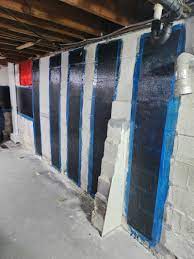
  1. Unmatched Strength: Carbon Fiber StablWall utilizes high-strength carbon fiber straps bonded directly to the foundation walls, providing unparalleled reinforcement against lateral pressure. Carbon fiber has a tensile strength greater than that of steel, making it an ideal material for stabilizing horizontal cracks and preventing further wall movement.
  2. Flexibility and Adaptability: Unlike rigid solutions such as steel I-beams or concrete buttresses, Carbon Fiber StablWall is flexible and adapts to the natural movement of the foundation walls. This flexibility allows it to withstand shifting soil conditions and temperature changes without compromising its effectiveness.carbon-fiber-stablwall-stablwall-2
  3. Minimal Disruption: Carbon Fiber StablWall installation is a non-intrusive process that requires minimal disruption to your home. Unlike traditional methods that may involve extensive excavation and reconstruction, Carbon Fiber StablWall can typically be installed from inside the basement, reducing downtime and inconvenience for homeowners.
  4. Long-Term Reliability: Once installed, Carbon Fiber StablWall provides long-term protection against horizontal wall movement and cracking. Its corrosion-resistant properties ensure durability even in harsh environmental conditions, making it a reliable solution for maintaining the structural integrity of your home for years to come.
  5. Cost-Effectiveness: While the upfront cost of Carbon Fiber StablWall may be higher than traditional repair methods, it offers significant long-term savings by preventing the need for costly future repairs. Its effectiveness in stabilizing foundation walls and preventing further damage can ultimately save homeowners time, money, and hassle in the long run.

Horizontal wall cracks are not just cosmetic flaws – they’re warning signs of underlying structural issues that require immediate attention. Carbon Fiber StablWall offers a comprehensive solution for stabilizing foundation walls and preventing further damage, providing unmatched strength, flexibility, and reliability.

Don’t wait until horizontal cracks compromise the integrity of your home. Invest in Carbon Fiber StablWall today and ensure the long-term stability and value of your property. With its strength, flexibility, and cost-effectiveness, Carbon Fiber StablWall is the ultimate choice for defending your foundation against the hazards of horizontal wall cracks.

Contact the Professionals at StablWall Today! (866) 782-5955
signs-of-foundation-cracks-stablwall-3

Signs of Foundation Cracks: When to Seek Repair

Recognizing the signs of foundation cracks early on is vital for preventing further damage to buildings. In this article, we will explore common indicators of foundation issues and discuss when property owners should seek professional repair services.

Visible Signs of Foundation Cracks:

  • Cracks in Walls: Visible cracks in interior or exterior walls, especially near windows and doors, are often a clear indication of foundation problems. These cracks may start small but can widen over time.signs-of-foundation-cracks-stablwall-1
  • Uneven Floors: Floors that slope or feel uneven when walked upon can signal foundation settlement or shift.
  • Doors and Windows Sticking: Difficulty opening or closing doors and windows can occur when the foundation shifts, causing the frames to become misaligned.
  • Bowing Walls: Bulging or bowing walls, particularly in basements, can indicate significant pressure against the foundation walls, requiring immediate attention.
  • Gaps Around Doors and Windows: Gaps between doors, windows, and their frames can develop as the foundation settles or shifts, leading to drafts and energy loss.

Other Indications of Foundation Issues:

  • Cracked Chimneys: Cracks in the chimney or gaps between the chimney and the exterior wall can result from foundation movement and should be inspected promptly.signs-of-foundation-cracks-stablwall-2
  • Sagging Floors or Ceilings: Sagging floors or ceilings may indicate structural damage caused by foundation issues and should be assessed by a professional.
  • Water Leakage: Water seepage or flooding in basements or crawl spaces can exacerbate foundation problems and should be addressed along with foundation repairs.

Being vigilant for signs of foundation cracks is essential for maintaining the structural integrity of buildings. Property owners should not ignore these indicators and should seek professional assistance promptly to address any foundation issues before they escalate.

Contact the Professionals at StablWall Today! (866) 782-5955

carbon-fiber-foundation-repair-stablWall-3

Advantages of Carbon Fiber Foundation Repair Over Traditional Methods

Carbon fiber reinforcement offers several advantages over traditional methods for repairing foundations in residential homes. In this article, we’ll explore the benefits of carbon fiber foundation repair and why it’s becoming the preferred choice for homeowners and contractors alike.

Strength and Durability:

Carbon Fiber Foundation Repair

    • Discuss the exceptional strength and durability of carbon fiber material, which provides superior reinforcement for foundation walls compared to traditional materials such as steel.
    • Highlight how carbon fiber reinforcement can effectively stabilize foundation walls and prevent further cracking or bowing, ensuring long-lasting structural integrity.

Non-Invasive Installation:

    • Explain how carbon fiber reinforcement offers a non-invasive solution for repairing foundations, minimizing disruption to the home and landscaping.
    • Discuss the quick turnaround time of carbon fiber repair compared to traditional methods, allowing homeowners to resume normal activities sooner.

Cost-Effectiveness:

    • Explore the cost-effectiveness of carbon fiber foundation repair, including lower material and labor costs compared to traditional methods such as excavation and wall replacement.
    • Highlight the potential savings associated with reduced downtime, minimal maintenance, and long-term durability of carbon fiber reinforcement.

Versatility and Adaptability:

    • Discuss the versatility of carbon fiber reinforcement, which can be applied to a wide range of foundation issues, including cracks, bowing walls, and settling.
    • Highlight how carbon fiber material can be customized to fit the specific dimensions and contours of the foundation, ensuring a precise and effective repair.

Long-Term Performance:

Carbon Fiber Foundation Repair

    • Emphasize the long-term performance of carbon fiber reinforcement, which is resistant to corrosion, rust, and other environmental factors that can compromise traditional materials over time.
    • Discuss the warranty and guarantee offered by many manufacturers and contractors for carbon fiber foundation repair, providing homeowners with peace of mind and confidence in the durability of the repair.

By considering the advantages of carbon fiber foundation repair over traditional methods, homeowners can make informed decisions to address foundation issues and protect the structural integrity of their homes for years to come.

Contact the Professionals at StablWall Today! (866) 782-5955
The Role of Carbon Fiber Repair in Preserving Your Home’s Foundation Health

The foundation of your home is a critical element that provides stability and support to the entire structure. As a homeowner, it’s essential to be proactive in preserving the health of your foundation. Carbon fiber repair has emerged as a powerful solution for addressing foundation issues and ensuring its long-term health and stability. In this article, we will delve deeper into the role of carbon fiber repair in preserving the health of your home’s foundation.

Addressing Common Foundation Problems

Before we discuss the benefits of carbon fiber repair, it’s crucial to understand the common foundation problems that can threaten the integrity of your home’s structure:

Foundation Cracks: Cracks in the foundation walls can occur due to settlement, soil movement, or other factors. These cracks may compromise the structural integrity of your home.Carbon Fiber Repair

Bowed or Leaning Walls: Foundation walls that bow or lean inward can result from soil pressure, water infiltration, or inadequate construction. These issues can lead to further damage if left unaddressed.

Settling Foundations: Settlement occurs when the foundation sinks or shifts due to soil conditions. It can lead to uneven floors, wall cracks, and structural instability.

Water Intrusion: Water infiltration through foundation walls or floor slabs can cause damage and create a damp or flooded basement environment.

The Role of Carbon Fiber Repair

Carbon fiber repair is a versatile and highly effective method for addressing a range of foundation issues. Its role in preserving your home’s foundation health is multifaceted and includes the following key aspects:

Structural Reinforcement

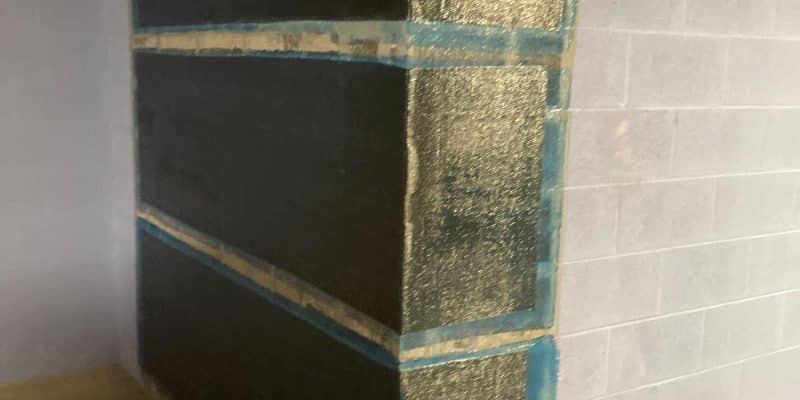
Carbon fiber repair provides robust structural reinforcement to foundation walls. Carbon fiber sheets or strips are applied to the affected areas, creating a strong, tension-resistant system. This reinforcement prevents further movement and deterioration of the foundation, ensuring its long-term stability.

Preventing Wall Movement

In cases of bowed or leaning walls, carbon fiber repair plays a pivotal role in preventing further movement. The carbon fiber materials are applied vertically along the wall’s surface, counteracting the inward pressure and ensuring that the wall remains in its corrected position.

Minimizing Future Settling

For settling foundations, carbon fiber repair can help lift and stabilize the foundation. By distributing the load and providing additional support, carbon fiber materials can mitigate future settling issues, ensuring a level and stable foundation.

Water Intrusion Prevention

While carbon fiber repair primarily addresses structural concerns, it can also play a role in preventing water intrusion. When used in conjunction with other waterproofing methods, such as sealants or drainage systems, carbon fiber can help maintain a dry and healthy basement environment.

Discreet Aesthetics

Carbon fiber repair is known for its discreet and low-profile appearance. The materials can be painted over or covered with finishing materials, making them virtually invisible once the repair is complete. This ensures that your foundation repairs do not detract from the overall aesthetics of your home.

Cost-Effective Solution

carbon-fiber-repair-stablwall-2

Carbon fiber repair is often a cost-effective solution for foundation problems. It eliminates the need for extensive excavation and reconstruction, reducing labor and material costs. Its long-lasting durability also means that you won’t incur recurring expenses for maintenance or repairs.

Using carbon repair solutions, homeowners can effectively extend the lifespan of their foundation, ensuring long-term stability and safety. Additionally, the lightweight and non-invasive nature of carbon fiber repairs minimizes disruption to the home during the repair process, making it a practical and efficient option for maintaining the structural integrity of your property.

Contact the Professionals at StablWall Today! (866) 782-5955
How Carbon Fiber Repair Enhances the Health of Your Home’s Foundation

The foundation of your home is a critical structural component that supports the entire building. Over time, it may develop issues such as cracks, settling, or bowing walls, which can compromise the stability and safety of your home. Carbon fiber repair has emerged as a highly effective method for addressing foundation problems and improving the health of your home’s foundation. In this article, we will explore how carbon fiber repair can enhance the health of your home’s foundation and ensure its long-term stability.

Understanding Carbon Fiber Repair

Carbon fiber repair is an innovative and proven technology that utilizes high-strength carbon fiber sheets or strips to reinforce and stabilize foundation walls and structures. These carbon fiber materials are incredibly strong and lightweight, making them an ideal choice for foundation repairs. Carbon fiber repair is commonly used to address various foundation issues, including:

carbon-fiber-repair-stablwall-1

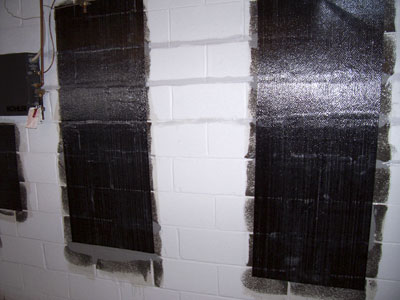
Wall Cracks: Carbon fiber straps are applied to cracked walls to prevent further movement and stabilize the foundation.

Bowing Walls: Carbon fiber strips are installed vertically to counteract the inward pressure of bowing or leaning walls.

Settling Foundations: Carbon fiber repair can help lift and stabilize foundations that have settled due to soil conditions.

Water Intrusion: Carbon fiber can also be used in conjunction with other waterproofing methods to prevent water from entering the basement.

Now, let’s explore how carbon fiber repair can contribute to the overall health of your home’s foundation.

Strength and Durability

Carbon fiber repair provides an exceptionally strong and durable solution for foundation problems. The carbon fiber sheets are incredibly resilient, and capable of withstanding heavy loads and resisting tension forces. Once applied, they create a robust reinforcement system that prevents further damage and maintains the structural integrity of the foundation. Unlike traditional methods that may require ongoing maintenance and repairs, carbon fiber repair offers long-lasting stability.

Non-Intrusive and Minimal Disruption

One of the significant advantages of carbon fiber repair is its non-intrusive nature. Unlike traditional foundation repair methods that often involve extensive excavation and disruption to the property, carbon fiber repair is minimally invasive. Installation typically requires only a clean and dry surface for adhesive bonding, which means no disruption to your landscaping or daily activities. This makes it a convenient and cost-effective choice for homeowners.

Speed and Efficiency

Carbon fiber repair is known for its speed and efficiency. The installation process is relatively quick, allowing homeowners to address foundation issues promptly. There is no need for extended construction timelines or waiting for materials to cure. As a result, you can restore the health of your home’s foundation without unnecessary delays.

Aesthetically Appealing

Carbon fiber repair is a visually appealing solution for foundation problems. The carbon fiber straps or strips are low-profile and can be painted over or covered with wall finishing materials, such as drywall or paneling. This ensures that your foundation repairs remain discreet and do not detract from the overall aesthetics of your home.

Cost-Effective

Compared to some traditional foundation repair methods, carbon fiber repair is often more cost-effective. It eliminates the need for extensive excavation and reconstruction, reducing labor and material costs. Additionally, the long-lasting durability of carbon fiber means that you won’t incur recurring expenses for ongoing maintenance or repairs.

Minimal Maintenance

carbon-fiber-repair-stablwall-2

Once carbon fiber repair is installed, it requires minimal maintenance. The carbon fiber materials do not corrode or deteriorate over time. Routine inspections to ensure the straps or strips remain in place and in good condition are typically all that’s needed. This low-maintenance aspect contributes to the overall health of your foundation by reducing the risk of future issues.

Carbon fiber repair is a modern and effective method for improving the health of your home’s foundation. Its strength, durability, non-intrusive nature, speed, and cost-effectiveness make it a preferred choice for addressing foundation problems. By choosing carbon fiber repair, homeowners can ensure the long-term stability and structural integrity of their foundations, providing peace of mind and protecting their most significant investment—their home.

Contact the Professionals at StablWall Today! (866) 782-5955
Wall Cracks | Atlanta, GA | StablWall

Carbon Fiber Is Useful For A Variety Of Foundation Repair Solutions Atlanta, GA

Carbon Fiber Is Useful For A Variety Of Foundation Repair Solutions Atlanta, GA

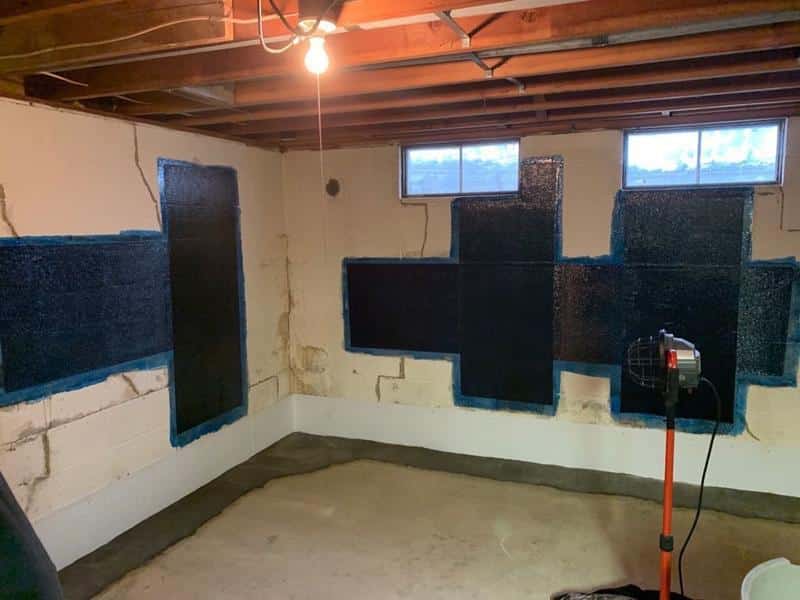
Wall cracks are a common occurrence in basements with poured concrete walls. The cracks can occur as a result of a wide variety of reasons. However, they are often a sign of movement of the walls. One of the best ways to stop this movement from damaging the basement walls any further is by installing carbon fiber straps or staples depending on the nature and location of the cracks. Wall Cracks | Atlanta, GA | StablWall

However, wall cracks aren’t the only cracks that are caused by shifting of the foundation. Cracks may also occur in the ceiling. Ceiling cracks are especially common in homes that have concrete slab ceilings. Like cracks in foundation walls, cracks in the ceiling of a basement are often an indication of foundation shifting. While not all ceiling cracks should be a cause for concern, some are an indication of structural damage and instability. It is important to get these cracks repaired as soon as possible to avoid further damage and ensure the safety of your household.

Like with wall cracks,carbon fiber straps can also be used to repair basement ceiling cracks. The carbon fiber straps will provide the floor with the reinforcement it needs to avoid sagging further and eventually collapsing. This repair solution can be applied in a matter of hours by a professional repair contractor.

Not a DIY job

While carbon fiber straps are an easy solution to apply, it is important to note that there are various factors that need to be considered in their installation in the ceiling. These straps must be installed in the right configuration to provide adequate support for the ceiling. Without proper support, the floor is still likely to collapse.

It is also important to identify the root cause of the ceiling cracks. This should be attended to. If you fail to correct the problem, the shifting will continue and may cause even more severe damage. You will end up with a problem that requires more extensive repairs to resolve. Wall Cracks | Atlanta, GA | StablWall

What to do when you notice cracks

If you notice cracks in the ceiling of your basement, be sure to contact a foundation repair contractor. The contractor will inspect your foundation and provide you with the best solution for your problem. If carbon fiber straps are amongst the options presented to you, consider them seriously. It is a great solution that will provide you with long-term benefits.

Contact the Professionals at StablWall Today! (866) 782-5955

Bowed Basement Walls | Columbus, Ohio | StablWall

Important Facts about Bowed Basement Walls Columbus, Ohio

Important Facts about Bowed Basement Walls Columbus, Ohio

Bowed basement walls may be an indication of serious foundation and basement problems, but can in some cases be difficult to detect. Basement walls often curve inwards due to hydrostatic pressure and expansive soils, both of which exert sustained pressure on your foundation or basement and crawlspace walls. The pressure causes walls to buckle, curve, or swell inwards.

How to determine if you need repair for bowed basement walls Bowed Basement Walls | Columbus, Ohio | StablWall

As noted above, detecting bowed basement walls is not always easy, but you should be concerned if you see any of the following signs:

  • Stair step or horizontal cracks in the foundation and basement walls – These types of cracks indicate that the structural integrity of the basement or foundation walls has been significantly compromised. This can be due to foundation settlement or other issues.
  • Signs of basement and foundation walls not being straight, curving inwards, or bulging
  • Presence of expansive clay soil around your building
  • Evidence of hydrostatic pressure, especially during the rainy season

If you see any of the above signs, you should let a professional basement repair company assess the damage and carry out the repair that may be required.

What are the causes of bowed basement walls?

Even as you work with an expert to repair your bowed basement walls, you need to understand the reasons why the walls are bowing. When you identify the cause of the damage to the basement, you will be able to find a lasting repair solution.

In most cases, basement wall bowing is caused by unstable soil. Soils that absorb too much water or expand significantly are likely to put notable pressure on the basement walls and cause them to bow. Some of the soil conditions that can lead to basement wall bowing include:

  • Over saturation or excess moisture: Poor drainage or defective gutters and downspouts can cause water to accumulate in the soil that surrounds the basement walls.
  • Expansive clay soils: Such soils expand when wet and shrink during the dry season. Poor drainage around the basement walls will cause such soils to exert a lot of pressure on the walls during the rainy season.
  • Frost heaving: During winter, very low temperature can cause ice structures to form on the soil. These structures cause the soil to move, and this results in foundation shifting.

How to repair bowed basement walls

Your basement repair technician will use methods such as steel bracing and basement waterproofing to straighten bowing walls and prevent further damage by water or moisture.

Contact the Professionals at StablWall Today! (866) 782-5955