stablwall-stablwall-3

StablWall vs. Traditional Foundation Repair Methods: A Comparative Analysis

Foundation issues are a serious concern for any homeowner, as they can compromise the structural integrity of the entire house. When it comes to repairing these issues, there are several methods available, each with its own advantages and disadvantages. Among these methods, the use of carbon fiber systems like StablWall has emerged as a popular alternative to traditional foundation repair techniques. In this article, we will compare StablWall with traditional foundation repair methods, evaluating their effectiveness, cost, installation process, and long-term benefits.

Overview of Traditional Foundation Repair Methods

Traditional foundation repair methods have been used for decades and include techniques such as steel beam installation, wall anchors, and underpinning. Each of these methods addresses specific types of foundation issues but often involves significant construction work.

  1. Steel Beam Installation
  • stablwall-stablwall-1Process: Steel beams are installed vertically along the interior of the foundation walls. These beams are anchored at the top and bottom, providing additional support to prevent further bowing or movement of the walls.
  • Advantages: Steel beams are extremely strong and can provide immediate stabilization for severely compromised walls. They are effective in stopping further movement and can be installed relatively quickly.
  • Disadvantages: The installation of steel beams is invasive, often requiring significant excavation and disruption to the basement interior. Additionally, steel is susceptible to corrosion over time, particularly in moist environments, which can reduce its effectiveness.
  1. Wall Anchors
  • Process: Wall anchors involve the installation of metal plates on the exterior of the foundation walls, which are connected to interior anchors with steel rods. These anchors can be tightened over time to gradually straighten and stabilize the walls.
  • Advantages: Wall anchors can be effective in pulling bowed walls back into place and stabilizing them. They can be adjusted over time to ensure continued support.
  • Disadvantages: The installation process is complex, requiring excavation on the exterior of the home. This can be costly and disruptive, especially in landscaped areas. Additionally, the visible hardware inside the basement can be unsightly.
  1. Underpinning
  • Process: Underpinning involves strengthening the foundation by extending its depth or breadth. This is typically done by inserting new concrete or steel piers under the existing foundation to provide additional support.
  • Advantages: Underpinning is highly effective for addressing issues related to foundation settling or sinking. It provides a permanent solution by extending the foundation to more stable soil or bedrock.
  • Disadvantages: Underpinning is one of the most invasive and expensive foundation repair methods. It involves significant excavation and can take several weeks to complete. It is generally used as a last resort when other methods are insufficient.

StablWall: A Modern Alternative

StablWall offers a modern alternative to these traditional methods by utilizing carbon fiber technology to reinforce foundation walls. Here’s how it compares:

  1. Installation Process
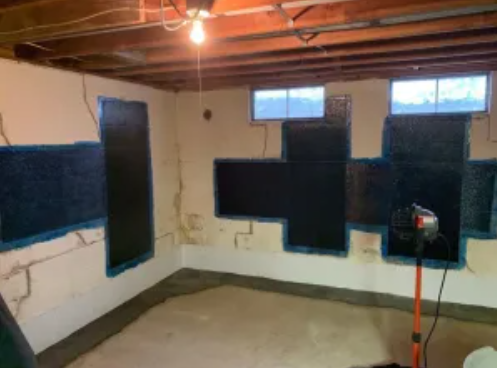
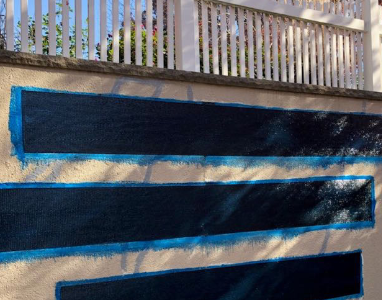
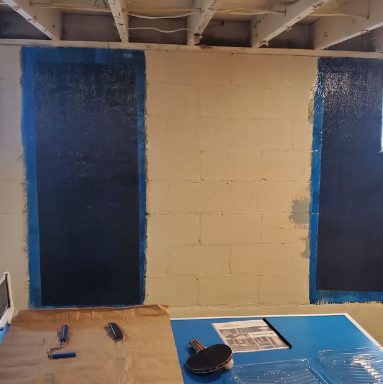
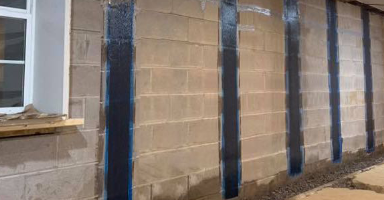
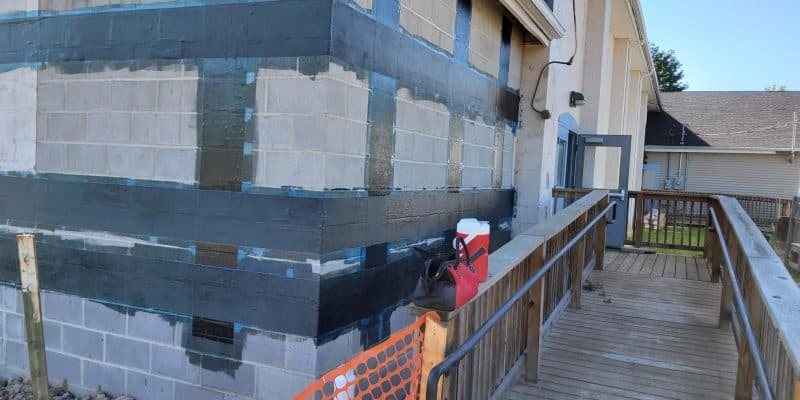
  • StablWall: The installation of StablWall is minimally invasive, as it involves applying carbon fiber sheets directly to the interior surface of the foundation walls. There is no need for excavation or significant disruption to the home’s interior or exterior.
  • Traditional Methods: Most traditional methods, such as steel beam installation and wall anchors, require excavation and can be highly disruptive. Underpinning, in particular, involves extensive construction work that can take weeks to complete.
  1. Cost and Affordability
  • StablWall: StablWall is generally more cost-effective than traditional methods. The materials are less expensive, and the installation process is quicker and requires less labor. This makes it an attractive option for homeowners looking for a reliable yet affordable solution.
  • Traditional Methods: Traditional methods, especially underpinning, can be significantly more expensive due to the extensive labor and materials involved. While steel beams and wall anchors are less costly than underpinning, they still require more investment than StablWall.
  1. Effectiveness and Durability
  • StablWall: The use of carbon fiber gives StablWall an exceptional strength-to-weight ratio, making it highly effective in reinforcing walls without adding unnecessary weight. The material is resistant to corrosion, moisture, and temperature fluctuations, ensuring long-term durability.stablwall-stablwall-2
  • Traditional Methods: Steel beams and wall anchors are effective in providing immediate stabilization but may require ongoing maintenance, especially in moist environments where corrosion can occur. Underpinning provides a permanent solution but is often more than what is needed for less severe issues.
  1. Aesthetic Considerations
  • StablWall: One of the key benefits of StablWall is that it is relatively unobtrusive. Once installed, the carbon fiber sheets can be painted over or covered with a finishing material, making them virtually invisible.
  • Traditional Methods: Steel beams and wall anchors are more visible and can detract from the appearance of the basement. The hardware associated with wall anchors, in particular, is difficult to conceal and may require additional finishing work to improve aesthetics.
  1. Maintenance Requirements
  • StablWall: StablWall requires minimal maintenance once installed. Regular inspections are recommended, but the system is designed to be a permanent solution that does not require ongoing adjustments or repairs.
  • Traditional Methods: Steel beams and wall anchors may require periodic maintenance, such as tightening of the anchors or inspection for signs of corrosion. Underpinning is generally maintenance-free but is the most invasive and expensive method.

When to Choose StablWall Over Traditional Methods

StablWall is an excellent choice for homeowners dealing with foundation issues such as bowing walls or cracks that do not yet require the extensive intervention of methods like underpinning. Its non-invasive installation, cost-effectiveness, and long-term durability make it a preferred option for many foundation repair scenarios.

However, in cases of severe foundation settling or when the structural integrity of the entire foundation is compromised, traditional methods like underpinning may still be necessary. It’s important to consult with a foundation repair specialist to determine the best approach for your specific situation.

StablWall represents a significant advancement in foundation repair technology, offering a modern, effective, and affordable alternative to traditional methods. Its ease of installation, minimal maintenance, and long-lasting durability make it an attractive option for homeowners facing foundation issues. By understanding the differences between StablWall and traditional repair methods, homeowners can make informed decisions that best suit their needs and budget, ensuring the long-term stability and safety of their homes.

Contact the Professionals at StablWall Today! (866) 782-5955
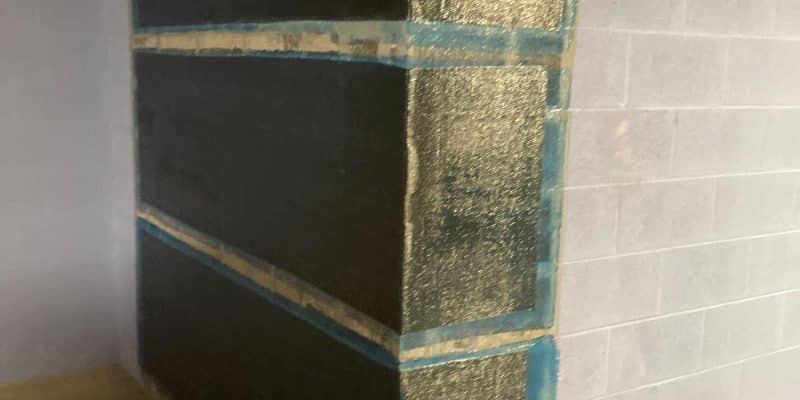
stablwall- wall wrap for vertical crack

An Introduction to Carbon Fiber Repair

Carbon fiber has revolutionized various industries with its high strength-to-weight ratio, durability, and flexibility. Commonly used in aerospace, automotive, sports equipment, and even medical devices, carbon fiber has become a material of choice for applications requiring high performance. However, like all materials, carbon fiber can sustain damage and requires specialized repair techniques to restore its integrity and functionality. This article provides a comprehensive introduction to carbon fiber repair, covering the types of damage, assessment methods, and basic and advanced repair techniques.

Understanding Carbon Fiber Damagecarbon-fiber-repair-stablwall-1

Carbon fiber can sustain damage from various sources. Common causes include impact during use, wear and tear over time, and manufacturing defects. Understanding the nature of this damage is crucial for effective repair. Damage can manifest as surface scratches, delamination, cracks, or even more severe structural compromises. Each type requires a specific approach to restore the material’s original strength and appearance.

Initial Assessment of Damage

Before any repair can begin, a thorough assessment of the damage is necessary. Visual inspection is the first step, where signs of wear, cracks, and delamination can be identified. Non-destructive testing methods such as ultrasound and thermography are also used to detect internal flaws that are not visible to the naked eye. These methods provide a comprehensive understanding of the extent of the damage and inform the appropriate repair strategy.

Preparing for Repair

Preparation is key to a successful carbon fiber repair. This involves gathering necessary tools and materials, including cutting tools, measuring tools, application tools, and safety equipment. Personal protective equipment (PPE) such as gloves, masks, and goggles are essential to protect the technician from hazardous materials and dust. Ensuring a clean and controlled environment is also crucial to avoid contamination during the repair process.

Basic Repair Techniques

Basic repair techniques involve surface preparation, patching small surface damages, and addressing delamination and cracks. Surface preparation includes cleaning the damaged area and sanding it to create a smooth surface for the repair. For small surface damages, patching with a piece of carbon fiber fabric and resin is often sufficient. Delamination and cracks may require more extensive repairs, such as filling the damaged area with resin and applying multiple layers of carbon fiber fabric.

Advanced Repair Techniques

Advanced repair techniques involve more complex procedures such as vacuum bagging and autoclave curing. Vacuum bagging ensures that the repair area is free of air bubbles and that the resin is evenly distributed. This technique involves placing the repair under a vacuum-sealed bag and applying pressure to remove any air pockets. Autoclave curing, on the other hand, uses high pressure and temperature to cure the repair, resulting in a stronger and more durable bond. These techniques are typically used for critical applications where structural integrity is paramount.

Quality Control and Testingcarbon-fiber-repair-stablwall-2

After the repair is completed, quality control and testing are essential to ensure that the repair meets strength and safety standards. Post-repair testing methods include visual inspection for any remaining flaws and structural testing to verify the strength of the repair. Non-destructive testing methods such as ultrasound can also be used to check for internal defects. Ensuring that the repair has been carried out correctly is crucial for the longevity and performance of the carbon fiber component.

Carbon fiber repair is a specialized field that requires a thorough understanding of the material, the nature of the damage, and the appropriate repair techniques. From initial assessment to advanced repair methods, each step is crucial in restoring the integrity and functionality of carbon fiber components. As technology advances, new methods and materials are being developed, making carbon fiber repair more efficient and effective. Whether you’re a seasoned professional or new to the field, mastering these techniques will help you achieve excellence in carbon fiber repair.

Contact the Professionals at StablWall Today (866) 782-5955

carbon-fiber-repair-stablwall-3

Common Challenges in Carbon Fiber Repair and How to Overcome Them

Carbon fiber repair can be challenging due to the unique properties of the material and the precision required for effective repair. This article explores common challenges faced during carbon fiber repair and provides practical solutions to overcome them. By understanding these challenges and implementing best practices, you can achieve high-quality repairs and extend the life of your carbon fiber components.

Identifying Hidden Damagecarbon-fiber-repair-stablwall-1

One of the biggest challenges in carbon fiber repair is identifying hidden damage that is not visible to the naked eye. Advanced diagnostic tools like ultrasound and thermography can detect internal flaws and delamination. A thorough inspection and non-destructive testing methods are essential to ensure that all damage is identified and addressed during the repair.

Ensuring compatibility between the repair materials and the existing carbon fiber component is crucial for a successful repair. Using incompatible materials can result in weak bonds and compromised structural integrity. It’s important to select resins, adhesives, and fabrics that are specifically designed for carbon fiber repair. Consulting material data sheets and conducting compatibility tests can help avoid common mistakes.

Achieving a Smooth Finish

Achieving a smooth finish on the repaired area can be difficult due to resin pooling and air bubbles. Proper surface preparation, including cleaning and sanding, is essential to create a smooth base for the repair. Using a roller or brush to apply resin evenly and employing vacuum bagging techniques can help eliminate air bubbles and ensure a smooth finish. Sanding and applying protective coatings after curing can further enhance the appearance.

Ensuring Structural Integrity

Maintaining the structural integrity of the repaired area is critical, especially for components subjected to high loads and stresses. Proper layering techniques, such as using multiple layers of carbon fiber fabric, can enhance the strength of the repair. Conducting structural tests, such as flexural and tensile tests, can verify the strength of the repair. Following best practices for curing and using high-quality materials also contribute to maintaining structural integrity.

Curing Problems

Curing problems, such as incomplete curing or uneven resin distribution, can weaken the repair. Ensuring optimal curing conditions, including the correct temperature and pressure, is essential for a strong bond. Using vacuum bagging or autoclave curing methods can help achieve consistent curing. Monitoring the curing process and following the manufacturer’s instructions for resin mixing and curing times can prevent common issues.

Environmental Factors

Environmental factors, such as temperature and humidity, can affect the repair process and the performance of the repaired component. Working in a controlled environment with stable temperature and humidity levels is important to avoid issues such as resin curing too quickly or slowly. Using materials that are designed for specific environmental conditions and following best practices for storage and handling can mitigate the impact of environmental factors.

Case Studies: Overcoming Challengescarbon-fiber-repair-stablwall-2

Examining real-world examples of how challenges in carbon fiber repair were successfully addressed can provide valuable insights and best practices. Case studies can highlight common issues and demonstrate effective solutions. By learning from these examples, technicians can improve their repair techniques and achieve better results.

Carbon fiber repair presents several challenges, but understanding these challenges and implementing best practices can lead to successful repairs. From identifying hidden damage to ensuring material compatibility and achieving a smooth finish, each step requires careful attention to detail. By overcoming common challenges and continually improving repair techniques, technicians can ensure the longevity and performance of carbon fiber components. As technology advances, new tools and materials are being developed, making carbon fiber repair more efficient and effective.

Contact the Professionals at StablWall Today (866) 782-5955

carbon-fiber-stablwall-stablwall-3

Defending Your Foundation: Carbon Fiber StablWall for Horizontal Wall Cracks

Your home’s foundation is its literal bedrock – a solid base upon which everything else rests. However, when horizontal cracks appear in your foundation walls, it’s a sign of trouble that can’t be ignored. These cracks, often caused by lateral pressure from surrounding soil or water infiltration, can compromise the structural integrity of your home and lead to costly repairs if left unchecked. Fortunately, there’s a revolutionary solution that offers both strength and reliability: Carbon Fiber StablWall. In this article, we’ll explore the significance of horizontal wall cracks, the advantages of Carbon Fiber StablWall, and why it’s the ultimate choice for repairing your foundation.

Understanding Horizontal Wall Cracks

carbon-fiber-stablwall-stablwall-1

Horizontal cracks in foundation walls are a cause for concern because they often indicate significant structural issues. Unlike vertical cracks, which can result from settlement or minor stress, horizontal cracks typically signal excessive pressure exerted on the walls. Common causes of horizontal wall cracks include:

  1. Hydrostatic Pressure: When water accumulates around the foundation due to poor drainage or high groundwater levels, it exerts hydrostatic pressure on the walls, causing them to bow inward and crack horizontally.
  2. Frost Heave: In colder climates, frost heave occurs when moisture in the soil freezes and expands, exerting lateral pressure on the foundation walls and leading to horizontal cracking.
  3. Poor Soil Conditions: Soil with expansive properties or inadequate compaction can exert significant lateral pressure on the foundation walls, resulting in horizontal cracks over time.

Regardless of the cause, horizontal wall cracks pose a serious threat to the structural integrity of your home. They can compromise the stability of the foundation, allow water infiltration, and even lead to structural failure if not addressed promptly.

The Power of Carbon Fiber StablWall

Carbon Fiber StablWall is a state-of-the-art solution designed to reinforce and stabilize foundation walls, particularly in cases of horizontal cracking. Here’s why it’s the superior choice for repairing your foundation:

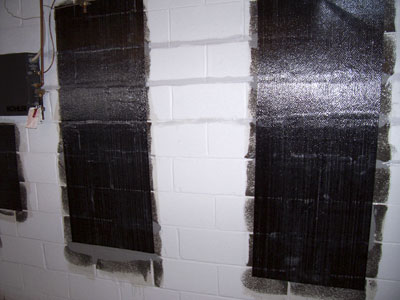
  1. Unmatched Strength: Carbon Fiber StablWall utilizes high-strength carbon fiber straps bonded directly to the foundation walls, providing unparalleled reinforcement against lateral pressure. Carbon fiber has a tensile strength greater than that of steel, making it an ideal material for stabilizing horizontal cracks and preventing further wall movement.
  2. Flexibility and Adaptability: Unlike rigid solutions such as steel I-beams or concrete buttresses, Carbon Fiber StablWall is flexible and adapts to the natural movement of the foundation walls. This flexibility allows it to withstand shifting soil conditions and temperature changes without compromising its effectiveness.carbon-fiber-stablwall-stablwall-2
  3. Minimal Disruption: Carbon Fiber StablWall installation is a non-intrusive process that requires minimal disruption to your home. Unlike traditional methods that may involve extensive excavation and reconstruction, Carbon Fiber StablWall can typically be installed from inside the basement, reducing downtime and inconvenience for homeowners.
  4. Long-Term Reliability: Once installed, Carbon Fiber StablWall provides long-term protection against horizontal wall movement and cracking. Its corrosion-resistant properties ensure durability even in harsh environmental conditions, making it a reliable solution for maintaining the structural integrity of your home for years to come.
  5. Cost-Effectiveness: While the upfront cost of Carbon Fiber StablWall may be higher than traditional repair methods, it offers significant long-term savings by preventing the need for costly future repairs. Its effectiveness in stabilizing foundation walls and preventing further damage can ultimately save homeowners time, money, and hassle in the long run.

Horizontal wall cracks are not just cosmetic flaws – they’re warning signs of underlying structural issues that require immediate attention. Carbon Fiber StablWall offers a comprehensive solution for stabilizing foundation walls and preventing further damage, providing unmatched strength, flexibility, and reliability.

Don’t wait until horizontal cracks compromise the integrity of your home. Invest in Carbon Fiber StablWall today and ensure the long-term stability and value of your property. With its strength, flexibility, and cost-effectiveness, Carbon Fiber StablWall is the ultimate choice for defending your foundation against the hazards of horizontal wall cracks.

Contact the Professionals at StablWall Today! (866) 782-5955
foundation-cracks-stablwall-3

Understanding Foundation Cracks: Causes and Types

Foundation cracks are a common issue in buildings, both residential and commercial. Understanding the causes and types of foundation cracks is essential for effective repair and maintenance. In this article, we will delve into the various factors that contribute to foundation cracks and the different types of cracks that may occur.

Causes of Foundation Cracks:

  • foundation-cracks-stablwall-1Settling: One of the primary causes of foundation cracks is soil settling. When the soil beneath a building compresses or shifts, it can cause the foundation to crack as it struggles to bear the load.
  • Hydrostatic Pressure: Excessive moisture in the soil surrounding the foundation can exert hydrostatic pressure, leading to cracks. Poor drainage systems and heavy rainfall can exacerbate this issue.
  • Freeze-Thaw Cycles: In colder climates, freeze-thaw cycles can cause the soil to expand and contract, putting pressure on the foundation and leading to cracks over time.
  • Poor Construction: Inferior construction techniques or the use of low-quality materials can also contribute to foundation cracks. Weak concrete or inadequate reinforcement can make the foundation susceptible to damage.

Types of Foundation Cracks:

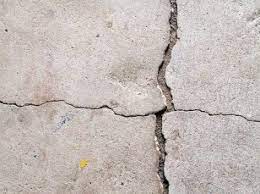
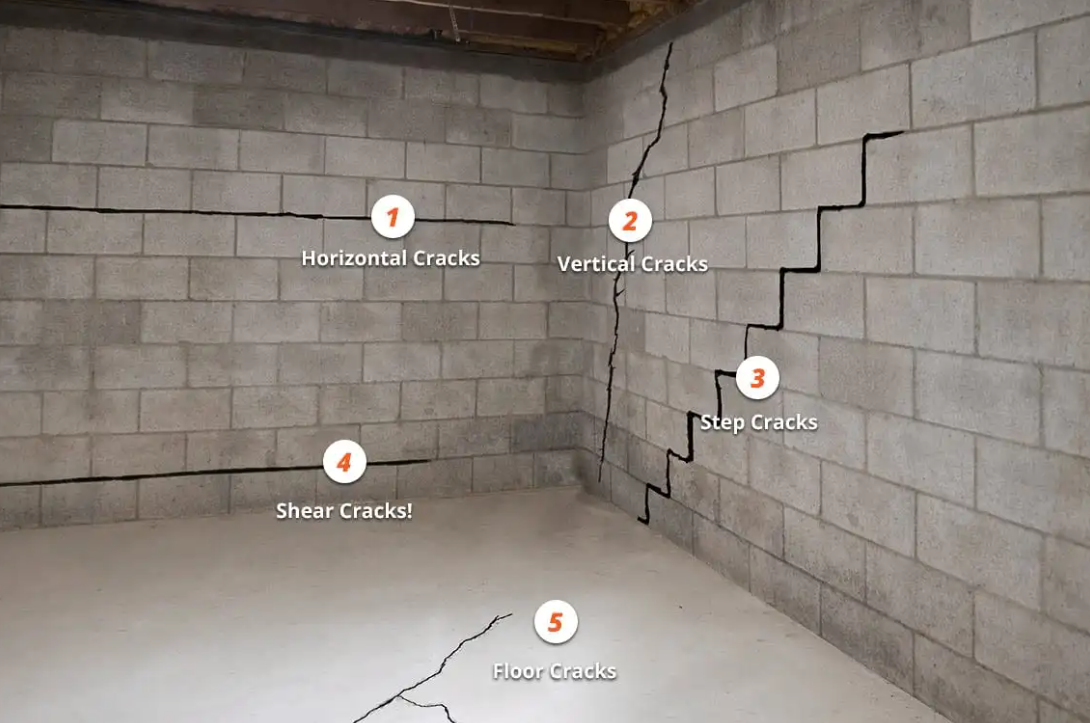
  • foundation-cracks-stablwall-2Vertical Cracks: These cracks typically run straight up and down and are often caused by settling or the natural curing process of concrete. They can vary in width and length.
  • Horizontal Cracks: Horizontal cracks are more serious and indicate significant pressure against the foundation walls, often due to hydrostatic pressure or expansive soil.
  • Diagonal Cracks: Diagonal cracks usually occur at a 45-degree angle and can be a sign of both settling and lateral pressure. These cracks may start small but can widen over time.
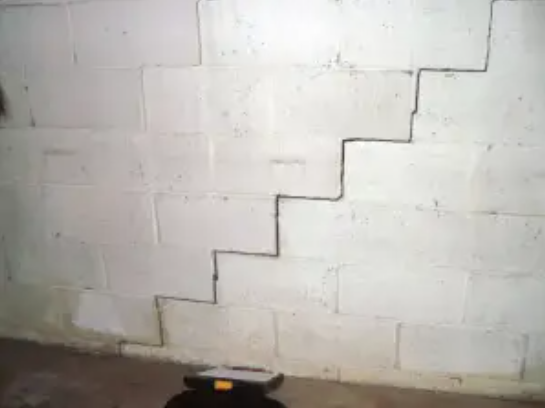
  • Stair-Step Cracks: Common in brick or block foundations, stair-step cracks follow the mortar joints and are indicative of foundation movement or settling.

Foundation cracks can vary in severity, and identifying the underlying causes is crucial for effective repair and prevention. By understanding the different types of cracks and their root causes, property owners can take proactive measures to address foundation issues before they escalate.

Contact the Professionals at StablWall Today! (866) 782-5955
professional-foundation-crack-repair-stablwall-3

Professional Foundation Crack Repair: Methods and Considerations

While some foundation crack repairs can be tackled through DIY methods, more extensive or complex issues often require professional intervention. In this article, we will explore the various methods and considerations involved in professional foundation crack repair.

Methods of Professional Foundation Crack Repair:

  • Epoxy Injection: Professional contractors often use epoxy injection techniques to fill and seal cracks in concrete foundations. This method is effective for repairing both vertical and horizontal cracks and can help restore the structural integrity of the foundation.professional-foundation-crack-repair-stablwall-1
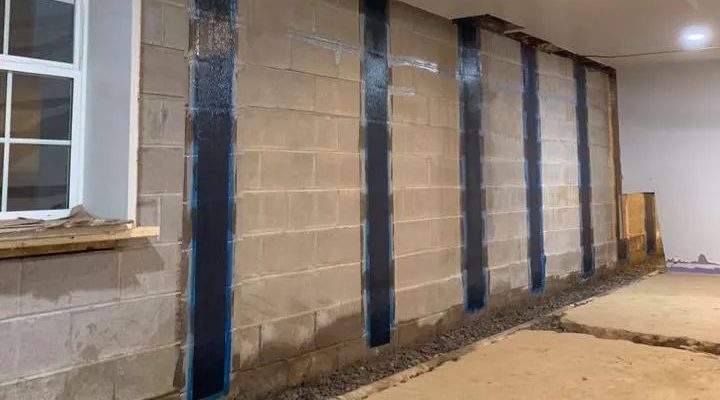
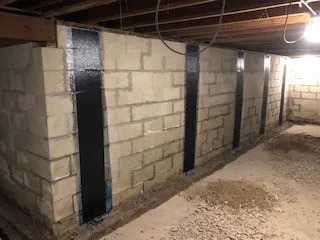
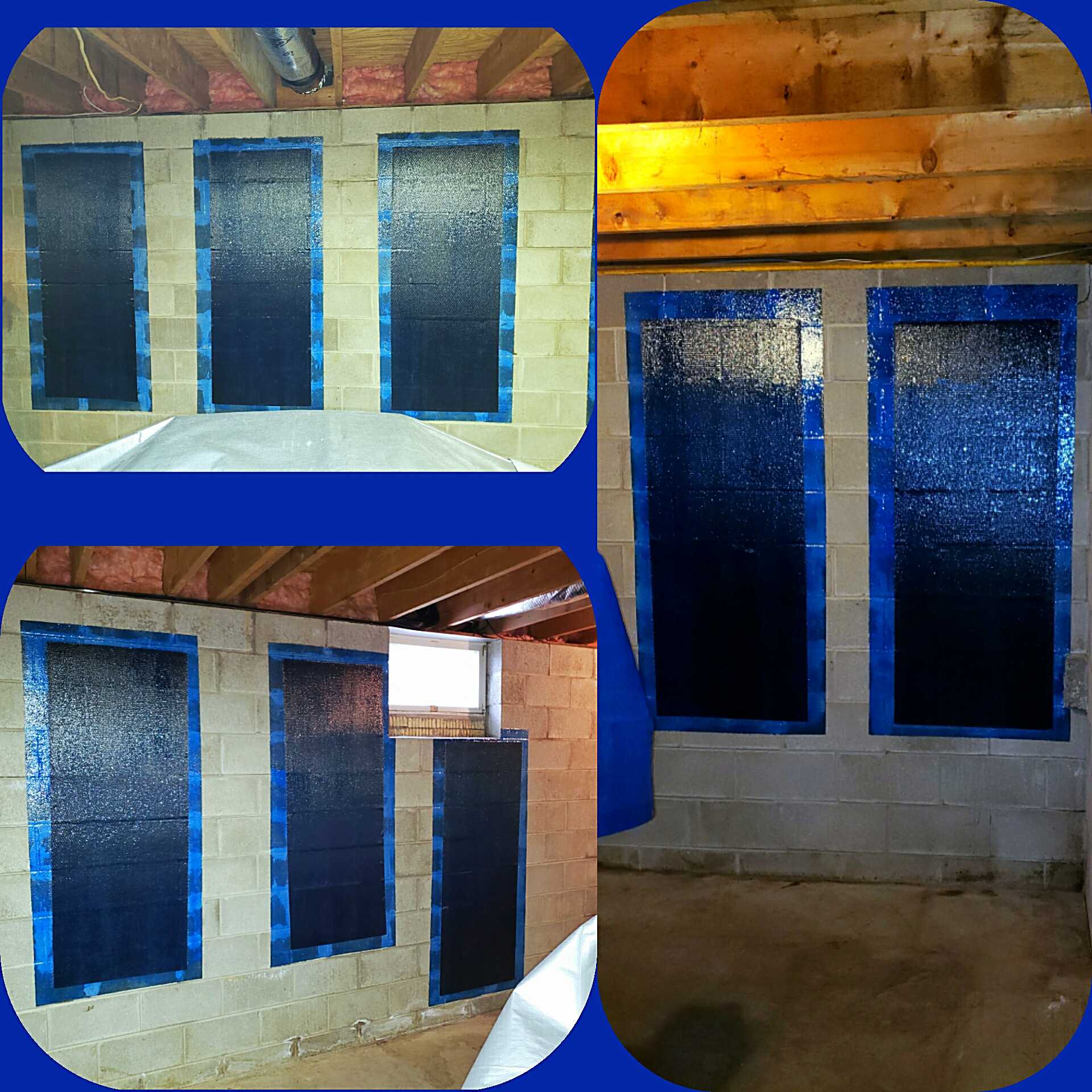
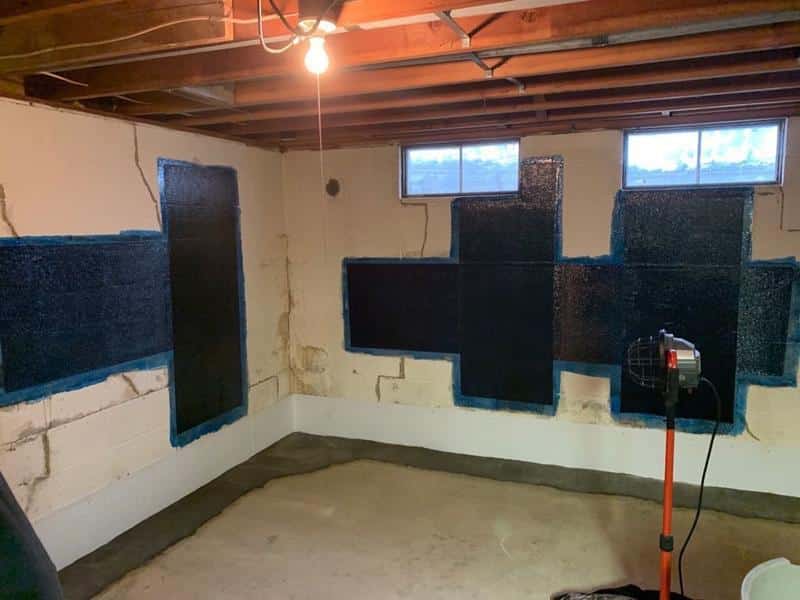
  • Carbon Fiber Reinforcement: Carbon fiber reinforcement involves applying carbon fiber strips or sheets to the foundation walls to provide added strength and stability, particularly in cases of bowing or shifting walls.
  • Underpinning: Underpinning is a technique used to stabilize and strengthen the foundation by extending or reinforcing the existing footings. This method is commonly employed for addressing foundation settlement and sinking.
  • Grout Injection: Grout injection involves injecting cementitious or polyurethane grout into voids or gaps beneath the foundation to fill and stabilize the soil, preventing further settlement or movement.

Considerations for Professional Repair:

  • Assessment by Experts: Before undertaking any repair work, it is essential to have the foundation inspected by qualified professionals to determine the underlying causes of the cracks and the most appropriate repair methods.professional-foundation-crack-repair-stablwall-2
  • Permitting and Regulations: Depending on the extent of the repair work and local building codes, permits may be required for foundation repairs. Professional contractors can ensure compliance with regulations and obtain necessary permits.
  • Cost and Time Considerations: Professional foundation crack repair can be more costly than DIY methods, but it often yields more durable and long-lasting results. Property owners should consider both the upfront costs and the long-term benefits of professional repair.
  • Warranty and Guarantees: Reputable foundation repair companies typically offer warranties or guarantees on their workmanship and materials, providing peace of mind to property owners.

Professional foundation crack repair requires specialized knowledge, expertise, and equipment to ensure effective and lasting results. By hiring qualified contractors and considering various repair methods and factors, property owners can address foundation issues with confidence and preserve the integrity of their buildings.

Contact the Professionals at StablWall Today! (866) 782-5955
carbon-fiber-foundation-repair-stablWall-3

Ensuring Successful Carbon Fiber Foundation Repair: Best Practices and Tips

For homeowners and contractors embarking on carbon fiber foundation repair, meticulous planning, thorough preparation, and precise execution are indispensable for ensuring enduring success. In this comprehensive guide, we present a suite of best practices and expert insights aimed at maximizing the efficacy of Carbon fiber foundation repair, ultimately culminating in resilient, long-lasting outcomes.

1. Professional Evaluation and Advisory:carbon-fiber-foundation-repair-stablWall-1

Prioritize engaging professional engineers or seasoned contractors for a meticulous assessment of the foundation’s structural integrity. Their expertise will facilitate the identification of tailored repair solutions, ensuring the project’s efficacy and durability. Highlight the invaluable advantages of collaborating with experienced professionals who possess the requisite knowledge and proficiency to adeptly design and execute carbon fiber reinforcement initiatives.

2. Surface Priming and Cleansing:

Accentuate the criticality of meticulous surface preparation and cleansing to optimize the adhesion and cohesion of the carbon fiber material. Advocate for the thorough removal of any pre-existing coatings, sealants, or debris from the foundation’s surface before the application of carbon fiber reinforcement, thereby fostering a pristine substrate for enhanced bonding.

3. Application Precision:

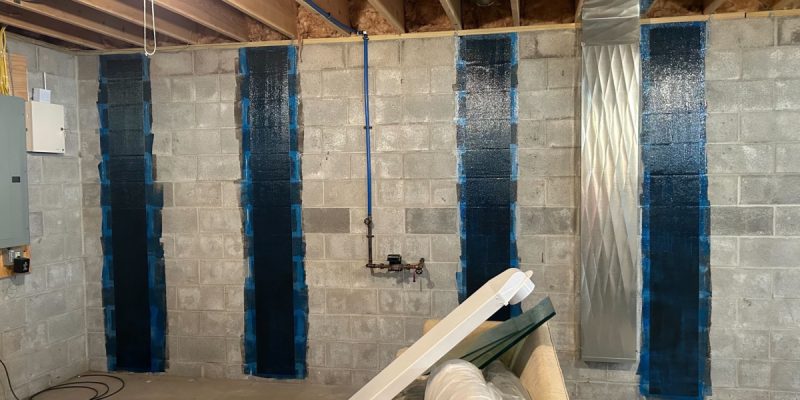
Offer comprehensive guidance on meticulous application techniques for carbon fiber reinforcement, underscoring the significance of precise alignment, seamless overlap, and comprehensive coverage. Explore the utilization of epoxy resins or compatible bonding agents to augment the adhesion and cohesion between the carbon fiber material and the substrate, fortifying the structural integrity of the repaired foundation.

4. Superior Materials and Equipment:

Highlight the pivotal role of utilizing premium-quality carbon fiber materials and state-of-the-art equipment to achieve unparalleled results. Recommend sourcing carbon fiber reinforcement exclusively from reputable manufacturers and suppliers renowned for their commitment to consistency and reliability, thereby instilling confidence in the durability and efficacy of the repair solution.

5. Rigorous Quality Assurance and Inspection:carbon-fiber-foundation-repair-stablWall-2

Emphasize the indispensability of implementing stringent quality assurance protocols and conducting meticulous inspections throughout the repair process. By rigorously verifying the integrity and effectiveness of the carbon fiber reinforcement, homeowners and contractors can confidently ensure the durability and longevity of the rehabilitated foundation.

For unparalleled expertise and comprehensive support in carbon fiber foundation repair, contact the seasoned professionals at StablWall today! Call us at (866) 782-5955 to embark on a journey towards fortified foundations and lasting structural resilience.

The Role of Carbon Fiber Repair in Preserving Your Home’s Foundation Health

The foundation of your home is a critical element that provides stability and support to the entire structure. As a homeowner, it’s essential to be proactive in preserving the health of your foundation. Carbon fiber repair has emerged as a powerful solution for addressing foundation issues and ensuring its long-term health and stability. In this article, we will delve deeper into the role of carbon fiber repair in preserving the health of your home’s foundation.

Addressing Common Foundation Problems

Before we discuss the benefits of carbon fiber repair, it’s crucial to understand the common foundation problems that can threaten the integrity of your home’s structure:

Foundation Cracks: Cracks in the foundation walls can occur due to settlement, soil movement, or other factors. These cracks may compromise the structural integrity of your home.Carbon Fiber Repair

Bowed or Leaning Walls: Foundation walls that bow or lean inward can result from soil pressure, water infiltration, or inadequate construction. These issues can lead to further damage if left unaddressed.

Settling Foundations: Settlement occurs when the foundation sinks or shifts due to soil conditions. It can lead to uneven floors, wall cracks, and structural instability.

Water Intrusion: Water infiltration through foundation walls or floor slabs can cause damage and create a damp or flooded basement environment.

The Role of Carbon Fiber Repair

Carbon fiber repair is a versatile and highly effective method for addressing a range of foundation issues. Its role in preserving your home’s foundation health is multifaceted and includes the following key aspects:

Structural Reinforcement

Carbon fiber repair provides robust structural reinforcement to foundation walls. Carbon fiber sheets or strips are applied to the affected areas, creating a strong, tension-resistant system. This reinforcement prevents further movement and deterioration of the foundation, ensuring its long-term stability.

Preventing Wall Movement

In cases of bowed or leaning walls, carbon fiber repair plays a pivotal role in preventing further movement. The carbon fiber materials are applied vertically along the wall’s surface, counteracting the inward pressure and ensuring that the wall remains in its corrected position.

Minimizing Future Settling

For settling foundations, carbon fiber repair can help lift and stabilize the foundation. By distributing the load and providing additional support, carbon fiber materials can mitigate future settling issues, ensuring a level and stable foundation.

Water Intrusion Prevention

While carbon fiber repair primarily addresses structural concerns, it can also play a role in preventing water intrusion. When used in conjunction with other waterproofing methods, such as sealants or drainage systems, carbon fiber can help maintain a dry and healthy basement environment.

Discreet Aesthetics

Carbon fiber repair is known for its discreet and low-profile appearance. The materials can be painted over or covered with finishing materials, making them virtually invisible once the repair is complete. This ensures that your foundation repairs do not detract from the overall aesthetics of your home.

Cost-Effective Solution

carbon-fiber-repair-stablwall-2

Carbon fiber repair is often a cost-effective solution for foundation problems. It eliminates the need for extensive excavation and reconstruction, reducing labor and material costs. Its long-lasting durability also means that you won’t incur recurring expenses for maintenance or repairs.

Using carbon repair solutions, homeowners can effectively extend the lifespan of their foundation, ensuring long-term stability and safety. Additionally, the lightweight and non-invasive nature of carbon fiber repairs minimizes disruption to the home during the repair process, making it a practical and efficient option for maintaining the structural integrity of your property.

Contact the Professionals at StablWall Today! (866) 782-5955

How Carbon Fiber Repair Enhances the Health of Your Home’s Foundation

The foundation of your home is a critical structural component that supports the entire building. Over time, it may develop issues such as cracks, settling, or bowing walls, which can compromise the stability and safety of your home. Carbon fiber repair has emerged as a highly effective method for addressing foundation problems and improving the health of your home’s foundation. In this article, we will explore how carbon fiber repair can enhance the health of your home’s foundation and ensure its long-term stability.

Understanding Carbon Fiber Repair

Carbon fiber repair is an innovative and proven technology that utilizes high-strength carbon fiber sheets or strips to reinforce and stabilize foundation walls and structures. These carbon fiber materials are incredibly strong and lightweight, making them an ideal choice for foundation repairs. Carbon fiber repair is commonly used to address various foundation issues, including:

carbon-fiber-repair-stablwall-1

Wall Cracks: Carbon fiber straps are applied to cracked walls to prevent further movement and stabilize the foundation.

Bowing Walls: Carbon fiber strips are installed vertically to counteract the inward pressure of bowing or leaning walls.

Settling Foundations: Carbon fiber repair can help lift and stabilize foundations that have settled due to soil conditions.

Water Intrusion: Carbon fiber can also be used in conjunction with other waterproofing methods to prevent water from entering the basement.

Now, let’s explore how carbon fiber repair can contribute to the overall health of your home’s foundation.

Strength and Durability

Carbon fiber repair provides an exceptionally strong and durable solution for foundation problems. The carbon fiber sheets are incredibly resilient, and capable of withstanding heavy loads and resisting tension forces. Once applied, they create a robust reinforcement system that prevents further damage and maintains the structural integrity of the foundation. Unlike traditional methods that may require ongoing maintenance and repairs, carbon fiber repair offers long-lasting stability.

Non-Intrusive and Minimal Disruption

One of the significant advantages of carbon fiber repair is its non-intrusive nature. Unlike traditional foundation repair methods that often involve extensive excavation and disruption to the property, carbon fiber repair is minimally invasive. Installation typically requires only a clean and dry surface for adhesive bonding, which means no disruption to your landscaping or daily activities. This makes it a convenient and cost-effective choice for homeowners.

Speed and Efficiency

Carbon fiber repair is known for its speed and efficiency. The installation process is relatively quick, allowing homeowners to address foundation issues promptly. There is no need for extended construction timelines or waiting for materials to cure. As a result, you can restore the health of your home’s foundation without unnecessary delays.

Aesthetically Appealing

Carbon fiber repair is a visually appealing solution for foundation problems. The carbon fiber straps or strips are low-profile and can be painted over or covered with wall finishing materials, such as drywall or paneling. This ensures that your foundation repairs remain discreet and do not detract from the overall aesthetics of your home.

Cost-Effective

Compared to some traditional foundation repair methods, carbon fiber repair is often more cost-effective. It eliminates the need for extensive excavation and reconstruction, reducing labor and material costs. Additionally, the long-lasting durability of carbon fiber means that you won’t incur recurring expenses for ongoing maintenance or repairs.

Minimal Maintenance

carbon-fiber-repair-stablwall-2

Once carbon fiber repair is installed, it requires minimal maintenance. The carbon fiber materials do not corrode or deteriorate over time. Routine inspections to ensure the straps or strips remain in place and in good condition are typically all that’s needed. This low-maintenance aspect contributes to the overall health of your foundation by reducing the risk of future issues.

Carbon fiber repair is a modern and effective method for improving the health of your home’s foundation. Its strength, durability, non-intrusive nature, speed, and cost-effectiveness make it a preferred choice for addressing foundation problems. By choosing carbon fiber repair, homeowners can ensure the long-term stability and structural integrity of their foundations, providing peace of mind and protecting their most significant investment—their home.

Contact the Professionals at StablWall Today! (866) 782-5955

Wall Cracks: Recognizing, Resolving, and Knowing When to Act

Wall cracks can be benign or a red flag for your property’s health. In this comprehensive guide, we’ll assist you in identifying what your wall cracks mean and the appropriate next steps to ensure the safety and integrity of your home.

Key Takeaways

Wall Cracks

  • Understanding the type and cause of wall cracks is essential for appropriate repair and prevention, distinguishing between cosmetic and serious structural issues.
  • Professional evaluation by a structural engineer is recommended for significant or expanding wall cracks to assess and address potential structural damage.
  • Preventative maintenance, regular inspections, adapting to environmental factors, and understanding insurance coverages are crucial for minimizing and managing wall cracks.

Understanding Wall Cracks: Types and Causes

Cracks in walls can be a confusing sight for homeowners, as they may wonder if the cracks are harmless or indicative of structural problems. The key to proper repair and prevention lies in understanding what type of crack it is and its cause. Whether hairline or larger, vertical or diagonal, each crack tells a unique story about the state of your house’s structure and the external factors affecting it.

Not all wall cracks should raise equal levels of concern. Some are merely superficial due to natural settling or minor movements within the building’s foundation. Others may point towards more serious issues like foundation damage or instability in the overall structure. In such cases, Investigation is necessary, and professional assistance might be needed for effective resolution.

Identifying Hairline Cracks

Hairline cracks, named for their thin and often less than one-millimeter width, are commonly seen in freshly plastered walls during the drying process or as a result of gradual house settling. Despite their initial appearance being concerning, hairline cracks do not typically indicate any structural damage.

It is important to monitor these cracks over time. While they may seem harmless at first glance, an abrupt increase in size or length could potentially point toward a more serious problem. It is recommended to have vertical cracks that exceed one millimeter inspected by a professional.

Diagnosing Larger Cracks

Larger cracks, caused by significant structural movements, should be given immediate attention, unlike their smaller counterparts. These cracks may indicate problems such as foundation shifts, water damage or even underground leaks and require prompt action to prevent harm.

It is crucial to address these issues promptly once they are noticed to avoid exacerbating the situation. If there is a noticeable increase in the size of the crack(s), it is important to contact a qualified structural engineer who can assess the severity of the damage and provide expert guidance on how best to deal with it.

Deciphering Directional Cracks

Cracks can give clues about their origin. For example, vertical cracks on walls may be caused by inadequate drywall taping or natural settling. On the other hand, horizontal cracks could signal more serious problems like foundation bowing, water leaks, and uneven settlement.

When it comes to diagonal cracks, they may indicate issues with a building’s structure such as foundation movement or damage in the roof or upper levels. These types of cracks require a professional assessment to determine the root cause and necessary solutions.

When to Call a Structural Engineer

While small cracks can often be fixed with simple do-it-yourself solutions, there are certain situations where professional help is necessary. It’s important to know when these circumstances arise to maintain the safety and longevity of your home. When large cracks appear suddenly or run vertically or horizontally along a wall, it may be time to bring in a structural engineer.

A structural engineer has the expertise to evaluate the overall condition of your house and determine if any underlying structural issues are causing these significant wall cracks. Ignoring them can result in serious consequences such as extensive property damage, compromised foundations, and even the collapse of the building structure itself.

Signs of Settling Cracks

Cracks that occur as a result of house settling are common in both new and old homes. These vertical cracks, typically measuring 1/16 inch wide and between 2-6 inches long, can be found on walls or foundations. It is important to monitor these settling cracks regularly to ensure they do not worsen or indicate larger issues with the structure.

Although usually harmless, it’s crucial to keep an eye on these types of cracks for any changes over time. If they continue expanding or surpassing the width of 1/4 inch, seeking guidance from an engineer may be necessary.

Recognizing Structural Damage

Wall cracks can sometimes signal more severe structural problems. Cracks that are diagonal or resemble stairs, as well as those around door frames and windows, could indicate significant structural concerns.

Large ceiling-to-wall cracks with accompanying sagging may also suggest serious underlying damage to the structure. Early identification of these warning signs is crucial to intervene promptly and address any potential issues before they worsen.

Assessing Exterior Walls Cracks

It is important not to ignore cracks on the exterior walls of your home. These cracks can be an indication of potential problems with the foundation or water damage and should be taken seriously. If these cracks are significant in size or seem to be getting wider, it is recommended that a professional evaluate them.

If there are any signs of water damage resulting from external wall cracking, such as visible bending or discoloration along with mold spots and musty smells, immediate action needs to take place for assessment and resolution.

Prompt attention should also be given if you observe indications like warping externally around the walls because this may point towards possible underlying structural issues related to moisture penetration within your dwelling’s foundations.

Practical Steps for Repairing Cracks

If you have noticed small cracks in your wall and determined that they do not pose a serious structural problem, there are steps you can take to fix them yourself. Whether the cracks are minor hairline ones or larger, more noticeable ones, there are practical solutions for repairing these imperfections and preventing damage.

It is important to note that while many minor cracks can be easily managed with DIY methods, significant or severe cracking may require professional assistance. If unsure about the severity of the crack, seeking expert advice is recommended to ensure the safety and longevity of your home.

Fixing Minor Cracks with DIY Solutions

Minor cracks, including fine ones known as hairline cracks, can be easily remedied with simple materials and a bit of effort. One effective solution is to use a joint compound and a putty knife to fill in the crack. Multiple coats may be necessary for complete repair. Ensure each coat dries thoroughly before applying another.

Before applying spackling paste or joint compound, make sure the area where the crack is located is clean and free from any loose debris. For optimal results, lightly sand down the surface so that it becomes smooth enough for proper adhesion of the compound.

Dealing with Drywall Panels

Fixing cracks in drywall is a common problem for homeowners. This can easily be remedied by properly re-taping the joints and using drywall mud to create a smooth surface. The key to success with this repair process is careful attention to detail and having the right tools on hand.

To begin repairing your wall, start by removing any loose or chipping paint from the affected area using a putty knife. Next, lightly sand over it before applying the drywall compound. Once it has dried completely, lightly sand it again for an even finish before painting over it for seamless results.

Handling Ceiling Cracks

It is important to not overlook ceiling cracks as they can be a sign of more serious issues, such as structural movement or dampness. These types of cracks may need reinforcement or patching.

If you notice a crack in your ceiling, it should receive prompt attention. Extensive fissures that stretch from the ceiling onto the wall, especially if accompanied by sagging, are clear indications of potential structural damage and must be addressed immediately.

Protecting Your Home: Insurance and Prevention

To immediate repair, safeguarding your home against potential damage from wall cracks requires knowledge of your home insurance coverage and proactive measures. Conducting regular inspections and ensuring proper drainage can help prevent the formation or aggravation of cracks in the future.

It’s important to note that not all types of wall cracks are covered by home insurance policies. Familiarizing yourself with the details of your policy can save you from unexpected expenses for repairing these structural damages.

Coverage Clarity: Home Insurance and Wall Cracks

It’s important to be aware of your home insurance coverage for wall cracks. While some types may be covered, it is crucial to understand the limitations and exclusions in your policy. Typically, home insurance will protect against damages to the structure of a house, including its walls and foundation. This can vary depending on the cause of the damage.

Cracks resulting from issues such as subsidence or water damage are usually included in coverage but those caused by regular wear and tear are typically not covered. If you have any doubts about what is included in your policy, it is recommended to seek advice from either an insurance agent or company regarding potential repairs needed for cracked walls due to different causes like water damage.

Preventative Practices to Avoid Cracks

To maintain the soundness of your home, it is important to follow the saying that prevention is better than cure. By regularly performing maintenance tasks, you can minimize and prevent cracks from appearing on your walls. These tasks include checking for any issues with the foundation, monitoring how weather conditions affect your walls, filling in small cracks promptly when they do occur, and ensuring proper ventilation.

Keep an eye out for environmental factors like tree roots and soil conditions as these may also contribute to wall cracks forming. It’s crucial to address these concerns immediately to prevent Damage over time.

The Impact of Environmental Factors on Wall Cracks

While some wall fissures may be due to structural problems or natural deterioration, environmental elements can also contribute significantly. These factors include the pressure exerted by tree roots on foundation walls, changes in soil conditions, and even seismic events or extreme weather fluctuations.

Having a thorough understanding of these factors can help identify the root causes behind wall cracks in your home and provide you with knowledge for implementing suitable prevention methods or effectively addressing existing cracks.

Nature’s Influence: Tree Roots and Soil Conditions

The presence of tree roots and soil conditions can greatly impact the occurrence of wall cracks. The pressure from tree roots against foundation walls can result in cracking and displacement of concrete, ultimately compromising the strength and stability of these structures.

Different types of soil can play a significant role in causing cracks to form on walls. For example, clay-rich soil can absorb water during rainy periods, which causes it to expand. Conversely, during dry summer months, this type of soil contracts as it dries out, leading to fluctuations in ground levels that contribute towards swelling or sinking beneath foundations, resulting in potential damage such as cracked walls.

Addressing Leaks and Infestations

Wall cracks can be caused by various factors, including water damage and pest infestations. When walls are affected by leaks or moisture, their structural strength may become compromised, resulting in visible cracking as well as warping and discoloration.horizontal cracks fixed with stablwall carbon fiber sheets

Similarly, pests like carpenter ants and termites can also contribute to wall cracks by damaging the structure of your home’s walls. It is important to promptly address these issues to prevent damage and maintain the integrity of your home’s foundation.

In summary, cracks in walls should not be taken lightly and can be effectively dealt with by having the appropriate knowledge and approach. Knowing the different types of cracks, their underlying causes, and how to handle them is vital for ensuring your home’s structural soundness. While minor cracking issues may require simple do-it-yourself solutions, larger or more severe ones might necessitate professional assistance. Taking preventive measures against potential damage coupled with understanding your homeowner’s insurance coverage can greatly safeguard your home from any harm caused by wall fractures.

Contact the Professionals at StablWall Today! (866) 954-2739