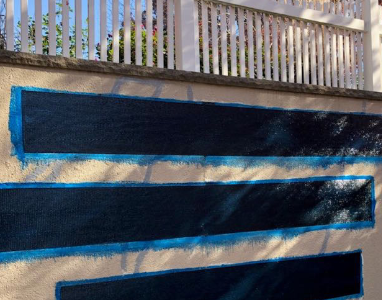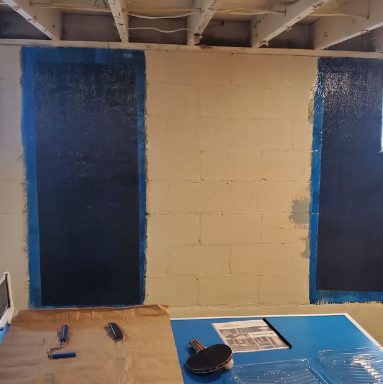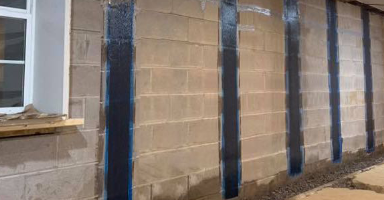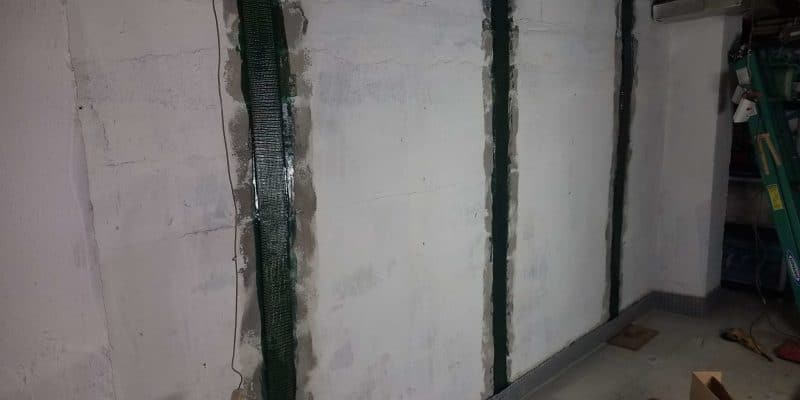
stablwall-stablwall-3

StablWall and Carbon Fiber: The Future of Foundation Repair

When a home’s foundation shows signs of distress, timely and effective repair is essential to prevent further damage. While effective, traditional foundation repair techniques often involve invasive methods such as excavation or installation of steel beams. These solutions can be expensive, time-consuming, and disruptive. Enter StablWall, a cutting-edge system that uses carbon fiber to revolutionize how foundation problems are addressed.

What is StablWall?

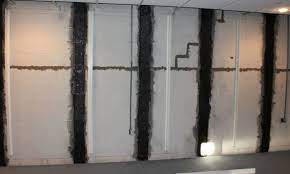
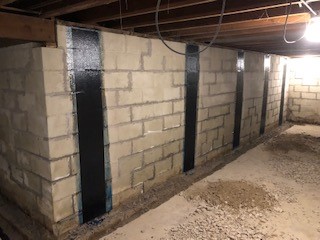
StablWall is a patented system that utilizes carbon fiber to reinforce and stabilize foundation walls. Unlike older methods that rely on heavy, bulky materials, StablWall uses lightweight carbon fiber sheets to provide unmatched strength and durability.
stablwall-stablwall-1

How StablWall Works:

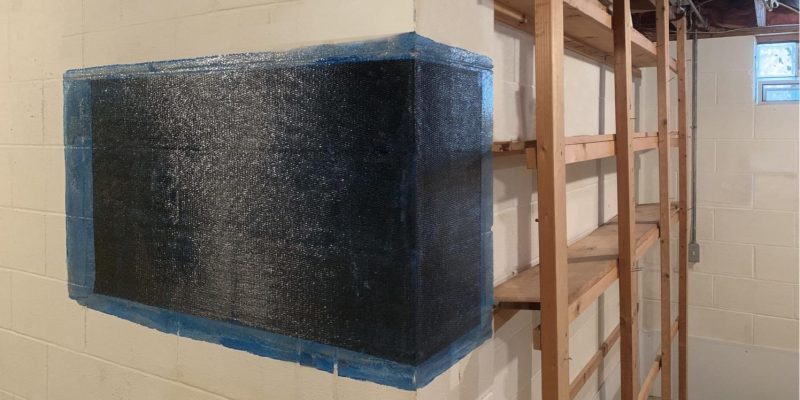
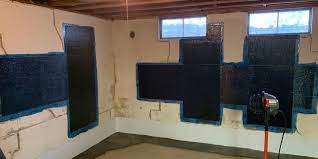
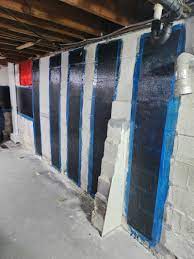
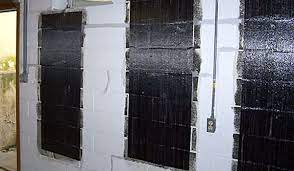
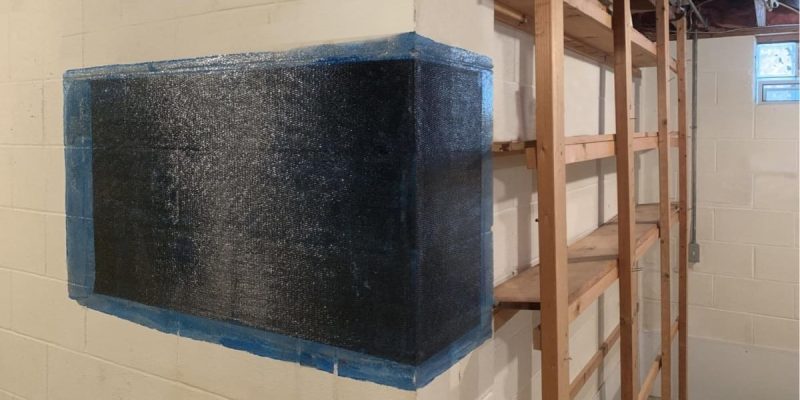
  • Reinforces Weak Walls: Carbon fiber sheets are bonded to the foundation wall using high-strength epoxy, creating abarrier that resists external pressures.
  • Prevents Further Damage: The system stops the progression of cracks and prevents bowing walls from worsening.
  • Restores Structural Integrity: Once installed, the wall regains its strength, ensuring the safety and stability of the home.

Carbon Fiber: A Material Like No Other

Carbon fiber’s unique properties make it the perfect choice for foundation repair. It is five times stronger than steel, yet it is incredibly lightweight and flexible. These characteristics allow it to stabilize walls without adding significant weight or requiring large-scale modifications.

Key Benefits of Carbon Fiber:

  1. Superior Strength: Carbon fiber can handle extreme tension, making it ideal for counteracting soil pressure on foundation walls.
  2. Resistance to Corrosion: Unlike steel, carbon fiber does not rust or degrade over time, even in moist environments.
  3. Lightweight and Easy to Apply: Its low weight simplifies the installation process, reducing labor and project costs.
  4. Longevity: Carbon fiber reinforcements can last for decades without losing effectiveness.

Applications of StablWall in Foundation Repair
stablwall-stablwall-2

StablWall is designed to address a variety of common foundation problems:

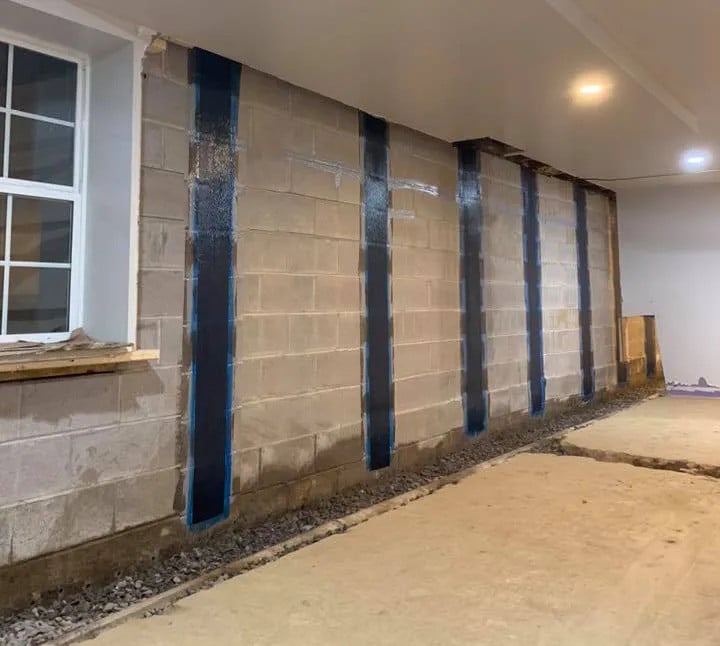
  1. Bowing Walls: When soil pressure causes walls to bend inward, StablWall reinforces them and prevents further movement.
  2. Horizontal and Vertical Cracks: The system stops cracks from spreading, restoring the wall’s strength.
  3. Waterproofing Support: StablWall can be used alongside waterproofing systems to ensure a dry and stable basement.

The Installation Process

One of the most appealing aspects of StablWall is its simplicity and efficiency. The system can often be installed in just one day, minimizing disruption for homeowners.

Step-by-Step Installation:

  1. Initial Assessment: A foundation expert evaluates the damage and determines where the carbon fiber sheets should be applied.
  2. Surface Preparation: The wall is cleaned to remove debris and ensure a strong bond between the carbon fiber and the surface.
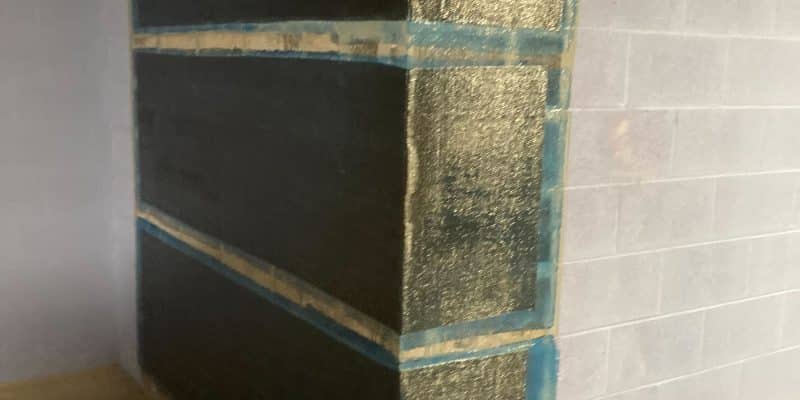
  3. Application: Carbon fiber sheets are adhered to the wall using a durable epoxy resin.
  4. Curing: As the epoxy cures, it creates a permanent bond that strengthens the wall.

Why Choose StablWall?

Homeowners and contractors alike are turning to StablWall for its reliability and efficiency. Unlike traditional methods, which can involve weeks of work and significant property disruption, StablWall provides a quick and lasting solution. Its minimal impact on the home’s appearance and environment makes it a preferred choice for modern foundation repair.

StablWall represents the future of foundation repair, combining the unparalleled strength of carbon fiber with an easy-to-install system that addresses structural issues effectively. Whether it’s reinforcing bowing walls, preventing crack propagation, or supporting a comprehensive waterproofing plan, StablWall offers homeowners a durable, affordable, and non-invasive solution. By investing in this innovative technology, homeowners can ensure the stability and safety of their property for years to come.

Contact the Professionals at StablWall Today! (866) 782-5955

carbon-fiber-wall-reinforcement-stablwall-3

Carbon Fiber Wall Reinforcement: A Modern Solution to Foundation Cracks

Foundation cracks can be a homeowner’s worst nightmare. Left unaddressed, they can lead to water damage, structural instability, and even foundation failure. Traditional repair methods, such as steel beams or wall anchors, can be effective but invasive and costly. Enter carbon fiber—an advanced solution that provides an easy, durable, and minimally disruptive way to reinforce foundation walls. This article explores the benefits of using carbon fiber for wall reinforcement, explaining how it works and why it is the preferred choice for many homeowners today.

Before diving into how carbon fiber can fix foundation cracks, it’s essential to understand why these cracks happen in the first place. Several factors can lead to foundation cracks, including:

  1. Hydrostatic Pressure: Water accumulation around the foundation increases the pressure on basement walls. Over time, this pressure can cause the walls to crack or bow inward.
  2. Soil Movement: Expansive soil, which swells when wet and shrinks when dry, can cause shifting around the foundation. This constant movement puts stress on the walls, leading to cracks.
  3. Natural Settling: Homes naturally settle over time, and while some minor settling is normal, excessive movement can cause cracks in the foundation.
  4. Poor Construction: Foundations that were improperly designed or built with subpar materials are more prone to developing cracks. Even new homes can experience these issues if the foundation wasn’t correctly constructed.

Carbon fiber reinforcement works by creating a bond between the damaged wall and the carbon fiber material, which then prevents further movement or cracking. Here’s how it’s typically applied:carbon-fiber-wall-reinforcement-stablwall-1

  1. Surface Preparation: Before applying carbon fiber, the surface of the wall must be cleaned and prepped. This usually involves removing any dirt, dust, and debris, and ensuring that the cracks are exposed. In some cases, the cracks may be slightly widened to allow better penetration of the epoxy used to bond the carbon fiber.
  2. Epoxy Injection: An epoxy adhesive is applied to the cleaned wall surface, which will bond the carbon fiber strips to the concrete. The epoxy fills in any small gaps or imperfections, creating a strong bond between the wall and the carbon fiber.
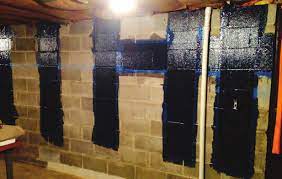
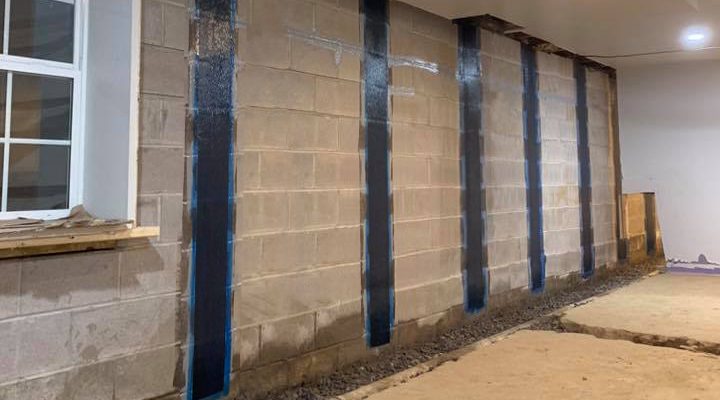
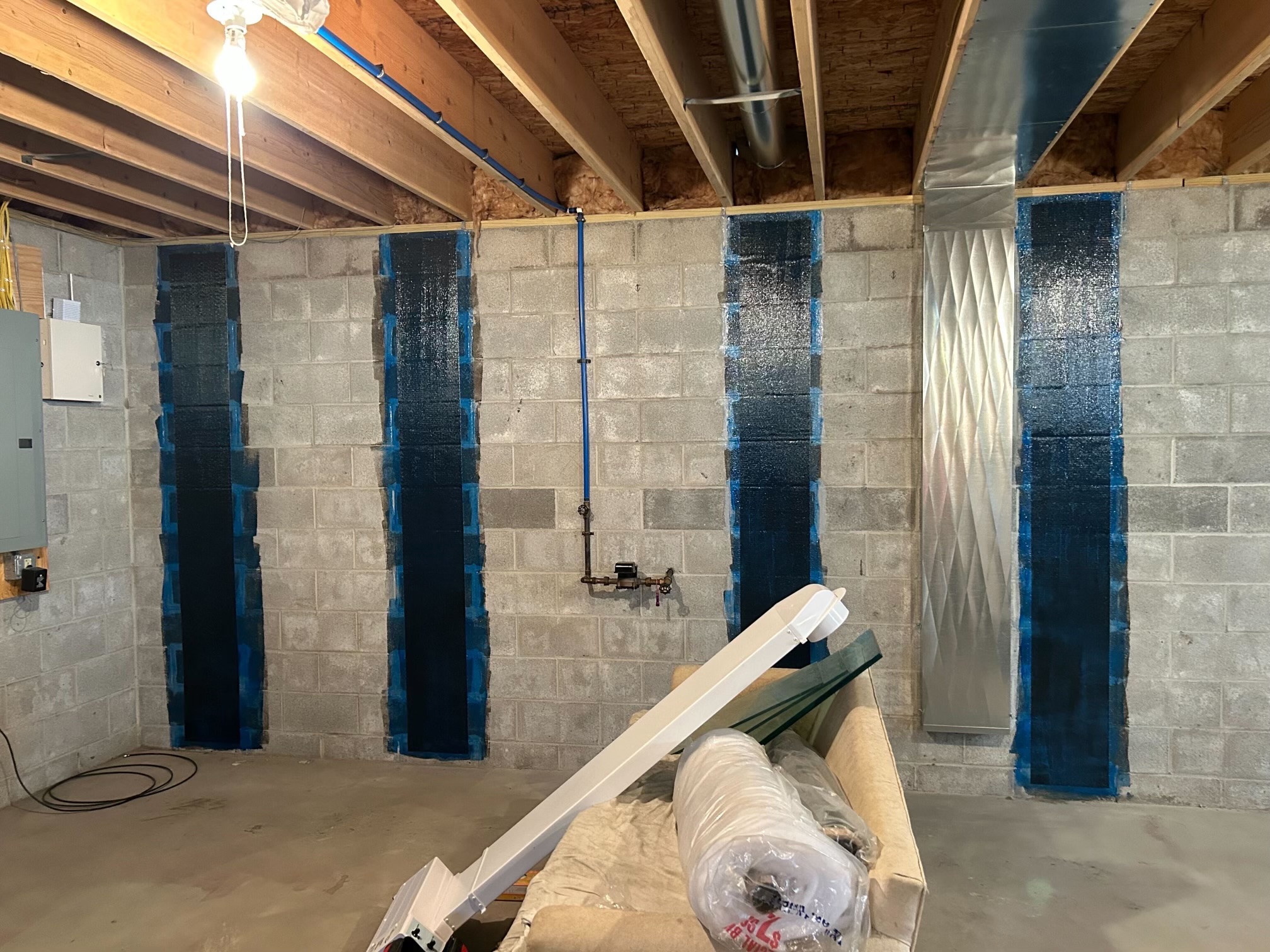
  3. Application of Carbon Fiber Strips: Once the epoxy is applied, carbon fiber strips are pressed onto the wall. These strips are typically placed vertically along the cracks or bowing areas of the wall. The carbon fiber material is incredibly strong, capable of withstanding high tensile forces, which helps to stabilize the wall and prevent further movement.
  4. Curing Process: After the carbon fiber is applied, the epoxy is left to cure. This process can take several hours to a few days, depending on the type of epoxy used and environmental conditions. Once cured, the wall is reinforced and capable of withstanding the forces that caused the cracking in the first place.

The use of carbon fiber for wall reinforcement has grown in popularity due to its numerous advantages over traditional methods of foundation repair.

  1. Non-Intrusive: Unlike steel beams or wall anchors that require extensive excavation or alterations to the foundation, carbon fiber is applied directly to the surface of the wall. This means there’s no need to dig up your yard or disrupt the structure of your home.
  2. Quick Installation: The entire process of applying carbon fiber is relatively fast compared to other methods. Most installations can be completed in a day or two, reducing the time spent on repairs and minimizing disruptions to the household.carbon-fiber-wall-reinforcement-stablwall-2
  3. Cost-Effective: Carbon fiber is more affordable than traditional repair methods. Its lightweight nature means less labor is required for installation, and because it’s so durable, it typically doesn’t need ongoing maintenance or replacement.
  4. Aesthetically Discreet: After installation, carbon fiber strips can be painted over to match the existing wall, making the repairs nearly invisible. This is particularly beneficial for homeowners who want to maintain the appearance of finished basements or other living spaces.
  5. Durable and Long-Lasting: Once applied, carbon fiber can last for decades without the need for additional repairs. Its resistance to moisture and corrosion makes it ideal for environments prone to dampness, such as basements.

Not all foundation cracks require carbon fiber reinforcement, so it’s important to know when this method is appropriate. Generally, carbon fiber is best suited for:

  1. Horizontal Cracks: Cracks that run horizontally along basement walls are often a sign of hydrostatic pressure, which can cause the walls to bow inward. Carbon fiber strips can be applied vertically to brace these walls and prevent further movement.
  2. Vertical or Diagonal Cracks: While vertical and diagonal cracks can sometimes be a result of settling, they may also indicate significant structural stress. Carbon fiber can be used to reinforce these cracks and stop them from spreading.
  3. Minor Bowing: If basement walls are starting to bow but haven’t yet reached a severe state, carbon fiber can be applied to stabilize the walls before more invasive repairs become necessary.
  4. Preventative Measures: In some cases, carbon fiber can be used as a preventative measure to stop cracks from forming. Homeowners with foundations in high-risk areas, such as regions with expansive soils or heavy rainfall, can use carbon fiber to reinforce their walls before significant damage occurs.

One of the most significant advantages of carbon fiber reinforcement is its durability. Once installed, carbon fiber strips require minimal maintenance. Because they are resistant to corrosion and moisture, they won’t degrade over time, even in damp basement environments.

It’s still essential, however, to monitor the foundation walls for any new cracks or signs of movement. If additional cracks develop or existing ones worsen, further repairs may be necessary. In most cases, though, carbon fiber reinforcement will provide long-lasting protection and keep your foundation stable for years to come.

Carbon fiber has proven to be an incredibly effective solution for reinforcing foundation walls and repairing cracks. Its non-intrusive installation, cost-effectiveness, and durability make it an attractive option for homeowners facing foundation issues. By using carbon fiber to brace and stabilize walls, homeowners can prevent further damage and protect the structural integrity of their homes for the long term.

Contact the Professionals at StablWall Today! (866) 782-5955

carbon-fiber-repair-stablwall-3

Step-by-Step Guide to Carbon Fiber Repair

Carbon fiber repair involves a series of precise steps to restore damaged components to their original strength and appearance. This step-by-step guide outlines the entire repair process, from assessing the damage to final inspection, providing detailed instructions for each stage. Whether you’re a seasoned professional or new to carbon fiber repair, this guide will help you achieve high-quality results.

Assessing the Damagecarbon-fiber-repair-stablwall-1

The first step in any repair is to assess the extent of the damage. This involves a detailed inspection and documentation of the affected area. Visual inspection can reveal obvious signs of damage such as cracks, delamination, and surface scratches. Advanced diagnostic tools, such as ultrasound or thermography, can detect hidden damage that is not visible to the naked eye. Understanding the full extent of the damage is crucial for planning the repair.

Preparing the Area

Once the damage has been assessed, the next step is to prepare the area for repair. This involves cleaning the damaged area to remove any dirt, grease, or loose fibers. Sanding the area creates a smooth surface for the repair materials to adhere to. Masking off the surrounding areas with tape protects them from resin and dust during the repair process.

Cutting the Fabric

Accurate measurement and cutting of the carbon fiber fabric are essential for a successful repair. The fabric should be cut to the correct size and shape to cover the damaged area completely. Using a rotary cutter or sharp scissors ensures clean, precise cuts. For complex shapes, templates can be used to achieve the desired contours. 

Mixing the Resin

Choosing the right resin is crucial for a strong bond. Epoxy resin is commonly used for carbon fiber repair due to its excellent adhesion and durability. Proper mixing of the resin is essential to ensure consistent properties throughout the repair. Follow the manufacturer’s instructions for the correct ratio of resin to hardener and mix thoroughly to avoid air bubbles.

Applying the Fabric and Resin

The next step is to apply the carbon fiber fabric and resin to the damaged area. Start by applying a thin layer of resin to the prepared surface. Place the fabric over the resin and use a roller or brush to saturate it completely. Layering techniques can be used to build up multiple layers of fabric for added strength. Ensure each layer is fully saturated with resin before applying the next one.

Curing the Repair

Curing the repair is a critical step that determines the final strength and durability of the repair. Different curing methods can be used, including room temperature curing, heat curing, and vacuum bagging. Vacuum bagging involves placing the repair under a vacuum-sealed bag and applying pressure to remove air bubbles and ensure even resin distribution. Autoclave curing uses high pressure and temperature to achieve the best possible bond.

Finishing Touches

After curing, the repaired area needs to be finished to match the surrounding surface. This involves sanding the repair to remove any rough edges and create a smooth finish. Protective coatings can be applied to enhance the durability and appearance of the repair. These coatings also protect the repaired area from environmental factors such as UV light and moisture.

Final Inspection and Testingcarbon-fiber-repair-stablwall-2

The final step is to inspect and test the repair to ensure it meets the required standards. Visual inspection checks for any remaining flaws or imperfections. Structural testing, such as flexural or tensile tests, verifies the strength of the repair. Non-destructive testing methods, such as ultrasound, can be used to check for internal defects. Ensuring the repair is done correctly is crucial for the longevity and performance of the carbon fiber component.

Carbon fiber repair is a meticulous process that requires attention to detail and the use of appropriate techniques and materials. By following this step-by-step guide, you can achieve high-quality repairs that restore the strength and appearance of damaged carbon fiber components. From assessing the damage to final inspection, each step is crucial for a successful repair. With practice and experience, you can master the art of carbon fiber repair and ensure the longevity and performance of your components.

Contact the Professionals at StablWall Today (866) 782-5955

carbon-fiber-repair-stablwall-3

Tools and Materials for Carbon Fiber Repair

The success of carbon fiber repair largely depends on the tools and materials used. Choosing the right equipment and supplies is essential for achieving a high-quality repair that restores the material’s strength and appearance. This article provides an in-depth look at the tools and materials necessary for carbon fiber repair, from basic tools to specialized equipment, and offers guidance on selecting the appropriate materials for different types of repairs.

Basic Tools Requiredcarbon-fiber-repair-stablwall-1

Several basic tools are essential for carbon fiber repair. Cutting tools such as scissors and rotary cutters are needed to trim the carbon fiber fabric to the correct size and shape. Measuring tools like calipers and rulers ensure precise measurements, which are critical for an accurate repair. Application tools, including brushes and rollers, are used to apply resin and adhesive evenly to the repair area.

Specialized Tools

In addition to basic tools, specialized equipment is often required for more advanced repair techniques. Vacuum pumps and bags are used for vacuum bagging, a method that ensures even resin distribution and eliminates air bubbles. Autoclaves and ovens are used for curing the repair under controlled conditions of heat and pressure, resulting in a stronger bond. These tools are essential for repairs where structural integrity is crucial.

Materials for Repair

Selecting the right materials is just as important as choosing the right tools. Carbon fiber fabric comes in various types, including woven and unidirectional. Woven fabric offers strength in multiple directions, while unidirectional fabric provides strength in a single direction, making it suitable for specific applications. Resins and adhesives, such as epoxy and polyester, are used to bond the fabric to the damaged area. Fillers and additives may also be used to enhance the properties of the resin or to fill gaps in the repair area.

Choosing the Right Materials

Choosing the right materials involves considering several factors, such as the type of damage, the application, and cost. The compatibility of the materials is also crucial to ensure a strong and durable repair. For instance, the resin must be compatible with the carbon fiber fabric and the existing material. The environmental conditions in which the repair will be used, such as exposure to heat or chemicals, should also be considered.

Safety Equipment

Safety is paramount when working with carbon fiber and related materials. Personal protective equipment (PPE) such as gloves, masks, and goggles protect the technician from hazardous materials and dust. Safe handling and disposal of materials, especially resins and adhesives, are also important to prevent health hazards and environmental contamination. Proper ventilation in the workspace is essential to avoid inhaling harmful fumes.

Case Studies: Successful Repairscarbon-fiber-repair-stablwall-2

Examining real-world examples of successful carbon fiber repairs can provide valuable insights and best practices. Case studies can illustrate the importance of using the right tools and materials and highlight common challenges and solutions. By learning from these examples, technicians can improve their repair techniques and achieve better results.

The tools and materials used in carbon fiber repair are critical to the success of the repair process. From basic tools to specialized equipment, each item plays a vital role in restoring the integrity and appearance of carbon fiber components. Selecting the right materials requires careful consideration of various factors, including compatibility and environmental conditions. By using the appropriate tools and materials, technicians can ensure high-quality repairs that meet the highest standards of excellence. As technology continues to advance, new tools and materials are being developed, making carbon fiber repair more efficient and effective.

Contact the Professionals at StablWall Today (866) 782-5955

carbon-fiber-repair-stablwall-3

Unlocking the Future: Investing in Carbon Fiber Repair for Your Basement Walls

When it comes to home improvement, the foundation is often overlooked. Yet, it’s the very cornerstone upon which your entire home stands. Neglecting the health of your basement walls can lead to a cascade of problems, from structural instability to costly repairs. Fortunately, advancements in construction technology offer innovative solutions, and one such solution gaining traction is carbon fiber repair for basement walls. In this article, we’ll delve into why investing in carbon fiber repair could be one of the wisest decisions you make for your home.

Understanding the Problem

Basement walls are susceptible to various stressors, including hydrostatic pressure from surrounding soil, lateral earth pressure, and even natural settling of the structure over time. These factors can lead to cracks, bowing, or even outright failure of the walls. Traditional methods of repair often involve invasive techniques like excavation and rebuilding, which are not only disruptive but also expensive.

Enter Carbon Fiber

Carbon fiber is a lightweight, high-strength material known for its exceptional durability and resistance to corrosion. In recent years, it has revolutionized the construction industry as a reliable solution for reinforcing structures. Carbon fiber repair involves applying strips or sheets of carbon fiber reinforced polymer (CFRP) to the affected areas of the basement walls.

The Advantages of Carbon Fiber Repair

  1. Strength and Durability: Carbon fiber has a tensile strength greater than that of steel, making it an ideal material for reinforcing weakened structures. Once applied, carbon fiber forms a strong bond with the existing wall, effectively preventing further deterioration.carbon-fiber-repair-stablwall-1
  2. Minimal Disruption: Unlike traditional repair methods that may require extensive excavation and reconstruction, carbon fiber repair is minimally invasive. The process typically involves surface preparation followed by the application of CFRP strips directly onto the wall surface. This means less mess, less noise, and minimal disruption to your home life during the repair process.
  3. Cost-Effectiveness: While the upfront cost of carbon fiber repair may seem higher than traditional methods, it offers significant long-term savings. By addressing the problem at its source and preventing further damage, carbon fiber repair eliminates the need for costly future repairs. Additionally, the speed and efficiency of carbon fiber repair can result in lower labor costs compared to traditional methods.
  4. Versatility: Carbon fiber repair can be tailored to suit the specific needs of your basement walls. Whether you’re dealing with cracks, bowing, or other forms of damage, CFRP materials can be applied in various configurations to provide targeted reinforcement.
  5. Non-Intrusive Aesthetic: Unlike bulky steel beams or concrete buttresses, carbon fiber repair solutions are sleek and low-profile. Once installed, they blend seamlessly with the existing structure, preserving the aesthetic appeal of your basement space.
  6. Resilience to Environmental Factors: Carbon fiber is inherently resistant to corrosion, rust, and degradation caused by moisture or chemical exposure. This means that once installed, carbon fiber reinforcement will maintain its integrity even in harsh environmental conditions, ensuring long-lasting protection for your basement walls.

The Future of Structural Repair

carbon-fiber-repair-stablwall-2

As technology continues to advance, so too do the options available for addressing structural issues in homes and buildings. Carbon fiber repair represents a cutting-edge solution that combines strength, durability, and efficiency to safeguard your home’s foundation. By investing in carbon fiber repair for your basement walls, you’re not just fixing a problem – you’re future-proofing your home against potential issues down the line.

Your home is more than just a shelter – it’s an investment in your future and the well-being of your family. Don’t let foundation problems undermine the stability and value of your property. Consider the advantages of carbon fiber repair for your basement walls and take proactive steps to protect your home for years to come. With its strength, durability, and cost-effectiveness, carbon fiber repair is not just a repair solution – it’s an investment in the future of your home.

Contact the Professionals at StablWall Today! (866) 782-5955
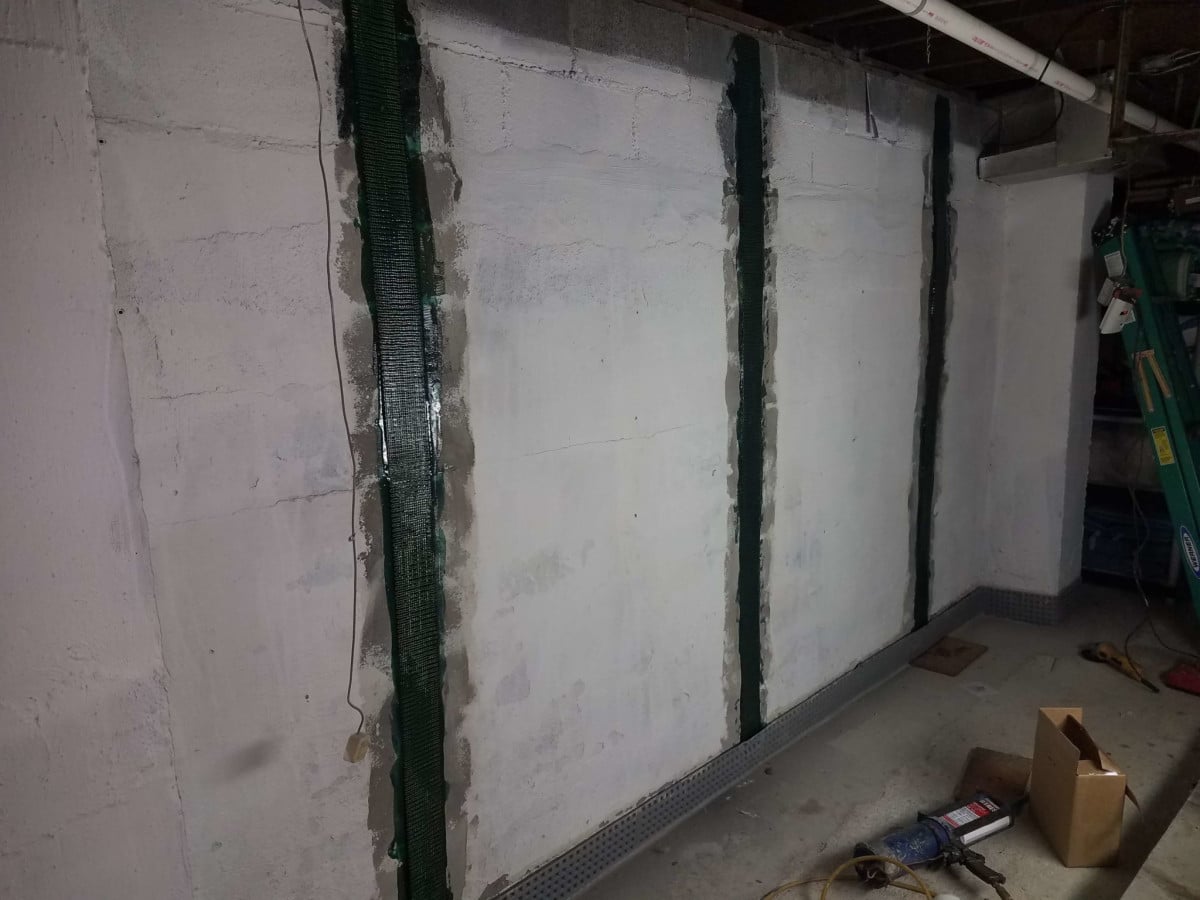
DIY Foundation Crack Repair: Tips and Techniques

While some foundation crack repairs require professional intervention, minor cracks can often be addressed through DIY methods. In this article, we will explore various tips and techniques for DIY foundation crack repair that can help property owners save time and money.

Materials Needed for DIY Repair:

  • Epoxy Injection Kits: Epoxy injection kits are readily available at hardware stores and are suitable for filling and sealing cracks in concrete foundations.diy-foundation-crack-repair-stablwall-1
  • Hydraulic Cement: Hydraulic cement is a quick-setting compound ideal for filling larger cracks or gaps in foundation walls.
  • Masonry Patching Compound: For minor surface cracks, a masonry patching compound can be used to fill and smooth the affected areas.
  • Foundation Waterproofing Products: Waterproofing products such as sealants and membranes can help prevent moisture infiltration and further damage to the foundation.

Steps for DIY Foundation Crack Repair:

  • Preparation: Clean the crack thoroughly, removing any debris or loose material. Use a wire brush or compressed air to ensure the crack is free of dust and dirt.
  • Application of Sealant or Epoxy: Apply the chosen sealant or epoxy according to the manufacturer’s instructions, ensuring that the entire crack is adequately filled and sealed.
  • Hydraulic Cement Application: For larger cracks, mix and apply hydraulic cement following the manufacturer’s guidelines. Work quickly, as hydraulic cement sets rapidly once mixed.
  • Finishing Touches: Once the repair material has cured, smooth any rough edges or excess material using a trowel or putty knife. Allow sufficient time for the repair to dry completely before painting or applying further treatments.

Safety Precautions for DIY Repair:

  • Wear Protective Gear: When working with sealants, epoxies, or hydraulic cement, wear gloves, safety glasses, and a mask to protect against skin irritation and inhalation of fumes.
  • Work in a Well-Ventilated Area: Ensure adequate ventilation when working with repair materials to prevent the buildup of fumes and dust particles.
  • Follow Manufacturer’s Instructions: Always read and follow the manufacturer’s instructions carefully when using DIY repair products to achieve the best results and ensure safety.

DIY foundation crack repair can be a cost-effective solution for minor cracks and damage. By following the proper techniques and safety precautions, property owners can address foundation issues promptly and prevent further deterioration of the structure.

Contact the Professionals at StablWall Today! (866) 782-5955

carbon-fiber-foundation-repair-stablWall-3

Ensuring Successful Carbon Fiber Foundation Repair: Best Practices and Tips

For homeowners and contractors embarking on carbon fiber foundation repair, meticulous planning, thorough preparation, and precise execution are indispensable for ensuring enduring success. In this comprehensive guide, we present a suite of best practices and expert insights aimed at maximizing the efficacy of Carbon fiber foundation repair, ultimately culminating in resilient, long-lasting outcomes.

1. Professional Evaluation and Advisory:carbon-fiber-foundation-repair-stablWall-1

Prioritize engaging professional engineers or seasoned contractors for a meticulous assessment of the foundation’s structural integrity. Their expertise will facilitate the identification of tailored repair solutions, ensuring the project’s efficacy and durability. Highlight the invaluable advantages of collaborating with experienced professionals who possess the requisite knowledge and proficiency to adeptly design and execute carbon fiber reinforcement initiatives.

2. Surface Priming and Cleansing:

Accentuate the criticality of meticulous surface preparation and cleansing to optimize the adhesion and cohesion of the carbon fiber material. Advocate for the thorough removal of any pre-existing coatings, sealants, or debris from the foundation’s surface before the application of carbon fiber reinforcement, thereby fostering a pristine substrate for enhanced bonding.

3. Application Precision:

Offer comprehensive guidance on meticulous application techniques for carbon fiber reinforcement, underscoring the significance of precise alignment, seamless overlap, and comprehensive coverage. Explore the utilization of epoxy resins or compatible bonding agents to augment the adhesion and cohesion between the carbon fiber material and the substrate, fortifying the structural integrity of the repaired foundation.

4. Superior Materials and Equipment:

Highlight the pivotal role of utilizing premium-quality carbon fiber materials and state-of-the-art equipment to achieve unparalleled results. Recommend sourcing carbon fiber reinforcement exclusively from reputable manufacturers and suppliers renowned for their commitment to consistency and reliability, thereby instilling confidence in the durability and efficacy of the repair solution.

5. Rigorous Quality Assurance and Inspection:carbon-fiber-foundation-repair-stablWall-2

Emphasize the indispensability of implementing stringent quality assurance protocols and conducting meticulous inspections throughout the repair process. By rigorously verifying the integrity and effectiveness of the carbon fiber reinforcement, homeowners and contractors can confidently ensure the durability and longevity of the rehabilitated foundation.

For unparalleled expertise and comprehensive support in carbon fiber foundation repair, contact the seasoned professionals at StablWall today! Call us at (866) 782-5955 to embark on a journey towards fortified foundations and lasting structural resilience.

carbon-fiber-foundation-repair-stablWall-3

Advantages of Carbon Fiber Foundation Repair Over Traditional Methods

Carbon fiber reinforcement offers several advantages over traditional methods for repairing foundations in residential homes. In this article, we’ll explore the benefits of carbon fiber foundation repair and why it’s becoming the preferred choice for homeowners and contractors alike.

Strength and Durability:

Carbon Fiber Foundation Repair

    • Discuss the exceptional strength and durability of carbon fiber material, which provides superior reinforcement for foundation walls compared to traditional materials such as steel.
    • Highlight how carbon fiber reinforcement can effectively stabilize foundation walls and prevent further cracking or bowing, ensuring long-lasting structural integrity.

Non-Invasive Installation:

    • Explain how carbon fiber reinforcement offers a non-invasive solution for repairing foundations, minimizing disruption to the home and landscaping.
    • Discuss the quick turnaround time of carbon fiber repair compared to traditional methods, allowing homeowners to resume normal activities sooner.

Cost-Effectiveness:

    • Explore the cost-effectiveness of carbon fiber foundation repair, including lower material and labor costs compared to traditional methods such as excavation and wall replacement.
    • Highlight the potential savings associated with reduced downtime, minimal maintenance, and long-term durability of carbon fiber reinforcement.

Versatility and Adaptability:

    • Discuss the versatility of carbon fiber reinforcement, which can be applied to a wide range of foundation issues, including cracks, bowing walls, and settling.
    • Highlight how carbon fiber material can be customized to fit the specific dimensions and contours of the foundation, ensuring a precise and effective repair.

Long-Term Performance:

Carbon Fiber Foundation Repair

    • Emphasize the long-term performance of carbon fiber reinforcement, which is resistant to corrosion, rust, and other environmental factors that can compromise traditional materials over time.
    • Discuss the warranty and guarantee offered by many manufacturers and contractors for carbon fiber foundation repair, providing homeowners with peace of mind and confidence in the durability of the repair.

By considering the advantages of carbon fiber foundation repair over traditional methods, homeowners can make informed decisions to address foundation issues and protect the structural integrity of their homes for years to come.

Contact the Professionals at StablWall Today! (866) 782-5955
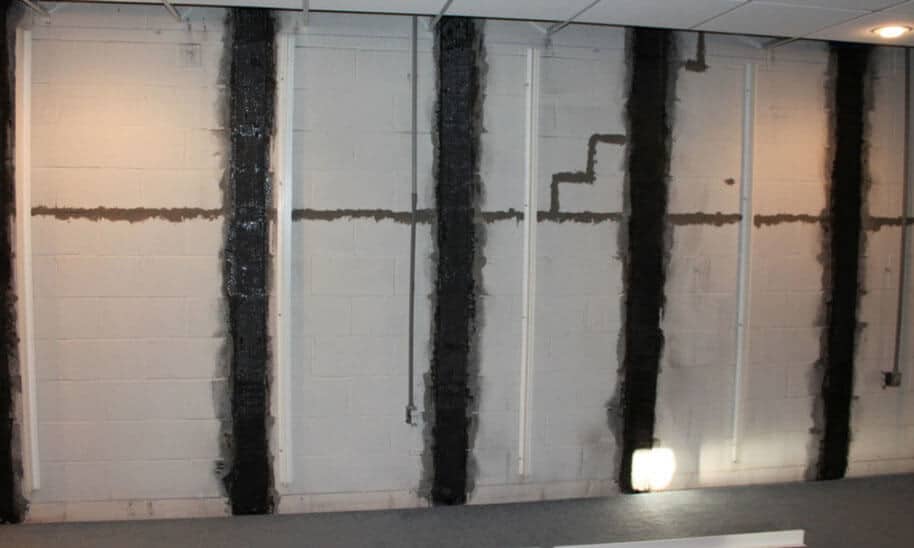
How Carbon Fiber Repair Enhances the Health of Your Home’s Foundation

The foundation of your home is a critical structural component that supports the entire building. Over time, it may develop issues such as cracks, settling, or bowing walls, which can compromise the stability and safety of your home. Carbon fiber repair has emerged as a highly effective method for addressing foundation problems and improving the health of your home’s foundation. In this article, we will explore how carbon fiber repair can enhance the health of your home’s foundation and ensure its long-term stability.

Understanding Carbon Fiber Repair

Carbon fiber repair is an innovative and proven technology that utilizes high-strength carbon fiber sheets or strips to reinforce and stabilize foundation walls and structures. These carbon fiber materials are incredibly strong and lightweight, making them an ideal choice for foundation repairs. Carbon fiber repair is commonly used to address various foundation issues, including:

carbon-fiber-repair-stablwall-1

Wall Cracks: Carbon fiber straps are applied to cracked walls to prevent further movement and stabilize the foundation.

Bowing Walls: Carbon fiber strips are installed vertically to counteract the inward pressure of bowing or leaning walls.

Settling Foundations: Carbon fiber repair can help lift and stabilize foundations that have settled due to soil conditions.

Water Intrusion: Carbon fiber can also be used in conjunction with other waterproofing methods to prevent water from entering the basement.

Now, let’s explore how carbon fiber repair can contribute to the overall health of your home’s foundation.

Strength and Durability

Carbon fiber repair provides an exceptionally strong and durable solution for foundation problems. The carbon fiber sheets are incredibly resilient, and capable of withstanding heavy loads and resisting tension forces. Once applied, they create a robust reinforcement system that prevents further damage and maintains the structural integrity of the foundation. Unlike traditional methods that may require ongoing maintenance and repairs, carbon fiber repair offers long-lasting stability.

Non-Intrusive and Minimal Disruption

One of the significant advantages of carbon fiber repair is its non-intrusive nature. Unlike traditional foundation repair methods that often involve extensive excavation and disruption to the property, carbon fiber repair is minimally invasive. Installation typically requires only a clean and dry surface for adhesive bonding, which means no disruption to your landscaping or daily activities. This makes it a convenient and cost-effective choice for homeowners.

Speed and Efficiency

Carbon fiber repair is known for its speed and efficiency. The installation process is relatively quick, allowing homeowners to address foundation issues promptly. There is no need for extended construction timelines or waiting for materials to cure. As a result, you can restore the health of your home’s foundation without unnecessary delays.

Aesthetically Appealing

Carbon fiber repair is a visually appealing solution for foundation problems. The carbon fiber straps or strips are low-profile and can be painted over or covered with wall finishing materials, such as drywall or paneling. This ensures that your foundation repairs remain discreet and do not detract from the overall aesthetics of your home.

Cost-Effective

Compared to some traditional foundation repair methods, carbon fiber repair is often more cost-effective. It eliminates the need for extensive excavation and reconstruction, reducing labor and material costs. Additionally, the long-lasting durability of carbon fiber means that you won’t incur recurring expenses for ongoing maintenance or repairs.

Minimal Maintenance

carbon-fiber-repair-stablwall-2

Once carbon fiber repair is installed, it requires minimal maintenance. The carbon fiber materials do not corrode or deteriorate over time. Routine inspections to ensure the straps or strips remain in place and in good condition are typically all that’s needed. This low-maintenance aspect contributes to the overall health of your foundation by reducing the risk of future issues.

Carbon fiber repair is a modern and effective method for improving the health of your home’s foundation. Its strength, durability, non-intrusive nature, speed, and cost-effectiveness make it a preferred choice for addressing foundation problems. By choosing carbon fiber repair, homeowners can ensure the long-term stability and structural integrity of their foundations, providing peace of mind and protecting their most significant investment—their home.

Contact the Professionals at StablWall Today! (866) 782-5955
carbon-fiber-straps-stablwall-3

Why Your Carbon Fiber Foundation Repair Is Failing

Why Your Carbon Fiber Foundation Repair Is Failing

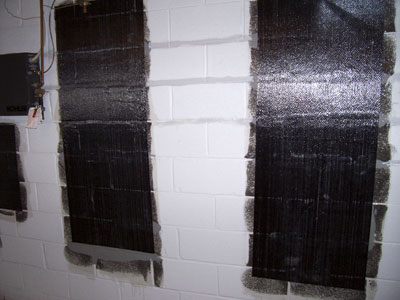
Carbon fiber foundation repair has revolutionized the way we approach foundation repair. Carbon fiber straps, staples, and sheets have made it possible to reinforce bowing walls in a matter of minutes or hours. A team of two professional contractors can complete the repair of a cracked foundation wall in hours.

Carbon fiber foundation repair is also an attractive option for homeowners who want to maximize their basement spaces. Unlike steel beams, carbon fiber does not take up floor space. It can also be finished in any way you prefer, e.g. painting, wallpapering, or drywall. It is therefore the perfect solution for repairing cracks in finished basements as well as spaces that you plan on finishing in the future.carbon-fiber-foundation-repair-stablwall-1

One of the biggest benefits of using carbon fiber for foundation repair is that it is extremely strong (more than 10 times stronger than steel). It is, therefore, the best way to reinforce your foundation wall and prevent further movement. This material gives you long-term results too. Once the straps, staples, or sheets have been installed, you don’t have to worry about maintenance.

So why is my foundation still showing signs of damage?

Some homeowners report still having problems with the foundation even after the installation of carbon fiber and wonder if it is truly effective. Foundation failure after the installation of carbon fiber may be the result of any of the following reasons.

1. Using a DIY Kit

There are various carbon fibercarbon-fiber-foundation-repair-stablwall-2 foundation repair  kits in the market. Many homeowners opt for these DIY kits to save money. However, these kits don’t always provide great results. This is because there are various factors that should be considered in the installation of carbon fiber that you may not consider as a DIYer. The kits also aren’t the same quality as the professional-grade materials used by professional contractors.

2. Not Resolving the Underlying Cause of the Movement

Although carbon fiber is strong, it is not a magic fix. Carbon fiber only serves to reinforce your walls. It is important to solve the underlying cause of the movement in order to ensure the safety of your foundation. For example, you may need to repair your gutters and downspouts to prevent runoff from being deposited near the foundation and seeping into the soil.

If you are experiencing failure after the installation of carbon fiber, get in touch with a professional to ensure the safety of your foundation and home.

Contact the Professionals at StablWall Today! (866) 782-5955