Foundation issues are a serious concern for any homeowner, as they can compromise the structural integrity of the entire house. When it comes to repairing these issues, there are several methods available, each with its own advantages and disadvantages. Among these methods, the use of carbon fiber systems like StablWall has emerged as a popular alternative to traditional foundation repair techniques. In this article, we will compare StablWall with traditional foundation repair methods, evaluating their effectiveness, cost, installation process, and long-term benefits.
Overview of Traditional Foundation Repair Methods
Traditional foundation repair methods have been used for decades and include techniques such as steel beam installation, wall anchors, and underpinning. Each of these methods addresses specific types of foundation issues but often involves significant construction work.
- Steel Beam Installation
 Process: Steel beams are installed vertically along the interior of the foundation walls. These beams are anchored at the top and bottom, providing additional support to prevent further bowing or movement of the walls.
- Advantages: Steel beams are extremely strong and can provide immediate stabilization for severely compromised walls. They are effective in stopping further movement and can be installed relatively quickly.
- Disadvantages: The installation of steel beams is invasive, often requiring significant excavation and disruption to the basement interior. Additionally, steel is susceptible to corrosion over time, particularly in moist environments, which can reduce its effectiveness.
- Wall Anchors
- Process: Wall anchors involve the installation of metal plates on the exterior of the foundation walls, which are connected to interior anchors with steel rods. These anchors can be tightened over time to gradually straighten and stabilize the walls.
- Advantages: Wall anchors can be effective in pulling bowed walls back into place and stabilizing them. They can be adjusted over time to ensure continued support.
- Disadvantages: The installation process is complex, requiring excavation on the exterior of the home. This can be costly and disruptive, especially in landscaped areas. Additionally, the visible hardware inside the basement can be unsightly.
- Underpinning
- Process: Underpinning involves strengthening the foundation by extending its depth or breadth. This is typically done by inserting new concrete or steel piers under the existing foundation to provide additional support.
- Advantages: Underpinning is highly effective for addressing issues related to foundation settling or sinking. It provides a permanent solution by extending the foundation to more stable soil or bedrock.
- Disadvantages: Underpinning is one of the most invasive and expensive foundation repair methods. It involves significant excavation and can take several weeks to complete. It is generally used as a last resort when other methods are insufficient.
StablWall: A Modern Alternative
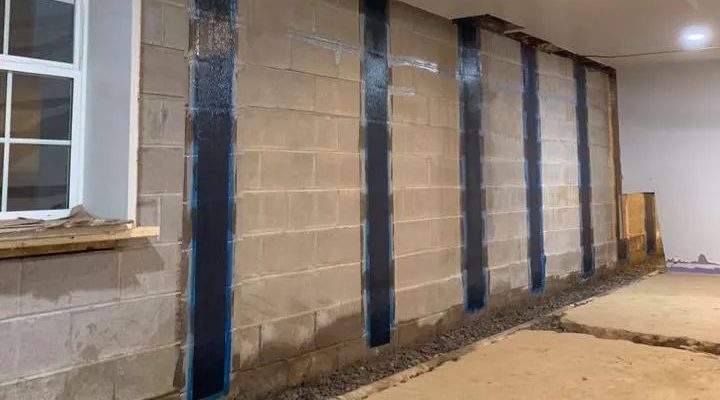
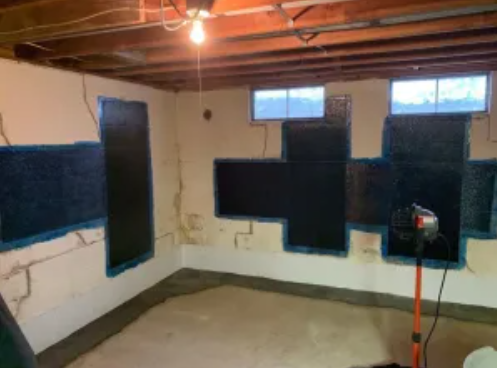
StablWall offers a modern alternative to these traditional methods by utilizing carbon fiber technology to reinforce foundation walls. Here’s how it compares:
- Installation Process
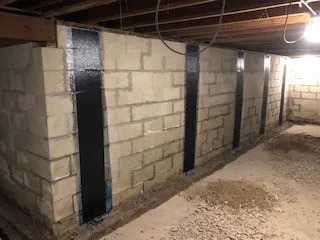
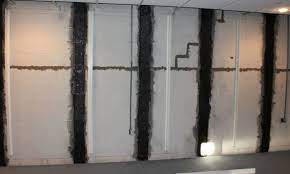
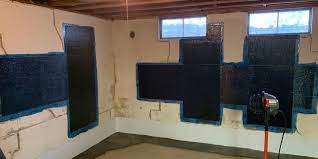
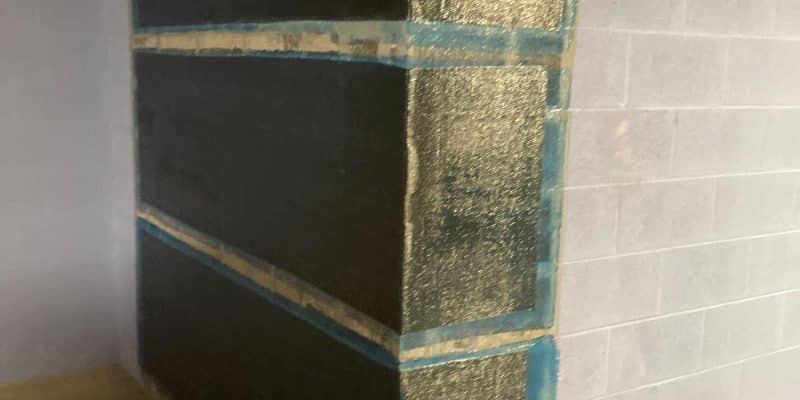
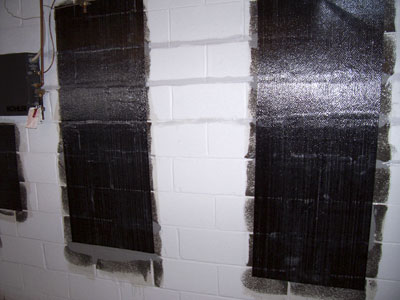
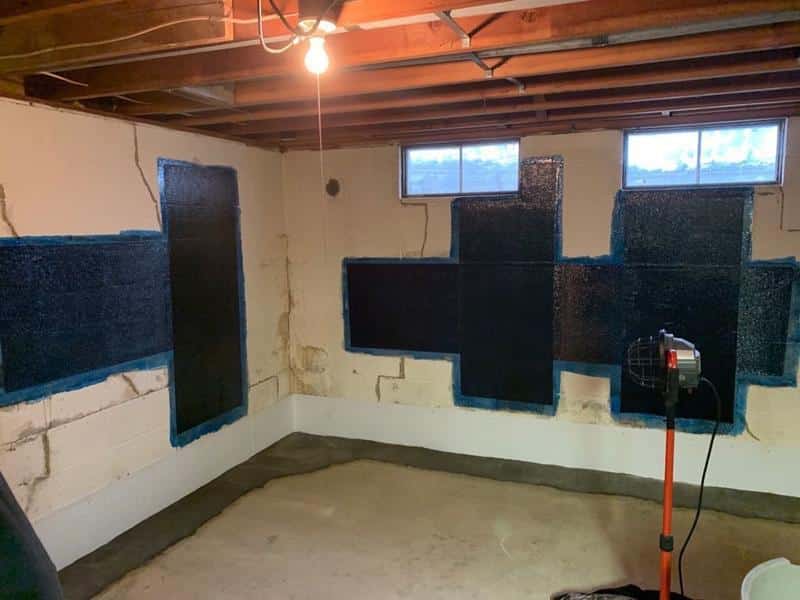
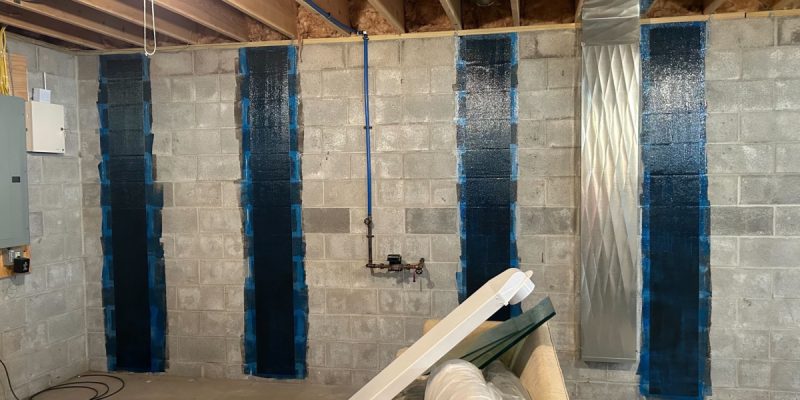
- StablWall: The installation of StablWall is minimally invasive, as it involves applying carbon fiber sheets directly to the interior surface of the foundation walls. There is no need for excavation or significant disruption to the home’s interior or exterior.
- Traditional Methods: Most traditional methods, such as steel beam installation and wall anchors, require excavation and can be highly disruptive. Underpinning, in particular, involves extensive construction work that can take weeks to complete.
- Cost and Affordability
- StablWall: StablWall is generally more cost-effective than traditional methods. The materials are less expensive, and the installation process is quicker and requires less labor. This makes it an attractive option for homeowners looking for a reliable yet affordable solution.
- Traditional Methods: Traditional methods, especially underpinning, can be significantly more expensive due to the extensive labor and materials involved. While steel beams and wall anchors are less costly than underpinning, they still require more investment than StablWall.
- Effectiveness and Durability
- StablWall: The use of carbon fiber gives StablWall an exceptional strength-to-weight ratio, making it highly effective in reinforcing walls without adding unnecessary weight. The material is resistant to corrosion, moisture, and temperature fluctuations, ensuring long-term durability.

- Traditional Methods: Steel beams and wall anchors are effective in providing immediate stabilization but may require ongoing maintenance, especially in moist environments where corrosion can occur. Underpinning provides a permanent solution but is often more than what is needed for less severe issues.
- Aesthetic Considerations
- StablWall: One of the key benefits of StablWall is that it is relatively unobtrusive. Once installed, the carbon fiber sheets can be painted over or covered with a finishing material, making them virtually invisible.
- Traditional Methods: Steel beams and wall anchors are more visible and can detract from the appearance of the basement. The hardware associated with wall anchors, in particular, is difficult to conceal and may require additional finishing work to improve aesthetics.
- Maintenance Requirements
- StablWall: StablWall requires minimal maintenance once installed. Regular inspections are recommended, but the system is designed to be a permanent solution that does not require ongoing adjustments or repairs.
- Traditional Methods: Steel beams and wall anchors may require periodic maintenance, such as tightening of the anchors or inspection for signs of corrosion. Underpinning is generally maintenance-free but is the most invasive and expensive method.
When to Choose StablWall Over Traditional Methods
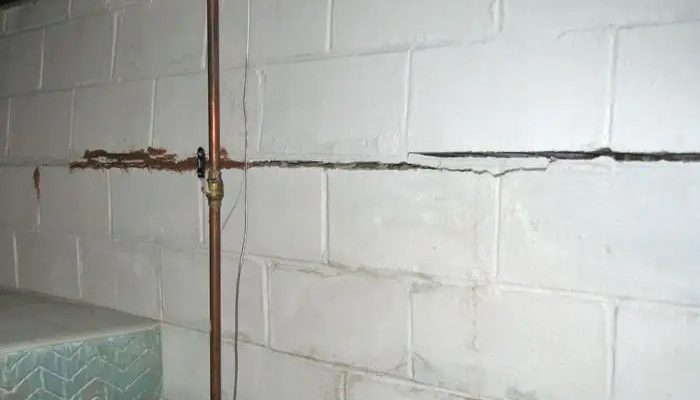
StablWall is an excellent choice for homeowners dealing with foundation issues such as bowing walls or cracks that do not yet require the extensive intervention of methods like underpinning. Its non-invasive installation, cost-effectiveness, and long-term durability make it a preferred option for many foundation repair scenarios.
However, in cases of severe foundation settling or when the structural integrity of the entire foundation is compromised, traditional methods like underpinning may still be necessary. It’s important to consult with a foundation repair specialist to determine the best approach for your specific situation.
StablWall represents a significant advancement in foundation repair technology, offering a modern, effective, and affordable alternative to traditional methods. Its ease of installation, minimal maintenance, and long-lasting durability make it an attractive option for homeowners facing foundation issues. By understanding the differences between StablWall and traditional repair methods, homeowners can make informed decisions that best suit their needs and budget, ensuring the long-term stability and safety of their homes.
Contact the Professionals at StablWall Today! (866) 782-5955
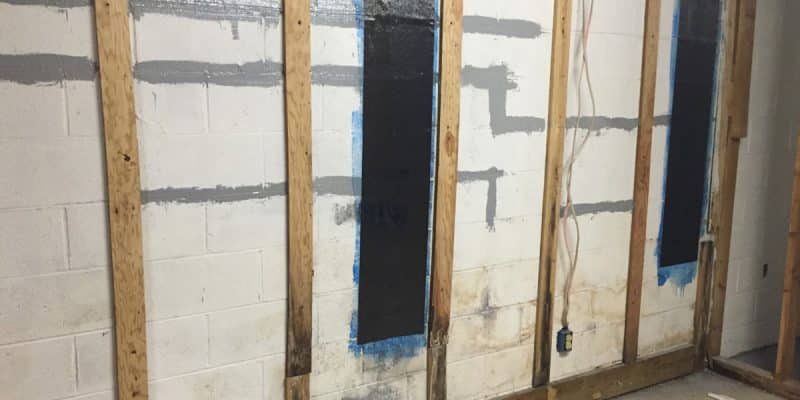
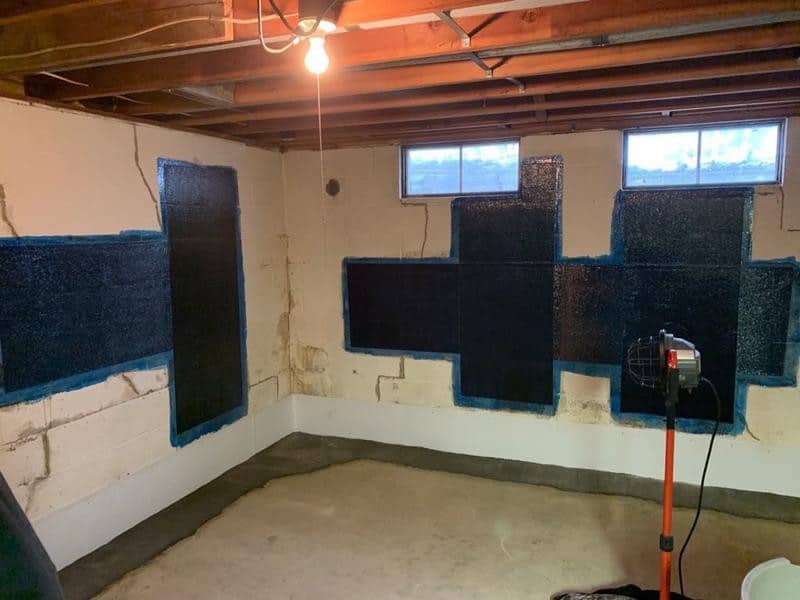



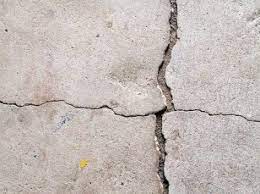 Settling: One of the primary causes of foundation cracks is soil settling. When the soil beneath a building compresses or shifts, it can cause the foundation to crack as it struggles to bear the load.
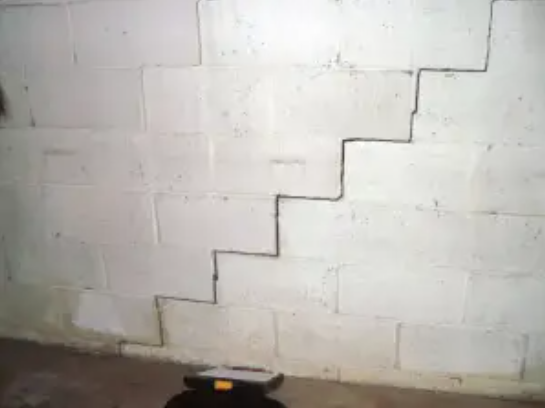 Vertical Cracks: These cracks typically run straight up and down and are often caused by settling or the natural curing process of concrete. They can vary in width and length.