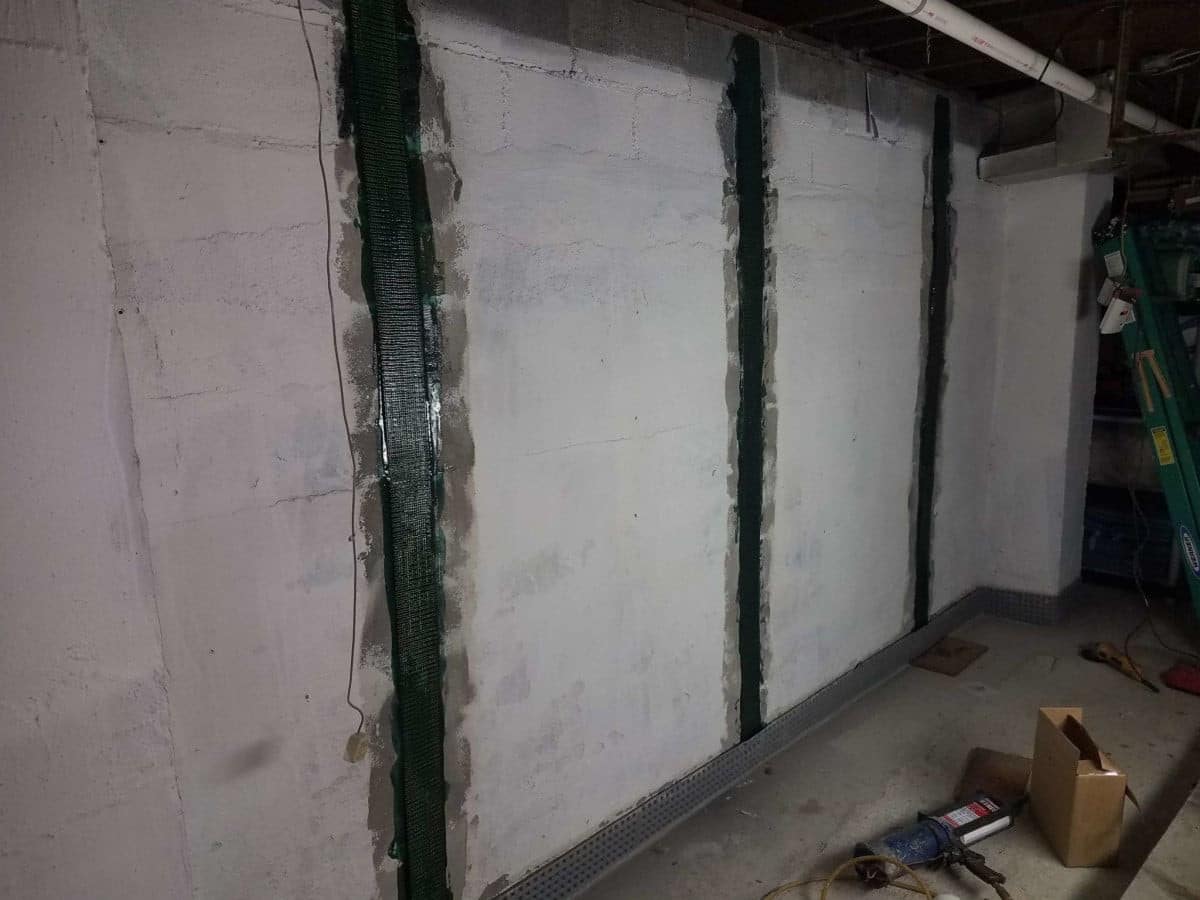
Carbon fiber is one of the strongest materials used in modern construction and repair. Its lightweight, high tensile strength, and resistance to environmental factors make it ideal for repairing structural damage, especially in residential foundations. This article delves into the importance of carbon fiber in foundation repair, its benefits, and how it can be applied to strengthen homes facing foundational issues.
Carbon fiber is a composite material of thin fibers bonded together, typically with a resin, to create a lightweight yet strong reinforcement product. It is known for its high strength-to-weight ratio and is resistant to corrosion, which makes it suitable for reinforcing foundations and other structural elements in homes.
Foundations are the backbone of any building, and over time, factors such as soil movement, water damage, and natural settling can lead to cracks and structural weaknesses. Traditional methods of repairing these issues, like steel reinforcements or underpinning, can be invasive and costly. Carbon fiber offers a non-invasive alternative that delivers long-lasting results.
Some key benefits of carbon fiber for foundation repair include:
- High Tensile Strength: Carbon fiber has a tensile strength of over 500,000 psi, which is significantly higher than steel. This makes it ideal for reinforcing foundations that have begun to crack or shift due to pressure from surrounding soil.
- Lightweight: Unlike steel and other traditional materials, carbon fiber is lightweight and easy to apply. This reduces labor costs and allows for faster installation without compromising strength.

- Corrosion Resistant: Carbon fiber does not corrode when exposed to moisture, unlike steel reinforcements, making it perfect for homes in areas with high humidity or groundwater issues.
- Minimal Intrusiveness: The installation of carbon fiber strips or wraps is less invasive compared to other methods like excavation or underpinning. Homeowners can often continue using their space during the repair process.
Carbon fiber is particularly useful for addressing several common structural issues in residential foundations. These problems often arise from soil movement, water pressure, or poor construction, and carbon fiber provides a robust solution to these challenges.
- Basement Wall Cracks: Horizontal cracks in basement walls often occur due to hydrostatic pressure exerted by water-saturated soil. Over time, the pressure causes walls to bow inward and crack. Carbon fiber strips can be applied to these walls to stabilize them and prevent further movement.
- Foundation Shifting: Soil movement, such as expansion and contraction due to moisture changes, can cause a foundation to shift or settle unevenly. Carbon fiber reinforcement helps prevent further shifting by creating a strong barrier that holds the foundation in place.
- Beam and Column Support: Carbon fiber wraps can also be used to reinforce beams and columns in the home, especially in crawlspaces or areas with heavy loads. This helps improve the overall structural integrity of the building.
Carbon fiber repairs are typically performed by professional contractors who specialize in foundation repair. Here’s an overview of the general process involved:
- Inspection and Assessment: Before any repair is made, a thorough inspection of the foundation or affected area is conducted to determine the extent of the damage and the most appropriate repair method.
- Surface Preparation: For carbon fiber to bond effectively to the structure, the surface must be prepared by cleaning the area of debris, dirt, and loose material. In some cases, minor grinding of the surface may be required to ensure a proper bond.
- Application of Epoxy: Once the surface is prepped, an epoxy resin is applied to act as an adhesive between the carbon fiber and the structure. The epoxy is typically spread evenly over the damaged area.
- Installation of Carbon Fiber Strips or Wraps: Carbon fiber strips or wraps are applied over the epoxy-coated area, reinforcing the structure. The carbon fiber is pressed into place and may be rolled to ensure it bonds securely to the surface.
- Curing and Finishing: After the carbon fiber is applied, the epoxy is left to cure, typically over several hours or days, depending on the product. Once cured, the carbon fiber creates a strong, rigid reinforcement.
While carbon fiber is widely used for foundation repair, it has several other applications in both residential and commercial construction:
 Seismic Retrofitting: In areas prone to earthquakes, carbon fiber can be used to retrofit buildings to make them more resistant to seismic activity. By reinforcing walls, beams, and columns, carbon fiber helps distribute stress more evenly during an earthquake.
- Bridge and Infrastructure Repair: Carbon fiber is used in civil engineering projects to repair bridges, highways, and other infrastructure. Its high strength and durability make it ideal for withstanding the heavy loads and environmental stress these structures face.
- Concrete Reinforcement: Carbon fiber can be applied to concrete structures to increase their load-bearing capacity and prevent cracking or failure. This is particularly useful for aging buildings that require structural strengthening.
One of the most significant advantages of carbon fiber repair is its low maintenance requirements. Once applied, carbon fiber requires little to no ongoing maintenance. Its resistance to corrosion and environmental factors means that it can provide decades of protection without the need for frequent repairs or replacements.
However, it’s still essential to monitor the repaired area for any signs of additional movement or cracking. In most cases, if installed correctly, carbon fiber repairs will provide long-lasting support, allowing homeowners to avoid more costly and invasive foundation repairs in the future.
Carbon fiber has revolutionized the way foundation repairs are approached, offering a strong, durable, and minimally invasive solution to common structural problems. Its unique properties make it an ideal choice for homeowners looking to reinforce their foundations and protect their homes from further damage. With its wide range of applications and benefits, carbon fiber will continue to play a pivotal role in the construction and repair industry.
Contact the Professionals at StablWall Today! (866) 782-5955