stablwall-carbon-fiber-stablwall-3

How StablWall Carbon Fiber Strengthens Foundations and Prevents Cracks

You’ve likely heard of StablWall Carbon Fiber, but have you ever wondered how exactly it strengthens foundations and prevents cracks? This material, known for its unique resistance to hydrostatic pressure and expansive forces, is a game-changer in home maintenance. Imagine a lightweight, easy-to-install solution that addresses existing structural weaknesses and wards off potential damage. Intriguing, isn’t it? But how exactly does this work? Well, let’s explore the mechanics of this innovative technology.

Basement Waterproofing

In the domain of foundation repair, one of the most vital aspects to take into account is basement waterproofing. To prevent water damage, which can lead to costly repairs and decreased property value, it’s imperative to guarantee that your basement is adequately protected against moisture. This is where StablWall Carbon Fiber comes in.

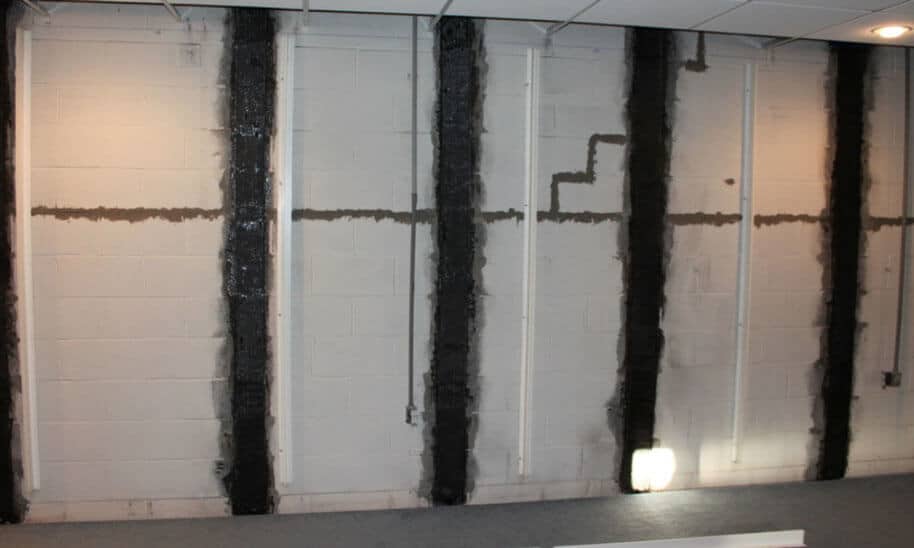
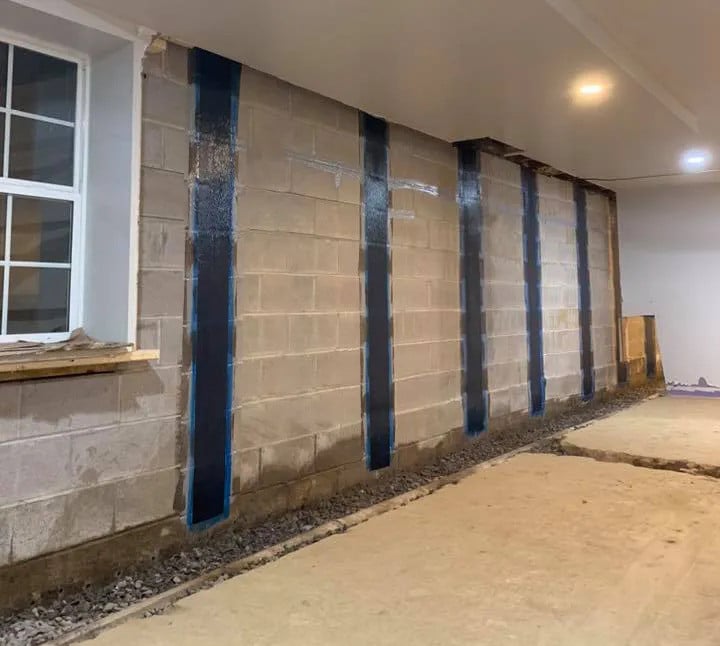
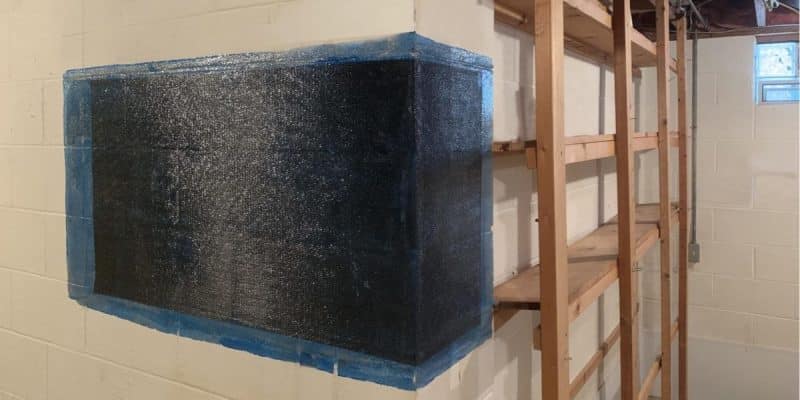
StablWall Carbon Fiber offers a revolutionary solution for basement waterproofing. Unlike traditional methods, it doesn’t merely mask the symptoms of water damage. Instead, it addresses the root cause by strengthening the foundation itself. It’s designed to resist both hydrostatic pressure from the soil and the expansive forces of freezing and thawing cycles.stablwall-carbon-fiber-stablwall-1

By using StablWall, you’re not just waterproofing your basement. You’re enhancing its structural integrity. This is why it’s a preferred choice for many homeowners and contractors. It’s more than a quick fix. It’s a long-term solution that protects your investment and guarantees the stability of your home.

However, it’s significant to recognize that basement waterproofing isn’t a one-size-fits-all solution. Different basements require different approaches, depending on factors like the type of soil, the climate, and the age and condition of the foundation.

That’s why it’s essential to consult with a professional to determine the best approach for your situation.

Basement Waterproofing Techniques

Basement waterproofing techniques vary and you need to understand the options available to protect your home properly.

Your choice will depend on your home’s needs, the severity of the water problem, and of course, your budget.

Interior waterproofing, known as water control, can help manage water that’s already made its way into your home.

This method often involves the use of drains and sump pumps to collect and remove water.

It’s a useful technique if you’re dealing with minor, manageable seepage.

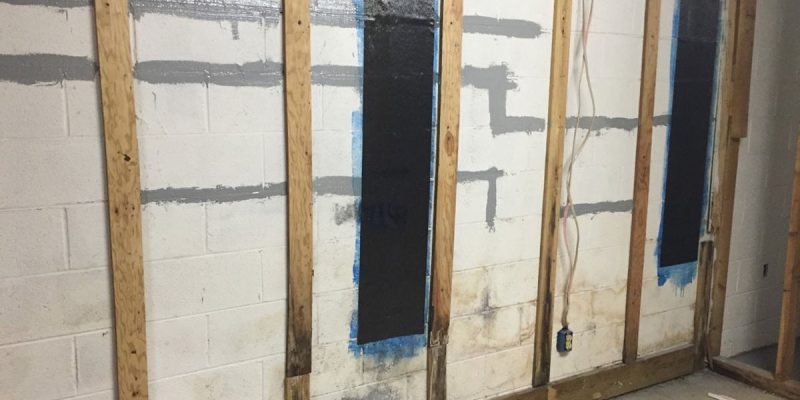
Exterior waterproofing, on the other hand, aims to keep water out completely.stablwall-carbon-fiber-stablwall-2

It’s a more intensive method, often involving excavation around your home to install drainage systems and apply waterproof coatings to your foundation.

This method is highly effective but can be more invasive and costly.

Another technique is the use of crack injections, suitable for sealing leaks in poured concrete walls.

This solution is often considered a temporary fix and may not be the best choice for severe water issues.

Lastly, you might consider a combination of these techniques.

By adopting StablWall Carbon Fiber, you’re investing in a robust solution that superbly strengthens your home’s foundation. It resists soil pressure, endures harsh weather cycles, and effectively halts existing and future damage. Its lightweight design makes installation a breeze. With StablWall, you not only waterproof your basement but also enhance your home’s structural integrity, offering you lasting peace of mind. Its performance is analytical, detailed, and precise – just what your home deserves.

Contact the Professionals at StablWall Today! (866) 782-5955

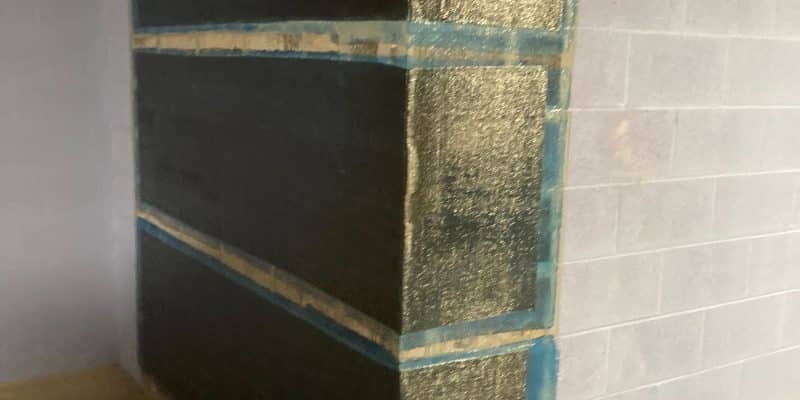
stablwall-carbon-fiber-technology-stablwall-3

The Advantages of Using StablWall Carbon Fiber for Long-Lasting Foundation Repair

Ever considered the benefits of using StablWall Carbon Fiber for your foundation repairs? It’s not only lightweight, making the installation a breeze, but it also evenly distributes load, effectively eliminating the risk of cracks and leaks. More than just a temporary fix, StablWall offers a durable solution to future moisture issues, reinforcing your foundation for the long haul. Now, wouldn’t you want to learn how this innovative technology could potentially save your property from water damage?

Basement Waterproofing

Dealing with basement moisture problems is a critical part of home maintenance. You might think that a bit of dampness in your basement isn’t a big deal, but it’s a precursor to more significant issues. Ignoring it won’t make the problem disappear. In fact, it might worsen over time, leading to structural instability in your foundation.

The main culprit behind this is hydrostatic pressure. This is the pressure that’s exerted by a fluid due to gravity. It’s constant at any point in a static fluid and directly proportional to the depth of the fluid, the density of the fluid, and the gravitational field strength.stablwall-carbon-fiber-technology-stablwall-1

In layman’s terms, the water in the soil around your foundation is pressing against the walls. Over time, this pressure can cause cracks to form and water to seep into your basement.

This is where StablWall Carbon Fiber comes in. It’s a product that’s designed to reinforce your foundation walls, making them stronger and more resistant to hydrostatic pressure. It works by distributing the load evenly across the wall, preventing the formation of cracks and leaks.

Basement Waterproofing Techniques

In the domain of foundation maintenance, various basement waterproofing techniques stand as essential tools for combatting moisture issues. You’ll find that these techniques are more than simple, quick fixes; they’re thorough, scientifically backed strategies that require precision and technical know-how.

Firstly, there’s the internal waterproofing method, which often involves applying waterproof coatings and sealants to the interior walls and floors of your basement. It’s a popular choice due to its cost-effectiveness and ease of application.

However, it’s not a one-size-fits-all solution and may not be effective against severe water intrusion.stablwall-carbon-fiber-technology-stablwall-2

Then, you have external waterproofing, a more extensive and invasive technique. It requires excavation around your home’s foundation to install a waterproof membrane and drainage system.

It’s a labor-intensive task but it offers a more long-lasting solution against water ingress.

Finally, there’s the installation of a sump pump system. This technique is effective in areas prone to flooding or high water table levels.

The system collects water and pumps it away from your home, ensuring your basement stays dry.

When it comes to long-lasting foundation repair, StablWall Carbon Fiber is your best bet. Its lightweight design and load-distributing ability reduce stress on your walls, preventing leaks and cracks. Plus, it’s a reliable defense against future moisture problems. So, not only does it fix your foundation issues, but it also protects your home from potential water damage. Trust StablWall for a durable, effective solution.

Contact the Professionals at StablWall Today! (866) 782-5955

stablwall-stablwall-3

StablWall: Revolutionizing Basement Waterproofing and Foundation Repair

Basement waterproofing and foundation repair are crucial to preserving the safety and value of a home. Over time, many homeowners experience issues with moisture in basements, cracks in foundation walls, and structural weaknesses. These issues left unaddressed, can lead to significant damage, compromised structural integrity, and costly repairs. StablWall, a leader in the industry, offers an innovative solution that addresses these issues and has longevity and reliability in mind.

Understanding StablWall: A Carbon Fiber Solution for Reinforcement

StablWall is a patented system that utilizes carbon fiber technology to reinforce foundation walls. Carbon fiber, known for its incredible strength-to-weight ratio, is widely used in industries such as aerospace and automotive for its resilience and durability. In foundation repair, carbon fiber is bonded to compromised or at-risk walls to restore stability without invasive construction methods. Unlike traditional repair techniques, which might involve digging around the foundation or installing steel beams, StablWall’s carbon fiber system is non-intrusive and highly effective.

Why Choose Carbon Fiber Reinforcement?

Carbon fiber has a distinct set of advantages over more traditional materials like steel or concrete:

  • Strength: Carbon fiber is five times stronger than steel at a fraction of the weight.stablwall-stablwall-1
  • Corrosion Resistance: Unlike steel, carbon fiber doesn’t rust or degrade in damp environments.
  • Flexibility: Its lightweight yet rigid structure allows it to conform to the wall surface while maintaining structural integrity.
  • Non-intrusive Application: Carbon fiber doesn’t require heavy machinery or extensive excavation.

These qualities make StablWall an ideal solution for reinforcing basement walls that have developed cracks or have started to bow under pressure from surrounding soil.

Common Foundation Problems Addressed by StablWall

StablWall’s carbon fiber system is designed to resolve a range of foundation issues commonly faced by homeowners, including:

  1. Horizontal Cracks: Often caused by hydrostatic pressure, horizontal cracks are a sign of significant stress on the wall. Left untreated, they can worsen and lead to bowing or wall failure.
  2. Vertical Cracks: These may result from settling of the foundation and are particularly common in areas with expansive clay soils.
  3. Bowing Walls: When walls bend inward, it’s often due to high levels of soil pressure from the outside. Bowing walls are a serious issue, indicating a lack of structural integrity.
  4. Moisture Intrusion: Cracks in foundation walls are a common source of water seepage into basements. StablWall’s system can help seal these cracks, providing a degree of waterproofing.

By addressing these issues with StablWall’s carbon fiber technology, homeowners can protect their basements and improve the longevity of their foundations.

How StablWall Works: The Application Process

The StablWall application process is relatively straightforward, but it requires professional installation to ensure the highest level of effectiveness. Here’s a brief overview of the steps involved:

  1. Inspection and Assessment: A trained professional will inspect the basement walls to identify areas of weakness and determine the best locations for carbon fiber reinforcement.stablwall-stablwall-2
  2. Surface Preparation: The surface of the wall is cleaned and prepared to ensure proper adhesion. This may involve removing any dirt, dust, or loose materials.
  3. Epoxy Application: A high-strength epoxy is applied to the wall, acting as an adhesive for the carbon fiber material.
  4. Carbon Fiber Bonding: Carbon fiber sheets are pressed onto the wall over the epoxy. The epoxy hardens, creating a permanent bond between the carbon fiber and the wall.
  5. Curing Process: After application, the epoxy is allowed to cure fully. This process ensures a lasting bond and a strong reinforcement layer.

Once completed, the carbon fiber reinforcement is nearly invisible, allowing for aesthetic flexibility. Homeowners can paint over it or finish the basement as they wish.

Benefits of StablWall’s Carbon Fiber Reinforcement

StablWall’s carbon fiber solution offers several benefits that make it an attractive option for foundation repair and waterproofing:

Cost-Effective

Compared to traditional repair methods, StablWall’s carbon fiber solution is more affordable. By eliminating the need for excavation or heavy machinery, labor costs are significantly reduced, making it a cost-effective option for homeowners.

Minimal Disruption

Since StablWall’s process doesn’t involve extensive digging or alterations, installation is quick and causes minimal disruption. Homeowners can avoid the hassle of a long, messy repair process and resume normal use of their basement sooner.

Long-Lasting Solution

The durability of carbon fiber ensures that the reinforcement will last for many years, providing peace of mind and a solid return on investment. Unlike other methods that may require maintenance or replacement over time, carbon fiber reinforcement is a long-term solution.

Eco-Friendly Option

Carbon fiber has a lower environmental impact than some traditional materials. By opting for carbon fiber reinforcement, homeowners can reduce the ecological footprint of their foundation repair project.

StablWall and Waterproofing: An Added Benefit

While StablWall’s primary function is structural reinforcement, it can also contribute to waterproofing. Cracks in basement walls are often points of entry for water, leading to issues like mold growth, mildew, and dampness. By sealing these cracks and reinforcing the wall, StablWall helps reduce the risk of water intrusion, contributing to a drier and healthier basement environment.

The Impact of StablWall on Property Value

Investing in StablWall’s carbon fiber reinforcement can positively impact property value. Prospective buyers often consider foundation health a top priority, as a compromised foundation can lead to costly repairs down the line. By proactively addressing structural issues with a reliable solution like StablWall, homeowners can enhance the attractiveness of their property and ensure a better return on investment if they choose to sell.

Comparing StablWall to Traditional Repair Methods

To understand the advantages of StablWall, it’s helpful to compare it to other popular foundation repair techniques:

Steel Beam Reinforcement

Steel beams are often used to support bowing walls; however, this method is intrusive and may not address cracks effectively. Steel beams can also rust over time, requiring maintenance. In contrast, StablWall’s carbon fiber is corrosion-resistant and doesn’t alter the interior space.

Wall Anchors

Wall anchors involve attaching steel rods through the foundation wall and anchoring them outside in the surrounding soil. While effective, this method requires excavation, which can be expensive and disruptive. StablWall offers a non-invasive alternative with similar levels of stability.

Crack Injections

Crack injection is a common solution for minor cracks but does not address the root cause of structural weakness. StablWall’s carbon fiber reinforcement provides both crack sealing and structural reinforcement, making it a more comprehensive solution.

Why StablWall is a Smart Choice for Homeowners

Homeowners facing foundation or basement wall issues often struggle to find a solution that is both effective and affordable. StablWall stands out because it combines cutting-edge technology with practical application, providing a repair method that is:

  • Reliable: StablWall’s carbon fiber technology is designed to last, offering homeowners peace of mind.
  • Adaptable: It works well for various foundation issues, from cracks to bowing walls.
  • Convenient: With a faster installation time and minimal disruption, homeowners can return to normalcy quickly.
  • Aesthetically Friendly: Once installed, StablWall is low-profile, allowing homeowners to paint or finish their basement as desired.

Trust StablWall for Lasting Foundation Solutions

StablWall offers a revolutionary approach to basement waterproofing and foundation repair with its carbon fiber technology. For homeowners dealing with cracked, bowing, or leaking walls, StablWall provides a non-intrusive, cost-effective, and durable solution that addresses both structural integrity and moisture issues. Choosing StablWall means investing in a stable, safe, and long-lasting foundation solution, ensuring peace of mind and protecting the value of your home for years to come.

Contact the Professionals at StablWall Today! (866) 782-5955

carbon-fiber-in-foundation-stablwall-3

The Role of Carbon Fiber in Foundation Reinforcement: A Detailed Look

Foundation reinforcement is a critical aspect of maintaining the structural integrity of a home. Cracked walls, uneven foundations, and bowing basement walls are all signs of foundation issues that need prompt attention. Carbon fiber has emerged as one of the most effective and modern solutions for repairing and reinforcing foundations. This article explores the role of carbon fiber in foundation reinforcement, focusing on its applications, advantages, and why it has become the go-to method for many homeowners and contractors.

The use of carbon fiber in foundation repair has increased over the last few decades due to its strength, flexibility, and durability. It offers several advantages over traditional materials like steel, including ease of installation and long-lasting performance.

  1. Strength and Durability: Carbon fiber is known for its immense tensile strength, which allows it to resist tension forces better than steel. Once applied, it acts as a reinforcement for weak or damaged walls, ensuring they remain intact even when subjected to external pressures like soil movement.carbon-fiber-in-foundation-stablwall-1
  2. Non-Intrusive: Unlike steel beams or wall anchors that require significant excavation and structural changes, carbon fiber repairs are non-intrusive. They can be applied directly to the foundation or wall surface without extensive digging or disruption to the home.
  3. Quick Installation: Carbon fiber can be installed relatively quickly compared to other methods. The application process usually takes just a few hours, depending on the size and complexity of the repair, minimizing disruption to the homeowner.
  4. Cost-Effective: In the long run, carbon fiber repair is a cost-effective solution because it requires little maintenance and lasts for decades. While the initial cost might be slightly higher than some alternatives, its durability and low maintenance needs offset the price.

Carbon fiber works by providing extra support to foundation walls that are under stress. When walls begin to bow or crack due to hydrostatic pressure, expansive soils, or natural settling, carbon fiber strips can be applied to the wall surface to resist further movement and strengthen the structure.carbon-fiber-in-foundation-stablwall-2

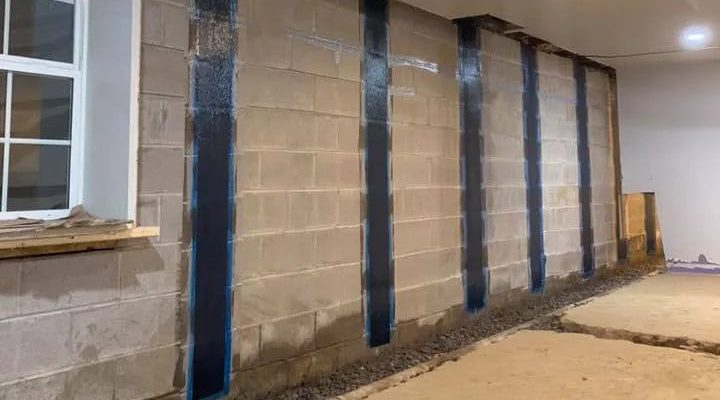
  1. Addressing Bowing Walls: Bowing walls are a common issue in basements where water-saturated soil exerts pressure on the foundation walls, causing them to curve inward. Carbon fiber strips are applied vertically along the bowing wall, effectively bracing it and preventing further movement. These strips transfer the load to the stronger sections of the wall, stabilizing it.
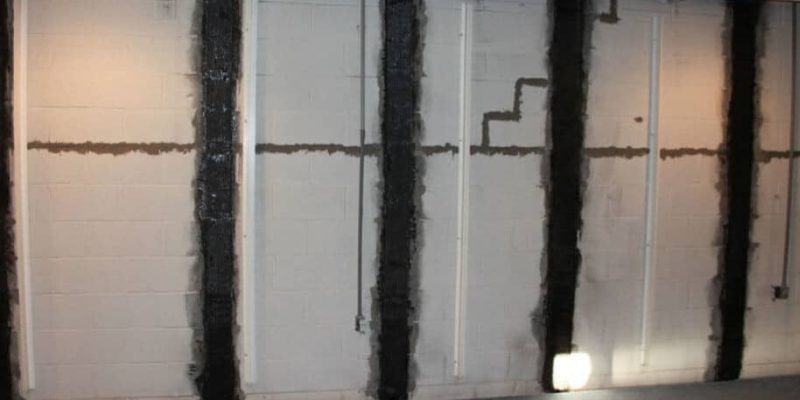
  2. Fixing Cracks: Cracks in foundation walls are often the result of soil movement or settling. If left unchecked, these cracks can lead to water infiltration and structural instability. Carbon fiber can be used to reinforce the cracked areas, bonding them together and preventing further expansion of the cracks.
  3. Resisting Lateral Pressure: In cases where lateral pressure from surrounding soil is causing the foundation to weaken, carbon fiber can be applied to increase the wall’s resistance to this force. This prevents further bowing or cracking, keeping the foundation stable.

Carbon fiber has revolutionized the approach to foundation reinforcement and repair. Its strength, durability, and ease of installation make it an ideal solution for addressing structural issues such as bowing walls, cracks, and lateral pressure. As more homeowners seek cost-effective and minimally invasive methods to maintain the integrity of their foundations, carbon fiber will continue to be a preferred choice. With its ability to strengthen and stabilize foundations for decades without requiring extensive maintenance, it offers both peace of mind and long-term protection for homes.

Contact the Professionals at StablWall Today! (866) 782-5955
crawlspace-and-foundation-repairs-stablwall-3

How Carbon Fiber Wraps Are Transforming Crawlspace and Foundation Repairs

Crawlspaces and foundations are two of the most critical components of any home’s structure. Over time, these areas can suffer from a range of issues, including moisture buildup, soil movement, and structural stress, all of which can lead to cracking or bowing. While traditional repair methods like steel beams and wall anchors have been commonly used, carbon fiber wraps have emerged as a revolutionary alternative. In this article, we’ll explore how carbon fiber wraps transform crawlspace and foundation repairs, offering an efficient, durable, and cost-effective solution.

Crawlspaces are typically found beneath homes, providing access to electrical wiring, plumbing, and HVAC systems. However, they are also vulnerable to moisture, poor ventilation, and shifting soils, all of which can compromise the integrity of the foundation above them.

Common issues associated with crawlspaces and foundations include:

  1. Cracks in Walls and Floors: Over time, the foundation may begin to develop cracks due to soil pressure, water damage, or natural settling. These cracks can allow moisture to enter, leading to mold growth and further structural degradation.crawlspace-and-foundation-repairs-stablwall-1
  2. Bowing or Buckling Walls: In basements and crawlspaces, walls may begin to bow inward due to external pressure from water-saturated soil. This is particularly common in regions with heavy rainfall or expansive soils.
  3. Uneven Settling: Foundations can settle unevenly, leading to sloping floors and cracks in the walls. This is often caused by poorly compacted soil beneath the foundation or changes in moisture levels in the soil.
  4. Moisture and Mold: Crawlspaces are notorious for high humidity levels, which can lead to mold growth and wood rot. Over time, this can weaken the structural supports and create an unhealthy indoor environment.

Carbon fiber wraps are used to reinforce and strengthen areas of a foundation or crawlspace that have been compromised by cracks, bowing, or other damage. The wraps consist of high-strength carbon fibers bonded with an epoxy resin, allowing them to adhere to the existing structure.

Here’s how the process works:

  1. Surface Preparation: The first step in the carbon fiber wrap installation is preparing the surface of the foundation or wall. This typically involves cleaning the surface and removing any loose or damaged material. If cracks are present, they may need to be filled with epoxy before the carbon fiber wrap is applied.
  2. Applying the Epoxy Resin: Once the surface is ready, an epoxy resin is applied to the damaged area. This resin serves as the adhesive that bonds the carbon fiber wrap to the surface.
  3. Installing the Carbon Fiber Wrap: The carbon fiber wrap is then applied over the epoxy-coated surface, where it is pressed into place to ensure a strong bond. In most cases, the wrap is applied vertically along the wall to provide support against bowing or cracking.
  4. Curing and Hardening: After the carbon fiber wrap is in place, the epoxy resin is left to cure. Once it hardens, the carbon fiber wrap becomes a permanent reinforcement for the foundation or crawlspace wall, preventing further movement or damage.

There are several advantages to using carbon fiber wraps for crawlspace and foundation repairs:

  1. High Strength: Carbon fiber is incredibly strong, with a tensile strength that surpasses steel. This makes it ideal for reinforcing walls that are under stress from soil pressure or structural movement.
  2. Lightweight and Easy to Apply: Unlike steel or concrete reinforcements, carbon fiber wraps are lightweight and relatively easy to install. This means that repairs can be completed more quickly and with less disruption to the home.
  3. Non-Corrosive: One of the biggest benefits of carbon fiber is its resistance to moisture and corrosion. This is particularly important for crawlspaces and basements, where high humidity levels can cause traditional steel reinforcements to rust over time.
  4. Minimal Disruption: Carbon fiber wraps can be applied without the need for extensive excavation or construction work, which makes the repair process faster and less disruptive for homeowners.

While carbon fiber wraps are commonly used for crawlspace and foundation repairs, they have a wide range of applications in both residential and commercial construction:

  1. Bowing Basement Walls: Carbon fiber wraps are often used to stabilize basement walls that have begun to bow inward due to hydrostatic pressure. The wraps are applied vertically along the wall to prevent further movement.crawlspace-and-foundation-repairs-stablwall-2
  2. Foundation Crack Repair: Cracks in the foundation can be reinforced with carbon fiber wraps, which provide a permanent seal and prevent the crack from expanding.
  3. Crawlspace Wall Reinforcement: In crawlspaces, carbon fiber wraps can be applied to walls that are showing signs of stress or movement. This helps prevent further damage and ensures the structural integrity of the home.
  4. Beam and Column Reinforcement: Carbon fiber wraps can also be used to reinforce beams and columns in areas with heavy loads or where structural supports have been compromised.

While carbon fiber wraps offer several benefits, there are some limitations to their use:

  1. Not Suitable for Severe Damage: In cases where the foundation has experienced severe structural damage, carbon fiber wraps may not be enough to provide the necessary reinforcement. More extensive repairs, such as underpinning or wall anchors, may be required.
  2. Requires Professional Installation: While carbon fiber wraps are relatively easy to apply, they require specialized knowledge and equipment to ensure proper installation. Homeowners should always work with a professional contractor who has experience with carbon fiber repairs.

Carbon fiber wraps have transformed the way crawlspace and foundation repairs are approached, offering a strong, durable, and cost-effective solution for reinforcing walls and preventing further damage. Their ease of installation, high tensile strength, and resistance to moisture make them an ideal choice for homeowners looking to address cracks, bowing, and other structural issues. As the demand for non-invasive, long-lasting foundation repair solutions continues to grow, carbon fiber wraps will remain at the forefront of modern construction practices.

Contact the Professionals at StablWall Today! (866) 782-5955
carbon-fiber-repair-stablwall-3

Understanding Carbon Fiber Repair: Strengthening Foundations and Structures

Carbon fiber is one of the strongest materials used in modern construction and repair. Its lightweight, high tensile strength, and resistance to environmental factors make it ideal for repairing structural damage, especially in residential foundations. This article delves into the importance of carbon fiber in foundation repair, its benefits, and how it can be applied to strengthen homes facing foundational issues.

Carbon fiber is a composite material of thin fibers bonded together, typically with a resin, to create a lightweight yet strong reinforcement product. It is known for its high strength-to-weight ratio and is resistant to corrosion, which makes it suitable for reinforcing foundations and other structural elements in homes.

Foundations are the backbone of any building, and over time, factors such as soil movement, water damage, and natural settling can lead to cracks and structural weaknesses. Traditional methods of repairing these issues, like steel reinforcements or underpinning, can be invasive and costly. Carbon fiber offers a non-invasive alternative that delivers long-lasting results.

Some key benefits of carbon fiber for foundation repair include:

  1. High Tensile Strength: Carbon fiber has a tensile strength of over 500,000 psi, which is significantly higher than steel. This makes it ideal for reinforcing foundations that have begun to crack or shift due to pressure from surrounding soil.
  2. Lightweight: Unlike steel and other traditional materials, carbon fiber is lightweight and easy to apply. This reduces labor costs and allows for faster installation without compromising strength.carbon-fiber-repair-stablwall-1
  3. Corrosion Resistant: Carbon fiber does not corrode when exposed to moisture, unlike steel reinforcements, making it perfect for homes in areas with high humidity or groundwater issues.
  4. Minimal Intrusiveness: The installation of carbon fiber strips or wraps is less invasive compared to other methods like excavation or underpinning. Homeowners can often continue using their space during the repair process.

Carbon fiber is particularly useful for addressing several common structural issues in residential foundations. These problems often arise from soil movement, water pressure, or poor construction, and carbon fiber provides a robust solution to these challenges.

  1. Basement Wall Cracks: Horizontal cracks in basement walls often occur due to hydrostatic pressure exerted by water-saturated soil. Over time, the pressure causes walls to bow inward and crack. Carbon fiber strips can be applied to these walls to stabilize them and prevent further movement.
  2. Foundation Shifting: Soil movement, such as expansion and contraction due to moisture changes, can cause a foundation to shift or settle unevenly. Carbon fiber reinforcement helps prevent further shifting by creating a strong barrier that holds the foundation in place.
  3. Beam and Column Support: Carbon fiber wraps can also be used to reinforce beams and columns in the home, especially in crawlspaces or areas with heavy loads. This helps improve the overall structural integrity of the building.

Carbon fiber repairs are typically performed by professional contractors who specialize in foundation repair. Here’s an overview of the general process involved:

  1. Inspection and Assessment: Before any repair is made, a thorough inspection of the foundation or affected area is conducted to determine the extent of the damage and the most appropriate repair method.
  2. Surface Preparation: For carbon fiber to bond effectively to the structure, the surface must be prepared by cleaning the area of debris, dirt, and loose material. In some cases, minor grinding of the surface may be required to ensure a proper bond.
  3. Application of Epoxy: Once the surface is prepped, an epoxy resin is applied to act as an adhesive between the carbon fiber and the structure. The epoxy is typically spread evenly over the damaged area.
  4. Installation of Carbon Fiber Strips or Wraps: Carbon fiber strips or wraps are applied over the epoxy-coated area, reinforcing the structure. The carbon fiber is pressed into place and may be rolled to ensure it bonds securely to the surface.
  5. Curing and Finishing: After the carbon fiber is applied, the epoxy is left to cure, typically over several hours or days, depending on the product. Once cured, the carbon fiber creates a strong, rigid reinforcement.

While carbon fiber is widely used for foundation repair, it has several other applications in both residential and commercial construction:

  1. carbon-fiber-repair-stablwall-2Seismic Retrofitting: In areas prone to earthquakes, carbon fiber can be used to retrofit buildings to make them more resistant to seismic activity. By reinforcing walls, beams, and columns, carbon fiber helps distribute stress more evenly during an earthquake.
  2. Bridge and Infrastructure Repair: Carbon fiber is used in civil engineering projects to repair bridges, highways, and other infrastructure. Its high strength and durability make it ideal for withstanding the heavy loads and environmental stress these structures face.
  3. Concrete Reinforcement: Carbon fiber can be applied to concrete structures to increase their load-bearing capacity and prevent cracking or failure. This is particularly useful for aging buildings that require structural strengthening.

One of the most significant advantages of carbon fiber repair is its low maintenance requirements. Once applied, carbon fiber requires little to no ongoing maintenance. Its resistance to corrosion and environmental factors means that it can provide decades of protection without the need for frequent repairs or replacements.

However, it’s still essential to monitor the repaired area for any signs of additional movement or cracking. In most cases, if installed correctly, carbon fiber repairs will provide long-lasting support, allowing homeowners to avoid more costly and invasive foundation repairs in the future.

Carbon fiber has revolutionized the way foundation repairs are approached, offering a strong, durable, and minimally invasive solution to common structural problems. Its unique properties make it an ideal choice for homeowners looking to reinforce their foundations and protect their homes from further damage. With its wide range of applications and benefits, carbon fiber will continue to play a pivotal role in the construction and repair industry.

Contact the Professionals at StablWall Today! (866) 782-5955
carbon-fiber-and-stablwall-stablwall-3

An In-Depth Look at Carbon Fiber and StablWall in Foundation Repair

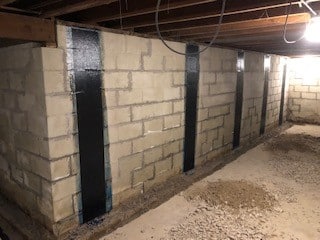
Foundation issues are a common concern for homeowners, particularly those with older homes or properties located in areas with shifting soils. As foundations settle and move over time, cracks can develop, compromising the structural integrity of the building. Traditionally, repairing these issues involved invasive and expensive methods, such as steel beam installations or extensive excavation. However, advancements in materials science have introduced more effective and less disruptive solutions, notably the use of carbon fiber and StablWall technology. In this article, we’ll explore how carbon fiber and StablWall are revolutionizing foundation repair.

Understanding Carbon Fiber in Construction

Carbon fiber is a high-strength material made from carbon atoms bonded together in a crystalline formation. Known for its exceptional strength-to-weight ratio, carbon fiber is widely used in aerospace, automotive, and sports equipment manufacturing. Its application in construction, particularly in foundation repair, is a relatively recent development but one that has proven to be highly effective.

  1. carbon-fiber-and-stablwall-stablwall-1Properties of Carbon Fiber: Carbon fiber is incredibly strong, with a tensile strength several times that of steel. It is also lightweight, flexible, and resistant to corrosion, making it an ideal material for reinforcing structures without adding significant weight.
  2. Carbon Fiber Straps for Foundation Repair: In foundation repair, carbon fiber is used in the form of straps or sheets that are bonded to the foundation walls. These straps are designed to stabilize and strengthen walls that have been compromised by cracks or bowing. When applied correctly, carbon fiber can prevent further movement and reinforce the structural integrity of the foundation.
  3. Benefits of Carbon Fiber in Foundation Repair:
    • Non-Invasive Installation: Unlike traditional methods that require extensive excavation or the installation of large steel beams, carbon fiber straps can be applied directly to the interior of the foundation walls with minimal disruption.
    • Durability: Carbon fiber is resistant to environmental factors such as moisture, temperature changes, and chemicals, ensuring long-term stability and performance.
    • Aesthetic Considerations: Carbon fiber straps are relatively unobtrusive and can be easily painted over or covered, making them a more aesthetically pleasing option compared to bulky steel reinforcements.

Introduction to StablWall Technology

StablWall is a specific brand of carbon fiber technology designed for foundation repair. It utilizes carbon fiber sheets or straps to stabilize foundation walls, prevent further cracking, and restore structural integrity. The StablWall system is particularly effective in addressing issues related to bowing or bulging walls caused by hydrostatic pressure or soil movement.

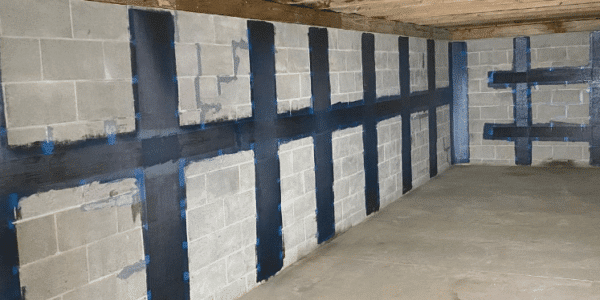
  1. How StablWall Works: The StablWall system involves bonding carbon fiber sheets to the foundation walls using a high-strength epoxy adhesive. The sheets are placed horizontally or vertically, depending on the specific needs of the wall. Once applied, the carbon fiber works by distributing the forces that cause the wall to move, effectively halting further movement and reinforcing the wall.
  2. Applications of StablWall:
    • Repairing Bowing Walls: Bowing walls are a common problem in basements, particularly in areas with high soil moisture or expansive soils. The StablWall system is designed to counteract the forces causing the wall to bow, restoring it to its original position and preventing further damage.
    • Crack Repair: StablWall can also be used to repair cracks in foundation walls. By applying carbon fiber sheets over the cracks, the system reinforces the wall and prevents the crack from widening or causing additional structural issues.
    • Seismic Reinforcement: In areas prone to earthquakes, StablWall can provide additional reinforcement to foundation walls, helping to protect the structure from seismic forces.
  3. Advantages of StablWall:
    • Ease of Installation: StablWall installation is quick and straightforward, often taking just a few hours to complete. This minimizes disruption to the homeowner and reduces labor costs.
    • Long-Term Stability: The combination of high-strength carbon fiber and durable epoxy ensures that StablWall provides a long-lasting solution to foundation problems.
    • Cost-Effective: Compared to traditional foundation repair methods, StablWall is a more cost-effective solution, both in terms of materials and labor.

Comparing Carbon Fiber and StablWall to Traditional Methods

When considering foundation repair options, it’s important to compare the benefits of carbon fiber and StablWall to traditional methods such as steel beams or wall anchors.

  1. Steel Beams: Steel beams are a traditional method used to stabilize foundation walls. While effective, they are invasive to install, requiring significant excavation and often causing disruption to the home. Steel beams are also prone to corrosion over time, potentially requiring maintenance or replacement.carbon-fiber-and-stablwall-stablwall-2
  2. Wall Anchors: Wall anchors involve installing metal plates on the exterior of the foundation walls and connecting them to interior anchors with steel rods. While this method can be effective, it requires excavation on the exterior of the home and can be more expensive and time-consuming to install compared to carbon fiber systems.
  3. Advantages of Carbon Fiber and StablWall:
    • Non-Invasive: Carbon fiber and StablWall are applied directly to the interior of the foundation walls, eliminating the need for excavation and reducing installation time.
    • Lower Cost: The materials and labor involved in installing carbon fiber and StablWall are generally less expensive than those required for steel beams or wall anchors.
    • Long-Term Durability: Carbon fiber is highly resistant to environmental factors that can cause other materials to deteriorate, ensuring a long-lasting solution without the need for frequent maintenance.

Carbon fiber and StablWall represent significant advancements in the field of foundation repair. Their non-invasive installation, durability, and cost-effectiveness make them ideal solutions for addressing a range of foundation issues, from bowing walls to cracks and seismic reinforcement. As more homeowners and contractors recognize the benefits of these technologies, carbon fiber and StablWall are likely to become the go-to options for foundation repair, offering a reliable and long-lasting solution to one of the most critical aspects of home maintenance.

Contact the Professionals at StablWall Today! (866) 782-5955

stablwall-stablwall-3

StablWall: Revolutionizing Foundation Repair with Carbon Fiber Technology

StablWall is an advanced foundation repair system that utilizes carbon fiber technology to stabilize and reinforce foundation walls. This innovative solution is specifically designed to address structural issues in basements and crawlspaces, such as bowing walls, cracks, and general weakening of the foundation due to soil movement, water pressure, or other environmental factors. By leveraging the incredible strength and flexibility of carbon fiber, StablWall provides a non-invasive, long-lasting solution for homeowners facing foundation problems.

How StablWall Works

StablWall operates on a simple yet highly effective principle: by applying carbon fiber sheets or straps to the interior surface of foundation walls, the system reinforces the walls and prevents further movement. Here’s a closer look at the process:

  1. Assessment and Preparation:
    • stablwall-stablwall-1Inspection: The first step in using StablWall is a thorough inspection of the foundation walls. A professional contractor will assess the extent of the damage, including identifying any cracks, bowing, or signs of structural weakness.
    • Surface Preparation: For StablWall to adhere properly, the surface of the foundation wall must be clean and smooth. This involves removing any paint, dirt, or debris from the wall. In some cases, light sanding or grinding may be necessary to create a suitable bonding surface.
  2. Application of Carbon Fiber Sheets:
    • Positioning: The carbon fiber sheets or straps are positioned on the wall according to the specific needs of the structure. In cases of bowing walls, the sheets are typically applied vertically to counteract the inward pressure. For cracked walls, the sheets may be applied over the cracks to prevent further spreading.
    • Epoxy Adhesion: A high-strength epoxy adhesive is applied to both the wall and the carbon fiber sheets. The epoxy serves two purposes: it securely bonds the carbon fiber to the wall and penetrates the surface of the wall to reinforce the structure from within.
    • Curing Process: Once the carbon fiber sheets are applied, the epoxy needs time to cure. This process typically takes a few hours, during which the adhesive hardens and forms a strong bond with the wall.
  3. Finishing Touches:
    • Aesthetic Considerations: After installation, the carbon fiber sheets can be painted over or covered with a finishing material to match the rest of the basement. This ensures that the StablWall system does not detract from the appearance of the interior space.
    • Final Inspection: The contractor will perform a final inspection to ensure that the StablWall system has been properly installed and that the wall is stable.

Unique Advantages of StablWall

StablWall offers several advantages over traditional foundation repair methods, making it an increasingly popular choice among homeowners and contractors alike:

  1. Non-Invasive Installation: Unlike traditional methods that require extensive excavation or the installation of large steel beams, StablWall is installed directly onto the interior surface of the foundation walls. This means there is no need to disrupt landscaping or remove large sections of the basement walls.
  2. High Strength-to-Weight Ratio: Carbon fiber is incredibly strong yet lightweight. This allows StablWall to provide significant reinforcement without adding any substantial weight to the structure, which could otherwise contribute to further settling or shifting of the foundation.
  3. Durability and Longevity: Carbon fiber is resistant to environmental factors such as moisture, chemicals, and temperature fluctuations. This ensures that the StablWall system remains effective over the long term, providing a permanent solution to foundation issues.
  4. Cost-Effectiveness: The installation of StablWall is generally more cost-effective than traditional methods, both in terms of materials and labor. Additionally, because it is a permanent solution, homeowners can avoid the recurring costs associated with less durable repair methods.
  5. Versatility: StablWall can be used to address a variety of foundation problems, including bowing walls, cracks, and general weakening of the structure. It is suitable for use in both residential and commercial properties.

Applications of StablWall

StablWall is versatile and can be applied to various types of foundation problems:

  1. Bowing Walls: One of the most common issues StablWall addresses is bowing walls, which occur when external pressure from soil or water forces the foundation walls inward. By applying carbon fiber sheets vertically, StablWall counteracts this pressure and stabilizes the wall.
  2. Cracked Walls: Cracks in foundation walls are often a sign of underlying structural issues. StablWall can be applied over these cracks to prevent them from widening or spreading, thus reinforcing the wall and restoring its integrity.
  3. Seismic Reinforcement: In areas prone to earthquakes, StablWall provides additional reinforcement to foundation walls, helping them withstand seismic forces. This can be particularly important for older buildings that may not have been constructed with modern seismic standards in mind.
  4. Preventative Measures: Even if a foundation has not yet shown signs of significant damage, StablWall can be used as a preventative measure to reinforce walls and protect them from future issues. This is particularly useful in areas with known soil movement or high water tables.

Installation Process: Step-by-Step Guide

The installation of StablWall is a straightforward process that involves several key steps:

  1. Initial Consultation: A professional contractor will visit the site to assess the condition of the foundation and determine if StablWall is the appropriate solution.
  2. stablwall-stablwall-2Preparation: The contractor will prepare the walls by cleaning the surface and ensuring it is smooth and ready for the carbon fiber application.
  3. Application of Epoxy and Carbon Fiber: The epoxy adhesive is applied to the prepared surface, and the carbon fiber sheets are positioned and pressed onto the wall.
  4. Curing: The epoxy is allowed to cure, forming a strong bond between the carbon fiber and the wall.
  5. Finishing: Once the epoxy has cured, the carbon fiber can be painted or covered with a finishing material to blend in with the rest of the basement.
  6. Final Inspection: The contractor will perform a final inspection to ensure the installation was successful and the wall is stable.

StablWall represents a significant advancement in the field of foundation repair. By utilizing the incredible strength and durability of carbon fiber, StablWall offers a non-invasive, cost-effective, and long-lasting solution to a wide range of foundation issues. Whether you’re dealing with bowing walls, cracks, or just want to reinforce your foundation as a preventative measure, StablWall provides a reliable and proven method to protect your home’s structural integrity for years to come.

Contact the Professionals at StablWall Today! (866) 782-5955